Broccoli and coconut milk cream soup
Updated Aug 30, 2026
Histamine intolerance is a food sensitivity that kicks in when your body can't break down histamine fast enough — showing up as headaches, flushing, hives, diarrhoea or a stuffy nose after eating. It's not an allergy, and you can't diagnose it with a single blood test. Current guidance says diagnosis rests on three things: ruling out other causes, a time-limited elimination diet, and — most importantly — a structured food reintroduction that reveals your own personal threshold. This article covers what most 'foods to avoid' lists leave out — why those lists are unreliable, what a blood DAO test can and can't tell you, how much freshness really matters, and how to build a diet that doesn't cut out more than it needs to.
Histamine intolerance is a condition where a normal amount of histamine in food causes problems because your body can't break it down fast enough. It's not an immune disorder — it's a mismatch between how much histamine you take in and how much you can actually process.
Histamine itself isn't anything exotic. It forms in food through bacterial activity that converts the amino acid histidine into histamine — which is why it's most concentrated in things that have aged, fermented, or sat around for a while. In the body, food-derived histamine is broken down mainly by the enzyme diamine oxidase (DAO), which sits in the lining of the small intestine and acts as a barrier between food and the bloodstream. When that capacity runs low, some histamine gets through.
Now for the important bit that older articles usually skip: histamine intolerance is a clinically contested diagnosis. It's estimated to affect roughly 1% of the population, but even the authors of review papers note that the data on prevalence are very limited. There's no validated biomarker for it, and no clear-cut test. Under current guidelines, it's therefore diagnosed per exclusionem — meaning only after ruling out conditions that look similar: coeliac disease, food allergy, irritable bowel syndrome, mastocytosis, lactose or fructose intolerance.
That's not a reason to doubt that your symptoms are real. It's a reason not to settle for a self-diagnosis off the internet.
The difference lies in the mechanism: an allergy is an immune system reaction, an intolerance is a matter of processing capacity. That's also why they behave differently.
Allergy — the immune system flags a protein in food as a threat and produces IgE antibodies against it. The reaction comes fast, often within minutes, and even a trace amount can trigger it. It can be life-threatening.
Histamine intolerance — no antibodies are formed. What matters is the dose: a small portion passes without issue, a larger one — or several stacked through the day — might not.
Threshold — this is the key practical difference. With an allergy, there's practically no threshold; with histamine intolerance, it's personal and it shifts. The same food might cause trouble one day and not the next, depending on what you ate before it, whether you had alcohol, or what medication you're on.
What makes this confusing is that they can look similar from the outside — hives, swelling, a runny nose, digestive upset. That's exactly why the order matters: see a doctor to rule out allergy first, then look into intolerance. Doing it the other way round doesn't work, and it's risky.
If you're curious about the flip side of this coin, take a look at cross-reactive allergies and why an apple can make your mouth itch — that's a reaction to pollen, not histamine, but it's probably the thing most often confused with this topic.
The most commonly reported symptoms are headaches and migraines, facial flushing, hives and itching, a stuffy or runny nose, bloating, cramps and diarrhoea, heart palpitations and a drop in blood pressure. A defining feature is that several systems are affected at once — bloating on its own doesn't mean histamine intolerance.
In more detail, by where it shows up:
Head and nervous system — a dull headache or migraine, dizziness, fatigue. The symptoms reported aren't limited to digestion.
Skin — flushing (typically the face and neck), hives, itching.
Digestion — bloating, cramps, diarrhoea, nausea. This picture overlaps heavily with irritable bowel syndrome, which is one of the main reasons intolerance is hard to pin down.
Breathing and circulation — stuffy nose, watery runny nose, heart palpitations, drop in blood pressure.
Timing is usually described as minutes to hours after eating, but to be fair, the exact timing isn't firmly established by evidence yet and varies between people. That's exactly why a food-and-symptom diary is more valuable than any food list: it captures your own pattern, not a population average.
Diagnosis relies on clinical assessment and on how you respond to elimination and reintroduction of foods — not on a single lab result. The practical process has three steps: rule out other causes, temporarily lower histamine intake, then reintroduce foods in a controlled way.
A serum DAO value on its own can neither confirm nor rule out histamine intolerance. It's a supporting data point, not a diagnosis — good to know before you pay for the test.
Why caution is warranted:
Studies evaluating serum DAO as a diagnostic test conclude that the measurement can be a supplementary tool alongside clinical assessment, but shouldn't be the sole basis for diagnosis.
Values fluctuate in the same person over time, and the link between low DAO and actual symptoms comes out inconsistent across different studies.
There's no generally accepted cut-off. A very low value can support the diagnosis, but a normal or high value doesn't rule it out — so you can't base a decision on one result alone.
In other words: it's useful as one piece of the puzzle for your doctor. It's not useful as a test you order on your own and then reorganise your entire diet around.
Elimination and reintroduction have three phases: 1) elimination for 2–4 weeks, 2) controlled reintroduction of one food at a time (weeks to months), 3) a long-term diet based on your own threshold. In practice, this is the most reliable tool we have for histamine intolerance — and most people get stuck right at the first phase.
Elimination (roughly 2–4 weeks, up to 4–6 depending on the approach). You temporarily cut back on high-histamine foods and watch whether symptoms improve. This phase is a diagnostic tool, not a permanent diet — it's not meant to last forever or drag on indefinitely.
Reintroduction (weeks to months). You bring foods back one at a time, spaced out, and log your reaction. This is where you actually learn something useful — which specific foods bother you, and in what amount.
Long-term diet. Built on what actually worked for you, not on a generic list. The goal is the widest diet possible that doesn't cause you trouble.
If nothing improves after the elimination phase, that's valuable information in itself: the cause is probably something else, and it's worth investigating further rather than restricting more.
Under current guidance, this process should be carried out under the supervision of a dietitian or doctor. That's not a formality — following a restrictive diet blindly for months is its own health risk.
The most valuable thing you can bring is a food-and-symptom diary covering two to three weeks. Not a vague statement like 'cheese usually upsets me,' but concrete data.
What to log:
What you ate and how fresh it was — freshly cooked, or leftovers from two days ago.
When you ate and how long it took for symptoms to appear.
Which symptoms, and how severe (a 1–5 scale is fine).
Alcohol, medication, and for women, cycle phase — all of these shift the threshold.
Expect your doctor to ask about other conditions and likely refer you for tests that don't confirm histamine intolerance but rule out other causes. That's the correct process, not a delay.
A large share of foods on typical 'forbidden' lists don't actually belong there because of histamine content — according to a review by Sánchez-Pérez et al. (Nutrients, 2021), histamine content can only justify 32% of the excluded items. This is probably the single most useful takeaway from this article, since it can hand back a lot of food to your plate.
Two reasons the lists fail:
1. Histamine content is extremely variable. It's not a fixed property of a food — it's the result of how that food was handled. The measured range in plant foods (Sánchez-Pérez et al., Foods, 2018) says it all:
aubergine (eggplant): 4–101 mg/kg
spinach: 9–70 mg/kg
tomato: undetectable to 17 mg/kg
avocado: undetectable to 23 mg/kg
So the same ingredient can vary as much as twentyfold, depending on freshness, storage and processing. A table with one fixed number per item is projecting a precision that doesn't exist.
2. A lot of foods land on these lists because of other compounds. Citrus fruits, mushrooms, soy and nuts contain very little histamine. They tend to appear on lists because of other biogenic amines, mainly putrescine. The review's authors point out the inconsistency here: some foods high in putrescine get a pass, while others with similar or lower levels get banned.
The practical takeaway: treat lists as a hypothesis to test, not a rulebook. Your own diary from the reintroduction phase is more reliable than any table.
With histamine, what matters more than the type of ingredient is how long the food sat, and at what temperature. Bacteria produce histamine in food using the enzyme histidine decarboxylase — and the speed of that process is driven by temperature and time.
The warmer it is, the faster it builds — above roughly 15–20°C (59–68°F), histamine accumulates dramatically faster. But even the fridge won't stop it completely: some bacteria (e.g. Morganella psychrotolerans) keep producing it even at 0–5°C (32–41°F), just slowly, over a matter of days. That's why it's the combination of temperature and time that counts — which is why the FDA monitors both for fish and recommends chilling to 4.4°C (40°F) or below.
A freshly caught fish contains almost no histamine; the same fish left out in the warmth for a few hours can build up a lot. This mechanism is known as scombroid poisoning, and it affects people with no intolerance at all.
And here's the crucial part: once histamine has formed, there's no getting rid of it. It's heat-stable — cooking, roasting, canning or freezing won't destroy it. You can't 'cook it away.' You can only prevent it from forming in the first place.
What this means for your kitchen:
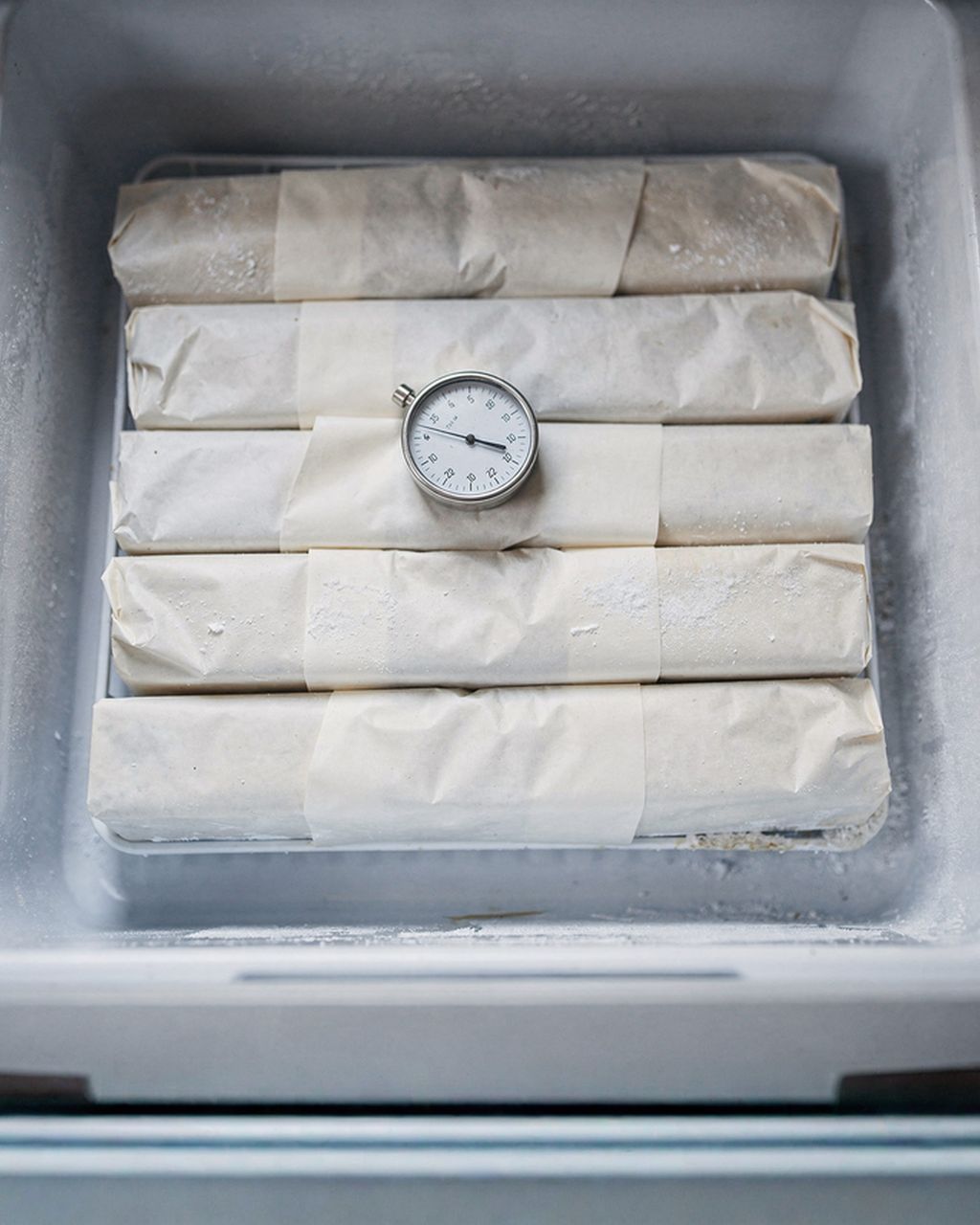
Chill food to 4°C (39°F) or below, freeze at −18°C (0°F). Refrigeration doesn't stop bacteria completely, but it slows them down enough that the timeline shifts from hours to days.
Buy fish as fresh as possible and cook it the same day. This is where the payoff is biggest.
Cool cooked food quickly and get it into the fridge, don't let it sit cooling on the stove for hours. That's exactly when histamine builds up fastest.
Portion and freeze right after cooking. A frozen leftover is, from this angle, far better than one that's spent three days in the fridge.
Watch out for things left open or ageing — sliced aged cheese, opened tins, marinated meat.
Here's the good news: most of these steps cost nothing and don't take anything away from your diet.
Alcohol is a confounding factor when testing foods — and wine, beer and other fermented drinks have themselves gone through fermentation, making them a histamine source in their own right. In practice, this means when you're testing a specific food, have it without alcohol — otherwise you won't know what actually caused the reaction.
Two things to keep in mind during the reintroduction phase:
Test one variable at a time. A new food plus a glass of wine is two variables at once, and the result won't tell you anything.
Always log alcohol in your diary, even when it's not what you're testing. Without that record, you won't be able to make sense of your own data later.
The basic principle is simple: cook with fresh ingredients, eat soon after cooking, and avoid anything long-aged or fermented. That's the whole core of low-histamine cooking — the method matters more than any specific ingredient list.
What's typically restricted during the elimination phase:
aged and mould-ripened cheeses, cured meats and fermented meat products
sauerkraut, soy sauce, vinegar, fermented drinks
canned and long-stored fish, especially tuna and mackerel
wine and beer
And what fresh cooking has going for it: fresh meat and poultry, eggs, potatoes, rice, pasta, most vegetables and fruit. Instead of an aged cheese, reach for a fresh one — cottage cheese, ricotta, young goat's cheese.
Three dishes from Yumsta that fit this style of cooking — fresh ingredients, no aged cheese, cured meats or fermented additions:
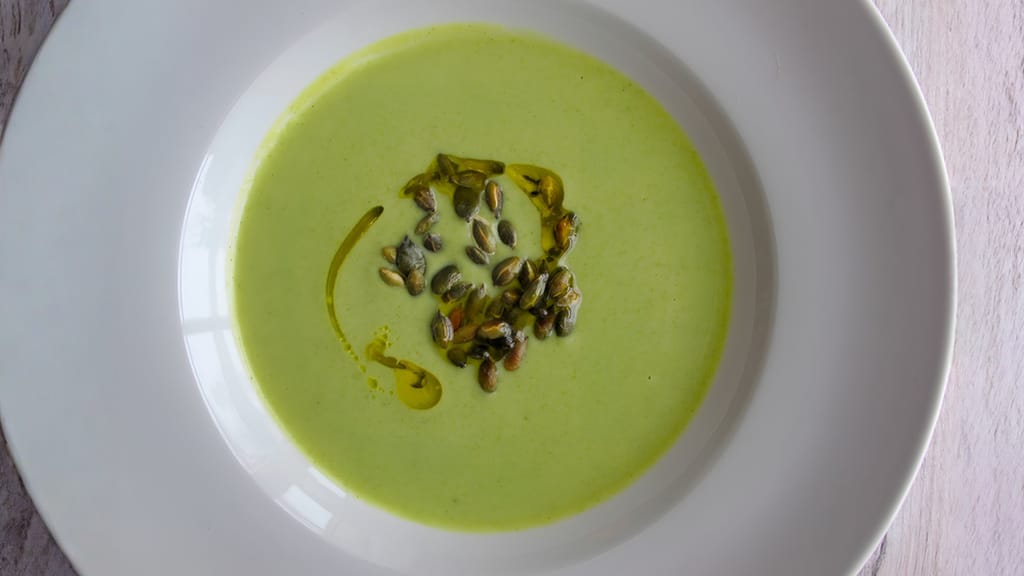
Broccoli and coconut milk cream soup
Creamy broccoli soup with coconut milk — a rich soup made from fresh vegetables, no aged cheese or cream
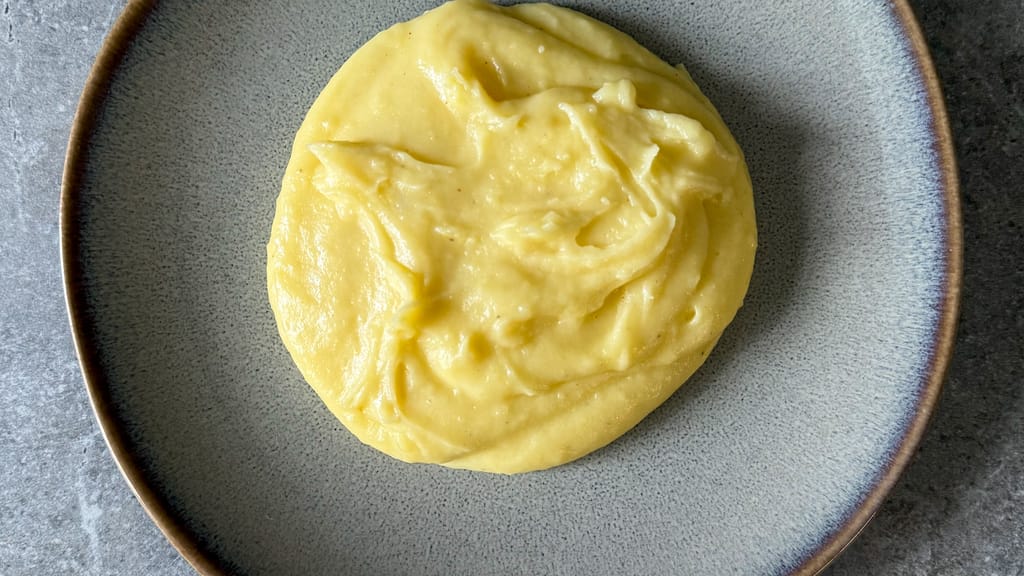
Silky creamy mashed potatoes with nutmeg
Silky mashed potatoes with nutmeg — a gentle side dish made from fresh potatoes
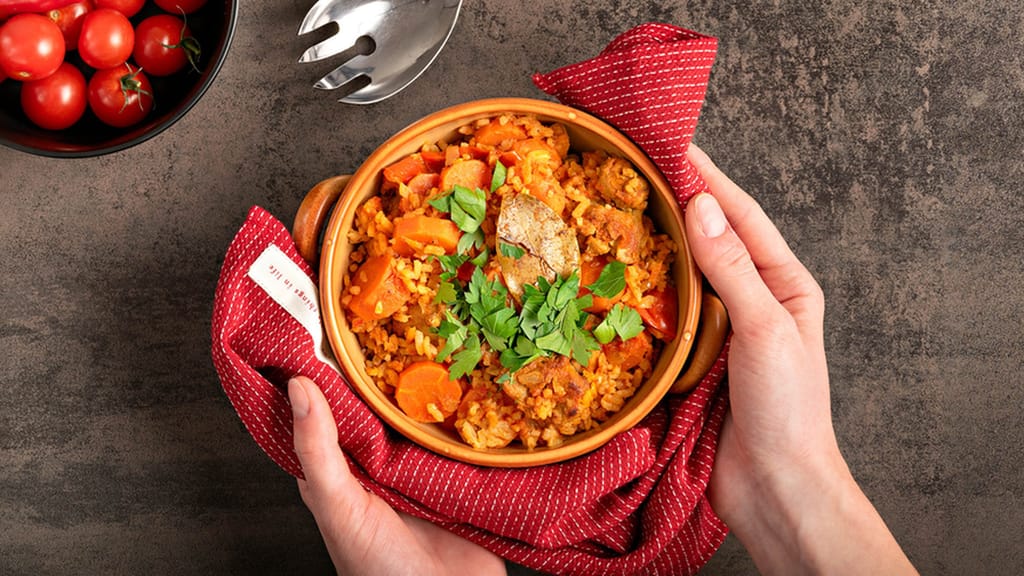
Baked chicken and vegetable risotto
Baked risotto with chicken and vegetables — fresh chicken and rice, all in one tray
DAO supplements have no approved health claims in the EU and the evidence for them is weak; antihistamines are medications that belong in a doctor's hands. It's worth saying plainly, since these supplements are often marketed with a lot of confidence.
What we know about each group:
DAO supplements. Available studies on low-histamine diets combined with DAO supplementation have, by their own authors' admission, small patient samples, no control groups and short durations; a randomised double-blind trial has so far only been run for episodic migraine with DAO deficiency, and a larger placebo-controlled trial is in the works. None of this replaces a proper medical diagnosis.
Antihistamines. These are medications — prescribing and dosing them is a doctor's job, not something to self-manage based on internet advice.
Vitamin C, vitamin B6, zinc and copper. These are a normal part of a varied diet. There's no solid evidence that supplementing them changes anything for people without a proven deficiency — don't expect them to be a fix.
What we're deliberately leaving out: various 'natural digestive support' options commonly suggested for this topic — probiotics, peppermint oil, ginger. For histamine intolerance, there's no usable evidence for them, and some fermented probiotic products are themselves a source of histamine. We'd rather tell you we don't know than sell you a certainty that doesn't exist.
The five most common mistakes on a low-histamine diet: getting stuck in the elimination phase, cutting out too many foods at once, following a list instead of your own diary, ignoring freshness, and neglecting overall nutritional balance. In more detail:
Staying in the elimination phase forever. This is the most common mistake. Elimination is a test, not the end goal — without reintroduction, you'll never find out what's actually causing trouble, and you end up eating less and less for no reason.
Cutting out too much at once. If you drop thirty foods and feel better, you learn absolutely nothing about which one of them was responsible.
Following a list instead of a diary. Lists are imprecise and don't know your personal threshold. Your own data is better.
Forgetting about freshness. Sticking to an 'approved' list while eating three-day-old leftovers is self-defeating — that's exactly where histamine builds up the most.
Not watching overall nutrition. Long-term restriction without professional oversight can cause more harm than the original symptoms — typically affecting calcium, protein and fibre intake.
And one more thing: your threshold isn't fixed. Just because something upset you once doesn't mean it's banned for life. Try it again another time, in a smaller portion, without alcohol.
It doesn't have to be permanent — unlike a food allergy, your tolerance to histamine can shift over time. Your capacity to break down histamine depends on the state of your gut lining, medications, hormones and overall health, so the threshold moves for a lot of people. If your symptoms started alongside another condition or gut lining damage, tolerance can improve once that's addressed. That's exactly why it's worth cautiously retesting foods later on rather than banning them for life.
There's no clear-cut hereditary link proven so far, though the genetics are being studied. Research has looked at variants of the gene for the DAO enzyme and found them in a large share of people with symptoms — but didn't find a significant difference compared with healthy people without symptoms. So genetic DAO tests aren't a reliable diagnostic tool right now. If similar issues run in your family, that's worth mentioning to your doctor — not a reason to order a genetic test yourself.
Coffee itself contains very little histamine, and when it shows up on avoidance lists, it's usually for other reasons. It often gets flagged because of other biogenic amines it contains, but tolerance varies from person to person. The histamine content in coffee is low; it tends to appear on lists more because of other biogenic amines. How it sits with you is something only your own test can show — tried on its own, on an empty stomach, without alcohol. Test it the same way you'd test anything else — alone, on an empty stomach, no alcohol — and go by your own food diary, not a chart.
Stick to simple, freshly prepared dishes and avoid anything long-aged, marinated or fermented. In practice, that means choosing grilled or roasted meat, boiled potatoes or rice, and fresh vegetables — and skipping cured meats, aged cheeses, vinegar-based sauces and soy sauce. At restaurants, it's worth asking whether a dish is cooked to order or just reheated. When travelling, pack food frozen and thaw it right before eating; histamine doesn't keep building up in a frozen portion the way it does in food that's been sitting in a bag all day.
Histamine tolerance often changes during pregnancy. One exploratory study of pregnant women with DAO deficiency found marked improvement in symptoms — bloating, headaches, a runny nose, itching — in at least 77% of participants, whose DAO activity rose many times over. This was a single small exploratory cohort, so it can't be generalised to all pregnant women. In the same study, DAO levels dropped back down two months after birth. Always discuss any dietary changes during pregnancy with your doctor.
One recipe worth heating the oven for, one tip, and one deal from the shop. Nothing else.