Chicken breast in herb marinade with pita bread
Updated Aug 27, 2026
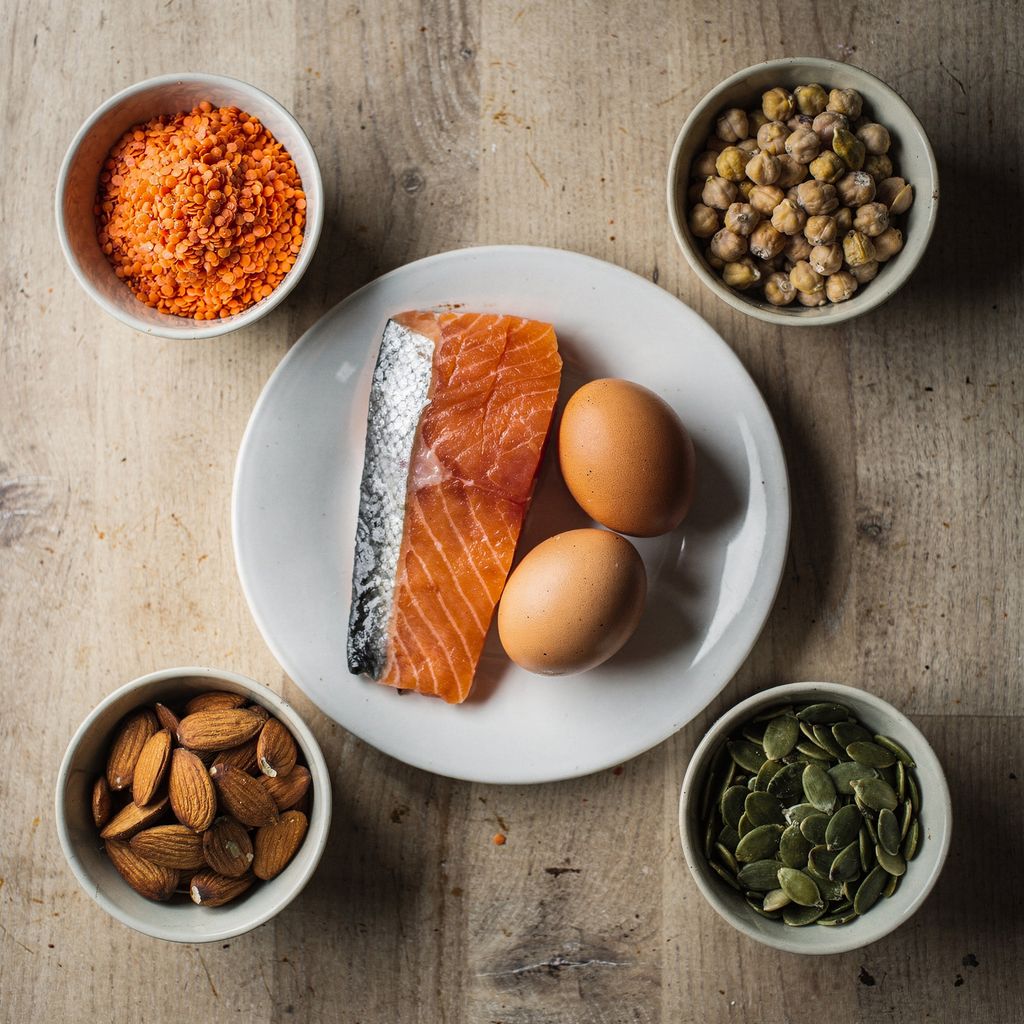
The best protein sources aren't just chicken breast and protein powder — lentils, cottage cheese, eggs, tofu, tuna, pumpkin seeds and even plain semi-skimmed milk all clear the bar for being labelled a "source of protein" under EU rules. But the real difference between foods isn't mainly about how many grams they pack per 100 g. It's about how much of their energy actually comes from protein — which is why almonds qualify and walnuts don't, even though they have a similar gram count. We'll go through the protein content of all the everyday foods, when something can legally be called a source of protein, which foods pair well together, and what temperatures to use so your chicken doesn't dry out, your eggs don't turn rubbery, and your yoghurt doesn't split in the sauce.
The richest widely available protein sources are poultry and lean beef (21–24 g per 100 g), fish like tuna and salmon (20–25 g), hard cheeses (28–33 g), dried legumes (19–25 g), tempeh and tofu (12–19 g), eggs (12.5 g), cottage cheese and Greek yoghurt (10–13 g), and pumpkin seeds (30 g).
But that's not the whole story. The label source of protein in the EU isn't based on grams per 100 g, but on the share of a food's energy that comes from protein — and that splits two seemingly similar foods apart. Almonds have 21 g of protein per 100 g and only just scrape by as a "source of protein". Chicken breast has 23 g — almost the same — yet easily qualifies as "high in protein". The difference comes down to fat, which drowns out the protein share in almonds.
That's why, in the sections below, you'll find both figures for every food: grams per 100 g and whether it meets the bar for "source of protein", or goes all the way to "high in protein".
A food is a source of protein when protein makes up at least 12% of its energy value, and it's high in protein when that share reaches at least 20%. Both are nutrition claims permitted under the Annex to Regulation (EC) No 1924/2006, and can't legally be used if the food doesn't meet the threshold.
You can work it out yourself with basic maths:
Take the grams of protein per 100 g and multiply by 4 — protein has 4 kcal per gram. That's the energy coming from protein.
Divide that by the food's total energy per 100 g.
If you get 0.12 or more, it's a source of protein. If you get 0.20 or more, it's high in protein.
For lentils: 25 g × 4 = 100 kcal from protein, out of 350 kcal total, so 29% → high in protein. For walnuts: 15 g × 4 = 60 kcal, out of 654 kcal total, so 9% → doesn't even qualify as a "source".
Two things follow from this that most articles get wrong. A high-fat food can have a lot of protein per 100 g and still miss the bar, because fat inflates the denominator. And conversely, a food with fewer grams can qualify easily if it's low in calories overall — semi-skimmed milk has only 3.4 g of protein per 100 g, but also just 47 kcal, so protein makes up 29% of its energy.
Animal-based foods clear the "high in protein" bar almost without exception — and on top of that, they supply all nine amino acids the body can't make on its own, in a usable ratio. The exceptions are fatty cuts and creamy dairy products, where the fat pushes the protein share down.
Lean meat has 21–26 g of protein per 100 g: chicken and turkey breast 23–24 g, lean beef round 21–26 g, pork tenderloin 21 g.
Skinless chicken breast: 23 g per 100 g, 110 kcal → 84% of energy from protein
Turkey breast: 24 g per 100 g → high in protein
Lean beef round: 21–26 g per 100 g depending on cut
Pork tenderloin: 21 g per 100 g
The leaner the cut, the higher the protein share of its energy — chicken thigh with skin drops from 84% to roughly half that. Chicken breast is also the easiest meat to dry out, since it has almost no fat or connective tissue to forgive overcooking.
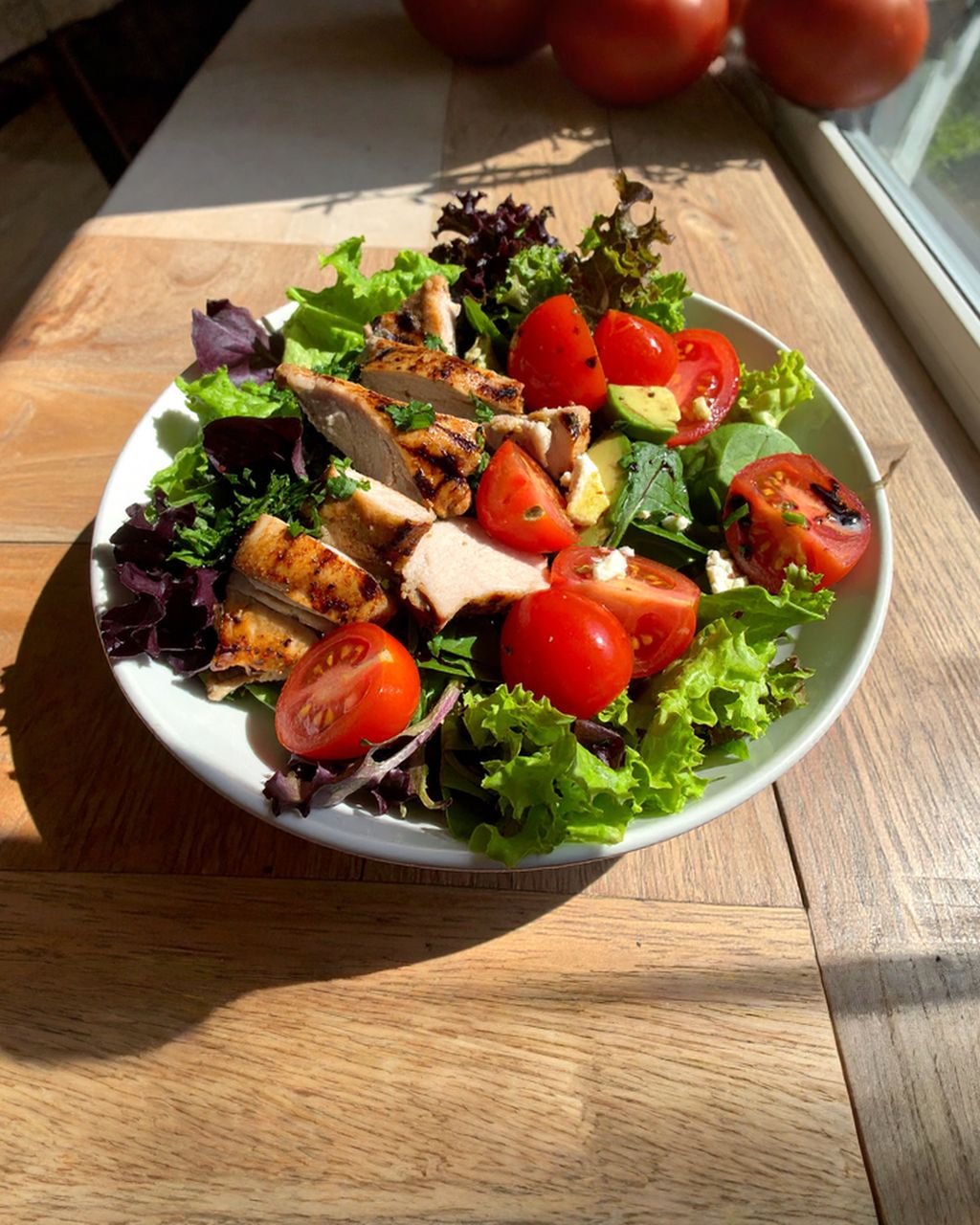
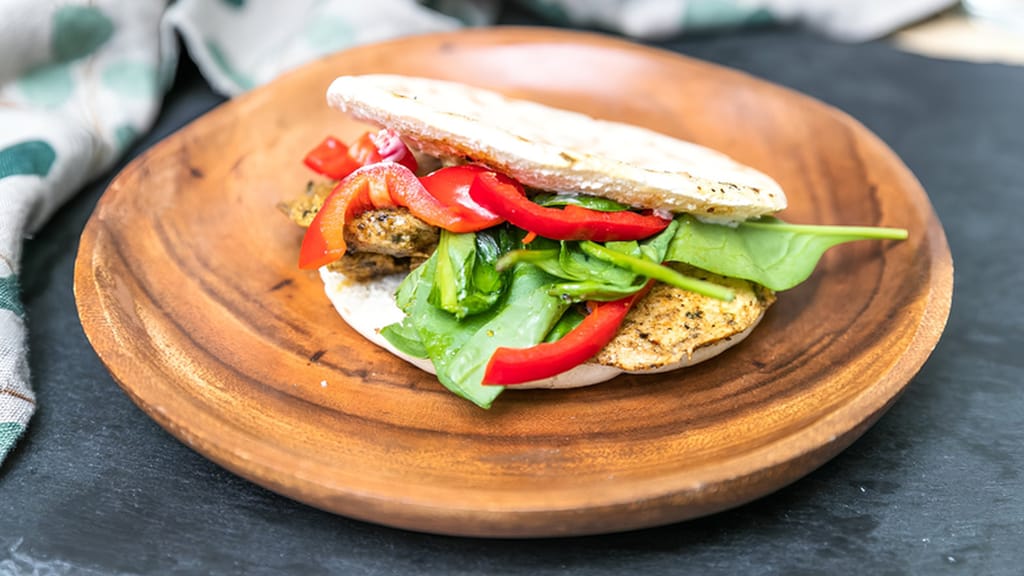
Chicken breast in herb marinade with pita bread
Herb-marinated chicken breast with pita bread — lean meat, high in protein
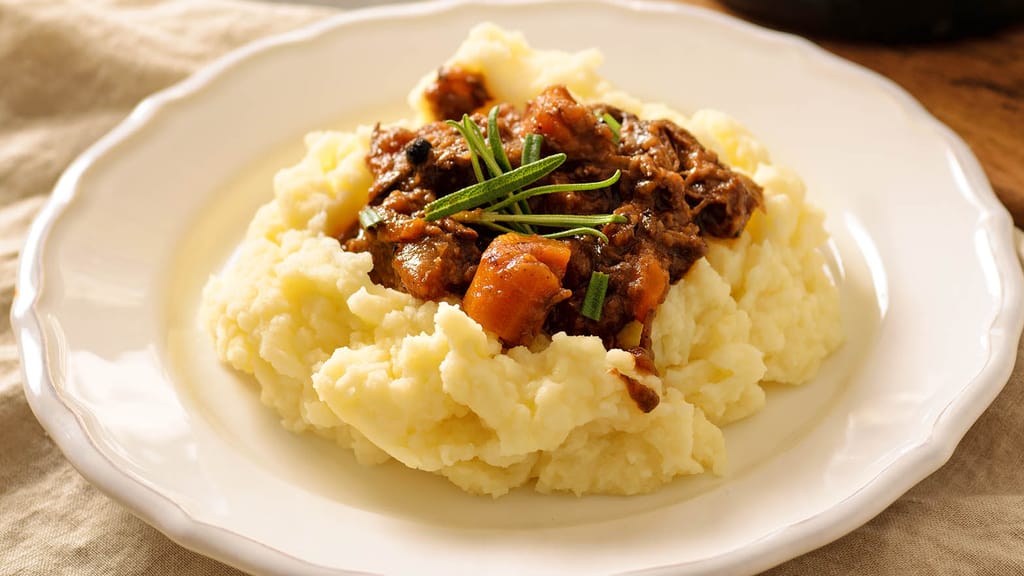
Oven-braised beef in red wine with vegetables
Beef braised in wine with vegetables — slow-cooked so the meat stays juicy
Tuna in its own juice, with 25 g of protein per 100 g and only 116 kcal, is one of the most concentrated protein foods around — protein makes up about 86% of its energy. Salmon has 20 g per 100 g at 208 kcal, or roughly 38%; the rest comes from fat, including omega-3 fatty acids.
With tuna, it's worth watching how often you eat it. Large predatory fish accumulate mercury in their flesh, so European and Czech health authorities recommend limiting intake, especially for pregnant and breastfeeding women and young children. Smaller species like sardines, mackerel or herring carry much less of this risk.
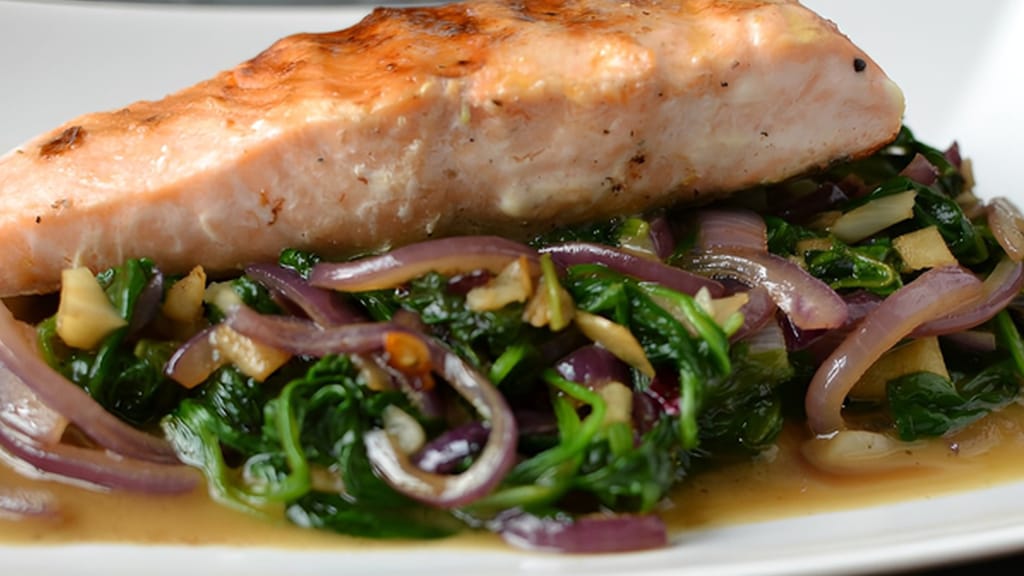
Smoky salmon with quick wilted spinach
Smoky-flavoured salmon with quick-cooked spinach — a high-protein fish dinner in minutes
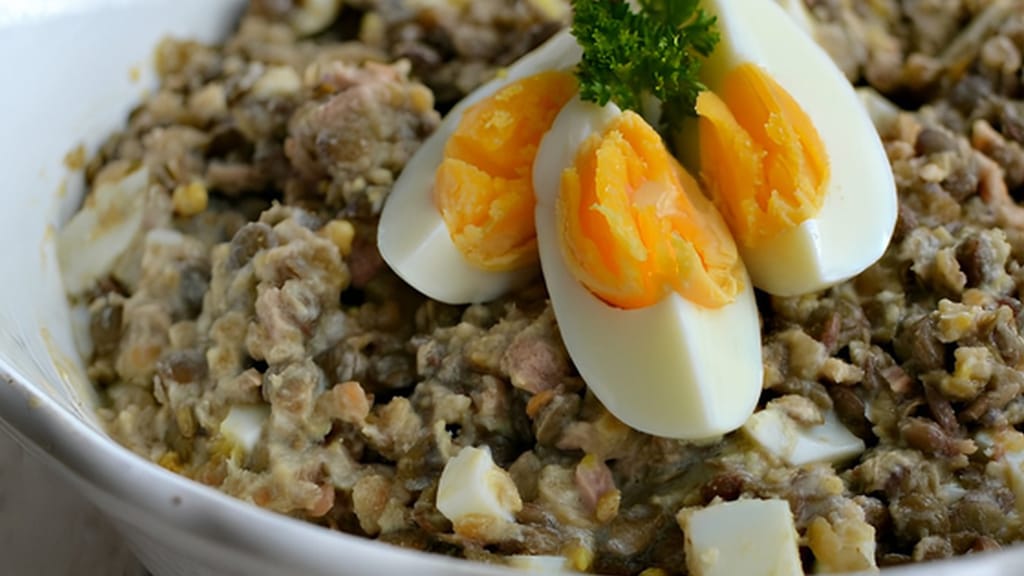
Lentil salad with tuna
Lentil salad with tuna — legumes and fish on one plate
One medium (M) egg (about 55 g without shell) contains around 7 g of protein; per 100 g that's 12.5 g at 143 kcal, or 35% of energy — high in protein.
Egg white and yolk aren't interchangeable. Egg white has roughly 11 g of protein per 100 g at 52 kcal, while yolk has 16 g per 100 g but at 322 kcal — so on its own, the yolk doesn't reach the 20% threshold for "high in protein". Eggs also bring choline, lutein and vitamin B12, none of which you'll find in the white.
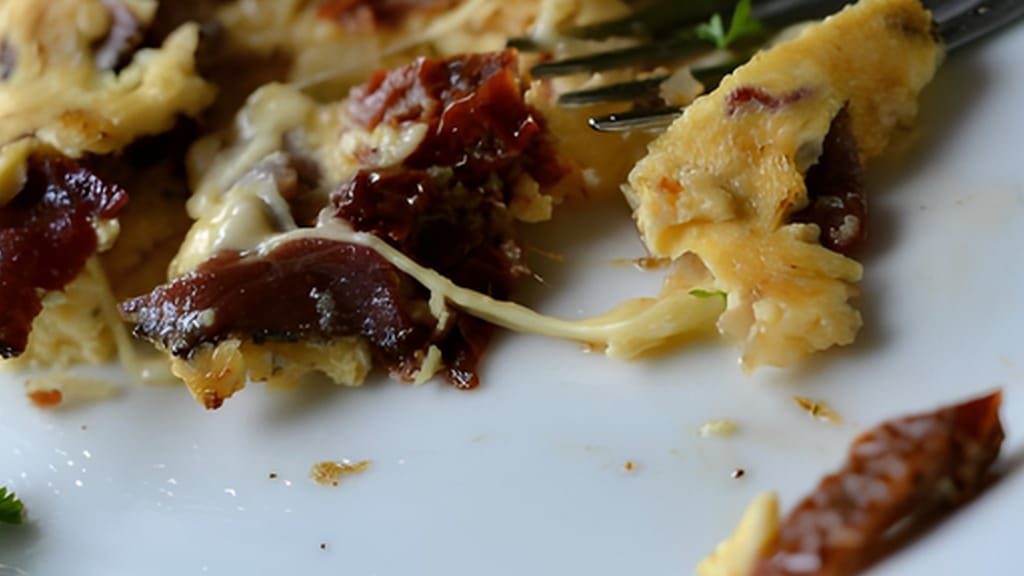
Omelette with dried beef and tomatoes
Omelette with dried beef and tomatoes — a high-protein egg breakfast
Hard cheeses have 28–33 g of protein per 100 g, cottage cheese and skyr 11–13 g, and 0% Greek yoghurt 10 g — in low-fat cultured dairy, protein makes up 68–70% of the energy.
0% Greek yoghurt: 10 g per 100 g, 59 kcal → 68% of energy from protein
Skyr: 11 g per 100 g, 63 kcal → 70%
Semi-skimmed cottage cheese (curd): 12–13 g per 100 g
Cottage cheese (US-style): 11 g per 100 g, 98 kcal → 45%
Edam 30%: 28 g per 100 g, 250 kcal → 45%
Parmesan: 33 g per 100 g, 392 kcal → 34%
Semi-skimmed milk: 3.4 g per 100 g, 47 kcal → 29%
Low-fat cultured dairy tops this table because the fat is gone but the protein stays. Creamy yoghurts and cream cheeses, by contrast, fall below the "high in protein" bar — often below "source" too. Watch out for flavoured yoghurts: added sugar raises the energy count and lowers the protein share, even though the grams stay the same.
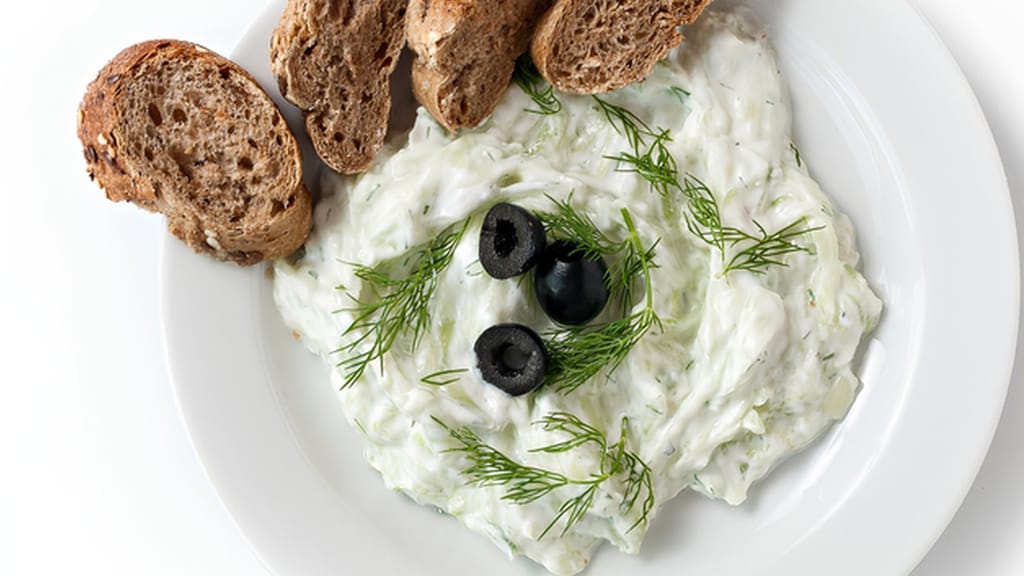
Tzatziki with 0% greek yogurt
Tzatziki made with 0% Greek yoghurt — a high-protein dip
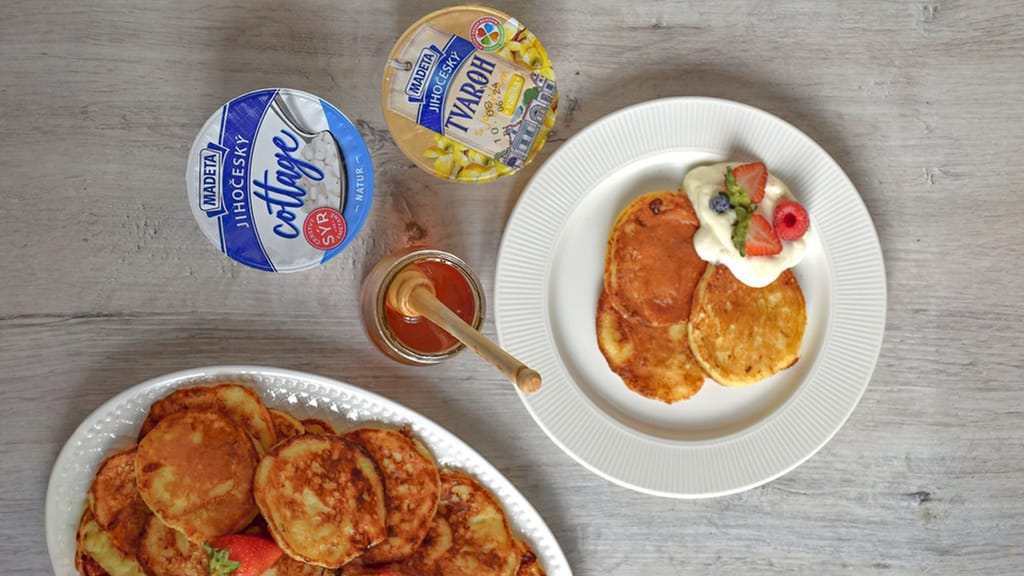
Cottage cheese pancakes with fruit and vanilla curd cheese
Cottage cheese pancakes with fruit and vanilla curd — cottage cheese as a breakfast base
The strongest plant-based protein sources are soy products and dried legumes — soybeans have 36 g per 100 g, lentils 25 g, peas 23 g, beans 21 g and chickpeas 19 g, and all of them meet the criteria for "high in protein". Nuts and grains sit a tier below, at "source of protein" level or under it.
Dried legumes have 19–25 g of protein per 100 g: lentils 25 g, peas 23 g, beans 21 g and chickpeas 19 g.
Lentils: 25 g per 100 g dried (350 kcal) → 29% | cooked, 9 g per 100 g
Peas: 23 g per 100 g dried
Beans: 21 g per 100 g dried
Chickpeas: 19 g per 100 g dried (364 kcal) → 21%, just above the threshold
Green peas (fresh or frozen): 5.4 g per 100 g, but only 81 kcal → 27%
All these figures apply to the dried legume. Once cooked, it absorbs water and roughly triples in weight, so the grams per 100 g drop — but the protein's share of energy stays nearly the same, since the energy drops too.
Red lentils cook down to a mush in 15 minutes and need no soaking — the fastest way to get legumes into a weeknight meal. Green and brown lentils hold their shape and work well in salads.
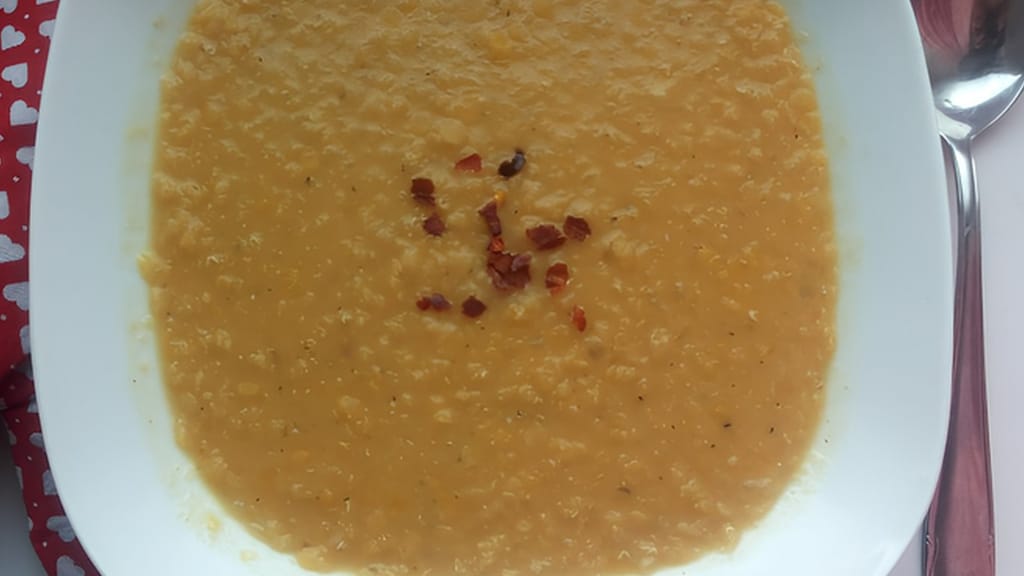
Red lentil soup with coconut milk and chilli
Red lentil soup with coconut milk and chilli — a high-protein legume dish in half an hour
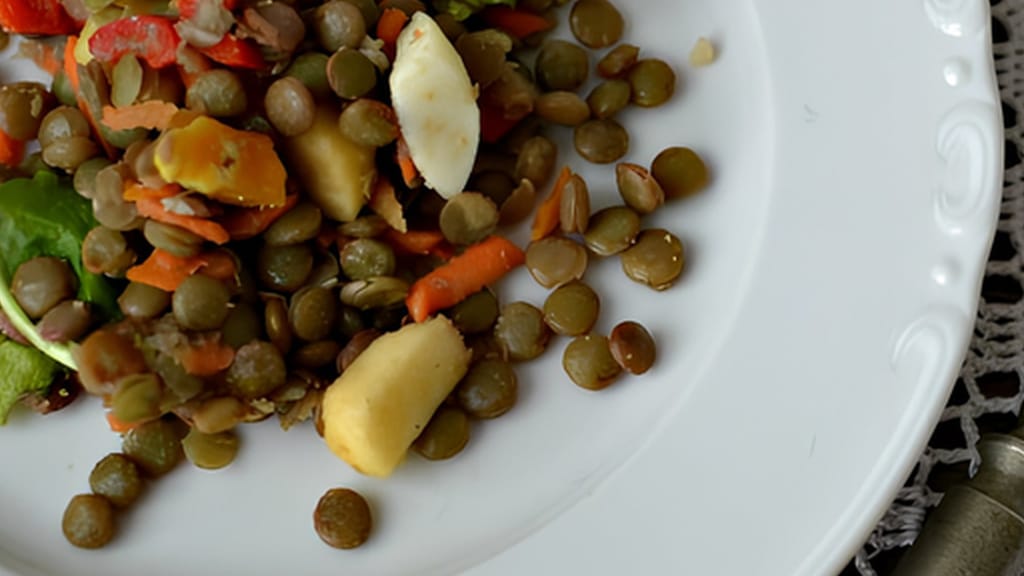
Lentil salad
Lentil salad — a cold dish where the lentils keep their shape
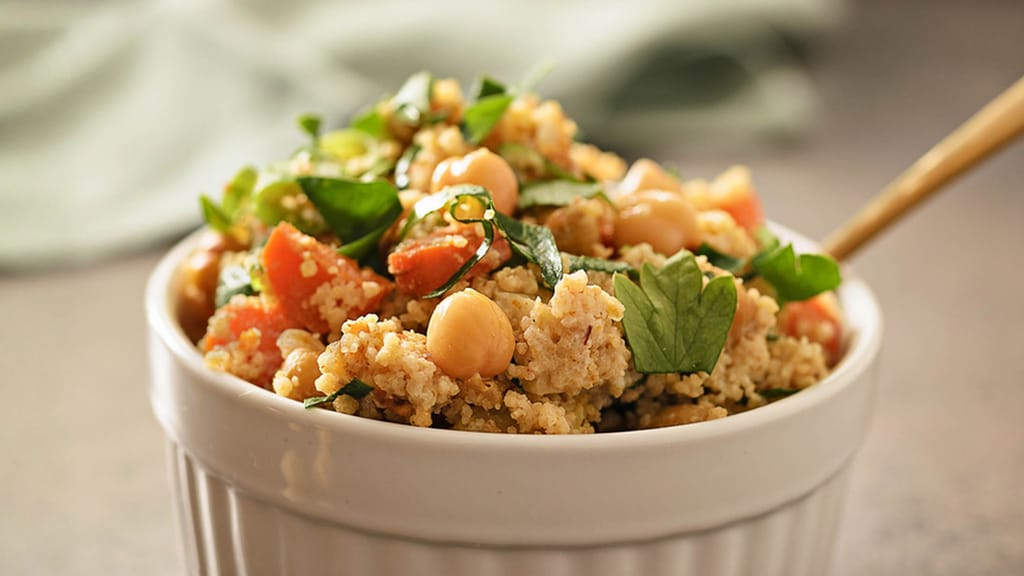
Couscous with chickpeas and roasted vegetables
Couscous with chickpeas and roasted vegetables — legumes and grains on one plate
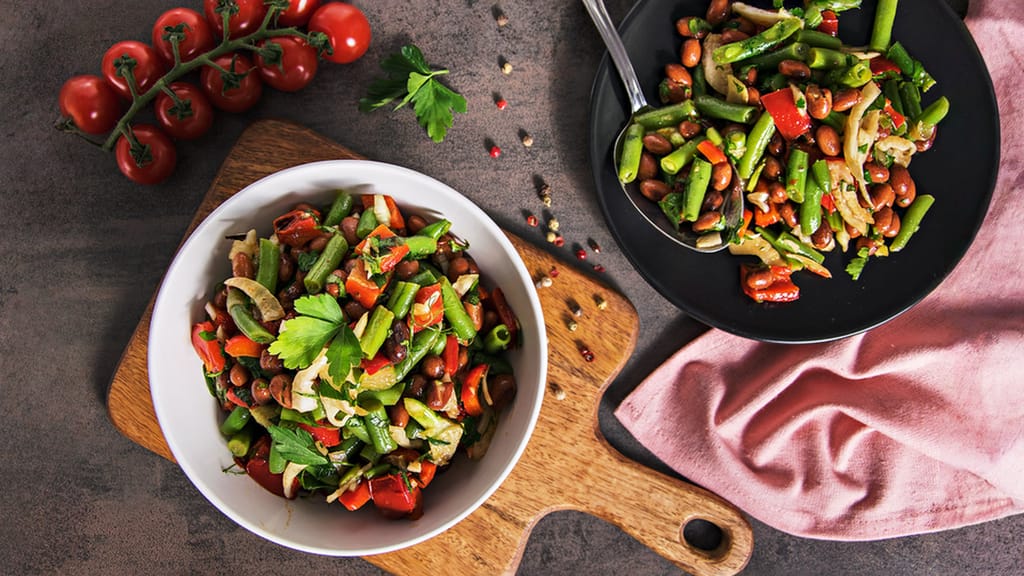
Borlotti bean salad with grilled peppers and fennel
Borlotti bean salad with grilled peppers and fennel
Soy is the only common plant whose protein has an amino acid profile comparable to animal protein — it doesn't need pairing with a grain to be complete.
Firm tofu: 12–16 g per 100 g → 33–44% of energy from protein
Tempeh: 19 g per 100 g, 193 kcal → 39%
Edamame (shelled, cooked): 11 g per 100 g
Dried soybeans: 36 g per 100 g
Tempeh is a fermented whole soybean, so compared with tofu it has more protein and fibre, plus a stronger, nuttier flavour. Tofu, on the other hand, is flavour-neutral — which is its strength, since it takes on any marinade, but also why unseasoned tofu tastes bland.
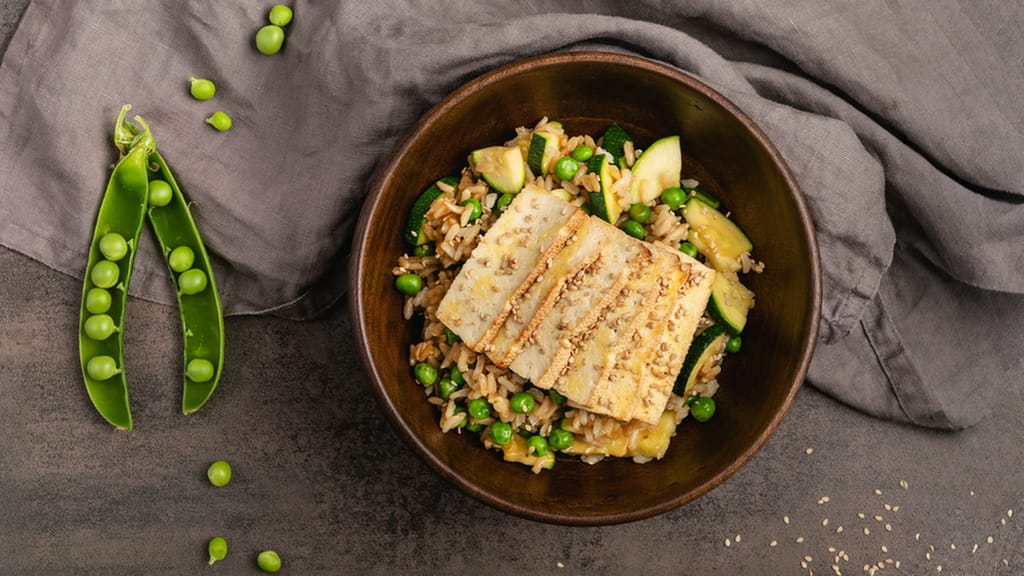
Tofu risotto with peas and zucchini
Tofu risotto with peas and courgette — tofu as the main protein on the plate
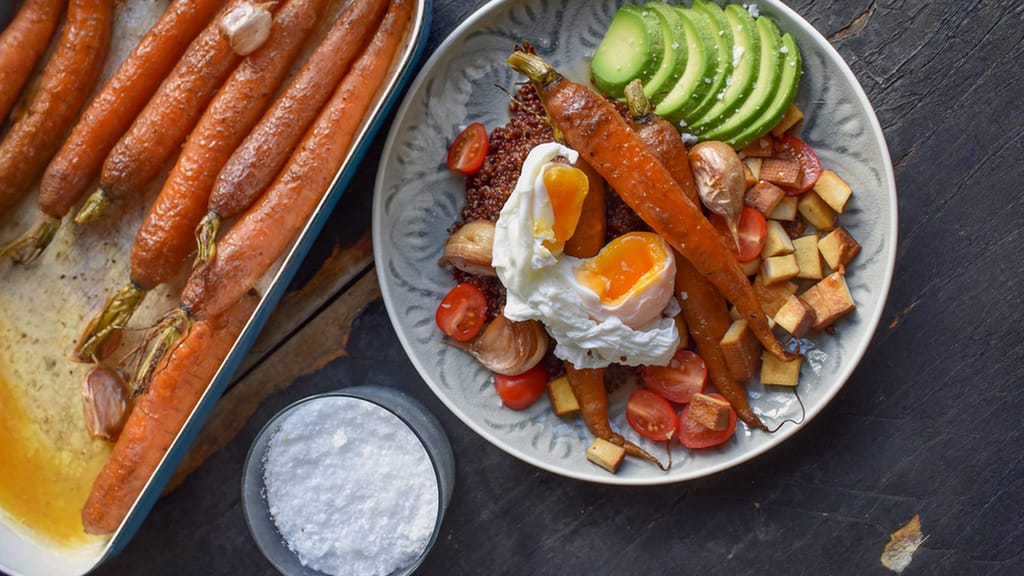
Roasted carrots with fried egg, tofu and avocado
Roasted carrots with a fried egg, tofu and avocado
Pumpkin seeds have 30 g of protein per 100 g, peanuts 26 g, almonds 21 g, chia seeds 17 g and walnuts 15 g — yet only pumpkin seeds reach the "high in protein" threshold. With nuts, it's fat, not protein, that decides: the gram counts are all similar, but the energy differs, and so does the protein share.
Pumpkin seeds: 30 g per 100 g, 559 kcal → 21% → high in protein
Peanuts: 26 g per 100 g, 567 kcal → 18% → source of protein
Almonds: 21 g per 100 g, 579 kcal → 14.5% → source of protein
Chia seeds: 17 g per 100 g, 486 kcal → 14% → source of protein
Walnuts: 15 g per 100 g, 654 kcal → 9% → doesn't even qualify as a "source"
Walnuts aren't a bad food — there's just no point buying them for their protein. Pumpkin seeds, hemp seeds and peanuts have the best ratio in this group.
A practical note on portions: a handful of nuts is about 30 g, which is roughly 6–9 g of protein — but also 180–200 kcal. Sprinkling seeds over yoghurt or porridge is therefore a smarter way to include them than snacking on a bowlful in front of the TV.
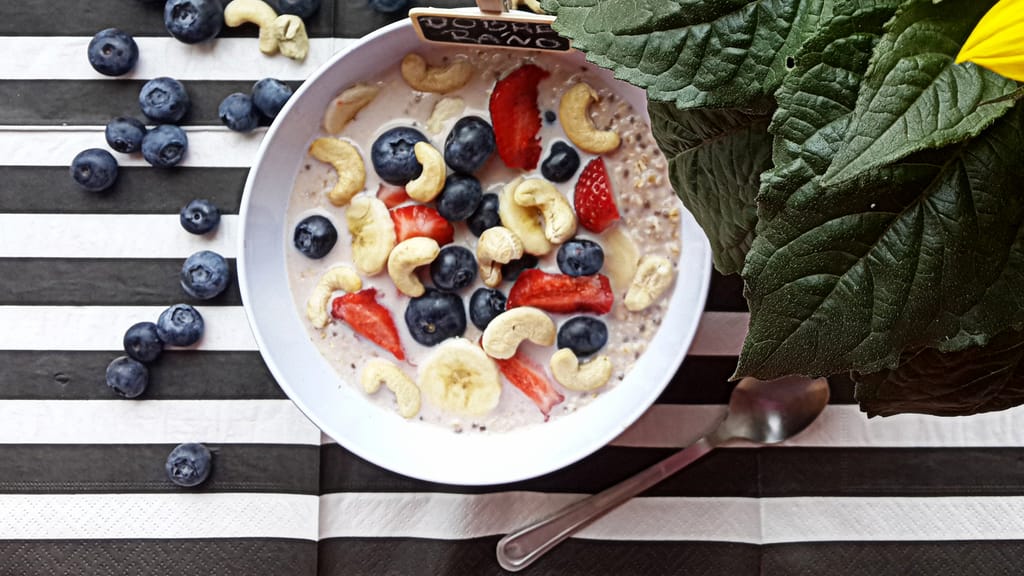
Oatmeal porridge with fruit, cashews and chia seeds
Porridge with fruit, cashews and chia seeds — seeds as a breakfast add-on
Oats have 13 g of protein per 100 g, quinoa 14 g, buckwheat 13 g and white rice 7 g — grains aren't a concentrated protein source, but because you eat them in larger amounts, they add up surprisingly well over the day.
Oats: 13 g per 100 g, 379 kcal → 14% → source of protein
Dried quinoa: 14 g per 100 g, 368 kcal → 15% → source of protein
Dried buckwheat: 13 g per 100 g
Wholemeal wheat flour: 12–13 g per 100 g
Dried white rice: 7 g per 100 g
Quinoa, buckwheat and amaranth are unusual among plants for having a decent amount of lysine — the amino acid that wheat and rice lack. That's why they don't need to be paired with legumes as strictly as classic grains do.
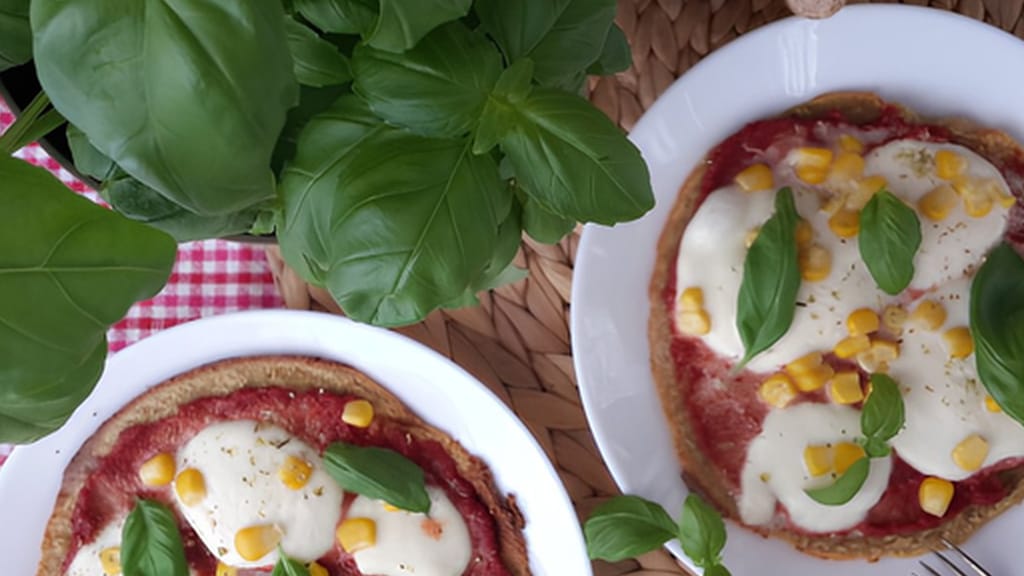
Healthy quinoa pizza
Healthy quinoa-crust pizza — a pseudocereal as the base
Legumes and grains complement each other because each is short on a different amino acid: legumes lack methionine, grains lack lysine. Eat them together and the resulting profile is complete. That's where these classic pairings come from, long before anyone knew what an amino acid was:
beans and rice
chickpeas with couscous or pita bread
lentils and bread
hummus and flatbread
peanut butter on wholemeal toast
But there's one thing older articles get wrong. You don't have to combine them in the same meal. The idea of "complementary proteins on every plate" dates back to the 1970s, and its original author later retracted it herself; current nutrition guidance says a varied diet across the day is enough. Lentils at lunch and bread at dinner work just as well as lentils and bread together.
What does hold true: plant proteins are, on average, somewhat harder to digest than animal proteins, because fibre and antinutrients partly shield them from digestive enzymes. Soaking, longer cooking, fermentation (tempeh, sourdough) and peeling largely close that gap.
Protein sets (denatures) with heat, and past a certain temperature it starts pushing water out — which is why dry chicken, rubbery eggs and split yoghurt in a sauce always come down to too high a temperature, not a bad ingredient. A few key temperatures are worth remembering.
Pull chicken and turkey breast at 68–72°C internal temperature, pork tenderloin at 62–65°C, a medium-rare beef steak at 54–57°C, and salmon at 45–50°C. Muscle fibres start to contract around 60–65°C, and above 70°C they squeeze out a noticeable amount of water. With chicken breast, take it off the heat before it hits the target number — it'll finish cooking as it rests for 5 minutes under foil.
Chicken and turkey breast: 68–72°C internal
Pork tenderloin: 62–65°C — a hint of pink in the middle is fine
Medium-rare beef steak: 54–57°C
Salmon: 45–50°C for medium; past 60°C it turns dry
The white curd that seeps out of salmon is albumin protein forced out by too-fierce heat. Turn down the heat, or brine the fish for 15 minutes in a mild salt solution (1 tablespoon of salt per litre of water) and most of it will disappear.
With slow-cooked beef, the opposite is true: there, you want the meat above 70°C for hours, so the collagen in the connective tissue melts into gelatine. That's why a lean cut like fillet is a poor choice for goulash, while short rib or chuck works beautifully.
Egg white sets around 62°C, and the yolk not until around 65–70°C — this is the whole basis of egg cookery, because higher heat pushes water out of the white and turns it rubbery.
Poached egg: water around 80°C, not boiling, a splash of vinegar
Soft-boiled egg: 6 minutes in boiling water, then straight into ice water
Creamy scrambled eggs: low heat, keep pulling the pan off and on, salt only at the end — salting too early draws out water
The grey-green ring around the yolk of a hard-boiled egg is iron sulphide from overcooking. Cut the boiling time to 9 minutes and plunge the eggs straight into ice water.
Legumes: soak beans and chickpeas for 8–12 hours; skip soaking for lentils. Short on time? Pour boiling water over them, let sit for an hour, then cook. Go ahead and salt the water — the old claim that salt toughens beans is a myth; salt actually softens the skins. What really toughens them is acid: don't add tomatoes, vinegar or wine until the legumes are already soft. A pinch of baking soda speeds up cooking, but more than a quarter teaspoon per pot gives a soapy aftertaste.
Tofu: press it. Wrap the block in a tea towel, weigh it down with a chopping board and a mug of water, and leave for 20–30 minutes — this draws out water so the marinade can soak in instead. For crispy tofu, coat the pressed block lightly in starch and fry in a hot pan that isn't overcrowded. Freezing and thawing a whole block before cooking gives it a spongier, meatier texture.
Cultured dairy splits in a boiling sauce because acidity has already half-denatured its proteins. Two tricks reliably fix this:
Temper it. Stir a few spoonfuls of the hot sauce into the yoghurt first, then pour that mixture back into the pot.
Stabilise with starch. A teaspoon of plain flour or cornflour whisked into the yoghurt beforehand holds the proteins together even at higher heat.
And above all: once the yoghurt is in the sauce, don't let it boil again. Turn the heat down low and finish it there.
The easiest route isn't a bigger piece of meat at lunch — it's breakfast and snacks, which are usually where a typical Czech diet is lowest on protein. Bread with jam and a bread roll for a snack barely add up to a few grams between them.
At breakfast, the fastest way to add protein is a pot of Greek yoghurt or skyr, two eggs, or porridge cooked in milk:
Greek yoghurt or skyr with seeds and fruit — 150 g of yoghurt is roughly 15 g of protein
Two eggs in any form — about 14 g
Porridge made with milk instead of water, plus a spoonful of peanut butter
For a snack that clears the bar without any cooking, try cottage cheese, a handful of seeds, or chickpeas in any form:
Cottage cheese or curd cheese with chives
A handful of pumpkin seeds or peanuts
Hummus with carrots, or roasted spiced chickpeas
You don't need to overhaul your meals for lunch and dinner — small tweaks to what you're already cooking do the job:
Add a handful of lentils or a tin of beans to soup or salad
Swap half the minced meat in a burrito or bolognese for beans
Grate parmesan over pasta, add a hard-boiled egg to a salad
Frozen peas straight into risotto, couscous or sauce — no thawing needed
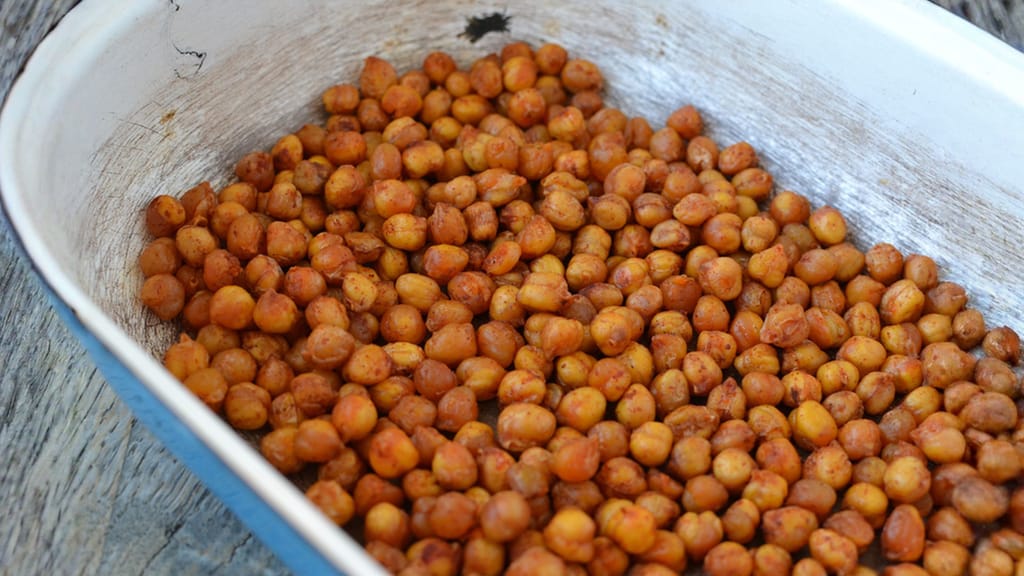
Crispy roasted chickpeas with spices
Crispy spiced roasted chickpeas — a salty snack instead of crisps
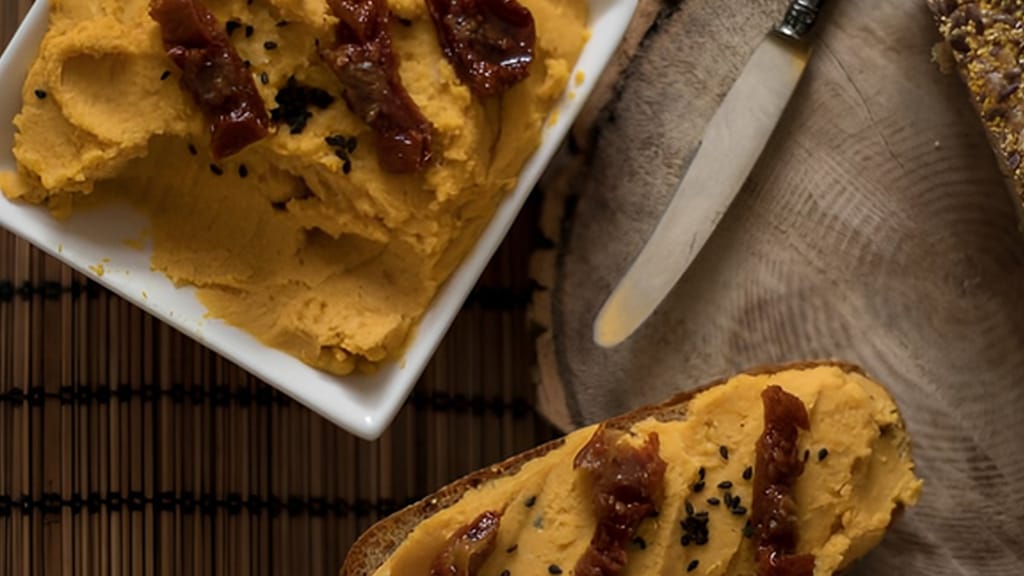
Carrot hummus
Carrot hummus — a chickpea dip for vegetables or pita
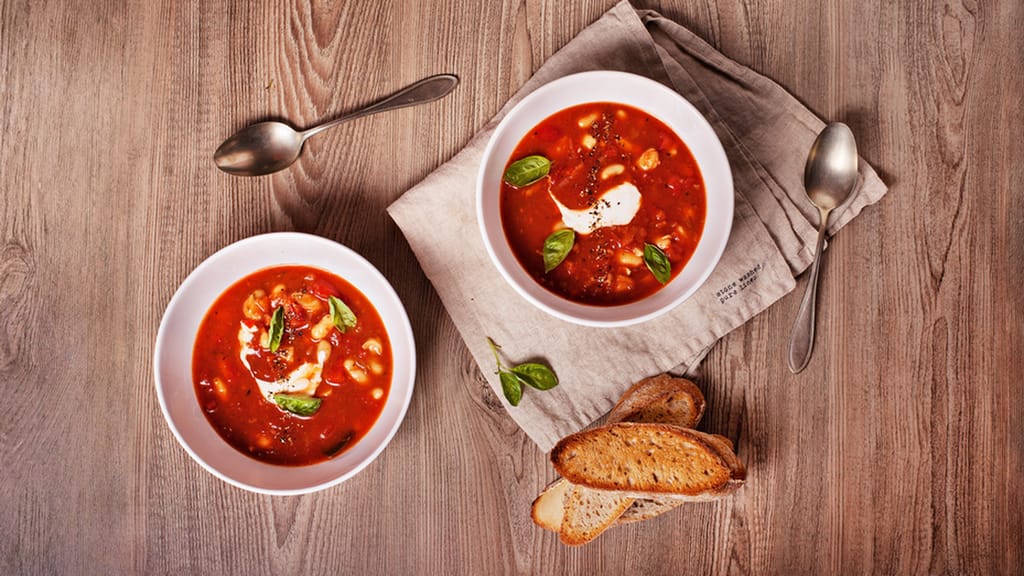
Quick tomato and bean soup
Quick tomato soup with beans — legumes in soup with zero planning
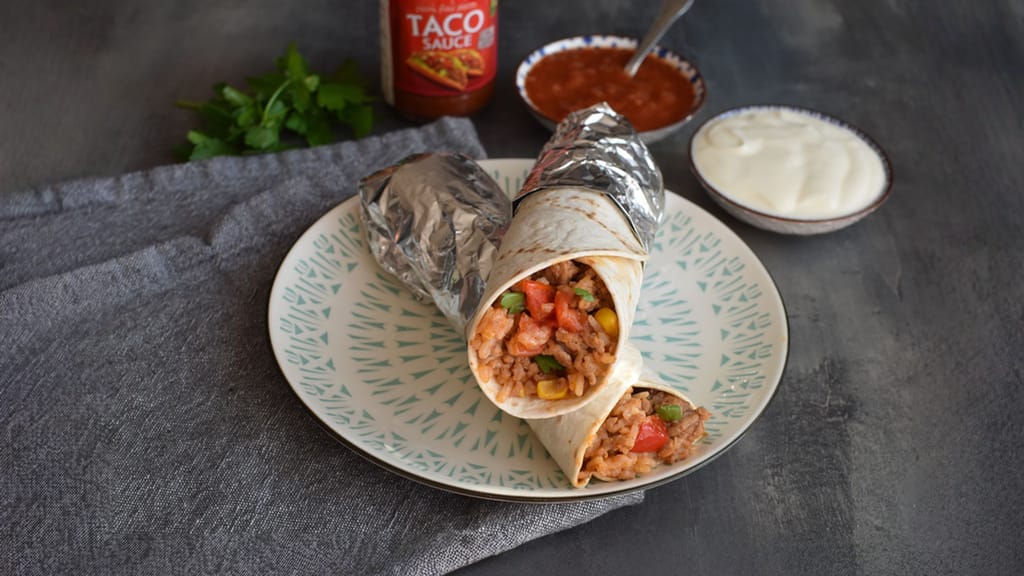
Mexican burrito with beans and ground beef
Mexican burrito with beans and minced meat — beans replace half the meat
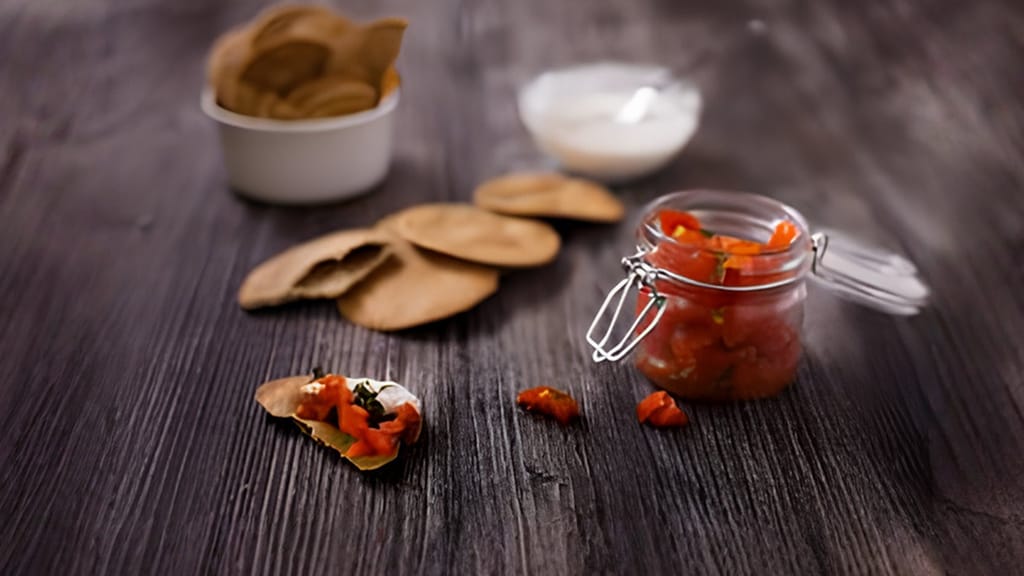
Lentil flour flatbread crackers
Lentil flour flatbreads — legumes instead of wheat flour
According to EFSA, the reference intake for a healthy adult is 0.83 g of protein per kilogram of body weight per day — for someone weighing 70 kg, that's roughly 58 g. People over 65 are advised to aim a bit higher, around 1.0–1.2 g per kilogram. These are population-level reference values, not personal recommendations — talk to a doctor or dietitian for your specific needs.
A whole 250 g tub of semi-skimmed cottage cheese (curd cheese) has around 30 g of protein, and a half portion (125 g) about 15 g. For comparison: a 150 g pot of 0% Greek yoghurt has 15 g, and 200 ml of semi-skimmed milk has 7 g. So a single serving of cottage cheese alone covers about half the reference daily intake for a 70 kg adult.
Seitan has around 25 g of protein per 100 g, but on its own it isn't a complete protein — it's pure wheat gluten, which is low in lysine. Pair it during the day with legumes, soy or a dairy product to round out the amino acid profile. Because it's pure gluten, it's also unsuitable for people with coeliac disease or non-coeliac gluten sensitivity.
No — cooking barely changes the amount of protein; what changes is the weight. Meat and legumes lose water (or absorb it) during cooking, so the grams of protein per 100 g of the finished dish look different from what's on the raw packaging. 100 g of raw chicken breast shrinks to about 70 g once roasted, but it keeps almost all its protein.
Yes — freezing doesn't reduce protein content at all; it only changes texture and moisture. Cooked legumes keep for 3 months in the freezer, and 3–4 days in a sealed container in the fridge. Freeze them in single-use portions with a bit of their cooking liquid or water so they don't dry out; if you open a tin of beans, transfer leftovers to a glass container, as they spoil faster left in the tin.
No — protein powder is just a concentrated food, not a necessity, and a normal diet with meat, eggs, dairy or legumes will cover the reference intake without it. It can be handy when a proper meal isn't practical — while travelling, for athletes with very high protein needs, or for people with a small appetite. Gram for gram, it's usually pricier than cottage cheese or eggs for the same amount of protein.
One recipe worth heating the oven for, one tip, and one deal from the shop. Nothing else.