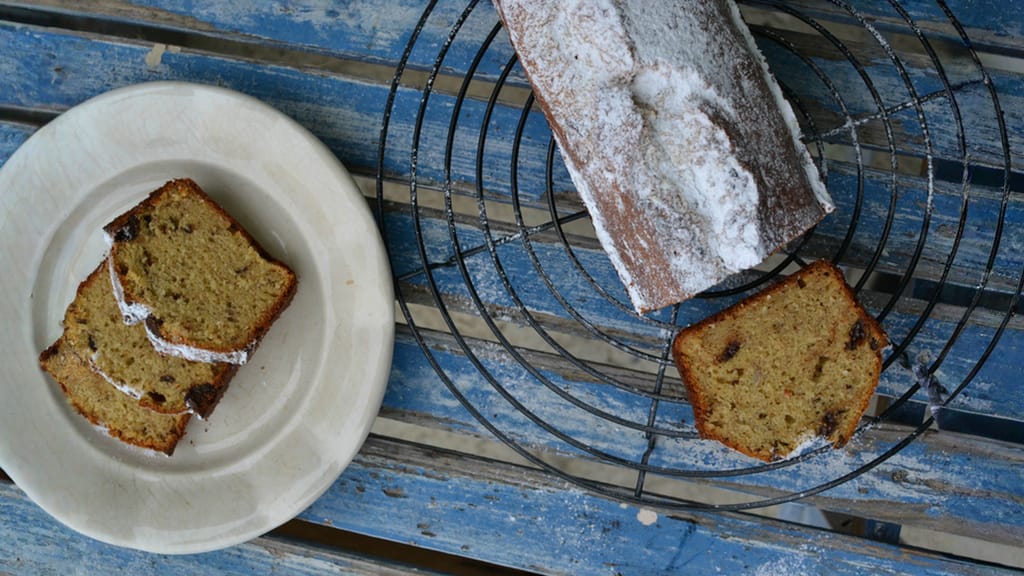
Banana bread
What to Bake With Bananas: Banana Bread, Muffins, Egg-Free and Kid-Friendly Bakes
Updated Nov 18, 2026
What to bake with bananas? The best choice is overripe ones, spotted brown, that nobody wants to eat anymore: banana bread, muffins, oatmeal cookies and pancakes, yogurt and chocolate bundt cakes, egg-free versions, bakes with no added sugar and baking for kids. An overripe banana brings sweetness, moistness and aroma to the batter, so it rescues both the bake and fruit that would otherwise go in the trash. Below you'll find the method, temperature and time for each bake, plus how to freeze bananas for later and how to store what you've baked.
The best bananas for baking have a peel covered in brown to black spots and soft flesh that falls apart under a fork. Don't use a yellow banana with a green tip: the bake tastes bland and starchy, and the batter turns out drier.
The reason is pure chemistry. As bananas ripen, enzymes (mainly amylase) break down the starch in the flesh into sugars. According to the Swiss food museum Alimentarium (opens in a new tab), starch makes up most of the dry matter in unripe plantains, while ripening sharply raises the share of sugars. Dessert bananas ripen in the same direction, and for baking that means three things:
Sweetness. An overripe banana sweetens the batter by itself, so you can use less sugar in the recipe.
Moistness. Sugar binds water, so the crumb stays moist on the second and third day. Cook Jessica Gavin (opens in a new tab) describes the same thing in her guide to banana ripeness.
Aroma. A ripe banana smells strong and sweet. Baking intensifies that aroma even more, whereas an underripe banana almost "disappears" in the oven.
So how ripe? The ideal is bananas with a peel that's half to fully brown, flesh that's soft but not liquid, and a sweet, pronounced smell. A completely black peel is fine as long as the flesh smells normal. A fermented or boozy smell, mold or leaking juice means the banana belongs in the compost, not the mixing bowl.
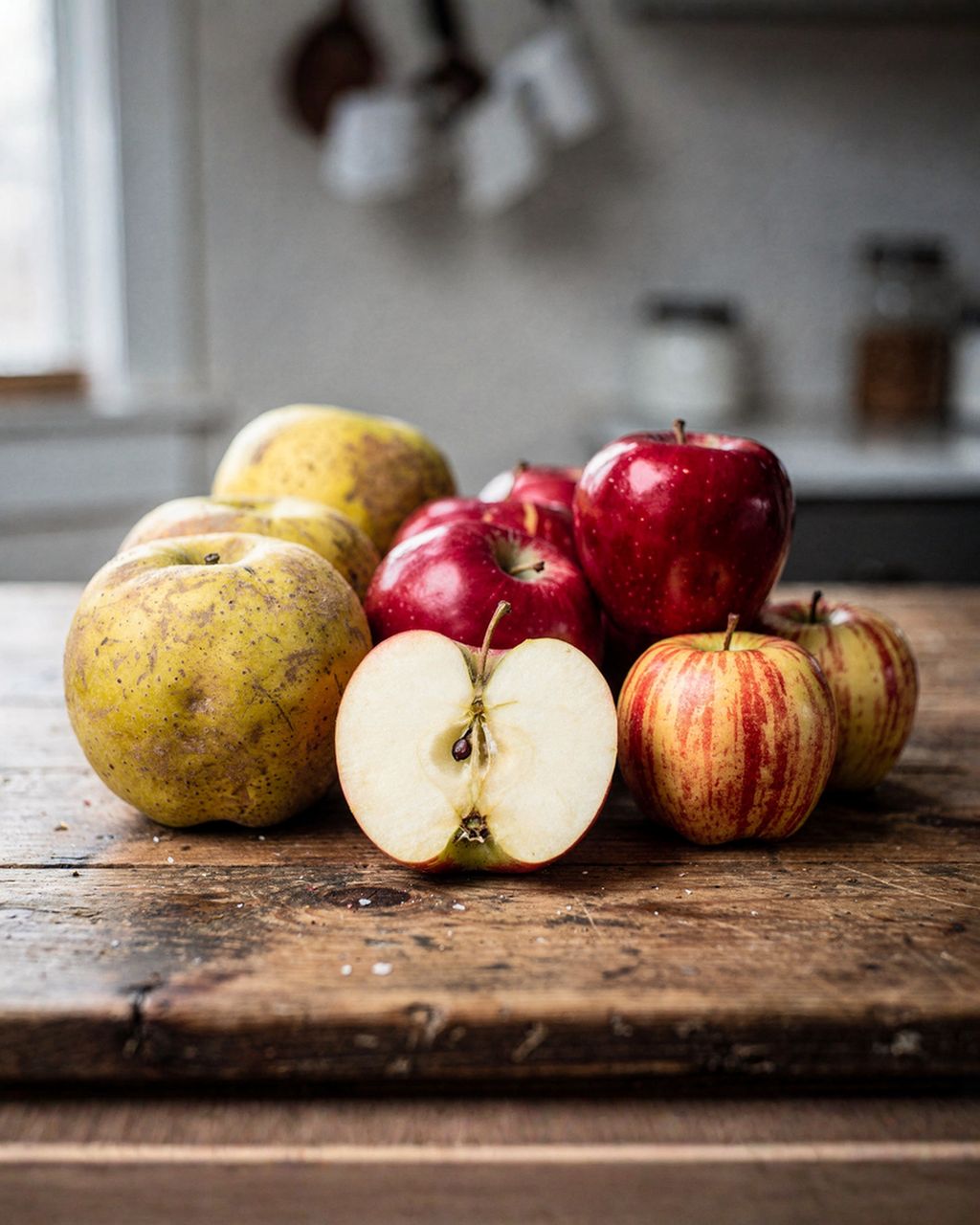
Waiting for ripeness and your bananas still aren't browning? Put them in a paper bag with an apple. Fruit releases ethylene, the gaseous ripening hormone, and in a closed bag ripening speeds up noticeably.
We send seasonal cooking and baking plans and recipes made from everyday ingredients. Unsubscribe in one click.
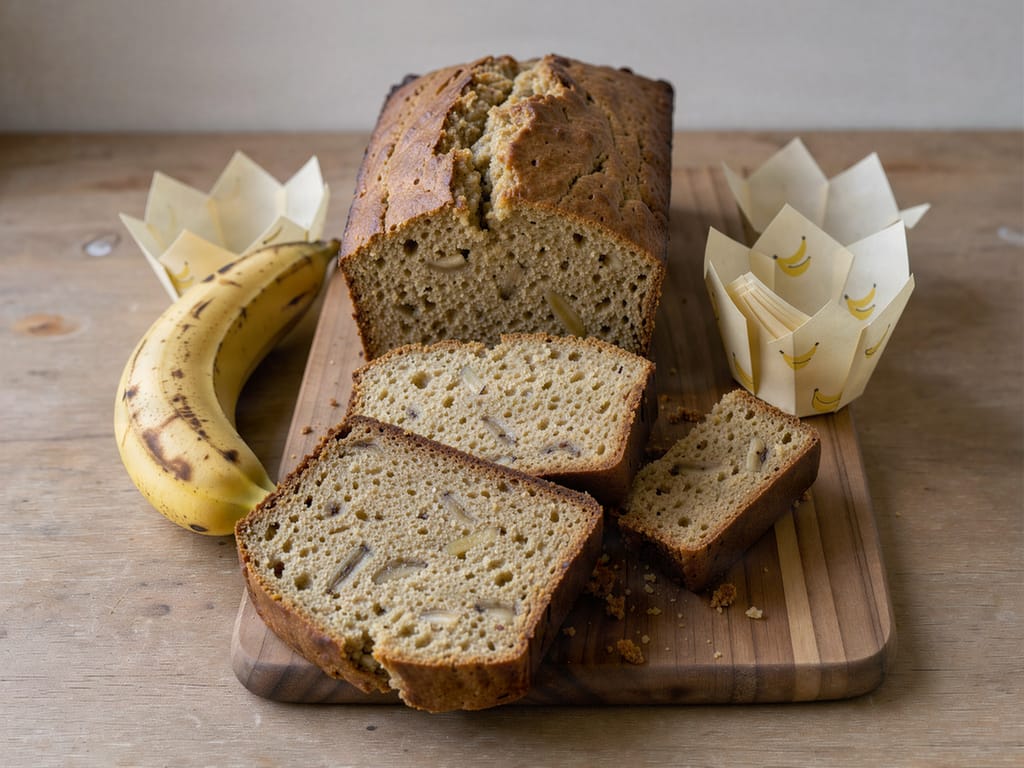
Banana bread is a quick bread, with no yeast, baked in a loaf pan. For one pan about 25 cm (10 in) long you need roughly 3 overripe bananas (300–350 g of flesh), and it bakes for 55–65 minutes at 175°C (350°F). You'll find a tested step-by-step method in our recipe for banana bread. Here is why it works and what to watch out for.
In short, you work in four steps:
Mash the bananas with a fork. You don't need a smooth purée: small pieces in the loaf make moist pockets.
Stir in the melted butter or oil, the eggs and the sugar. The fat should be only lukewarm, as hot fat would scramble the eggs.
Mix the all-purpose (plain) flour separately with baking soda (and baking powder if you use it) and a pinch of salt. Then fold it briefly into the wet mixture, just until the dry patches disappear.
Pour into a greased and floured pan, or one lined with parchment paper, and bake in a preheated oven.
The most common mistake is an overmixed batter. As soon as flour meets liquid, gluten starts to form. The longer you mix, the denser and more rubbery the loaf gets, with tunnels inside. A few strokes with a spatula are enough.
Why baking soda: it reacts with the acids in the banana (and in yogurt or buttermilk, if you use them). The batter rises and the crust browns better. It starts working the moment it meets the wet mixture, so get the pan into the oven right away.
You can tell a finished loaf by three signs:
A skewer inserted into the highest part of the center comes out dry or with just a few moist crumbs, not sticky batter.
The surface springs back when touched and the edges start pulling away from the pan.
If you have an instant-read thermometer, it reads roughly 93–96°C (200–205°F) in the center.
The loaf typically cracks lengthwise down the middle, and that crack bakes last, so test with the skewer right there. If the top darkens before the center is done (usually after 40 minutes), tent it loosely with aluminum foil.
After baking, let it cool in the pan for 10–15 minutes, then turn it out onto a rack. Warm, it crumbles; cooled, it slices cleanly. Serve it for breakfast spread with butter, toasted in a dry skillet with quark (tvaroh, a Czech fresh curd cheese) and honey, or just with coffee. It's excellent the next day too, when the flavors have settled.
Variations worth trying: a handful of chopped walnuts or pecans toasted in a dry skillet, a teaspoon of cinnamon and a pinch of nutmeg, or a banana halved lengthwise and laid on the batter cut side up. It caramelizes as it bakes and gives the loaf an eye-catching top. You can replace part of the all-purpose flour (about a third) with whole-grain spelt flour, and the loaf will taste nuttier.
Banana bread
Banana bread made with overripe bananas
Banana muffins start from the same base as the loaf, just baked in small portions: 18–22 minutes at 190°C (375°F), or the first 5 minutes at 210°C (410°F) and then finish at 180°C (350°F). That hot start lifts the batter quickly and gives the muffins a tall, rounded dome. Our recipe for banana muffins has a tested method.
For 12 muffins, 2–3 bananas are usually enough. Fill the liners three-quarters full. If any cups stay empty, pour a little water into them so the pan heats evenly. The muffins are done when a skewer comes out clean and the dome springs back. Leave them in the pan for 5 minutes, then move them to a rack, otherwise steam gets trapped in the cups and the bottoms turn damp.
Muffins are easy to vary: a handful of walnuts, blueberries or chocolate chips, or a teaspoon of cinnamon. A version with an oat crumble of flour, butter, sugar and oats sprinkled on just before baking is popular too. The crumble turns golden and crunchy while the crumb underneath stays moist. Serve them plain as a snack, or at brunch with yogurt and fruit.
Why muffins turn out flat: the batter was overmixed, the oven wasn't hot enough, or the baking powder is old. Don't make the batter ahead, because the leavener starts working right after mixing, and after an hour in the fridge most of its strength is already spent.
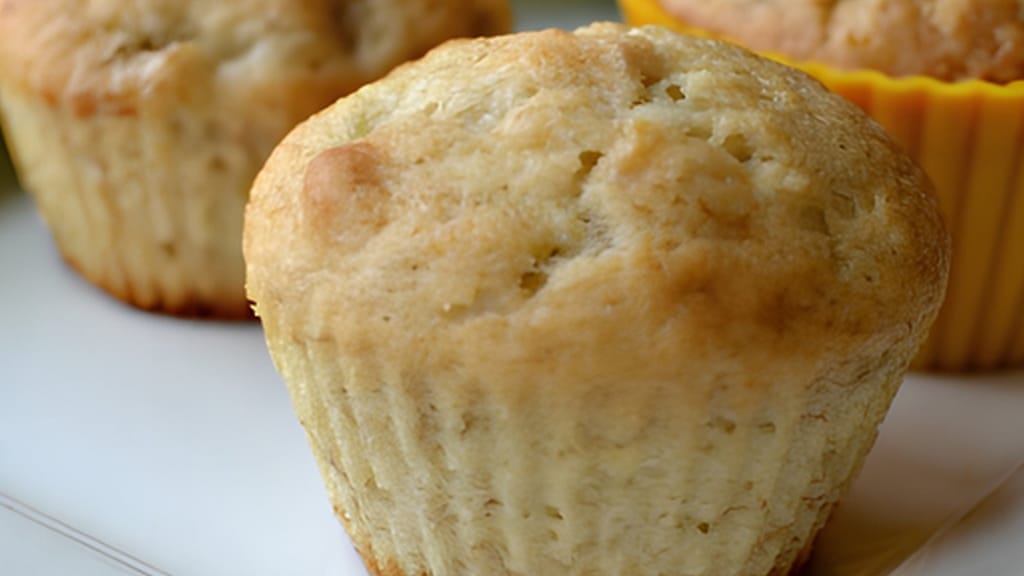
Banana muffins
Banana muffins made with overripe bananas
Banana and rolled oats are a pairing that gives you three things: two-ingredient cookies, skillet pancakes and baked oat bars. The banana holds the oats together and sweetens them at the same time.
Banana oatmeal cookies. Mash 2 overripe bananas and stir in about 150–170 g of rolled oats to make a thick, sticky mixture. You can add a handful of raisins, chopped nuts or chocolate. Spoon mounds onto a baking sheet lined with parchment paper, flatten them to 1 cm (½ in) and bake for 12–15 minutes at 180°C (350°F), until the edges turn golden. They're soft and moist, not crisp, and taste best with cocoa or as a lunchbox snack.
Banana oat pancakes. Blend 1 banana, 1 egg and 40 g of fine rolled oats (or oats ground into flour) and let it rest for 5 minutes so the oats absorb the liquid. In a skillet lightly brushed with oil, fry small pancakes over medium-low heat for 2–3 minutes per side. Flip them only once bubbles form on the surface and the edges turn matte, otherwise they tear. Serve with yogurt, fruit or a drizzle of maple syrup.
Baked oat bars. Put oats mixed with a mashed banana, dried fruit and a little fat on a baking sheet, bake and cut. For inspiration, see the recipe for oat bars with dried fruit, where you can replace part of the sweetener with an overripe banana.
And if you don't feel like turning on the oven, cook a banana breakfast porridge or cocoa oatmeal with mango and banana.
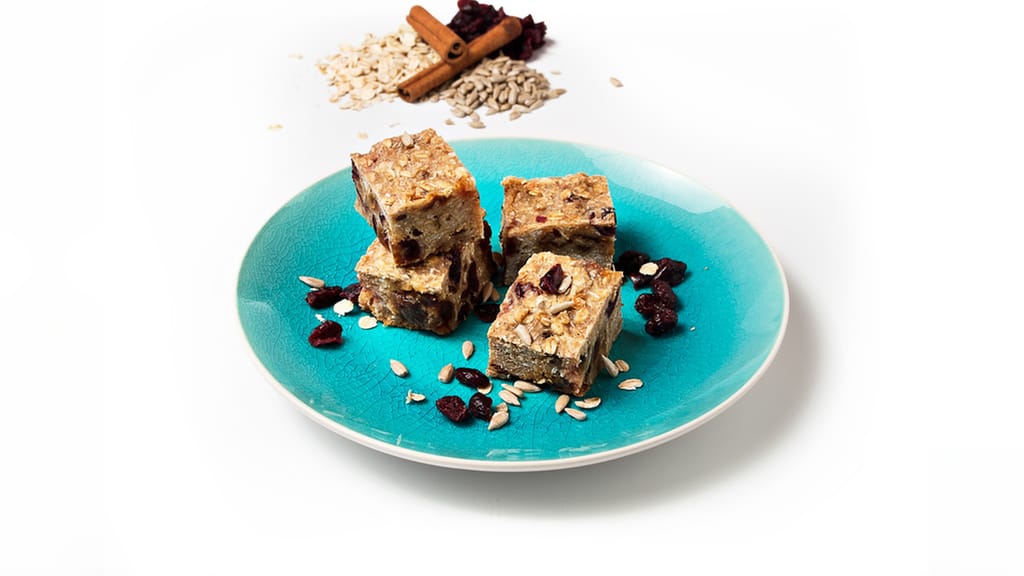
Oat bars with dried fruit
Oat bars with dried fruit, handy with an overripe banana too
With bananas and yogurt you can mainly bake four things: yogurt-banana cupcakes, yogurt muffins with banana, yogurt bublanina (Czech fruit sheet cake) with banana, and pancakes with yogurt and banana. Yogurt adds moistness and a slightly tangy flavor, and its acidity helps batters leavened with baking soda rise better. It usually replaces part of the fat or milk in a recipe. Thick plain or Greek yogurt works better than thin yogurt.
Yogurt-banana cupcakes. Tender cupcakes with a moist crumb that you finish with frosting. They bake for about 25 minutes at 170°C (340°F) and get a quark cream on top. The method is in the recipe for yogurt-banana cupcakes. They suit celebrations and kids' birthdays.
Yogurt muffins with banana. Take our recipe for easy red currant yogurt muffins and, instead of the currants, fold in one mashed banana and one diced banana. Since the banana adds moisture and sweetness, cut the sugar by about a tablespoon.
Yogurt bublanina with banana. A quick sheet-pan cake: make the batter from the recipe for moist yogurt bublanina with fruit, then top it with banana slices (blueberries alongside are fine). It bakes for about 30–35 minutes at 180°C (350°F) and is served lukewarm, dusted with powdered sugar.
Pancakes with yogurt and banana. Use the batter from the recipe for pancakes with Greek yogurt and blueberries and press a few banana slices into each pancake in the skillet. Over medium-low heat the banana caramelizes lightly.
Tip: let the yogurt sit for 20 minutes to come to room temperature before baking. Cold yogurt makes melted butter clump, and the batter then comes together less easily.
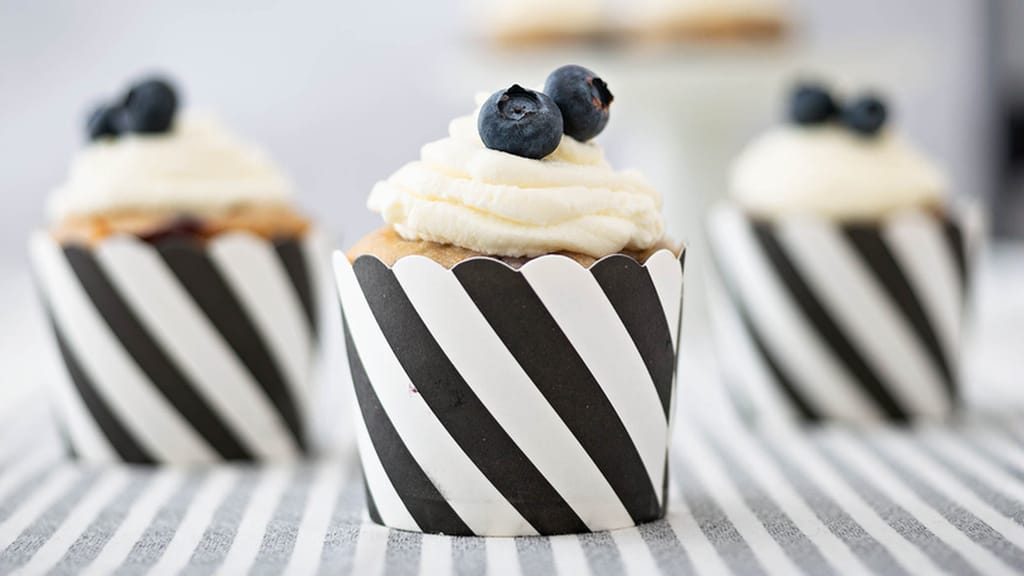
Yogurt & banana cupcakes
Yogurt-banana cupcakes for a celebration
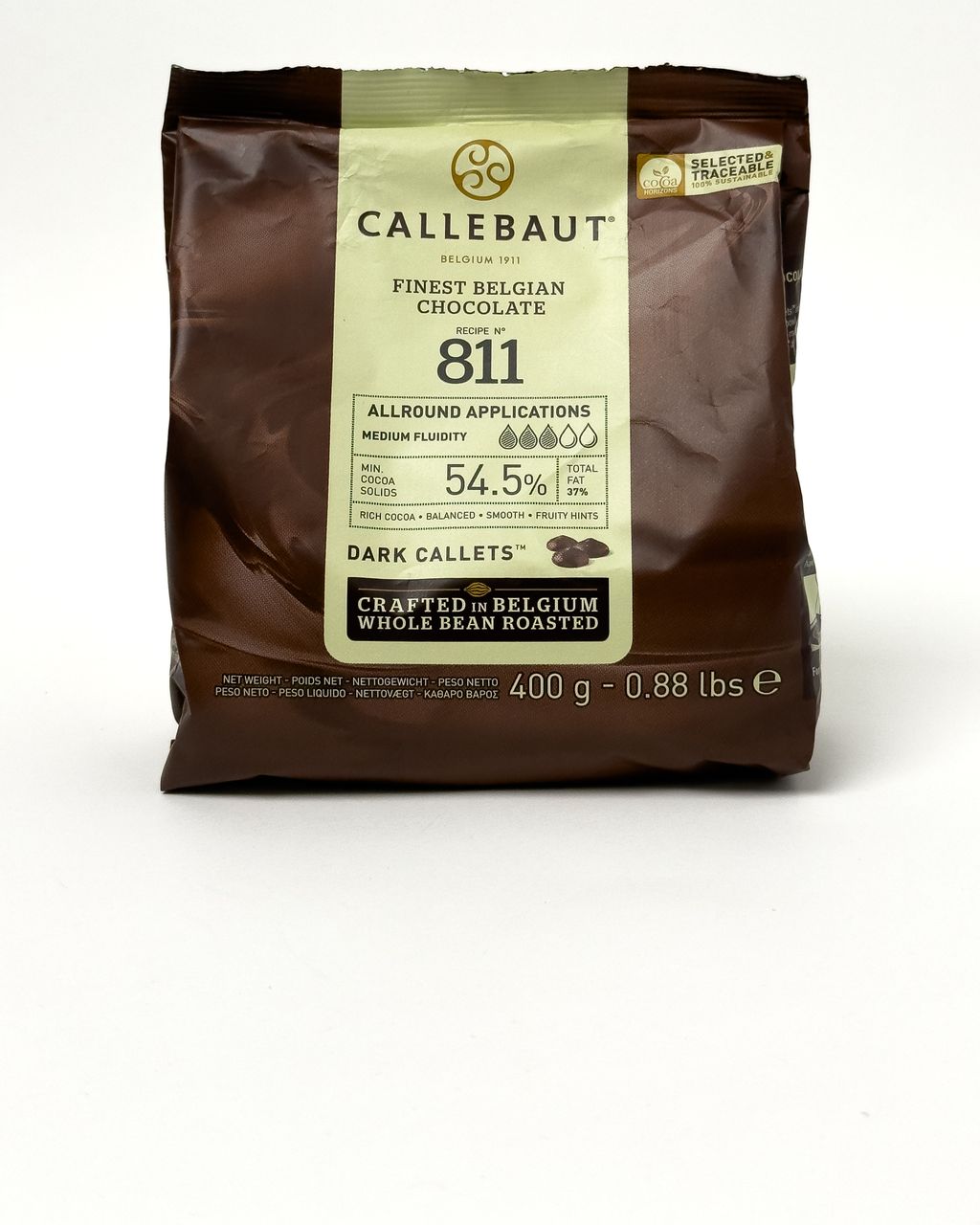
With bananas and chocolate, the best things to bake are chocolate banana bundt cake, chocolate banana bread and bananas baked with chocolate. The pairing works because the bitterness of cocoa balances the sweetness of an overripe banana. The riper the bananas, the darker the chocolate you can afford, even 60–70% cocoa.
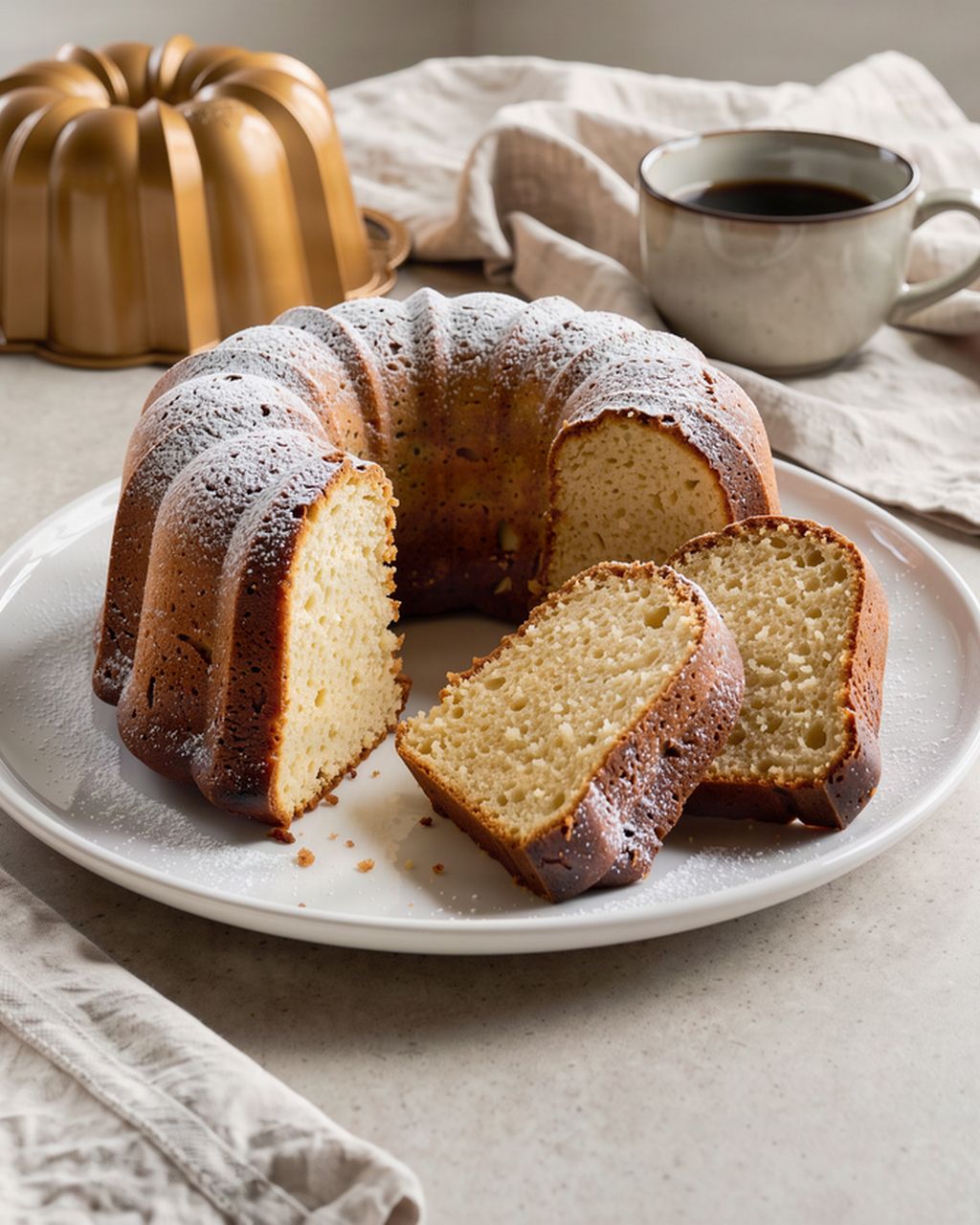
Chocolate banana bundt cake. Put chocolate pieces in the batter, or color half the batter with cocoa and make a marble. It bakes in a bundt pan for about 45–55 minutes at 170–175°C (340–350°F), until a skewer comes out clean. You'll find a gluten-free version in the recipe for gluten-free chocolate banana bundt cake. Serve it with coffee and a scoop of whipped cream.
Chocolate banana bread. Add 100–150 g of chopped dark chocolate to the basic loaf and, if you like, 2–3 tablespoons of cocoa in place of the same amount of flour. Toss the chocolate pieces in a spoonful of flour first so they don't sink to the bottom, and scatter a few on top. Bake like the classic, but insert the skewer away from the chocolate, because melted chocolate looks like underbaked batter.
Bananas baked with chocolate. The quickest dessert: slit an unpeeled banana lengthwise, tuck chocolate pieces into the cut, wrap it in aluminum foil and bake for 10–15 minutes at 200°C (400°F), or on the grill. Eat it with a spoon straight from the peel, ideally with ice cream.
For baking, chocolate chips are worth it: no chopping needed, they hold their shape in the batter and melt nicely.
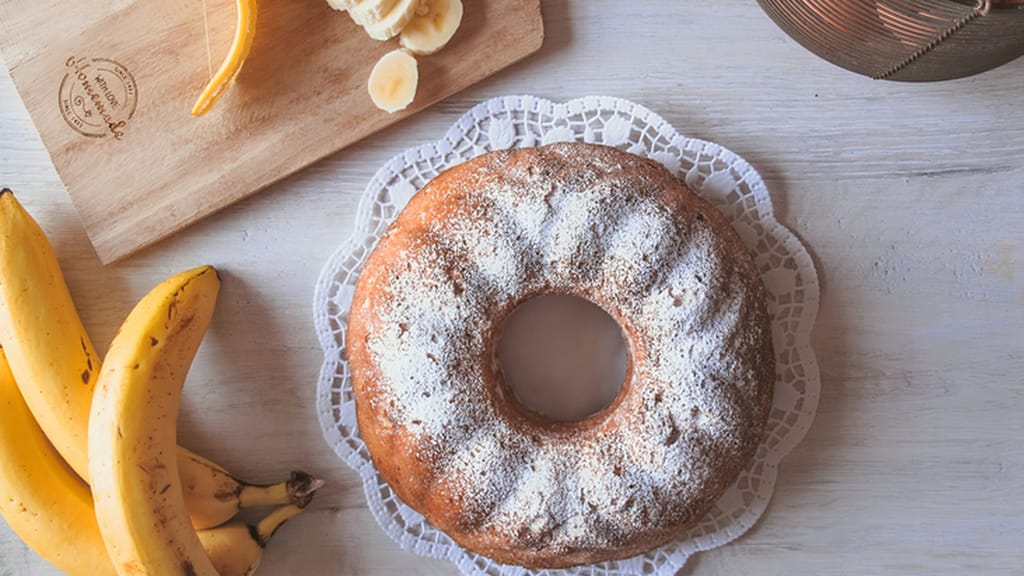
Gluten-free banana bundt cake with chocolate
Gluten-free chocolate banana bundt cake
With bananas and apples you can bake banana-apple bread, banana-apple crumble and muffins with apple and banana. The banana brings sweetness and moistness, the apple fresh tartness and juicy pieces. A tarter apple that doesn't collapse completely into mush when baked works best.
Banana-apple bread. Stir one coarsely grated, lightly squeezed apple and a teaspoon of cinnamon into the basic loaf. The apple adds water, so squeeze it out in your hands and bake 5–10 minutes longer, roughly 65–70 minutes at 175°C (350°F). You can lay thin apple slices on top and sprinkle them with cane sugar, and they'll caramelize as it bakes.
Baked banana-apple crumble. Slice 2 apples and 2 bananas into a baking dish, drizzle with lemon and sprinkle with cinnamon. Top with a crumble of flour, rolled oats, butter and a little sugar (in a ratio of roughly 1 : 1 : 1 : 0.5) and bake for 25–30 minutes at 190°C (375°F), until the fruit bubbles under the crumble. Serve warm with plain yogurt or vanilla ice cream.
Muffins with apple and banana. Add apple cut into tiny cubes (about 1 cm, ½ in) to the muffin batter. They bake like banana muffins, just allow a few extra minutes.
A banana can replace eggs in a batter because its thick flesh, with pectin and sugars, binds liquid and holds the batter together, much like egg protein. A simple ratio applies:
1 egg = about 60 g of mashed banana, which is roughly half a large banana. The same ratio (¼ cup of purée per egg) is given by the University of Wisconsin Extension (opens in a new tab).
Replace at most 2 eggs in a recipe this way. Beyond that the banana can't hold things together, and the batter turns heavy and gummy.
Banana doesn't leaven the way eggs do, so add about ¼ teaspoon of baking powder for every egg you replace.
Banana sweetens the batter, so you can cut the sugar by a tablespoon or two.
This works very well in denser batters: bread, muffins, brownies, pancakes and oatmeal cookies. It doesn't work where eggs create volume: in sponge cake, sponge rolls or foam-based batters.
Egg-free banana bread. Take the basic loaf and replace 2 eggs with 120 g of extra banana (so about 4 bananas in total) and a few tablespoons of milk or plant-based drink (soy, oat) if the batter is too thick. Add a teaspoon of vinegar or lemon juice so the baking soda has something to react with. Bake at 175°C (350°F), but allow a longer time, roughly 60–70 minutes, because a wetter batter bakes through more slowly. The crumb will be denser and moister than in the version with eggs, and the loaf needs to cool completely before it holds its shape. If you use oil instead of butter and plant-based drink instead of milk, you have a vegan version.
Banana bakes suit kids because they're naturally sweet, soft and easy to eat with their hands. A few rules to make them truly kid-friendly:
Small portions. Bake mini muffins (12–15 minutes at 180°C/350°F) or cut the loaf into fingers. Small hands can hold them, and they crumble less.
Soft texture. For the youngest, leave out whole nuts and hard pieces. Blend the oats finely.
Less sugar. Ripe bananas sweeten most of the batter on their own, so half the recipe's sugar is often enough, or none at all (see the next section). For babies under 12 months, leave out both sugar and salt entirely.
Bake together. Even a three-year-old can mash bananas with a fork and stir the batter. Two-ingredient oatmeal cookies make an ideal first recipe.
What to bake for a kids' party? Yogurt-banana cupcakes or a banana Easter bundt cake, which works for Easter too. If you don't want to bake at all, kids love building a banana cookie roof.
You can bake banana bread, muffins and cookies with no added sugar from overripe bananas. All the sweetness comes from the bananas, so they need to be properly ripe, with a peel that's mostly brown. The batter still contains sugars, but only the ones that occur naturally in the fruit.
A note on wording: "no added sugar" only holds if you add no sweetener at all to the batter. Honey, maple syrup, date syrup, agave and dates don't belong in it. They are sugars too, just in another form. If you sweeten with syrup, it isn't baking with no added sugar, because syrup is added sugar.
You can adapt a recipe in four steps:
Leave out the sugar. The batter will be sweet only from the bananas already in the recipe. If you want it sweeter, add one more ripe banana.
Get flavor into the batter another way: with cinnamon, vanilla, cardamom, grated lemon zest and a pinch of salt, which brings out the sweetness.
Chocolate pieces contain sugar. Swap them for nuts or unsweetened coconut.
Bake 5°C (about 10°F) lower and a few minutes longer. Without sugar the batter doesn't brown as much and the center bakes more slowly.
The result is moist and pleasantly sweet, just with a paler crust and a less crisp top. That's the price of missing sugar, which caramelizes as it bakes.
Two-ingredient banana oatmeal cookies (banana and oats) have no added sugar on their own, as long as you don't add raisins, other dried fruit or chocolate. For a no-bake snack, try homemade raspberry and banana fruit slices (without the chocolate layer).
Overripe bananas you don't have time for right now: peel and freeze them. At −18°C (0°F) they keep for 2–3 months and work just as well for baking as fresh ones.
Peel the bananas. A frozen peel is very hard to remove and turns black.
Break them in halves, or mash them right away and weigh out portions of 100–120 g (roughly one banana). That way you know how much you're taking for a recipe.
Put them in a freezer bag or container, press out the air and label it with the date.
Thawing: leave the bananas to soften in a bowl, or in a sieve over a bowl, for about an hour at room temperature, or overnight in the fridge. Once thawed they look gray-brown and release a lot of clear juice. That's normal. Freezing ruptures the cell walls of the flesh, so it can no longer hold on to its liquid.
Be careful with that juice. As the baking blog Foodess (opens in a new tab) describes, too much free water makes the batter heavy and gummy. So pour at least some of it off, or boil it down to a syrup and return it to the batter, or reduce the milk in the recipe. Then mash the bananas; they're so soft that a few strokes of a fork is enough.
Store banana bread and muffins completely cooled and well wrapped. Warm baked goods under wrap steam up, and the surface turns damp and sticky.
At room temperature: wrapped in a tea towel or plastic wrap, or in a closed container, banana bread stays moist for 2–3 days. Banana bakes are moist, so in a warm kitchen they keep for a shorter time than a dry Bundt-style cake.
In the fridge: this extends the shelf life to about a week, but the bread firms up in the cold. Let it come to room temperature before eating, or toast a slice briefly.
In the freezer: the best method for longer storage. Slice the bread, put parchment paper between the slices and freeze them in a bag. You take out only as much as you'll eat, and thaw a slice in the toaster or in a pan. Freeze muffins individually and thaw them on the counter in an hour.
Bakes with a yogurt or cream filling or frosting (such as cupcakes) always belong in the fridge.
If the bread dries out after a few days, don't throw it away. Slice it and fry it in butter as French toast, or cut it into cubes for yogurt with fruit.
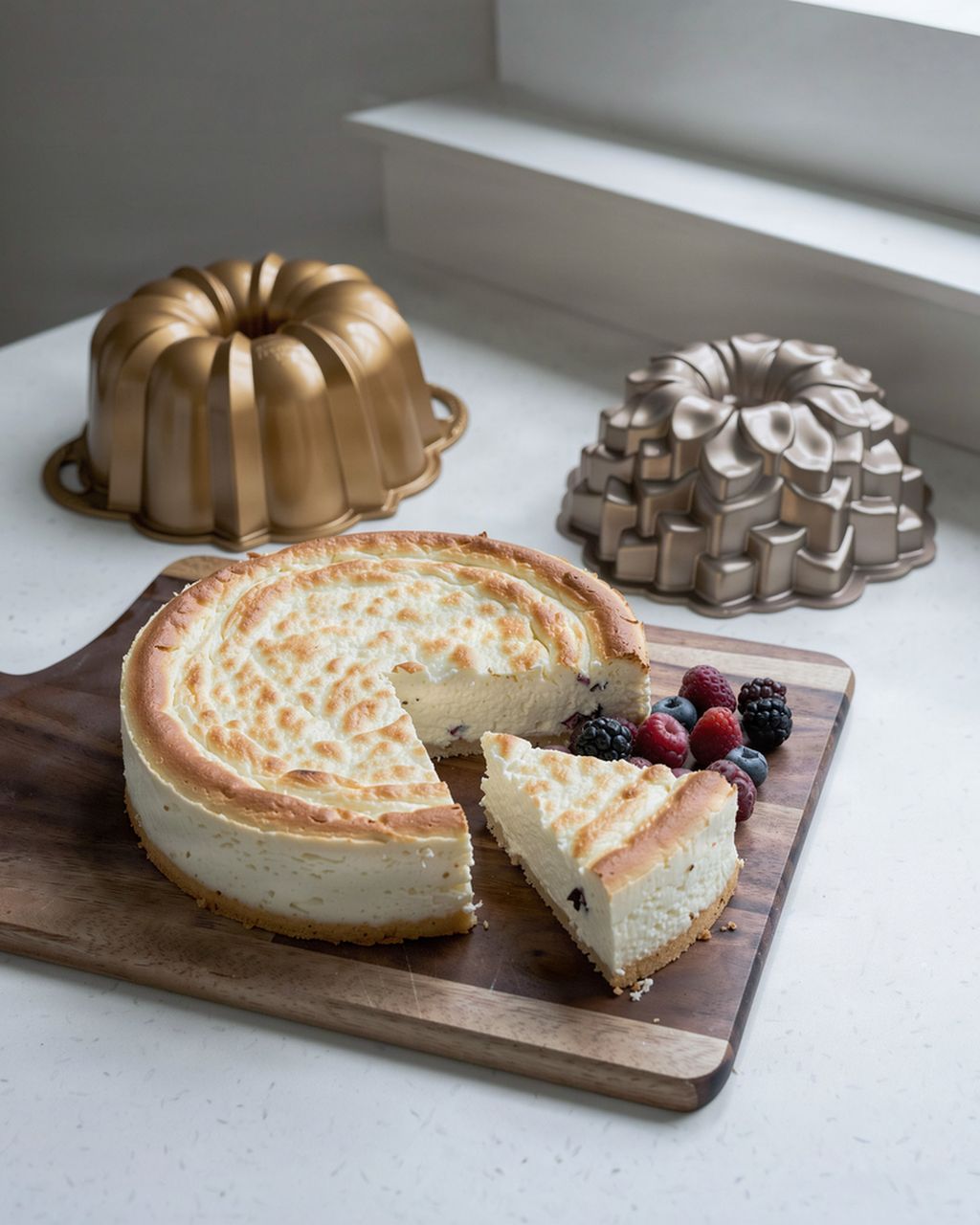
With apples, you can bake mainly apple strudel, and with quark (tvaroh, a Czech fresh curd cheese), quark buchty (Czech filled sweet yeast buns), koláče (Czech filled yeast pastries) and Bundt cakes. Which apples suit strudel and which are better for apple butter is explained in the article apple varieties for strudel and apple butter. And if you have quark left in the fridge, check the roundup of what to bake with quark.
Banana bread most often fails to rise because of old baking soda or baking powder, an overmixed batter, or batter that sat too long before baking. Baking soda starts working as soon as it meets the wet ingredients, so put the pan into a preheated oven right away. Test any leavener that's more than a few months old: baking soda in a teaspoon of vinegar, baking powder in a teaspoon of hot water. It should fizz vigorously.
Bake banana bread best with top and bottom heat (conventional) at 175°C (350°F), because a tall, moist batter bakes through evenly that way. With fan, set the oven 15–20°C (about 25–35°F) lower, so around 160°C (320°F). Moving air dries out the loaf and browns the surface faster, so the top is often done before the center.
Banana bread is gummy inside most often because it's underbaked, or because it contained too much banana or too much juice from thawed bananas. Test it with a skewer at the highest point of the crack, finish baking under aluminum foil, and pour off at least some of the juice from frozen bananas. Slicing the loaf while it's still warm also makes it gummy, so let it cool.
You can replace butter with the same amount of neutral oil (sunflower, canola), and the loaf will be even moister and stay soft longer. You can also replace part of the fat with thick yogurt, up to about half. Don't cut the fat any further, or the loaf will turn rubbery.
You can bake gluten-free banana bread by replacing the wheat flour with a gluten-free baking blend and adding a little fine gluten-free rolled oats for structure. Banana helps bind the batter, so gluten-free banana bakes turn out better than most other gluten-free bakes.
Banana bread darkens on the bottom mainly because of baking soda, which together with the sugars in the banana colors the crust, and the lower part of the oven makes it worse. Bake in the middle of the oven, don't overdo the baking soda (about 1 teaspoon per pan is enough), and with a dark metal pan lower the temperature by 10°C (about 20°F).
One recipe worth heating the oven for, one tip, and one deal from the shop. Nothing else.