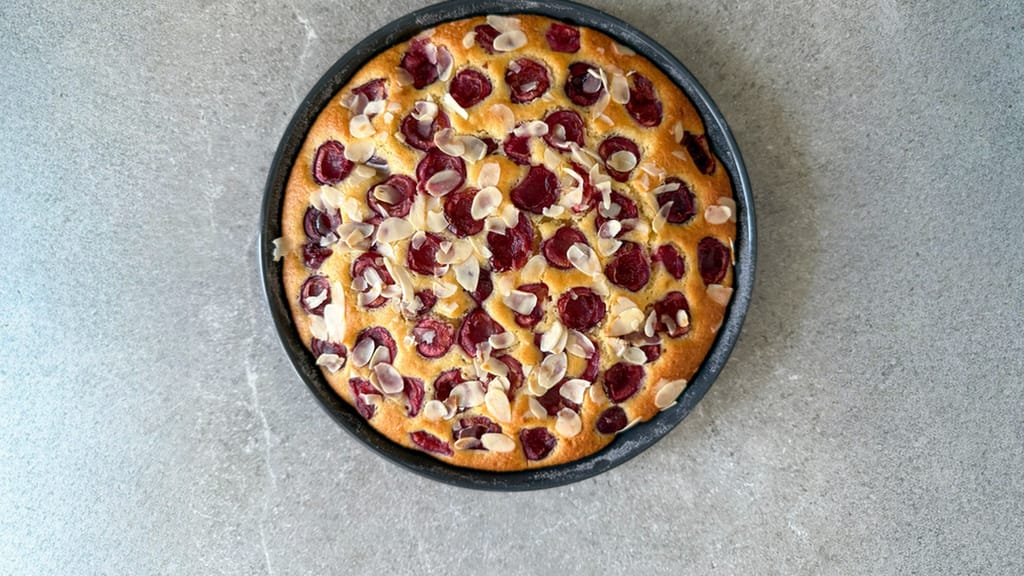
Soft & fluffy yogurt bublanina with fruit
What to Bake With Yogurt: Bundt Cake, Sheet Cake, Muffins, Coffee Cakes and Savory Flatbreads
Updated Nov 18, 2026
What can you bake with yogurt? Almost anything made with a creamed or stirred batter: a tub-measure bábovka (Czech bundt-style cake), a fruit sheet cake (buchta), muffins, an apple or banana cake, a quark cake, a Greek yogurt "cheesecake", and even savory flatbreads, pita and yogurt pizza dough. Yogurt adds moisture, its acid sets off the baking soda, and it keeps baked goods tender a day longer. Below you'll find what yogurt does in a batter, how to adjust plain, Greek and fruit yogurt, temperatures and times for bundt cake, sheet cakes and muffins, and how to tell when it's done. For the other bakes, we point you to recipes we've tested.
Yogurt does three things in a batter: it adds moisture, softens the structure, and its acidity reacts with baking soda, so the batter rises. That's why a yogurt bundt cake is more tender than one made with milk and takes longer to go stale.
Moisture and fat. Yogurt is mostly water, but thick water. It keeps the batter from thinning out and still doesn't dry out in the oven. The fat in whole-milk yogurt also coats the flour and limits gluten formation, so the crumb is fine, not rubbery.
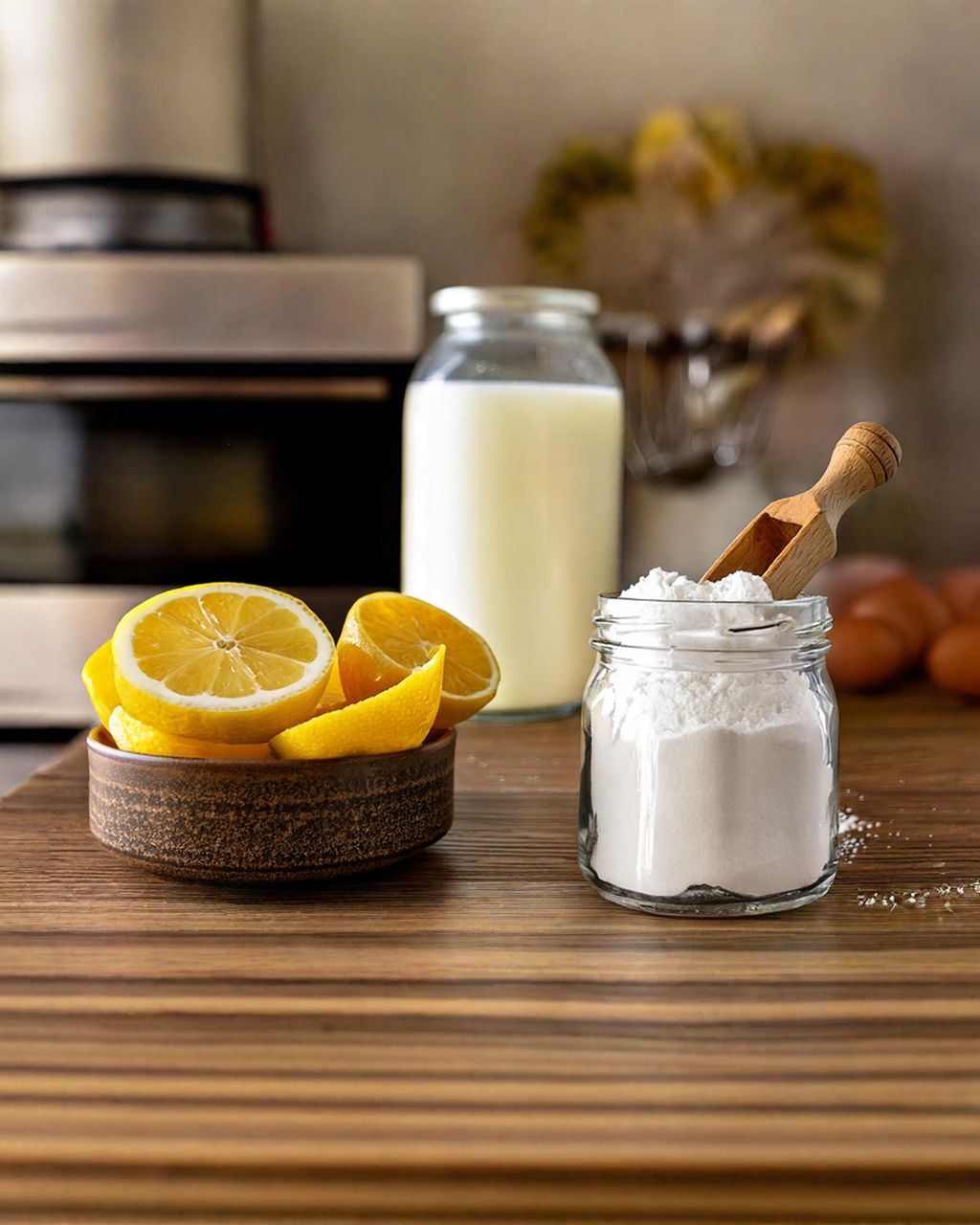
Acidity. Lactic acid gives yogurt a pH of roughly 4.0–4.6. At that acidity it reacts with baking soda (sodium bicarbonate) and releases carbon dioxide, the bubbles that lift the batter. The acid also softens the gluten a little, which is why the crumb tends to be fluffy.
Flavor. The gentle tang balances sweetness, so yogurt bakes don't taste cloying. It pairs beautifully with lemon zest, vanilla and fruit.
In practice you have two options. Ordinary baking powder contains both baking soda and an acid, so it works on its own and simply gives a slightly better rise with yogurt. If you want to rely mainly on baking soda, go by standard baking ratios of about ¼ teaspoon baking soda per 120 g yogurt. Many recipes combine both: baking powder for insurance, plus ¼ teaspoon of baking soda to neutralize the acid and help browning. Buttermilk behaves the same way in baking. If you don't have any, our article on what to substitute for buttermilk will help.
We send seasonal cooking and baking plans and recipes made from everyday ingredients. Unsubscribe in one click.
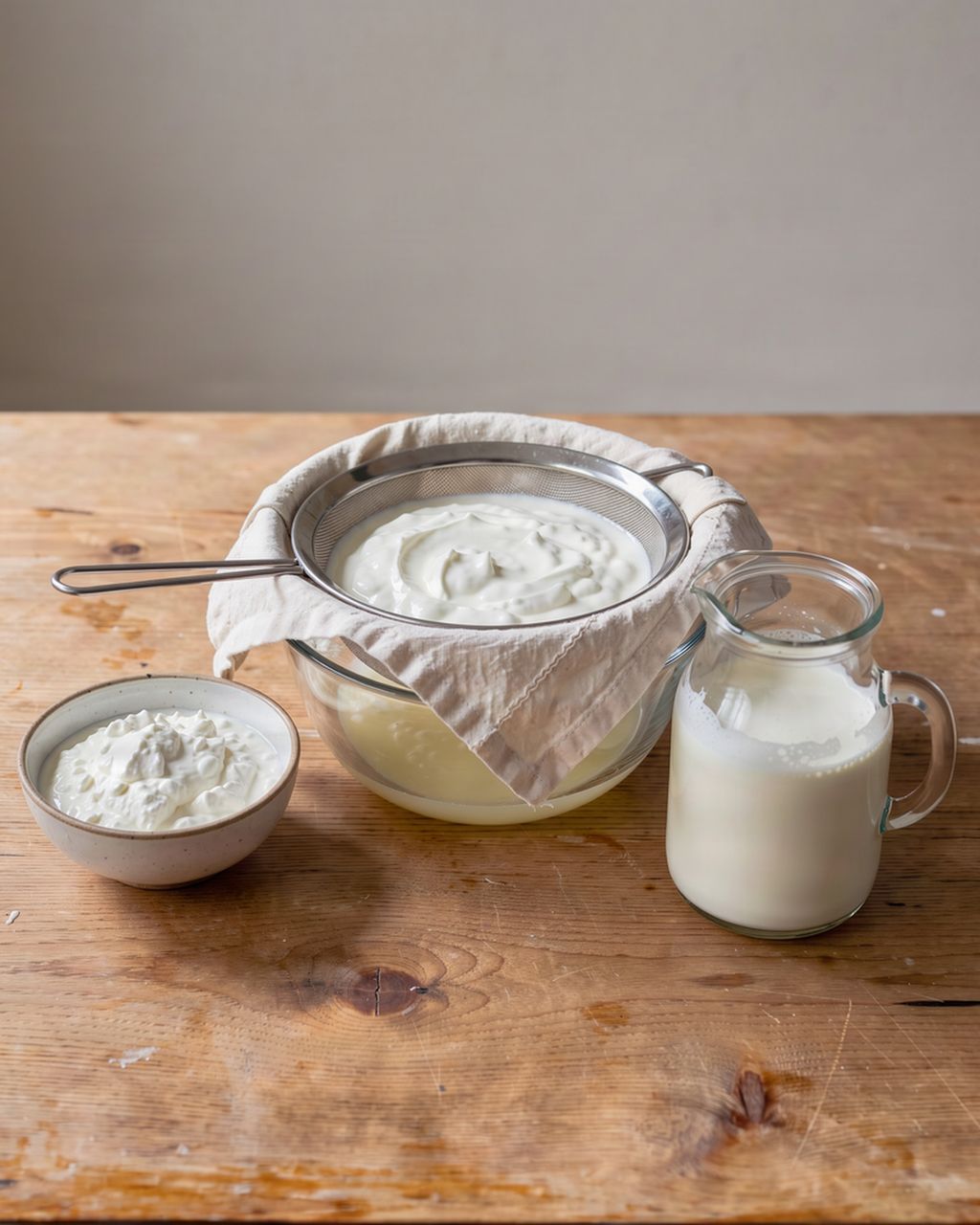
The most versatile choice for baking is plain yogurt, low-fat or whole-milk. Most recipes are written around it. Greek yogurt is thicker, so the batter stiffens and needs a little extra liquid. Fruit yogurt is sweetened, so cut back the sugar.
Plain yogurt. Plain low-fat yogurt is the standard: it has the right thickness and acidity, and the result is predictable. Whole-milk yogurt gives a more tender, richer batter, and nonfat (0 %) yogurt works too, though the crumb tends to be a bit drier. Make up for it with an extra spoonful of oil.
Greek yogurt. Plain Greek yogurt is strained, so it has less water and is thicker; the fat content depends on the type, from 0 % to about 10 %. In a recipe written for plain yogurt, thin it out: roughly 3 parts Greek yogurt to 1 part milk. Undiluted, the batter will be thick and the cake heavier. Undiluted Greek yogurt is better where you want the thickness: in a "cheesecake" cake, in a filling or in flatbread dough.
Fruit yogurt. It's usually sweetened, typically 10–14 g of sugar per 100 g, but check the label. About 4–5 g of that is natural lactose, so a 150 g tub contains about a tablespoon of added sugar. For each tub of fruit yogurt, reduce the sugar in the recipe by about 1 tablespoon. Bits of fruit in the batter are fine, but don't add more juicy fruit on top, or the batter turns wet.
Skyr and sour cream. Skyr is even thicker than Greek yogurt and low in fat, while sour cream is richer. For exact substitution ratios and what each does to tenderness, see our article on what to substitute for Greek yogurt, skyr and sour cream in batters.
Take the yogurt out of the fridge at least 30 minutes before baking, just like the eggs. Cold yogurt makes melted butter seize into lumps and the batter combines less easily.
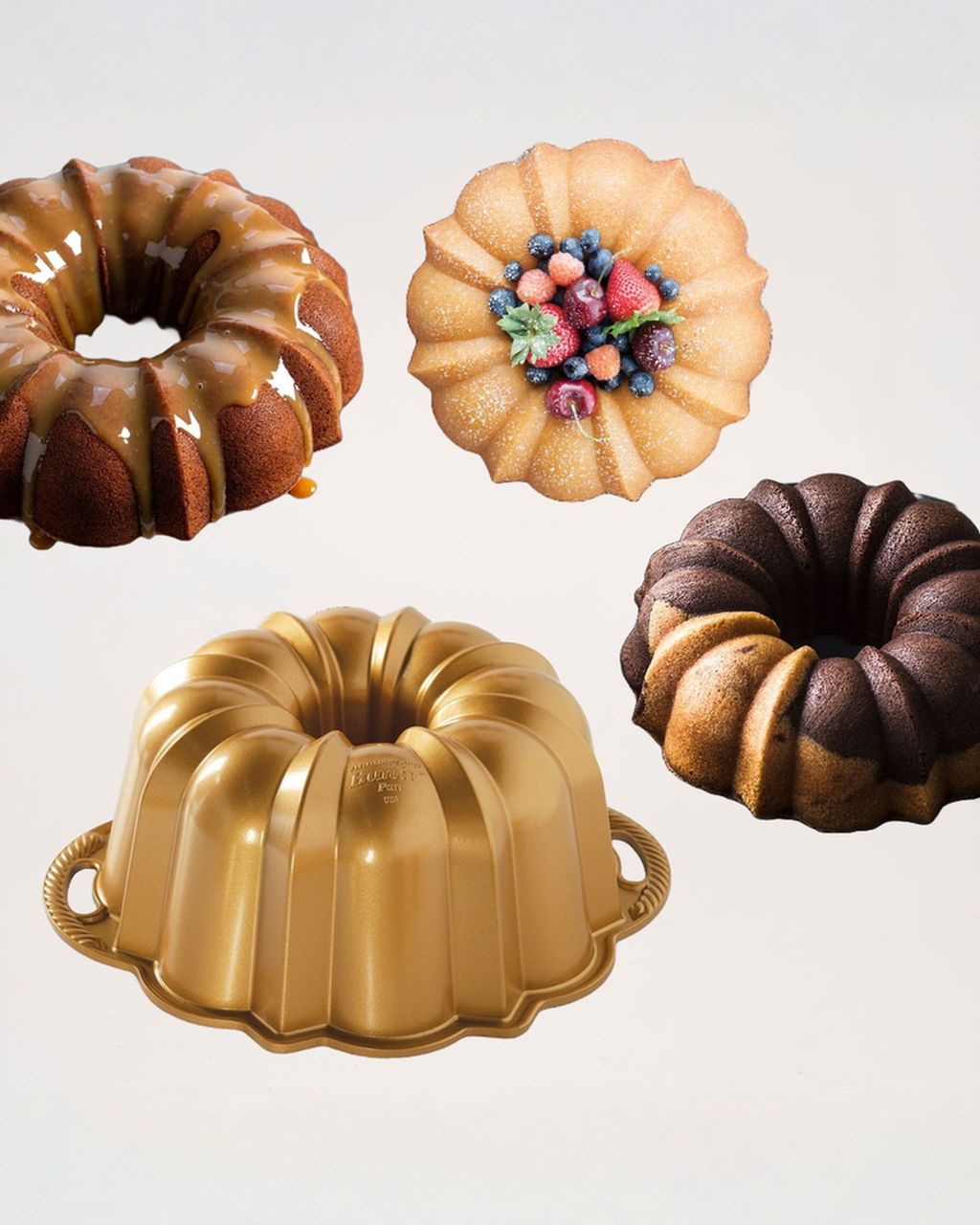
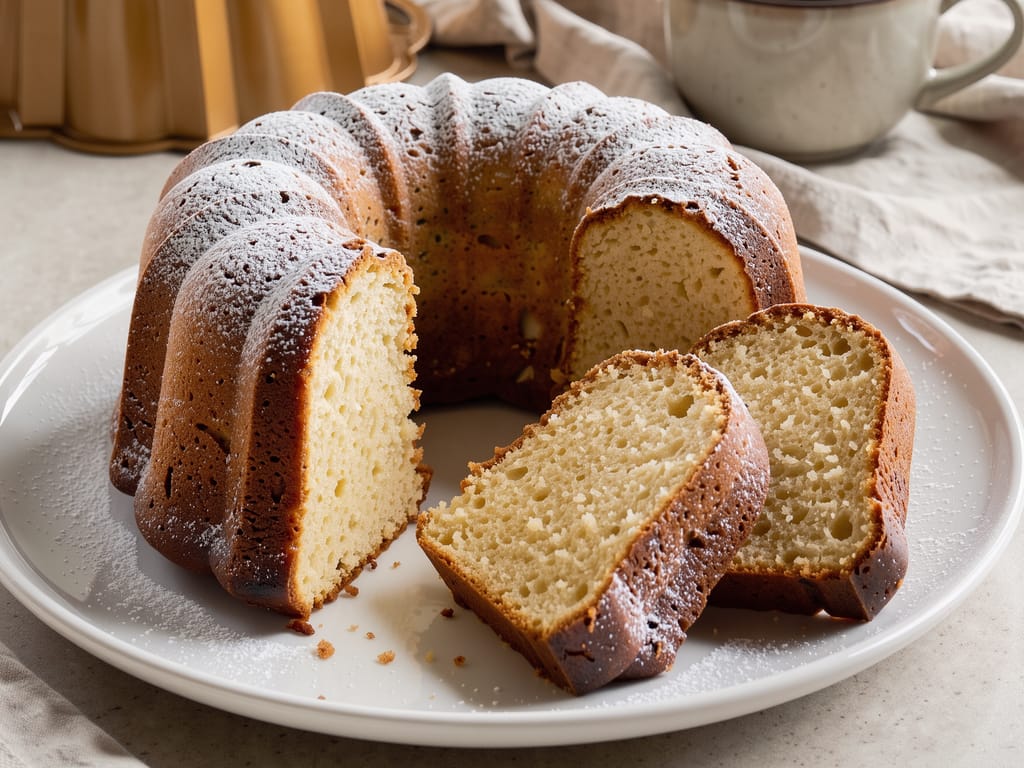
A tub-measure yogurt bundt cake is made without a scale: the empty yogurt tub (150 g) is your measure for everything else. It's a traditional Czech bábovka, baked in country cottages and scale-free kitchens alike, and it's nearly foolproof.
The classic ratio for a 22–24 cm (9–9½ in) pan:
Scrape 1 tub of plain yogurt into a bowl and rinse the tub.
Beat 1 tub of sugar (granulated or powdered) with 3 eggs until pale and foamy, about 3 minutes with a hand mixer.
Mix in the yogurt and ½ tub of oil (or melted butter).
Finally, mix in 2 tubs of semi-coarse flour (Czech polohrubá, slightly grittier than all-purpose) sifted with 1 packet of baking powder. Mix only until combined.
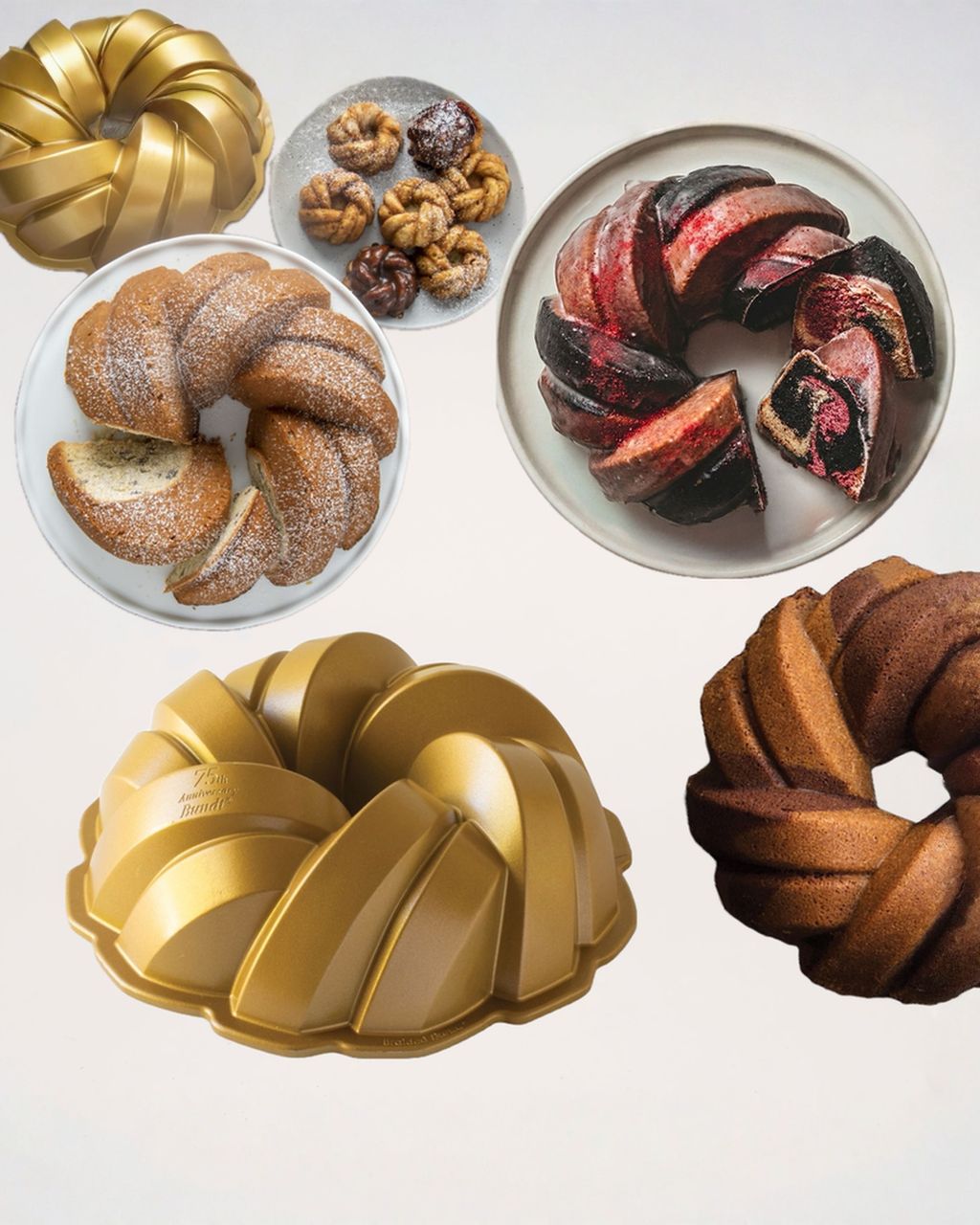
You can color half the batter with 1–2 tablespoons of cocoa and swirl the two for a marble cake. Bake in a greased, floured pan at 170°C (340°F; 160°C/320°F fan) for 45–55 minutes. Don't open the oven for the first 30 minutes, or the cake will sink.
Skewer test: poke a skewer into the highest point of the cake. If it comes out dry or with a few dry crumbs, it's done. Wet, sticky batter means another 5–10 minutes. Let the cake cool in the pan for 10 minutes, then turn it out onto a rack. Once completely cool, dust with powdered sugar and serve with coffee, with strawberries and whipped cream, or just as it is.
If you want a more elaborate cake, look at the marble bundt cake with buttermilk and vanilla. The buttermilk plays the same role there as yogurt. A close relative is the raspberry white chocolate bundt cake with sour cream. In a hurry? Tub-measure batter can also be baked in mugs, see microwave bundt cake.
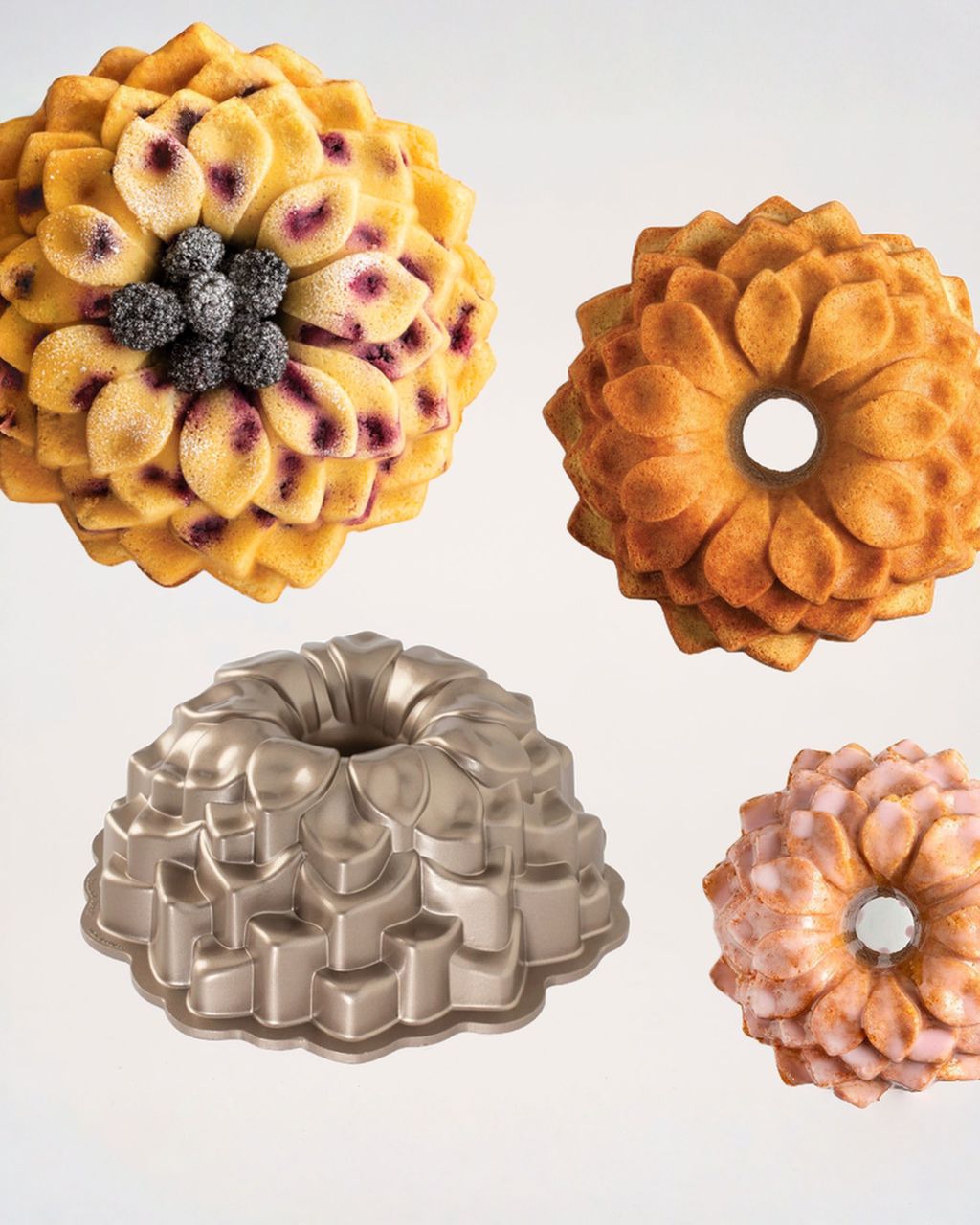
A yogurt sheet cake (buchta) is the tub-measure batter baked on a baking sheet and scattered with fruit. For a standard 30 × 40 cm (12 × 16 in) sheet, use double the tub-measure ratio and bake at 180°C (350°F) for 30–35 minutes, until the top is golden and a skewer comes out dry.
The fruit that works best:
Apricots and plums, halved and placed cut side up so the juice stays in the fruit and doesn't soak the batter.
Currants, blueberries, raspberries, small fruit scattered over the top. Add frozen fruit straight from the freezer, without thawing.
Sweet and sour cherries, pitted and patted dry.
So the fruit doesn't sink to the bottom, the batter must not be thin. That's why plain yogurt suits this cake better than fruit yogurt, and Greek yogurt only if thinned. Put the fruit on top of the spread batter, not inside it. You can sprinkle the surface with a streusel made from 50 g butter, 50 g sugar and 80 g flour, which adds a crisp layer and about 5 minutes to the bake.
A tested base is in the recipe for a tender, fluffy yogurt fruit cake. Cut the cake only once it has cooled; warm, it crumbles. Serve with vanilla sugar, a spoonful of sour cream, or just with afternoon coffee.
Soft & fluffy yogurt bublanina with fruit
Fluffy yogurt cherry cake
Mix yogurt muffin batter only briefly, because long mixing develops gluten and the muffins turn out tough, with slanted tunnels inside. Combine the dry and wet ingredients separately, then join them with a few strokes of a spatula only until the flour is moistened, lumps are fine. For 12 muffins, bake at 180–190°C (350–375°F) for 20–25 minutes.
Yogurt helps here: its acid softens the gluten and its thickness holds the batter together even when you mix very little. That's why yogurt muffins are among the quickest and most forgiving bakes.
Fill the liners to ¾ of their height so the muffins rise into domes without overflowing.
You can bake at 200°C (400°F) for the first 5 minutes, then lower to 180°C (350°F). The hot start helps the tops rise higher.
They're done when the top springs back after a light press and a skewer comes out dry.
A tried-and-true recipe: easy currant yogurt muffins. You can swap the currants for blueberries or diced pear. They suit breakfast, a school snack or a day trip, because thanks to the yogurt they don't crumble and stay tender into the next day.
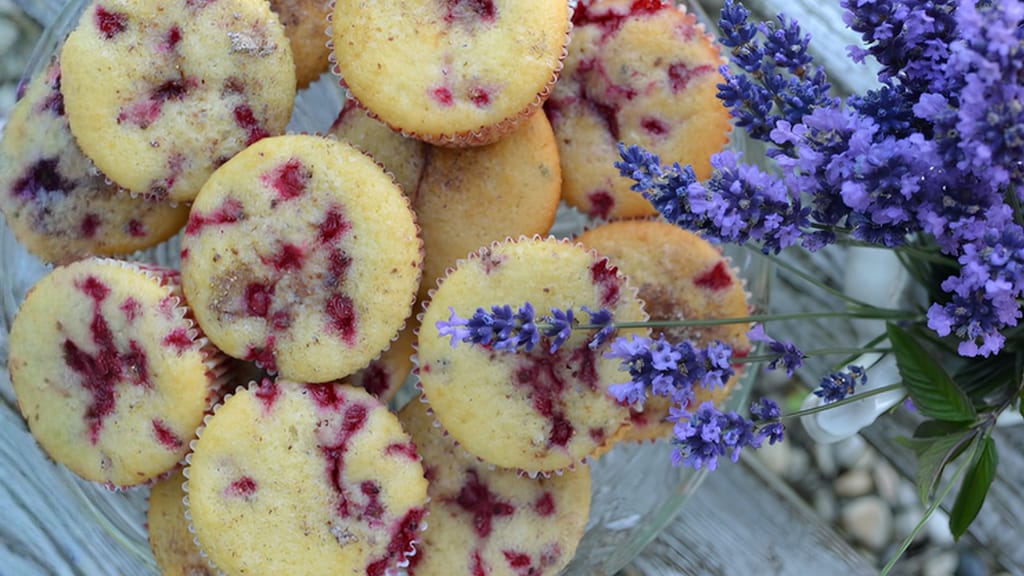
Easy redcurrant yogurt muffins
Easy currant yogurt muffins
With apples and yogurt you most often bake an apple sheet cake, an apple bundt cake and an apple cake with apple slices on top. The yogurt balances the sweetness of the apples and keeps the batter tender around the juicy fruit.
Apple sheet cake with yogurt. Stir 3–4 grated apples into the sheet-pan tub-measure batter. Squeeze them out lightly first, or the batter turns wet and stays gummy in the middle. Season with a teaspoon of cinnamon and bake at 175°C (350°F) for 35–40 minutes. Serve lukewarm with vanilla ice cream or whipped cream.
Apple bundt cake. Toss apples diced into 1 cm (½ in) cubes in a spoonful of flour and fold them into the tub-measure batter. The cake needs about 10 minutes longer, so 55–65 minutes at 170°C (340°F). The skewer test is a must here, because apples release juice. For inspiration, see the tender apple bundt cake with sour cream.
Apple cake with apple slices. For a bakery-style cake, arrange thin apple slices in rows on top of the batter, sprinkle with cinnamon sugar, and after baking brush with warmed apricot jam so they shine.
Tarter, firmer varieties that hold their shape are best for baking. More on them and further ideas in our articles on what to bake with apples and apple varieties for strudel and baking.
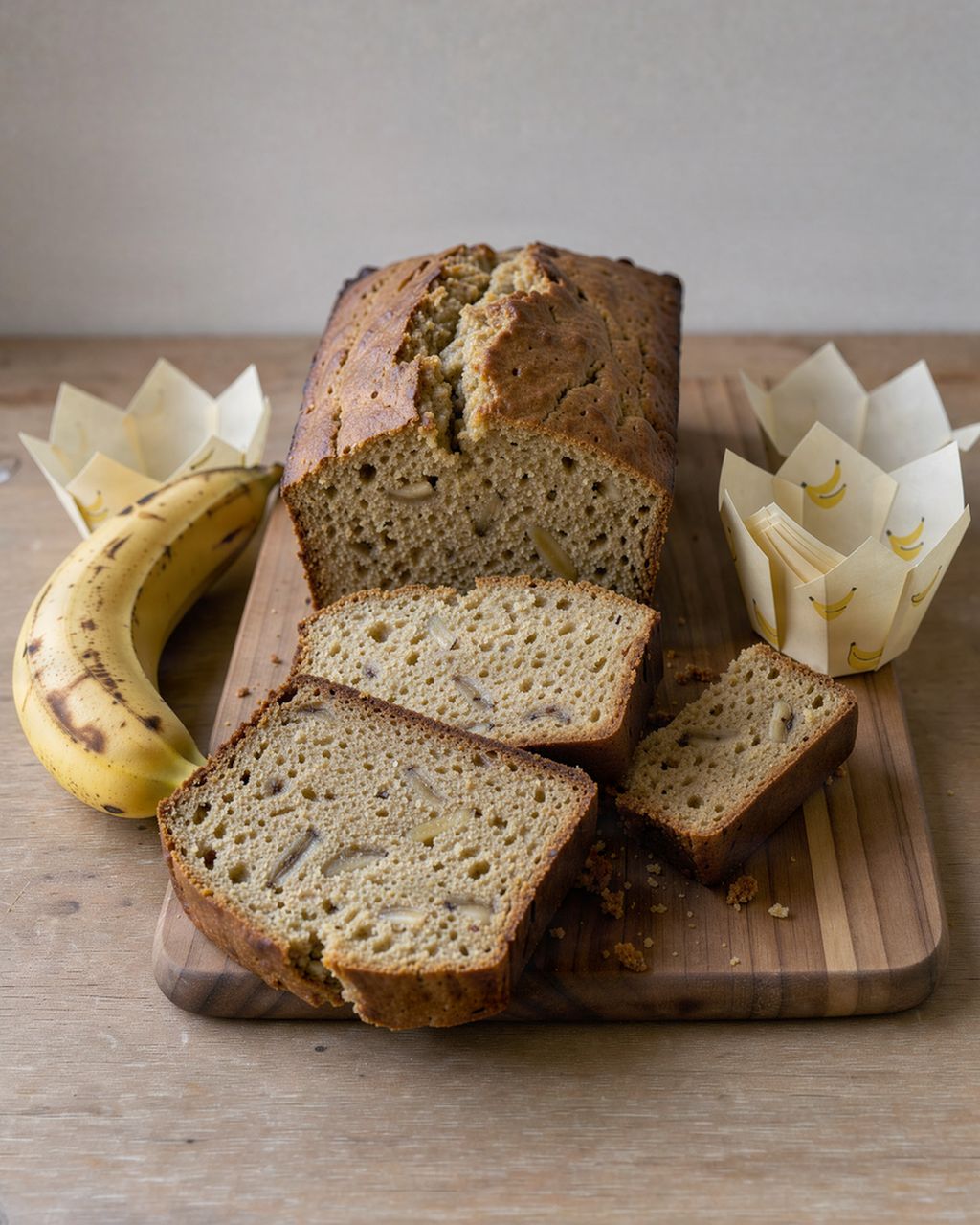
Bananas and yogurt work best in banana bread, banana muffins and cupcakes. Overripe banana adds sweetness and moisture, the yogurt's acid balances its flat sweetness, and with baking soda it lifts the batter.
Banana bread with yogurt. Mashed overripe bananas and a tub of yogurt make a tender loaf that needs noticeably less sugar, because the banana sweetens it itself. It's best the next day, pan-fried in butter.
Yogurt banana cupcakes. A soft batter in liners, topped with frosting, suitable for a party or a kids' snack. The recipe is below.
Banana muffins. Use the muffin batter from the previous section, replacing half the sugar with one mashed banana. Bake the same way, 20–25 minutes at 180°C (350°F).
The riper the banana, the sweeter and more aromatic it is. Green bananas don't belong in baking. More ideas in our article on what to bake with bananas.
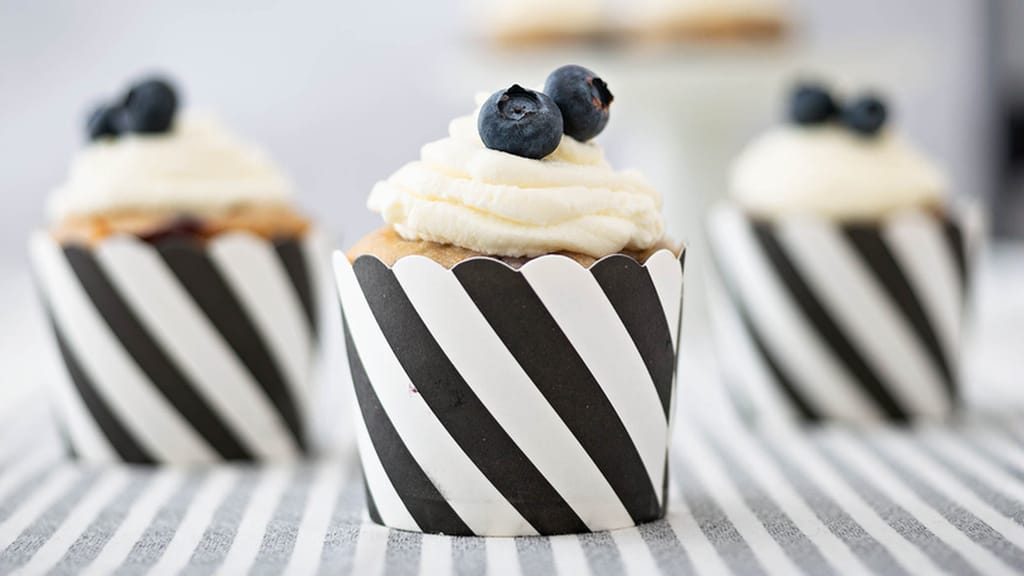
Yogurt & banana cupcakes
Yogurt banana cupcakes
Quark (tvaroh, a Czech fresh curd cheese) and yogurt complement each other well in baking: yogurt goes in the batter, quark in the filling, and together they make a cake that's tender top and bottom. A typical example is a yogurt buchta with quark filling.
Yogurt buchta with quark. Tub-measure batter on a baking sheet layered with a sweet quark filling. It's done when the top turns golden and a skewer inserted in the batter beside the filling comes out dry. Cut it only once cool; the filling needs time to set.
Both quark and yogurt in the batter. You can replace part of the yogurt in the tub-measure batter with quark. The bundt cake will be denser and moister, with a mild cheesy flavor. The popular dvěstěpadesátka, a quark bundt cake with chocolate and almonds, also has quark in the batter.
Quick fruit cake. Top the quark filling with raspberries and bake (a spoonful or two of yogurt can easily stand in for the cream in it), see the easy, quick quark cake with raspberries.
Yogurt in a quark filling softens and loosens it, but don't add more than a fifth of the quark's volume, or the filling won't set. For more quark bakes, from buchty to flourless cakes, see our article on what to bake with quark.
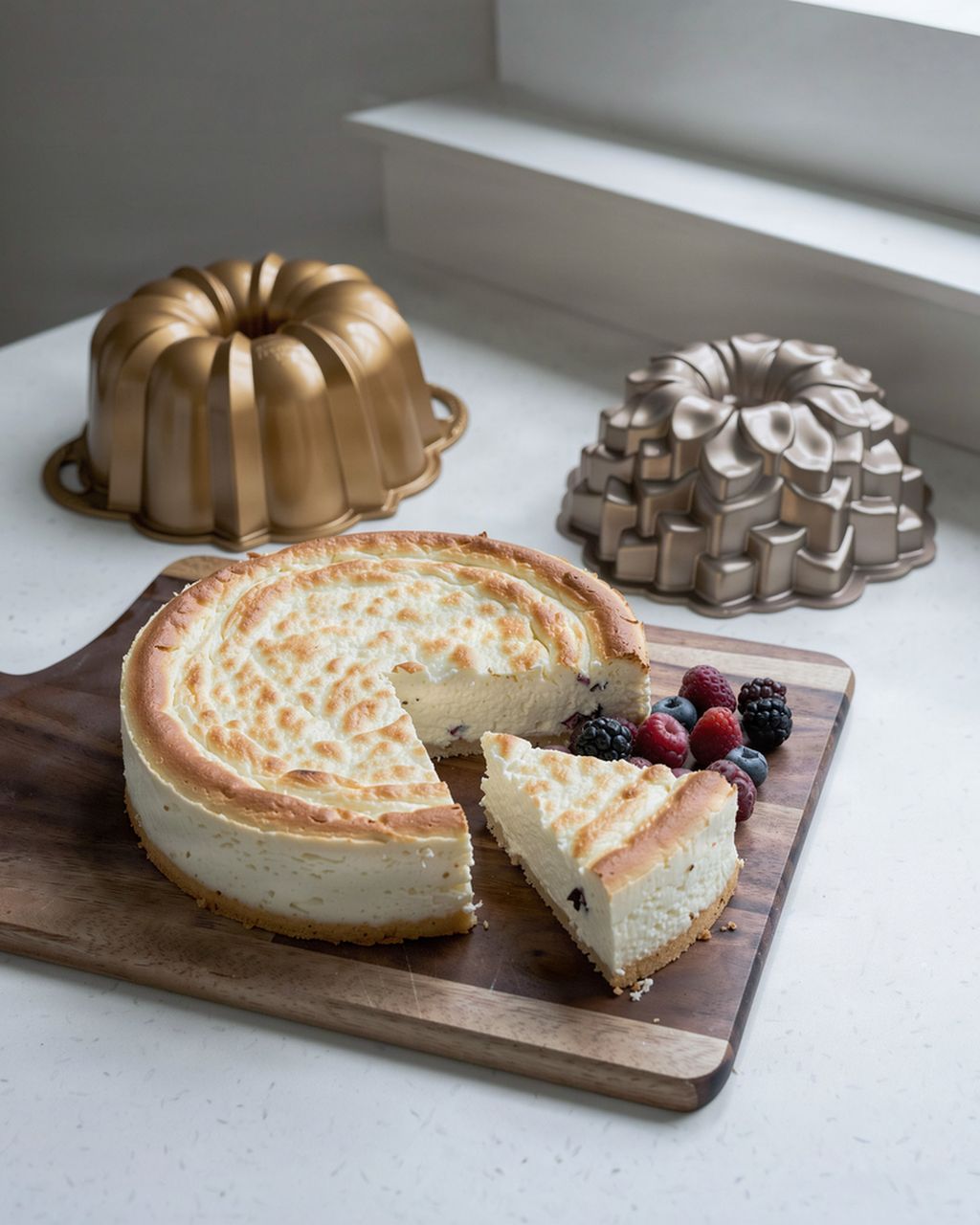
A yogurt cake can be one of two things: a classic cake with yogurt in the batter, or a baked creamy cake where the yogurt itself is the filling, similar to a cheesecake. The second is made with thick Greek yogurt and is lighter and fresher than a cream cheese cheesecake.
Baked Greek yogurt "cheesecake". Undiluted Greek yogurt with quark and eggs on a cookie crust, baked and chilled overnight. It's done when the edges set and the center still wobbles slightly when shaken.
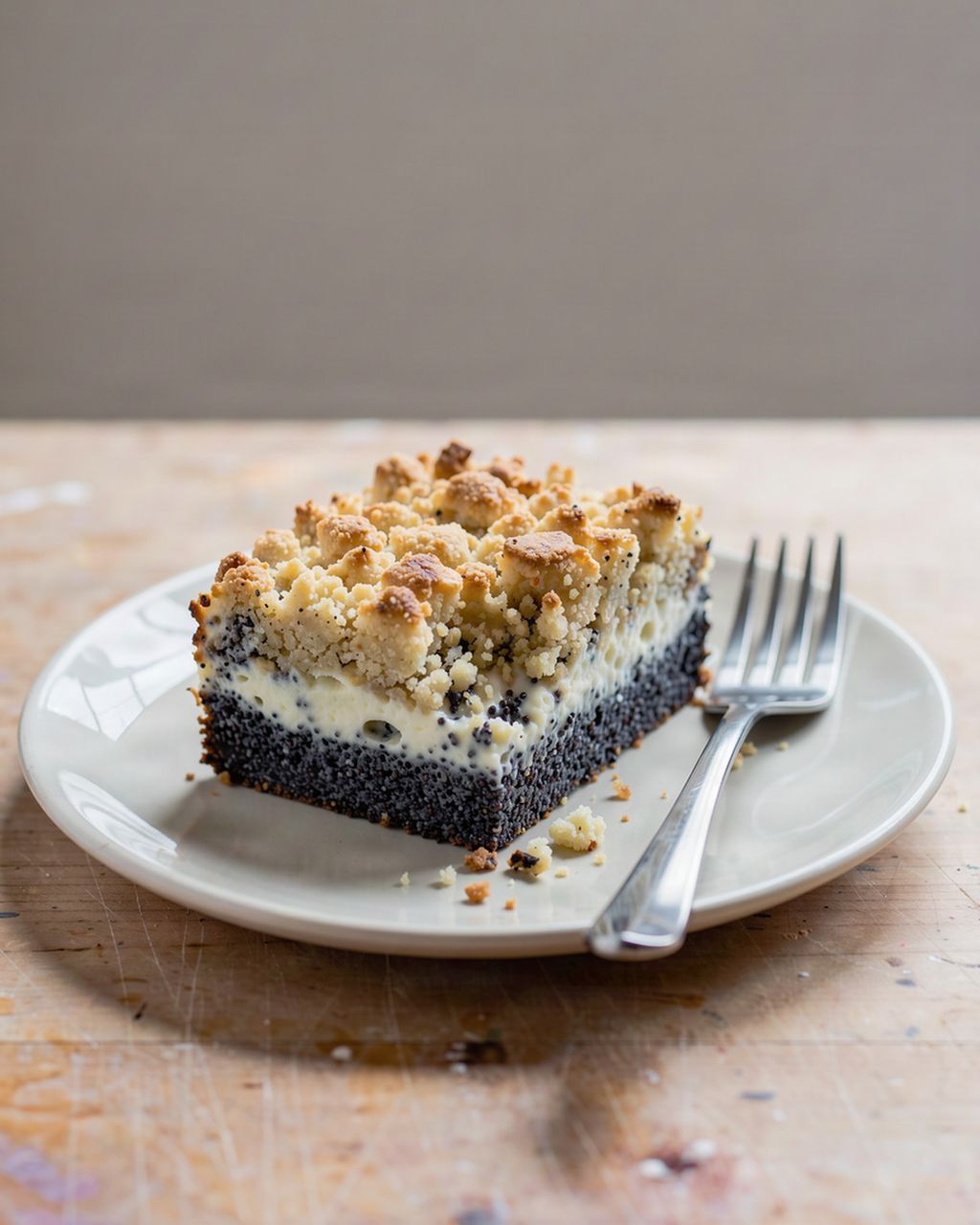
Yogurt poppy seed cake. Yogurt and poppy seeds go well together; the acidity brightens the rich poppy flavor. In the yogurt poppy seed cake with pears, the pears stay juicy and the cake tastes best chilled.
With creamy cakes, the most common mistake is too high a temperature. The filling then puffs up, cracks and turns grainy. So bake them at 150–160°C (300–320°F; 140–150°C/285–300°F fan) for roughly 50–60 minutes and let them finish in an oven left slightly ajar. A gentler temperature and patience are the whole trick.
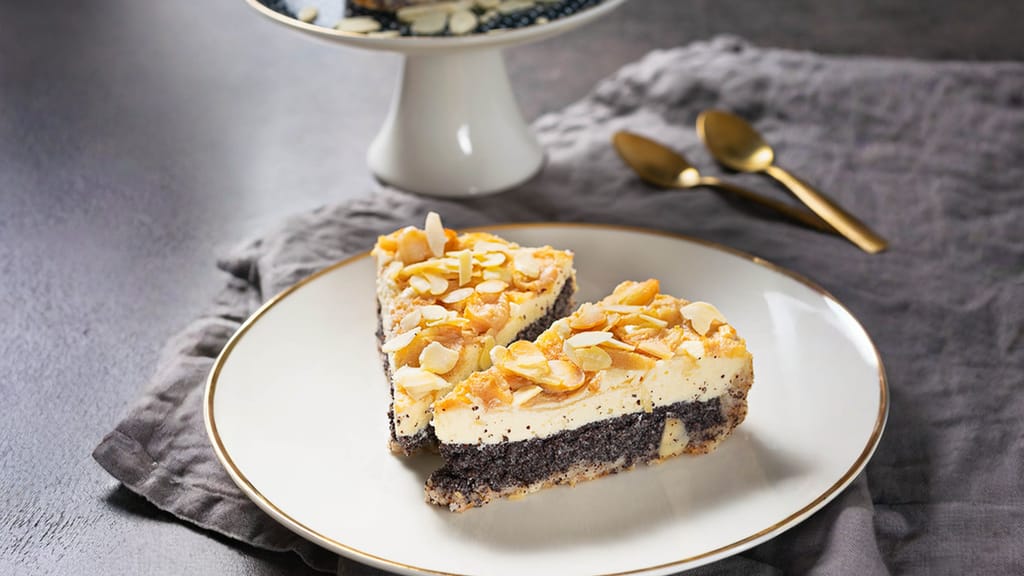
Yogurt & poppy seed cake with pears
Yogurt poppy seed cake with pears
Among savory yogurt bakes, the best payoff comes from skillet yogurt flatbreads, pita breads, yogurt pizza dough, and savory cakes and muffins. Yogurt does the same as in sweet bakes: it softens the dough and helps it rise, often without yeast.
Skillet yogurt flatbreads. Thick yogurt and flour in equal parts with baking powder make a soft, yeast-free dough that puffs up into flatbreads with charred spots in a dry, hot pan. Flip them as soon as they puff and the underside is browned. Brush with garlic butter and serve with curry, goulash or as tortillas.
Oven-baked pita breads. Ovals rolled from yogurt dough puff into pockets on a baking sheet preheated in the oven to 240–250°C (465–480°F), in 4–6 minutes. Then you fill the pocket with meat and vegetables as in the pita bread with meatballs and vegetables recipe, where you'll find the whole filling. A related Indian bread is in the recipe for skillet naan with no yeast.
Yogurt pizza dough. A quick dough with no rising time. You'll find the baking temperature and time in the recipe for yogurt dough pizza, an ideal weeknight dinner.
Savory cakes, bundt cakes and muffins. Yogurt keeps the batter tender in a savory asparagus, bacon and yogurt quiche-style cake, you can use it in place of part of the milk in a savory bundt cake with ham and cheese, and it also suits vegetable and cheese muffins, which are great for a picnic. Bake savory muffins like sweet ones, at 180°C (350°F) for 20–25 minutes.
Flatbreads and pita are best fresh. If they harden, sprinkle them with water and warm them in a skillet under a lid for a minute.

Yogurt dough pizza
Yogurt pizza dough with no rising
Store yogurt bundt cakes, sheet cakes and muffins at room temperature under a cake dome or in an airtight container for 2–3 days. Bakes with a quark or cream filling and yogurt "cheesecake" belong in the fridge.
Without filling (bundt cake, sheet cake, muffins, loaf). Let them cool completely before covering, or steam condenses and the surface turns damp. Thanks to the yogurt they stay tender longer than bakes made with milk. Cover a cut bundt cake with the cut side down on the plate.
With quark, cream or yogurt filling. Keep them covered in the fridge and eat them within a few days. The US Department of Agriculture (USDA) generally recommends not leaving perishable food at room temperature for more than 2 hours. On a festive table, return a quark cake to the cold after a few hours.
With fresh fruit. Juicy fruit (strawberries, peaches) releases juice and makes the cake soggy. Such bakes are best within 1–2 days, and in warm weather store them in the fridge.
Freezing. Bundt cakes, sheet cakes, muffins and banana bread all freeze well, ideally cut into portions and wrapped individually. Quality holds for roughly 2–3 months; thaw them covered at room temperature. Baked Greek yogurt cakes can separate a little after thawing. How freezing changes yogurt itself is explained in can you freeze milk, cream and yogurt.
Flatbreads and pita. They're best the same day. Freeze them for later layered with parchment paper and reheat straight from frozen in a skillet.
You can rescue a stale yogurt bundt cake: slice it, pan-fry the slices in butter and serve with fruit, or crumble it into the base of a dessert in a glass.
Yes, you can swap milk for yogurt 1:1, and the cake will be more tender and stay fresh longer. Yogurt is thicker, so if the batter turns out too stiff, add 1–2 tablespoons of milk. Yogurt is acidic, so ¼ teaspoon of baking soda goes well alongside the baking powder.
With a larger tub of yogurt (200 g or more), keep the same ratio and measure everything with that tub. The cake will simply be bigger and need a larger pan or a longer bake.
Yes, you can bake with plant-based yogurt, ideally unsweetened soy or coconut. Their acidity varies quite a bit by brand. If a recipe relies on baking soda alone for rise, add a teaspoon of lemon juice or vinegar per tub to be safe, or leaven with baking powder instead.
Most often it's from opening the oven in the first 30 minutes, too low a temperature, or underbaking. A gummy streak in the middle means the cake came out too soon. Always do a skewer test at the highest point.
Yes, because yogurt takes over part of the eggs' job: it holds moisture and, with baking soda, helps the batter rise. For each egg you leave out, add about 50 g more yogurt and ½ teaspoon of baking powder. It works best in muffins and sheet cakes; in a bundt cake the crumb will be denser.
Yes, kefir and buttermilk are acidic like yogurt and make baking soda work the same way, but they are thinner. In a yogurt recipe, use slightly less of them, about a fifth less, or add a tablespoon or two of flour. The result will be lighter and fluffier.
One recipe worth heating the oven for, one tip, and one deal from the shop. Nothing else.