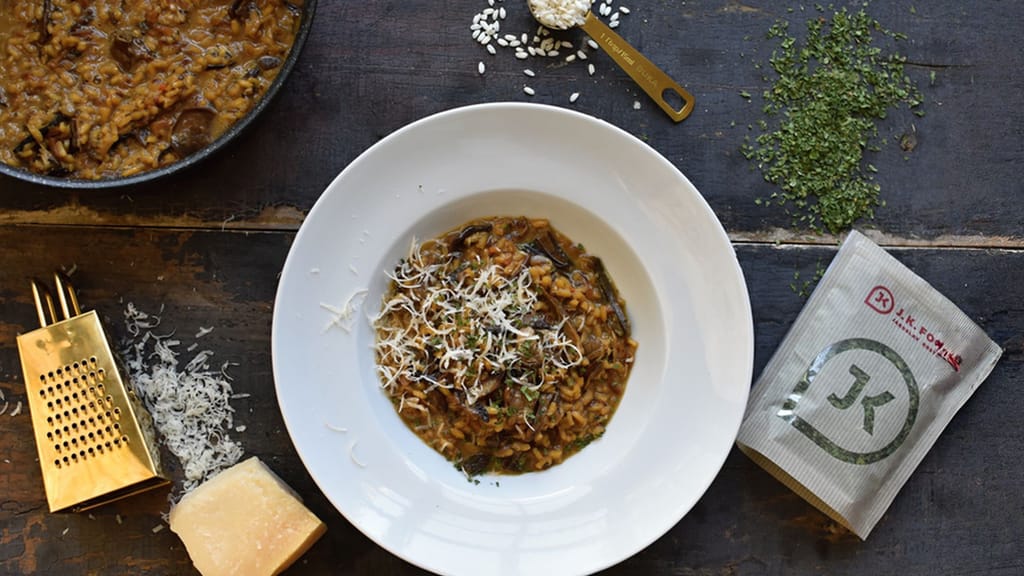
Italian mushroom risotto with kostera seasoning
Italian Recipes: Risotto, Gnocchi, Pasta, Pizza and Desserts
Updated Nov 25, 2026
The Italian dishes you can make at home without any special equipment are mainly risotto, gnocchi, pasta such as carbonara or Bolognese sauce, pizza from dough that rests overnight, tomato soups and salads, and finally the desserts panna cotta, tiramisu and cantuccini. Each one rests on a few good ingredients and one technique you need to get right: for risotto it is adding hot stock gradually, for carbonara it is combining the egg yolks with the pasta off the heat, and for pizza it is time and a properly hot oven. Below you'll find the names of the best-known dishes, a quick rundown of the method for each, what to watch out for, and a link to a tested step-by-step recipe.
The best-known Italian dishes are risotto, gnocchi, carbonara, Bolognese sauce, pizza, grissini, tomato soup with legumes, panzanella, saltimbocca, panna cotta, tiramisu and cantuccini. You'll find all of them among the Italian recipes on Yumsto, and all of them can be made in an ordinary home kitchen.
A traditional Italian meal follows a set order: antipasto (starter), primo (first course, typically risotto, pasta or gnocchi), secondo (meat or fish), with contorno (vegetables) alongside, and finally dolce, or dessert. At home you obviously don't have to stick to it. But it helps you understand why Italians treat risotto or pasta as a course of its own and not as a side for meat.
Here is an overview of typical Italian dishes, what each one is, and the recipe we have for it on Yumsto:
Risotto: creamy rice cooked by gradually adding stock and finished with butter and cheese. Recipes: Italian mushroom risotto and Italian pumpkin risotto with meatballs.
Gnocchi: small potato dumplings made from boiled potatoes, eggs and flour. Recipes: homemade potato gnocchi and gnocchi with spaghetti squash, sage and salsiccia.
Carbonara: pasta with egg yolks, grated cheese, crisped guanciale or pancetta, and pepper, with no cream. Recipe: linguine carbonara with pancetta.
Spaghetti allo scarpariello: quick Neapolitan spaghetti with tomatoes, garlic, chili and two cheeses. Recipe: spaghetti allo scarpariello, a quick recipe from Naples.
Ragù alla bolognese: a meat sauce that simmers slowly for several hours. Recipe: sugo bolognese.
Pizza: a leavened flatbread baked in the hottest oven you can manage. Recipe: homemade pizza with overnight-rested dough.
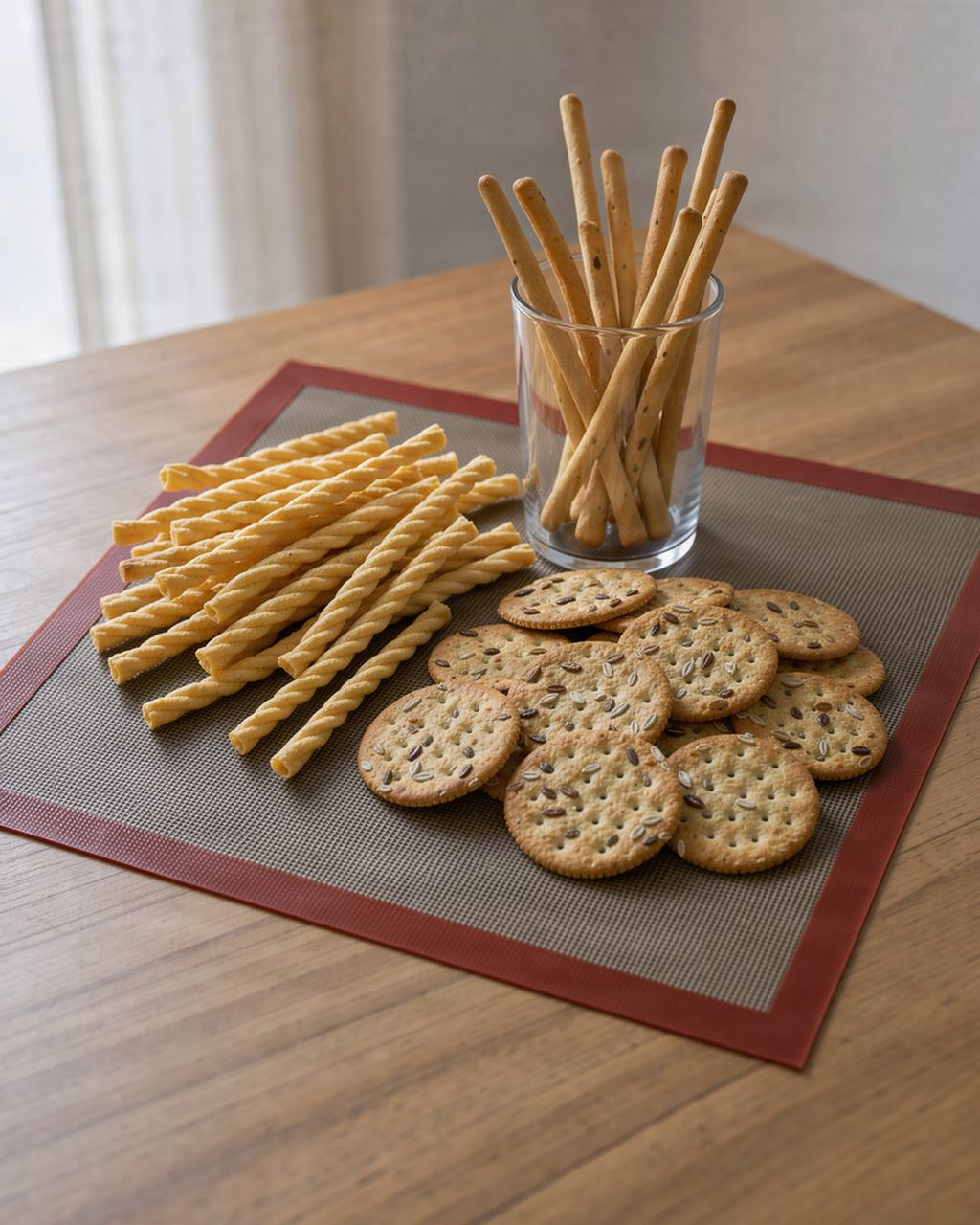
Grissini: thin, crisp breadsticks. Recipe: grissini, homemade Italian breadsticks.
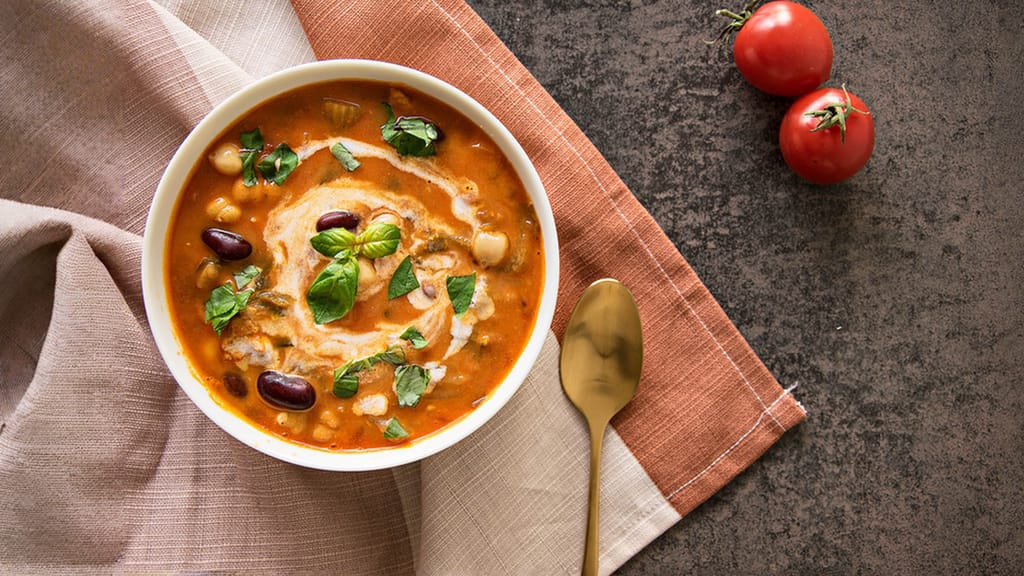
Tomato soup with legumes: a thick vegetable soup in the spirit of minestrone. Recipe: Italian tomato soup with chickpeas and kidney beans.
Panzanella: a Tuscan salad of toasted bread, tomatoes and basil. Recipe: panzanella, Italian bread salad.
Saltimbocca: veal rolls with cured ham and sage, braised in wine. Recipe: veal saltimbocca with cured ham and sage.
Panna cotta: a creamy dessert set with gelatin. Recipe: vanilla panna cotta made with whipping cream.
Tiramisu: a layered dessert of ladyfingers and mascarpone cream. Recipes: mini tiramisu with blackberries and tiramisu with raspberries.
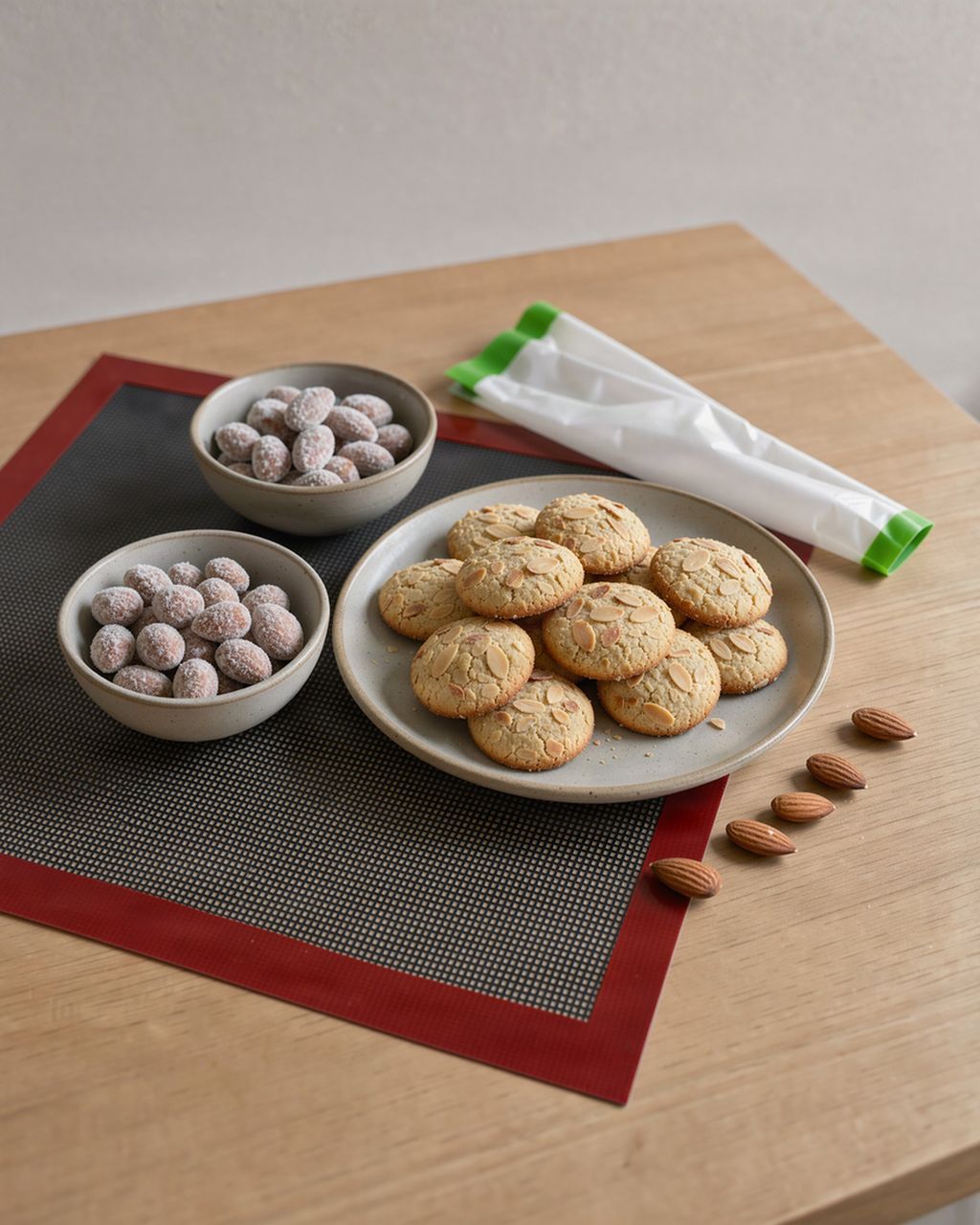
Cantuccini: twice-baked almond cookies. Recipe: cantuccini, Italian almond cookies.
Below you'll find a quick rundown of the method for each dish and what it depends on.
Recipe of the week, one tip that saves you time and one deal from the shop. Unsubscribe in one click.
The next issue goes out on Thursday, November 26.
The quickest Italian dishes are pasta and simple vegetable dishes: carbonara takes about 23 minutes, Italian-style fried zucchini 28 minutes, panzanella 30 minutes and saltimbocca 35 minutes. The times are totals from our recipes, prep included:
Linguine carbonara with pancetta: 23 minutes
Italian-style fried zucchini: 28 minutes
Panzanella, Italian bread salad: 30 minutes
Quick pasta with zucchini and lemon: 32 minutes
Veal saltimbocca: 35 minutes
Italian tomato soup with legumes: 44 minutes
Spaghetti allo scarpariello: 47 minutes
Homemade potato gnocchi: 49 minutes
The speed of Italian cooking doesn't come from convenience products but from the fact that a dish has few steps and each one has a reason. Before you start, get everything chopped and grated, put the pasta water on to boil and keep a cup handy for the cooking water. In Italian cooking that water is never poured away: the starch dissolved in it binds the fat and cheese into a sauce that coats the pasta instead of running to the bottom of the plate.
Save risotto, Bolognese sauce, pizza with overnight-rested dough and desserts that need time in the fridge for slow weekend cooking.
Creamy Italian risotto is made from a short-grain rice such as arborio. You first toast it briefly in fat, add wine, and then ladle in hot stock a little at a time, stirring as you go. The grains rub against each other and release starch, which thickens the liquid. Risotto needs no cream; its creaminess comes from that starch and from cold butter and cheese stirred in at the end.
A few rules risotto depends on:
Don't rinse the rice beforehand; you need the starch on the surface of the grains.
Keep the stock hot on a back burner. Cold stock would slow the cooking every time.
Add only enough each time to bring the liquid just below the surface of the rice, and add the next ladle only when the previous one has been absorbed.
It's usually done after about 20–25 minutes, but only tasting will tell you for sure: the grain should be tender, at most slightly firm to the bite in the center.
At the very end, off the heat, stir in cold butter and grated Parmesan. You'll get a milder flavor with grana padano, which suits risotto just as well.
You'll find a detailed step-by-step method, including the most common mistakes, in the article how to cook risotto. Here are two Italian risottos we have on Yumsto.
Mushroom risotto is built on dried mushrooms, which you first simmer gently in water for about 10 minutes; don't pour that water away, as most of the mushroom flavor is in it. Toast arborio rice in olive oil for two to three minutes, until the grains turn translucent at the edges, season with salt and pepper, add crispy fried onions and pour in white wine, letting it cook off completely. Then add the mushrooms with their liquid and ladle in hot chicken bouillon stock a little at a time. After 20–25 minutes stir in parsley and, off the heat, butter with Parmesan.
The whole recipe takes about 71 minutes and serves 4.
Italian mushroom risotto with kostera seasoning
Italian mushroom risotto with dried mushrooms, white wine and Parmesan
Pumpkin risotto starts with a shallot sweated in butter; stir in arborio rice, toast it and add white wine. Meanwhile roast butternut squash on a baking sheet with olive oil and blend it into a puree, which you stir into the rice right after the first ladle of beef stock. From mixed ground meat, an egg, salt, pepper and grated Parmesan, shape small balls and brown them in a little oil until they reach at least 71 °C (160 °F) in the center; check ground meat with an instant-read thermometer. Finish the risotto with cold butter and Parmesan and serve with the meatballs on warmed plates.
Allow about two hours; you can make the puree ahead and simply reheat it.
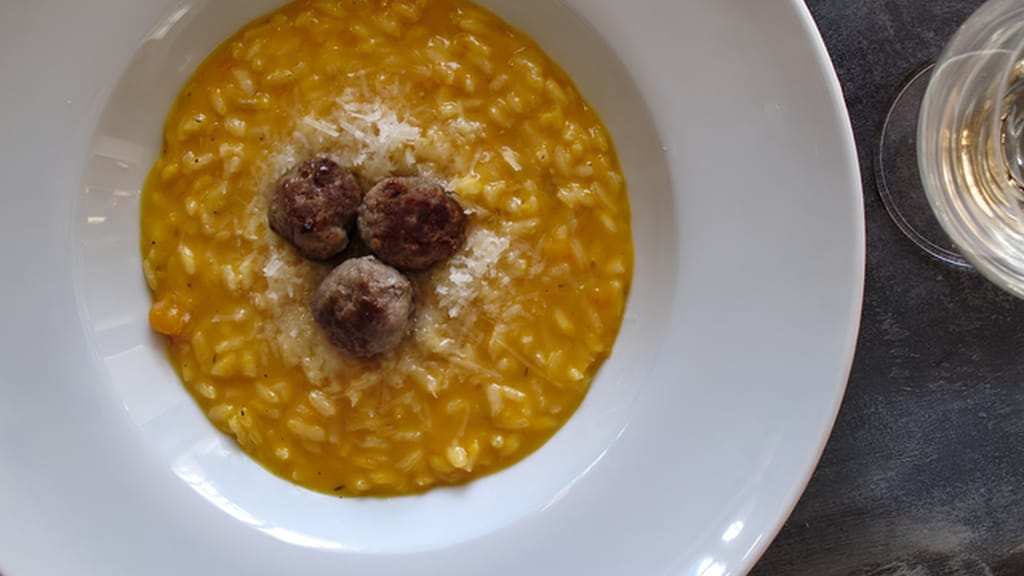
Italian pumpkin risotto with meatballs
Italian pumpkin risotto with meatballs made from ground meat and Parmesan
Homemade gnocchi are made from potatoes boiled in their skins, eggs, salt and flour. You bring the dough together only briefly, roll it into ropes, cut them and cook in boiling salted water until the gnocchi float. The whole art lies in using as little flour as possible and not overworking the dough. Every extra spoonful of flour and every extra minute of kneading makes the gnocchi tougher.
Why in their skins? The potatoes absorb less water that way, so the dough needs less flour. Peel them while still hot and mash them right away, and work quickly with the dough: warm potatoes gradually release moisture and the dough loosens. It's normal for it to be a little sticky.
How to cook gnocchi, both fresh and store-bought, how to store them and whether you can freeze them is covered in the article gnocchi: how to cook, store and freeze them.
For a kilo (about 2.2 lb) of starchy potatoes, count on three eggs, salt and roughly 250–300 g of semi-coarse flour (Czech polohrubá, slightly grittier than all-purpose). Boil the potatoes in their skins until tender, peel and mash them while hot, add the eggs and salt, stir in about 250 g of flour and add the rest only as needed. On a floured surface roll ropes about 1.5–2 cm (about ¾ inch) in diameter, cut them and drop them straight into boiling salted water. They're done as soon as they float, usually in under a minute.
The recipe makes 8 servings and takes about 49 minutes.
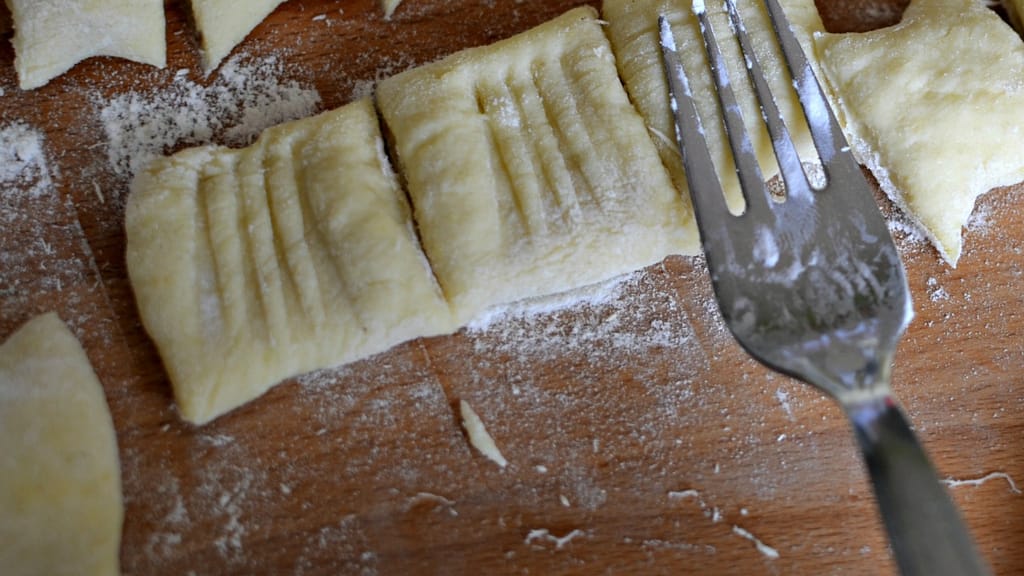
Homemade potato gnocchi
Homemade potato gnocchi made from potatoes, eggs and semi-coarse flour
Gnocchi with spaghetti squash and salsiccia aren't boiled but pan-fried in a single layer until golden and crisp on the surface. Pierce a whole spaghetti squash several times with a knife and bake it at 200 °C (400 °F) for about 45 minutes until tender. In a pan, sweat a shallot until glassy, add salsiccia squeezed from its casing and brown it until it is cooked through to at least 71 °C (160 °F); then stir in chopped sage and the squash, and if it's short of juice, add a little whipping cream or water. Finally return the gnocchi, heat through and garnish with sage leaves briefly fried in oil.
About 80 minutes in total, serves 4.
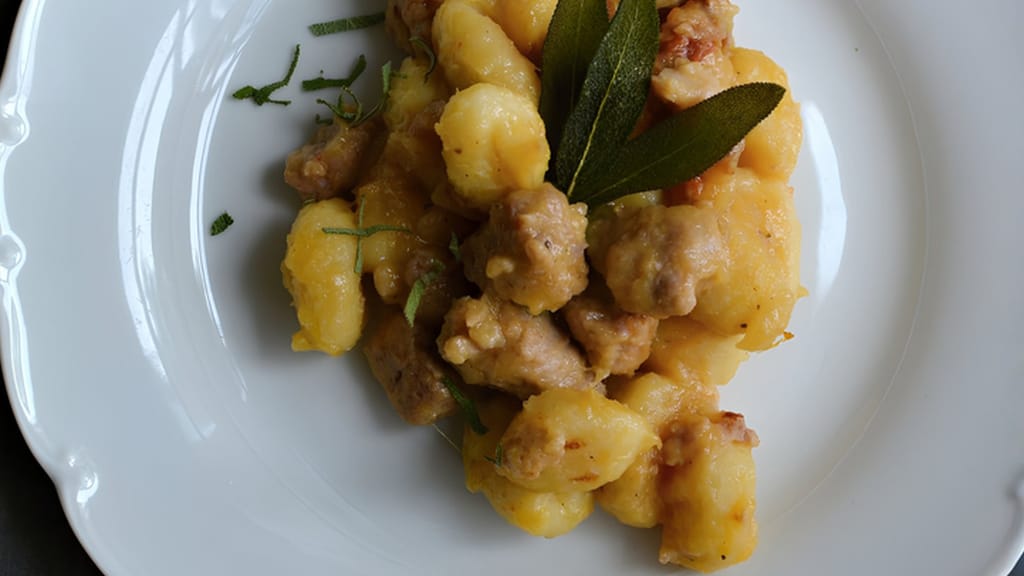
Gnocchi with spaghetti squash, sage and italian salsiccia
Pan-fried gnocchi with spaghetti squash, sage and Italian salsiccia
Italian pasta dishes share three rules: salt the pasta water properly, cook the pasta al dente, and finish the sauce with it in the pan with a little cooking water. The pasta then finishes cooking in the sauce, soaks up its flavor, and the starch from the water coats it in a glossy layer.
Italians also pay attention to which pasta shape goes with which sauce. Long, thin shapes such as spaghetti and linguine suit sauces that cling to them (carbonara, tomato sauce), while wide pappardelle can carry a heartier ragù. For more ideas on what to cook with the pasta you have at home, see the article what to cook with pasta.
Carbonara is a Roman pasta dish made with egg yolks, pecorino romano, crisped guanciale (pork jowl) and pepper; by Roman tradition it contains no cream. In Czech stores you can replace guanciale with pancetta, and in our recipe we combine it with Parmesan.
In our linguine carbonara recipe, you brown cubes of pancetta or bacon in olive oil in a large pan. Cook the linguine al dente and set aside a cup of the cooking water. Whisk the egg yolks with finely grated Parmesan and a pinch of salt into a thick, pale mixture. Toss the drained pasta in the pancetta fat, take the pan off the heat and only then pour in the yolks, stirring quickly; the heat of the pasta thickens the sauce. If it's too thick, add some of the cooking water.
The whole dish is ready in about 23 minutes and serves 4. Serve it right away: as the sauce cools, it sets quickly.
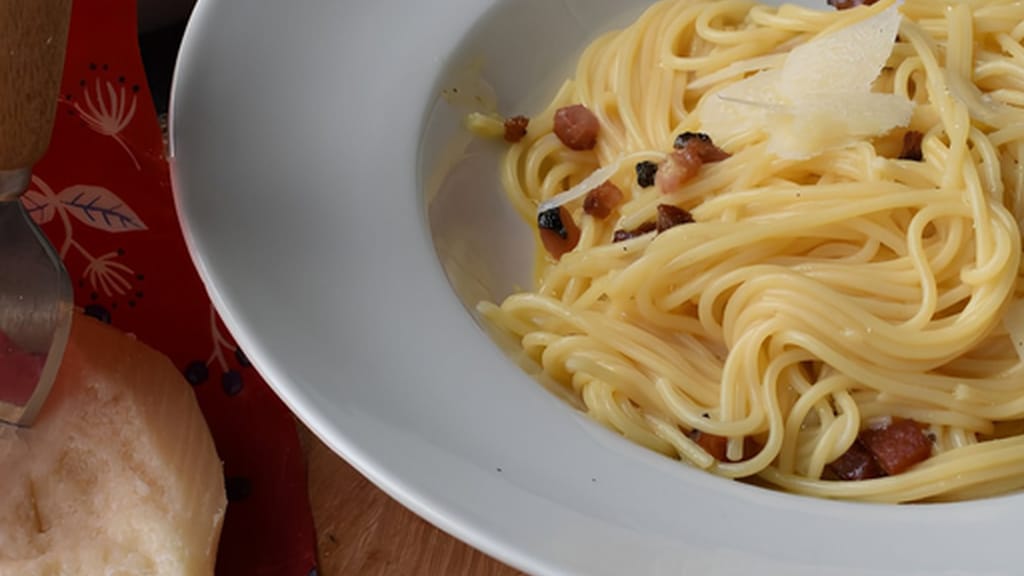
Linguine carbonara with pancetta and parmesan
Linguine carbonara with egg yolks, pancetta and Parmesan, with no cream
Scarpariello is a quick Neapolitan tomato sauce that's done before the spaghetti has finished cooking. In olive oil, briefly sauté sliced garlic, chili flakes and a few basil leaves, add most of the halved cherry tomatoes, and once they soften, pour in passata. Let the sauce bubble for about 15 minutes, then add the rest of the fresh tomatoes, the cooked spaghetti and a ladle of pasta water. Finally stir in grated Parmesan and pecorino romano and keep stirring vigorously until the cheese forms a creamy sauce.
The recipe serves 2 and takes about 47 minutes. You'll find the whole thing as spaghetti allo scarpariello.
Bolognese sauce mainly needs time: it cooks for at least two hours, ideally four, and should only lazily bubble. The base is finely diced carrot, celery, onion and bacon, sautéed in olive oil. In our recipe you use ground pork; the classic Bolognese version is built on beef with pancetta. Season the meat with salt, pepper and nutmeg and brown it until it changes color. Add red wine and let it cook off, add tomato paste and water, and simmer covered over very low heat, adding a little water now and then as needed. Serve with spaghetti and grated Parmesan.
You'll find the method in the recipe sugo bolognese, slow-cooked Bolognese sauce.
Homemade pizza comes closest to pizzeria pizza when you let the dough rest overnight in the fridge and bake it in an oven heated to its maximum. The slow, cold rise gives the dough flavor and elasticity, while the high heat gives a crisp edge that stays tender inside. The same dough of flour, water, yeast, salt and olive oil is also the basis of other Italian bakes, such as grissini breadsticks.
Everything about the dough, from choosing flour to rising and stretching, is in the article pizza dough.
You make the dough a day ahead: mix a kilo of pizza flour with dried yeast and salt, pour in 500 ml of water and olive oil, and knead until smooth and elastic. Cover it and put it in the fridge overnight. The next day, divide it into balls, let them rise another hour or two in a warm place, and meanwhile heat the oven to the highest temperature it can manage, for example 250 °C (480 °F) with the fan on. Stretch each ball with your fingers into a round with a thicker edge, spread it with tomato paste and top with torn mozzarella, beef ham and thin slices of red onion.
A kilo of flour makes four pizzas.
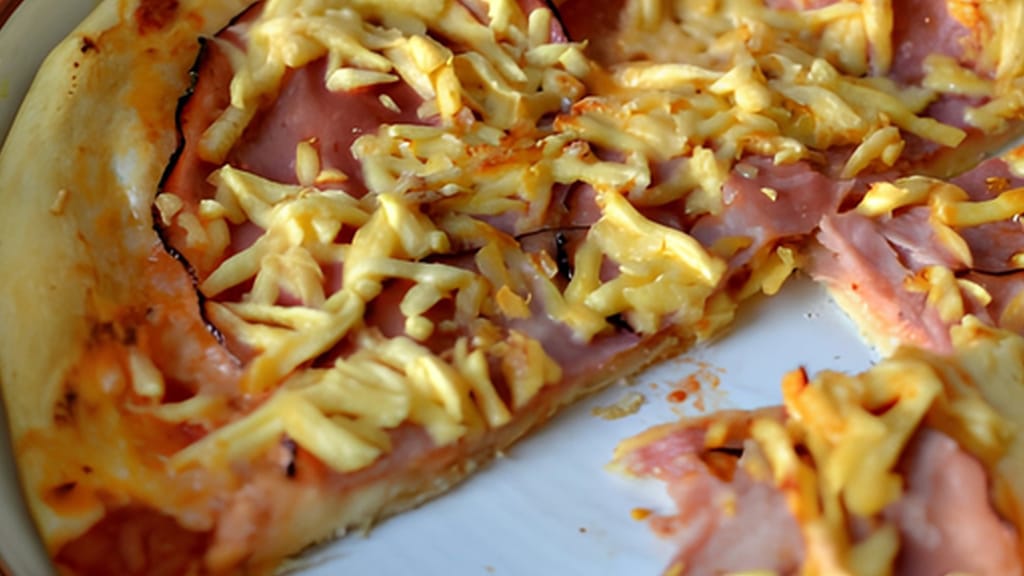
Homemade pizza with overnight dough
Homemade pizza with overnight-rested dough, mozzarella and beef ham
Grissini are thin, crisp breadsticks made from a simple yeast dough of all-purpose flour, water, salt, olive oil and dried yeast. Let the dough rise for 1.5–2 hours until doubled in size, and heat the oven to 220 °C (425 °F). Divide it into four pieces, roll each into a flat sheet, cut it into narrow strips, and twist and stretch them between your palms to the length of the baking sheet. Brush them with water and olive oil, salt lightly and bake for 20–25 minutes until golden.
The recipe grissini, homemade Italian breadsticks makes enough for 8 people. If you're planning party food, you'll find more savory bakes in the article on savory baking for parties and New Year's Eve.
Tomatoes are the foundation of Italian sauces, soups and salads, and the two simplest tomato dishes we have on Yumsto are a thick soup with legumes and Tuscan panzanella. Both depend on giving the tomatoes room: in the soup they slowly cook through the vegetable base, in the salad they release their juice into toasted bread.
The typical Italian base for soups and sauces is soffritto, finely diced onion, carrot and celery slowly sautéed in fat. You'll meet it in the soup below and in the Bolognese sauce above.
Italian tomato soup with legumes is a thick, minestrone-style soup of tomato puree, chickpeas and kidney beans on a soffritto base. Cut the onion, carrot and celery into small cubes and chop the garlic. In oil, first slowly sauté the onion alone, then add the rest of the vegetables. Add a bay leaf, season with salt and pepper, pour in about half a liter of water or stock and cook for roughly 15 minutes so the carrot and celery soften. Then add the tomato puree, chickpeas and kidney beans and let the soup simmer gently for another 10–15 minutes. Stir in the basil and parsley right at the end and, if you want a milder flavor, two tablespoons of plain yogurt off the heat.
It's ready in about 44 minutes and serves 4.
Panzanella is a Tuscan salad that makes use of day-old bread. Cut white bread, even sandwich bread, into bite-sized cubes, drizzle with olive oil, season with salt and toast on a baking sheet in an oven heated to 200 °C (400 °F) until crisp. Toss the still-hot cubes with pressed garlic and let them cool, otherwise they would soften quickly in the salad. Then combine them with chopped tomatoes and cucumber, olive oil, vinegar and torn basil.
Serves 3 in about 30 minutes.
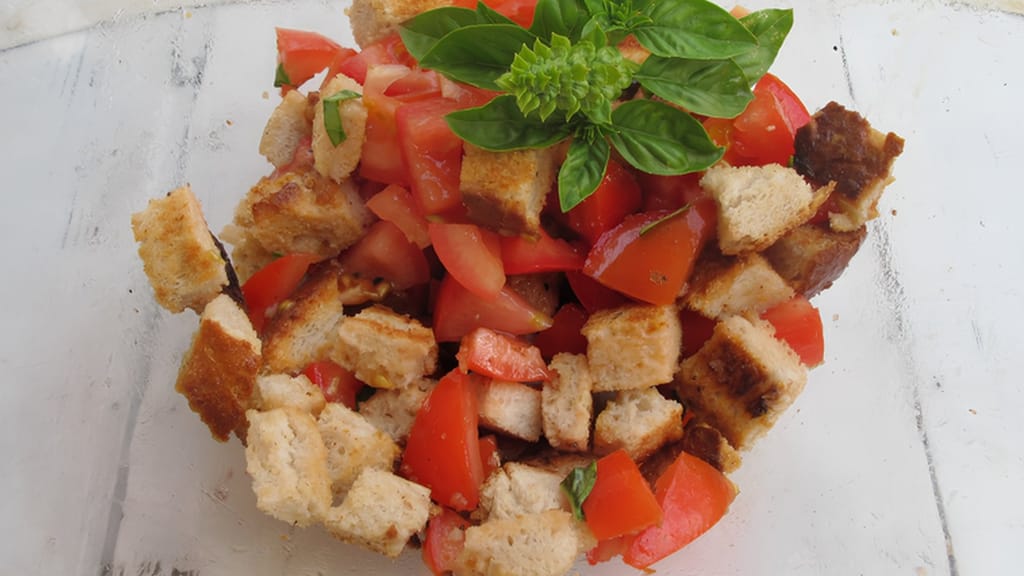
Panzanella – italian bread salad
Panzanella, Italian bread salad with toasted bread, tomatoes and basil
The Italian meat main courses we have on Yumsto include veal saltimbocca, our Bolognese sauce made with ground pork, gnocchi with salsiccia and pumpkin risotto with meatballs. You'll find the last three above under risotto, gnocchi and pasta; here is the classic second course.
Saltimbocca literally means "jump in the mouth" and is a dish of veal rolls. Pat veal slices from the shoulder dry, season with salt and pepper, lay a slice of cured ham and a few sage leaves on each, roll them up tightly and secure with a toothpick. Dredge the rolls in all-purpose flour, brown them until golden in olive oil with a knob of butter, add white wine and let it bubble. Then add a little water and braise them covered until tender. Serve them drizzled with the pan juices. The full recipe for veal saltimbocca with cured ham and sage takes about 35 minutes.
The two quickest Italian things to make with zucchini are fried slices with lemon and pasta with zucchini, garlic and cheese. Both dishes are ready in about half an hour, and both depend on the zucchini softening without turning mushy.
Italian-style fried zucchini: cut the zucchini into rounds about 2 cm (¾ inch) thick, shake them in a bag with all-purpose flour and coat in beaten egg. Fry them in butter with a little olive oil; keep the butter over moderate heat so it doesn't brown. Let the fried rounds drain on a paper towel and sprinkle all of them with lemon juice; its acidity balances the buttery flavor. The recipe for Italian-style fried zucchini takes about 28 minutes.
Quick pasta with zucchini and lemon: in olive oil, briefly sauté sliced garlic with chili flakes, add diced zucchini and let it soften. Transfer the cooked pappardelle straight into the pan with a ladle of cooking water, add grated Parmesan and pecorino, lemon juice and zest, toasted pine nuts and torn basil, and toss everything together. The full recipe for quick pasta with zucchini and lemon serves 2 and takes about 32 minutes.
The three best-known Italian desserts you can manage at home without pastry experience are panna cotta, tiramisu and cantuccini. Panna cotta and tiramisu aren't baked, they just set in the fridge, so you can make them a day ahead. Cantuccini are dry cookies that stay crisp for a long time in a tightly closed tin.
If you're curious what else goes into Italian desserts, take a look at the article on ingredients for Italian desserts, ricotta and mascarpone.
Panna cotta, literally "cooked cream", is a dessert of whipping cream, sugar and vanilla set with gelatin. In our recipe, put the seeds of a vanilla pod, the pod itself and the sugar into 500 ml of whipping cream. Soak the gelatin sheets in cold water so they soften. Bring the cream to a boil, turn off the heat and stir in the squeezed-out gelatin; from that point the cream must not boil. Pour it into glasses or molds and leave in the fridge to set for at least 4 hours, ideally overnight. Then turn it out and garnish with fruit.
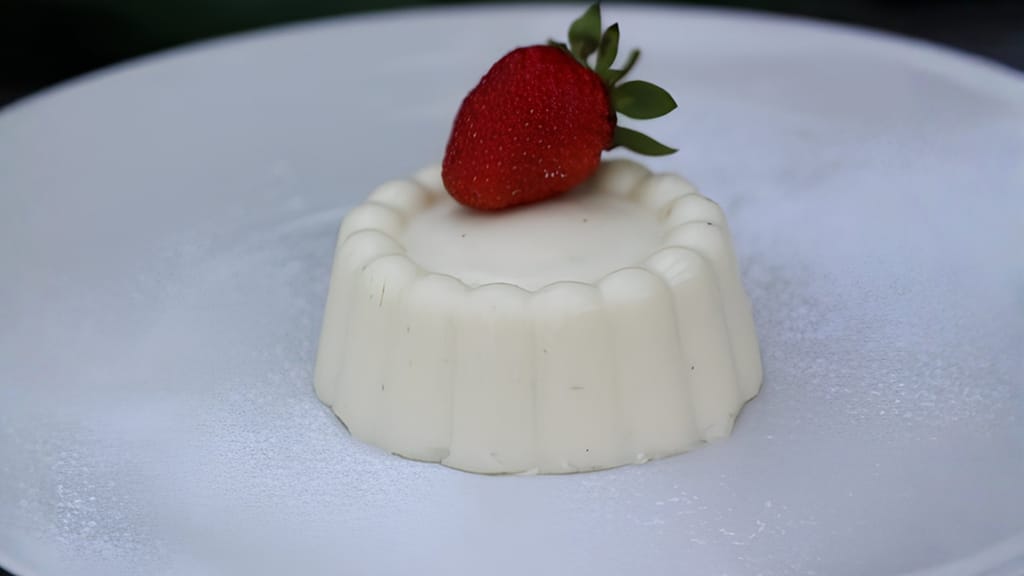
Panna cotta
Panna cotta made with whipping cream and a vanilla pod
Tiramisu consists of ladyfingers soaked in coffee and a mascarpone cream, which is classically whisked with raw egg yolks. We have two versions on Yumsto. The mini tiramisu with blackberries has an egg-free cream: whisk mascarpone with whipping cream and vanilla into a firm cream. Briefly cook the blackberries with sugar into a puree, and soak the ladyfingers in honey-sweetened Earl Grey tea instead of coffee. Layer the ladyfingers, puree and cream, and leave the dessert in the fridge to rest for at least a few hours, ideally until the next day.
Tiramisu with raspberries is closer to the classic: whisk the yolks with powdered sugar, add vanilla and mascarpone, whip the whites to stiff peaks and gently fold them in with a wooden spoon. Soak the ladyfingers in completely cooled coffee, layer them with the cream and raspberries, and leave the glasses in the fridge to set for at least 2 hours. The recipe for tiramisu with raspberries itself advises using pasteurized eggs, because the cream isn't cooked.
If you want classic tiramisu without raw yolks, whisk the yolk base like a cooked zabaglione over a water bath until it reaches at least 71 °C (160 °F); you'll find how in the article zabaglione: techniques and ingredient ratios. What to use in place of the alcohol and whether tiramisu can be frozen is covered in the article tiramisu: what to use instead of amaretto and how long it keeps.
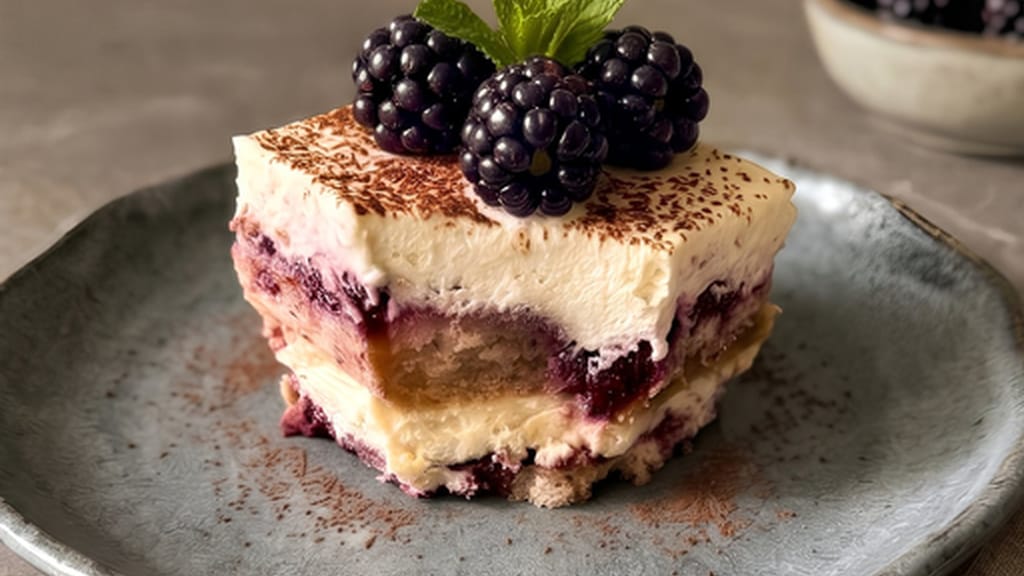
Mini tiramisu with blackberries and earl grey tea
Mini tiramisu with blackberries, mascarpone cream and ladyfingers soaked in Earl Grey tea
Cantuccini are Tuscan almond cookies baked twice, which is why they are so dry and crisp. Whisk sugar, eggs, salt and dried lemon zest into a pale, thick foam, then add melted butter, all-purpose flour, baking powder and coarsely chopped almonds. Roll the dough into logs about 3 cm (1¼ inches) in diameter, flatten them lightly with your palm on a baking sheet, brush with beaten egg and bake for 25–30 minutes at 180 °C (350 °F) until golden. Slice them while still hot into pieces about 2 cm (¾ inch) wide, since once cool they would crumble, and return them to the oven to dry out.
The recipe cantuccini, Italian almond cookies takes about 64 minutes. For more ideas for baking with almonds, see the article what to bake with almonds.
Italian dishes need a small but good pantry: rice for risotto, dried pasta, passata, olive oil, a piece of hard cheese for grating, mozzarella, pizza flour, garlic and fresh basil. With these ingredients you can make most of the recipes in this article:
Arborio rice: a short-grain rice that releases starch and makes risotto creamy. It's the rice in all our classic risottos.
Dried pasta: at least one long shape (spaghetti, linguine) and one wide shape (pappardelle).
Passata and tomato paste: the base of quick sauces, soups and pizza.
Olive oil: for sautéing soffritto and garlic and for dressing salads.
Hard cheese for grating: Parmesan or grana padano; buy it in a piece and grate it just before using. In some sauces we also add pecorino romano, which is saltier and sharper.
Mozzarella: for pizza, tear it and let it drain so it doesn't make the dough soggy.
Pizza flour: gives the dough an elasticity that also suits grissini.
Garlic, chili flakes, basil, sage and bay leaf: the seasonings that repeat most often in the recipes above.
If you come to love Italian cooking, also look at our sister overview French dishes and recipes, where you'll find classics from France treated in a similar way.
Guanciale is cured pork jowl, while pancetta is cured pork belly. Guanciale has more fat and a stronger flavor, which is why Roman carbonara uses it. Pancetta is leaner and easier to find in Czech stores, so it is the most common substitute. Cook either one slowly so the fat renders and the cubes turn crisp, and don't pour the fat out of the pan, because it belongs in the sauce.
Add the pasta water gradually, just a few tablespoons at first, then more depending on how the sauce looks. The sauce is right when it coats the pasta in a glossy layer and doesn't spread out on the plate. Always set aside a cup, even if you don't end up using all of it; the more starch it contains, the better it brings the sauce together.
Gnocchi and Czech bramborové noky (potato dumplings) are essentially the same dish: small dumplings made from boiled potatoes, flour and usually egg. In the Czech Republic, the Italian word gnocchi is now used mainly for smaller, ridged noky served with a sauce or pan-fried. The method is the same.
The most common substitute for Parmesan is grana padano, which is also hard, aged and grates well, just slightly milder in flavor. Pecorino romano also works in tomato sauces and carbonara, but it is saltier, so go easy on the salt. Soft cheeses such as eidam (a Czech Edam-style cheese) don't suit risotto or carbonara, because they won't melt into a smooth sauce.
Keep tiramisu covered in the fridge and, as we recommend, eat it within about 2 days. This applies especially to the version with raw egg yolks, which you should make with pasteurized eggs. Classic tiramisu also needs at least a few hours in the fridge beforehand so the cream sets and the ladyfingers soften.
According to our recipe, cooked homemade gnocchi keep in the fridge for up to 2 days. First spread them out side by side and let them dry briefly, for no more than 2 hours, so they don't stick together, then put them in the fridge. They are best fresh, though, straight after cooking.
One recipe worth heating the oven for, one tip, and one deal from the shop. Nothing else.