Easy cheese straws
Savory Party Baking for New Year's Eve: Cheese Sticks, Grissini, Crackers, Bread Rolls, Cheese Scones and Quiche
Updated Nov 25, 2026
Savory party baking comes down to six things: cheese sticks made with puff pastry, yeasted bread rolls and breadsticks, thin crackers, quick cheese scones and one proper quiche. The dry bakes (cheese sticks, grissini, crackers) can be baked two days ahead and kept in a tin. The scones and rolls are best on the day of the party, and the quiche bakes until the filling is set all the way through. Below you'll find the technique for each dough, fillings that work, and a plan for how much to bake and when.
For a savory table for guests, this set of six works best: puff pastry cheese sticks, yeasted rolls and breadsticks, grissini, thin crackers, warm cheese scones and one savory tart. Each plays a different role, and together they cover everything people want at a party.
Puff pastry cheese sticks: the quickest, the most impressive and the first to vanish.
Yeasted rolls and breadsticks: more filling, scented with caraway and poppy seeds, good with beer and with spreads.
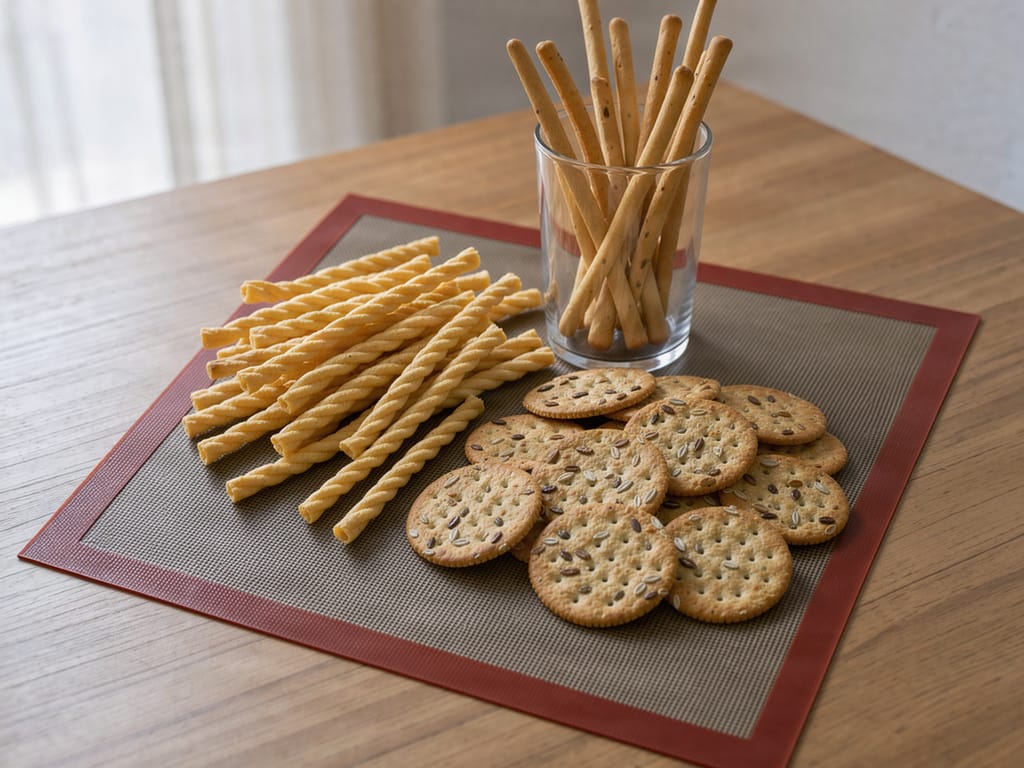
Grissini: long, dry breadsticks that keep the longest and look great standing in a glass.
Crackers: thin flatbreads for dips and cheese, ready in half an hour.
Cheese scones: warm, fragrant, no rising needed.
Quiche or savory tart: the one thing on the table that fills people up like a proper dish.
When you're planning party snacks, think about dividing up the work. Bake the dry items ahead, because they keep. Leave filled items and the quiche for the last day, since they're more of a worry in the fridge. And don't bake six kinds if you only have one oven. Three things done well beat six things half done.
For savory party baking, the main thing is a properly hot oven and trays ready to go. Thin bakes cook briefly at high heat, so a few minutes make all the difference. Always let the oven come back up to temperature between trays, or the second batch will come out paler and softer.
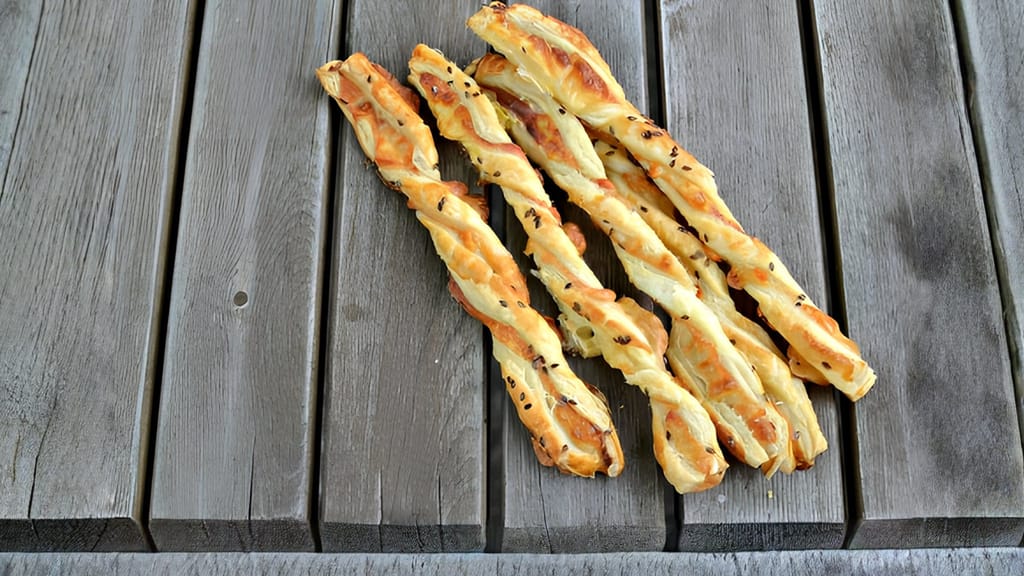
To make savory puff pastry sticks, put cheese between two sheets of pastry, cut them into strips 1.5–2 cm (about ½–¾ inch) wide, twist them, brush with egg and bake until golden. It takes about three quarters of an hour in all, and most of that time the pastry is in the oven.
Puff pastry holds its layers because the fat is rolled into thin sheets between layers of dough. In a hot oven the water in the dough turns to steam, which lifts the layers apart. That gives you three rules:
Keep the pastry cold. If it softens and the fat melts, the layers stick together and the sticks turn out flat and greasy. If the pastry gets soft as you cut it, put it in the fridge for ten minutes.
Cut sharply, don't press. A pizza wheel or pastry wheel goes through cleanly, while a blunt knife squeezes the edges shut so they don't rise into layers.
Bake in a hot oven. In a lukewarm oven the fat runs out before any steam forms.
The recipe for easy puff pastry cheese sticks uses two sheets of multigrain puff pastry, which is sold rolled out on paper. You unroll the first sheet, spread it with a spoonful of mustard, sprinkle with 45% Edam (100 g, sliced or grated) and cover with the second sheet. Twist the strips, brush with egg, sprinkle with sesame seeds and bake at 170°C (340°F) until golden, about 42 minutes in all. Some of the sliced cheese runs out and crisps on the tray, which is the best part.
If you want variations on one tray, here is what else you can put inside:
Cheese and sweet paprika: dust the cheese lightly with ground paprika for color and flavor.
Pesto: a thin layer instead of the mustard, with cheese on top. Don't use too much, as the oil in the pesto softens the layers.
Ham and cheese: a slice of ham under the cheese. These are no longer dry bakes, though, and belong in the fridge once cool.
Poppy seeds and coarse salt: no filling, just brush with egg and sprinkle. The simplest option, and they keep very well.
We cover more fillings for puff pastry, savory and sweet, in our article puff pastry, savory and sweet, and how to fill it.
Easy cheese straws
Easy puff pastry cheese sticks with Edam and sesame seeds
For savory cheese sticks, the best cheese is a firmer one that grates well and bakes onto the pastry instead of melting into a puddle: Edam, Parmesan and cheddar. Soft, moist cheeses release water and make the sticks soggy. The exception, which you can use sparingly for flavor, is blue cheese.
45% Edam: the most versatile choice. Mild flavor, melts well, and in slices it bakes beautifully onto the tray.
Parmesan: low in water, so the sticks stay the crispest and the flavor is pronounced. You need less of it, perhaps half the amount of Edam. It also works very well sprinkled only on top after brushing with egg.
Cheddar: stronger and nutty; orange (colored) cheddar gives the sticks color too. Grate it coarsely.
Blue cheese, the exception, used sparingly: it's a softer, moister mold-ripened cheese, so don't use it as the main cheese. Crumble just a little, spread it thinly over the Edam or cheddar, and bake those sticks a few minutes longer so the moisture can evaporate.
Two tricks that work for any cheese. Press grated cheese lightly with your palm before you cover it with the second sheet, or it will fall out as you twist. And add the cheese on top only after brushing with egg, because the egg makes it stick.
Savory yeasted bakes come in three basic forms: softer rolls and knots, crisp egg-washed breadsticks and thin dry grissini. They all rest on the same principle: yeast, flour, liquid, fat and salt, an hour of rising and a short bake in a very hot oven.
What matters with yeasted dough:
Liquid temperature. You want the milk or water lukewarm, not hot. Hot liquid kills the yeast and the dough won't rise.
Kneading. Knead until the dough is smooth, elastic and no longer sticks to the sides of the bowl. This stretches the gluten, so the bread has a tender crumb instead of a dense one.
Rising until doubled. Go by volume, not by the clock. In a cooler kitchen it takes longer.
A hot oven. Small bakes need high heat so the crust sets quickly and the inside stays tender.
Savory yeasted bread rolls start with a yeast sponge: stir 10 g sugar and 20 g flour into 250 g lukewarm milk and crumble in 20 g fresh yeast. Once the sponge is bubbling, combine it with 500 g all-purpose (plain) flour, 20 g lard and 10 g salt and knead a smooth dough, which you leave to rise for about an hour. Then shape it into knots, little braids or crescents, brush with egg beaten with a little water and sprinkle with caraway and poppy seeds. Bake in an oven heated to 230°C (445°F) for about 10–12 minutes until golden; the batch makes about 20 pieces.
For a party it pays to make them smaller, two bites each. They bake a minute less and people can take more varieties. The dough contains lard, so these rolls aren't suitable for vegetarians.
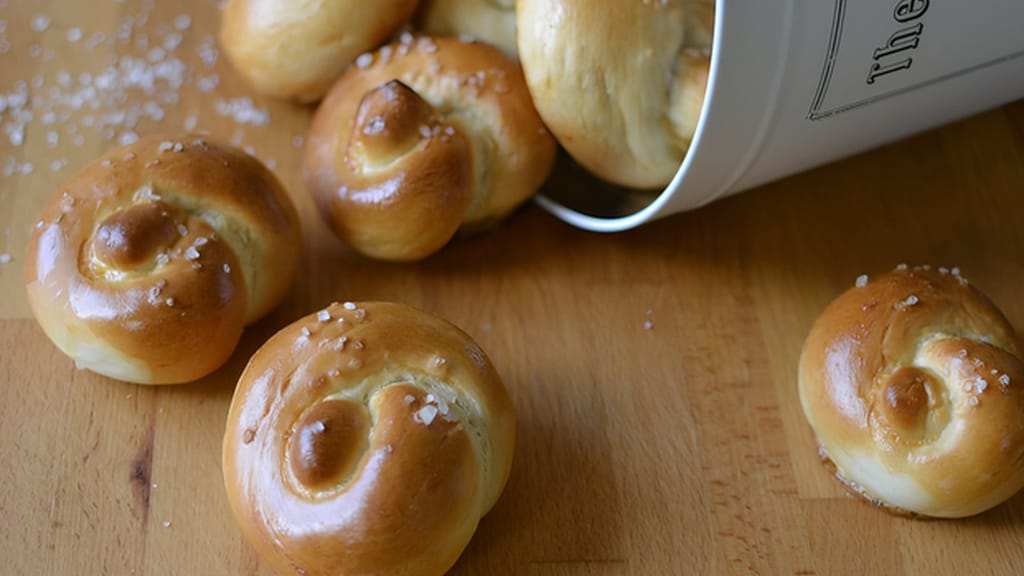
Savory yeast bread rolls
Savory yeasted bread rolls with caraway and poppy seeds
Crisp breadsticks for kids and adults are yeasted sticks made with lard, eggs, water, all-purpose flour and dried yeast. The dough is mixed and left to rise in a bread machine on the dough program, but you can just as well knead it by hand. Roll the risen dough into "snakes," let them rest for 10 minutes under a tea towel, stretch them out and lay them on a baking sheet. Brush with egg, sprinkle with poppy seeds, coarse salt and caraway and bake at 180–200°C (355–390°F) for about 15 minutes until golden.
Don't skip the ten-minute rest. The gluten in the dough relaxes, so the sticks stretch out instead of shrinking back in your hands.
Grissini are thin, dry breadsticks made from a yeasted dough with no eggs or milk. The recipe for homemade grissini rests on all-purpose flour, water, olive oil, dried yeast and salt. The dough rises for 1.5–2 hours, then you divide it into four pieces, roll out flat sheets and cut narrow strips, which you roll between your palms and stretch to the length of the tray. Before baking, brush them with a mixture of water and olive oil, salt lightly and bake at 220°C (430°F) for 20–25 minutes until evenly golden.
The thinner they are, the crisper they get and the longer they keep. Leave small gaps between the sticks, as they'll rise a little more in the oven. By the recipe, grissini are vegan, so you can put them on the table for everyone. They're good on their own, wrapped in a slice of ham or as a starter for an Italian dinner.
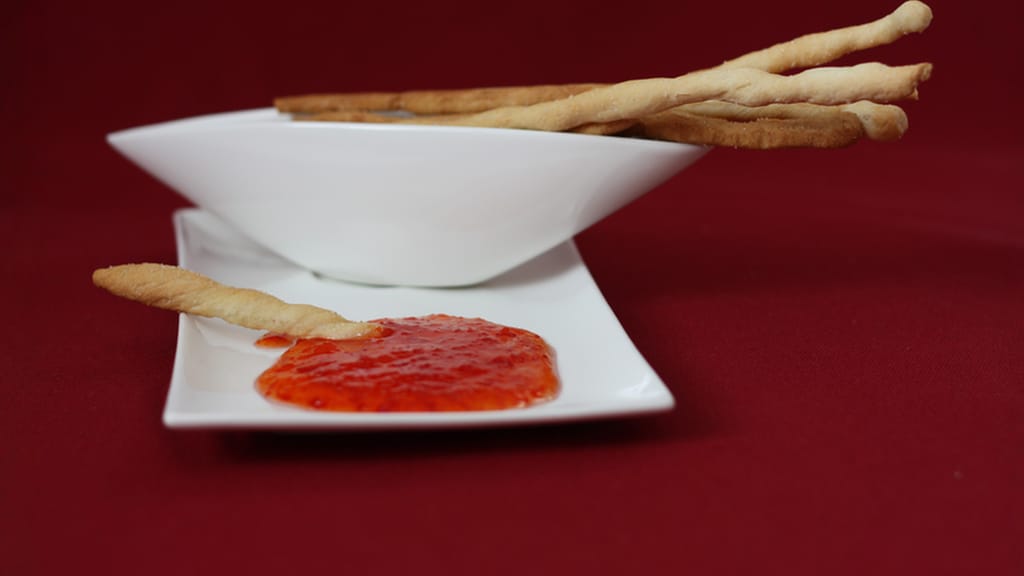
Grissini – homemade italian breadsticks
Grissini, homemade Italian yeasted breadsticks with olive oil
Savory quark pastry rests on a simple dough of equal parts quark (tvaroh), cold butter and all-purpose flour with a pinch of salt. The quark adds moisture and a slight tang, the butter makes the layers and the flour gives structure. The result behaves a bit like quick puff pastry: it puffs up in the oven and breaks into flakes.
How to do it:
Keep the butter chilled and grate it or cut it into cubes. Work it quickly into the flour and salt so it doesn't melt in your hands.
Choose a drier quark. If it's wet, let it drain for a while in a sieve, otherwise you'll have to add flour and the dough will turn tough.
Bring the dough together just until smooth and don't knead it for long. Wrap it in plastic wrap and chill for at least an hour.
Roll it into a sheet about half a centimeter (¼ inch) thick, fold it in thirds and roll again. Two or three folds are enough to build layers.
Bake in a hot oven until golden. Quark dough browns faster than puff pastry, so watch it toward the end.
You can cut sticks from quark dough just as you do from puff pastry: brush with egg, sprinkle with cheese, caraway or poppy seeds. You can also cut small rounds and triangles from it for canapés. We don't yet have a finished recipe for savory quark sticks on Yumsto, so here you'll find only the technique, not exact amounts.
Homemade crackers are thin flatbreads made from flour, water, oil and salt, rolled out to a few millimeters and baked until crisp. On a savory table they serve as a base for dips, spreads and cheese, and you can bake them in half an hour.
Pea flour crackers need 100 g pea flour, salt, water and olive oil, which you work by hand into a smooth, pliable dough. Transfer the cut pieces to a baking sheet, brush them thinly with beaten egg and sprinkle with sesame seeds; the egg makes the seeds stick. They bake at 160°C (320°F) for about 10–15 minutes until golden and the edges are lightly browned, about 33 minutes in all including prep.
Crisp lentil flour crackers are made from lentil flour, water, olive oil and spices: salt, dried garlic, cumin and dried coriander. First mix the spices with the flour dry so they don't stay in clumps, then add the water and oil. Roll the dough out between two sheets of parchment paper into a sheet about 2 mm thick. They only turn fully crisp once they've cooled, so serve them cold. By the recipe, they are vegan.
The same goes for both: thickness decides everything. Thicker spots stay soft and your crackers will bake unevenly on the tray. Roll between sheets of paper and from the center outward so the sheet is even all over.
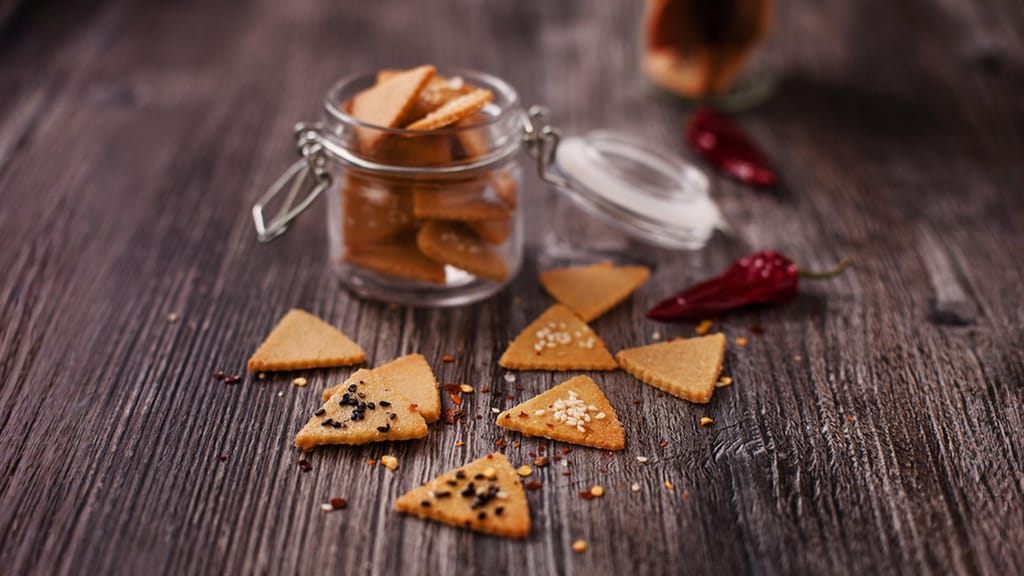
Pea flour crackers
Pea flour crackers with sesame seeds
No-rise cheese scones are the quickest warm bake for a party: baking powder lifts the dough, so you go from bowl to oven in a quarter of an hour. They're best still lukewarm, so bake them last.
Cheddar chili scones begin by mixing all-purpose flour, sugar, salt, black pepper, ground chili pepper and baking powder. Stir in 150 g coarsely grated cheddar and room-temperature butter, which you rub in by hand into crumbs. Then add an egg beaten with buttermilk and stir with a wooden spoon into a sticky dough. Drop it onto a baking sheet with two spoons, sprinkle with chili or pepper and bake for 15–20 minutes at 185°C (365°F) until golden; it all takes about 48 minutes.
Once the liquid is in, just mix and don't knead. The longer you mix, the tougher the scones will be. The dough should be sticky and should stay sticky.
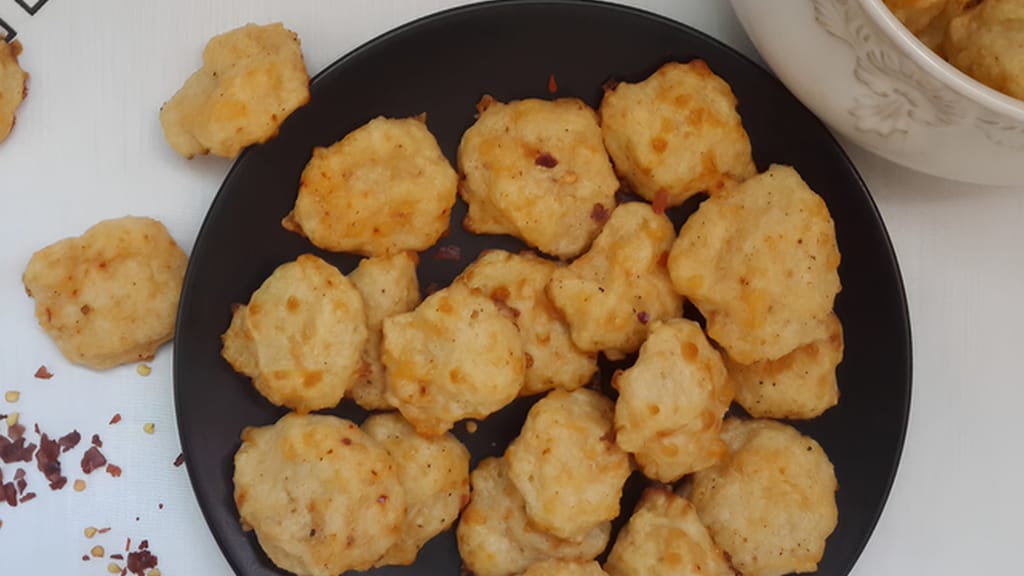
Cheddar and chilli bites
Cheddar chili scones, no-rise cheese bakes
Quiche is a savory tart with a shortcrust base, filled with a mixture of eggs and dairy plus vegetables, meat or cheese. At a party it's the one thing that fills people up like a proper dish, and cut into small squares it can be eaten by hand. It bakes until the filling is set all the way through: when you shake the tin, it no longer wobbles. You'll find more fillings and the technique for the crust in our article on quiche and savory tarts.
The asparagus and Canadian bacon tart has a shortcrust made from all-purpose flour, salt, sugar and chilled vegetable fat with ice water, which rests for an hour in the freezer. Line a 24–26 cm (about 9½–10 inch) tin with the dough and blind bake it at 200°C (390°F) for about 10 minutes under parchment with baking beans, then another 5 minutes without them. Into the base pour whipping cream beaten with three eggs and grated Gouda, arrange the sautéed asparagus and scatter over the bacon with onion. It bakes at 190°C (375°F) for 35–40 minutes until the top is golden and the filling is set all the way through.
The whole grain quiche with broccoli and smoked ham has a dough made from whole grain spelt flour, egg yolks, margarine and baking powder. The filling is cottage cheese whisked with egg whites and a whole egg, with diced smoked ham and briefly boiled, completely cooled broccoli; warm broccoli would release water into the filling. It bakes in an oven preheated to 170°C (340°F) for about 40 minutes.
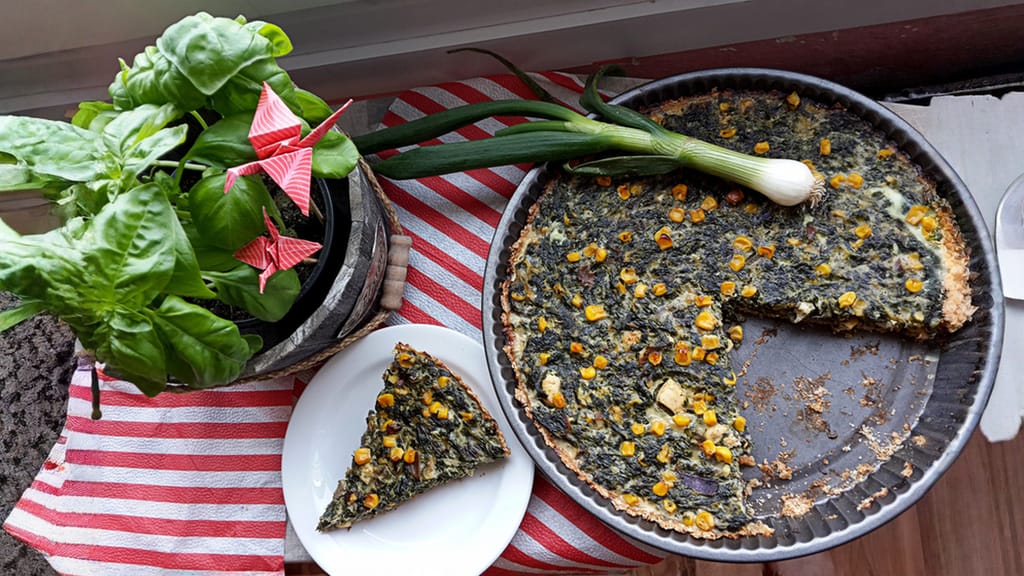
The spinach quiche with chicken has an unconventional crust made from rolled oats and whole grain rye flour bound with melted butter and milk. For the filling, you sauté onion with ham, chicken and spinach, stir in ricotta and corn, and add the eggs only off the heat so they don't scramble in the pan. It bakes at 200°C (390°F) for roughly 20–25 minutes until the filling is no longer liquid in the middle.
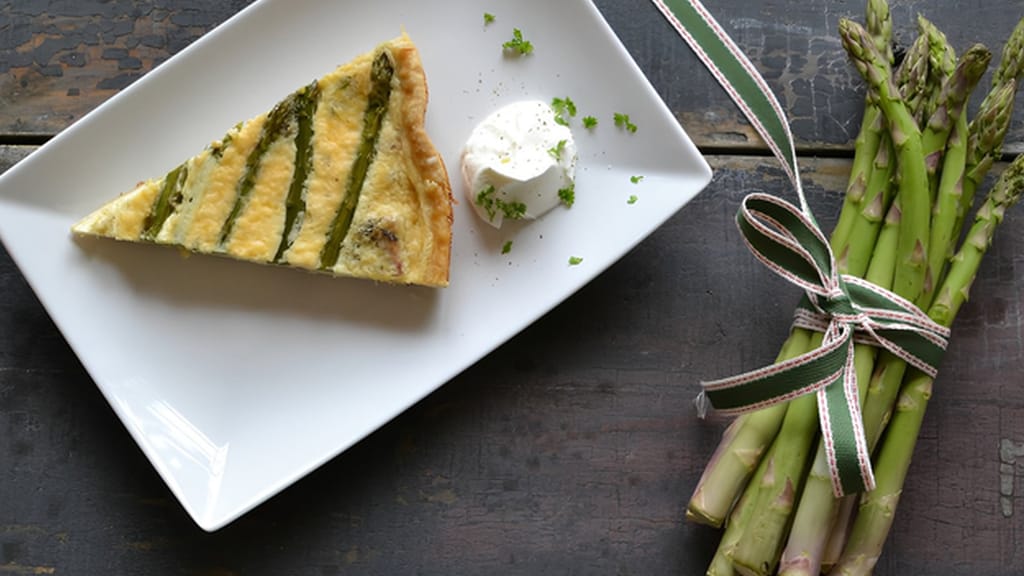
If you'd like a thin flatbread for slicing instead of a deep tart, try the savory asparagus tart with bacon and yogurt. Roll a dough of flour, Greek yogurt, an egg and olive oil into the thinnest flatbread you can, spread it with crème fraîche with nutmeg and top with onion, bacon and asparagus. It bakes for just 8–12 minutes at 250°C (480°F) until the edges are golden.
Recipe of the week, one tip that saves you time and one deal from the shop. Unsubscribe in one click.
The next issue goes out on Thursday, November 26.
For a party where savory bakes are one of several things on the table, plan on 6–8 pieces per person, based on our experience. When it's the main food of the evening, as it often is on New Year's Eve, when people eat from evening until midnight, plan on 12–15 pieces plus one quiche per 8–10 people, cut into small squares. It's better to bake one extra tray of dry bakes: what's left over keeps.
Bake savory party food in four waves: grissini and crackers 2–3 days ahead, sticks the day before, quiche dough the evening before, and rolls, quiche and scones on the day of the party.
Two to three days ahead: grissini and crackers. They're dry, they keep the longest, and once cool you can put them straight into a tin.
The day before: puff pastry cheese sticks and yeasted breadsticks. They stay crisp overnight in a tin, and you have the oven free in the morning.
The evening before: quiche dough. The lined tin can wait overnight in the fridge wrapped in plastic wrap.
On the day of the party: rolls, quiche and finally the scones, which should be lukewarm.
Prepare canapés and small desserts only after the baking, so you have everything cold in the fridge and hot from the oven, not the other way around. You'll find ideas in our article on New Year's Eve canapés. And if you'd like something on the table that bakes in a tin and can be prepared ahead, take inspiration from savory party muffins.
Dry savory bakes stay crisp if you let them cool completely on a rack and store them in a tin with a lid. Warm bakes in a closed container give off steam, and the steam makes them soggy.
Grissini, crackers and dry yeasted breadsticks keep, in our experience, 5–7 days in a closed tin at room temperature.
Puff pastry cheese sticks with no meat filling stay at their crispest for 2–3 days in a closed tin at room temperature.
Put each kind in a separate tin or layer them with parchment paper. Softer bakes pass their moisture on to the crisper ones.
A tin is better than a bag or plastic box, where moisture stays trapped.
Sticks that have gone soft after all can be revived with 3–5 minutes in an oven heated to 160°C (320°F). They crisp up again once cool.
Rolls and scones are best on the day they're baked. The next day, warm them briefly in the oven.
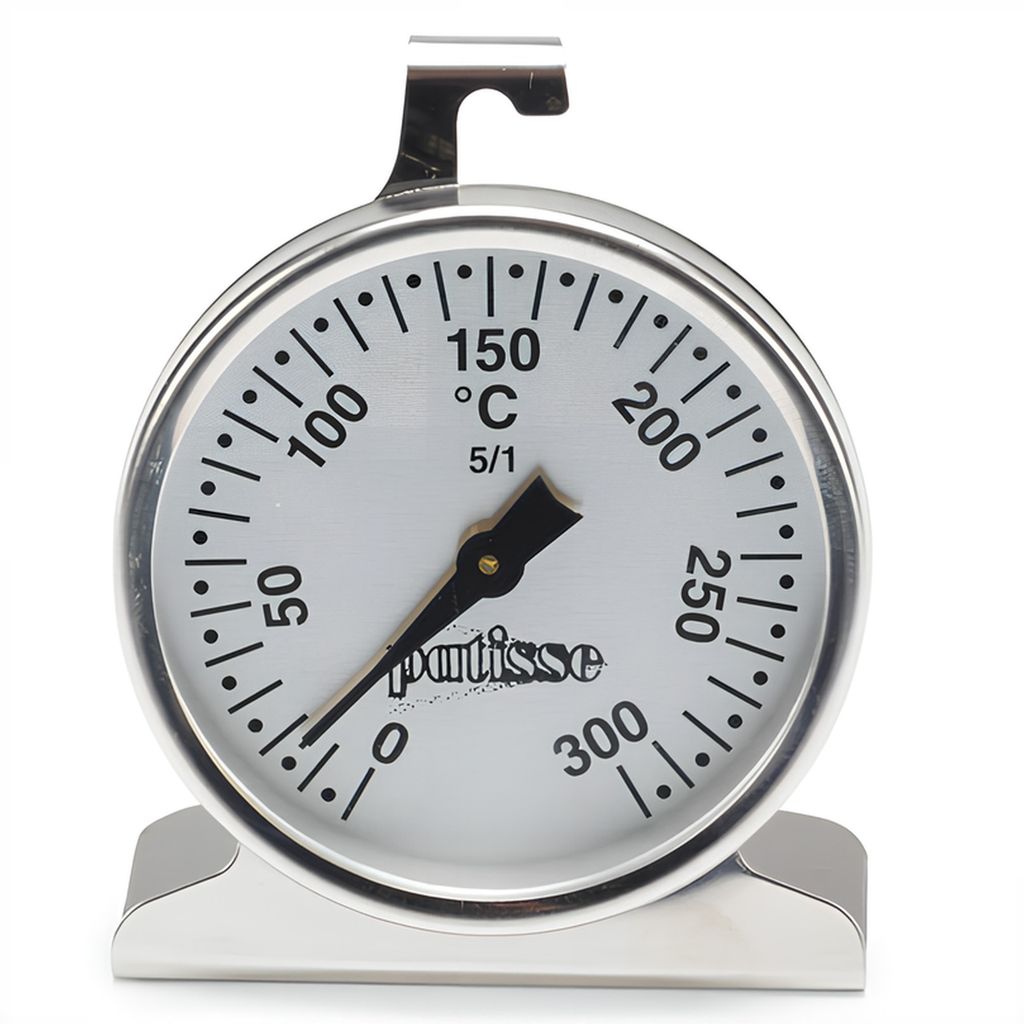
Patisse
Patisse Oven ThermometerThe best choices for kids are simple yeasted breadsticks sprinkled with poppy or sesame seeds, and puff pastry cheese sticks made with mild Edam. Skip hot spices like chili and strong blue cheese, and let the kids twist the sticks themselves, because they love it. The yeasted breadsticks on Yumsto contain lard, so for a vegetarian child choose the grissini.
Yeasted rolls with caraway, a savory asparagus tart (spring is asparagus season), and grissini or crackers to go with spreads all suit Easter. The baking plan is the same as for any other celebration: dry bakes a few days ahead, the tart on the day itself.
Yes, yogurt makes the dough tender and adds a slight tang, much like quark (tvaroh, a Czech fresh curd cheese) does. The savory asparagus tart on Yumsto uses it: flour, Greek yogurt, an egg and oil make a thin flatbread base. You can cut the same dough into strips, brush them with egg and sprinkle them with cheese.
Yes, you can make both the yeasted breadsticks and the rolls with a bread (rye) sourdough starter instead of yeast. Just allow much longer for rising, even overnight in the fridge. The bakes will then have a stronger, slightly sour flavor and stay soft longer.
Yes, yeasted rolls and baked quiche freeze best. Freeze the rolls in a bag once completely cooled and warm them in the oven before serving. Quiche keeps in the freezer for about 2 months. Puff pastry sticks are better frozen raw, cut and twisted, then baked straight from frozen for a few minutes longer.
At a wedding where savory bakes are a side to a full meal, plan on 4–6 pieces per guest, with more varieties in smaller amounts. For an evening buffet that replaces dinner, plan on 10–12 pieces. Bake the dry sticks and crackers ahead, because there won't be time for the oven on the wedding day.
One recipe worth heating the oven for, one tip, and one deal from the shop. Nothing else.