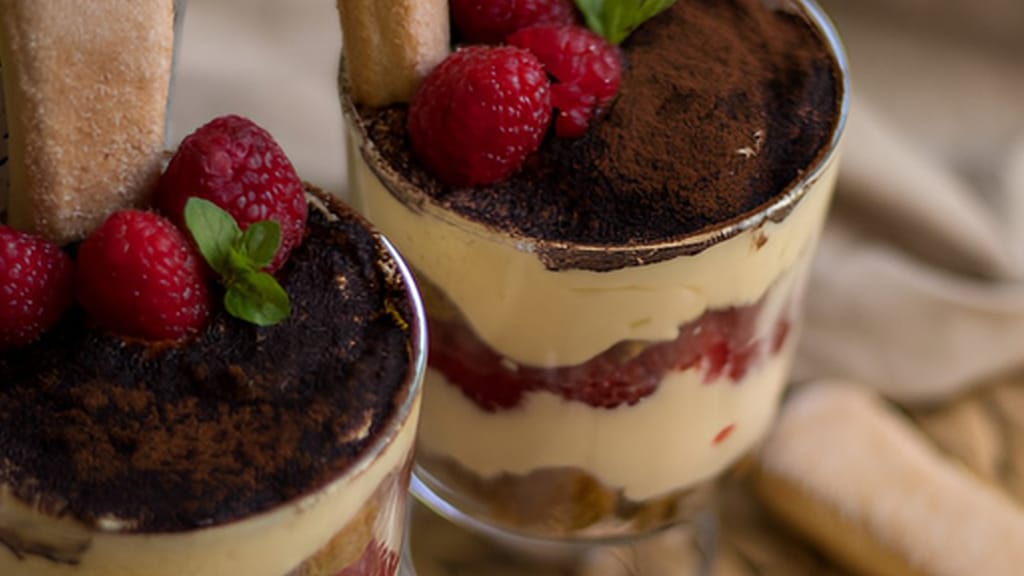
Raspberry tiramisu
Tiramisu: What to Use Instead of Amaretto, How Long It Keeps and Whether You Can Freeze It
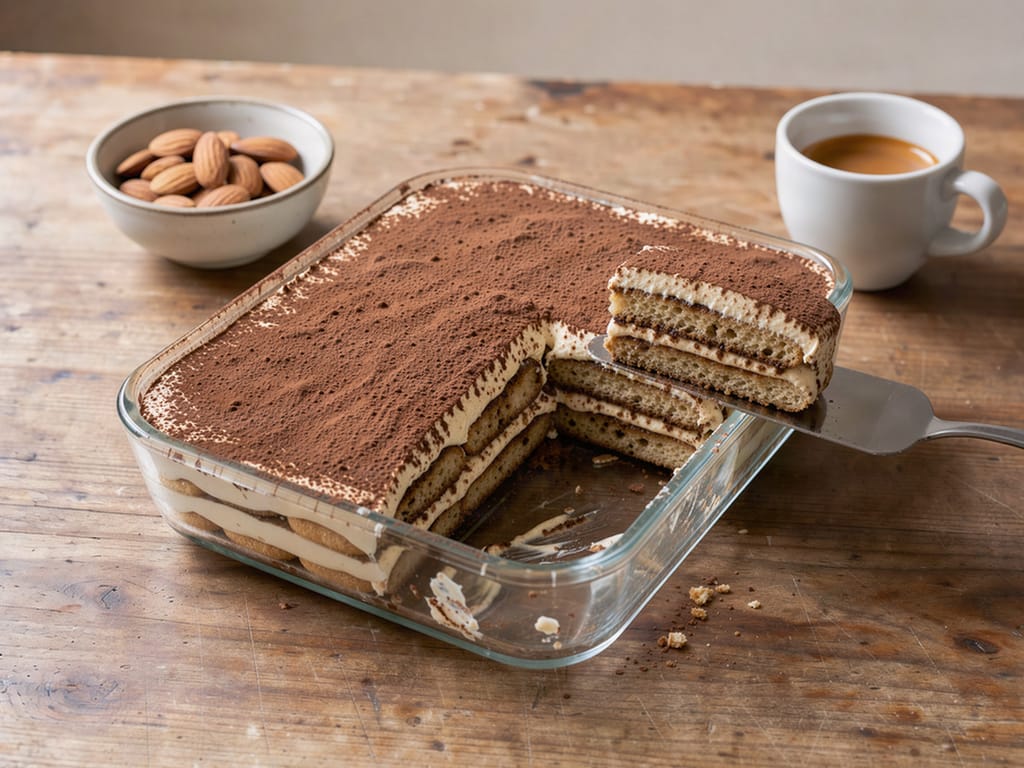
Updated Nov 17, 2026
You can replace amaretto in tiramisu 1:1 with another liqueur (Marsala, coffee or hazelnut liqueur, or rum in a smaller amount), with a drop of almond extract, or simply leave it out and soak the ladyfingers in coffee alone. Eat tiramisu made with raw eggs as soon as possible after making it, ideally the same day. With pasteurized eggs or an egg-free cream, it keeps longer in the fridge and can also be frozen.
You can replace amaretto in tiramisu with one of these four things:
another liqueur, most often Marsala, coffee or hazelnut liqueur, or possibly rum or brandy
almond extract with a little sugar, when you want the almond flavor and only a small amount of alcohol (extract is often alcohol-based; it's completely alcohol-free only if labeled alcohol-free or glycerin-based)
almond syrup (orgeat) in the coffee
nothing at all: good, strong coffee can carry tiramisu on its own
Amaretto brings two things to tiramisu: a sweet bitter-almond aroma and a little alcohol that brings out the coffee. You can read about what amaretto is and what it's made from in our guide to ingredients for Italian desserts. Choose your substitute based on which of those two things you want to keep.
Whatever you put in your tiramisu, stick to the original amount of liquid. A standard recipe uses roughly 3 tablespoons of liqueur per 250 ml (about 1 cup) of coffee. If you add the liquid to the cream rather than the coffee, more than 2–3 tablespoons will thin the cream. We explain why mascarpone cream turns thin and how to rescue it in mascarpone cream: why it splits or turns runny.
Swap a sweet liqueur for amaretto 1:1; with a strong spirit, use roughly half.
Marsala: a Sicilian fortified (dessert) wine and the most common alternative in Italian recipes. It has a nutty, lightly caramelly flavor. Use 1:1.
Coffee liqueur: it deepens the coffee even more and sweetens the dessert a little. Use 1:1.
Hazelnut liqueur: closest in flavor to amaretto. Use 1:1.
Orange liqueur: instead of almonds, it scents the tiramisu with citrus, especially good with chocolate. Use 1:1.
Cream liqueur: makes the tiramisu milder and sweeter. Use 1:1, ideally in the cream rather than the coffee.
Dark rum or brandy: these are stronger and not sweet. Use half the amount and add a teaspoon of sugar to the coffee.
Taste the coffee after adding any liqueur. It should taste a little stronger than seems right, because the ladyfingers and cream will mute it.
Instead of amaretto, add ¼–½ teaspoon of almond extract and 1 tablespoon of sugar to 250 ml (about 1 cup) of tiramisu coffee. The extract provides amaretto's aroma but not its sweetness, hence the sugar.
Extract is very concentrated. If you overdo it, the tiramisu tastes bitter and artificial, like cheap marzipan. Start with ¼ teaspoon, taste, and add drop by drop. There's nowhere for it to evaporate, so whatever goes into the coffee stays in the dessert.
Watch out for the difference between extract and baking flavoring in a little bottle. Flavoring is often even stronger. Either one can contain alcohol, though: most almond extracts and flavorings are alcohol- or rum-based. So read the label on both, and if you want a completely alcohol-free dessert, look for one labeled alcohol-free or glycerin-based. Dose it drop by drop.
You make alcohol-free tiramisu by soaking the ladyfingers in strong, cooled coffee alone. You don't need anything else. According to most sources on the history of tiramisu, the first Treviso versions contained no alcohol at all. The liqueur came later.
If you don't want the alcohol-free version to taste "empty":
add 1–2 tablespoons of almond syrup to the coffee, which imitates amaretto best,
or a teaspoon of vanilla sugar or the seeds from a vanilla bean (regular vanilla extract is often alcohol-based, so use only one labeled alcohol-free),
or a pinch of cocoa stirred right into the coffee to give it more depth.
The alcohol in tiramisu isn't baked, so it doesn't cook off anywhere: the full amount of liqueur and of the alcohol in extracts stays in the dessert. For children, make an alcohol-free version without liqueur or regular extracts, flavor it with vanilla sugar, a vanilla bean or alcohol-free extract, and replace the coffee with decaf coffee, weak cocoa or tea. You'll find a tea version in the recipe for mini tiramisu with blackberries and Earl Grey tea, which does without both liqueur and coffee.
Seasonal baking plans, tested recipes and kitchen tricks that save you time. Unsubscribe in one click.
Eat tiramisu made with raw eggs as soon as possible after making it, ideally the same day, and until then keep it in the fridge at 4 °C or below (USDA FSIS recommends 4 °C / 40 °F or less). The Prague Hygiene Station wants dishes made with raw eggs eaten immediately after they're finished. So don't count on leftovers for the next day when the eggs are raw.
Tiramisu with pasteurized eggs or an egg-free cream (mascarpone with whipped cream) keeps longer in the fridge. For cream pies, USDA FoodKeeper gives 3–4 days in the fridge. In our experience, though, it tastes best within 1–2 days: after that the ladyfingers start turning to mush and the cream weeps water.
To get the best from it in the fridge:
Cover it with plastic wrap or a lid. Mascarpone easily absorbs the smell of onions or cheeses.
Put it in the coldest part of the fridge, meaning the bottom shelf, never the door.
Dust with cocoa only before serving. Overnight it turns damp and gray.
Don't leave it out on the table longer than necessary. For chilled foods, USDA FSIS gives a maximum of 2 hours at room temperature and only 1 hour above 32 °C (90 °F).
If you have raw egg yolks or whites left over after making the cream, you can read how long they keep in the fridge in raw egg yolks in the fridge.
Yes, you can freeze tiramisu, but freeze mainly tiramisu with pasteurized eggs or an egg-free cream. Freezing doesn't kill bacteria, it only stops them growing (USDA FSIS), so it won't make a raw-egg version any safer. USDA FoodKeeper doesn't recommend freezing cream pies because of the change in texture. In our experience, though, mascarpone cream handles freezing better than pudding-style creams, and once thawed it behaves more like an ice cream cake than like set pudding. Just expect the ladyfingers to be a little softer and the cream slightly wetter.
Method:
Freeze it fresh, ideally right after chilling, not on day three out of the fridge.
No cocoa on top. You add that after thawing.
Freeze it in portions, either in small glasses or cut into pieces and wrapped individually in plastic wrap. A whole pan can only be thawed whole.
Wrap it twice: in plastic wrap and then in a container or bag, so it doesn't pick up freezer smells.
Store it in the freezer at −18 °C (USDA FSIS gives 0 °F / −18 °C as the temperature at which bacterial growth stops).
According to USDA FSIS, food in the freezer stays safe indefinitely, but the flavor and texture of tiramisu gradually decline. We recommend eating it within a few weeks.
Thaw it in the fridge, not on the counter. A portion in a glass thaws in a few hours, a whole pan overnight. Then dust with cocoa straight away and serve. Don't refreeze tiramisu once thawed.
Tip: semi-frozen tiramisu, taken out of the freezer just 20–30 minutes before serving, tastes like Italian semifreddo. It's a great summer dessert.
The amaretto substitutes and the freezing method work with any variation of tiramisu, such as with raspberries, as cupcakes or with Earl Grey tea.
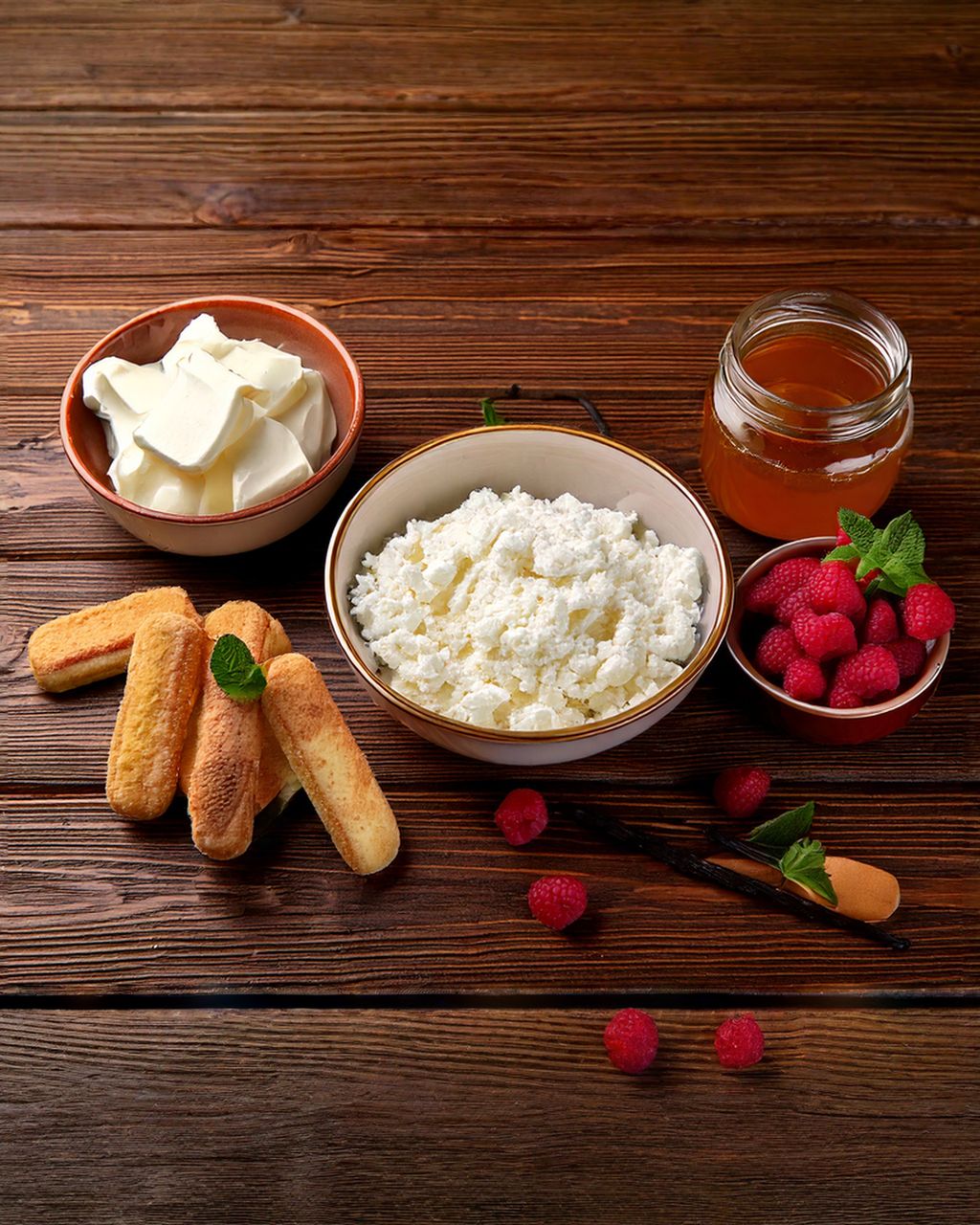
Raspberry tiramisu
Raspberry tiramisu: raspberries go well with orange liqueur instead of amaretto, and with pasteurized eggs it can be frozen in portions.
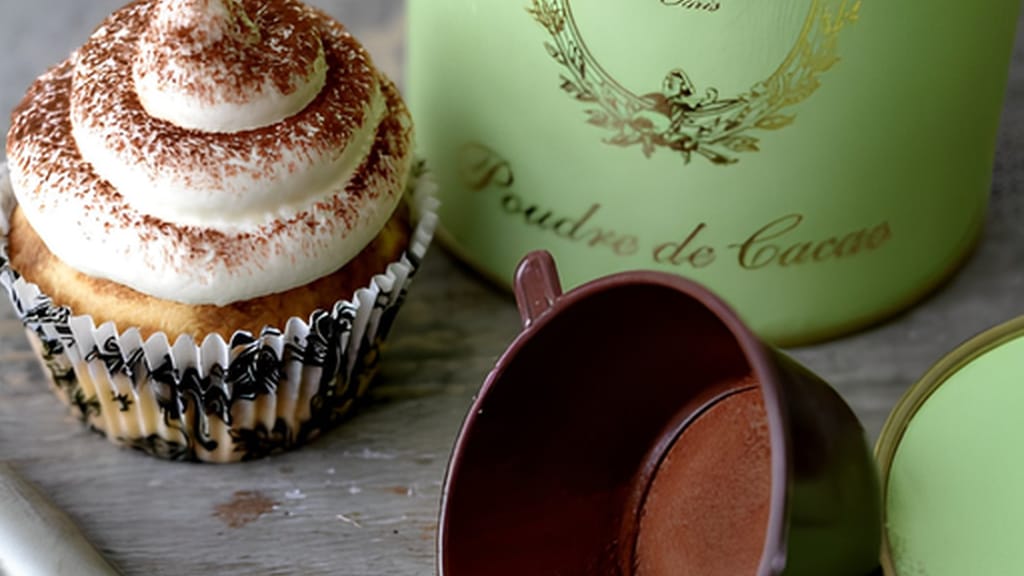
Tiramisu cupcakes with mascarpone cream
Tiramisu cupcakes: tiramisu in muffin form, in an alcohol-free version with just coffee.
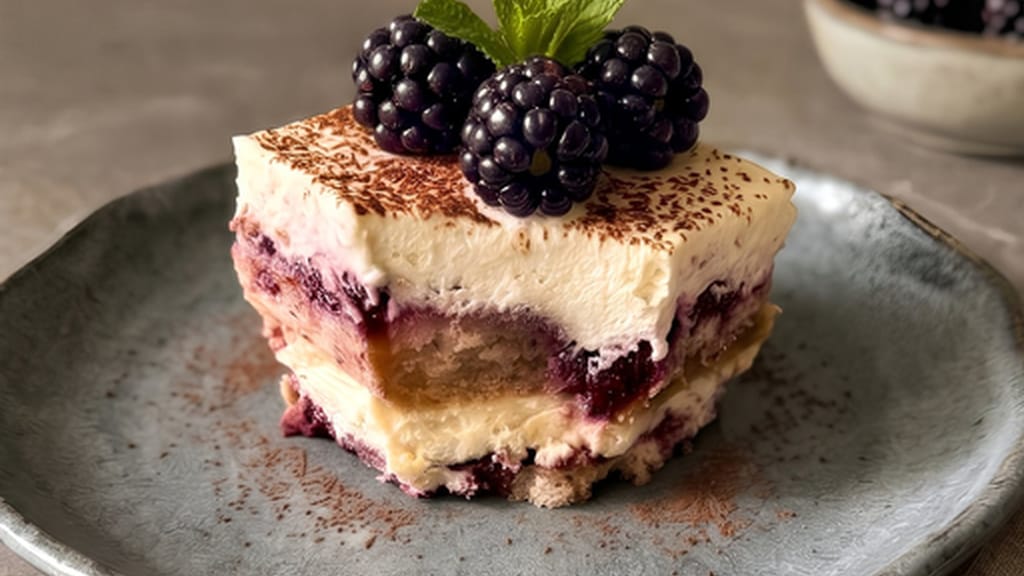
Mini tiramisu with blackberries and earl grey tea
Mini tiramisu with blackberries and Earl Grey tea: alcohol-free and coffee-free from the start.
You can make tiramisu with pasteurized eggs or an egg-free cream a day ahead, and it tastes best within 1–2 days. Make tiramisu with raw eggs on the day you serve it, because it should be eaten as soon as possible after it's finished. Dust with cocoa just before serving.
Children shouldn't eat tiramisu with amaretto, because the dessert isn't baked and all the alcohol from the liqueur stays in it. For children, make an alcohol-free version with decaf coffee or cocoa, and pasteurize the eggs in the cream. Also skip regular vanilla or almond extract, which is often alcohol-based, and use vanilla sugar, a vanilla bean or an extract labeled alcohol-free instead.
Tiramisu can sit at room temperature for 2 hours at most, and only 1 hour in heat above 32 °C (90 °F) (according to USDA FSIS). Then put it back in the fridge. If it has been out longer, and especially if it's made with raw eggs, throw it away.
Tiramisu is most often watery after a night in the fridge because the ladyfingers were soaked too long and then release liquid into the cream. Other causes are warm coffee, which melts the cream, and too much liqueur or syrup added directly to the cream. Dip the ladyfingers briefly in cooled coffee, and add no more than 2–3 tablespoons of liquid to the cream.
One recipe worth heating the oven for, one tip, and one deal from the shop. Nothing else.