How to Freeze Dumplings: Bread, Yeast and Quark Dumplings, Raw or Cooked
Gnocchi and Noky: How to Boil, Pan-Fry, Store and Freeze Them
Updated Nov 17, 2026
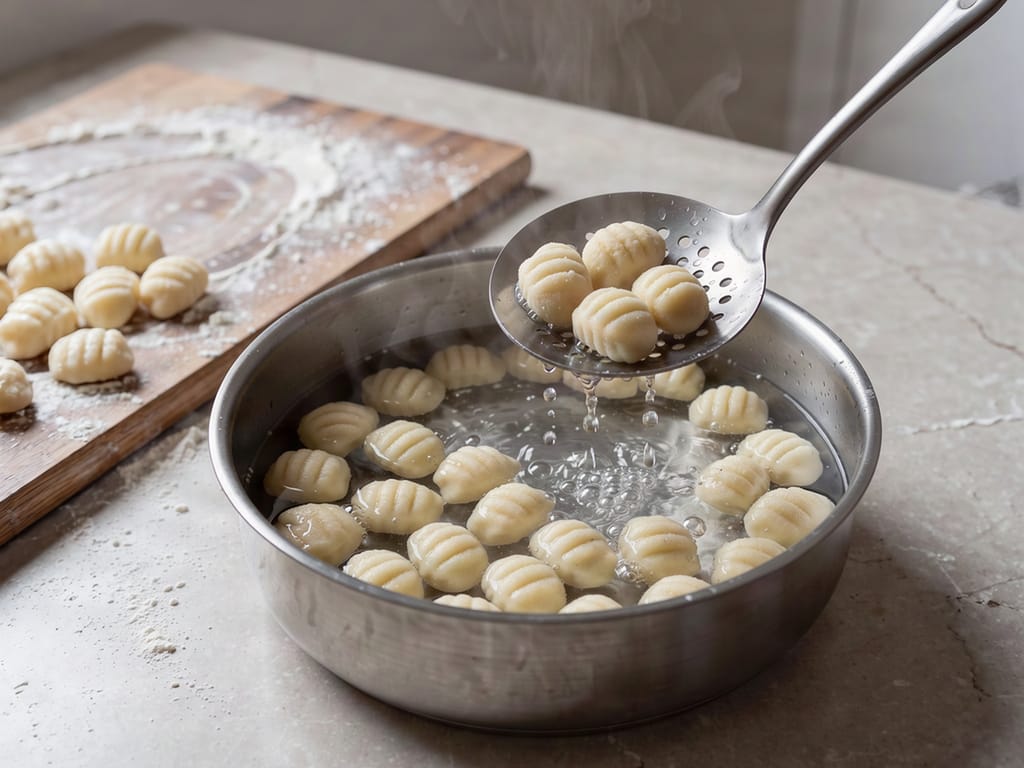
Cook gnocchi and noky in a large pot of well-salted, properly boiling water. Add them in batches, and once they float to the surface they're almost done. Store-bought gnocchi can also go straight into a skillet or the oven, no boiling needed. Once opened, keep the package in the fridge and use it up quickly. Freeze raw gnocchi by first freezing the pieces individually on a baking sheet and only then tipping them into a bag. Freeze noky and špecle only after cooking. Below you'll find the method for Italian gnocchi, Czech noky and špecle.
Gnocchi are Italian potato dumplings, noky (a Czech dumpling) are small dumplings made from a flour-based batter, and špecle are tiny dumplings made from a looser batter pushed through a sieve. All three are cooked the same way, but they differ in how well they stand up to the frying pan and the freezer.
Gnocchi: boiled potatoes, flour and sometimes egg. They have ridges from a fork so the sauce clings to them. You can buy them vacuum-packed, chilled or frozen.
Noky: all-purpose (plain) flour or semi-coarse flour (Czech polohrubá, slightly grittier than all-purpose), eggs, and milk or water. The thick but still soft batter is cut off with a spoon or knife from a small board straight into the water.
Špecle (Spätzle in German): a similar batter, only looser, pushed through a špecle press or a coarse grater, so you get small, irregular pieces.
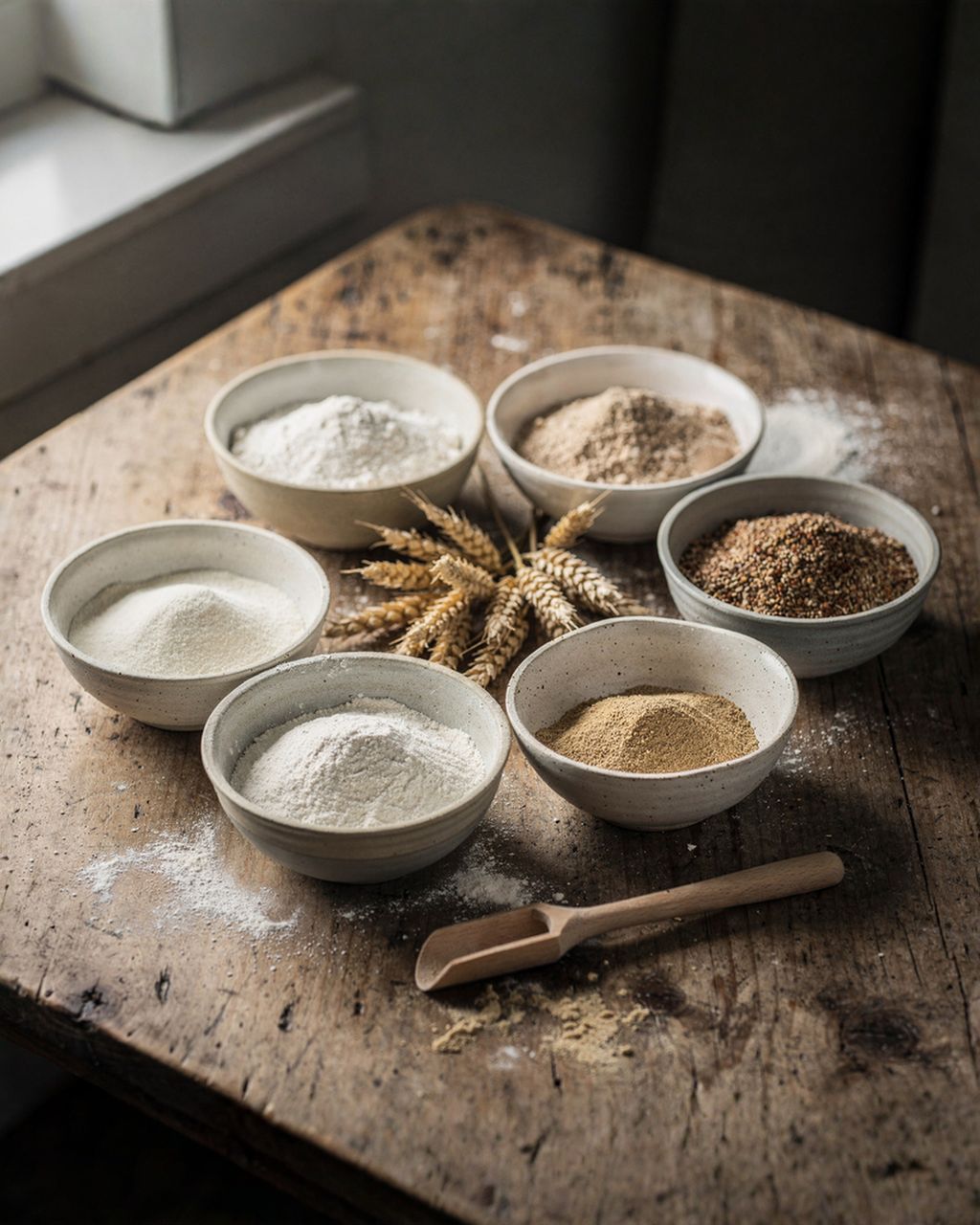
Which flour to use for noky and why semi-coarse flour makes a difference is covered in the article Types of flour and what they're good for.
Seasonal baking plans, tested recipes and kitchen tricks that save you time. Unsubscribe in one click.
Cook them in a large amount of salted, rapidly boiling water and lift them out with a slotted spoon as soon as they float to the surface. This applies to store-bought gnocchi, homemade gnocchi, noky and špecle alike. The only difference is how long you leave them in the water after they float.
Plenty of water. For 500 g (1 lb) of gnocchi or noky, allow about 3–4 l (3–4 qt) of water in a large pot, so it returns to a boil right after the dumplings go in. Lukewarm water means soggy, stuck-together pieces.
Salt. Use about 10 g of salt per 1 l of water (roughly a heaped teaspoon), as for pasta. Salt the dough only lightly, since the water provides most of the seasoning.
In batches. Add only as many as will float in a single layer. A big batch cools the water and the pieces stick together at the bottom.
Stir once. Right after adding them, stir gently with a wooden spoon so nothing sticks to the bottom.
Watch the surface. Floating is the sign that the dumpling is almost done inside. Lift them out gradually, not the whole pot at once.
Store-bought gnocchi are ready in about 2–3 minutes, and homemade gnocchi right after they float. Vacuum-packed gnocchi are pre-cooked, so you're only heating them through. Manufacturers usually state exactly 2–3 minutes on the package, or "until they float", and what's printed on your package is what counts.
Homemade gnocchi are made with cooked potatoes, so only the flour needs to finish cooking inside. Take them out 10–30 seconds after they float. If you leave them in the water longer, they soak it up, turn soft and start to fall apart.
If your homemade gnocchi fall apart in the water, the dough has too little flour or the potatoes are too wet. Next time, let baked potatoes, or ones boiled in their skins, steam off properly before mashing.
Cut the noky off with a spoon dipped in boiling water and, once they float, cook them for another 2–3 minutes. They're made from a thicker flour dough than gnocchi, so they need a little extra time to avoid being raw in the middle.
Dip the spoon into the boiling water before each piece, and the dough will slide right off.
Keep the pieces small, about the size of a hazelnut up to a cherry. Large noky are overcooked outside and doughy inside.
Cut a cooked nok open: inside it should be uniform, with no shiny, wet center.
After draining, toss them right away with a knob of butter so they don't stick together.
Noky go well with meat in sauce and also work as a dish on their own. Try crispy roast pork belly with homemade noky and spinach, fresh beet noky in an arugula salad or smoked salmon with noky.
Press the špecle through a špecle maker straight over boiling water and lift them out as soon as they float. They're so small that they cook practically while floating up, and if you leave them in the water longer, they lose their bite.
The dough should be looser than for noky: it flows thickly off a spoon but doesn't run like crêpe batter.
Cook in batches and lift each batch with a slotted spoon into a bowl with melted butter.
Špecle are best briefly pan-fried in butter until golden, for example as a side for roast rabbit with buttered vegetables and špecle.
You can pan-fry store-bought gnocchi straight from the package with no boiling first: in a skillet until golden, or on a baking sheet in the oven. They're pre-cooked, so you only need to heat them through and give them a crust. It's easier, and the gnocchi come out crispier. The classic Italian method, boiling and then tossing in sage butter, works too, just let the boiled gnocchi drain and dry well. Wet ones spit in the skillet, stick, and form a crust less readily.
In a skillet:
Heat a spoonful of oil over medium-high heat.
Spread the gnocchi in a single layer and leave them for a while without stirring, so the underside turns golden.
Toss, and keep frying until they're golden all around and soft inside. Manufacturers give roughly 6–8 minutes.
At the end, add butter, and sage or garlic if you like, and let it foam.
In the oven: toss the gnocchi with oil, spread them in a single layer on a baking sheet, with vegetables if you like, and bake in a preheated oven until golden. Package instructions and cookbooks give around 200–220°C (400–425°F) and roughly 20–25 minutes, turning them halfway.
Noky and špecle are always boiled first and only then pan-fried, as raw dough would spread out in the skillet. After boiling, let them drain and dry, then reheat them in butter, perhaps with an egg, onion or cabbage.
Keep opened gnocchi in a sealed container in the fridge and use them as soon as possible, and no later than the deadline the manufacturer gives on the package. Unopened vacuum-packed gnocchi often keep at room temperature, while chilled ones belong in the fridge from the moment you buy them. What counts is the manufacturer's date on your package. But once you break the vacuum, the protection is gone.
Opened package, fridge: the US USDA FoodKeeper lists 1–2 days in the fridge for fresh raw pasta. Go longer only if the manufacturer explicitly says so.
The fridge must be cold enough: USDA/FSIS recommends 4°C or below (40°F).
Cooked gnocchi, noky and špecle: refrigerate within 2 hours of cooking (don't leave them out at room temperature longer) and use within 3–4 days. Both are general USDA/FSIS rules for leftovers. Drizzle them with a little oil or butter so they don't stick together.
Raw homemade gnocchi: don't store in the fridge. Potato dough releases water, and the pieces go soft and stick together. Either cook them the same day or freeze them right away.
Noky and špecle dough: don't leave it standing either. The flour keeps absorbing liquid, the dough thickens and the noky turn out tougher. Cook all of it right away, and put only cooked pieces in the fridge or freezer.
For storage times for other foods, see the article Food Shelf Life: A Chart by Type.
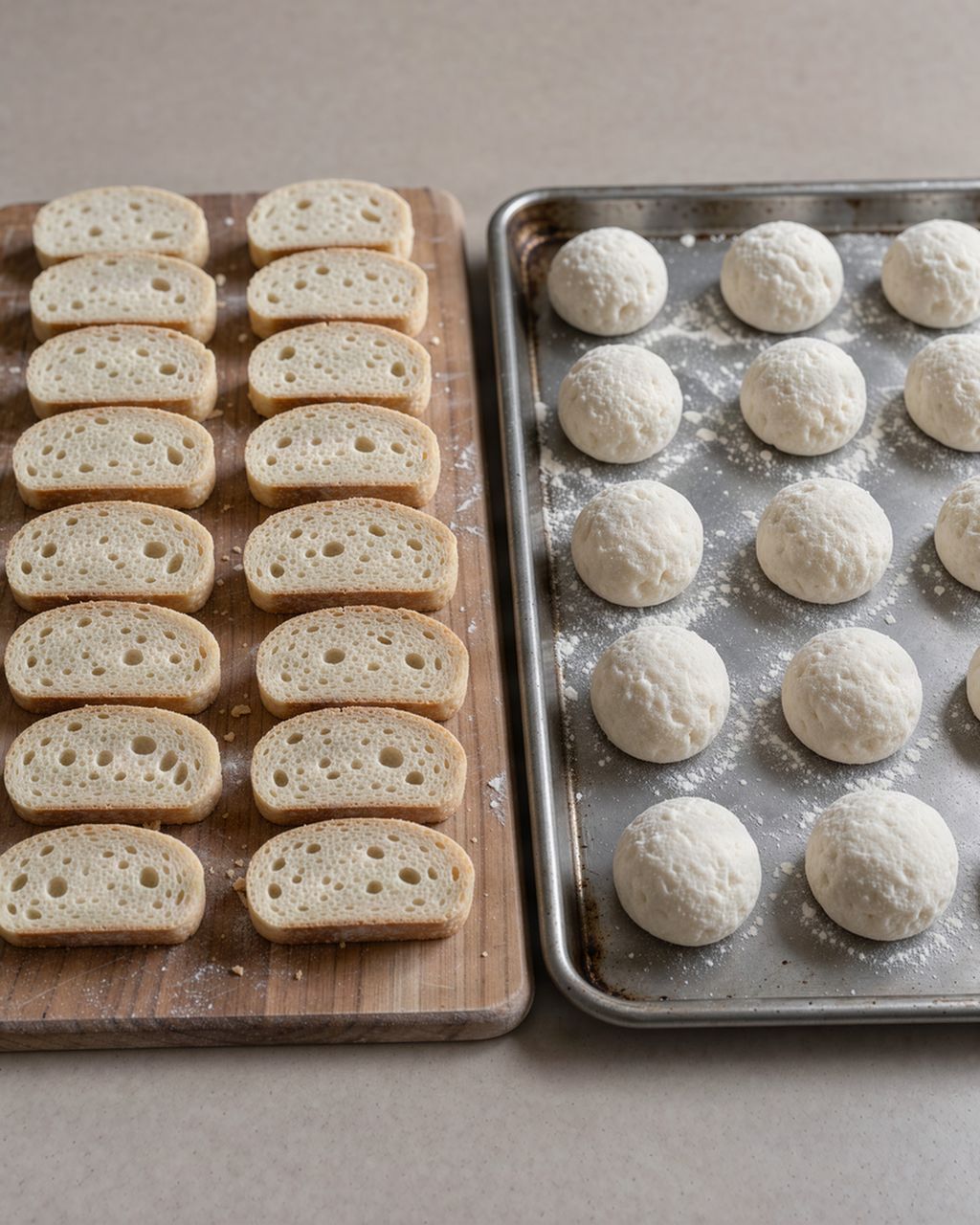
Freeze gnocchi raw, first spread out individually on a baking sheet, and only then tip the frozen pieces into a bag. Freeze noky and špecle only after cooking. If you pour fresh gnocchi straight into a bag, they freeze into one lump you can't separate. Noky and špecle, on the other hand, are cut from soft dough directly into the water, so you can't spread them out raw on a baking sheet.
Raw gnocchi:
Line a baking sheet or board with parchment paper and dust with flour or semolina.
Spread the gnocchi in a single layer so they don't touch.
Put them in the freezer uncovered for about 1–2 hours, until hard to the touch.
Tip them into a freezer bag or container, press out the air and write the date on it.
Cook frozen gnocchi straight from the freezer, without thawing. Thawed ones turn damp and fall apart in the water. They take 1–2 minutes longer to cook than fresh.
Cooked noky and špecle: drain them, toss with butter and let cool. Then spread them on a baking sheet, freeze, and tip into a bag, or freeze them right away flat in a bag. Put them in the freezer within 2 hours of cooking. After thawing they're slightly softer than fresh, so they're best reheated in a skillet with butter.
Store-bought gnocchi can be frozen the same way as homemade, even from an opened package, ideally the same day.
How long they keep: at −18°C (0°F) in the freezer they're safe indefinitely according to USDA/FSIS, but flavor and texture gradually fade. The USDA FoodKeeper gives roughly 2 months in the freezer for best quality for fresh pasta.
For a main course, allow about 200–250 g (7–9 oz) of gnocchi per person, and about 150 g (5 oz) as a side. A standard 500 g (1 lb) store-bought package therefore feeds two hungry people, or three if the dish is heavy on sauce and vegetables.
Simple sauces that cling to the ridges work best: melted butter with sage, tomato sauce, pesto or a cream sauce with cheese. Thin, watery sauces simply run off. Pan-fried gnocchi are also good with nothing more than olive oil, garlic and Parmesan.
The best way to reheat cooked noky or gnocchi is in a skillet with butter: spread them in a single layer and fry for a few minutes, until heated through and lightly golden. In the microwave, cover them and sprinkle with a spoonful of water, or they'll turn hard. There's no point boiling them again, as they'll go soggy.
Without a špecle maker, press the dough through a coarse grater or a colander with large holes using a scraper, directly over the boiling water. You can also do it from a board: spread the dough thinly on it and scrape thin strips off with a knife into the water. Take them out as soon as they float.
One recipe worth heating the oven for, one tip, and one deal from the shop. Nothing else.