Tartlets with light ricotta and curd cheese cream
Italian Dessert Ingredients: Ricotta, Mascarpone and Beyond

Updated Jul 19, 2026
Ricotta and mascarpone are the two pillars of Italian desserts – and even though both get lumped together as "that creamy Italian cheese," they're not interchangeable. Ricotta is a light, grainy whey cheese, while mascarpone is a thick, rich cream. Once you know what sets them apart and where each one belongs, you'll nail tiramisu, cannoli and panna cotta exactly the way they're meant to taste. Here's your guide to the ingredients that make Italian pastry Italian: what they are, how to spot the good stuff at the shop, how to store them, and what to make with them.
Ricotta is a fresh Italian cheese made from whey – the liquid left over from making other cheeses. That's actually where the name comes from: ricotta means "recooked." The whey is heated again, the remaining proteins coagulate and rise to the surface as delicate, milky-white flakes. What started as an old Roman cheesemaker's trick for wasting nothing has turned into the ingredient half of Italian pastry-making now relies on.
Ricotta tastes mild, milky and barely sweet, with a soft, grainy texture. According to nutritional databases, full-fat ricotta has roughly 11g of protein, 13g of fat and over 200mg of calcium per 100g – more protein and less fat than most aged cheeses. That's exactly why it feels lighter in desserts than something like mascarpone.
When buying, check for freshness: good-quality ricotta is snow-white and smells milky, never sour. In Italian pastry-making, you'll find it in crisp cannoli filled with sweetened ricotta or in ricotta cheesecake, which comes out moist and light thanks to it, never heavy.
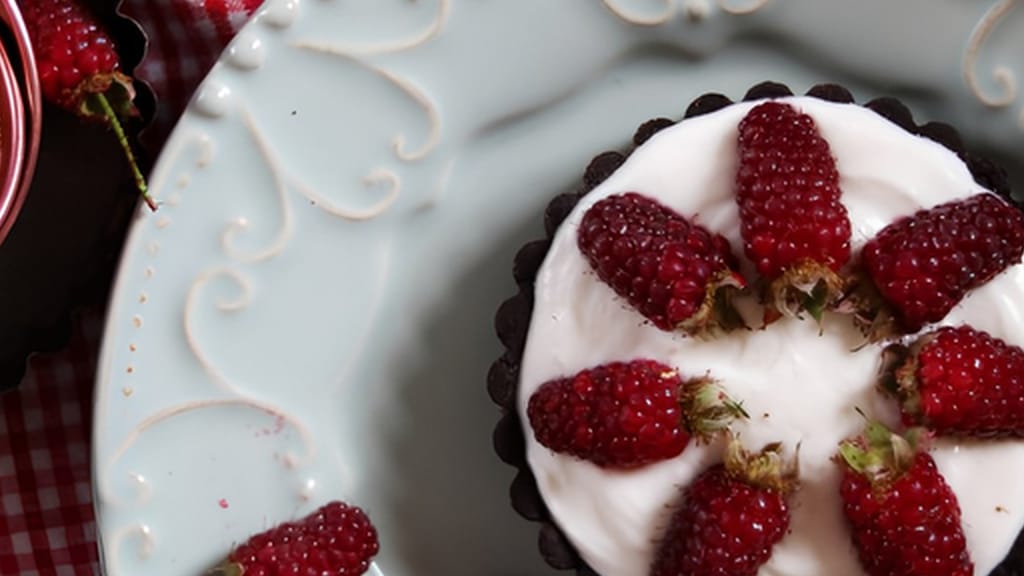
Tartlets with light ricotta and curd cheese cream
Ricotta and curd cheese tartlets – a light dessert where ricotta takes centre stage
Mascarpone is a thick, velvety cheese made from cream – rich, faintly sweet, and with no tangy edge at all. It's made by heating cream and curdling it with tartaric or citric acid; the whey is drained off, leaving a cream that can easily be over 40% fat. That richness is exactly what gives creams their silky texture and lets them hold their shape.
It hails from Lombardy in northern Italy, with a history stretching back to the late 16th century. Its most famous role is in tiramisu, where it forms the base of the cream along with egg yolks and sugar, and it also works beautifully in creams served with panna cotta or fresh fruit.
Mascarpone isn't just for sweets, either: a spoonful stirred into a pasta sauce or morning porridge makes it instantly richer. Keep it in the fridge and use it within 3–4 days of opening. It doesn't freeze well – once thawed, it curdles and turns grainy.
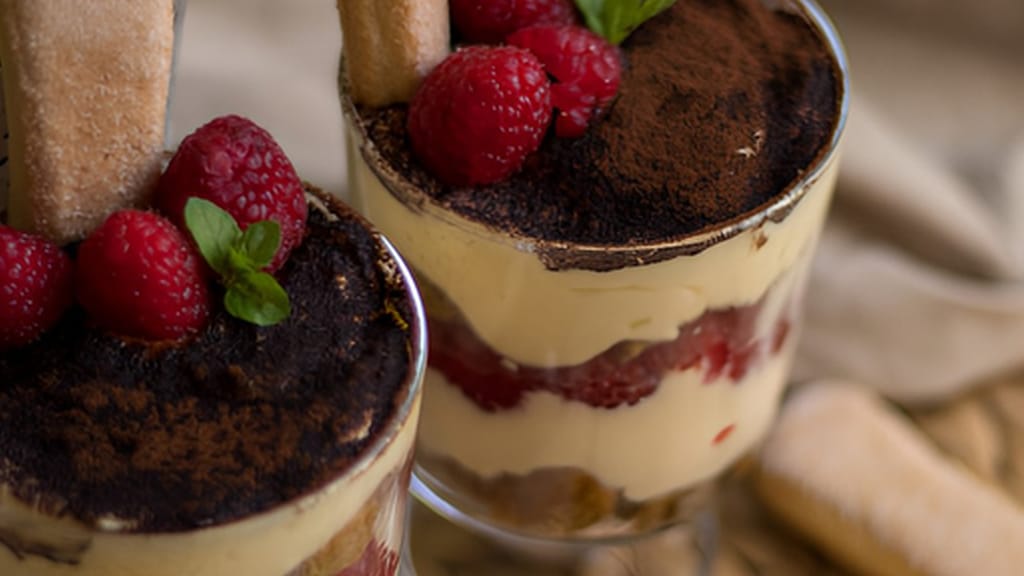
Raspberry tiramisu
Raspberry tiramisu – mascarpone cream in the Italian classic
Ricotta is a light whey cheese, mascarpone a rich cream cheese. Put simply: reach for ricotta when you want structure and lightness, and mascarpone when you want a thick, creamy filling that holds its shape.
Base: ricotta is made from whey, mascarpone from cream.
Fat content: ricotta has around 13g per 100g, mascarpone over 40g.
Texture and flavour: ricotta is soft, grainy and milky; mascarpone is smooth, buttery and rich.
Best uses: ricotta in fillings, tarts and cheesecakes; mascarpone in tiramisu, creams and whipped desserts.
Swapping one for the other: in a pinch, ricotta can be blended smooth, but it won't match mascarpone's richness – and mascarpone will always feel heavier than ricotta.
Ricotta and mascarpone play the leading roles, but Italian desserts rely on a handful of supporting players too. These ingredients bring aroma, acidity and depth – without them, creams would taste flat.
Amaretto is a sweet almond liqueur with a faint bitter note from apricot kernels. A couple of spoonfuls lift the coffee in tiramisu and add depth to light egg-based zabaglione. It also pairs beautifully with dark chocolate, balancing out the sweetness.
Vanilla brings out other flavours and rounds off creams beautifully. You can spot a real vanilla pod by its scent and appearance – it should be dark, pliable and slightly oily, never dry like a twig. It's worth using in creams like panna cotta or semifreddo, where a few scraped seeds add both aroma and that classic speckled look.
Citrus brings freshness and acidity that lighten up rich creams. Grated lemon zest perfumes both doughs and fillings, while orange shows up in semifreddo and Neapolitan sfogliatella. Use only the coloured zest – the white pith underneath turns bitter.
A few combinations that almost always deliver: amaretto with dark chocolate (sweet against bitter), vanilla with berries, lemon zest with ricotta. When in doubt, go for contrast – anything rich needs something fresh to balance it.
Authentic flavour lives or dies by the ingredients. The key is freshness, fat content and seasonality – not exotic brand names.
Dairy: look for fresh cream and mascarpone without unnecessary stabilisers; farmers' markets and Italian delis tend to carry the more honest stuff.
Vanilla pods: a genuine pod is dark, pliable and fragrant; choose it over artificial flavouring whenever you can.
Seasonality: figs, Amalfi lemons or Sicilian oranges taste best in season – that's also when they'll perfume your dessert the most.
Where to shop: specialist Italian delis, farmers' markets, or trusted online shops importing directly from Italy.
Enough theory – here are real recipes where ricotta and mascarpone take centre stage. Build a classic tiramisu or silky panna cotta on mascarpone and cream; if you'd rather use ricotta as the base of a moist baked treat, try a ricotta cake.
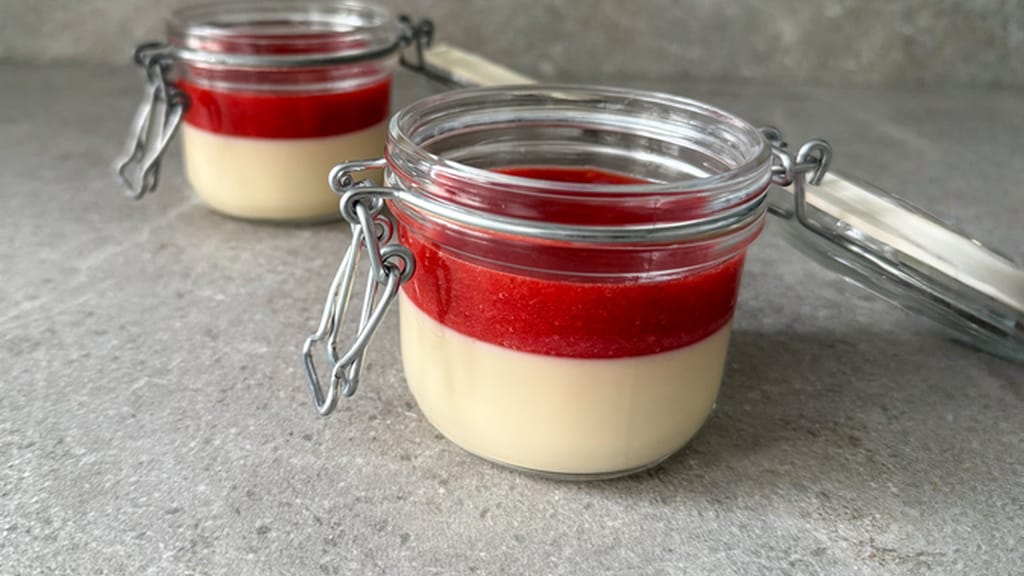
Panna cotta: a simple italian dessert ready in no time
Panna cotta – a silky cream dessert where good-quality cream really matters
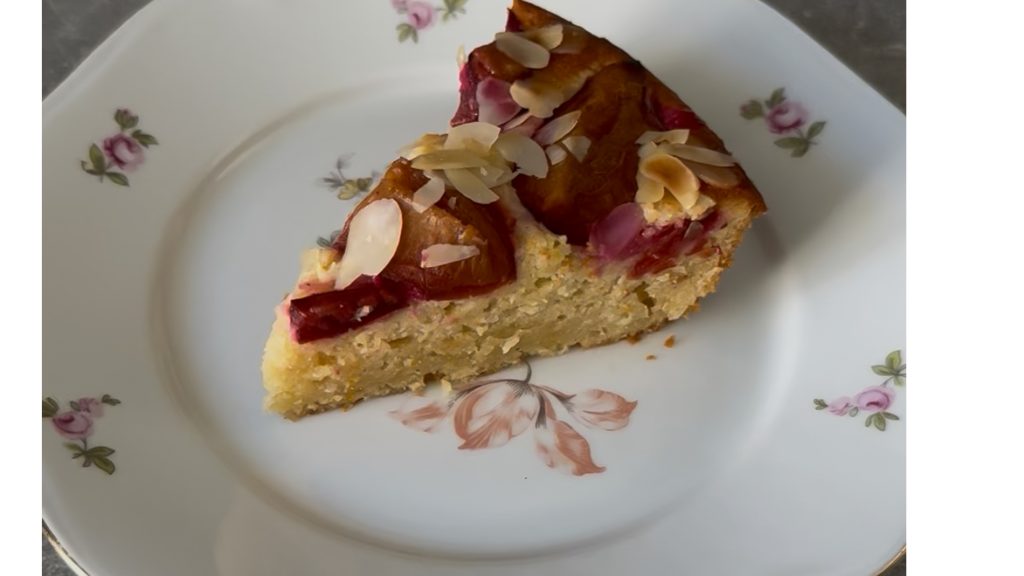
Plum & ricotta cake with almonds
Plum and ricotta almond cake – ricotta as the base of a moist bake
Your closest bet is cream cheese whipped smooth with a couple of spoonfuls of heavy cream – it gives you similar richness and creaminess. A mix of full-fat ricotta blended with a splash of cream also works, though the texture will be a touch lighter and slightly grainy. Whatever you use, don't overwhip it, or it'll curdle.
In baked desserts, curd cheese can generally stand in for ricotta, though it's tangier and drier. Push it through a sieve to smooth it out, and stir in a spoonful of cream or milk for moisture. In no-bake fillings, where the delicate milky flavour really matters, the difference is more noticeable – for those, go with real ricotta.
The usual culprits are overwhipping or warmth. Whip mascarpone straight from the fridge, cold, and only briefly – just until it combines with the other ingredients, then stop as soon as it thickens. If it warms up or gets mixed too long, the fat separates and the cream turns grainy.
Try a few drops of almond extract diluted in a little water or strong cooled coffee – they'll give you that nutty aroma without the alcohol. Almond syrup is another option. The flavour will be a bit sweeter and without the faint bitter edge that amaretto gets from apricot kernels.
One recipe worth heating the oven for, one tip, and one deal from the shop. Nothing else.