Classic christmas cookies: delicate linzer cookies
Unusual Christmas Cookies: 12 Kinds Nobody Has on Their Platter Yet
Updated Nov 14, 2026
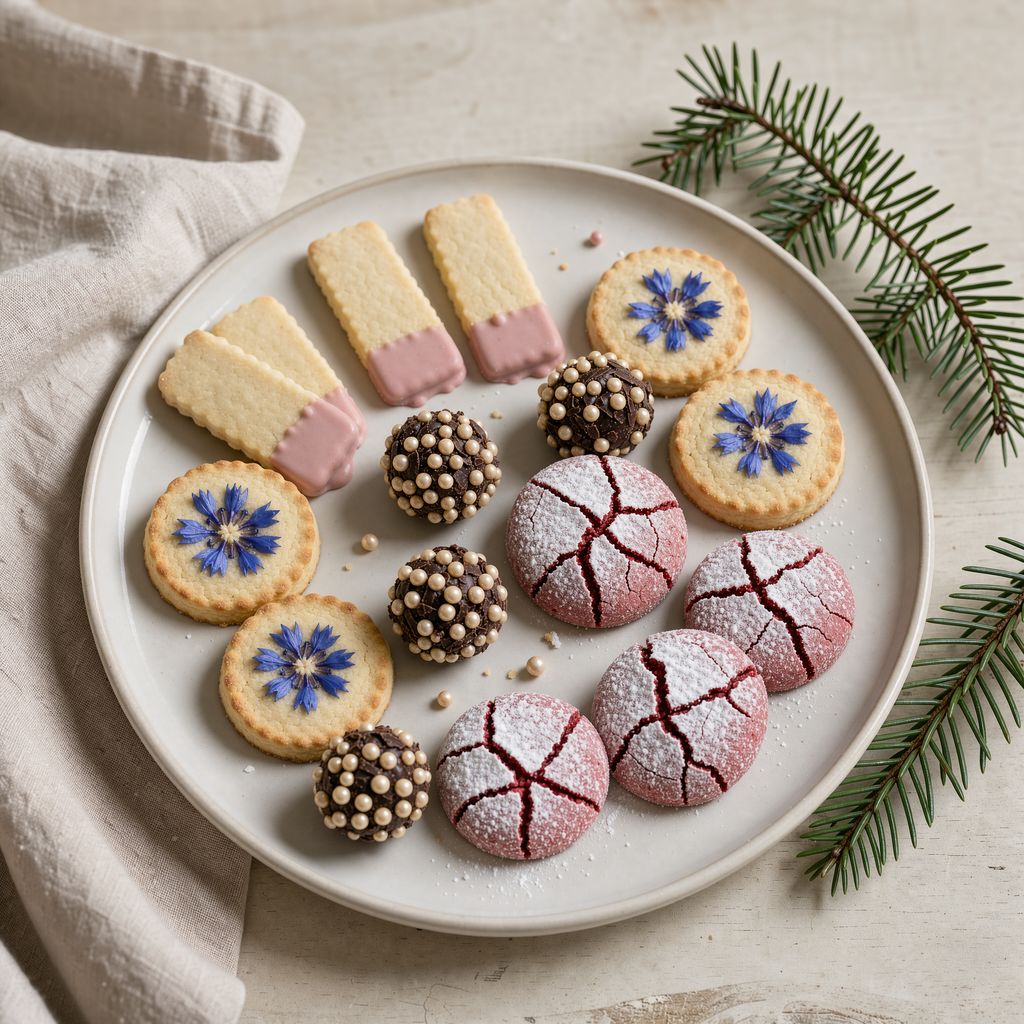
Unusual Christmas cookies are the ones that stand out on the holiday platter through color, texture or flavor, yet still come out of an ordinary home kitchen. Usually there is one new ingredient behind them: pink ruby chocolate, popping candy, dried flowers or fruit paste. The other route leads back in time, to the kinds your grandmothers baked and that have almost vanished from the platter. Here are 12 kinds from both worlds, and for each one the essentials: what makes it different and where it most often goes wrong. At the end you'll also find more forgotten Christmas cookies that are making a comeback, and a guide to building a platter from it all.
Unusual Christmas cookies fall into two groups: modern kinds built on a new ingredient, and forgotten kinds that used to be part of the classics. Here's the full list:
Cookies dipped in ruby chocolate
Chocolate bars with popping candy
Cookies with pressed cornflower blossoms
Linecké (Czech Linzer-style jam cookies) with cherry filling
Ruby-red crinkles (crackled cookies)
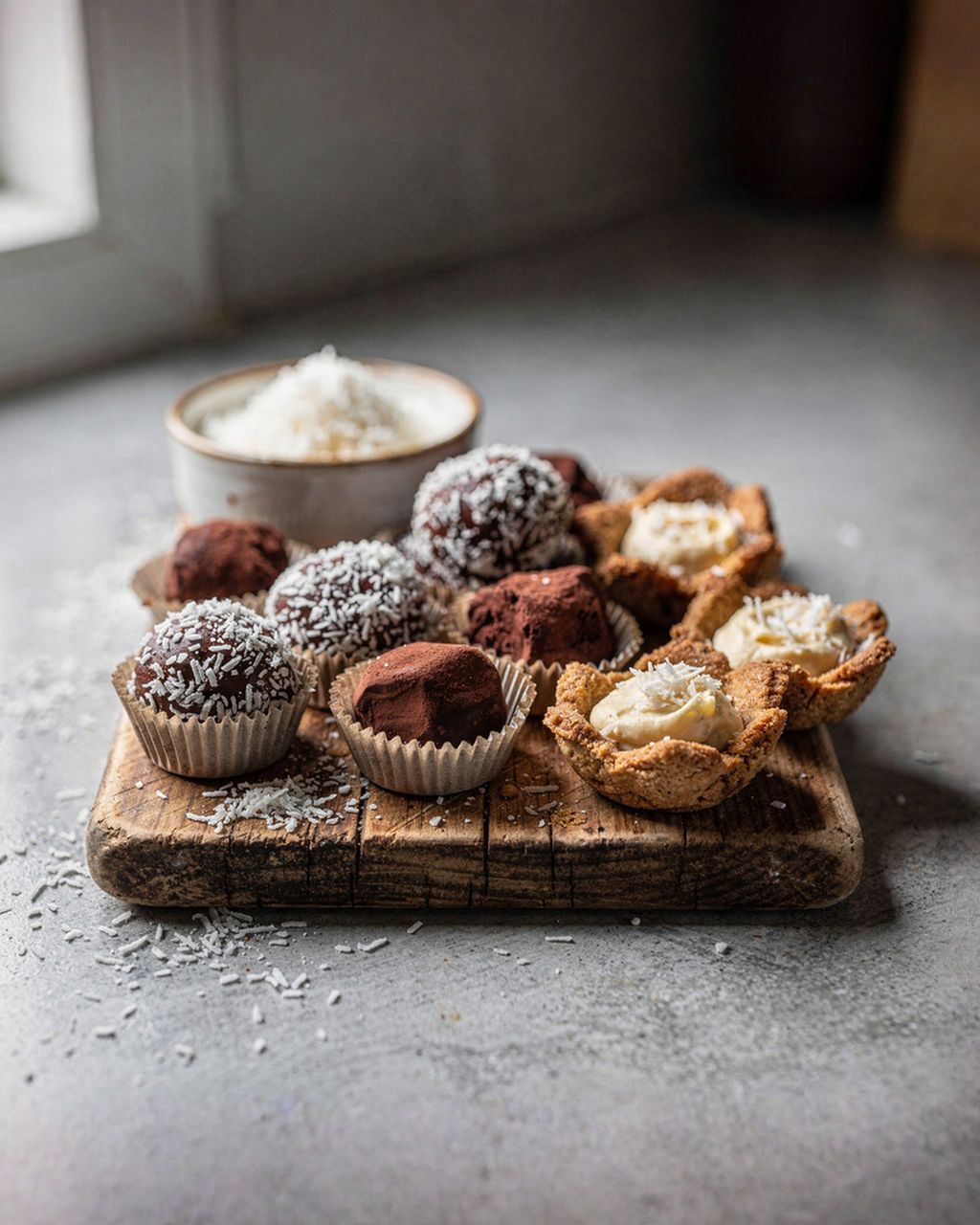
Chocolate truffles in a crunchy coating
Pistachio Linzer cookies
Salted caramel Linzer cookies
Snowflake crisps, no-bake marshmallow bars
Pistachio crescents
Sádláky (Czech lard cookies)
Hollow nut rolls
For classics like vanilla crescents, pracny (Czech spiced nut cookies baked in shell-shaped tins) or vosí hnízda (“wasps' nests”), see Cookie types: 20 Christmas classics and what sets them apart. This list is its counterpart: everything that isn't in it.
Seasonal baking plans, tested recipes and kitchen tricks that save you time. Unsubscribe in one click.
An unusual Christmas cookie differs from the classics in one of four ways: color, texture, ingredient, or the fact that hardly anyone bakes it anymore. Usually it's enough to change just one of them and keep the rest tried and true.
Color. A classic platter is brown, white and here and there red with currant jelly. Pink ruby, blue cornflower, deep red crinkles or greenish pistachios stand out at first glance.
Texture. Popping on the tongue (popping candy), a crunchy coating on a soft ball, a wafer-thin hollow roll. People remember cookies by how they behave in the mouth.
Ingredient. Pistachios instead of walnuts, salted caramel instead of jam, lard instead of butter. The shape stays familiar, the flavor is new.
Origin. Forgotten kinds from grandmothers' notebooks are just as new to most guests as ruby chocolate.
A practical rule: change one thing at a time. Linzer cookies with a ruby coating will work the first time; Linzer cookies from a new dough with a new filling and a new coating are a lottery.
Modern unusual cookies mostly don't need a new dough. You take a proven base, most often Linzer dough or butter cookies, and change one thing: the coating, the filling, the color or the topping. That's why these kinds can be baked even in a year when you have no time for experiments. From a single batch of Linzer dough (about 300 g of flour) you can make three different kinds: dip some in ruby, sandwich some with cherry filling and some with salted caramel.
Ruby chocolate cookies are Linzer cookies or butter cookies dipped halfway in pink ruby chocolate. Barry Callebaut introduced ruby chocolate in 2017 as the fourth type of chocolate, alongside dark, milk and white. It's made from specially processed cocoa beans. It gets its pink color on its own, with no colorings or flavorings, and tastes fruity and tangy, a bit like raspberries. On a platter, it's the easiest route to cookies that look different and taste different.
Where to use it: dip Linzer cookies, butter cookies or crescents into it, halfway. The tang of ruby stands out best next to a neutral butter dough. It doesn't go well with spiced gingerbread. For about 40 small cookies dipped halfway, count on 150–200 g of chocolate; a smaller amount is awkward to dip into in a bowl and cools quickly.
Ruby most often goes wrong in three ways: temperature, water and color.
Temperature. Ruby is sensitive to temperature, moisture and light. According to the manufacturer, it's tempered by melting to 45°C (113°F), cooling to 27°C (81°F) and reheating to a working temperature of around 29–30°C (84–86°F); follow the temperature curve on the package. Overheated ruby loses its shine and its color turns gray.
Water. Not a single drop. Steam from a double boiler or a wet spatula, and the chocolate thickens into a paste.
Color. Untempered ruby sets dull and may have an uneven shade. If you don't want to temper, dip just the tips and keep the cookies somewhere cool.
Dip the cookies when they're completely cool and set them on parchment paper, not on a rack: the chocolate would run off it in drips. Ruby chocolate in callets (small drops) is good for dipping. Callets melt more evenly than a broken-up bar. We write more about its flavor and how to work with it in Ruby chocolate: what it is, how it tastes and how to work with it.
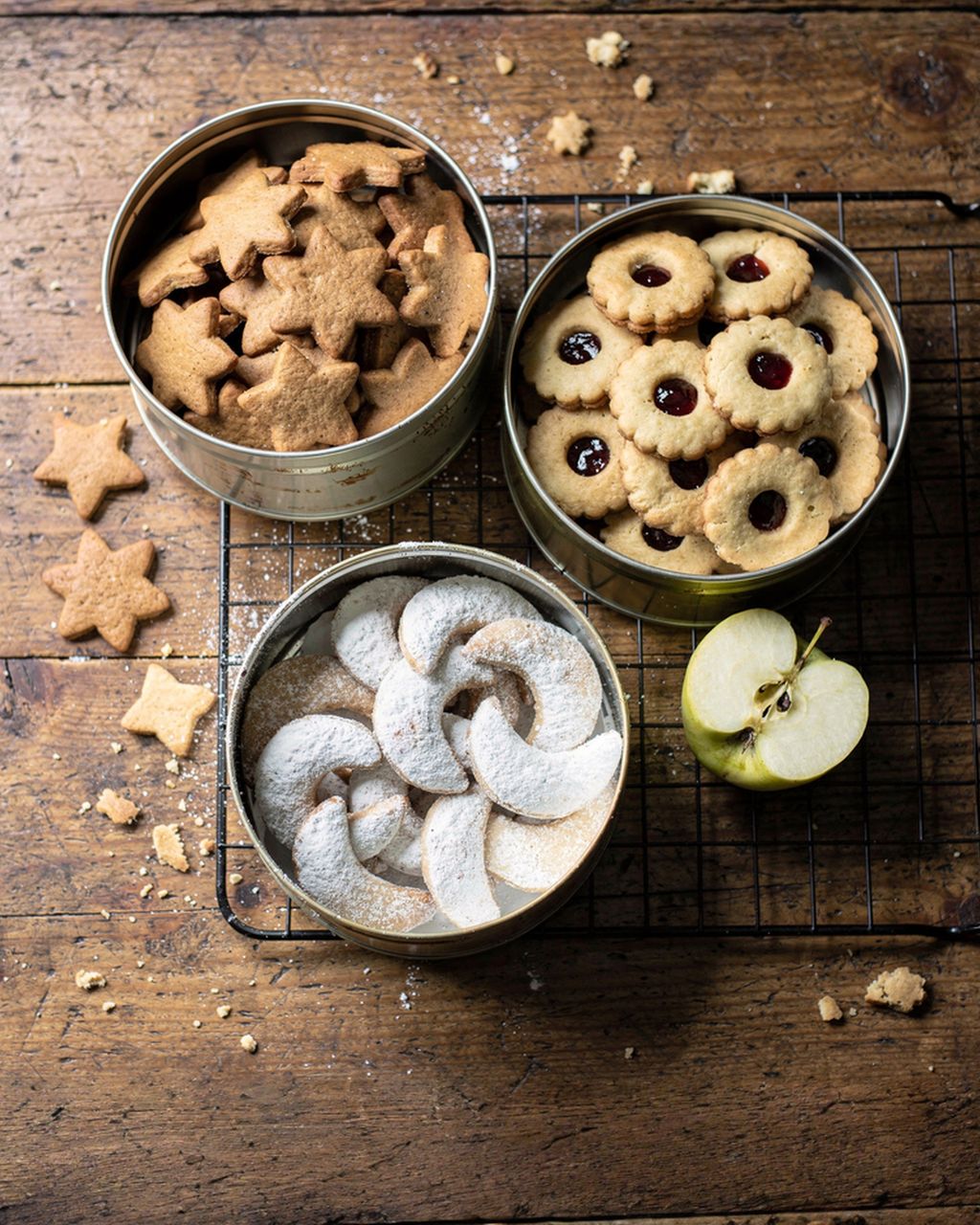
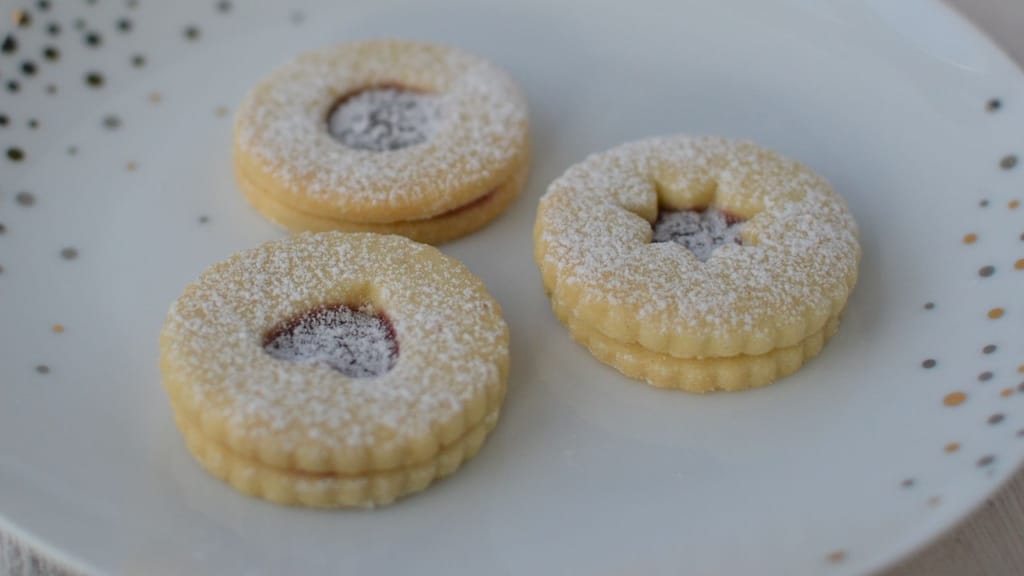
Classic christmas cookies: delicate linzer cookies
Classic crisp Linzer cookies: the base for dipping in ruby chocolate
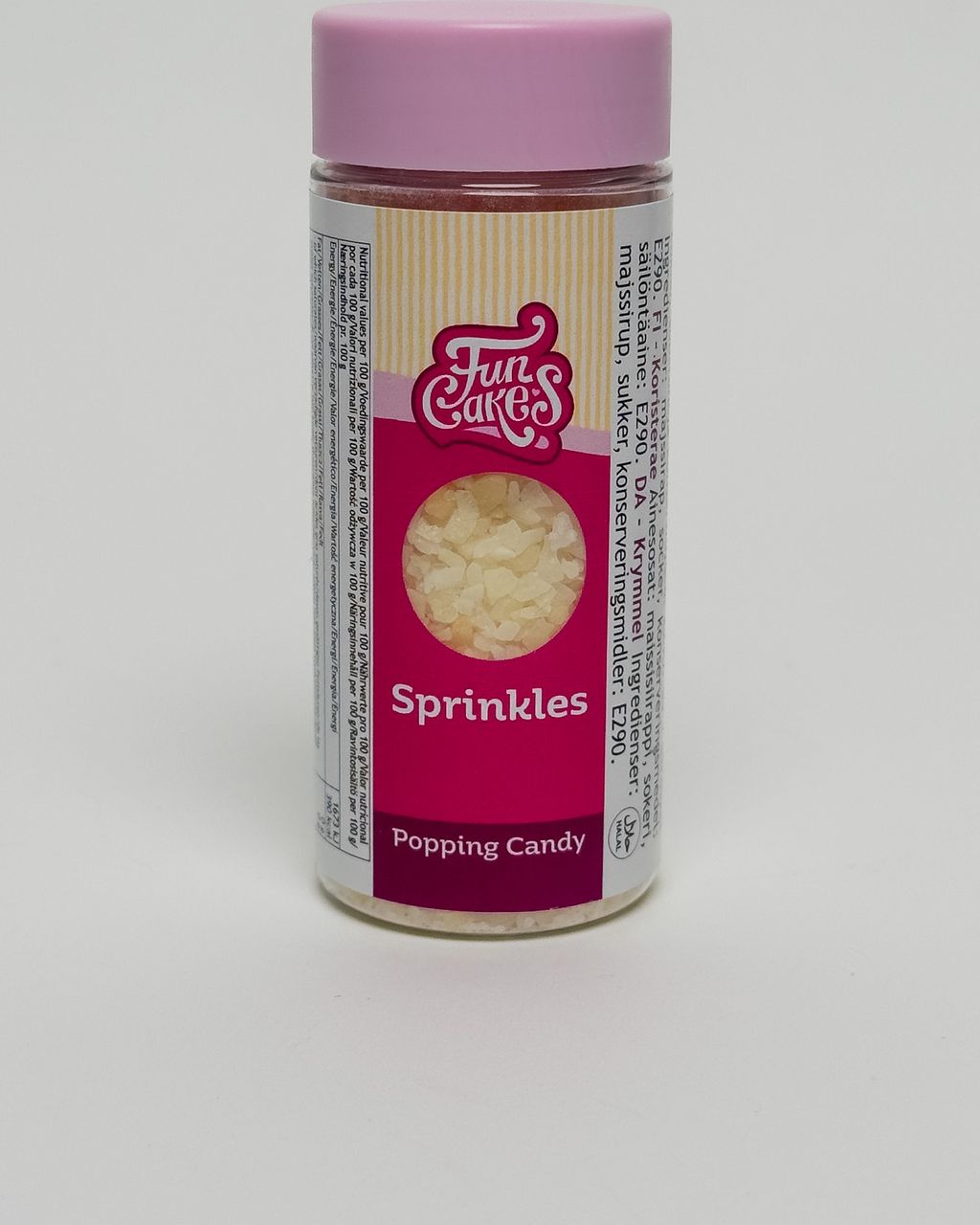
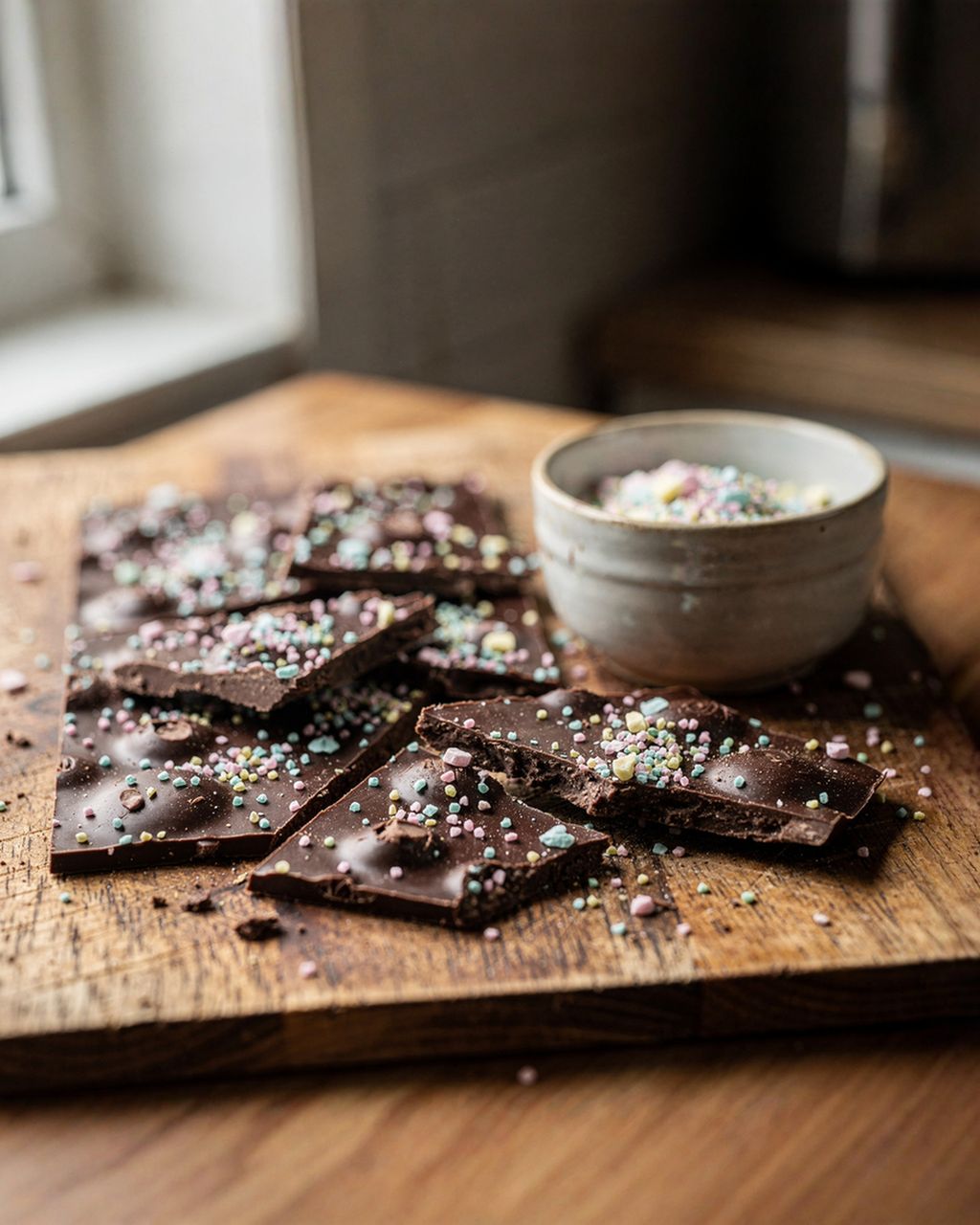
Popping candy belongs in chocolate, not in dough. It's made of tiny sugar crystals with carbon dioxide trapped inside, which is released as the crystals dissolve on your tongue and makes them pop. Moisture and steam from the oven dissolve them before the cookies ever reach the platter, so popping candy baked into dough doesn't pop.
How to do it: melt the chocolate, let it cool to working temperature (around 31°C / 88°F for dark, around 29°C / 84°F for white and ruby) and only then stir in Popping Candy. For 200 g of chocolate, 2–3 tablespoons is enough. Pour it onto parchment, let it set and cut it into small squares, or scatter it as a topping over freshly dipped cookies.
Don't add it to hot chocolate: the crystals start dissolving in it and fizz out before the chocolate sets. The layer on the tray should be 5–8 mm thick, so it can be cut and every square has enough crystals. Cut with a sharp knife warmed under hot water and wiped dry.
In a box with soft cookies it will eventually stop popping, because it draws moisture from them. Store it separately, in a dry tin. You'll find the details in Popping candy: what it is and how to use it in desserts.
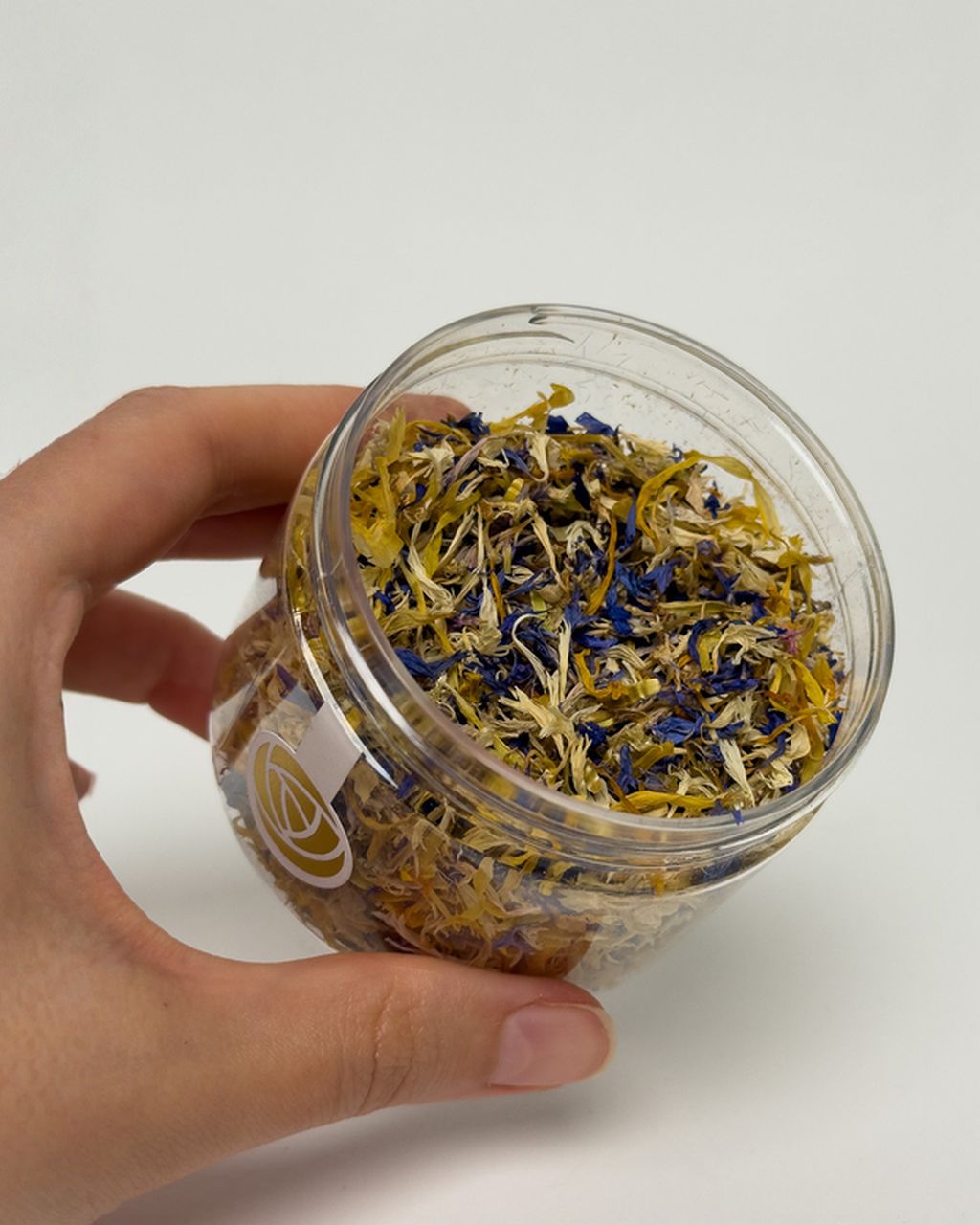
Flower cookies are butter or Linzer rounds into which a dried petal is pressed before or during baking. Cornflower is ideal for Christmas, because blue is rare on a platter full of brown and white, and the petals are small, so they hold even on a small round.
What matters:
Temperature and time. Thin petals turn brown in a hot oven. Bake low (around 160–170°C / 320–340°F) and press the flowers in halfway through baking, or onto a round you've brushed with egg white beforehand.
Pressure. Press the petals down with the flat side of a spoon, or with a rolling pin over parchment paper. Anything that just lies on top falls off after baking.
Source. Use only flowers meant for eating. Flowers from a florist are often sprayed.
Roll the dough out to 3–4 mm. A thicker round bakes longer and the petals darken in the meantime. Dried cornflower blossoms suit cookies, and pansies suit larger rounds. We have the whole method step by step in Cookies with edible flowers: how to press the flowers so they don't burn and stay put.
Cherry linecké (Czech Linzer-style jam cookies) are classic Linzer cookies with cherry filling instead of red currant jam. The flavor is more pronounced, a little almondy, and unexpected at Christmas. But cherry jam tends to be thin and runs out of the cookie or makes it soggy.
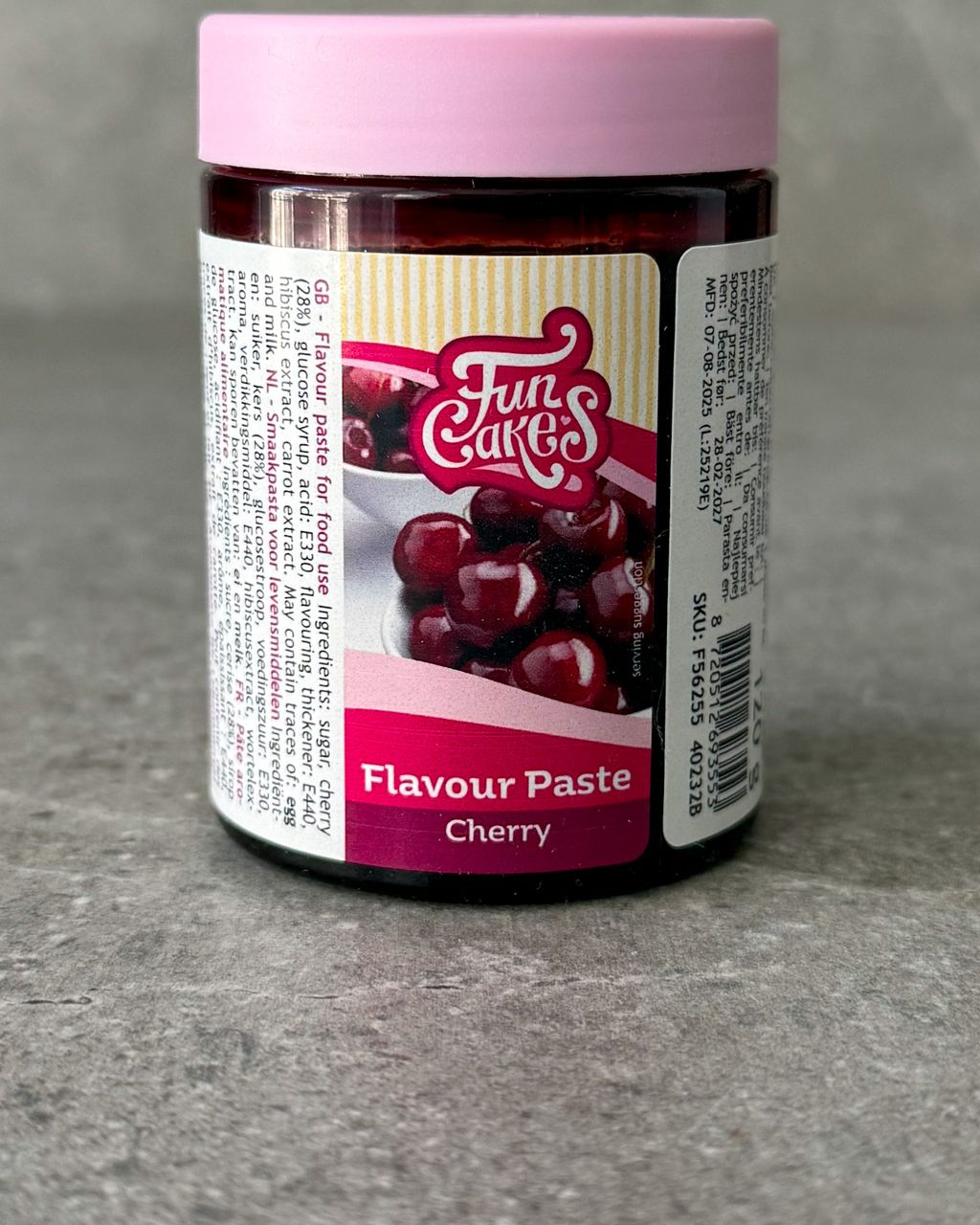
The fix: take a thick jam or cream filling and boost it with FunCakes cherry flavoring paste. The paste adds flavor and color without thinning the filling. Start with 1 teaspoon per 200 g of filling and add to taste. You can judge the thickness on a spoon: the filling should hold its shape and not run. For the dough, use the recipe for classic crisp Linzer cookies. What the 3:2:1 ratio means and how to adjust it is explained in the article on Linzer dough.
Sandwich only completely cooled rounds, and use just a thin layer, about half a teaspoon per cookie. After 2–3 days in a box the Linzer cookies soften and the filling melds with the dough.
Classic christmas cookies: delicate linzer cookies
Classic crisp Linzer cookies: the base for cherry filling
Crinkles are soft cookies rolled in powdered sugar, which cracks into white fissures as they bake. They're usually made chocolate, but in a deep red they look striking on a Christmas platter. Inside they stay soft, like brownies.
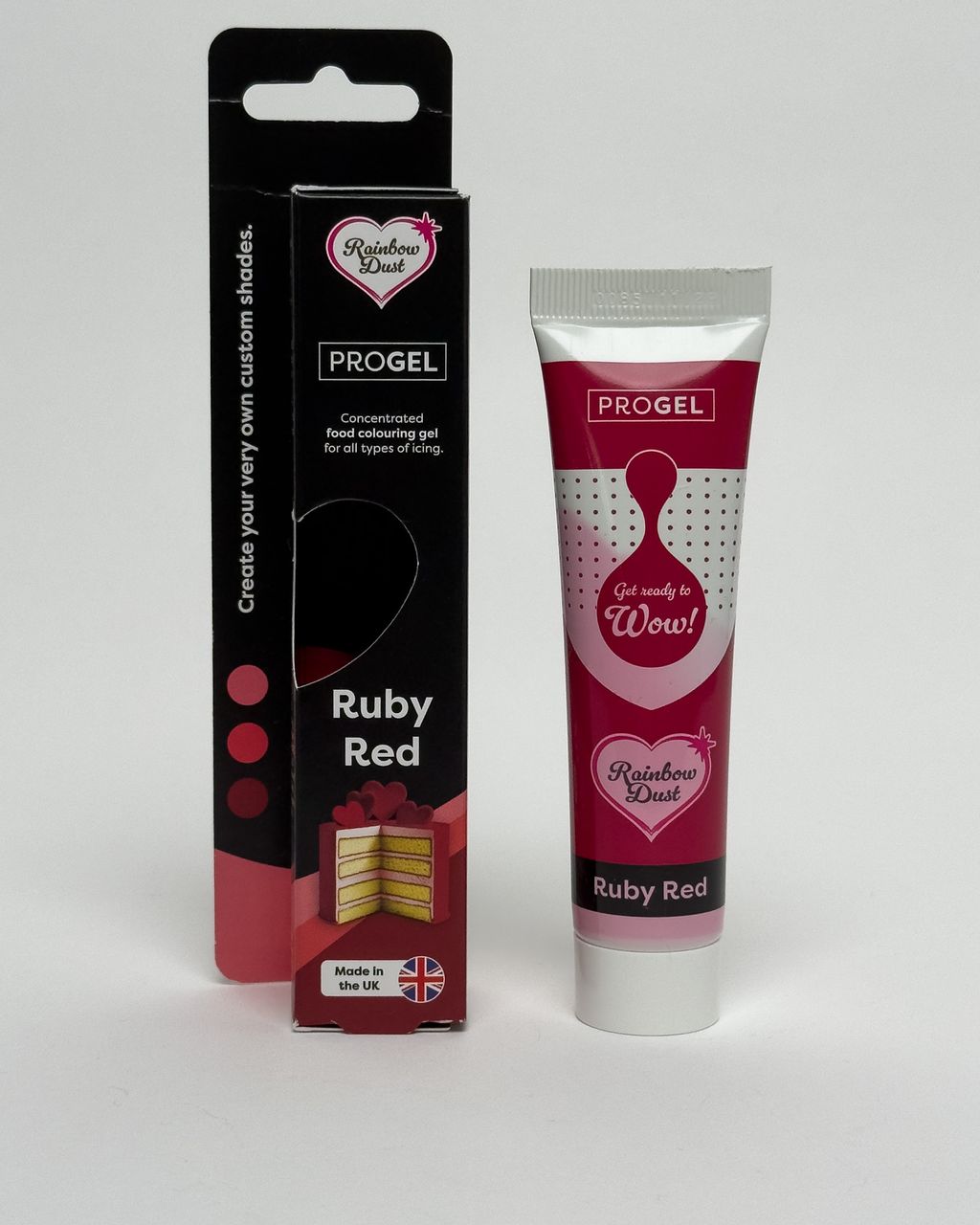
Red is the trickiest color in baking. In the oven it fades to pink or turns brown. Liquid food coloring would thin the dough, so use a concentrated gel color, such as ProGel in ruby red. A few drops give you a deep color and the consistency of the dough doesn't change. Tint the dough a shade darker than you want the result to be, and don't bake it any longer than necessary. Why color disappears in the oven and how to prevent it is covered in Colored cookies: how to tint the dough so the color survives baking. How to work cocoa and chocolate into dough without making it hard is in the article on chocolate cookies.
To crack into distinct white fissures, they need two things: chilled dough (at least an hour in the fridge, otherwise the balls spread) and a double coating, first in granulated sugar, then a thick layer of powdered sugar. Take them out when the edges are firm and the center is still soft. They finish setting on the tray.
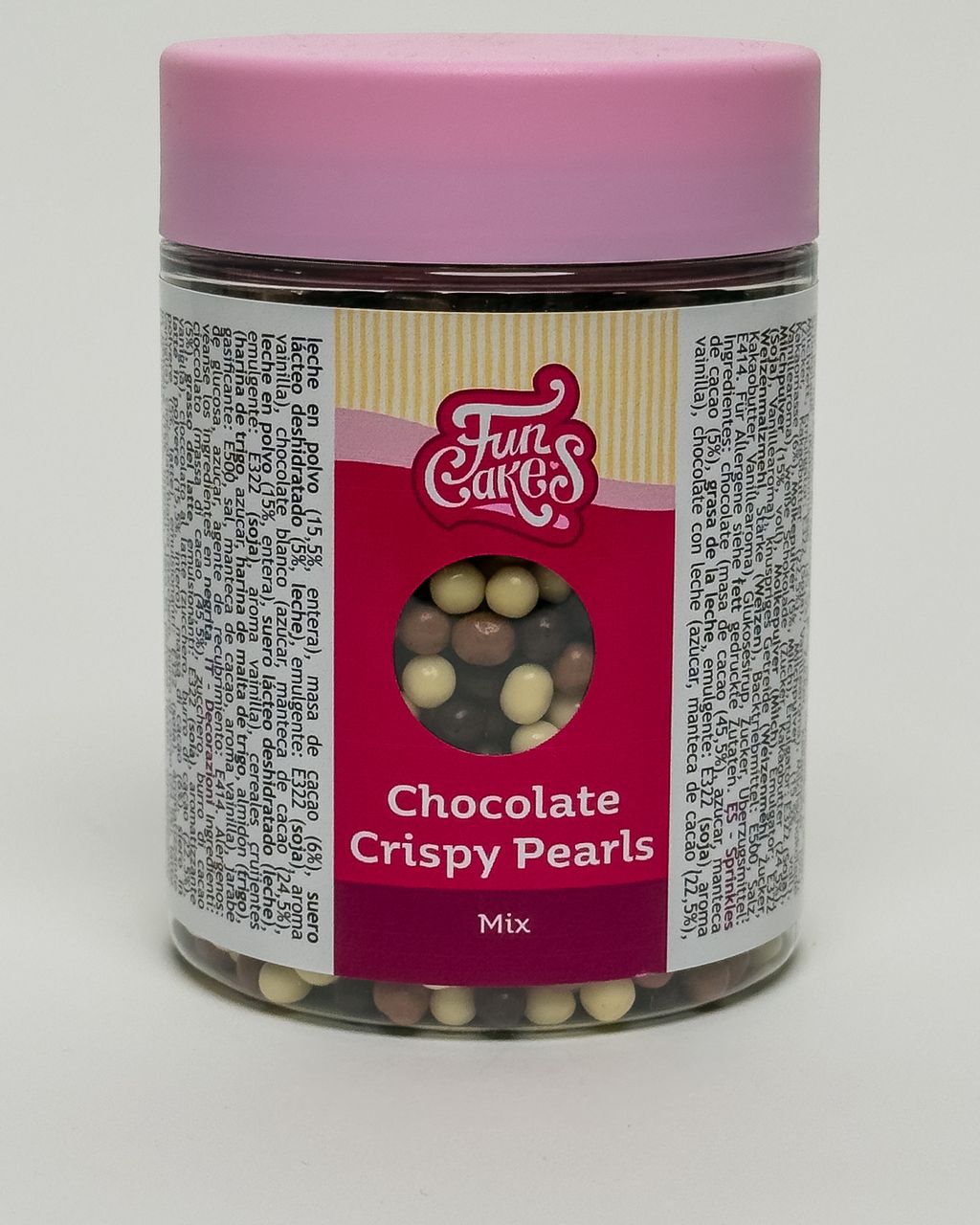
Chocolate truffles are no-bake balls made from ganache or cookie crumb mixture, and their coating decides how they look and how they crunch. Instead of cocoa or coconut, the coating is crunchy balls, a chocolate mix: cereal pearls in white, milk and dark chocolate coating. The truffles then crunch, and in three colors they look like they came from a pastry shop.
The coating only sticks to a tacky surface. So coat each ball right after rolling it, or first dip it briefly in melted chocolate. The ganache for rolling has to be firm: with dark chocolate a ratio of roughly 2 parts chocolate to 1 part cream holds, and with white, which is softer, closer to 3:1. Roll it chilled and with cold hands, in balls of about 2 cm. Truffles flavored with Lotus cookies make a good base, or Baileys white chocolate balls for a grown-ups' platter.
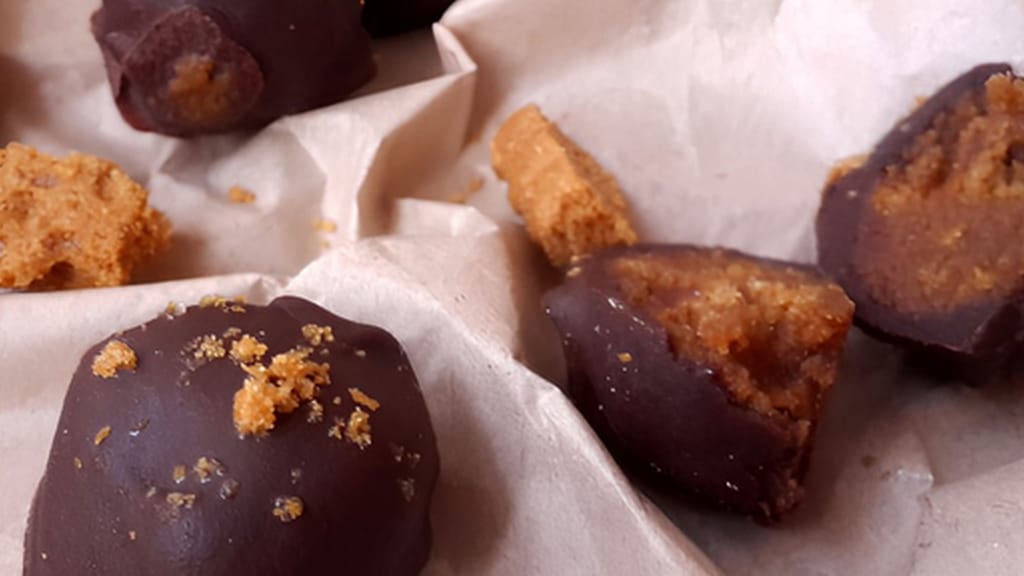
Lotus biscoff truffles
Chocolate truffles flavored with Lotus cookies
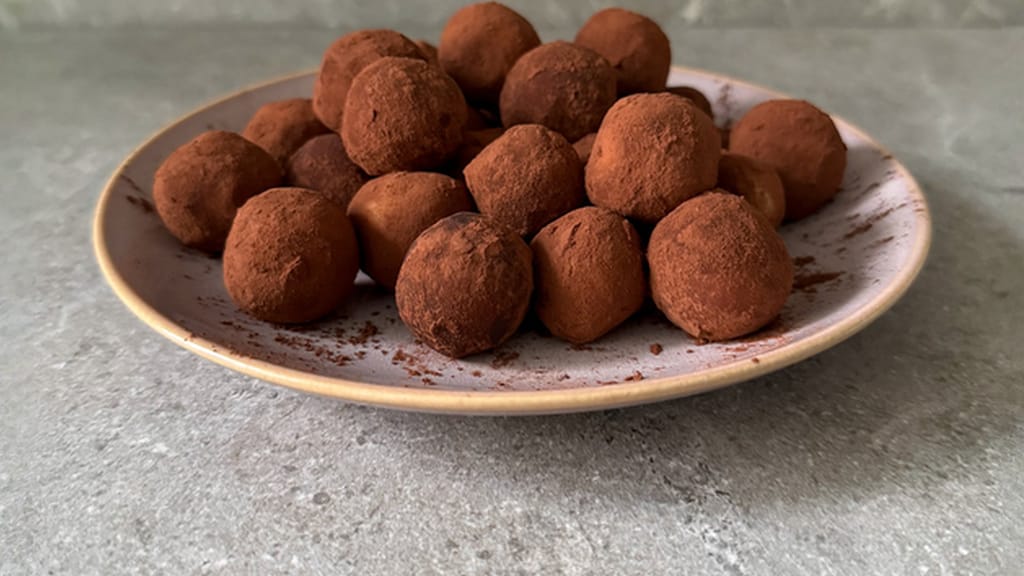
Baileys white chocolate truffles with sponge biscuits
Baileys white chocolate balls: no-bake cookies for adults
Pistachio Linzer cookies are the simplest unusual cookie: just swap part of the flour in Linzer dough for ground pistachios. The dough then has a faint green tinge, a nutty flavor and is even more tender. A tested method is in the recipe for unusual Linzer cookies with pistachios. Don't roast the pistachios to brown before grinding, or you'll lose the green color.
Grind them with a spoonful of flour or sugar, and only in short pulses, so they don't release oil and start to turn into paste. Peeled pistachios without the brown skin give the greenest color. Because the nuts weaken the gluten (they disrupt the gluten network), the dough is more tender and breaks more easily: chill it before cutting and roll it out to 3 mm between two sheets of paper.
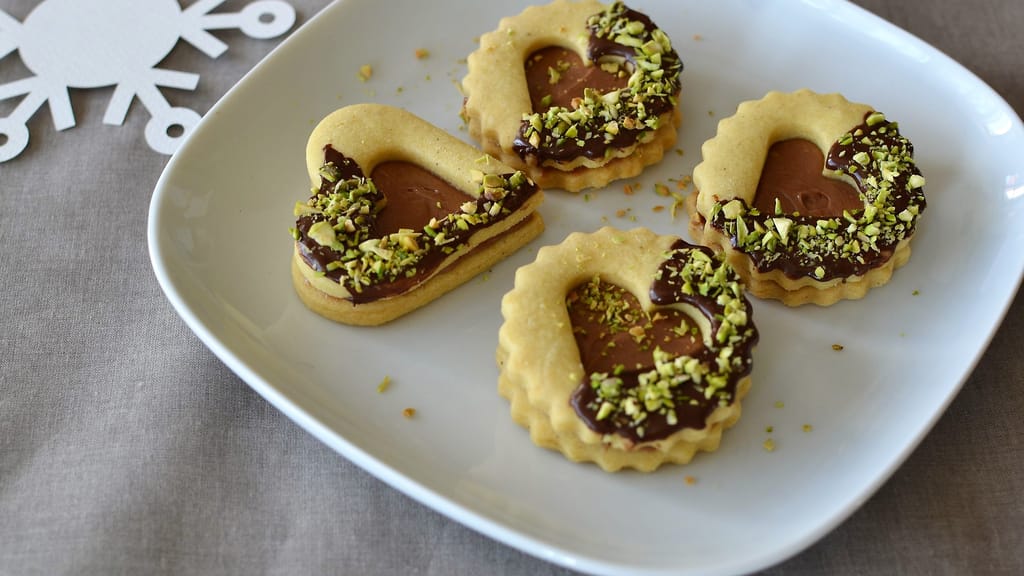
Unconventional linzer cookies with pistachios
Unusual Linzer cookies with pistachios
Linzer cookies filled with salted caramel balance the sweet butter dough with saltiness. That's why people reach for them again even when they've had enough cookies. The caramel has to be cooked thick so it doesn't leak out when you sandwich the cookies. The method is in the recipe for Linzer cookies filled with salted caramel.
You test the thickness with a drop on a cold plate: after a minute it should hold its shape and not run when tilted. Go easy on the salt, about a pinch of flaky salt per 200 g of caramel, and add it at the end so you can fine-tune the flavor. Store the sandwiched cookies somewhere cool; caramel softens in the warmth and the little pillows would slide off each other.
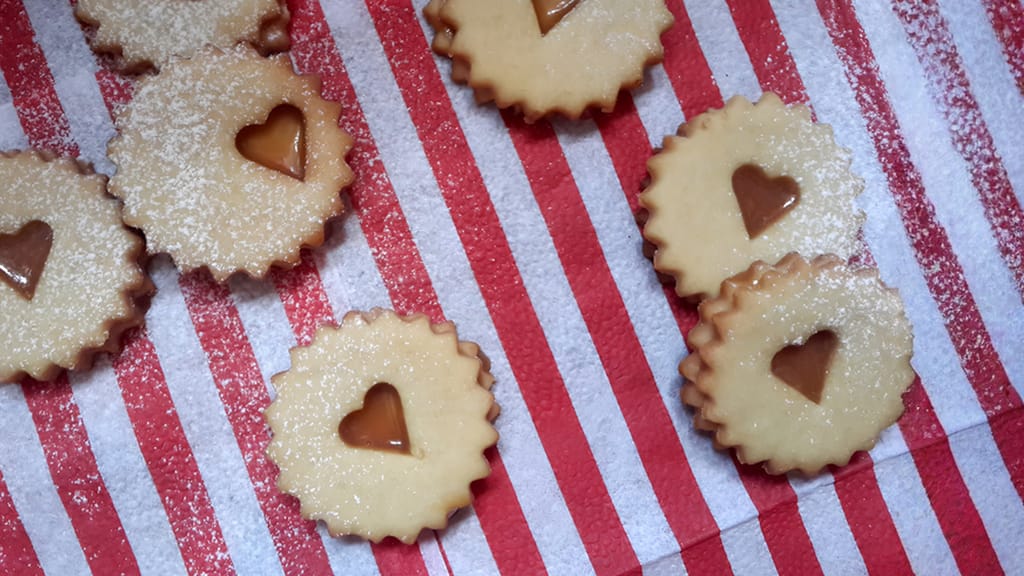
Linzer cookies filled with salted caramel
Linzer cookies filled with salted caramel
Snowflake crisps are Asian no-bake bars made from melted marshmallows and butter, with cookies, nuts and dried fruit stirred in. Once cooled they're cut and coated in milk powder. They're ready in 30 minutes without an oven, so they suit the last minute too. The method is in the recipe for Snowflake Crisps, Asian no-bake marshmallow cookies. You'll find more no-bake kinds in the overview of no-bake cookies.
Melt the marshmallows over gentle heat and only until smooth. An overheated mixture hardens as it cools and the bars come out stiff instead of chewy. Have the add-ins ready beforehand, because the mixture sets within a few minutes. Cut it only when completely cold, and dust the knife with milk powder.
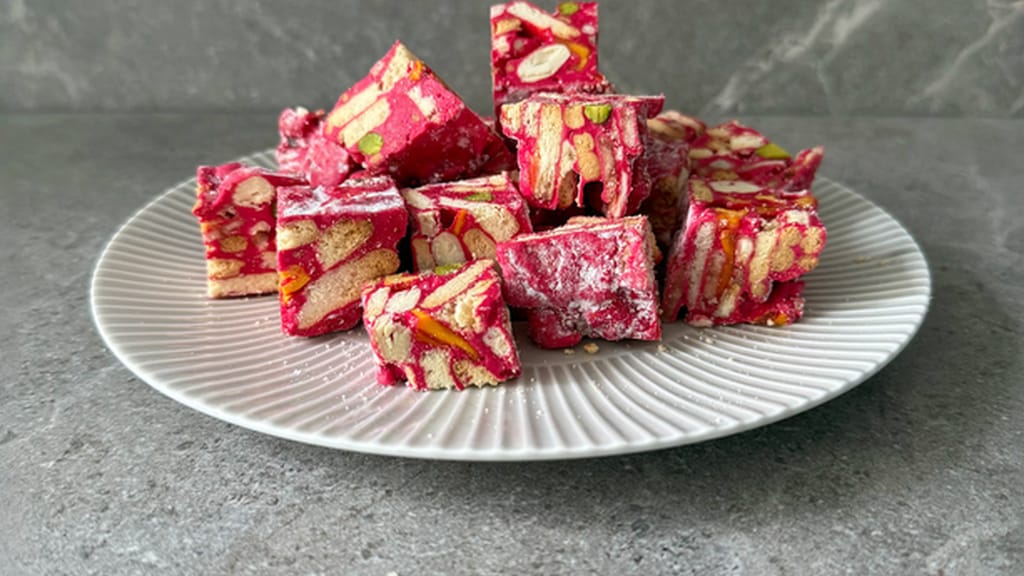
Snowflake crisps – no-bake asian marshmallow cookie bars
Snowflake Crisps: no-bake marshmallow cookies, no oven needed
Pistachio crescents work on the same principle as vanilla ones, except that the dough has pistachios instead of walnuts or almonds. The shape stays traditional, the flavor is new. You'll find the recipe under the name pistachio crescents. Why crescents crack and how to choose a flour that keeps them tender is explained in the article on vanilla crescents.
Bake them at a lower temperature, around 160–170°C (320–340°F), and take them out while they're still pale. Once they turn golden, the green of the pistachios gets lost in brown. Roll them in sugar while they're still warm, not hot: hot ones break, cold ones don't pick up the sugar.
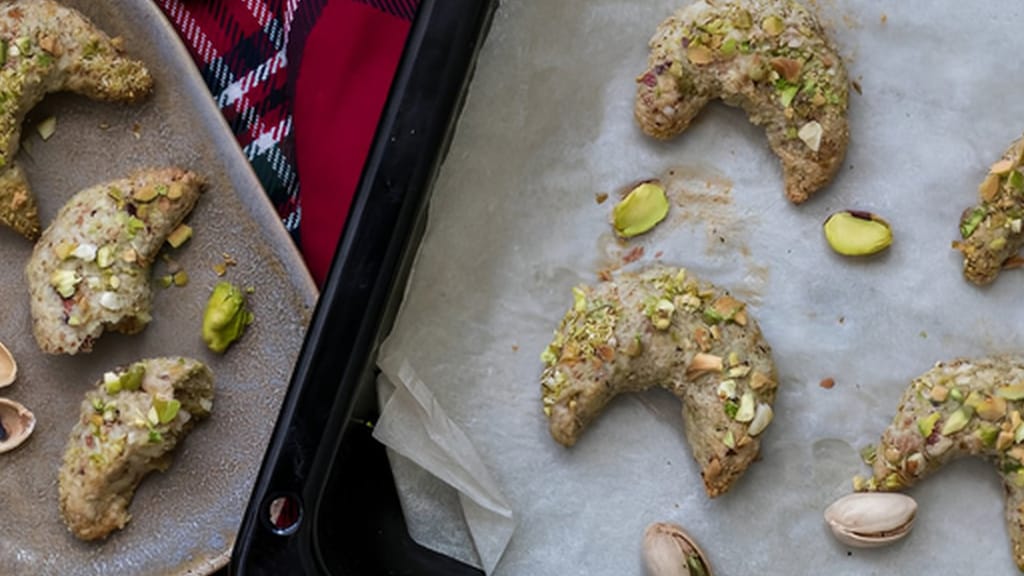
Pistachio crescent cookies
Pistachio crescents: unusual Christmas cookies
Forgotten cookies are unusual in a different way: hardly anyone bakes them today, so they surprise on a platter just as much as ruby chocolate. Most vanished because they were laborious or because an ingredient fell out of fashion, not because of the flavor. They include above all sádláky (Czech lard cookies), hollow nut rolls, marokánky (Czech Florentines), bílkový chlebíček (Czech egg-white nut loaf), mocca rounds, anise rounds, ischelské dortíčky (Czech Ischl tartlets) and filled nuts. We cover the first two in detail; you'll find the rest in the overview below.
Sádláky are small pastries made from a dough that uses pork lard instead of butter. That makes them flaky-tender and slightly savory, and they're usually filled with plum butter (povidla) or quark (tvaroh, a Czech fresh curd cheese). They used to be baked mainly where there was more lard than butter after the pig slaughter. The lard has to be clean, free of cracklings and odorless, or you'll taste it in the cookies. Recipe: sádláky, or lard pastries, the cookies of our grandmothers.
Work the lard chilled, not at room temperature. Soft lard blends with the flour into a smooth mass and the flaky layering disappears. Choose thick plum butter: it thins out less during baking than jam does.
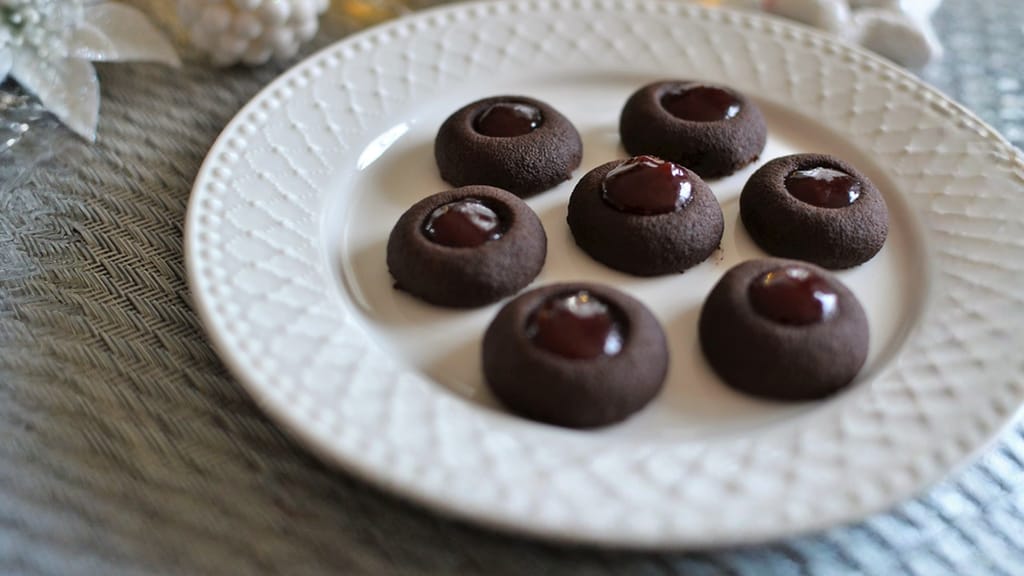
Sádláky – grandma's lard cookies
Sádláky, or lard pastries: a forgotten cookie from our grandmothers
Hollow nut rolls are thin nut wafers that are rolled into a tube while still hot. They stay empty inside and are crisp like a wafer. They vanished mainly because you have to roll them a few at a time while they're hot. Within a minute they set and break. So bake small batches of 4–6. The method is in the recipe for hollow nut rolls. How to roast and grind nuts so they don't release oil is covered in the article on nuts for baking.
Roll them around the thin handle of a wooden spoon. If a wafer sets before you can roll it, put the tray back in the oven for half a minute and it softens again. Spread the batter really thin so the wafers are an even thickness: thicker spots stay soft and the roll collapses.
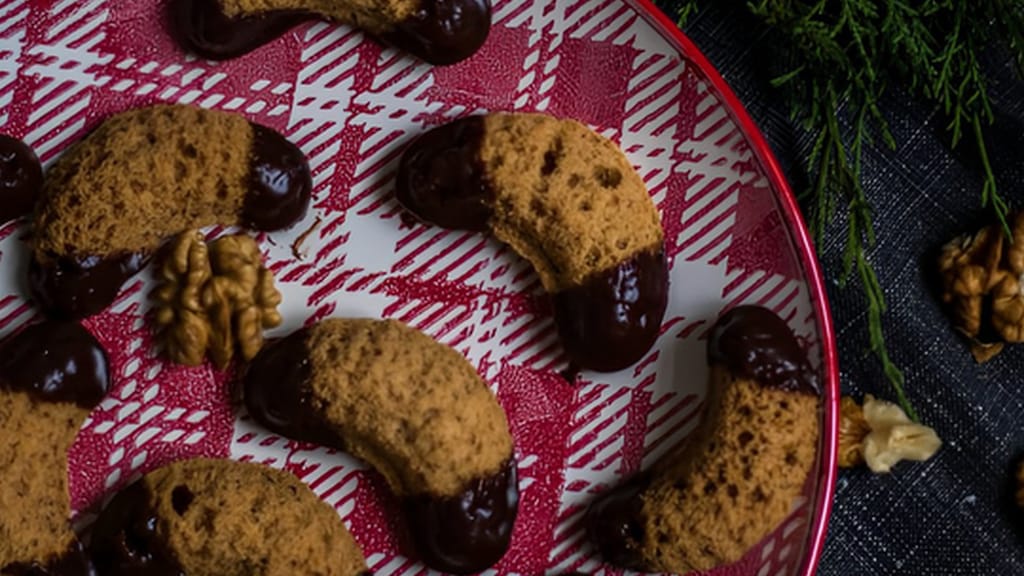
Hollow walnut crescents
Hollow nut rolls: forgotten Christmas cookies
These old Czech kinds are coming back to platters because they differ in flavor and shape from everything baked today. For each, here's what makes it unusual:
Marokánky (Czech Florentines). Thin, crisp discs of sugar, almonds, raisins and candied peel that spread into lace in the oven. They're unusual because they have almost no dough; only caramelized sugar holds them together. Recipe: marokánky with chocolate coating.
Bílkový chlebíček (Czech egg-white nut loaf). A nutty egg-white mixture baked in a pan and cut into thin slices once cooled. Grandmothers baked it to use up the egg whites left over from yolk-based cookies. Recipe: egg-white nut loaf with hazelnuts.
Mocca rounds. Sandwiched rounds with a coffee flavor, rare on a classic platter: coffee went into cookies mainly in the past, and today chocolate has pushed it out. Recipe: mocca rounds, cookies with a memory of grandma.
Anise rounds. White rounds of whipped egg foam with sugar, flour and anise, left to dry overnight before baking. In the oven they rise onto a little “foot” and keep a smooth white cap on top. Few people know anise cookies today, so they taste surprising.
Ischelské dortíčky (Czech Ischl tartlets). Two nut or almond rounds sandwiched with jam and coated in chocolate. They're laborious because there are three stages of work: baking, sandwiching, coating.
Filled nuts. Two halves baked in walnut-shaped molds and sandwiched with nut cream. They vanished along with the molds, which hardly anyone has in their kitchen today.
If you want to pick just one of them, start with marokánky: they need no rolling or cutting.
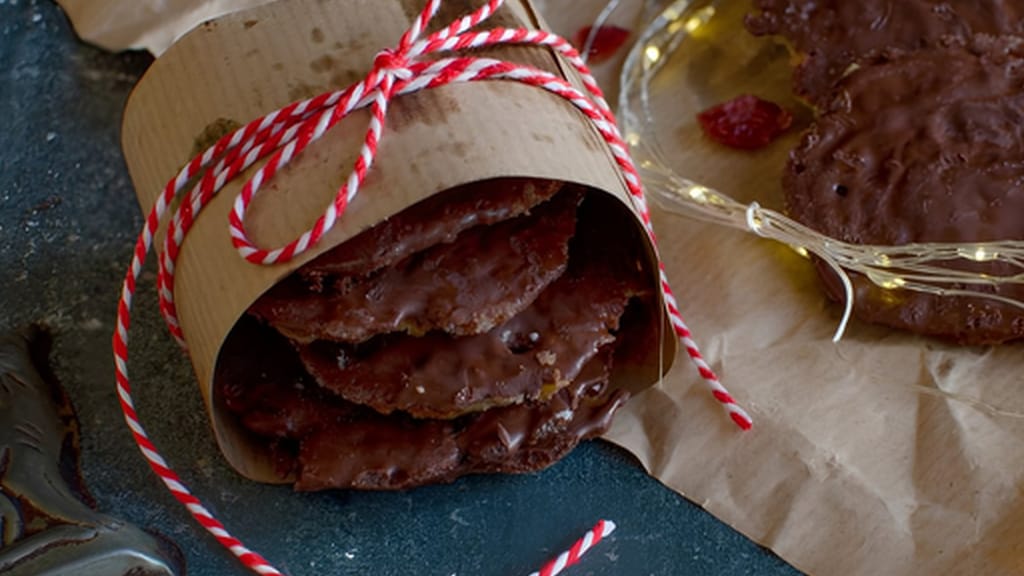
Chocolate-dipped marokánky (hazelnut florentine cookies)
Marokánky with chocolate coating: forgotten Christmas cookies
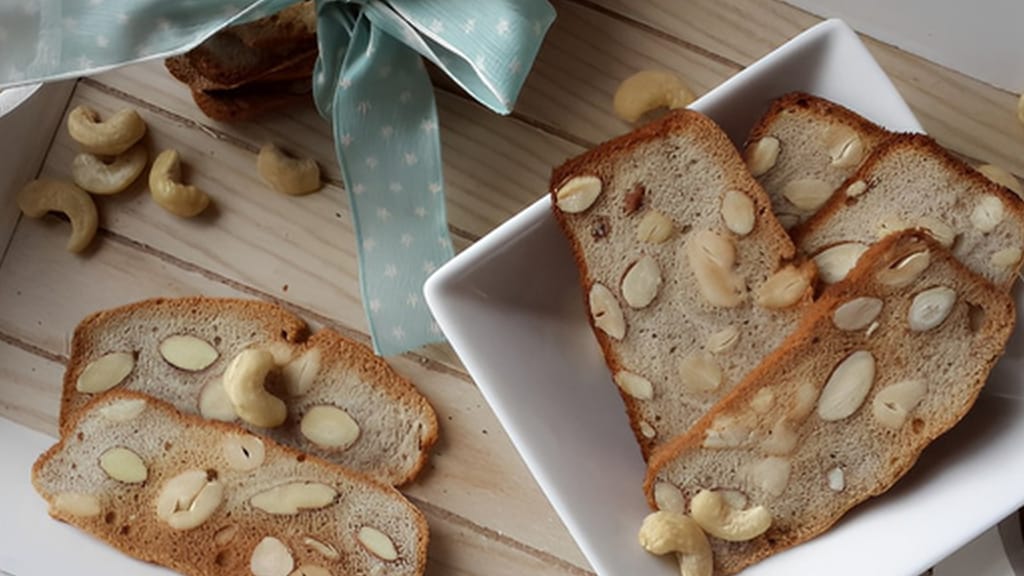
Egg white nut loaf
Egg-white nut loaf with hazelnuts: forgotten Christmas cookies
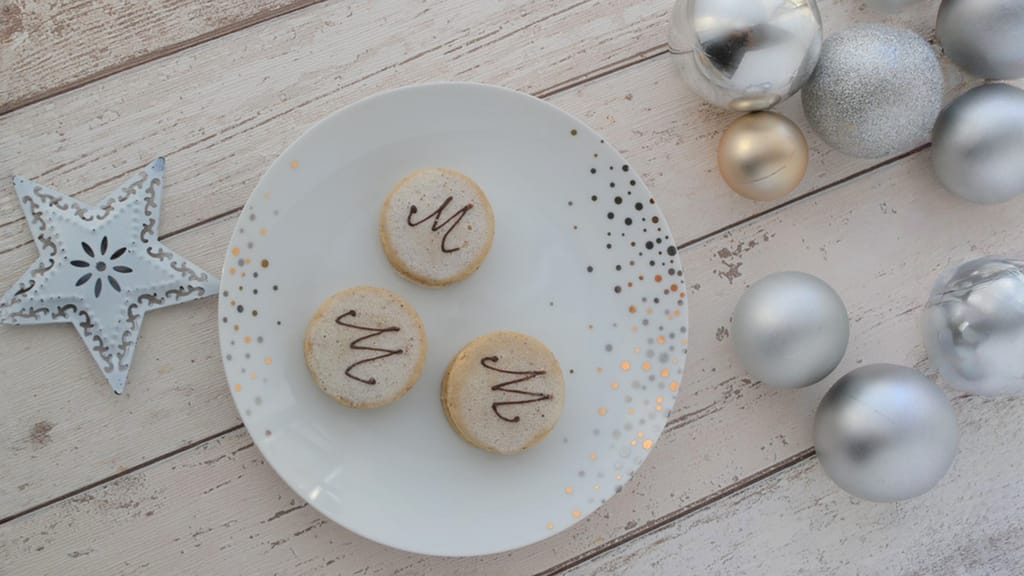
Mocca rounds – christmas cookies with a memory of grandma
Mocca rounds: coffee cookies from our grandmothers
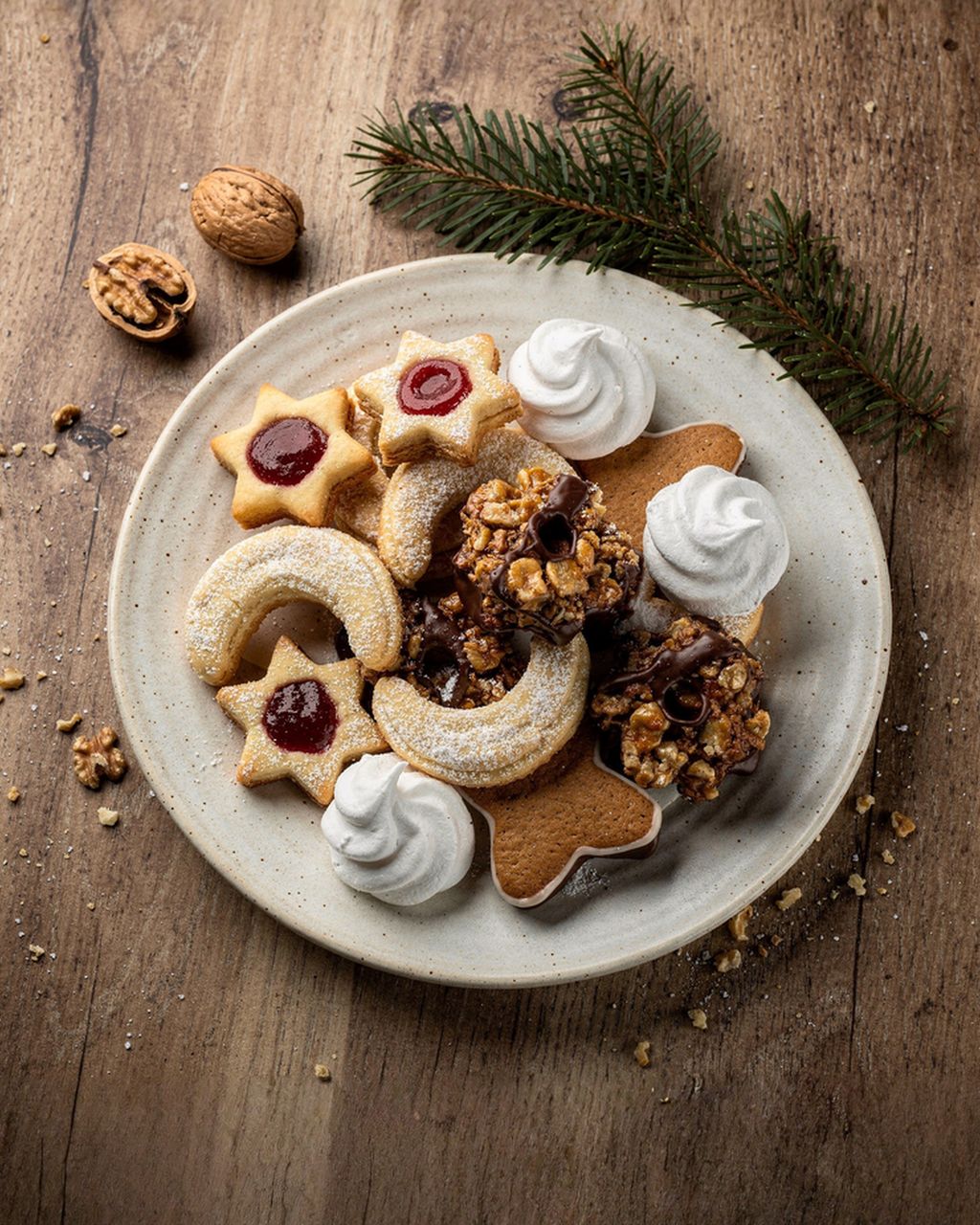
The platter that works best is one where unusual cookies complement the classics rather than replace them. 2–3 unusual kinds next to 5–6 traditional ones is enough. Guests reach for the familiar first, and then the new ones catch their interest.
Choose different textures. One crisp kind (pistachio Linzer cookies), one soft (crinkles), one crunchy or popping (popping candy bars, chocolate truffles in a crunchy coating).
Choose different colors. Pink ruby, blue cornflower and red crinkles give the platter a color the classics don't have.
Plan the baking. Bake Linzer cookies and pistachio crescents 2–3 weeks ahead so they have time to soften. Hollow nut rolls should stay crisp like a wafer, so bake them closer to serving and keep them in a dry tin. Leave the ruby, popping candy and no-bake balls for the last week.
Add one forgotten kind. Sádláky or marokánky bring back a memory for older guests and spark curiosity in younger ones. On a platter, it's the easiest conversation starter.
Put out only as much as will be eaten in a day or two. Keep the rest in tins at 12–16°C (54–61°F), each texture separately. On the platter, crisp and soft kinds affect each other, popping candy softens and cornflower fades in the light.
Cutters, molds and other equipment are among the Christmas cookie supplies.
Store unusual cookies by texture, in separate tins: keep crisp and popping kinds apart from soft and filled ones. Soft cookies (crinkles, filled linecké, Czech Linzer-style jam cookies) give off moisture, which popping candy and the crunchy coating on chocolate truffles soak up, so they turn soft and stop popping. Put dry kinds in a tightly closed tin and soft ones in a box with parchment paper between the layers. Keep everything cool and dark, ideally at 12–16°C (54–61°F). Only no-bake balls go in the fridge, in a closed box. Keep other cookies out of the fridge: condensation forms on them when you take them out, and chocolate develops a gray bloom.
The closest substitute for ruby chocolate is white chocolate flavored with freeze-dried raspberry powder. It gives you the pink color and a fruity tang, but it tastes more of raspberry and less of cocoa than true ruby. Add the powder to the melted chocolate by the teaspoon. Don't use liquid juice, because it would make the chocolate seize.
Ruby chocolate cookies are usually not suitable for vegans. Standard ruby chocolate, including Callebaut RB2, contains milk powder, just like milk or white chocolate. If you're baking for a vegan or for someone with a milk allergy, check the ingredients on the specific package.
Cornflower petals keep their blue color as long as you protect them from light and moisture: in a closed tin in a cool, dark place they stay vivid through the whole Christmas season. In light and humidity the petals fade and turn brown, so don't put cornflower cookies out on a platter several days ahead. A low baking temperature protects the color too, because a petal that turns brown in the oven won't be blue again.
Kids manage no-bake unusual cookies best: chocolate truffles rolled in crunchy cereal pearls, and snowflake crisps. They can do the rolling, coating and cutting on their own. Leave the melting of the marshmallows and chocolate to an adult, though, because the mixture is hot and sticky.
For the last minute, pick unusual cookies that don't need to rest: snowflake crisps, chocolate truffles, popping candy bars and cookies dipped in ruby chocolate. All of them are done in a single evening and are best within a week. Filled linecké (Czech Linzer-style jam cookies) and sádláky (Czech lard cookies), on the other hand, need 2–3 days in a box to soften, so they're not for the last minute.
One recipe worth heating the oven for, one tip, and one deal from the shop. Nothing else.