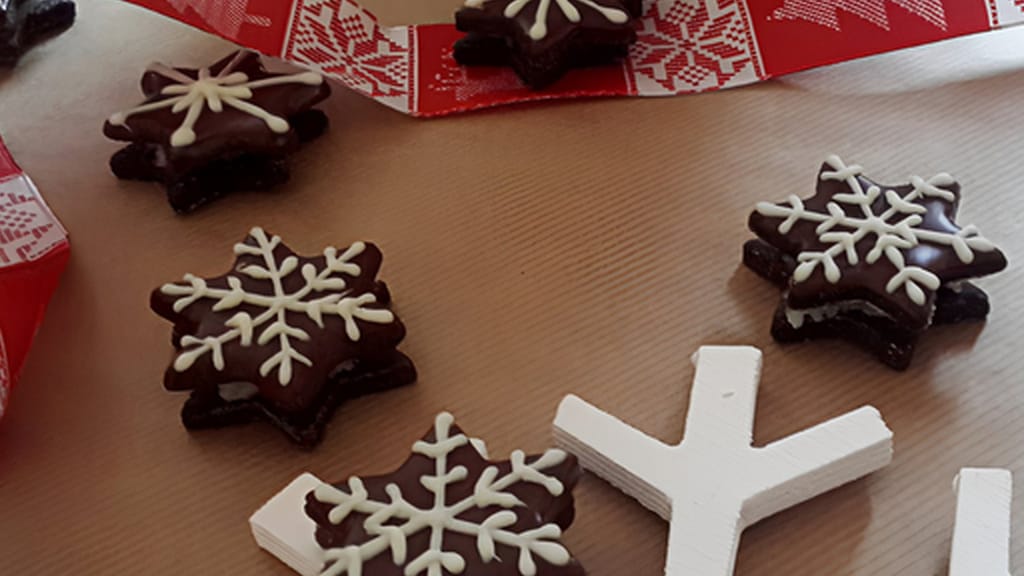
Cocoa star cookies with coconut cream
Chocolate Christmas Cookies: Cocoa or Melted Chocolate in the Dough So They Don't Turn Hard
Updated Oct 17, 2026
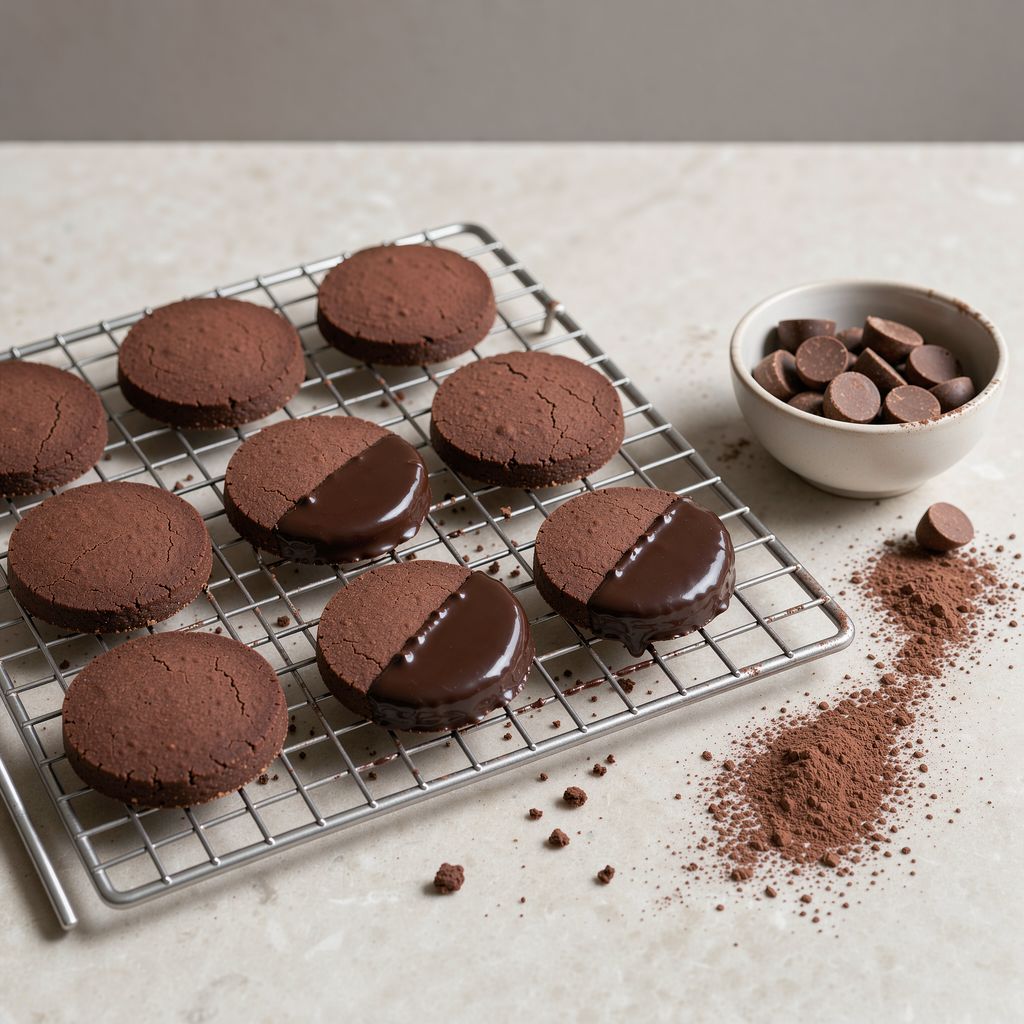
For chocolate cookies, put cocoa in the dough and save the chocolate mainly for the outside or the filling. Swap cocoa for 10–15% of the flour, 20% at most, and never just add it on top of the full amount. If you do stir melted chocolate into the dough, use only a little, let it cool first, and cut back on the butter. Follow this and your cocoa linzer-style cookies will stay tender instead of turning rock-hard. Here's how much to use and why it works.
Cocoa belongs in the dough; chocolate belongs mostly on the cookies. Cocoa adds color and flavor and behaves like flour in the dough, so you take the same amount out of the flour. It won't soften the dough or make it spread. Melted chocolate brings sugar and cocoa butter, which makes the dough runnier, smearier and firmer once it cools.
In short:
Cocoa powder: dry, so it acts like flour. It gives strong color and a bitter edge, but less of that sweet "chocolatey" feel. Good for linzer-style, cut-out and rolled cookies.
Melted chocolate in the dough: deeper flavor, but the dough is softer, stickier and harder to roll. Good for piped cookies and drop cookies spooned onto the tray, where a little spreading doesn't matter.
Chocolate on the finished cookies: dipping, sandwiching, ganache in the middle. This is where chocolate tastes best, and it doesn't affect the dough at all.
The best chocolate cookies usually combine both: a cocoa dough and good chocolate on top. If you're unsure about the difference between cocoa, cocoa powder and baking chocolate, we have a separate article on cocoa and baking chocolate.
Replace 10–15% of the flour weight with cocoa, 20% at most. Cocoa powder is mostly dry matter made of fiber, protein and leftover cocoa butter. It absorbs fat and moisture even more strongly than flour does. That's why you subtract it from the flour instead of adding it.
For a classic 3:2:1 linzer dough (300 g flour, 200 g butter, 100 g sugar):
Lightly cocoa (10%): 270 g flour + 30 g cocoa
Distinctly cocoa (15%): 255 g flour + 45 g cocoa
The limit (20%): 240 g flour + 60 g cocoa. Go higher and the dough turns crumbly and bitter.
If you go to the limit, add 1 extra egg yolk or 10–15 g butter so the dough holds together. Sift the cocoa with the flour, or you'll get brown lumps in the dough. Reduced-fat cocoa (usually 10–12% fat) dries the dough out more than regular cocoa powder (20–22%). Dutch-process (alkalized) cocoa is darker and milder, while natural cocoa is more acidic and fruitier. Both work in linzer cookies.
If your cocoa dough still falls apart in your hands, read crumbly linzer dough: why it happens and how to fix it. As a base to swap cocoa into, use our recipe for classic tender linzer cookies.
Cocoa linzer cookies turn hard mainly because the cocoa was added on top of the flour, the cookies were overbaked, there's more than 20% cocoa, or the dough was rolled warm and overworked. Each of these mistakes works a little differently:
Cocoa added on top of the flour. The dough is dry, so you knead it longer to make it hold, and that develops gluten in the flour. The result is tough, "rubbery" hard cookies.
Overbaking by guesswork. You can't see when dark dough turns golden, so you bake "just a little longer." Bake cocoa cookies by time and by the edges, not by color.
Too much cocoa. Above 20% of the flour weight, cocoa soaks up the fat, and the cookies are dry and crumbly even when baked correctly.
Warm, overworked dough. If the butter in the dough melts and you then keep dusting the board with cocoa or flour, the dough turns hard. Roll it chilled and dust with cocoa, not flour. Cocoa won't leave pale patches on the board.
For the general causes of hard linzer cookies (butter, sugar, kneading, resting), see hard linzer cookies: why they toughen and how to make them tender. Here we only cover what cocoa adds to the picture.
Bake cocoa linzer cookies at 160–170 °C (320–340 °F, fan oven) for 7–9 minutes, depending on a thickness of 3–4 mm. They're done when the edges don't give when you touch them and the center is still slightly soft. It firms up on the tray. Another clue is the smell: once the oven smells bitter and scorched rather than chocolatey, it's too late. You can't see a darker edge on cocoa dough, so time the first tray and set the others by it.
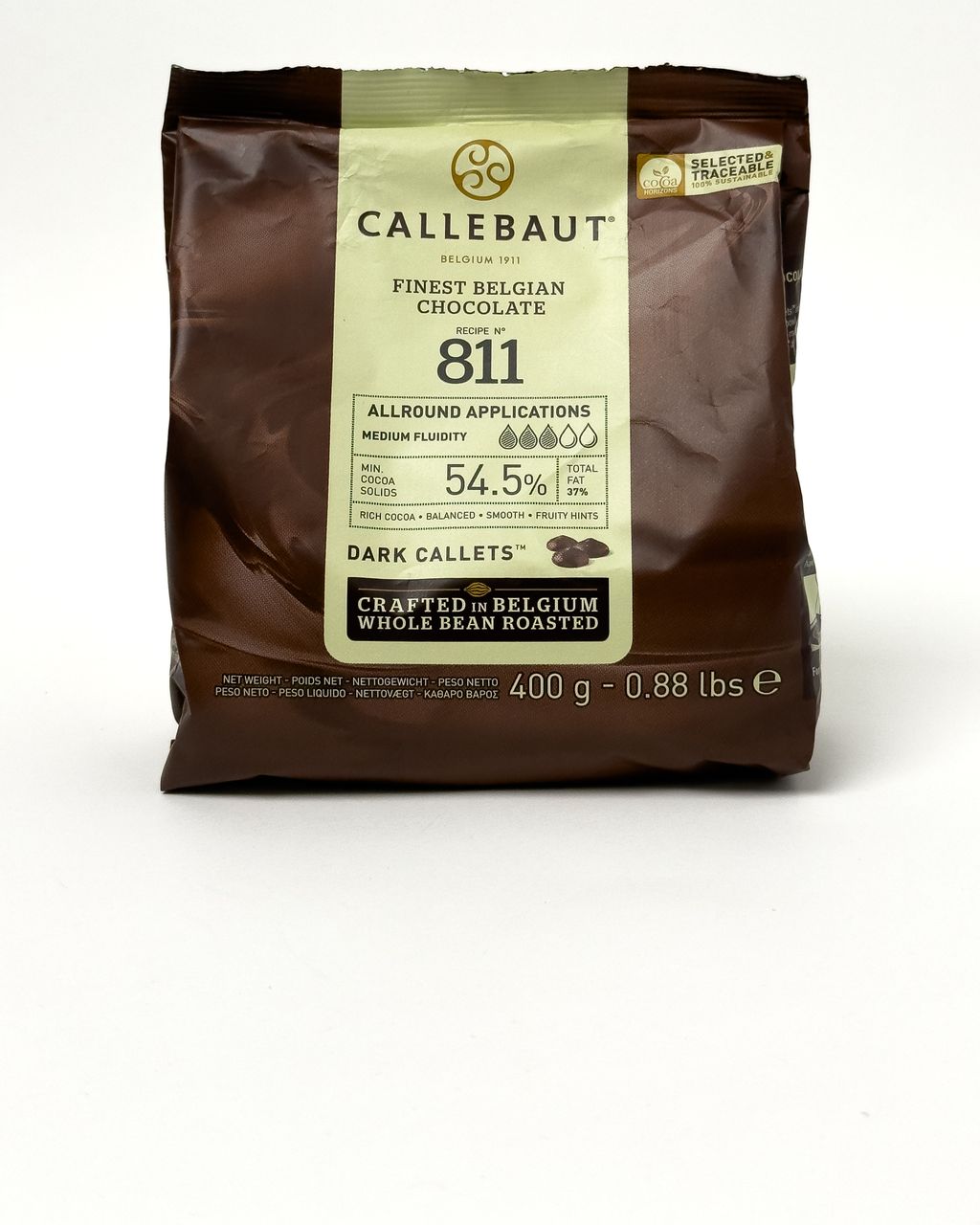
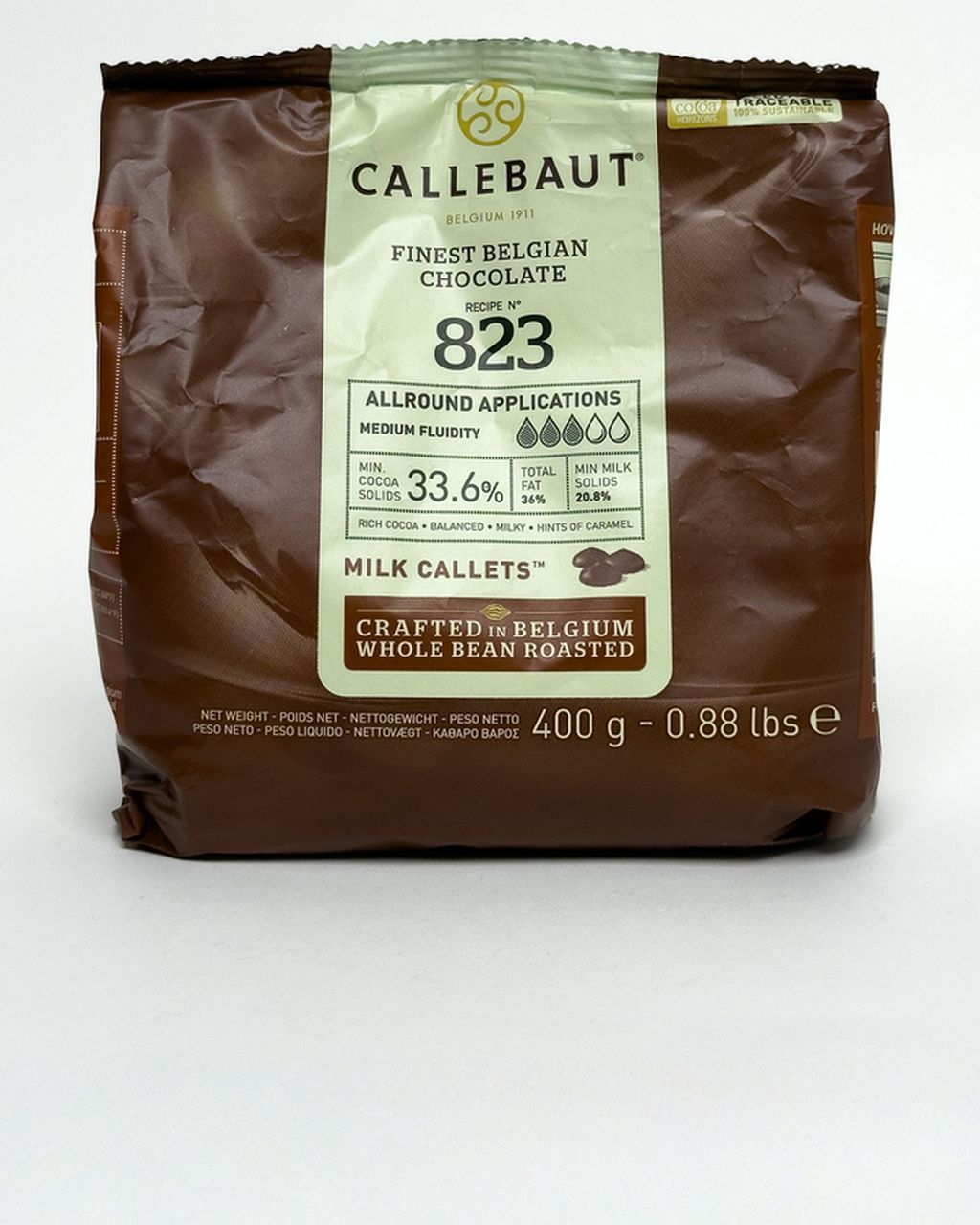
Use at most 100 g melted chocolate per 300 g flour, let it cool to about 30 °C (86 °F), and reduce the butter. Chocolate is about a third fat: according to the manufacturer, Callebaut 811 dark has 36.6% fat and milk chocolate 823 has 36.2%. If you add it on top of the full amount of butter, the dough turns greasy, sticky and spreads in the oven.
The method:
Reduce the butter. For every 100 g of chocolate, use 30–40 g less butter.
Reduce the sugar. By roughly 40 g for dark chocolate and roughly 50 g for milk chocolate, per 100 g of chocolate.
Cool the chocolate. Melt it, let it drop below 30 °C (86 °F), and only then mix it into the creamed butter and sugar. Hot chocolate melts the butter, and the dough "breaks" into a greasy mush.
Chill the dough for at least 2 hours. The cocoa butter in the dough has to set, or you won't be able to roll it.
Expect a firmer bite. Cocoa butter sets harder than butter at room temperature. Cookies with chocolate in the dough are therefore firmer and "snappy" rather than melt-in-the-mouth. For the most tender result, stick with cocoa.
Don't put chocolate chunks or whole chips into thinly rolled dough, because the dough tears around them. They belong in drop cookies spooned onto the tray. In linzer dough, use only finely grated chocolate (30–50 g per batch).
For dipping and sandwiching, use couverture. Dark has at least 31% cocoa butter, milk at least 31% total fat. Ideally buy it as callets. It melts evenly, flows in a thin layer, and once tempered it stays glossy and snaps. Here's how they compare:
Dark couverture around 55%, such as Callebaut 811 dark chocolate callets (54.5% cocoa solids). A universal choice for dipping linzer cookies and for ganache to sandwich them. It isn't too bitter, so kids will eat it too.
Milk couverture, such as Callebaut 823 milk chocolate callets (33.6% cocoa solids, caramel notes). Good for drizzling stripes and for sweeter fillings. On its own it tends to be too sweet for cocoa dough, so alternate it with dark.
Dark 70% and above: intense, but with cookies that already contain sugar it can be too much. Good in ganache with butter.
Supermarket baking chocolate bars: fine for the dough, but for dipping they tend to be thicker and harder to temper.
Confectionery coating (made with vegetable fat): no tempering needed and it sets quickly, so it's convenient. But it tastes less chocolatey and feels waxy on the tongue. We don't sell it and don't recommend it for your linzer cookies.
You can compare all our dark chocolates on the dark chocolate page. How to dip cookies in chocolate so they stay glossy and don't smear is covered in dipping cookies in chocolate.
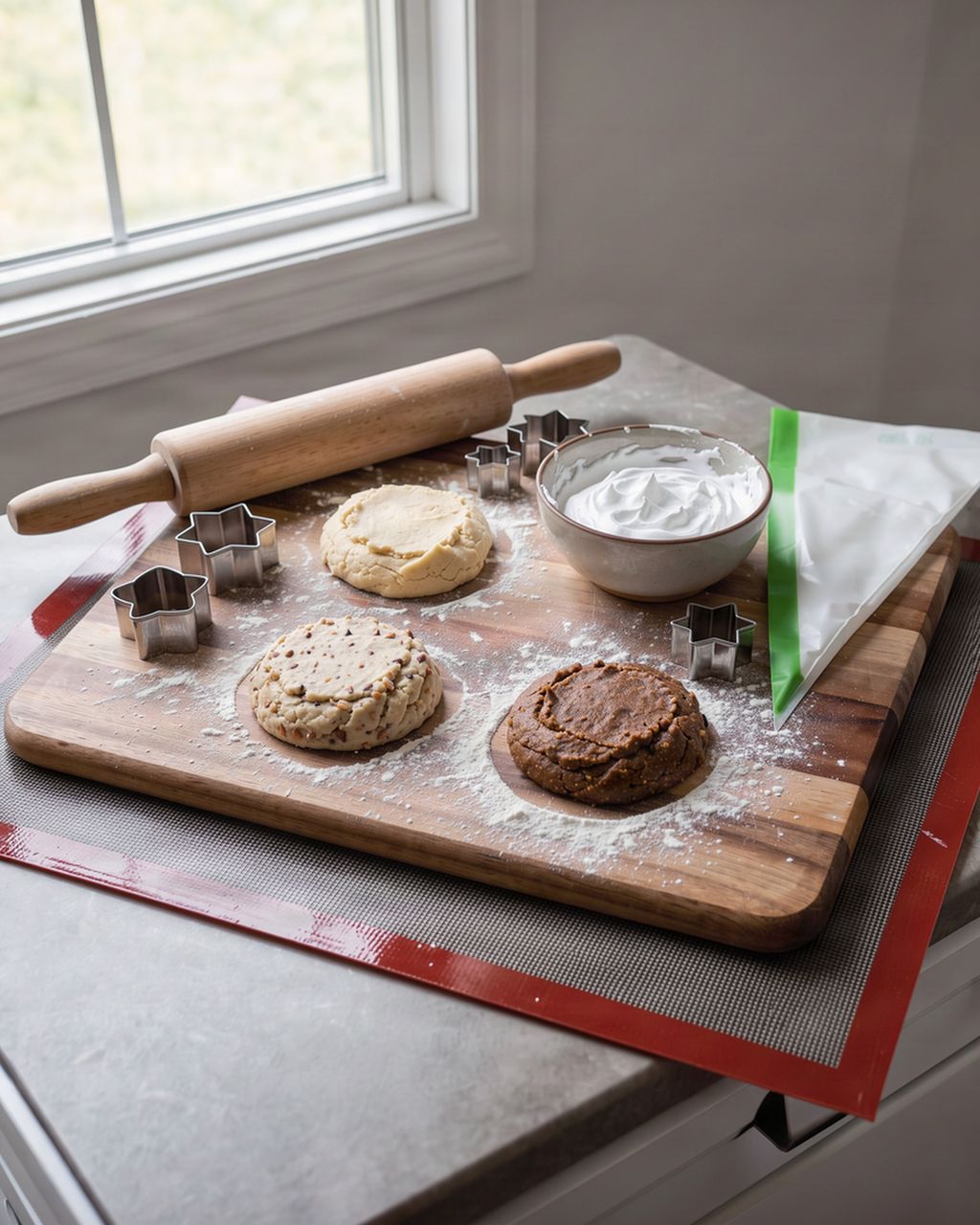
For cocoa linzer cookies, take a classic recipe and swap cocoa for part of the flour using the ratios above. Tender linzer cookies are a good fit. For a finished filled cocoa cookie, see the recipe for cocoa stars with coconut cream. Cocoa dough also pairs well with salted caramel, and you'll find inspiration in the recipe for linzer cookies filled with salted caramel.
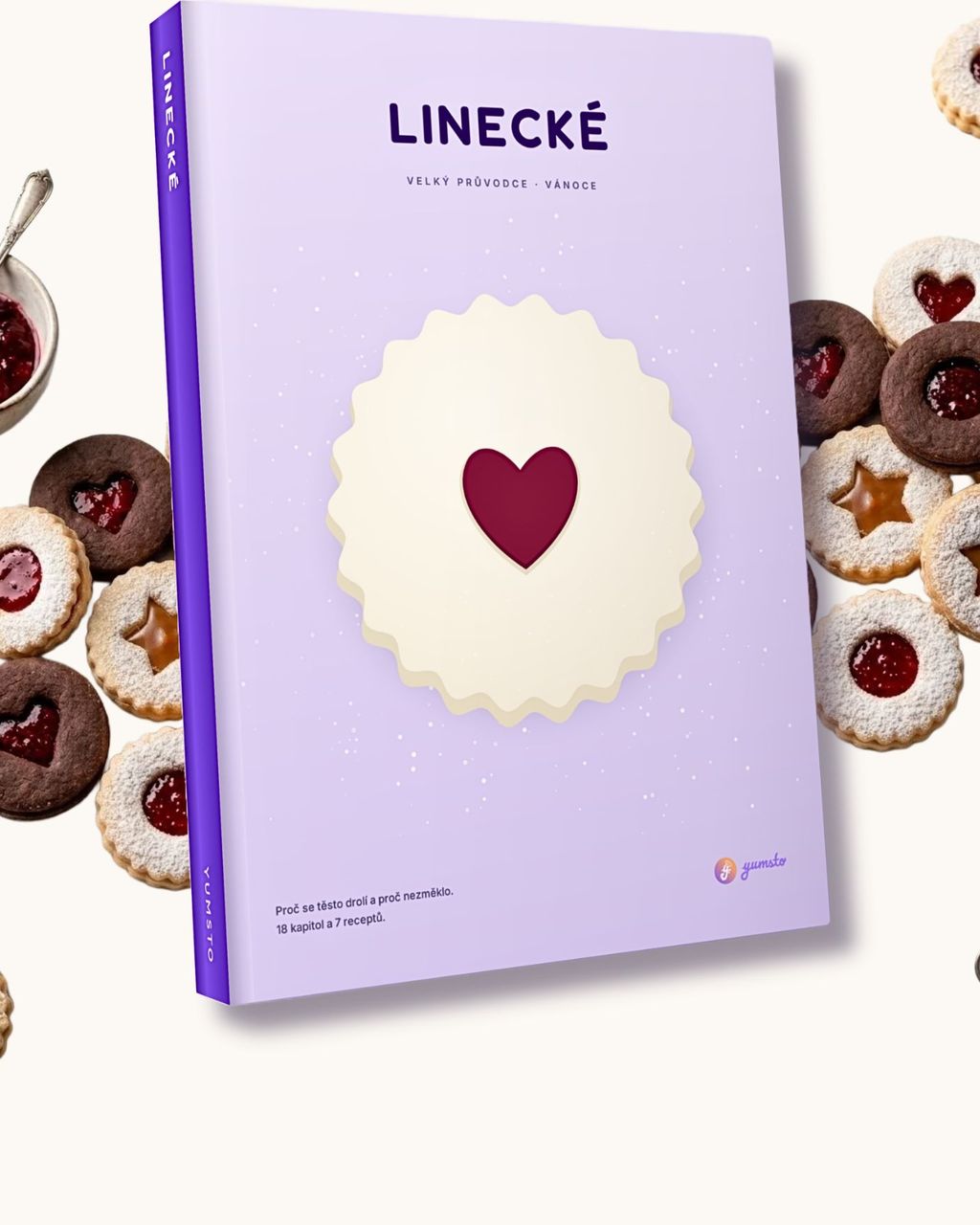
Cocoa linzer cookies are also covered in detail in our E-book Linzer Cookies — The Complete Guide to the Dough. It has eighteen chapters on why dough crumbles, toughens or spreads, and what to do about it.
Cocoa star cookies with coconut cream
Cocoa stars with coconut cream: filled chocolate cookies
A cocoa drink mix such as Granko can't replace cocoa in cookies. It's mostly sugar, with only about a fifth cocoa. The dough turns sweeter and softer, and the color barely changes. If you use it anyway, cut the sugar in the recipe by a matching amount and expect a much weaker chocolate flavor.
Chocolate turns gray when it wasn't tempered, or when the cookies sit somewhere warm or humid. Cocoa butter or sugar then rises to the surface as a gray film. It's safe to eat, it just doesn't look nice. Temper your couverture, or at least don't overheat it: melt dark chocolate only to 31–32 °C (88–90 °F) and milk chocolate to 29–30 °C (84–86 °F). Store the cookies somewhere cool (12–18 °C / 54–64 °F), not in the fridge.
Yes. Cocoa linzer dough keeps in the freezer for up to 3 months, wrapped in plastic. Thaw it overnight in the fridge and knead it briefly before rolling, just until it softens. Don't overwork it, or it will turn tough.
Cocoa linzer cookies need to rest for 2–3 days in an airtight tin, and then they keep for 3–4 weeks in a cool place. While they rest, they soften and the flavors come together. Cookies with ganache or a creamy filling should be eaten within 1–2 weeks. For more on storing linzer cookies, see our article [how long linzer cookies keep](/cs/articles/jak-dlouho-vydrzi-linecke).
One recipe worth heating the oven for, one tip, and one deal from the shop. Nothing else.