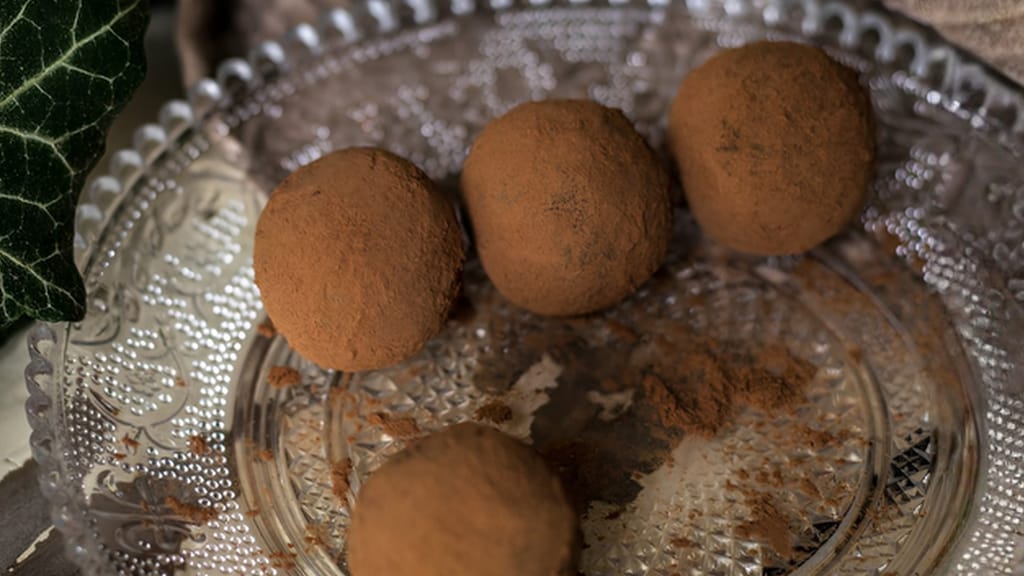
Chocolate peanut butter truffles
Glucose Syrup in Ganache: Why Add It and When to Use Inverted Sugar
Updated Oct 6, 2026
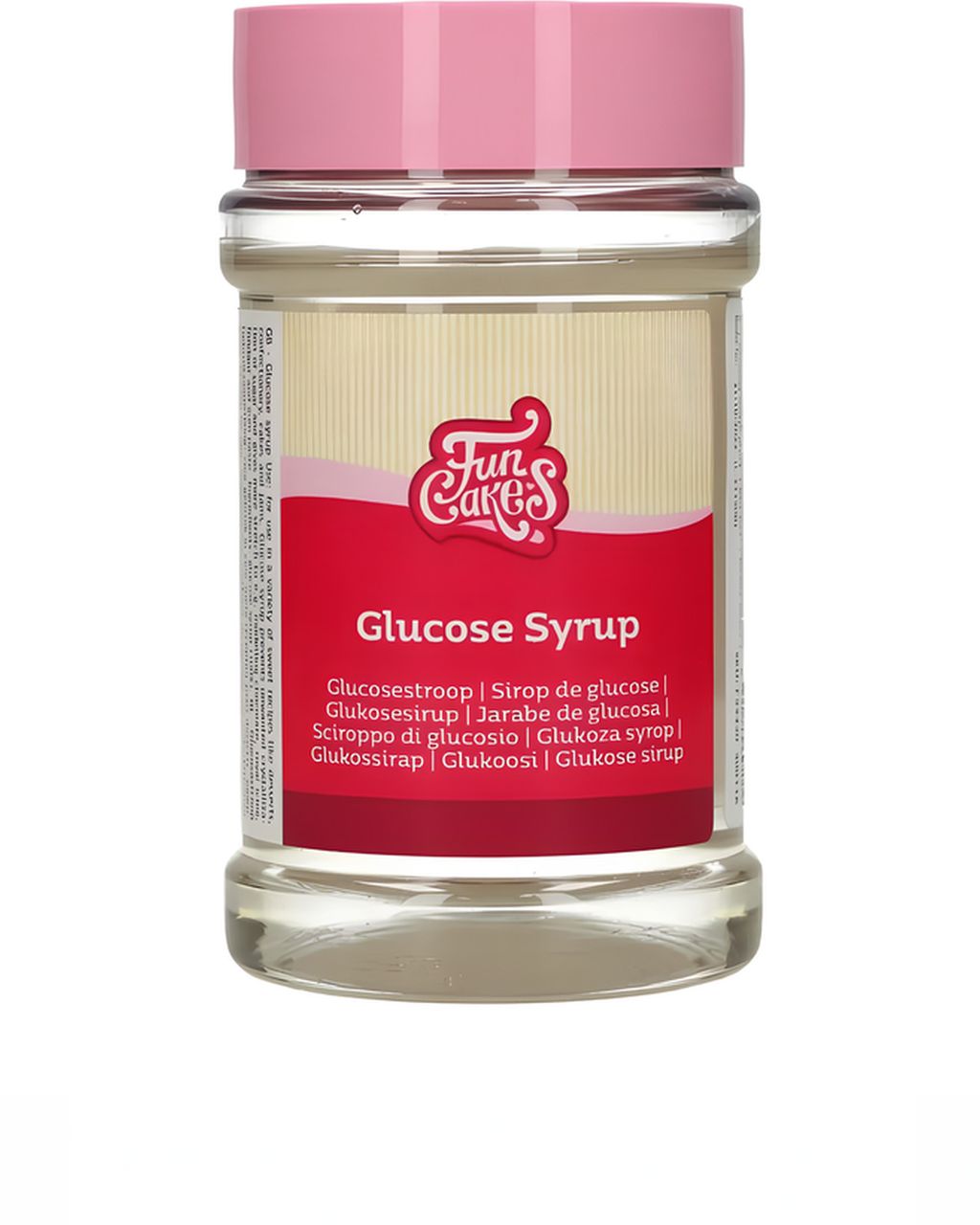
Glucose syrup in ganache stops the sugar from crystallising and binds water, so the ganache stays smooth, glossy and keeps for longer. You only need a little, around 5% of the ganache's total weight. You can absolutely make ganache without it, but with it you get a more stable result that won't turn grainy or dry out. Below you'll find exactly what glucose syrup does in ganache, how much to use, and when inverted sugar is the better choice.
Glucose syrup does four things in ganache: it stops the sugar from crystallising, binds water, holds the texture together, and adds less sweetness than sugar. Here's how, one by one:
Smoothness: the sugar in the ganache doesn't crystallise, so it stays velvety on the tongue instead of grainy.
Shelf life: it binds some of the free water, which means the ganache dries out more slowly and keeps for longer.
Shine and flexibility: the syrup thickens the watery part of the ganache (the cream), so it holds its shape, looks beautifully glossy, and doesn't crack once it cools.
Less sweetness: glucose syrup is roughly half as sweet as regular sugar, so it builds texture without making the ganache cloying.
This matters most for ganache that needs to keep: praline fillings, truffles, or a ganache you're making a day ahead for a cake. If you're still working out your basic ganache ratios, start with Chocolate ganache: ratios, method and uses.
Glucose syrup stops the sugar molecules in ganache from reforming into crystals. The syrup itself is a mix of sugars of different sizes (glucose, maltose, longer chains), and these wedge themselves between the sucrose molecules from the chocolate, keeping the ganache smooth.
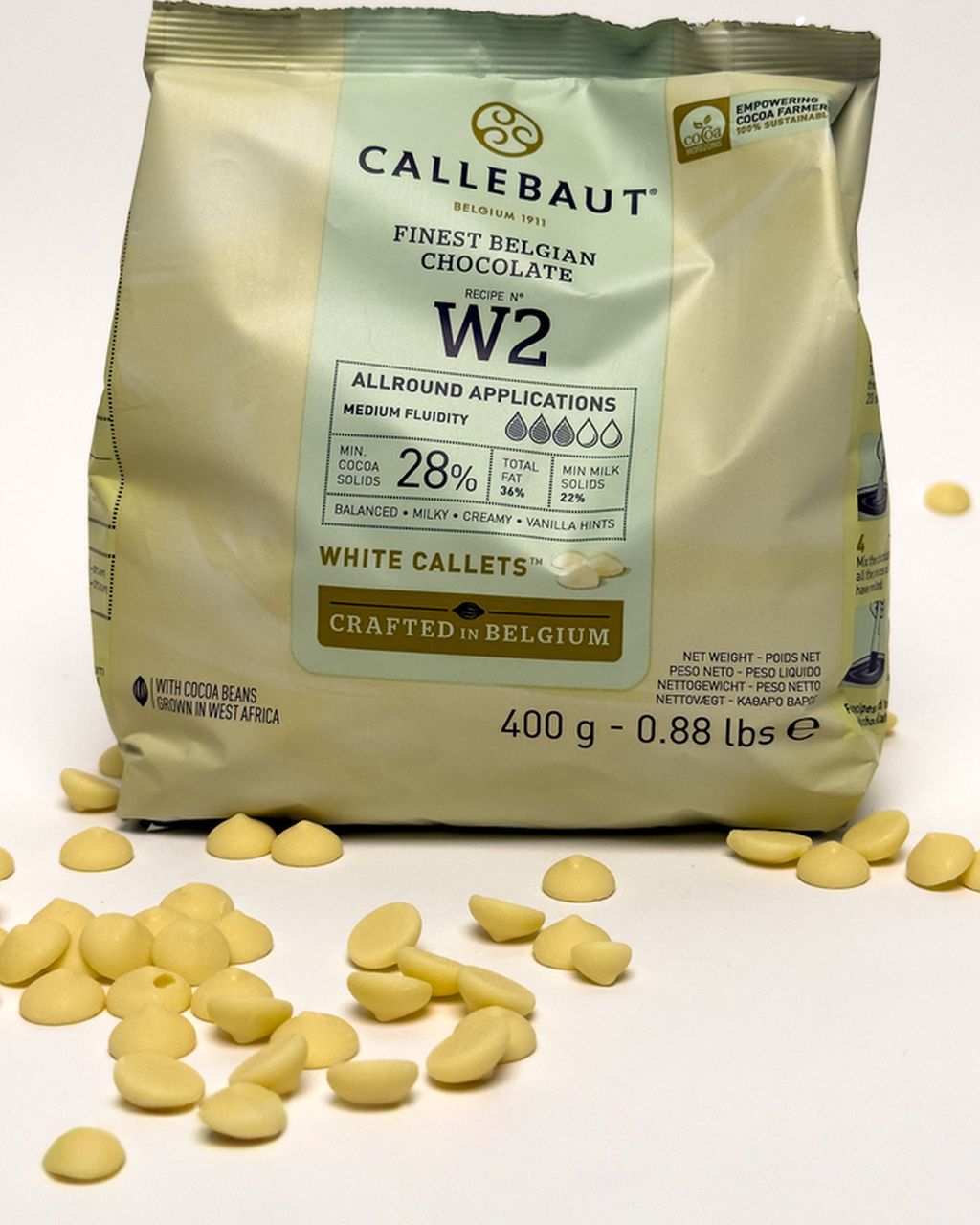
Without it, you'll notice the difference after a few days: the ganache turns dull on the surface, firms up, and feels slightly grainy on the tongue. This shows up most with white and milk chocolate, which contain the most sugar.
Glucose syrup extends shelf life by binding free water, the very water that mould and bacteria need to grow. Pastry chefs measure this as water activity (aw): the lower it is, the longer the ganache keeps. Rough guidelines you'll find in pastry references:
above 0.85: less than 2 weeks
0.85–0.70: 2–6 weeks
0.70–0.65: 6 weeks to 3 months
These figures are approximate and vary by source. A classic cream-and-chocolate ganache sits at the higher end of this scale. Glucose syrup and inverted sugar push it lower, but they won't turn a homemade ganache into a long-life product. At home, keep it chilled and eat it within two weeks, even if it contains glucose syrup.
Add glucose syrup at 3–8% of the total weight of the ganache. Around 5% is the most common amount. For example:
200 g chocolate + 150 g cream = 350 g ganache
5% of 350 g = about 17 g glucose syrup (just under a tablespoon)
Method:
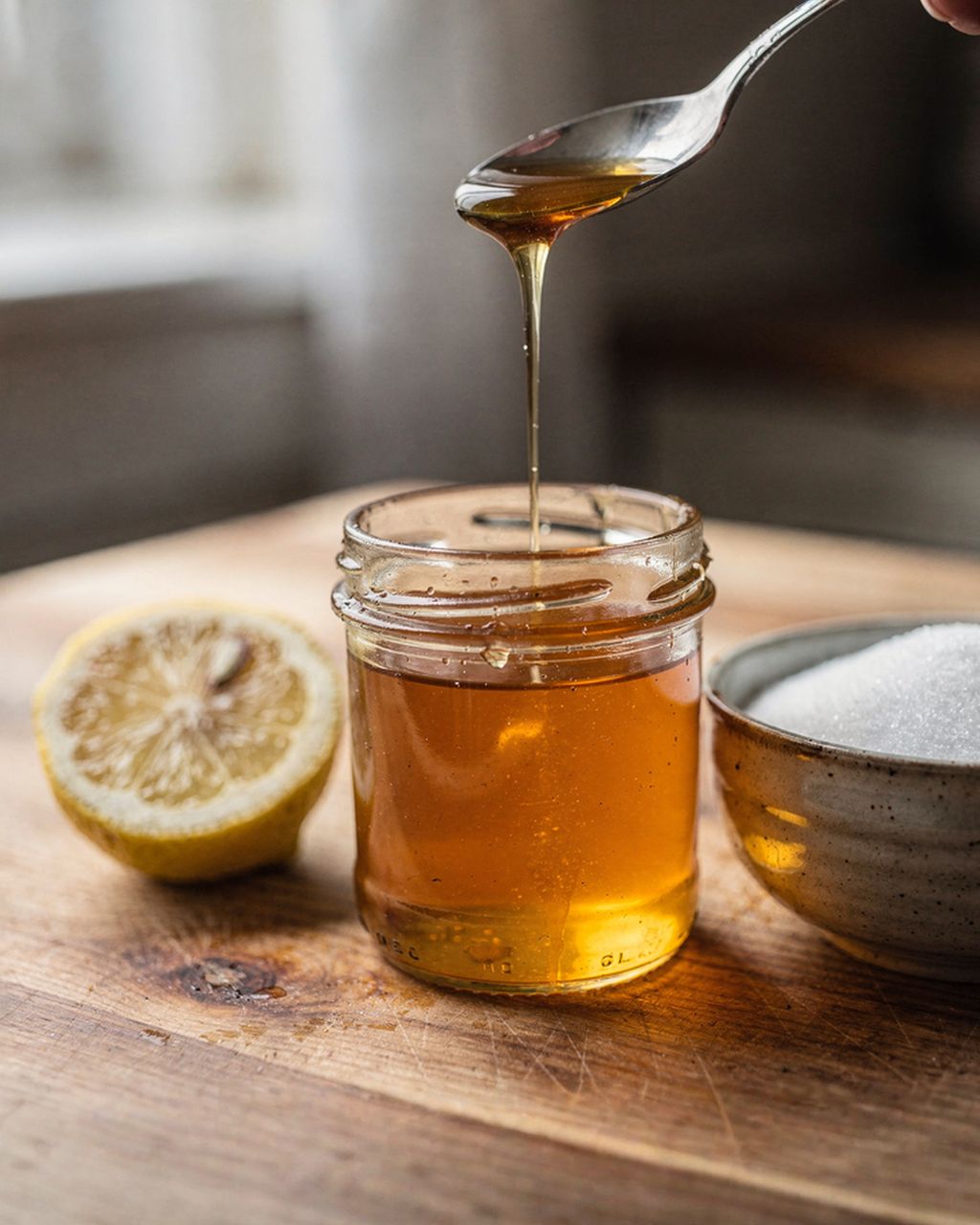
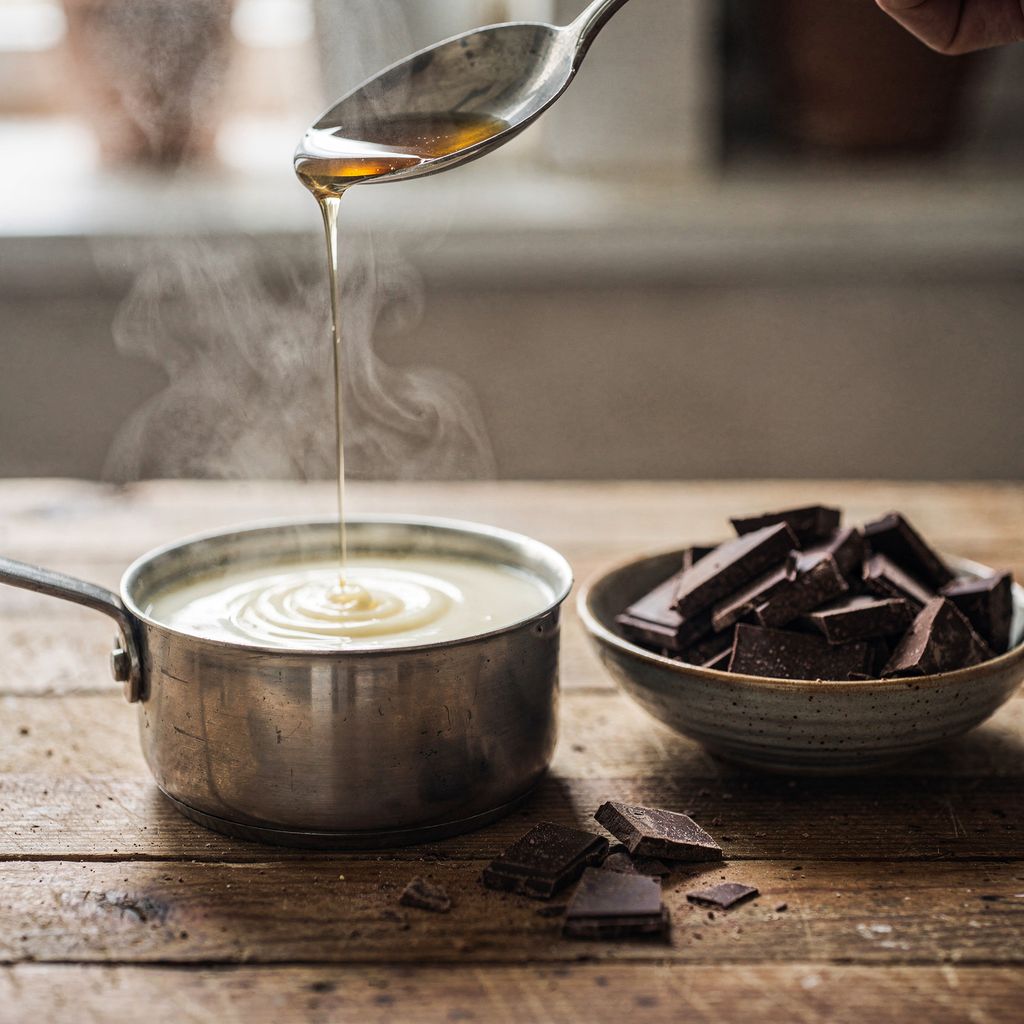
Weigh the glucose syrup straight into the pan set on the scales. If you're using a spoon, dip it in water first so the syrup slides off cleanly.
Pour in the cream and heat them together. The thick syrup will dissolve in a few seconds in warm cream.
Pour the warm cream-and-syrup mixture over the chopped chocolate, leave it to sit for a minute, then stir from the centre outward until it comes together into a glossy emulsion.
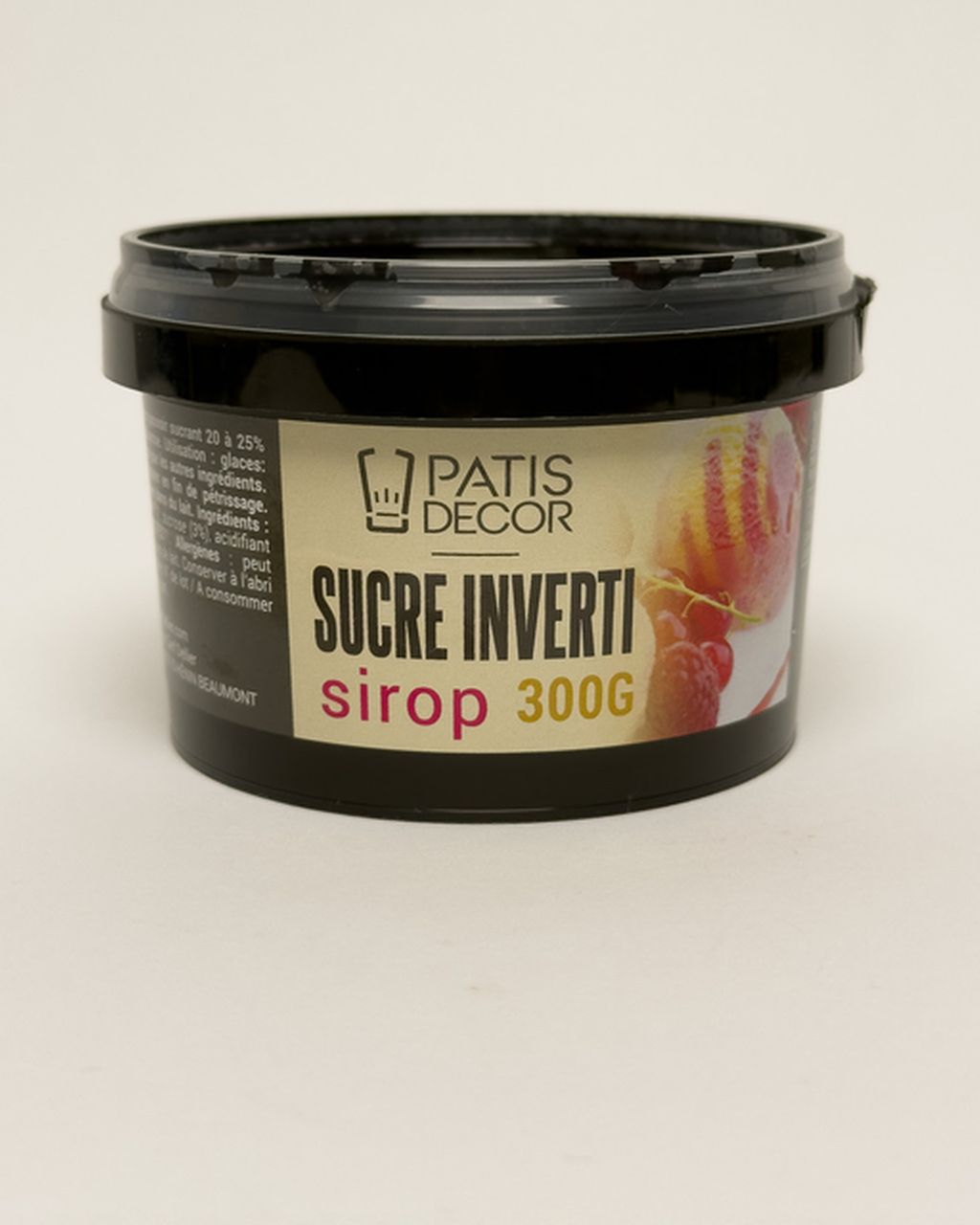
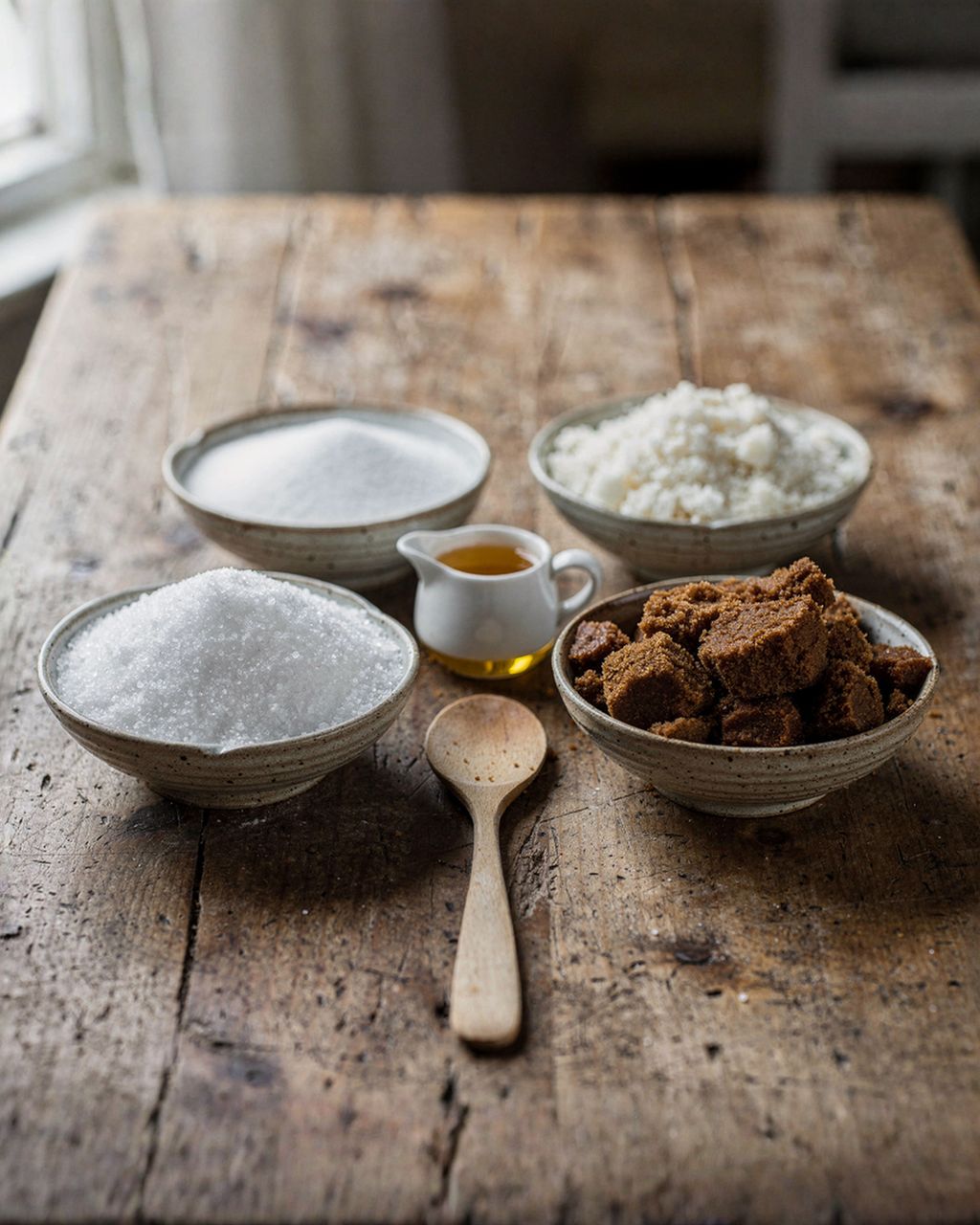
You'll find both glucose syrup and inverted sugar in our baking sugars and syrups category.
Inverted sugar is the better choice when you want the ganache to stay soft and keep for as long as possible, since it binds water even more strongly than glucose syrup. It's sucrose split into glucose and fructose, with sweetness equal to or slightly higher than sugar, and it draws in a lot of moisture, which keeps the ganache from drying out and holds that creamy texture. Read more in Inverted sugar: what it is and why pastry chefs use it.
In practice, the difference comes down to this:
Use glucose syrup when you mainly want smoothness, shine and flexibility without extra sweetness: cake ganache, glazes, whipped ganache.
Inverted sugar suits fillings that need to stay soft and keep well: pralines, truffles, filled bonbons. Just 2–3% of the ganache's weight is enough.
Combining both is standard practice for pralines. For example, 3% glucose syrup plus 2% inverted sugar gives you both smoothness and shelf life.
Go easier on inverted sugar with white chocolate, since it's already very sweet on its own; glucose syrup tends to work better there.
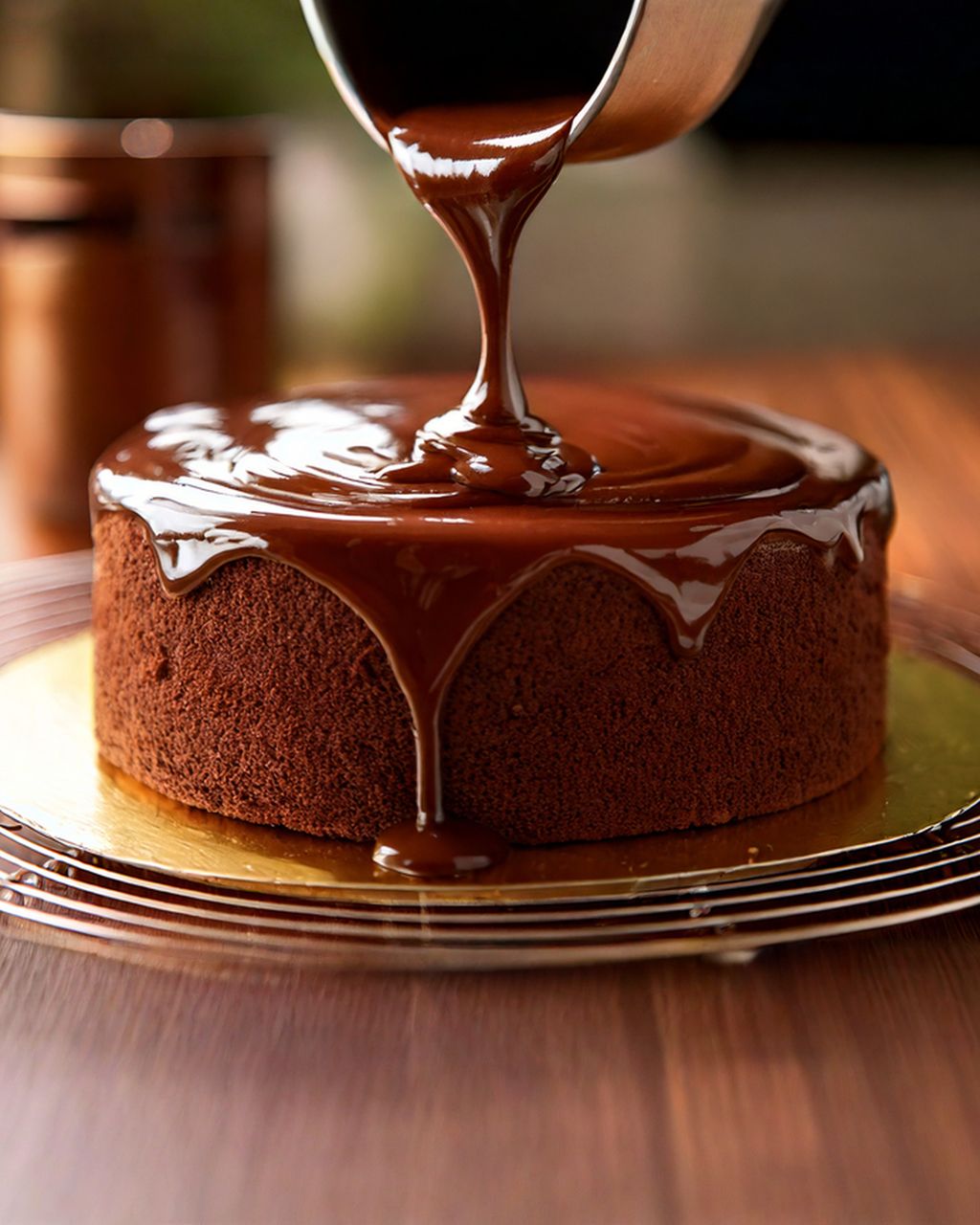
Chocolate peanut butter truffles
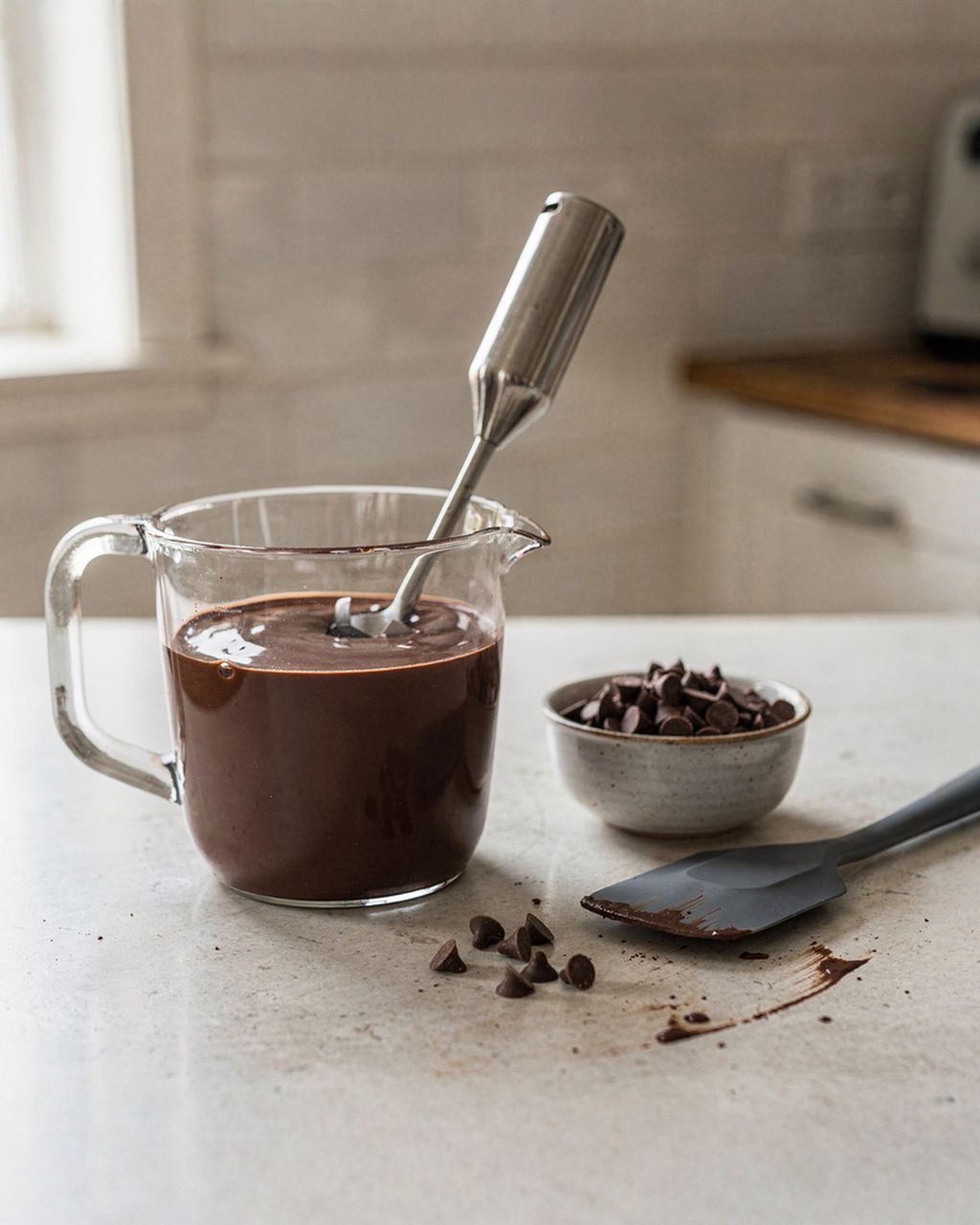
Peanut butter chocolate truffles: a ganache that stays soft even the next day
Overdo the glucose syrup and the ganache turns rubbery, stretchy and sticky. Overdo the inverted sugar and it goes the other way: too soft, overly sweet, and it won't set properly. So keep the amounts low:
Glucose syrup above 10%: the ganache strings off the knife, sticks to your teeth, and won't slice cleanly.
Inverted sugar above 5%: the filling won't set firm enough to slice or roll into balls, and the sweetness overpowers the chocolate.
Too much of both together: the ganache "sweats" moisture and develops a sticky film on the surface.
Glucose syrup won't fix a split ganache. If the fat separates out, that's an emulsion problem, not a sugar problem. Find out how to rescue it in Why ganache splits and how to fix it.
Yes, honey can replace glucose syrup in ganache, but expect a noticeable flavour and more sweetness. Honey is largely glucose and fructose, so it behaves similarly to inverted sugar: it binds water and keeps the ganache soft. Use less of it, around 2–4% of the weight, and choose a mild floral honey so it doesn't overpower the chocolate.
Glucose syrup isn't the same as glucose-fructose syrup, but American light corn syrup can replace it 1:1. Glucose syrup contains glucose and longer sugar chains, with almost no fructose. Glucose-fructose syrup is sweeter and behaves more like inverted sugar. Corn syrup is essentially glucose syrup made from corn; just note that regular Karo also contains a touch of vanilla and salt.
Regular sugar can't replace glucose syrup in ganache, because it crystallises itself and actually encourages graininess. Glucose syrup works precisely because it wedges itself between the sucrose crystals and stops them from growing. If you don't have any, just leave it out and eat the ganache within a few days, or use inverted sugar or honey instead.
Yes, glucose syrup works well in vegan ganache (for example made with coconut milk or a plant-based cooking cream) and in ganache made with water. Use it at the same ratio, around 5% of the weight. Ganache made with water or fruit purée has more free water than a cream-based one, so glucose syrup helps with both smoothness and shelf life, but still store it in the fridge and eat it within a few days. Glucose syrup is made from starch, so it's plant-based.
Store opened glucose syrup and inverted sugar well sealed at room temperature, somewhere dry and out of direct light. In the fridge they'd thicken up and become harder to measure out. Wipe the neck of the bottle after use so the syrup doesn't get sticky or pick up moisture. Check the packaging for the use-by date.
One recipe worth heating the oven for, one tip, and one deal from the shop. Nothing else.