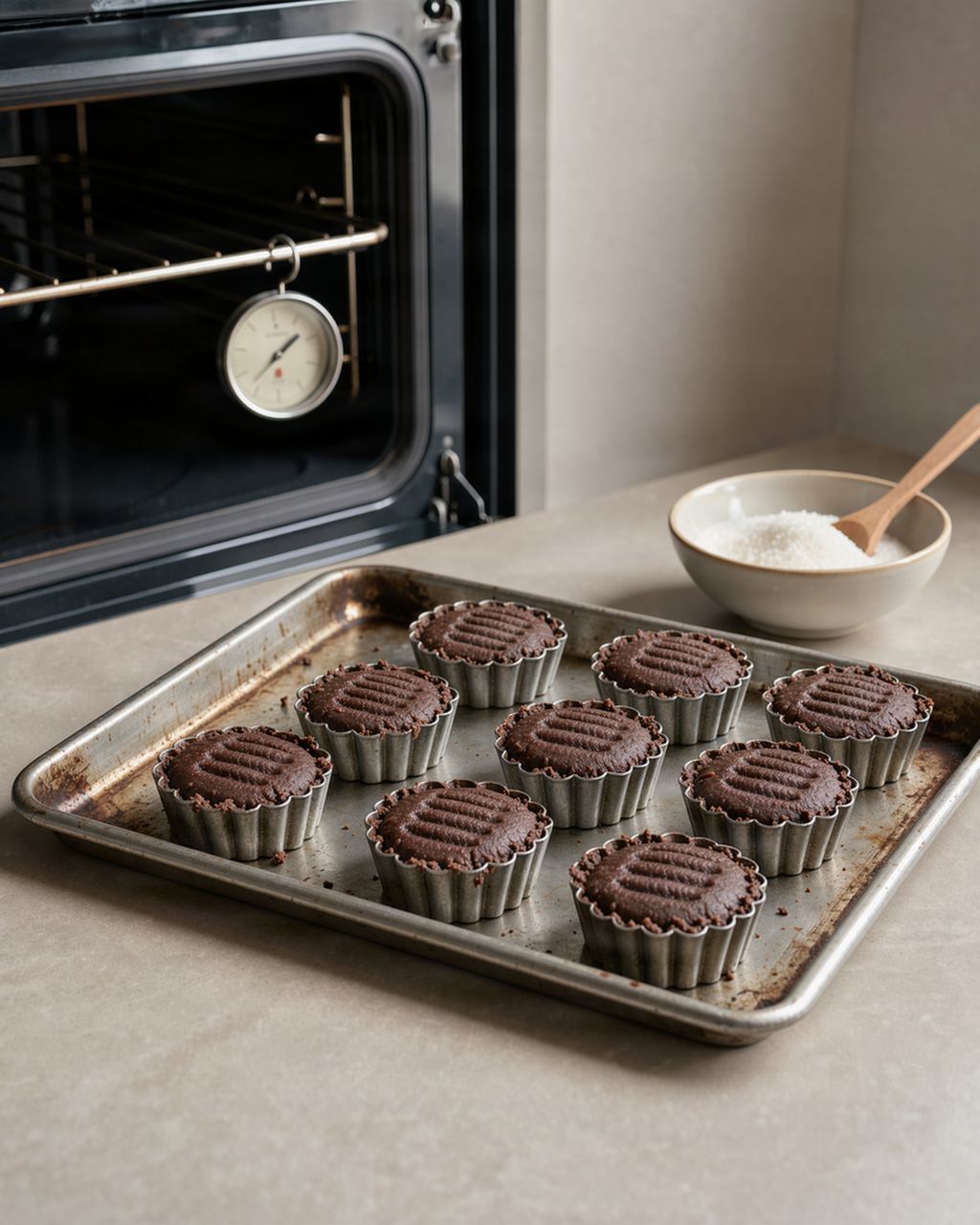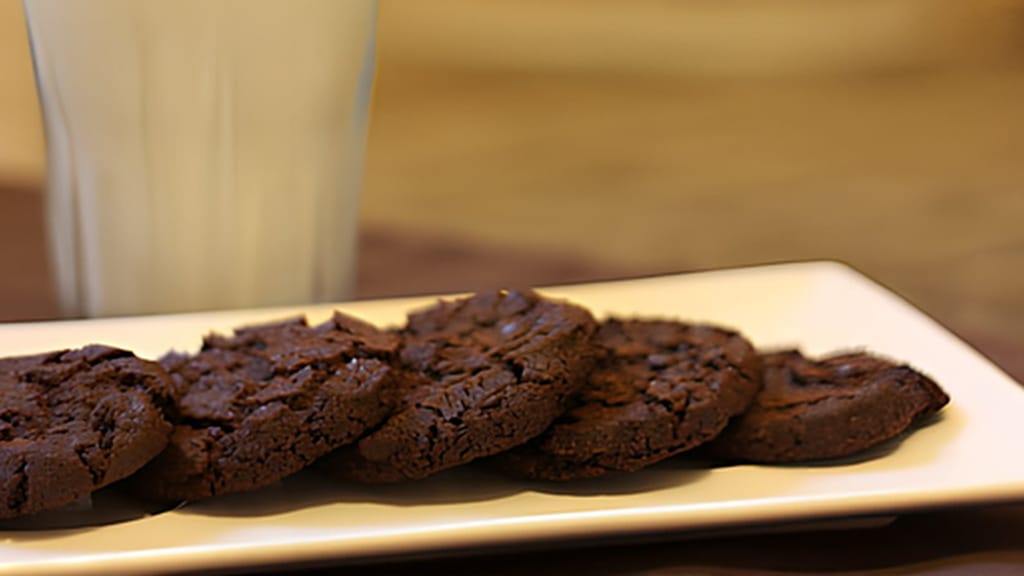
Chocolate chip cookies with fleur de sel
Cane Sugar in Baking: Flavor, Moisture and Coconut Sugar
Updated Oct 17, 2026
Cane sugar in baking isn't just a "better" white sugar. It's a different ingredient, and you choose it for flavor and texture. Dark cane sugar contains molasses, which holds on to water, so your batter stays moister, bakes up darker and picks up notes of caramel and licorice. It has practically the same calories as white sugar. Below you'll find how to spot truly unrefined sugar, when to swap it 1:1 in a recipe and when you'd better not, and what coconut sugar can really do in baking.
Cane sugar differs from white mainly in its molasses content. White sugar is practically pure sucrose (over 99.7%), while light brown sugar is around 95–97%. Dark unrefined sugars such as muscovado or panela have noticeably less sucrose, because more molasses and water remain in them. Both white and light brown sugar have 380–390 kcal per 100 g.
Dark cane sugar carries trace minerals from the molasses. According to the USDA database, brown sugar has roughly 83 mg of calcium, 133 mg of potassium and 0.71 mg of iron per 100 g, while white sugar has almost none. On paper that sounds good, but one teaspoon (about 5 g) gives you only 4 mg of calcium. So you can't count on it as a source of calcium.
The WHO recommends that free sugars make up less than 10% of daily energy, ideally under 5% (about 25 g a day). White, cane and coconut sugar, honey and syrups all count toward that limit. So buy cane sugar for its flavor and texture.
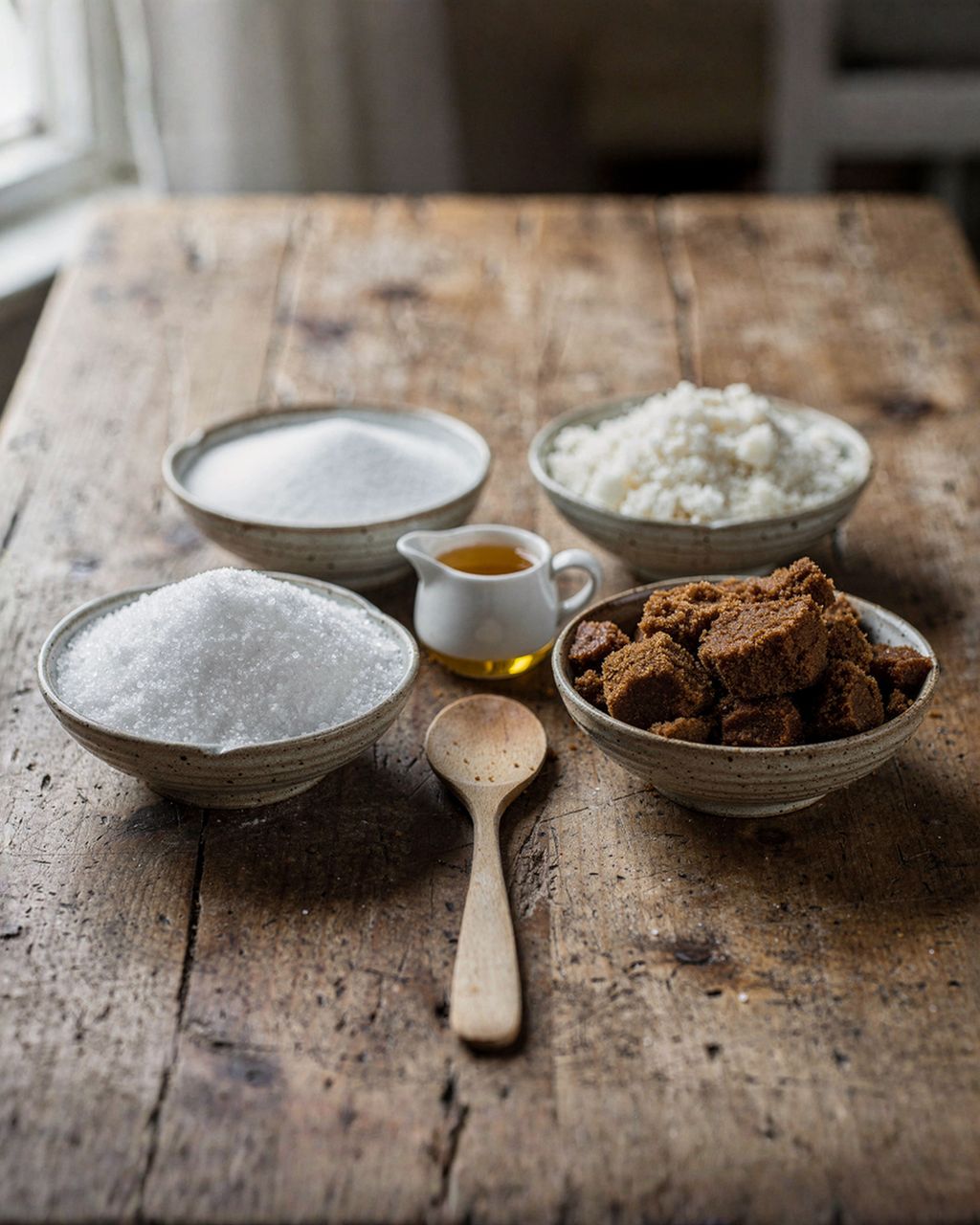
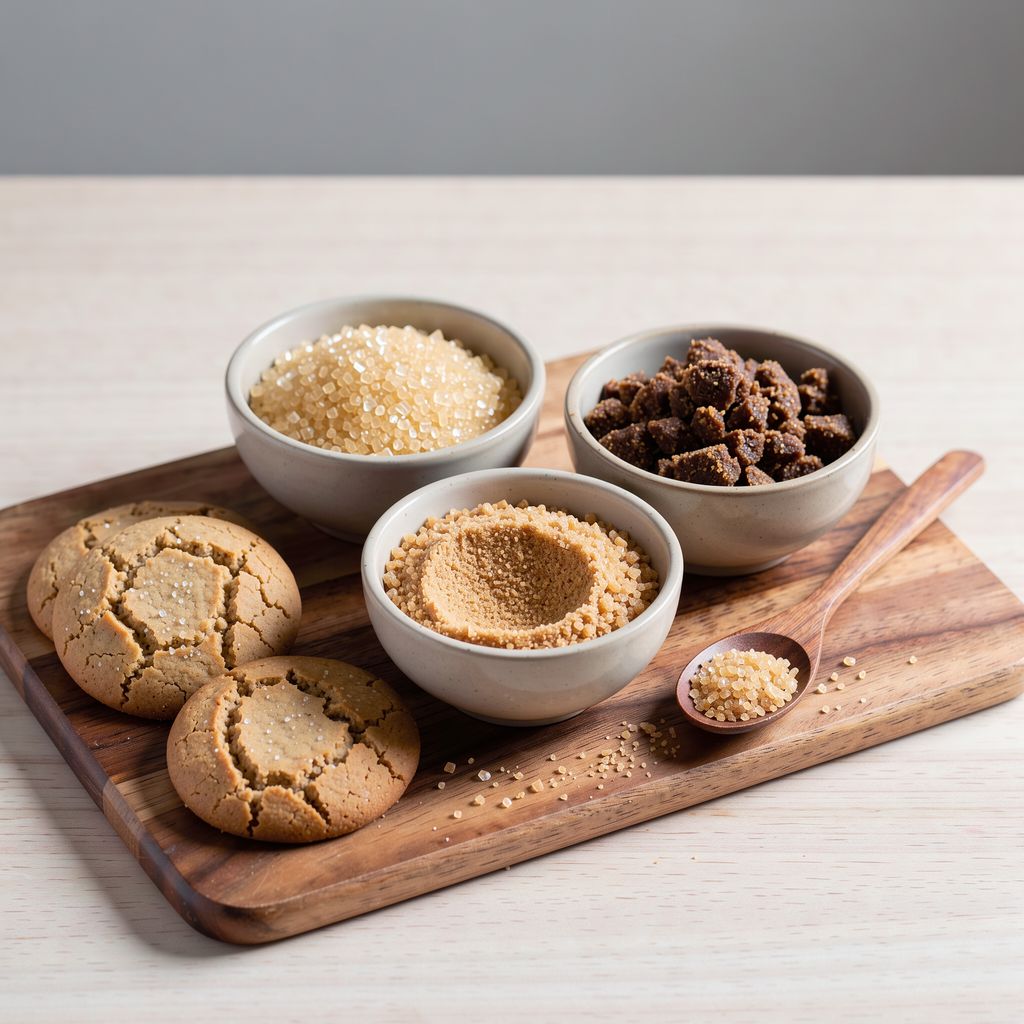
You can buy cane sugar in five forms: white cane sugar, demerara, muscovado, panela/rapadura/jaggery, and brown sugar. The word "cane" on its own says nothing about whether the sugar is refined. Flavor and behavior in batter are decided by the amount of molasses, not by the plant the sugar comes from. The types differ like this:
White cane sugar: fully refined, and in a batter you can't tell it from beet sugar crystals.
Demerara: pale, dry, coarser grains with 1–2% molasses. It has a mild caramel flavor and works best for sprinkling on top and for a crunchy crust.
Muscovado (dark cane sugar): a moist, sticky sugar with 8–12% molasses. It tastes distinctly of caramel and licorice with a hint of smokiness, and baked goods made with it brown the most.
Panela, rapadura, jaggery: concentrated, dried cane juice from which the molasses was never separated. It comes in blocks or as a loose powder and has the earthiest flavor.
Brown sugar: often white sugar (even beet sugar) with molasses added back on. It behaves much like light cane sugar.
On the package, look for the word unrefined and check the color and moisture. The darker and stickier the sugar, the more molasses it contains. The differences between granulated, caster and powdered sugar are covered in types of sugar in baking. You'll find all the sugars and syrups you can bake with together in the sugars and syrups category.
Dark cane sugar changes a batter in four ways: baked goods turn out moister, darker, more caramelly and they spread more. Molasses is behind all of it, and the more of it a sugar has, the stronger the effect.
Baked goods made with dark cane sugar are moister because the molasses in it attracts and holds water (it is hygroscopic). Muscovado contains more water than white sugar and keeps its moisture even after baking. That's why cookies come out chewy instead of crisp, and gingerbread cookies or Bundt cake dry out more slowly. Try it in soft honey gingerbread cookies or in a spiced orange Bundt cake with almonds and cinnamon.
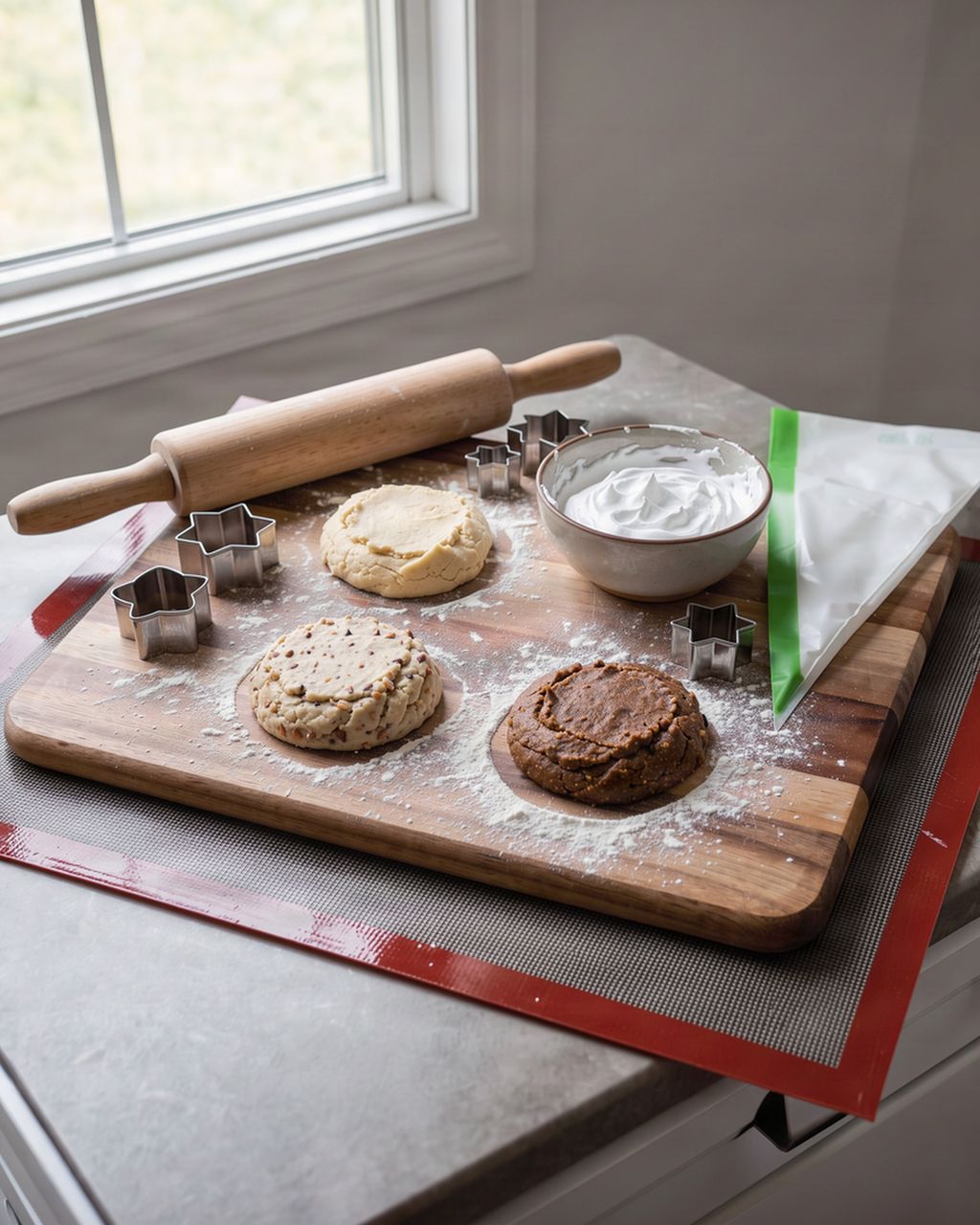
There's a flip side. Dough made with dark sugar tends to be softer and stickier, so chill it in the fridge for at least 30 minutes before rolling. Baked goods made with it also stay crisp less well, because in the cookie tin they draw moisture from the air.
Baked goods made with dark cane sugar brown faster and pick up a caramel flavor because, besides sucrose, molasses also contains a little glucose and fructose. These brown sooner and more deeply in the oven, so the crust darkens faster. If you use muscovado instead of white sugar in a light batter, check your bake 3–5 minutes earlier than the recipe says so you don't burn the edges.
In terms of flavor, muscovado overpowers delicate aromas. It masks vanilla, citrus zest or the buttery taste of linzer cookies, but it pairs best with cinnamon, ginger, cocoa, coffee, nuts and rum.
Molasses is mildly acidic, so in a wet batter it reacts with baking soda, and the reaction finishes in the oven. Carbon dioxide is released in the process. That's why American brown sugar cookie recipes are leavened with baking soda rather than baking powder. The cookies spread more as a result and have a fluffier center with a crisp edge. What to do if they spread too much is covered in why cookies spread on the baking sheet.
In a typical Czech recipe made with baking powder, you don't need to worry about changing the leavening. Add baking soda only if the recipe explicitly calls for it.
You can replace white sugar with cane sugar 1:1 by weight, but the flavor and texture will change. Always weigh in grams, not cups: moist muscovado packs down, so the same volume holds more of it than of white sugar.
If you're not sure how it will turn out, start with half and half: swap half of the white sugar for dark. You'll get the caramel flavor and moistness, without the batter spreading or browning more than you want.
Where cane sugar works well:
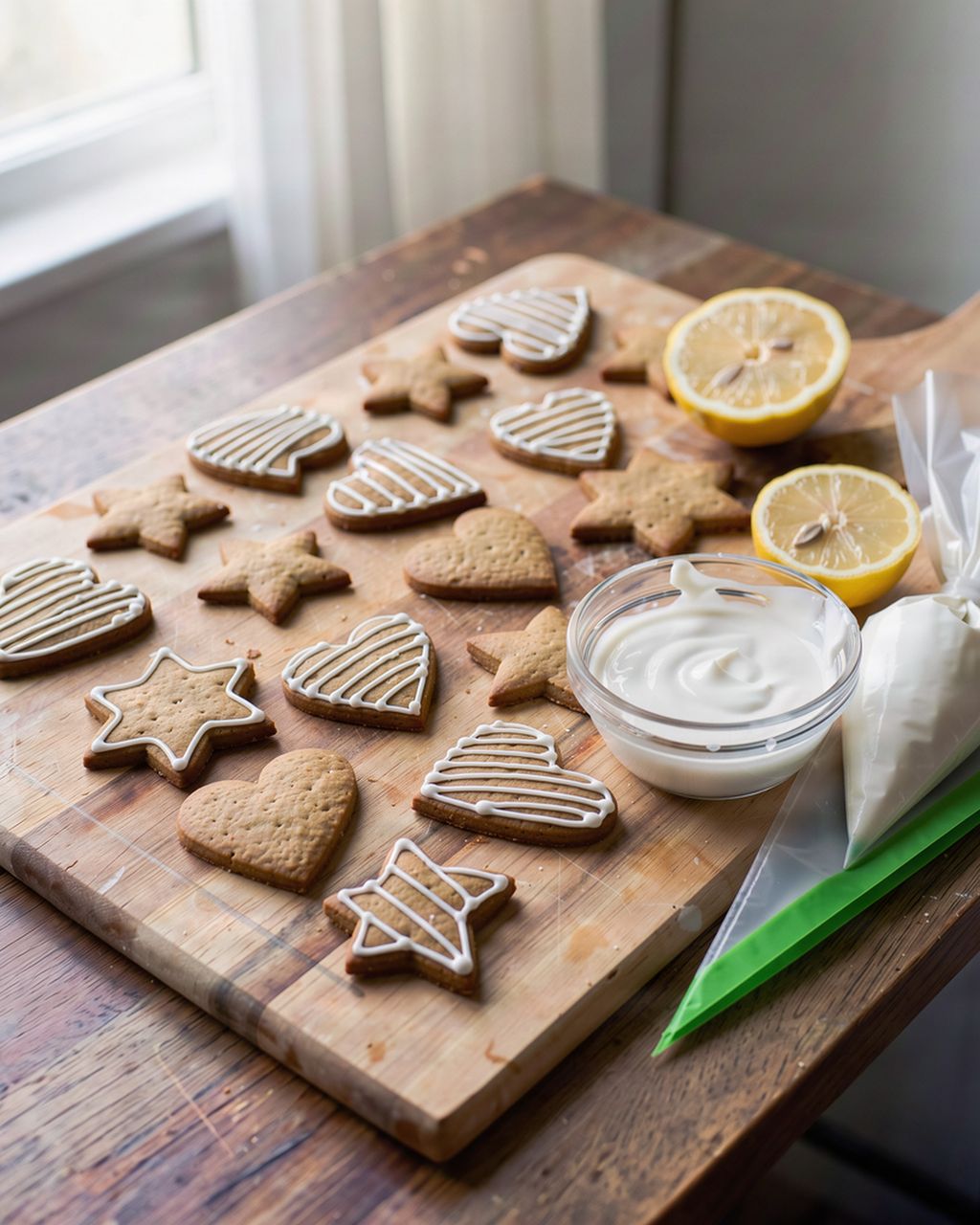
gingerbread and gingerbread cookies: dark sugar goes with the spices and helps keep things moist, try it in soft gingerbread cookies
chocolate cookies: in chocolate cookies with fleur de sel, swap half the sugar for muscovado and they'll be chewier
moist cakes with fruit and vegetables: pumpkin pie with cane sugar, carrot or apple cake, banana bread and brownies
crumble and toppings: demerara doesn't dissolve completely in the oven and forms a crunchy crust
wet caramel and caramel sauce (where you cook the sugar with water or cream), for example homemade caramel sauce with 4 ingredients, and also marinades and roasted vegetables
Where to stick with white sugar:
sponge cake and roulade: moist sugar is harder to whip with egg yolks, so the batter has less volume and a darker color. Why low sponge volume is a problem is covered in collapsed sponge cake layers
meringues and macarons: moisture and the invert sugars from molasses (glucose and fructose) make the egg-white foam heavier and sticky, and meringues brown quickly in the oven
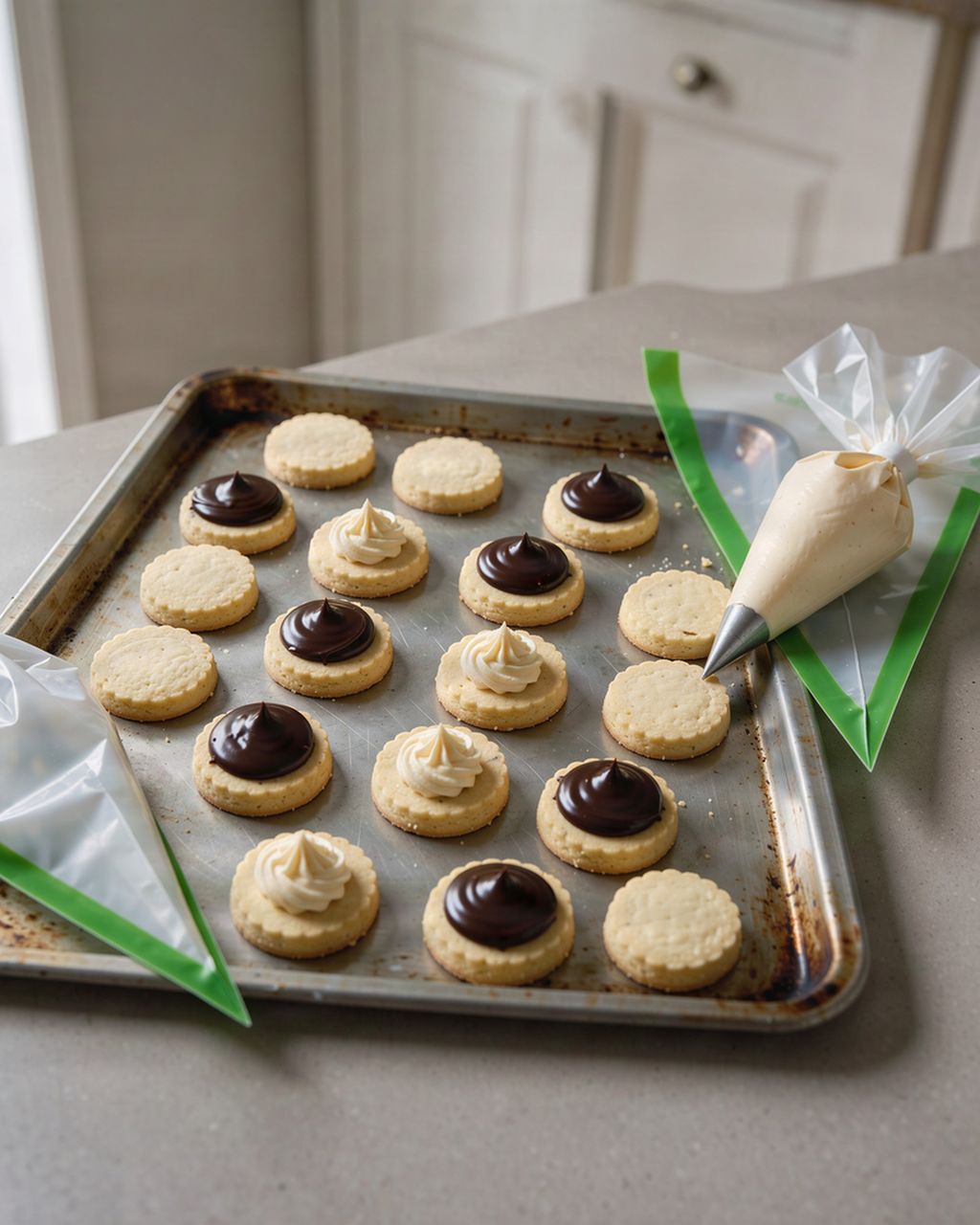
linzer cookies and vanilla crescents: they need a clean buttery taste and a pale color, so make classic shortbread-style linzer cookies and vanilla crescents with white sugar. Dark sugar also makes linzer dough spread, see why linzer cookies spread when baking
dry caramel (just sugar in a pan, no water): dark sugar is brown from the start, so you can't tell by color when the caramel is done, and the molasses burns easily
creams, fondant and icing: coarse demerara dissolves poorly in them, and the molasses tints the cream from beige to brown
Delicate batters need a fine grain. So blitz demerara or panela briefly in a blender first, otherwise the grains will still crunch between your teeth in the baked cookies.
Chocolate chip cookies with fleur de sel
Chocolate cookies with fleur de sel: swap half the sugar for muscovado and they'll be chewier
Coconut sugar is made from the concentrated sap of coconut palm blossoms. Palm sugar is a broader term for sugar made from the sap of various palms, such as arenga or palmyra. In Asian shops you'll find it as gula melaka or jaggery. On Czech packaging the two names are often used interchangeably. For baking it doesn't matter, as both behave similarly.
Coconut sugar is mostly sucrose (roughly 70–90%, depending on the source), and the rest is mainly glucose and fructose in single-digit percentages. In composition, coconut sugar differs from white less than the packaging suggests: it too is mostly sucrose, it has the same calories as white sugar, and in a recipe it's still sugar. It tastes of caramel and toffee and is a bit drier than muscovado. Here's how to handle it in baking:
Swap it 1:1 by weight for white or light cane sugar. The batter will darken and pick up a caramel flavor.
When you use it in place of muscovado, add 1–2 tablespoons of liquid (milk or water) for every 200 g of sugar, otherwise your bake will be drier and denser.
It browns sooner than white sugar, because glucose and fructose caramelize at a lower temperature. Lower the oven by 10 °C (about 20 °F) or start checking your bake 3–5 minutes earlier.
Blocks of palm sugar should be grated or dissolved in a little of the warm liquid from the recipe before use.
So choose coconut sugar when you like its caramel flavor.
Cane sugar hardens when its moisture evaporates and the molasses glues the crystals into lumps. Put a slice of apple or a piece of bread crust in an airtight container with it, and it will soften by the next day. If you're in a hurry, microwave it for 20–30 seconds under a damp paper towel. To keep it from hardening again, store it in a well-sealed container.
Not cane sugar itself, but you can mix a brown sugar substitute from white sugar and molasses. For 200 g of sugar, add about 1 tablespoon of molasses for light brown sugar and 2 tablespoons for a dark one like muscovado. Work it with your fingers or a fork until the color is even. In a batter it then behaves almost exactly like store-bought brown sugar.
Yes, yeast processes cane sugar just as well as white sugar, so the dough rises normally. Vánočka or sweet buns made with it will be darker and more caramelly, though, and the crust will brown sooner. For a classic pale vánočka, white sugar is the better choice.
To make powdered sugar from cane or coconut sugar, blitz it for 20–40 seconds in a high-powered blender or a coffee grinder. You get a brown powder that works well in batters and creams with cocoa or coffee. It isn't suitable for white icing or decorating, because the icing will stay beige and damper.
A teaspoon of cane sugar, about 4–5 g, has roughly 15–19 kcal, the same as a teaspoon of white sugar. The difference between them is a matter of tenths of a calorie, so when counting energy you can safely treat them as the same ingredient.
One recipe worth heating the oven for, one tip, and one deal from the shop. Nothing else.