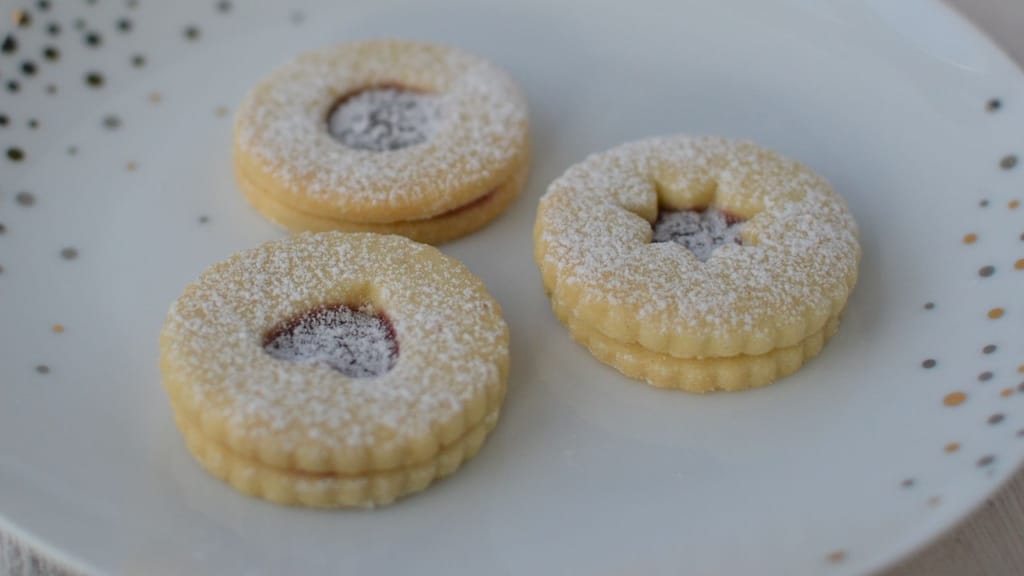
Classic christmas cookies: delicate linzer cookies
Christmas Cookie Dough: Linzer, Nut, Coconut and Gingerbread — What Each Is For and How They Differ
Updated Oct 27, 2026
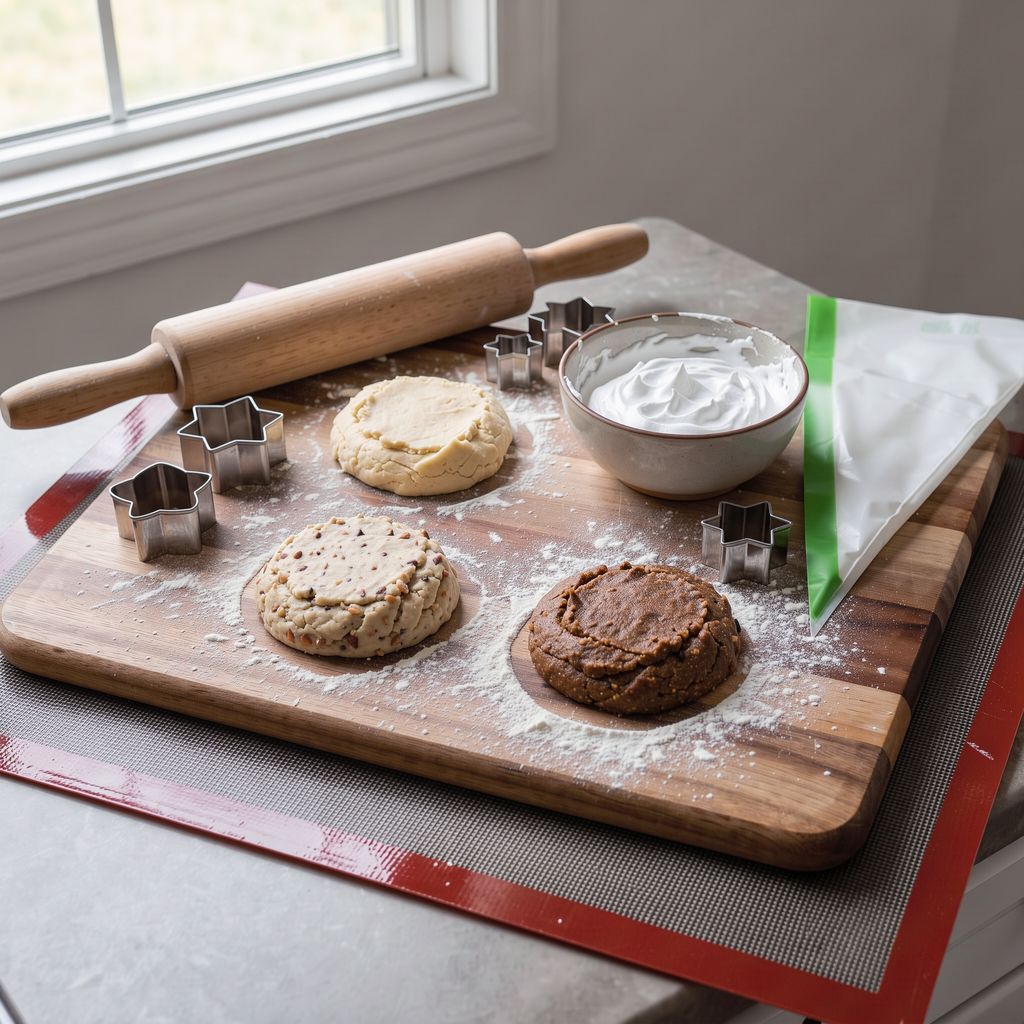
Christmas cookie dough comes in four basic types, and almost every holiday cookie starts from one of them: Linzer-style shortbread dough (flour : butter : sugar in a 3 : 2 : 1 ratio), nut dough (part of the flour replaced with ground nuts), coconut dough (whipped egg whites with sugar and coconut, no flour) and gingerbread dough (honey, spices and resting time). Once you know what holds each dough together, you don't need to learn twenty recipes — just four principles and a few tweaks.
There are four basic cookie doughs, and they differ mainly in what holds them together:
Linzer-style dough — held together by butter and flour. The ratio of flour : butter : sugar is 3 : 2 : 1, bound with egg yolk. Tender and crumbly; you roll it out and cut it into shapes.
Nut dough — a Linzer base in which ground nuts replace a quarter to a third of the flour. Even more tender, softer and more fragrant, and it's shaped by hand more than rolled.
Coconut dough — no flour and no butter. It's held together by whipped egg whites with sugar, and the coconut gives it body. It bakes low and is more dried than baked.
Gingerbread dough — held together by honey and egg, leavened with baking soda and flavored with spices. It has to rest, and it only turns soft after a few days.
The first two are related (buttery, tender doughs), coconut dough is really a foam, and gingerbread stands on its own. From one batch of Linzer dough you can make a nut and a cocoa variation, and use the leftover egg whites for coconut macaroons; gingerbread dough is always made separately.
Linzer dough is 300 g plain flour, 200 g cold butter, 100 g powdered sugar and 1–2 egg yolks — that's a flour : butter : sugar ratio of 3 : 2 : 1. Lots of fat and little water means almost no gluten forms, which is exactly why Linzer cookies are tender rather than tough. A whole egg would bring water from the white into the dough and the cookies would turn hard — we explain why only the yolk belongs there in the article Linzer dough and the egg yolk.
You can bake these from Linzer dough:
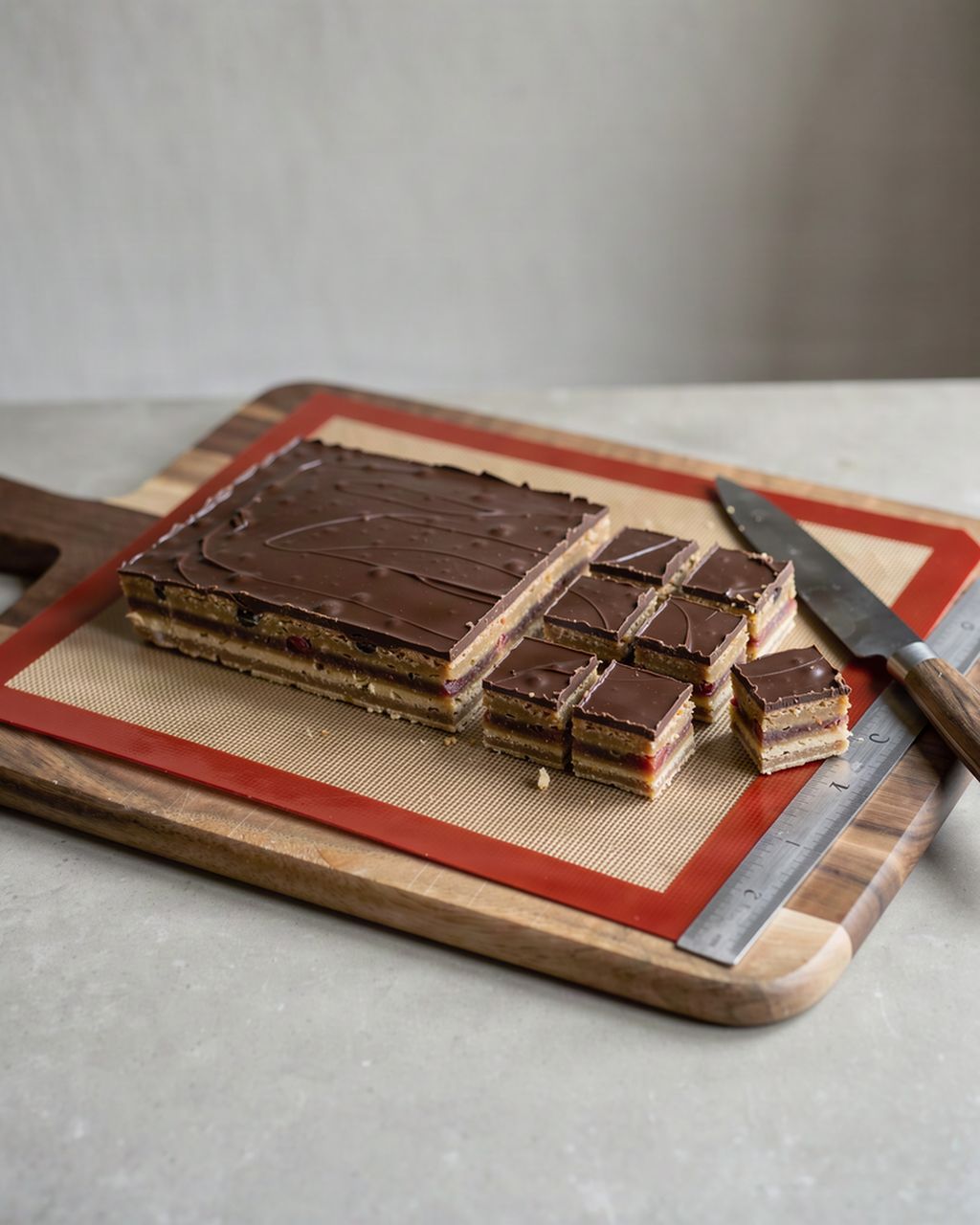
sandwich Linzer cookies with jam — for example classic tender Linzer cookies or Linzer cookies filled with salted caramel,
cut-out stars and hearts for decorating,
little baskets and wasp's nests pressed into small molds — for how to make the dough itself, see the article Dough for wasp's nest cookies, and you'll find an unconventional variation in the recipe white chocolate wasp's nests with mango and passion fruit,
two-tone and marbled cookies.
The dough needs at least 30–60 minutes in the fridge, otherwise it sticks and spreads on the baking sheet. Roll it out to 2–3 mm (about 1/10 inch). We've written up how to adjust the ratio for a nut or egg-free version in the in-depth guide Linzer dough 3:2:1; if your dough is crumbling, Linzer dough crumbles: why and how to rescue it will help. And how to decorate finished Linzer cookies is covered separately in the article What to decorate Linzer cookies with.
Classic christmas cookies: delicate linzer cookies
Classic tender Linzer cookies made with 3:2:1 dough
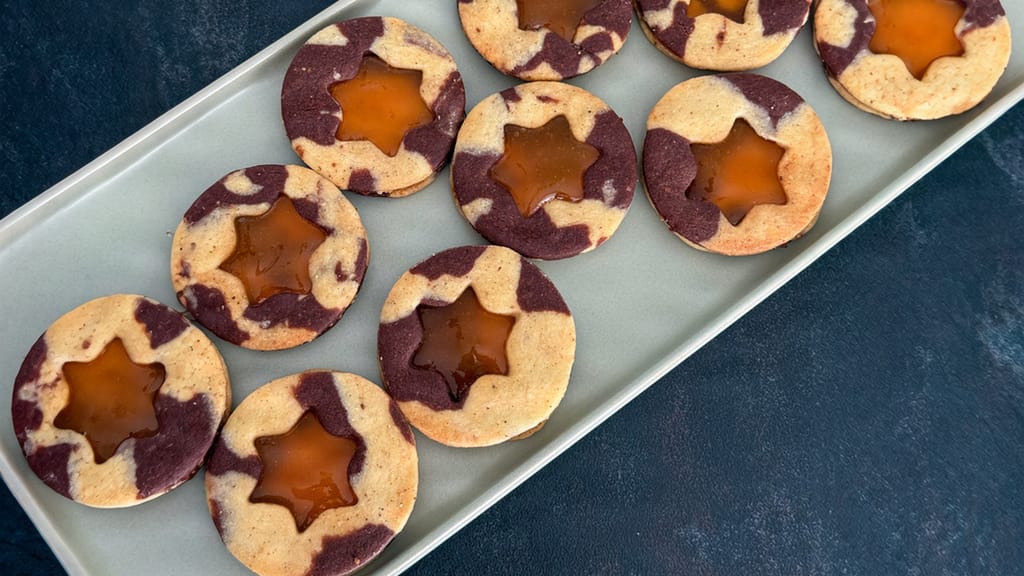
Marbled linzer cookies with vanilla and cocoa dough
Marbled Linzer cookies made from light and cocoa dough
Nut dough is what you get when you replace 25–33% of the flour in the Linzer base with finely ground nuts — so for 300 g of flour, roughly 80–100 g of nuts. Nuts contain no gluten but do have their own fat (walnuts around 65%, hazelnuts around 60%), so the cookies are more tender and melt in your mouth. The price: the dough is soft, harder to roll and cracks more.
What that means in practice:
More nuts, less butter. If you go over a third nuts, cut 10–20 g of butter, otherwise the cookies will spread on the baking sheet.
Chill longer — at least an hour, ideally overnight.
Shape by hand, not with a rolling pin: crescents, balls, and "paws" pressed into molds.
Toast the nuts (160 °C / 320 °F, 8–10 minutes, then cool and grind). The flavor is noticeably deeper.
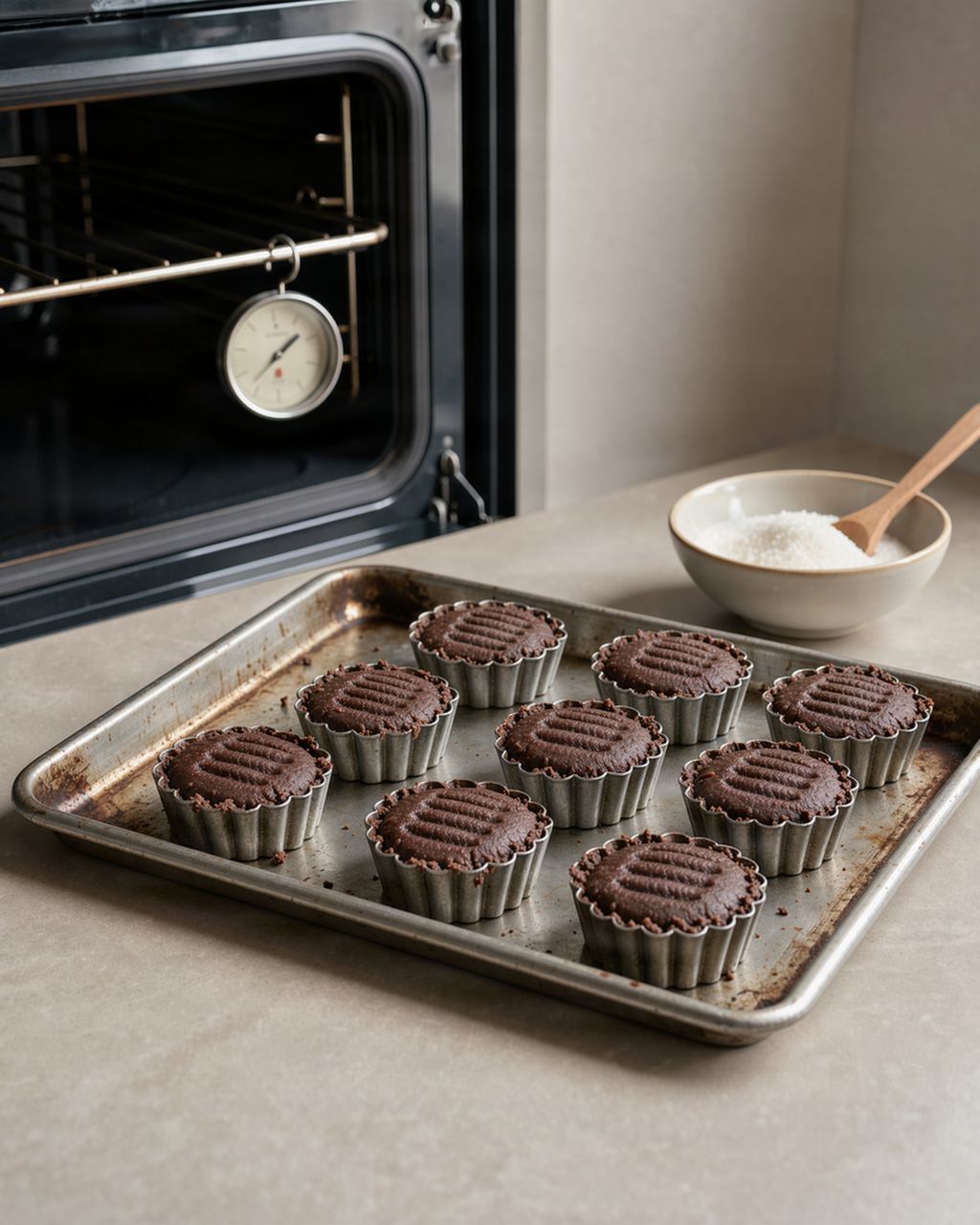
Nut dough gives you classics such as vanilla crescents, hollow nut crescents, pistachio crescents, nut Linzer cookies with red currant jam, or "pracny" and bear paw cookies. With pracny and paws, the most common trouble is getting them out of the molds — what temperature to bake them at is covered in the article What temperature to bake pracny at and for how long.
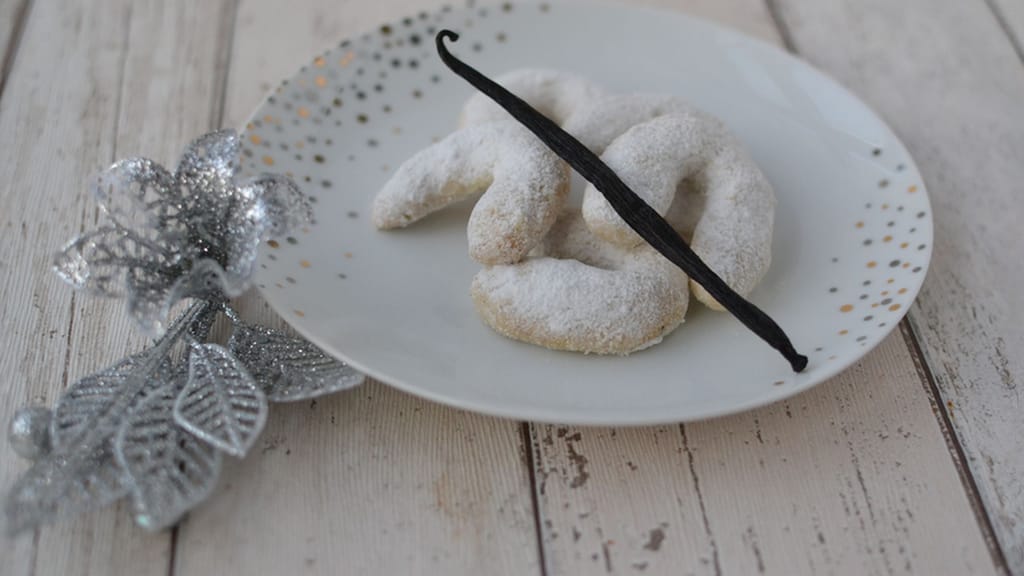
The best christmas cookies? vanilla crescents, of course!
Vanilla crescents made from nut dough

Hazelnut linzer cookies with blackcurrant jam
Nut Linzer cookies with red currant jam
Coconut dough is egg white meringue whipped stiff with sugar, with shredded coconut folded in — for 1 egg white (about 35 g), count on 50–60 g of sugar and 50–60 g of coconut. There's no flour or butter, so only the whipped whites hold the shape. That's why the sugar matters: baking guides agree that below roughly 50 g per egg white the meringue is soft and the macaroons spread out in the oven.
Three things coconut macaroons depend on:
Whip over steam. Warm the egg whites with the sugar over a pan of simmering water, whisking constantly, to 45–50 °C (113–122 °F) (the sugar dissolves completely and you can't feel any grains between your fingers), then take it off the heat and whip until cooled. This kind of meringue holds more coconut, and no syrup leaks out of the macaroons.
Fold in the coconut with a spatula, not a mixer — just a few strokes so the meringue doesn't collapse.
Bake low: 130–140 °C (265–285 °F), 15–20 minutes. Macaroons are dried more than baked; they're done when the tips are light golden and the bottoms lift easily off the liner.
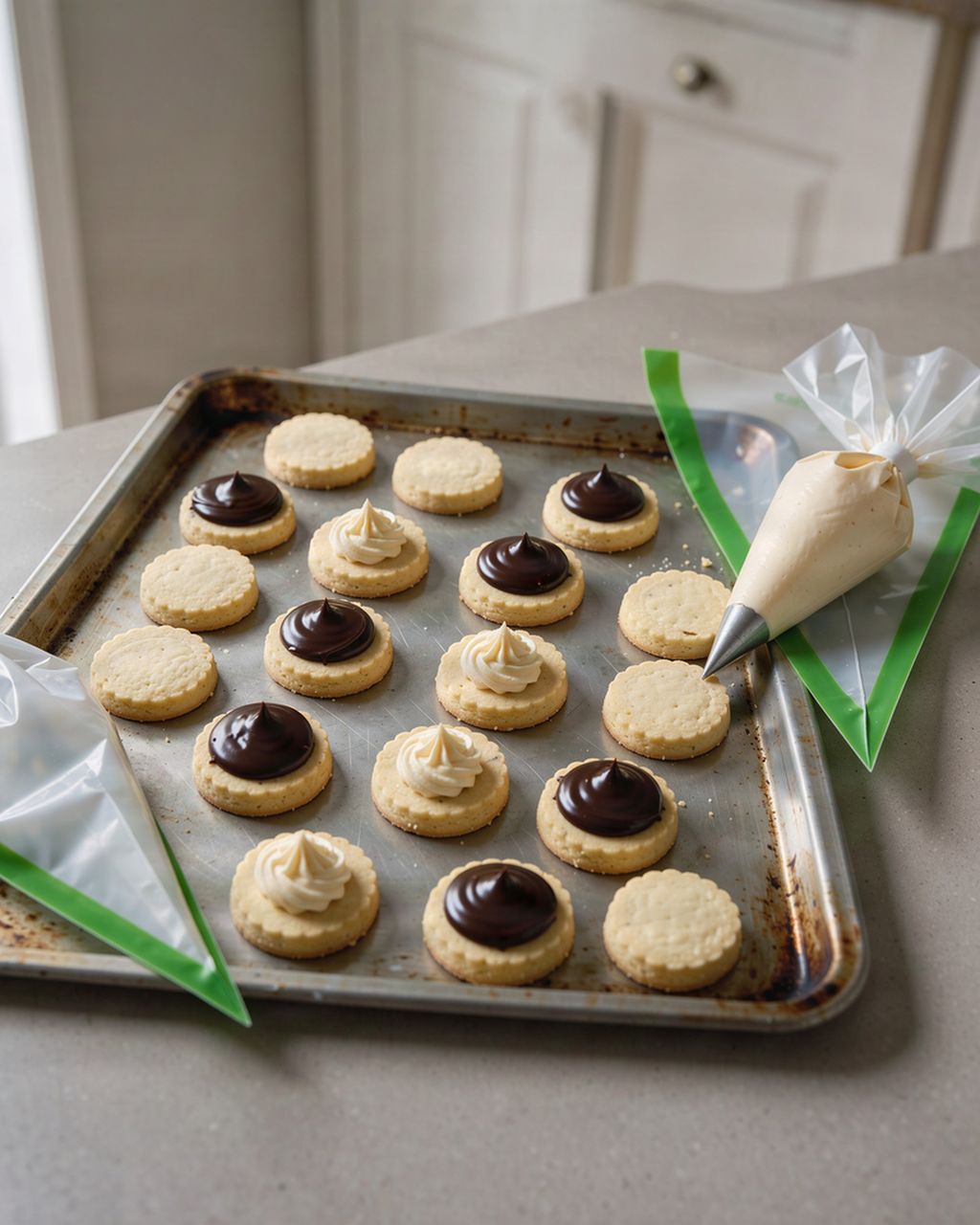
Drop the mixture with a teaspoon, or fill a piping bag and pipe mounds — it's quicker and they come out the same size, so they bake at the same time. The egg whites, incidentally, are what's left over from Linzer dough, which uses only the yolks; more on that in the section on how to bake several kinds of cookies from one batch of dough.
Coconut can go into butter dough, too: if you replace about 50 g of flour in Linzer dough with coconut, you get coconut Linzer cookies — tender, with a distinctive aroma, good for cutting out. They behave like nut dough, just a little drier still.
Gingerbread dough is a honey dough made from plain (or rye) flour, honey, eggs, sugar, gingerbread spice and baking soda — and unlike the others, it isn't made in a rush. The honey is warmed so it combines well with the flour, and the dough then has to rest at least overnight, or even several days in a cool place. While it rests, the flour absorbs the moisture, the dough firms up and stops being sticky.
What you can make from it:
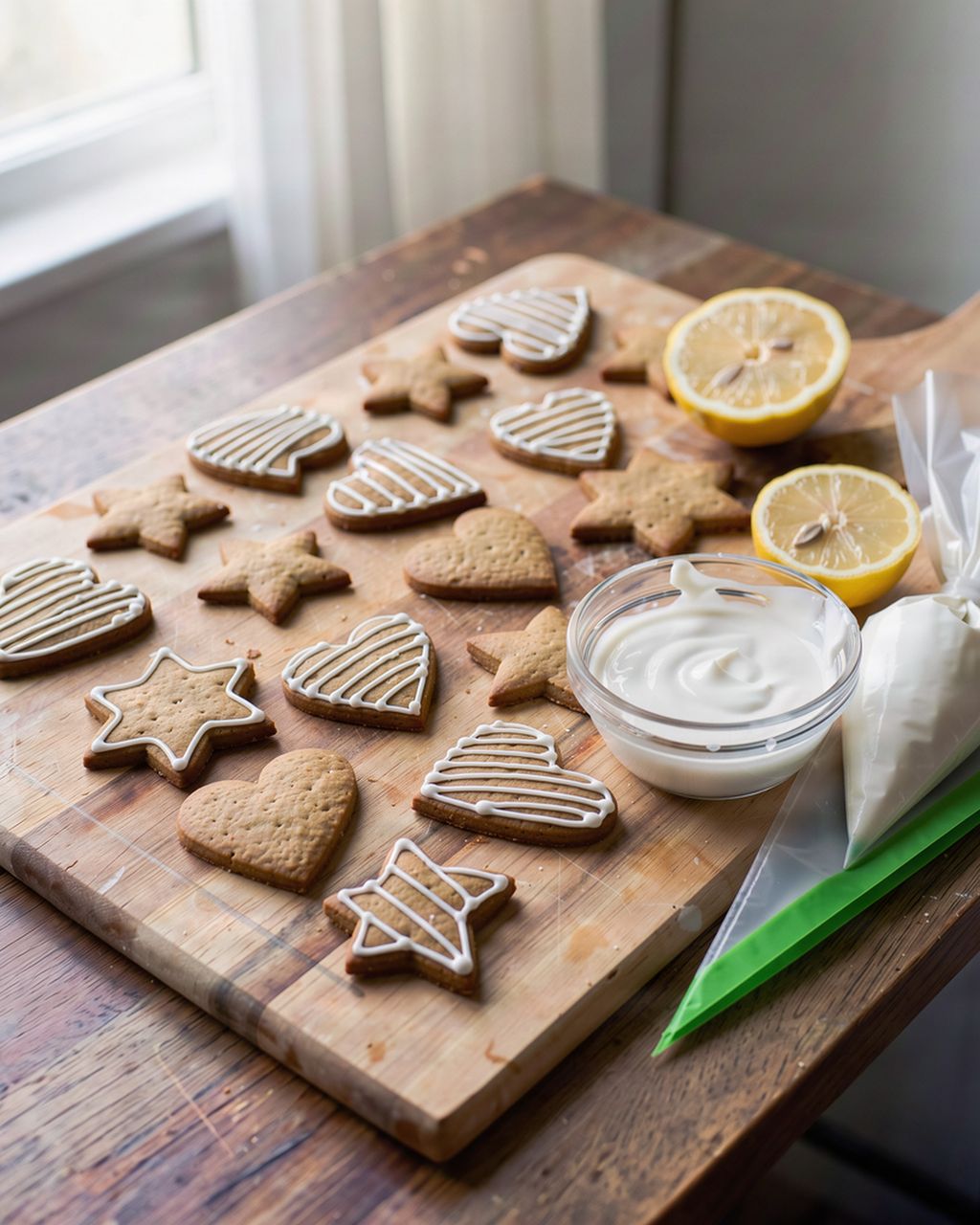
cut-out and decorated gingerbread cookies,
filled gingerbread cookies and gingerbread houses,
softer gingerbread cookies baked on a sheet or in molds.
Roll it out to 3–5 mm and bake at about 170–180 °C (340–355 °F) for 6–10 minutes depending on thickness — if overbaked, they turn rock hard. They only become soft after a few days in an airtight tin, when they take up moisture from the honey. You'll find a tried-and-tested recipe in Soft honey gingerbread cookies that don't go hard or Super soft gingerbread cookies. Our articles Gingerbread dough: why it has to rest and how to roll it and Honey gingerbread cookies: which honey to use in the dough go into more depth; for the icing, see Egg-white-free icing for gingerbread cookies.
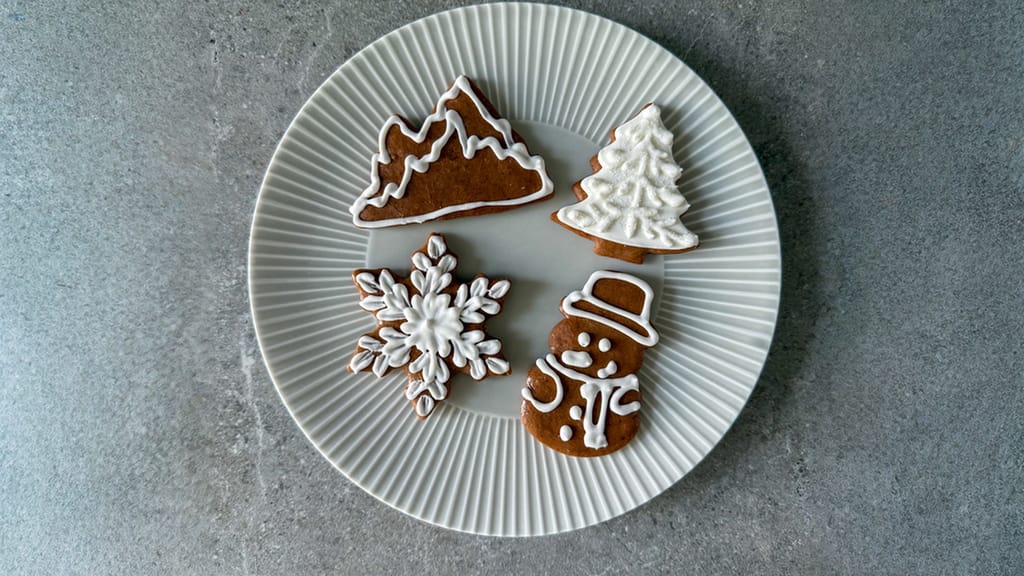
Soft honey gingerbread cookies that never go hard
Soft honey gingerbread cookies that don't go hard
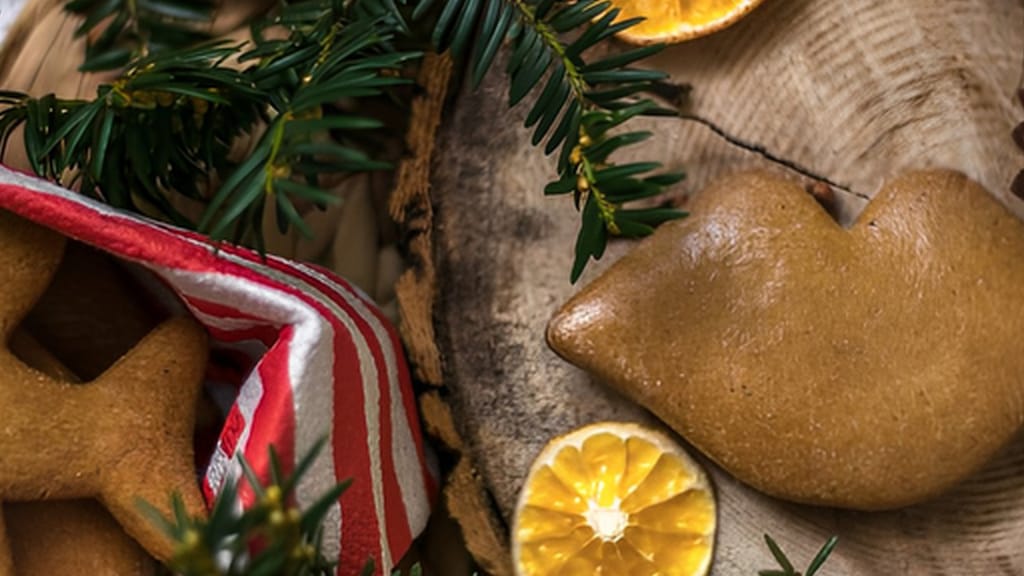
Soft gingerbread cookies
Super soft gingerbread cookies made from honey dough
From one batch of Linzer dough you can bake four kinds of cookies: three butter cookies, if you divide the dough after mixing and flavor each part differently, and a fourth — coconut macaroons — from the leftover egg whites. Gingerbread dough doesn't fit into this; make it separately.
Here's the method for a base of 600 g flour, 400 g butter, 200 g sugar and 4 egg yolks (about 1.2 kg of dough):
One third stays classic Linzer — cut-out and sandwiched rounds and stars.
One third becomes cocoa — work in 15 g cocoa and 1 tablespoon of milk. Together with the light part, you can make marbled Linzer cookies from light and cocoa dough or a checkerboard.
One third becomes nut — into this finished portion of dough work an extra 60 g of ground toasted nuts or coconut and a teaspoon of vanilla sugar. Note that here you're adding the nuts to the finished dough, not replacing flour with them as in the nut dough above. The dough therefore gets softer, so chill it longer and shape crescents or balls.
From the 4 egg whites (about 140 g) and 220 g sugar, whip a meringue over steam, fold in 220 g coconut — and you have a tray of coconut macaroons.
Bake all three butter portions at 170 °C (340 °F), so you can rotate them through the oven without changing the temperature. For the nut portion, 170 °C is the top of the range in the table below; nuts brown faster than flour, so keep an eye on it and take it out as soon as the edges turn golden. Bake the macaroons last, once you've turned the oven down to 130–140 °C (265–285 °F). Sandwich cookies are then joined with jam or cream — which ones hold their shape, we explain in the article Cookie cream that holds its shape. You'll find more kinds and inspiration in the Christmas cookies section.
Each cookie dough wants a different temperature, and the difference is big — from 130 °C (265 °F) for coconut macaroons to 180 °C (355 °F) for Linzer cookies:
Linzer: 170–180 °C (340–355 °F), 7–10 minutes, edges barely golden.
Nut: 160–170 °C (320–340 °F), 8–11 minutes — nuts brown faster than flour, so go lower and watch the edges.
Coconut: 130–140 °C (265–285 °F), 15–20 minutes, more drying than baking.
Gingerbread: 170–180 °C (340–355 °F), 6–10 minutes depending on thickness; gingerbread cookies are easy to overbake, so keep an eye on them.
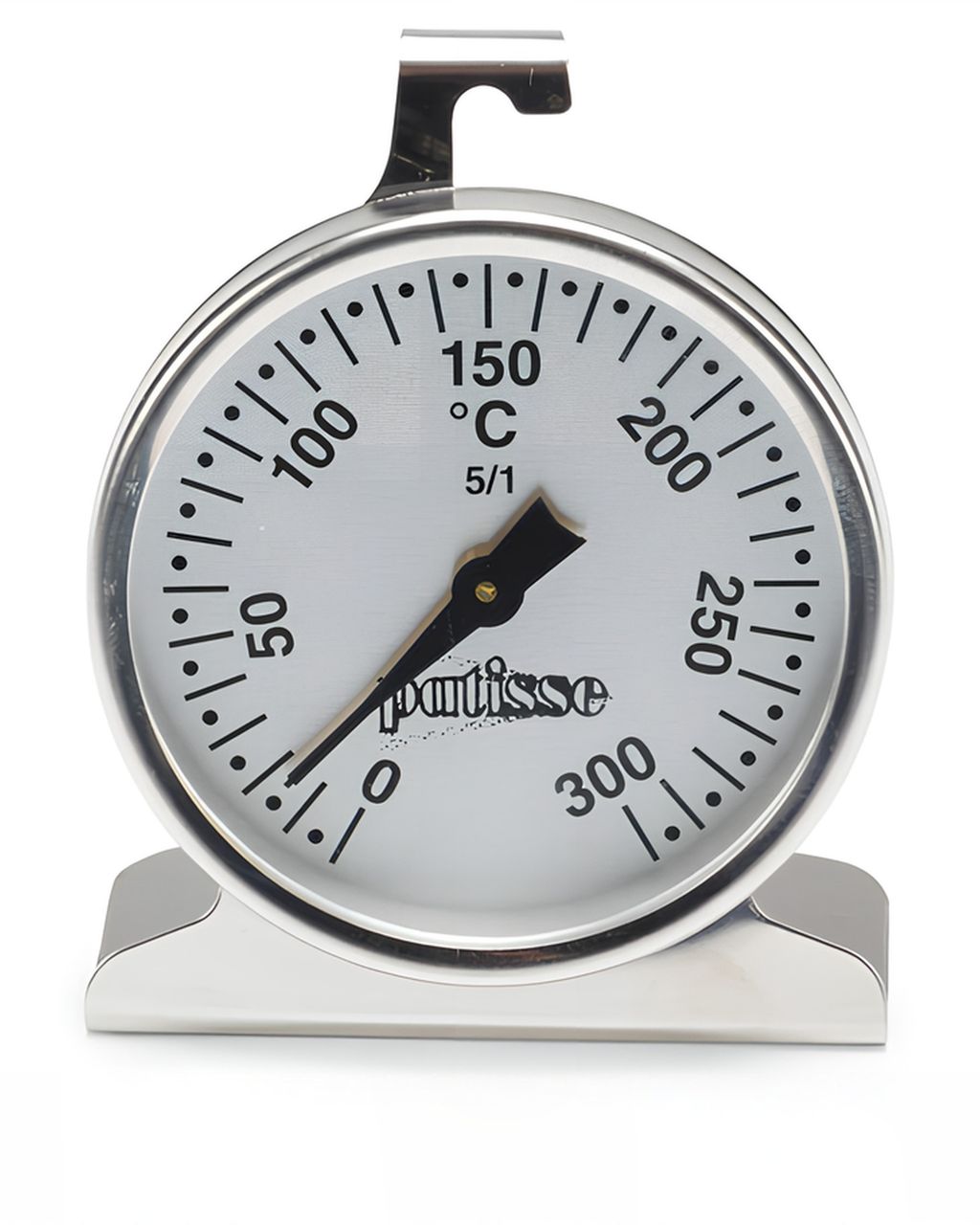
The catch is that the actual temperature in a home oven can differ from the one you set, and with small cookies that's the difference between pale Linzer cookies and brown edges. Put the Patisse oven thermometer in the middle of the rack, and after 15 minutes of preheating you know what the temperature really is. Any oven thermometer does the same job — the point is to have one.
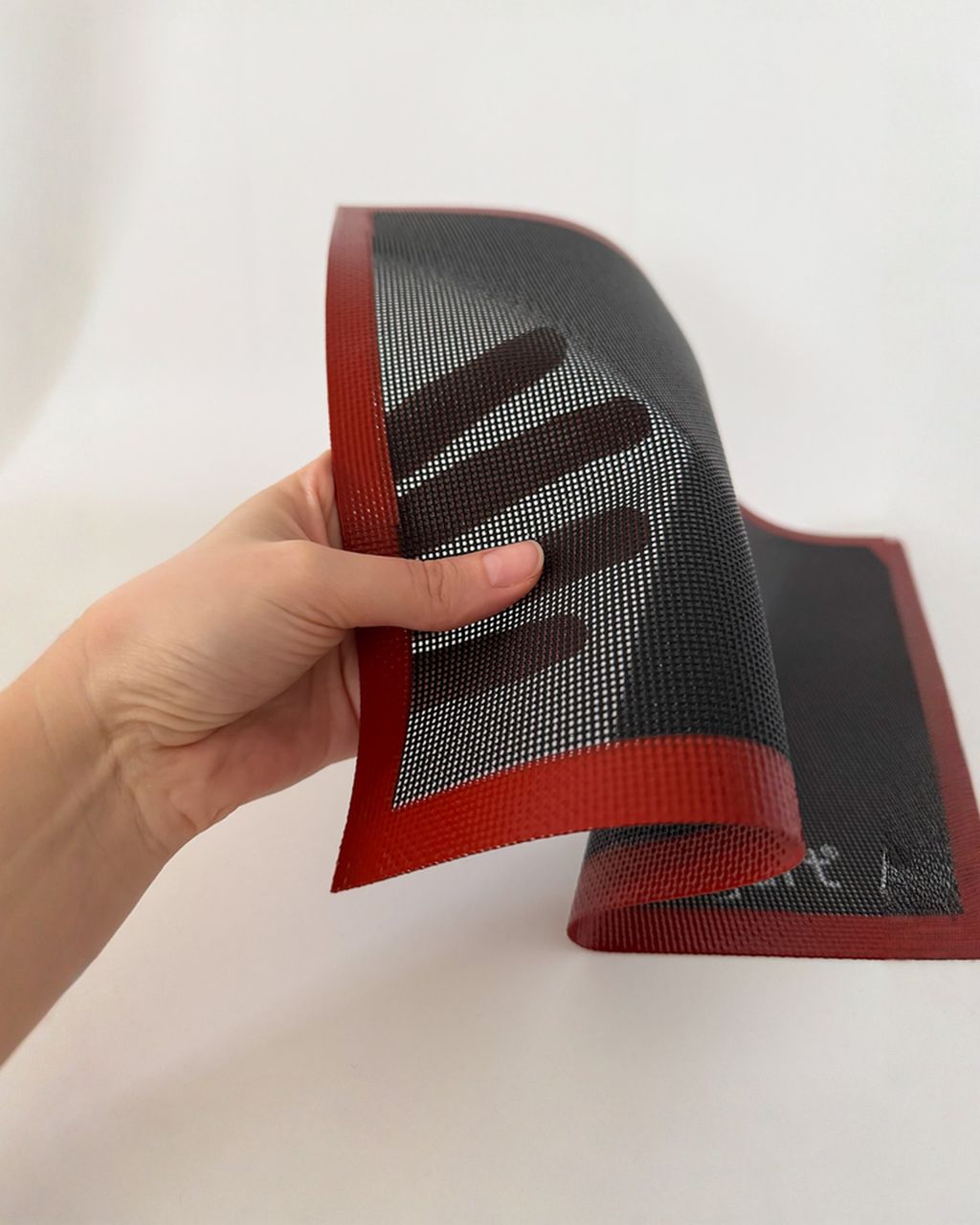
What to bake on: plain parchment paper is enough and inexpensive. A perforated silicone mat lets heat through to the bottoms, so Linzer and nut cookies bake evenly with no burnt bottoms, and macaroons lift off it easily; the advantage is that it lasts for years. A classic non-perforated silicone mat is worse for cookies — the bottoms bake more slowly and butter dough spreads more on it.
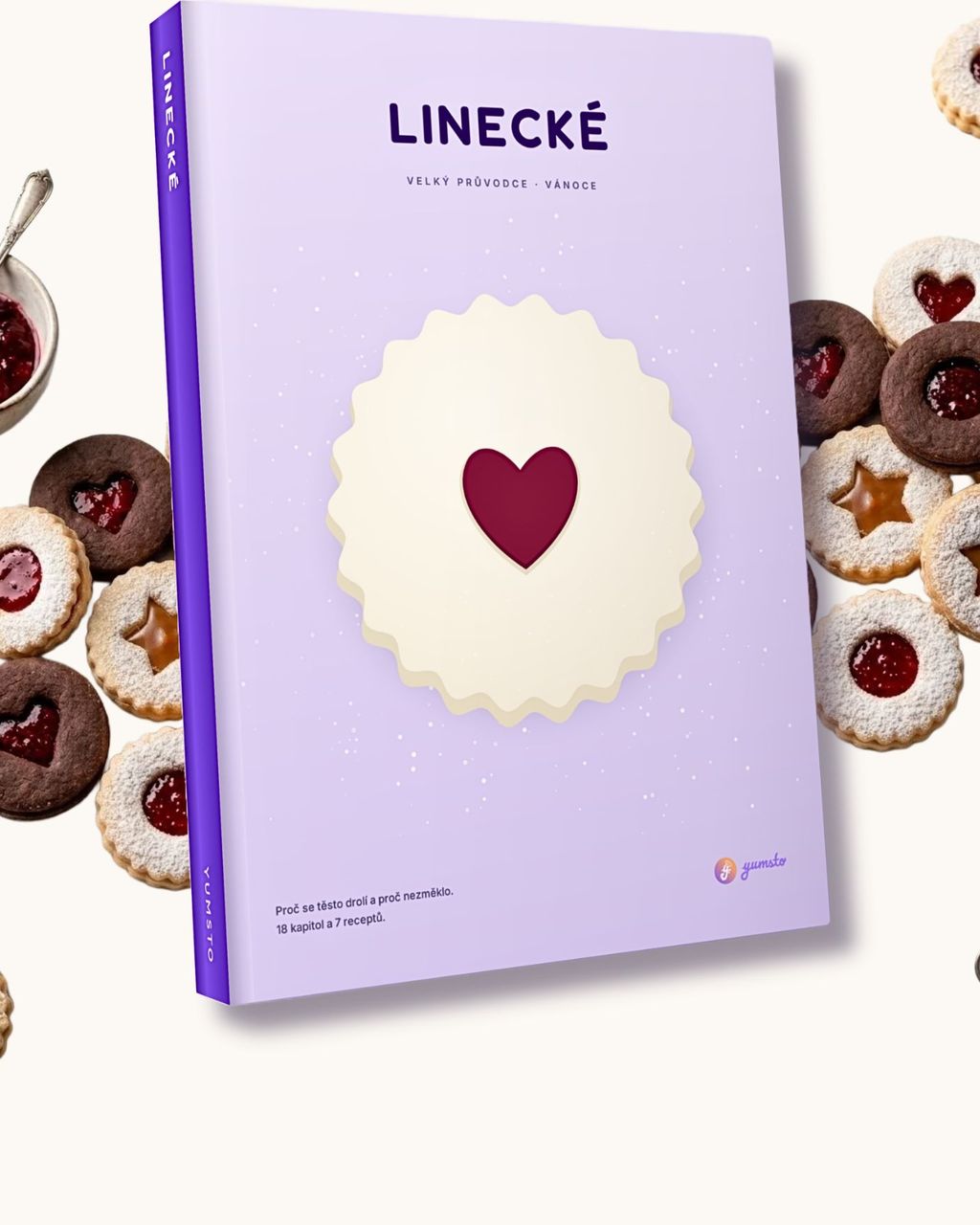
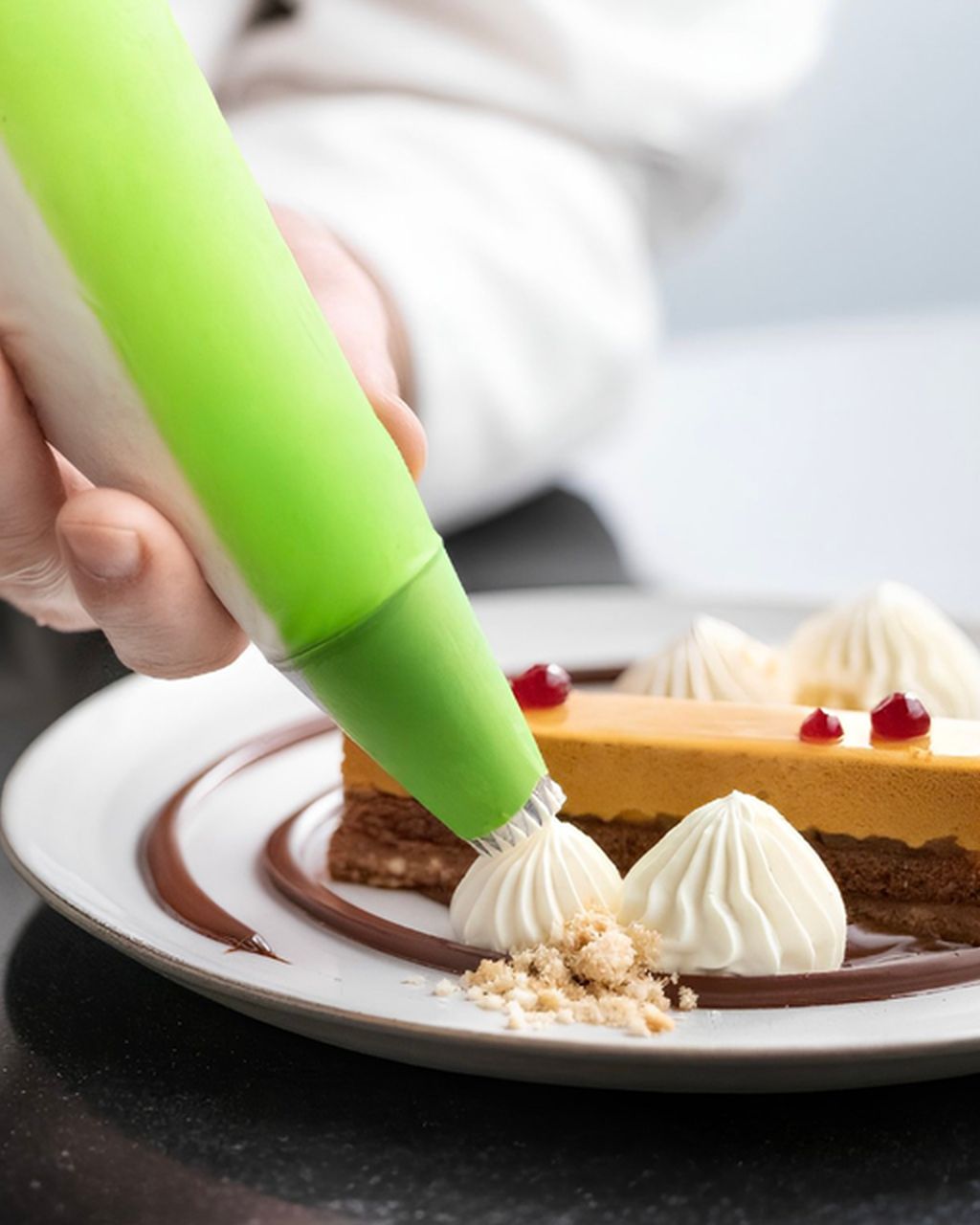
For piping macaroons and decorating with icing, disposable piping bags are enough; a cloth bag works too, you just have to wash it thoroughly after the egg-white mixture. And if you want to master Linzer cookies down to the last detail — why they crumble, why the dough didn't soften, how to adjust the ratio — you'll find it all in the e-book Linzer Cookies — The Complete Guide to the Dough.
You can freeze the Linzer, nut and gingerbread doughs, but not the coconut mixture. Wrap the butter doughs in plastic wrap in flat discs and they'll keep in the freezer for about 2–3 months; thaw them overnight in the fridge. Whip the coconut mixture and bake it right away, because the whipped egg whites would collapse after thawing.
Bake gingerbread cookies and sandwiched Linzer cookies first, about 2–3 weeks before Christmas, because they need time to rest and soften. Unfilled Linzer rounds and stars and nut crescents are tender right away and keep in a tin for 3–4 weeks, so you can happily bake them later. Coconut macaroons are best within two weeks. Store each kind separately, or the moist cookies will soften the crisp ones.
You can replace butter with margarine (80–90% fat) or lard, but the flavor and tenderness will be different. Reduced-fat margarine (39–41%), margarine with 60–62% fat, or lower-fat spreads contain more water, and the cookies made from them turn out harder. Lard gives a very tender, neutral-tasting dough — traditionally it's used for Czech lard cookies.
Yes, you can make cookie dough with spelt or whole wheat flour, but replace no more than half of the plain flour, or the cookies will turn out coarser and more crumbly. Fine white spelt flour behaves almost like wheat flour in Linzer dough, while whole wheat flour absorbs more fat, so let the dough rest longer.
Coconut dough is naturally flour-free and therefore gluten-free, as long as the coconut and sugar aren't contaminated. Nut and Linzer doughs can be baked with a gluten-free flour blend, but they'll be more crumbly. If you have celiac disease, always check the labels on your ingredients.
One recipe worth heating the oven for, one tip, and one deal from the shop. Nothing else.