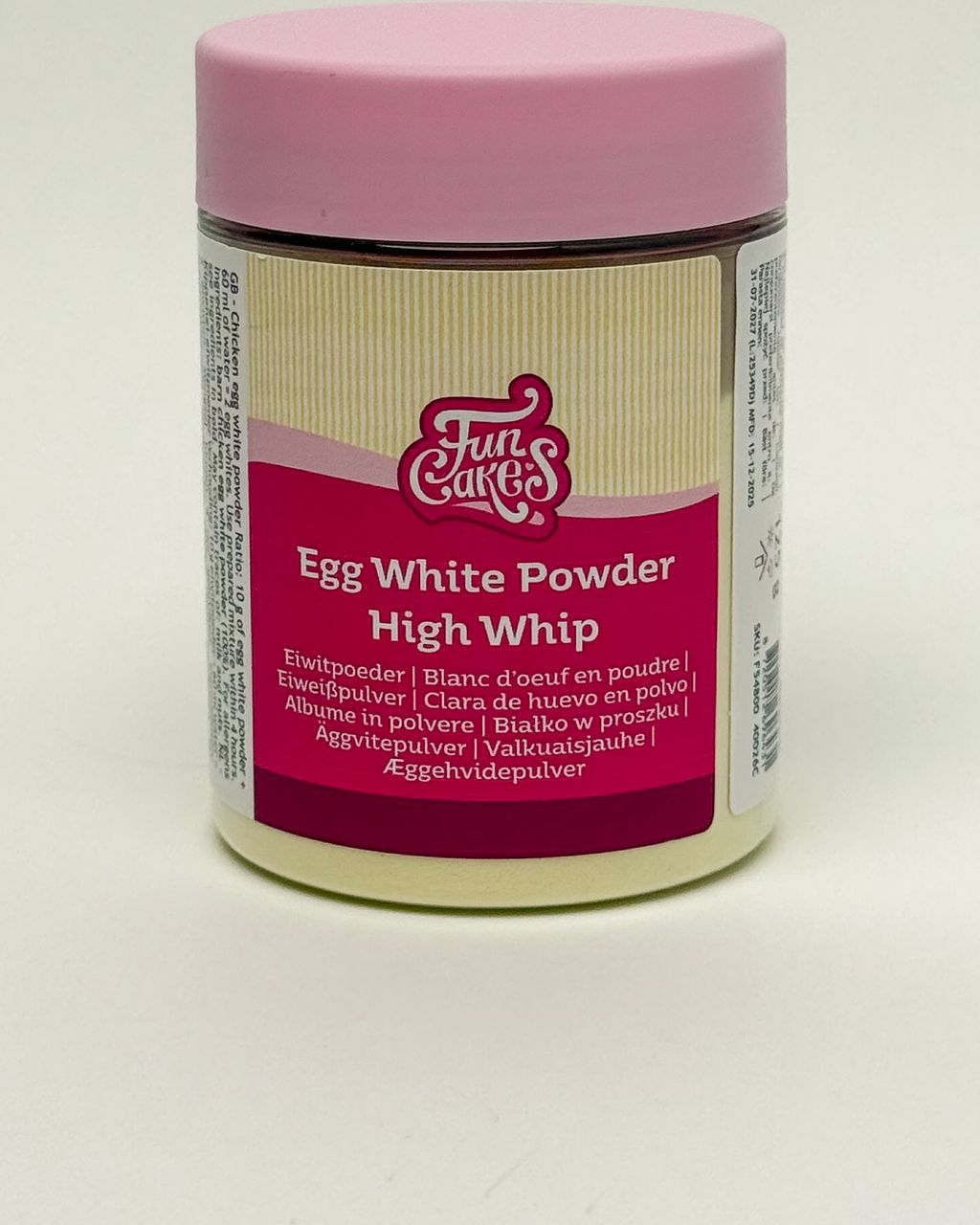
Dried Egg White
Gingerbread Cookie Icing Without Raw Egg White: Meringue Powder or Just Sugar and Lemon
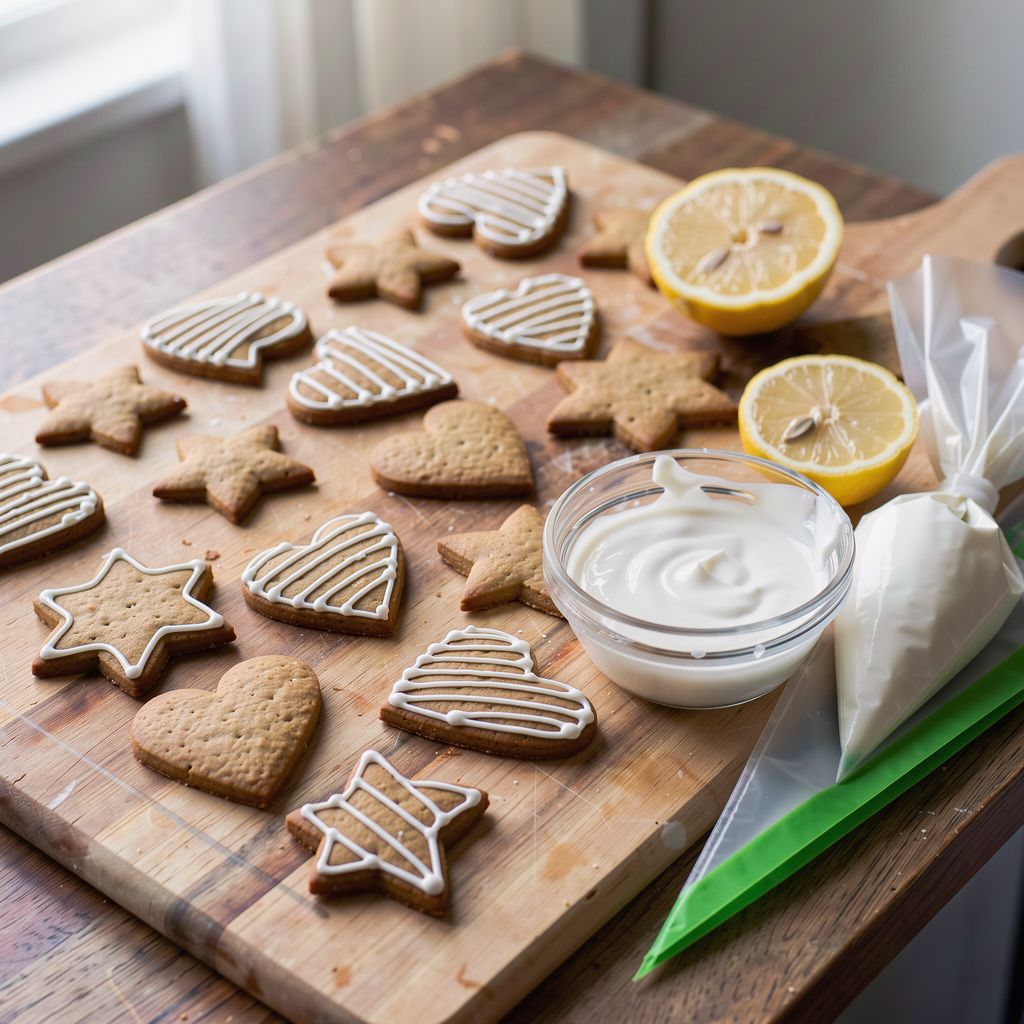
Updated Oct 27, 2026
There are two ways to make gingerbread icing without raw egg white. You can swap the raw white for dried (pasteurized) egg white and get a classic hard icing that's safe to use with no cooking. Or you can leave the egg out entirely and stir powdered sugar with lemon juice, or with a little starch. The first holds fine piped lines and dries hard. The second is simpler, but softer and less white. Here you'll find the ratios, how each one decorates and dries, and how to keep it white.
For fine decorating, the best choice is an icing made with dried egg white. For quick glazing, sugar and lemon is enough. Here are the four options at a glance:
Dried egg white + powdered sugar – behaves like classic egg white icing: it holds a thin line, dries hard and stays white.
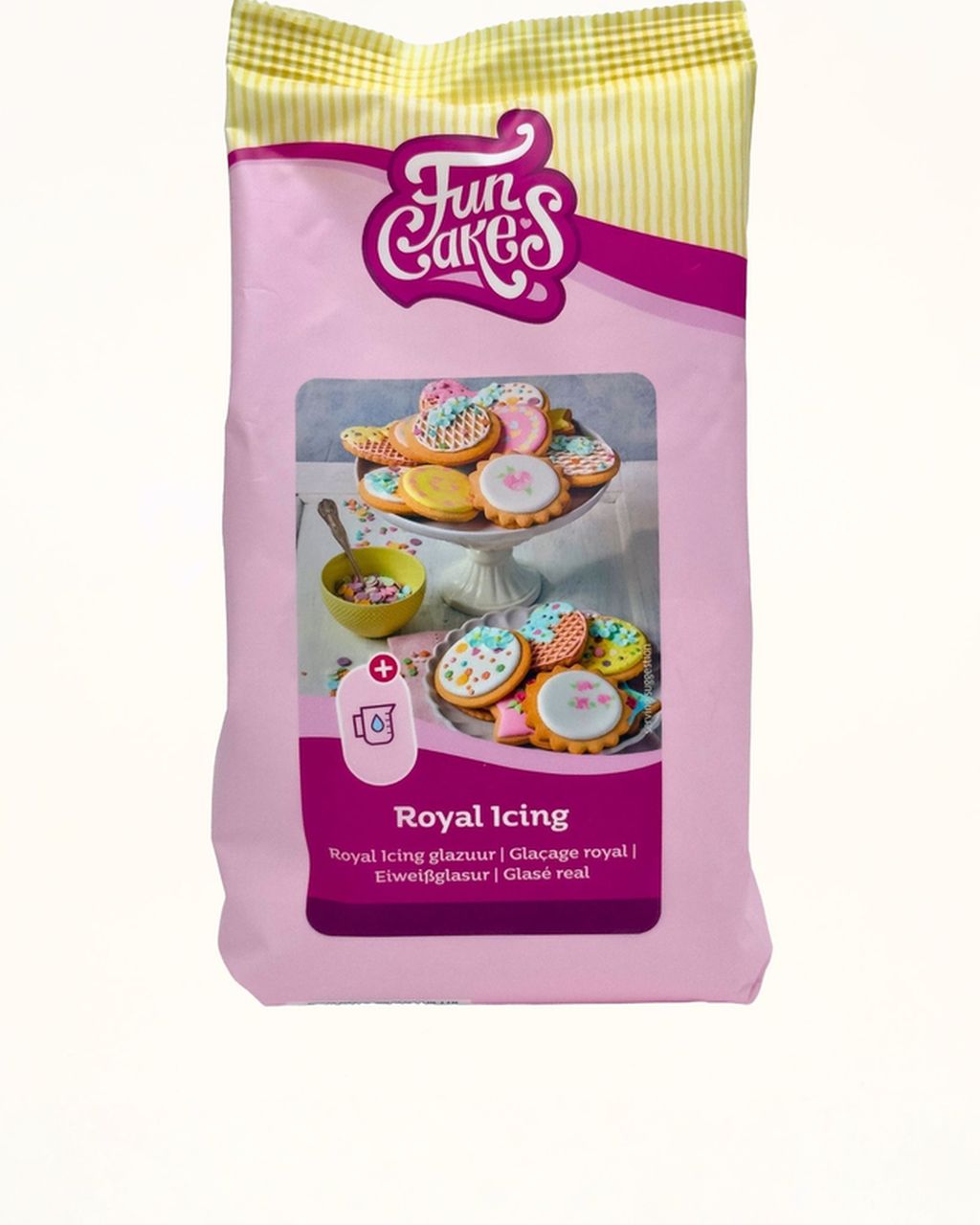
Ready-made royal icing mix – the same thing without the weighing; you just add water. It contains dried egg white, so it isn't egg-free.
Powdered sugar + lemon juice – completely egg-free and ready in five minutes. The lines spread slightly, it dries more slowly and it's a little translucent.
Sugar with starch (or with syrup) – egg-free; starch adds thickness and a matte whiteness, syrup adds shine and flexibility.
In practice, they differ like this:
Piped lines and detail: dried egg white = ready-made mix > starch > lemon
Drying: egg white icings set on the surface in 20–30 minutes and dry hard overnight; lemon and starch icings need the whole night and stay a bit softer
Whiteness: egg white icings are the whitest (with a slight ivory tint), while lemon icing looks grayish over dark gingerbread
Egg-free (for egg allergies): lemon, starch and syrup icings
If you're interested in the classic icing made with raw egg white, and in consistencies for outlining and flooding in general, you'll find it in Gingerbread cookie icing: recipe, consistency and decorating step by step. Here we only cover what to use instead of egg white.
Icing isn't baked, so whatever is in raw egg white stays in it, and the main risk is salmonella. According to the EFSA (European Food Safety Authority) One Health Zoonoses Report 2024, the combination of salmonella and eggs or egg products caused the most foodborne outbreaks and hospitalizations in the EU. For recipes with raw or undercooked eggs, the US USDA/FSIS and the FDA therefore recommend pasteurized egg products, and dried egg white is one of them.
It makes the most sense when the cookies will be eaten by small children, pregnant women, older people or anyone with a weakened immune system. We cover the risk in detail, and how to reduce it, in Raw eggs in cookies and creams – the risk of salmonella.
One fresh egg white is replaced by 5 g of dried egg white and 30 ml of water. That ratio comes from the maker of FunCakes dried egg white, which is 100% pasteurized egg white.
For a smaller batch, about 30–40 cookies, you need:
5 g dried egg white
30 ml lukewarm water
200–250 g powdered sugar, sifted
a few drops of lemon juice
Stir the powder into the water and let it stand for 10 minutes so it dissolves without lumps.
Add the sugar a spoonful at a time and beat on low speed for 5–7 minutes, until the icing turns matte and forms a peak that only bends slightly.
Finish with the lemon. It softens the flavor and firms up the icing a little.
Use the reconstituted egg white within 4 hours. Keep the finished icing covered: press plastic wrap directly onto the surface, or it will form a crust within minutes.
The Royal icing for cookies recipe calls for fresh egg white. It works the same way if you replace it with 5 g of dried egg white and 30 ml of water.
Ready-made royal icing mix isn't egg-free. It contains dried egg white, so it isn't suitable for people with egg allergies. The advantage is that you don't have to work with a fresh egg from the fridge. According to the manufacturer, the dried egg white in the mix is pasteurized, so you don't need to cook the icing.
According to the packaging, FunCakes royal icing contains sugar, dried glucose syrup, dried free-range egg white and citric acid. The glucose makes the icing a little more flexible, so it cracks less on the cookie.
For firm details: 450 g of mix and 55 ml of water, beaten for 7–10 minutes on low speed until it turns white and matte
For decorating gingerbread: for each portion of icing, add 1 teaspoon of water for outlining and 2 teaspoons for flooding
Storage: keep the finished icing covered in the fridge and use within 24 hours
The mix saves you the weighing and the result is the same every time. Dried egg white with your own sugar, on the other hand, works out cheaper if you decorate a lot. You'll find more ready-made mixes among the decorating icings.
Egg-free sugar icing is just powdered sugar and lemon juice in a ratio of roughly 200 g to 2–3 tablespoons (30–40 ml). There's no egg in it at all, so it also suits people with egg allergies.
Sift the powdered sugar, ideally twice. Lumps will clog the piping bag tip later.
Add the juice a teaspoon at a time and stir. Near the right thickness, a few extra drops are enough to make the icing runny.
For outlining, you want the thickness of toothpaste; for flooding, thick honey.
Here's what to expect from lemon icing:
The line spreads a touch. It can handle dots and simple patterns, but not fine lacework.
It sets on the surface in about an hour, dries through overnight and stays a bit softer than egg white icing.
It's slightly translucent. Over dark honey gingerbread it looks grayish, especially in a thin layer.
It has a distinct lemony taste, which suits gingerbread.
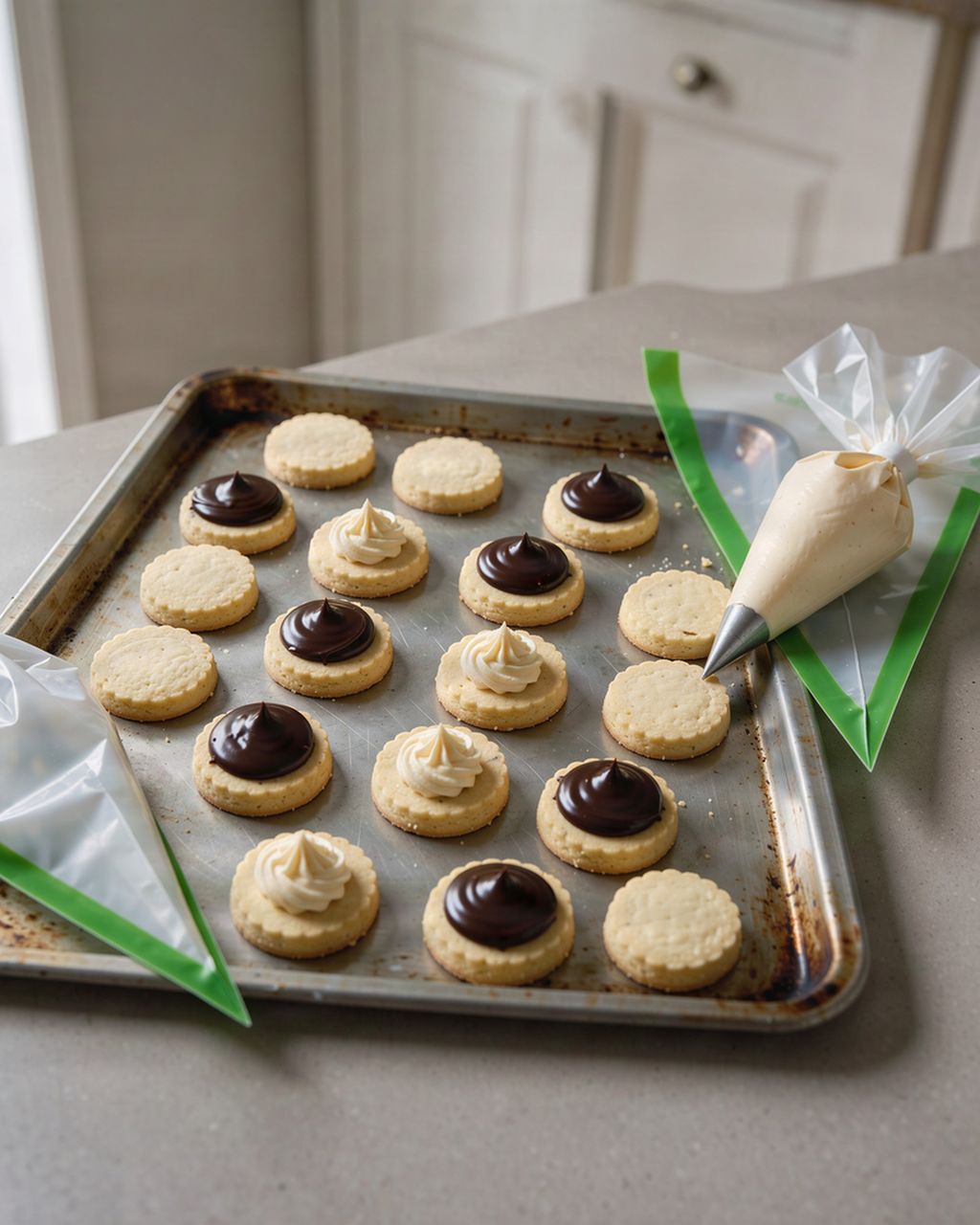
You can make it firmer and whiter with starch (see the next section). We cover lemon icing on linzer cookies, and when to apply it before sandwiching, separately in What to decorate linzer cookies with.
Starch turns lemon icing into a thicker, more matte and whiter icing, while syrup makes it more flexible and adds shine.
With starch: stir 1 tablespoon (about 8–10 g) of cornstarch or potato starch into 200 g of powdered sugar, then add water or lemon juice a teaspoon at a time. Starch binds water, so the icing runs less, the line stays sharper and the result is more opaque. Don't overdo it, as more starch tastes floury.
With syrup: to 120 g of powdered sugar, add 1 tablespoon of milk or water and 2 teaspoons of glucose (or corn) syrup. The icing is glossy, flexible and doesn't crack; it just takes the longest to dry (overnight) and stays soft to the touch. With milk, it's no longer vegan.
If you're not after white, but want a coating with no egg and no sugar glaze, try chocolate icing for gingerbread cookies.
A whitening color and a firm consistency keep icing white. To tint it, use gel color, because it doesn't thin the icing.
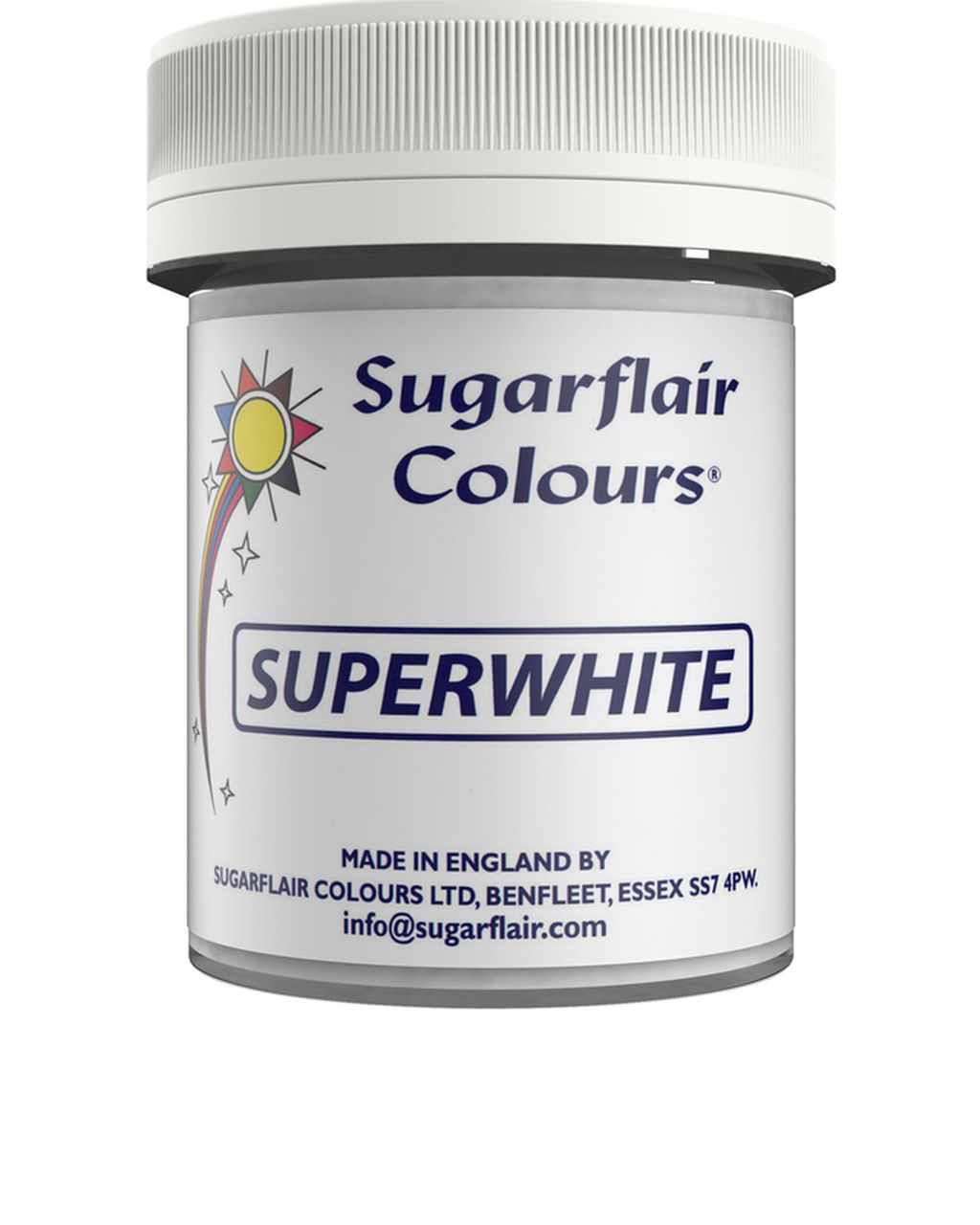
Whiteness: egg white icings have a slight ivory tone, and lemon icings look translucent. A teaspoon or two of Sugarflair super white icing color (calcium carbonate, E170) neutralizes the yellowish tone. Stir it in before coloring and pastel shades come out cleaner.
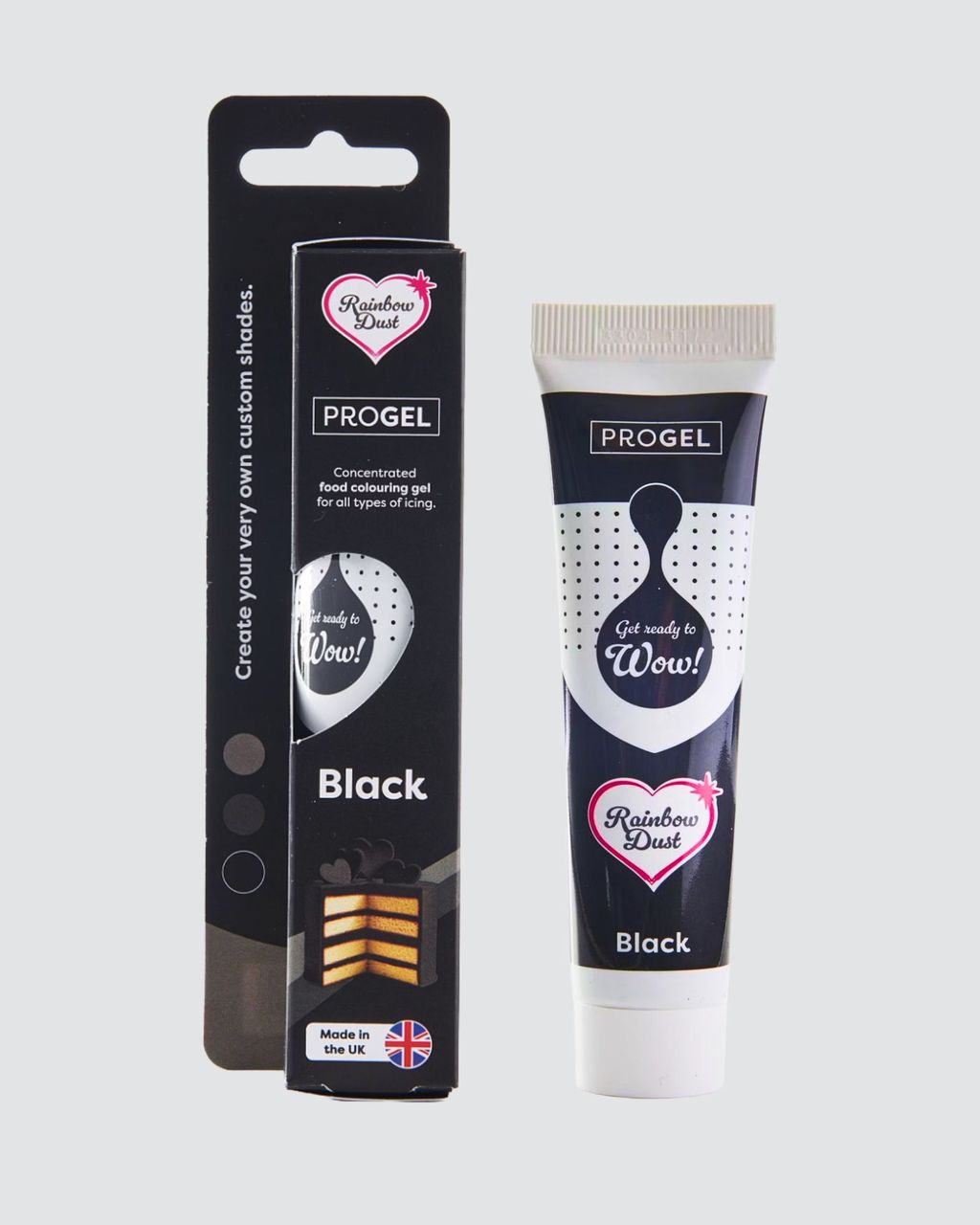
Deep black: liquid colors thin the icing and make it runny. The ProGel Black gel color is concentrated, so a little goes a long way. Black and red also darken after a few hours, so mix them a shade lighter and let the icing rest.
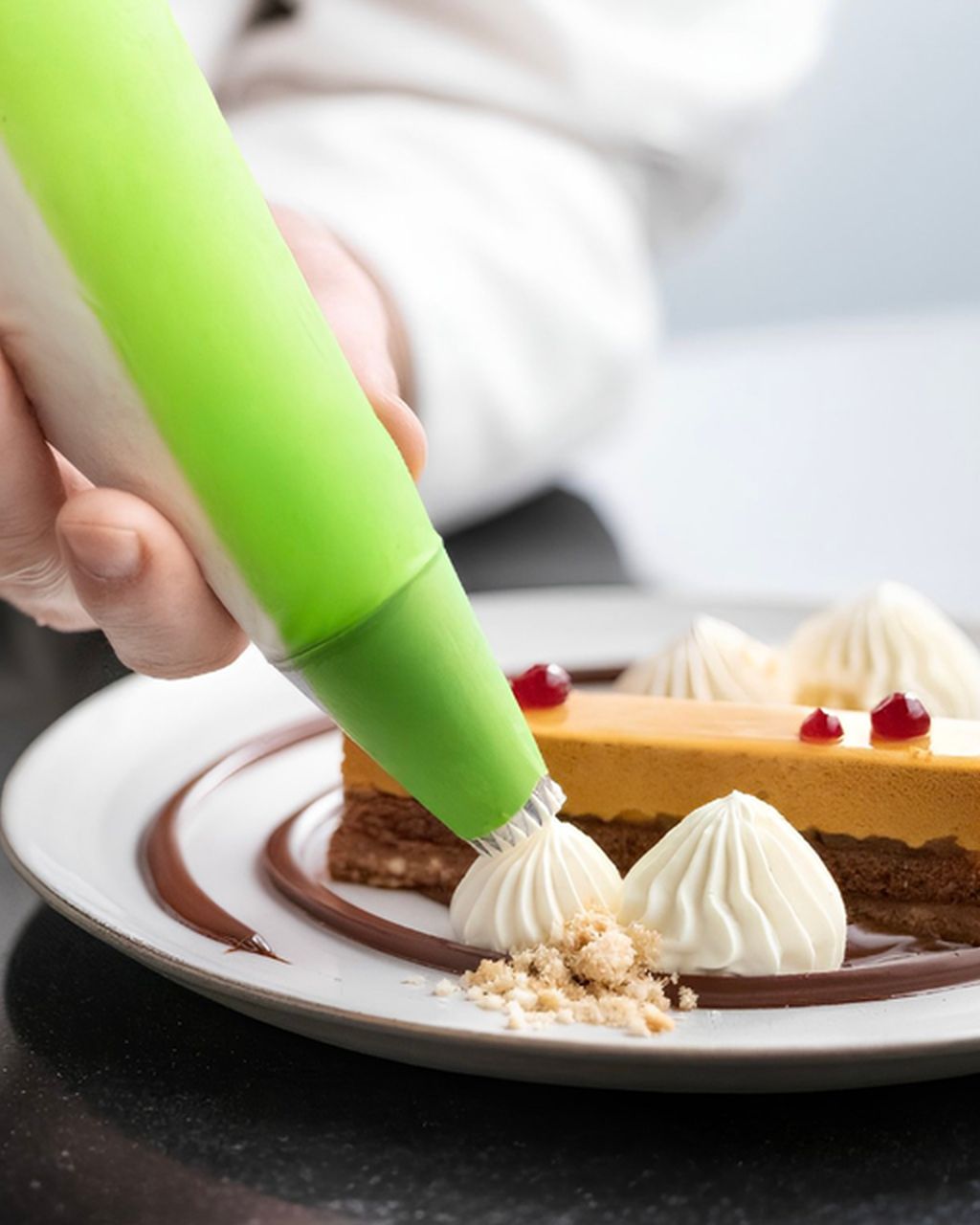
In the bag: use a disposable bag for each color. Smaller 30×17 cm piping bags are easier to hold for fine lines than large ones.
How to decorate with a piping bag, outline and flood a surface, we describe step by step in Decorating gingerbread cookies. And if you don't have any cookies to decorate yet, try soft honey gingerbread that doesn't go hard.
Yes, pasteurized liquid egg white is a safe stand-in for raw egg white. It doesn't whip quite as well, though, so the icing needs longer beating and more sugar before it turns matte. Dried egg white is more stable and keeps for months.
Yes, aquafaba (the liquid from a can of chickpeas) behaves much like egg white. For about 30 ml of aquafaba, use 200–250 g of powdered sugar and beat until the icing turns matte. It holds a line better than lemon icing, but dries more slowly and smells faintly of chickpeas, which a little lemon or vanilla will cover.
You can buy dried egg white in baking supply shops and online stores, including Yumsto. Look for 100% dried (ideally pasteurized) egg white with no added sugar on the label, so you control how sweet the icing is. Unopened, it keeps for months in a dry place. Once opened, store it in a tightly sealed container.
Once the icing has dried overnight, the cookies keep in a tin in a cool, dry place for 2–3 weeks. Lemon and syrup icings stay softer, so only stack the cookies once they're completely dry, and put parchment paper between the layers.
Egg-free gingerbread icing usually won't dry because it has too much liquid in it or the air is humid. Thicken it with powdered sugar or a teaspoon of starch, and leave the cookies to dry in a dry, heated room, not in the kitchen over steaming pots. Syrup icing always stays soft to the touch. That's just how it is.
One recipe worth heating the oven for, one tip, and one deal from the shop. Nothing else.