Soft honey gingerbread cookies that never go hard
Gingerbread Cookie Dough: Why It Needs to Rest, How to Roll It, and What to Do When It's Sticky
Updated Oct 17, 2026
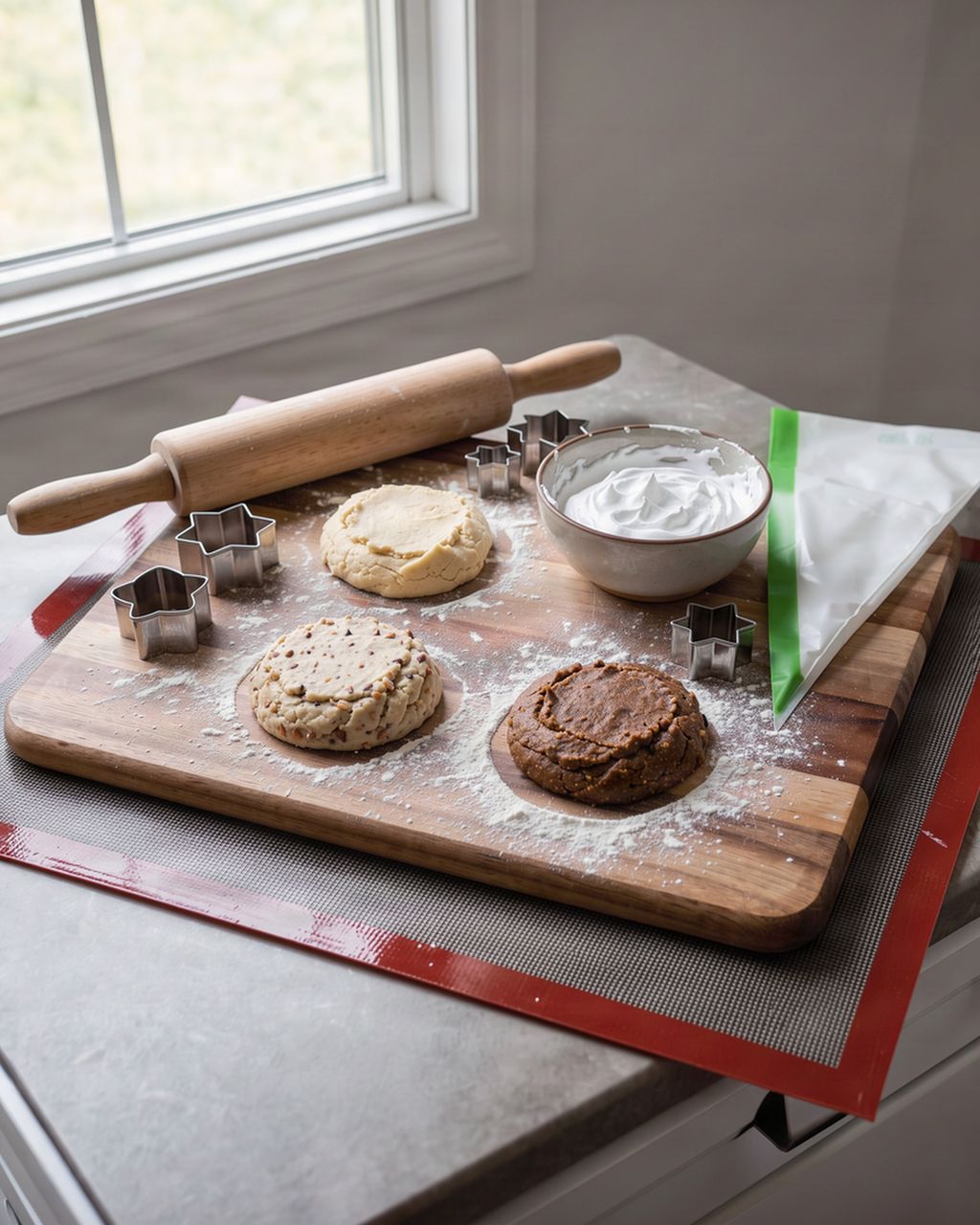
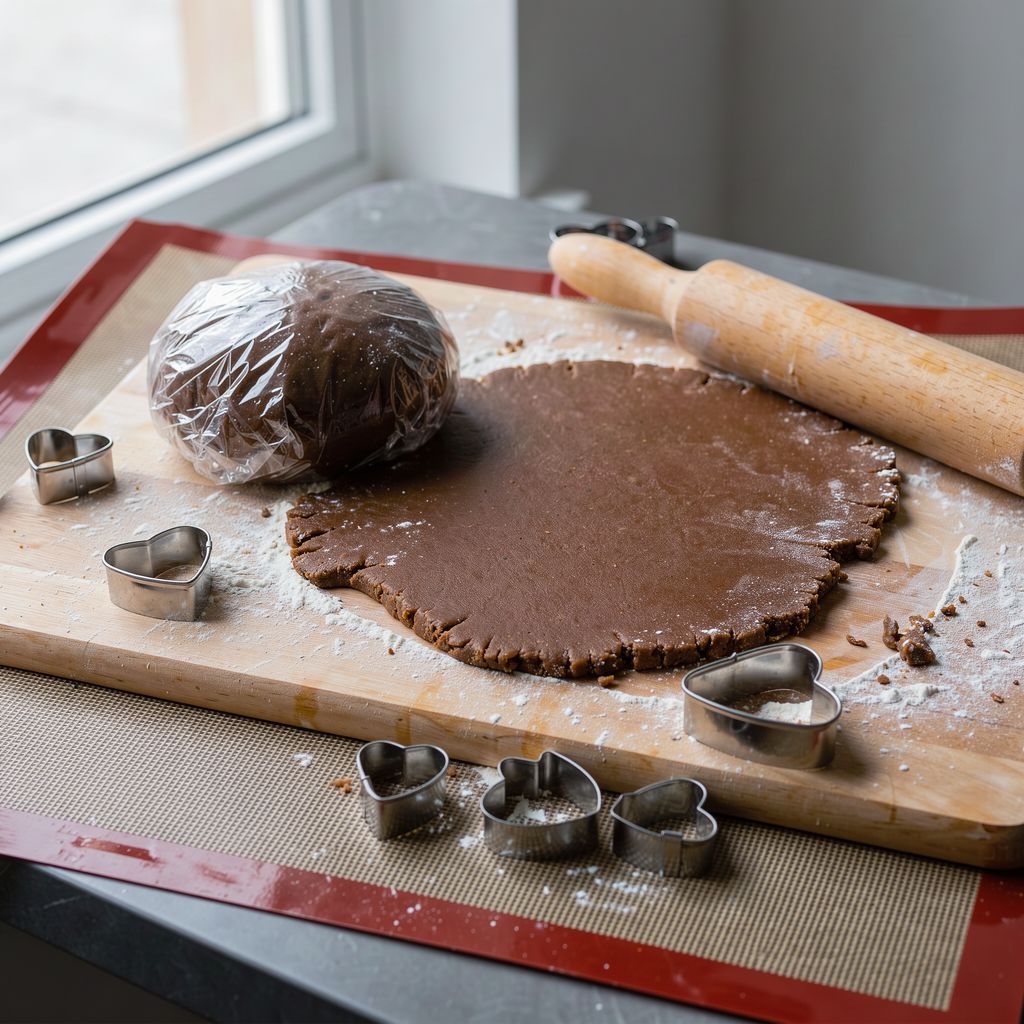
Gingerbread dough needs to rest, wrapped, in the fridge for at least overnight. Let it warm up a little before rolling so it's cold but still pliable, and roll it to 3–4 mm (about 1/8 inch). If it sticks, it's too warm. If it crumbles or cracks, it's too cold or too dry. Here's everything that happens to gingerbread dough from mixing to baking sheet: where and how long to chill it, how to roll it, how to rescue dough that's misbehaving, and, because honey dough browns quickly, how to check your oven's real temperature. For why gingerbread cookies spread or crack in the oven, see the article [Why Gingerbread Cookies Spread While Baking](/cs/articles/proc-se-pernicky-pri-peceni-rozjedou).
Gingerbread dough needs to rest so you can roll it without it sticking: the flour absorbs the honey, the butter firms up, and the gluten relaxes. The dough then doesn't stick, doesn't shrink under the cutter, and the cookies hold their shape in the oven.
Here's what happens in the dough during that time:
The moisture evens out. Right after mixing, the honey sits on the surface of the flour and the dough is tacky. After a few hours the moisture is evenly distributed and the dough is firm and smooth.
The fat firms up. The butter that melted as you mixed it with warm honey sets again in the fridge, so the dough holds its shape.
The gluten relaxes. Kneading tightens the gluten. Once it has rested, the cut-out shapes won't pull in or twist.
The spices meld. Cinnamon, cloves, and anise smell and taste stronger in the dough after a night than after twenty minutes.
If you try to roll fresh dough right away, you'll end up either with a work surface buried in flour or with hard cookies, because you've worked extra flour into the dough. Save adding more flour for when the dough is still sticky after resting.
Chill gingerbread dough in the fridge, wrapped tightly in plastic wrap, ideally overnight (12–24 hours). In a pinch 2 hours will do, but you'll notice the difference when rolling. Homemade gingerbread dough with eggs and butter belongs in the fridge, so don't leave it on the counter.
How long it keeps (sources below):
Room temperature: 2 hours at most. The US food safety agency USDA FSIS recommends not leaving perishable food at room temperature for more than 2 hours, or just 1 hour if the room is above 32 °C (90 °F). That's time for rolling and cutting, not for resting.
Fridge: 4 days at most. The FoodKeeper database (USDA, Cornell University, and the Food Marketing Institute) gives homemade raw cookie dough 2–4 days in the fridge. So bake it by day four at the latest.
Freezer: up to 2 months. The same FoodKeeper database lists 2 months for frozen cookie dough. Freeze it in flat discs wrapped in plastic, thaw overnight in the fridge, and then treat it like rested dough.
You may have heard that gingerbread dough is left to mature for weeks in a cellar. That applies to traditional craft honey dough made without eggs and butter, which is left to age for weeks. It's a different dough with different rules and doesn't apply to homemade gingerbread cookies made with eggs.
Gingerbread dough rolls best when it feels cold to the touch but is still pliable. Take it out of the fridge about 15–30 minutes before rolling (less in a warm kitchen). It's ready when a thumb press leaves a dent and the edge of the dent doesn't crack.
Straight from the fridge it's too stiff. It cracks under the rolling pin and tears at the edges.
Out for too long and it goes soft. The honey and butter turn sticky, and the dough clings to the pin and the surface.
Just right and it rolls smoothly, and the cut shapes lift off without distorting.
Divide the dough into 3–4 pieces and take out only one at a time, keeping the rest in the fridge. By the time you've finished cutting the first batch, the next piece is at exactly the right temperature. Don't squeeze the scraps into a ball. Just lay them together, press lightly, and chill for 15 minutes.
For classic cut-out gingerbread cookies, roll the dough to 3–4 mm (about 1/8 inch), and for thicker, softer ones to 5–6 mm (about 1/4 inch). Above all, all the pieces on the baking sheet must be the same thickness, otherwise the thin ones burn before the thick ones bake through.
3 mm: crisper cookies that bake quickly. Good for decorating with icing and for gingerbread tree ornaments.
4 mm: an all-purpose thickness, neither hard nor brittle.
5–6 mm: softer, more "bready" cookies that bake a little longer.
The easiest way to keep the thickness even is to use guide strips on either side of the dough or a rolling pin with spacer rings. You'll find guide strips, cutters, and other tools among the molds and baking accessories. For the general method, see the article How to Roll Dough to an Even Thickness. For baking times by thickness, read What Temperature to Bake Gingerbread Cookies At.
Sticky gingerbread dough is almost always too warm, not too wet. Here's what to try, starting with the gentlest fix:
Chill it. Wrap it and put it in the fridge for 30 minutes. This solves most cases.
Roll it between two sheets of baking paper or plastic wrap. The dough never touches the rolling pin and doesn't need extra flour.
Dust lightly. Sprinkle the surface and the rolling pin with just enough flour to show as a fine film.
Add flour only as a last resort, 1 spoonful at a time, working it in well and chilling again each time.
Why dough gets sticky: you added the honey while it was still hot, your kitchen is warm and humid, or there wasn't enough flour in the dough (perhaps because you measured it by the cup instead of weighing it). Be careful about rescuing it with flour. Every extra spoonful makes the cookies harder and drier. Before you reach for flour, always try cold first.
Crumbly gingerbread dough is either too cold or doesn't have enough liquid. First let it warm up for 15 minutes and knead it in your hands. The warmth of your hands softens the honey and butter, and the dough often comes together on its own.
If it still crumbles once warm, it's lacking moisture:
add 1 teaspoon of milk, beaten egg, or honey, knead, and add more if needed,
don't add too much at once, because crumbly dough can easily turn sticky,
once it comes together, chill it again for at least 30 minutes.
Common causes: too much flour, small eggs, honey heated for so long that the water evaporated from it, or whole wheat or spelt flour, which absorbs more liquid than plain flour. Gluten-free dough crumbles for different reasons. These are covered in the article Gluten-Free Gingerbread Cookies: Why They Crumble.
Cracks around the edges of gingerbread dough mean it's too cold or too dry. Let it warm up for a few minutes and pinch the cracks together with your fingers right away, while they're still small.
Roll from the center outward, not back and forth across the whole surface.
Every few passes, turn the dough a quarter turn so it spreads evenly.
Keep the edges rounded. A ragged edge keeps cracking as you roll further.
If the cookies crack only in the oven or after baking, the problem lies elsewhere. See the article Why Gingerbread Cookies Spread While Baking.
Gingerbread cookies are softer when the dough holds more moisture, and it's mainly honey and invert sugar that hold it. Both contain fructose and glucose, which bind water and slow drying out. Granulated or powdered sugar holds water less well.
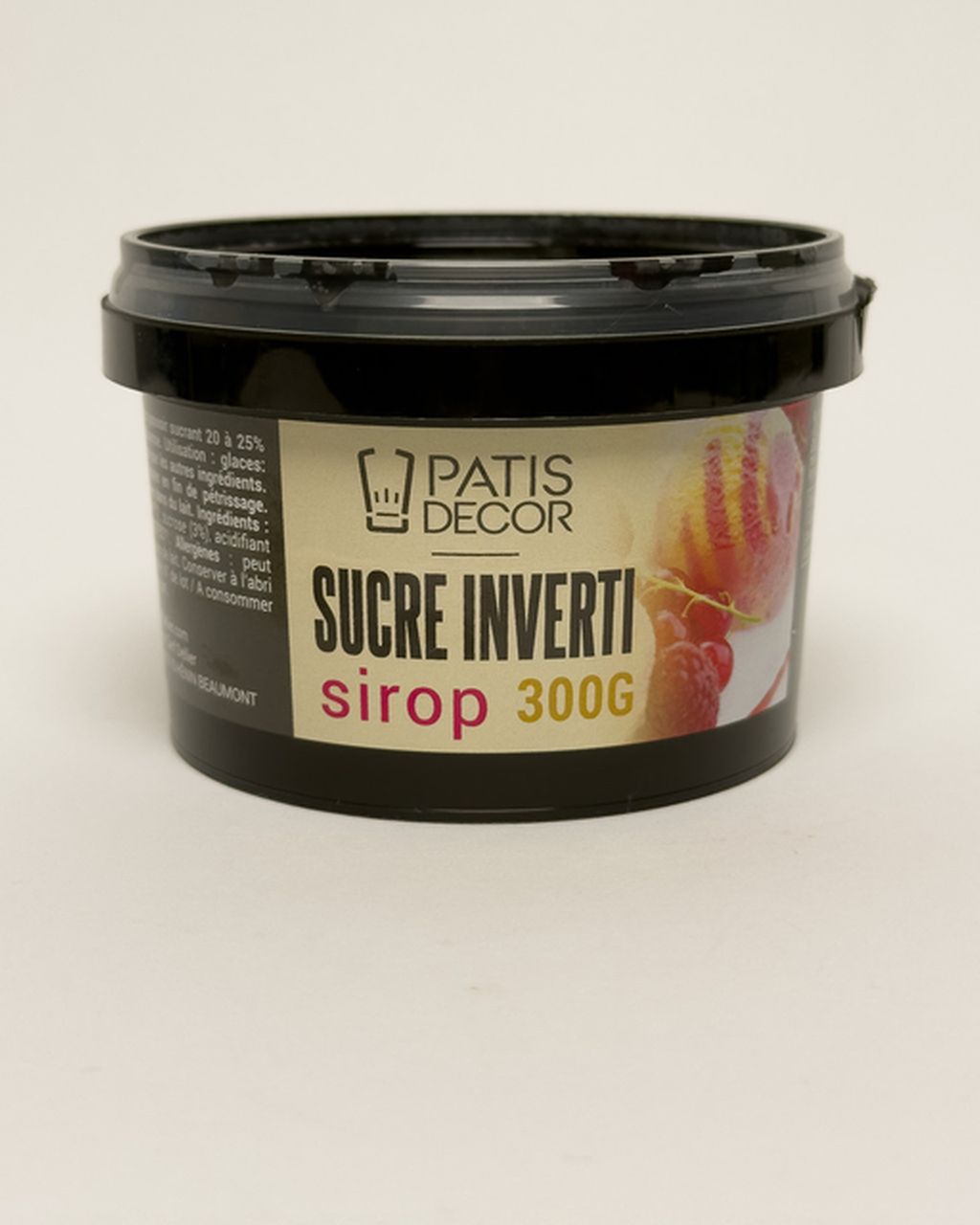
Honey is, in fact, a natural invert sugar. If your recipe relies mainly on honey, invert sugar won't change much. It makes sense where the dough has a lot of powdered sugar and little honey, or when you want a less pronounced honey flavor. Liquid invert sugar for baking works well for this. Start by replacing about a quarter of the powdered sugar with it, and test the dough. It's stickier than sugar, so let it rest overnight.
Two things to keep in mind:
Both invert sugar and honey brown faster. Watch the last minutes of baking, or lower the temperature by 10 °C (about 20 °F).
Softness isn't down to the dough alone. Most gingerbread cookies are hard right out of the oven and only soften with storage. You'll find out how in the article How to Store Gingerbread Cookies So They Soften.
Which honey to choose for the dough and why it's heated is covered in the article Honey Gingerbread Cookies: Which Honey to Use.
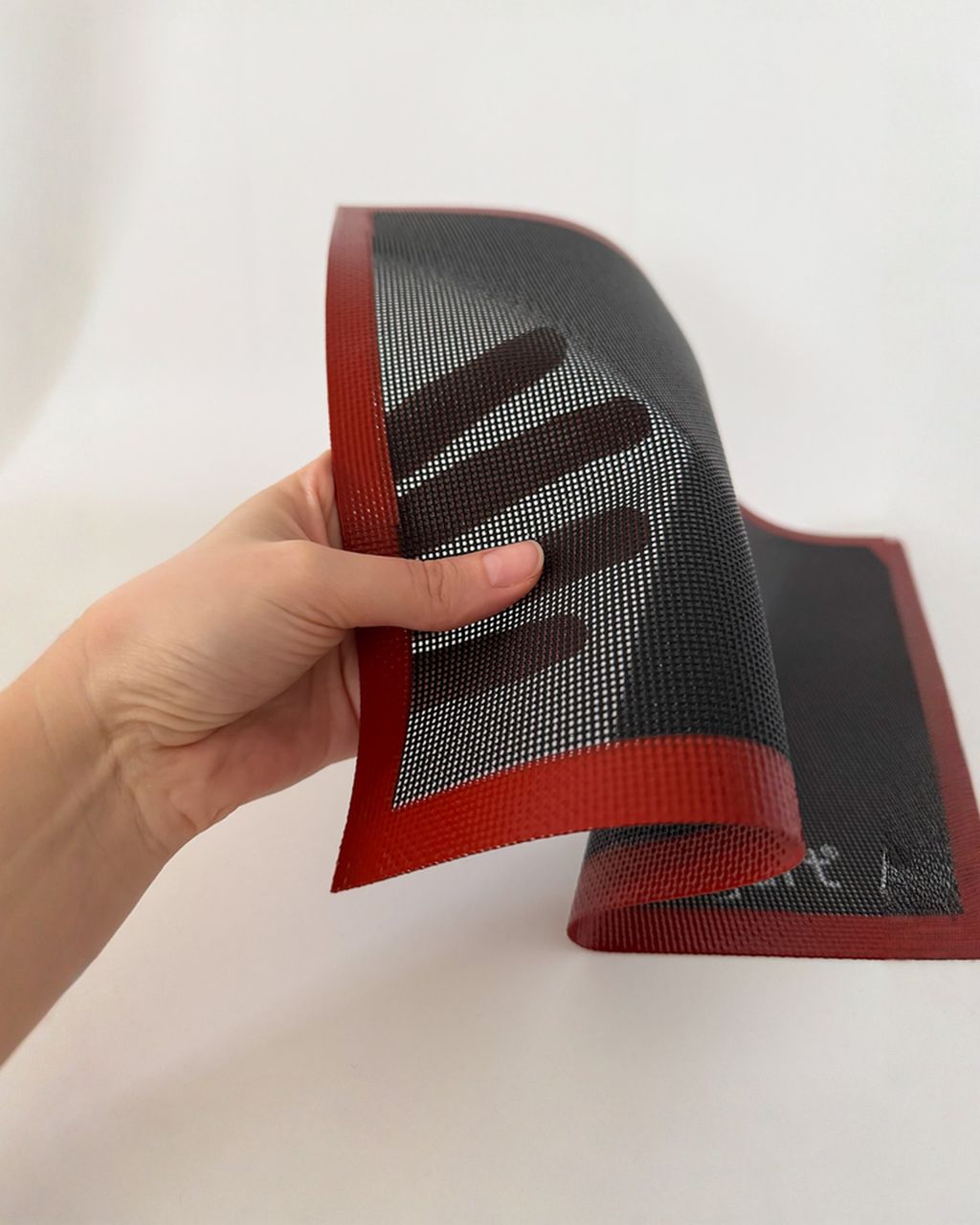
Plain baking paper is enough for gingerbread cookies. A perforated silicone mat gives a flatter, more evenly baked bottom, while a solid silicone mat gives a paler, softer underside. A comparison:
Baking paper: cheap and reliable. On a thin baking sheet it can warp, and the bottoms then aren't perfectly flat. Use a fresh sheet for every batch.
Solid silicone mat: nothing sticks and it lasts for years. But it insulates from the baking sheet, so the underside tends to be paler and moister.
Perforated silicone mat: tiny holes let hot air and steam through, so the bottom bakes the same as the top and stays flat. You can tell the difference on cookies you'll decorate with icing. One example is the perforated silicone baking mat from Silikomart.
Whatever you bake on, move the cut-out cookies onto the mat with a knife or a flat spatula. Lifting them with your fingers stretches them, and they then bake unevenly.
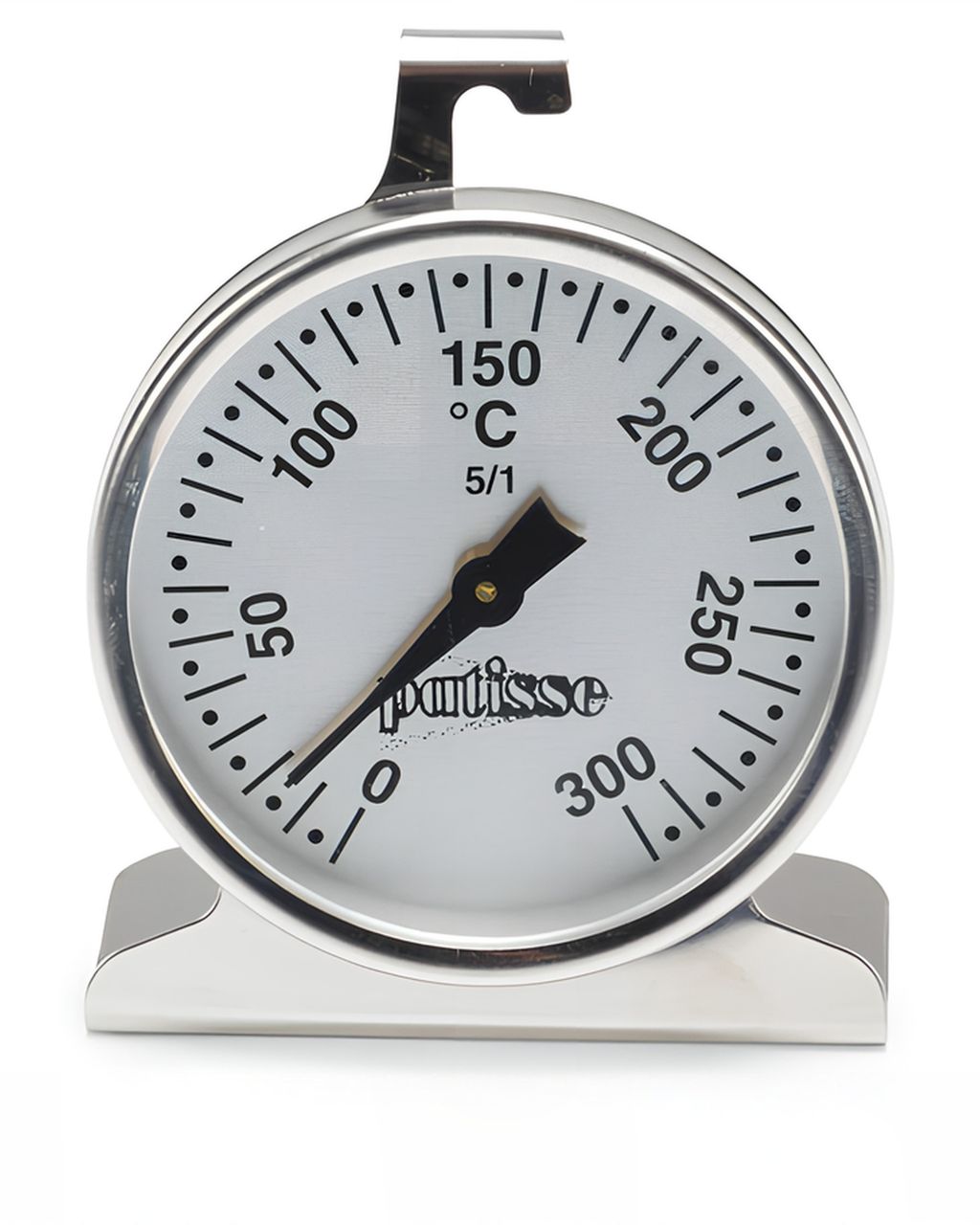
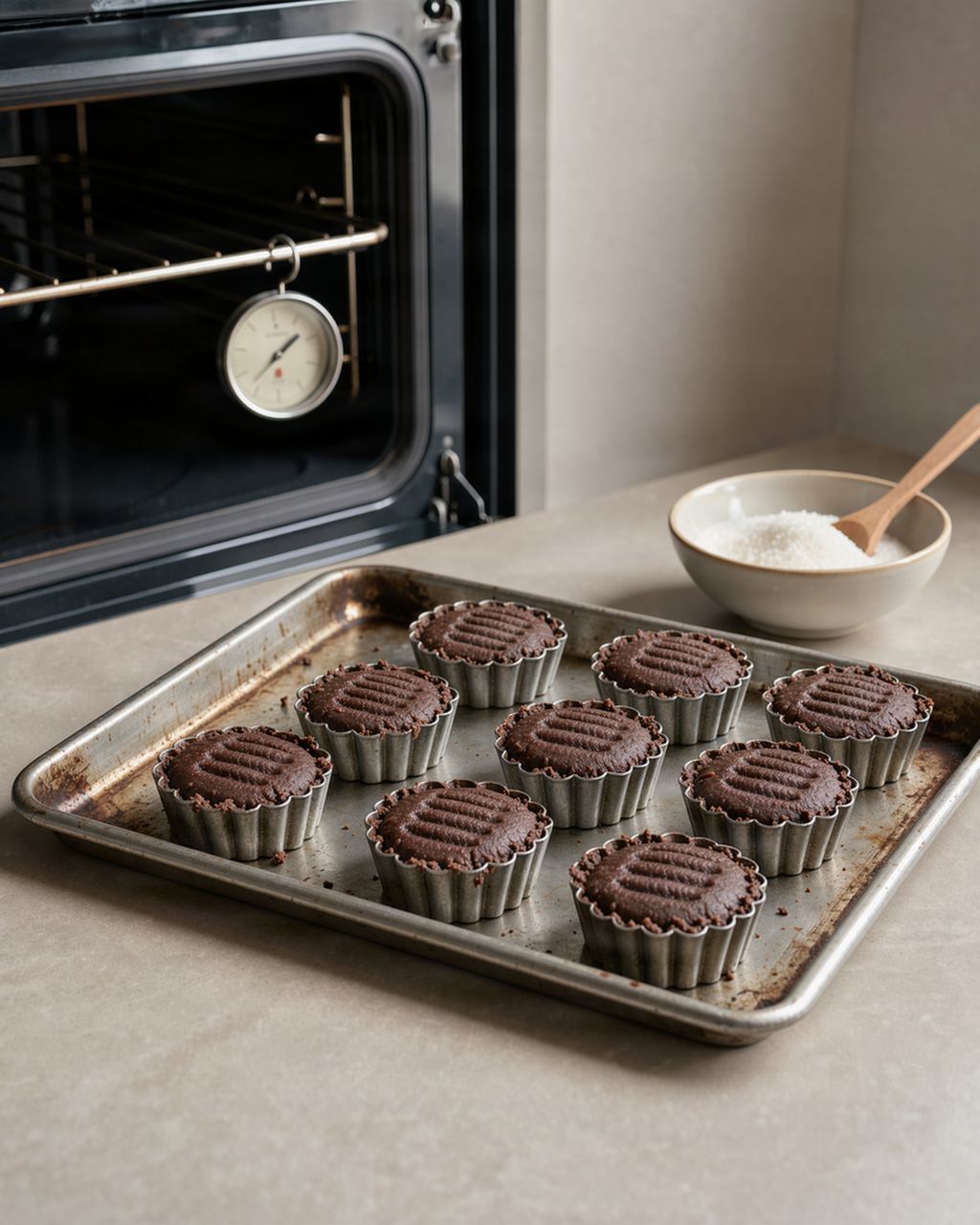
You can find your oven's real temperature with an oven thermometer: place it in the middle of the rack, let the oven heat for at least 15 minutes, and compare its reading with the setting. With gingerbread this matters because of the dough: the honey and invert sugar in it brown faster than regular sugar, so honey dough tolerates much less overheating than, say, linzer dough. A home oven's thermostat can easily differ from the actual temperature inside by 10–20 °C (about 20–35 °F) or more. For honey gingerbread that bakes in just a few minutes, that's the difference between soft and burnt. A simple Patisse oven thermometer shows you how many degrees you really have.
Then adjust the dial by the measured difference.
You only need to measure once at the start of the cookie season. An oven doesn't change that quickly.
You'll find recommended temperatures and times by thickness in the article What Temperature to Bake Gingerbread Cookies At.
Soft honey gingerbread cookies that never go hard
Soft honey gingerbread cookies that don't turn hard: a tried-and-tested gingerbread dough
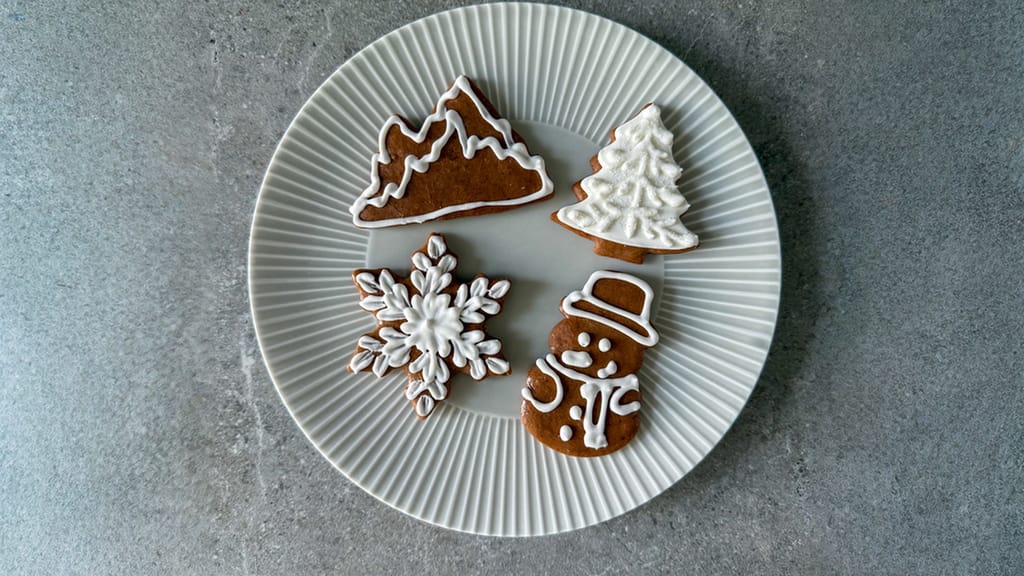
Two good companions to this dough are soft gingerbread cookies and homemade gingerbread spice that you mix yourself. You'll find the recipe in soft gingerbread cookies, and you can mix the spice for the dough following the recipe for homemade gingerbread spice. Once your cookies are baked, we'll help you choose decorations for gingerbread cookies.
Plain (all-purpose) wheat flour is the most common choice for gingerbread dough, as it gives a smooth dough that rolls easily. You can replace part of it with rye flour for a stronger, darker flavor. Whole wheat and spelt flour absorb more liquid, so expect a slightly wetter dough or add an extra spoonful of milk.
Yes, gingerbread dough holds together without eggs because the honey binds it. Replace the eggs with a few spoonfuls of milk, adding it gradually until the dough is smooth. Because it contains butter and milk, still let it rest in the fridge, not on the counter.
Re-roll gingerbread dough scraps no more than two or three times. Each time you roll, the dough picks up more flour from dusting, and cookies from the last batches tend to be harder and paler. Just press the scraps together without squeezing them into a ball, and chill them for 15 minutes before rolling again.
Gingerbread cookies that are hard straight out of the oven are normal with honey dough, and they soften after a few days in an airtight tin. If they stay hard even then, the dough had too much flour (often from dusting), or the cookies were baked too long or in an oven that was hotter than necessary.
One recipe worth heating the oven for, one tip, and one deal from the shop. Nothing else.