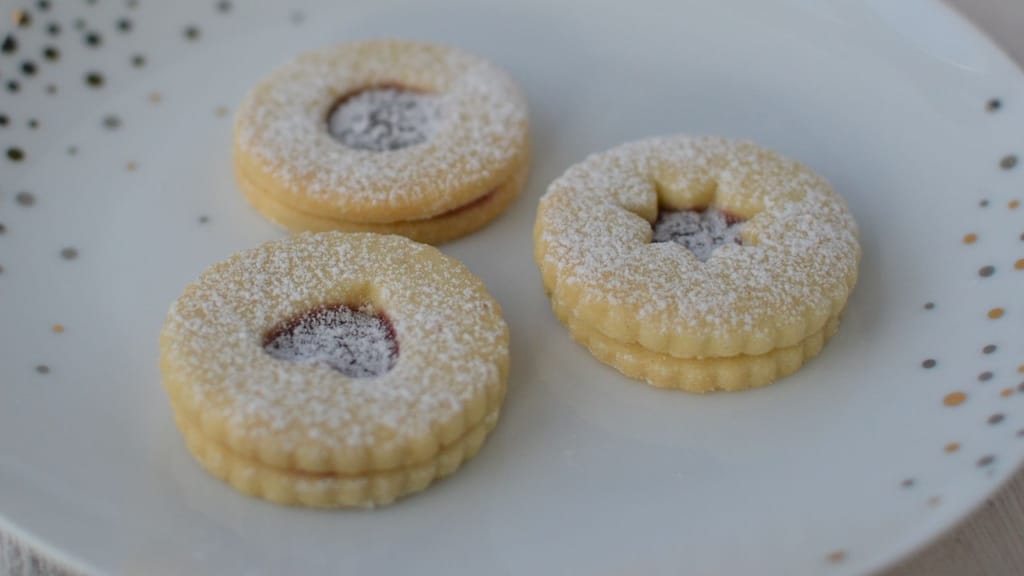
Classic christmas cookies: delicate linzer cookies
How Long to Bake Vánočka and at What Temperature: Times by Size
Updated Oct 6, 2026
How long should you bake vánočka for? A vánočka made with 500 g (1.1 lb) of flour needs 40–50 minutes at 170°C (340°F) with top and bottom heat, a small one made with 250 g (9 oz) flour needs 30–35 minutes, and a large one made with a full kilo (2.2 lb) of flour needs 55–70 minutes. It's done when the centre reaches 88–93°C (190–200°F) — to be safe, aim for 90–93°C (195–200°F) — a thermometer will tell you far more reliably than any skewer ever could. Below you'll find out why this exact temperature matters, when to cover vánočka, and how to be sure it's cooked through inside as well as out.
Bake vánočka at 170°C (340°F) with top and bottom heat, or 155–160°C (310–320°F) with fan/convection. Always preheat the oven for at least 15 minutes — never put vánočka into a cold oven.
Why not go hotter, the way you might for bread? Vánočka dough is rich — butter, sugar, egg yolks and milk. The sugar and proteins on the surface brown far faster than in a lean bread dough, so at 200°C (390°F) you'd end up with a dark crust before the centre was properly baked. At 170°C, heat reaches the inside at roughly the same pace the surface browns.
A tried-and-tested approach if your oven is slow to come up to temperature:
first 10 minutes at 180°C (355°F) — the vánočka quickly "jumps" upward and the braided strands set in place,
then turn it down to 160°C (320°F) and bake it through to the end.
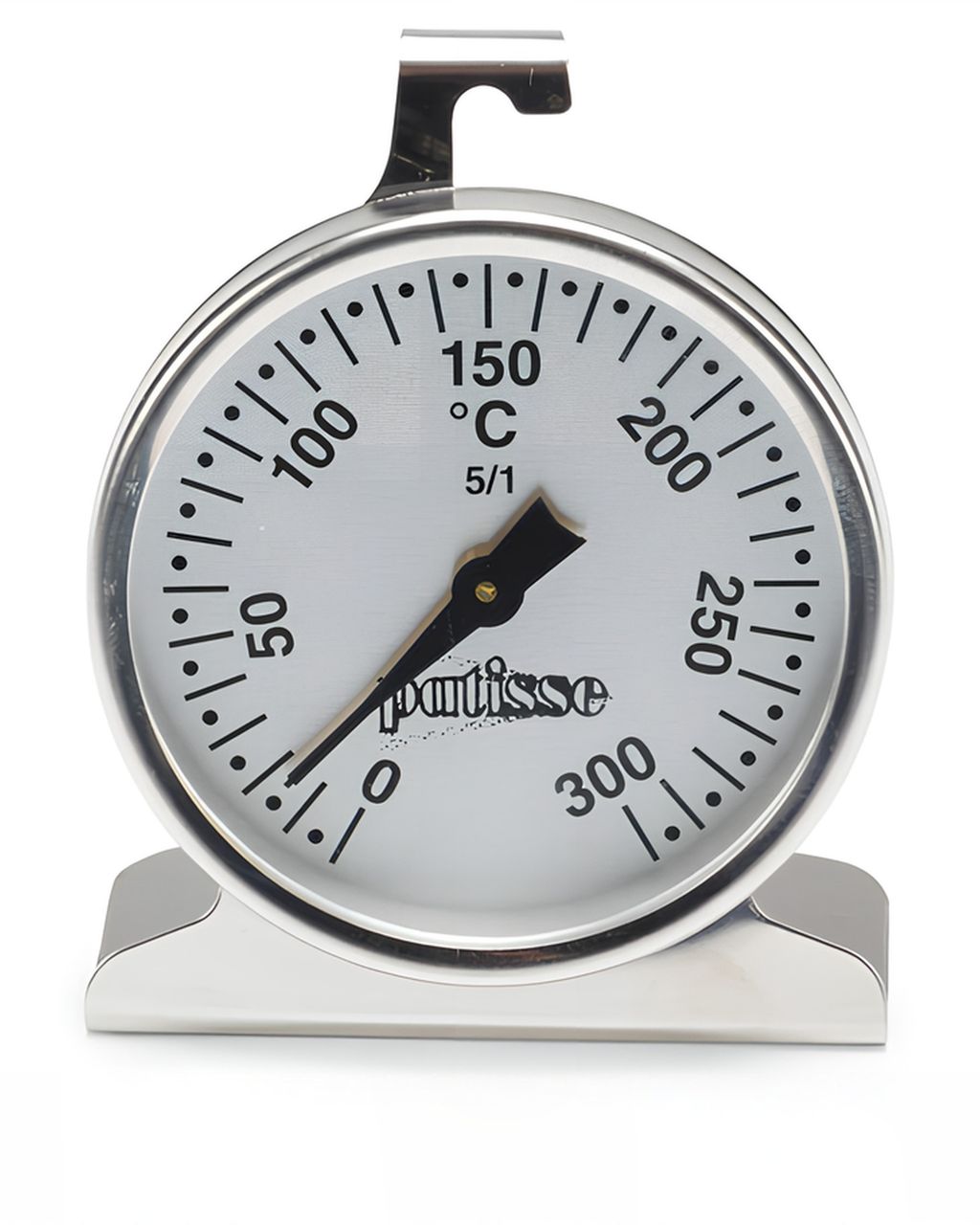
Every oven runs differently from its dial, often by 10–20°C (20–35°F). If your vánočka regularly turns too dark or stays too pale, check your oven with an oven thermometer first, and only then start adjusting the time.
Baking time depends mainly on how much flour is in the dough — at 170°C (340°F):
mini vánočky and braided twists (roughly 50–80 g/1.75–2.8 oz of dough): 15–20 minutes
small vánočka made with 250 g (9 oz) flour: 30–35 minutes
vánočka made with 500 g (1.1 lb) flour (the most common home-baked size): 40–50 minutes
large vánočka made with 1 kg (2.2 lb) flour: 55–70 minutes
Treat these times as a starting point, not a timer to live by. Shape matters too: a long, slim vánočka bakes through faster than a tall one with three layers of braided strands stacked up — that one needs the longer end of the range. For how to braid one with 4, 6 or even 9 strands, see our step-by-step guide to braiding vánočka.
The second variable is proofing. A well-risen vánočka holds more air and bakes faster; an under-proofed one is dense, takes longer in the oven, and often cracks. For how to tell when the dough is just right, see proofing dough: temperature, time and using a proofing basket.
Top and bottom heat works better for vánočka. It bakes more evenly and dries out the surface less, so the crust stays thin and the crumb stays soft.
Fan/convection is useful when you're baking two vánočky on two trays at once. In that case, lower the temperature to 155–160°C (310–320°F), swap the trays halfway through baking, and allow an extra 5–10 minutes. Two vánočky on one tray work fine with top-and-bottom heat too — just leave 8–10 cm (3–4 in) between them so they have room to rise, and bake for the same time as a single one.
Place the tray in the bottom third to the middle of the oven. Vánočka can grow by a third or more during baking, and on a higher rack its top would end up too close to the upper heating element — it would scorch before the base was properly baked.
Cover the vánočka as soon as it's golden brown — usually after 20–25 minutes of baking. Lay a sheet of baking paper or foil loosely over the top, shiny side up, and finish baking underneath it.
Watch the colour, not the clock. Vánočka brushed with egg yolk browns faster than one brushed with just milk, and any almonds on top will burn even before the dough is done. For what to brush vánočka with and why a double coat is used, see what to brush vánočka with before baking; for egg-free options, see what to brush vánočka with if you're avoiding eggs.
Don't press the paper down — just let it rest loosely so it deflects the direct heat from above. Keep oven-door openings as brief as possible so the temperature doesn't drop.
Vánočka is done when its thickest point reaches 88–93°C (190–200°F); to be safe, aim for the upper half of that range, 90–93°C (195–200°F). This is the most reliable test — baking references give exactly this range for rich yeasted doughs like vánočka or brioche. Any lower and the centre stays gummy; any higher and it starts drying out.
Insert the thermometer from the side, into the middle of the tallest part — not from the top into the gap between strands. Without a thermometer, go by a combination of these signs instead:
Tap the base. Turn the vánočka over (using an oven glove) and tap the bottom — baked through sounds hollow, underdone sounds dull/dense.
The seams between the braided strands. They should be light golden and springy. White, shiny or sticky seams mean there's still raw dough inside.
A skewer. Push it into the tallest point; it should come out dry, with no sticky crumbs clinging to it. With rich dough, though, a skewer is the test most likely to mislead you — melted butter can "wipe it clean" even while the centre isn't actually done. Treat it only as a backup check.
Firm sides. Press the vánočka gently from the side — it should spring back without leaving a dent.
The most common mistake? Judging it by colour alone. A browned crust after 30 minutes doesn't mean the centre is baked through — if in doubt, cover it and keep baking.
A briefly baked vánočka has a gummy, dense centre and sinks as it cools; an overbaked one is dry and goes stale quickly. A thermometer catches both problems better than timing alone ever will.
Other issues often blamed on the oven usually have a different cause — and we cover those in detail elsewhere:
vánočka cracking on the sides or top → why vánočka cracks: 7 causes and how to fix them
vánočka spreading out into a flat loaf → why vánočka spreads sideways instead of rising
vánočka turning dry the next day → how long vánočka keeps and how to keep it soft
Let the baked vánočka rest on the tray for 10 minutes, then move it to a wire rack, and don't slice it for at least 1–2 hours. Left on the tray, the base would turn soggy from trapped steam; on a rack, air can circulate all around it.
A freshly baked vánočka keeps baking a little from its own residual heat, and the crumb is still settling. If you cut into it warm, it will squash and stick to the knife — and dry out faster afterwards.
If you'd like to bake ahead, vánočka freezes well, whole or sliced; for storage and freezing tips, see vánočka: how long it keeps and how to keep it soft.
Bake vánočka one or two days before Christmas Eve, not earlier — most Christmas cookies, on the other hand, want to be made well ahead of time. Vánočka is best fresh, while a lot of cookies actually need time to mellow.
For when to bake which type, check our Christmas cookie baking calendar. Cookies generally need far less time in the oven than vánočka — you'll find temperatures for different types in what temperature to bake Christmas cookies at, and for gingerbread specifically by thickness in what temperature to bake gingerbread cookies at.
So you can get everything baked ahead calmly: how to store Christmas cookies so they stay crisp, how to freeze cookies and cookie dough, how long different types of Christmas cookies keep, and how long linzer cookies keep.
Two recipes that are perfect for Christmas baking week:
Classic christmas cookies: delicate linzer cookies
Crisp linzer Christmas cookies – recipe
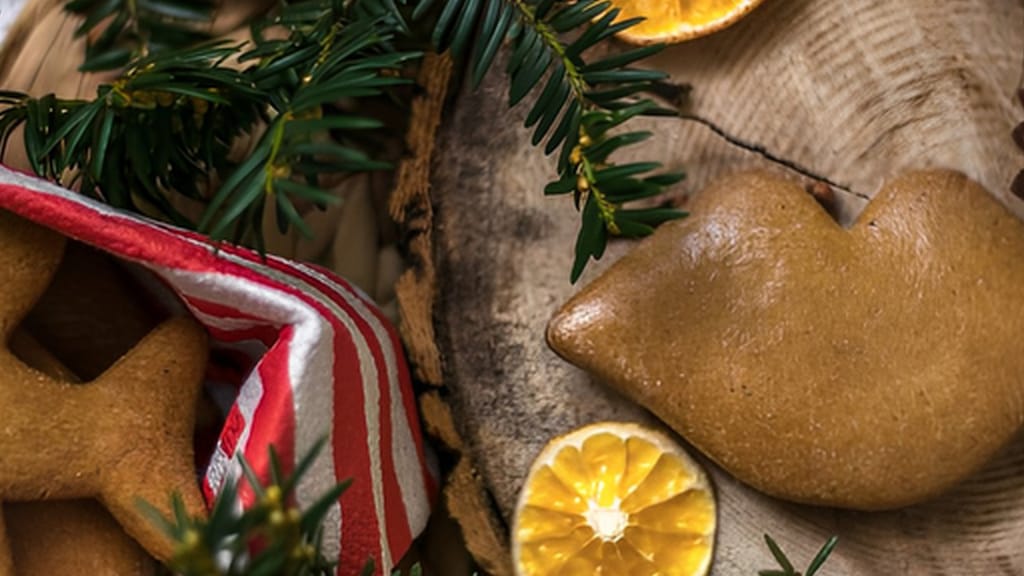
Soft gingerbread cookies
Soft Christmas gingerbread cookies – recipe
Yes, but only a small vánočka or braided twists — a large one won't fit in the basket and won't bake through evenly. Bake at 150–160°C (300–320°F): about 12–15 minutes for twists, and roughly 25–30 minutes for a small vánočka made with 250 g (9 oz) flour. The top sits close to the heating element, so after 10 minutes loosely cover it with a piece of baking paper or foil, and check it's done with a thermometer.
Baking vánočka in a loaf tin at 170°C (340°F) takes about 10 minutes longer than baking it loose on a tray — for a vánočka made with 500 g (1.1 lb) flour, that's 50–60 minutes. The tin stops it spreading, but heat reaches the sides more slowly, so check it's done with a thermometer (90–93°C/195–200°F at the centre).
Yes, ideally straight away: put it back in the oven at 160°C (320°F), covered with baking paper, for 10–15 minutes. Even a cooled vánočka can be finished off this way, though the centre won't fully recover and the crust will dry out more.
Bake sourdough vánočka at the same 170°C (340°F) and expect a similar time or slightly longer — for 500 g (1.1 lb) of flour, roughly 45–55 minutes. Sourdough dough tends to be denser, so it's especially worth going by internal temperature rather than the clock.
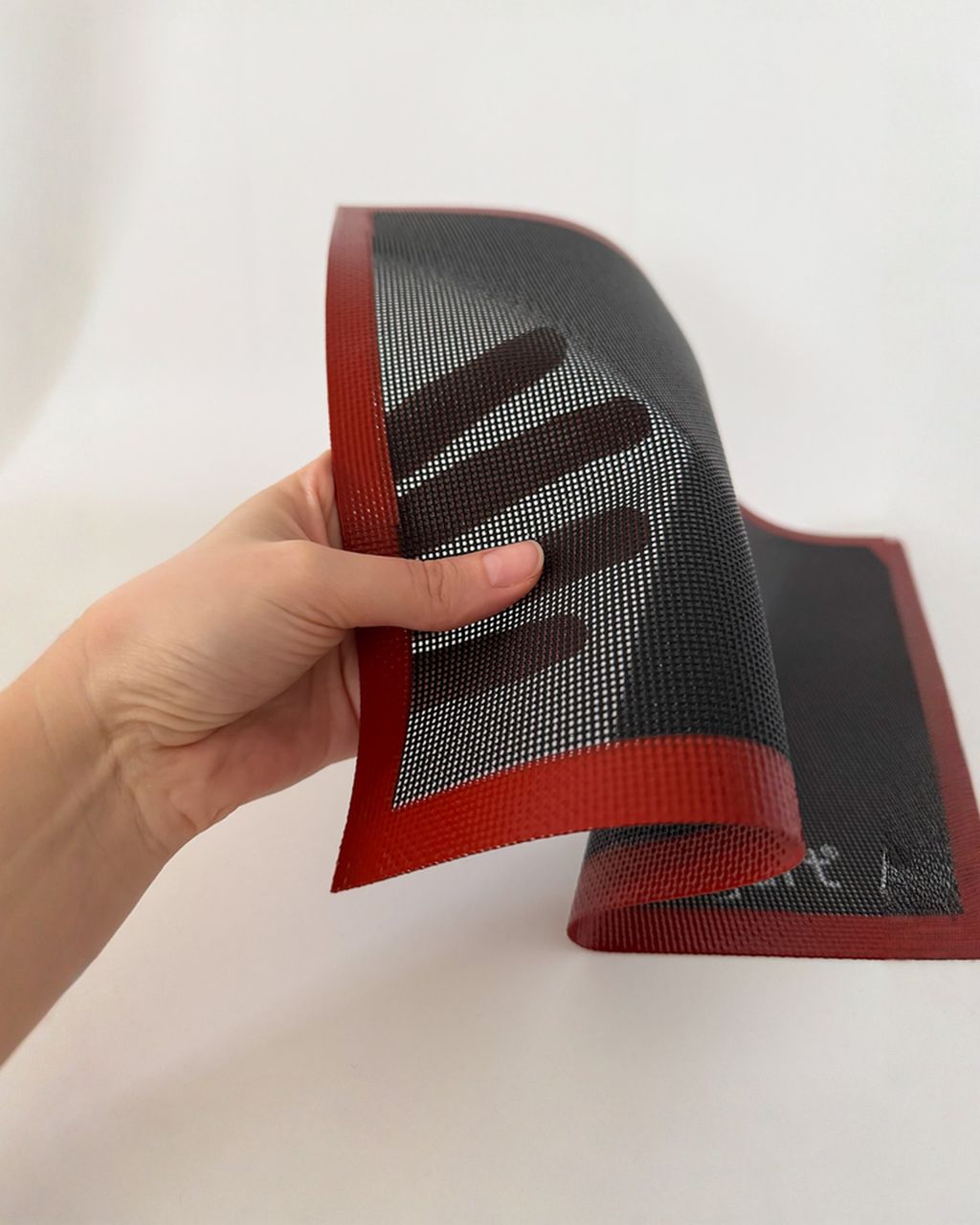
This is usually because the tray was positioned too high in the oven, or the oven wasn't properly preheated. Bake in the lower third of the oven, let it preheat for at least 15 minutes, and a perforated baking mat can help too, since it lets more heat reach the base.
One recipe worth heating the oven for, one tip, and one deal from the shop. Nothing else.