Pumpkin cream soup with garlic toasts
Cream Soups: How to Make Velvety Soup from Pumpkin, Lentils, Broccoli and More
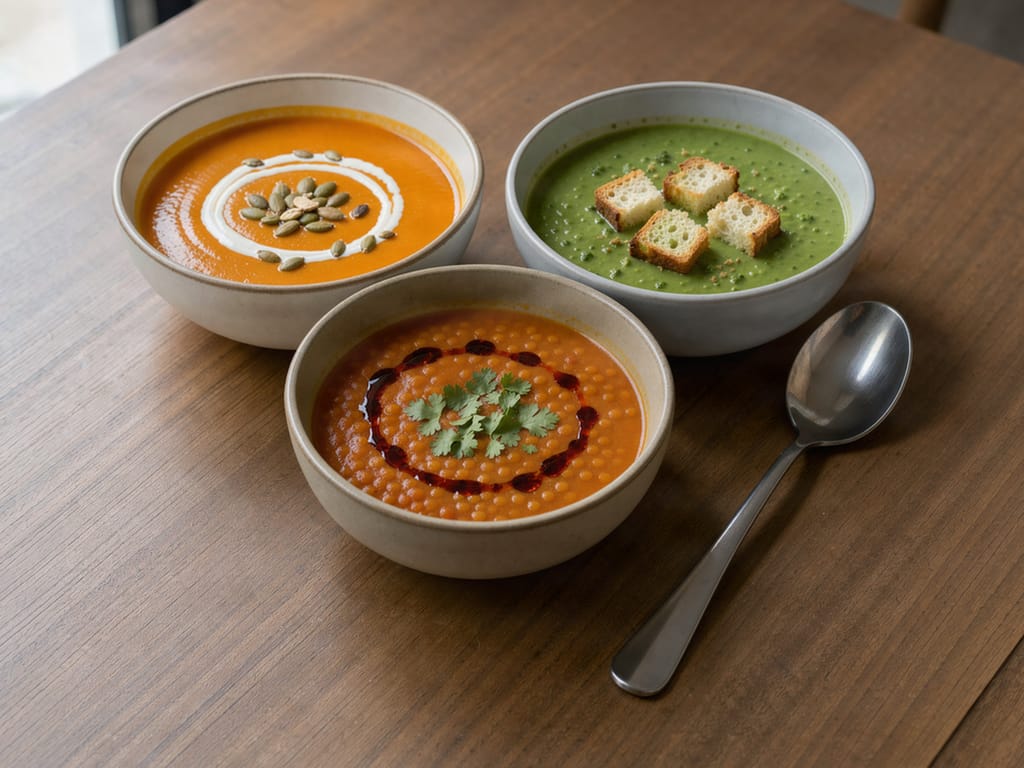
Updated Nov 20, 2026
Cream soups all rest on one method: sauté an onion, add the vegetables, pour in just enough liquid to come barely level with them, simmer until tender and blend until smooth. Then you decide whether to finish with cream, a knob of butter or nothing at all. Once you have that base down, you can make a velvety soup from pumpkin, lentils, zucchini, cauliflower, broccoli, roasted garlic, celeriac, peas, carrots or mushrooms, and below you'll find what each vegetable does differently.
Cream soup is vegetables cooked in a small amount of liquid and blended into a smooth cream. For 4 servings, use 800 g of vegetables, 1 onion and 700–800 ml of liquid.
Sauté the onion. Cook it in 1 tablespoon of oil or butter over medium heat for 5–8 minutes, until translucent and soft. It shouldn't brown, because dark onion clouds the soup and makes it bitter.
Add the vegetables. Cut them into evenly sized pieces, about 2–3 cm (1 inch), so they all soften at the same time. Sauté them with the onion for 2–3 minutes so they soak up the fat.
Add the liquid. Pour in water or stock just until the vegetables are barely level with the surface; for 800 g of vegetables that's usually 700 ml. Add a pinch of salt.
Simmer until tender. Cook covered at a gentle simmer for 15–25 minutes, depending on the vegetable. It's done when you can crush a piece against the side of the pot with a spoon without any resistance.
Set aside a cup of the liquid. It's your insurance for getting the thickness right.
Blend until smooth. Use an immersion blender for 1–2 minutes, or a countertop blender in batches (safe blending is covered further down). Stir the reserved liquid back in gradually until the soup is as thick as you like.
Finish and season. With cream, butter or nothing. At the end, add more salt and a few drops of lemon juice or vinegar; acidity wakes up the flavor.
Why so little liquid? Because you can always add more, but you can't take it away. Drowned vegetables make a thin, bland soup that you then have to rescue with flour. If you pour in liquid only up to the surface, the blended pulp creates a thick cream on its own.
You have four options for finishing: cream, butter, nothing, or sour cream or yogurt on the plate.
Whipping cream, 30–33%: 100–150 ml for the whole pot. Rich cream doesn't curdle in hot soup, so you can simmer it briefly. Cooking cream with 12% fat should only go in once the pot is off the heat.
Butter: 20–30 g of cold butter stirred in just before serving gives the soup a shine and a rounded flavor without the heaviness of dairy.
Nothing: pumpkin, lentils, potato or cauliflower are creamy on their own. A few spoonfuls of good olive oil on the plate are enough.
Sour cream or yogurt: only off the heat and onto the plate. At a boil, they curdle into flakes.
One extra potato (about 150 g) thickens watery vegetables such as zucchini or celeriac. Its starch gently binds the soup, so you don't need a roux or flour.
Seasonal baking plans, tested recipes and kitchen tricks that save you time. Unsubscribe in one click.
Water is enough for a vegetable cream soup if you sauté the vegetables in fat first and season the soup well. Stock, however, adds a depth you'd otherwise have to make up with salt.
Water lets the vegetable itself shine. It's ideal for peas, broccoli and zucchini, which have a delicate, fresh flavor.
Vegetable stock is the all-rounder. Store-bought is often salty, so add salt only at the end when you use it.
Chicken stock suits garlic, celeriac and mushrooms and makes the soup fuller. It's then no longer meat-free, though.
Dried mushroom soaking water is the cheapest way to give a soup a taste of the forest. Strain it through a paper filter, as there's often grit at the bottom.
A bouillon cube works, but count it as salt. Season the soup only after tasting it.
The safest way is an immersion blender right in the pot. If you use a countertop blender, fill the jar no more than halfway, let the soup stand for 5–10 minutes, take out the center cap of the lid and cover the opening with a folded kitchen towel.
Why it matters so much: hot liquid expands sharply as you blend, and the steam pushes on the lid and can blow it off. Then you have boiling soup on the counter, on your hands and in your face. The method for a countertop blender:
Blend in batches, filling the jar no more than halfway, or about a third for smaller blenders.
After switching off the heat, let the soup stand for 5–10 minutes so it stops bubbling.
Remove the center cap of the lid so the steam has a way out, and cover the opening with a towel.
Hold the lid down with your palm over the towel.
Start on the lowest speed and increase gradually.
With an immersion blender, keep the whole head below the surface, or the soup will splatter. Switch it on only once it's submerged and switch it off before you lift it out. A taller pot and blending at a slight tilt help.
Which is smoother? A countertop blender gives a silkier result because it breaks down even celeriac fibers and pea skins. An immersion blender is faster and safer. For restaurant-level smoothness, push the soup through a fine sieve as well, using a ladle to help.
Three things make a velvety texture: vegetables that are soft enough, blending that goes on long enough, and fat that combines with the blended pulp into a smooth emulsion.
Softness: undercooked vegetables never blend smooth. A piece should crush under a spoon without resistance, not just be pierced by a fork.
Blending time: 1–2 minutes with an immersion blender, 1 minute per batch with a countertop one. A short blend leaves a soup with tiny bits, which is fine for mushroom or pea soup but a shame for pumpkin.
Fat at the end: a spoonful of butter, oil or cream stirred into the hot blended soup coats the tiny particles and gives the soup a shine on the spoon.
A sieve: for fibrous vegetables, peas and green beans, it's the only route to a truly silky soup. It takes two minutes and you'll notice the difference with the first spoonful.
Flour, on the other hand, doesn't help. A roux belongs in classic thickened soups; a cream soup stands on the vegetables alone.
You can make these cream soups using the basic method, but each has its own trick: hokkaido pumpkin, red lentil, zucchini, cauliflower, broccoli, roasted garlic, celeriac, pea, roasted carrot and mushroom. All quantities are for 4 servings.
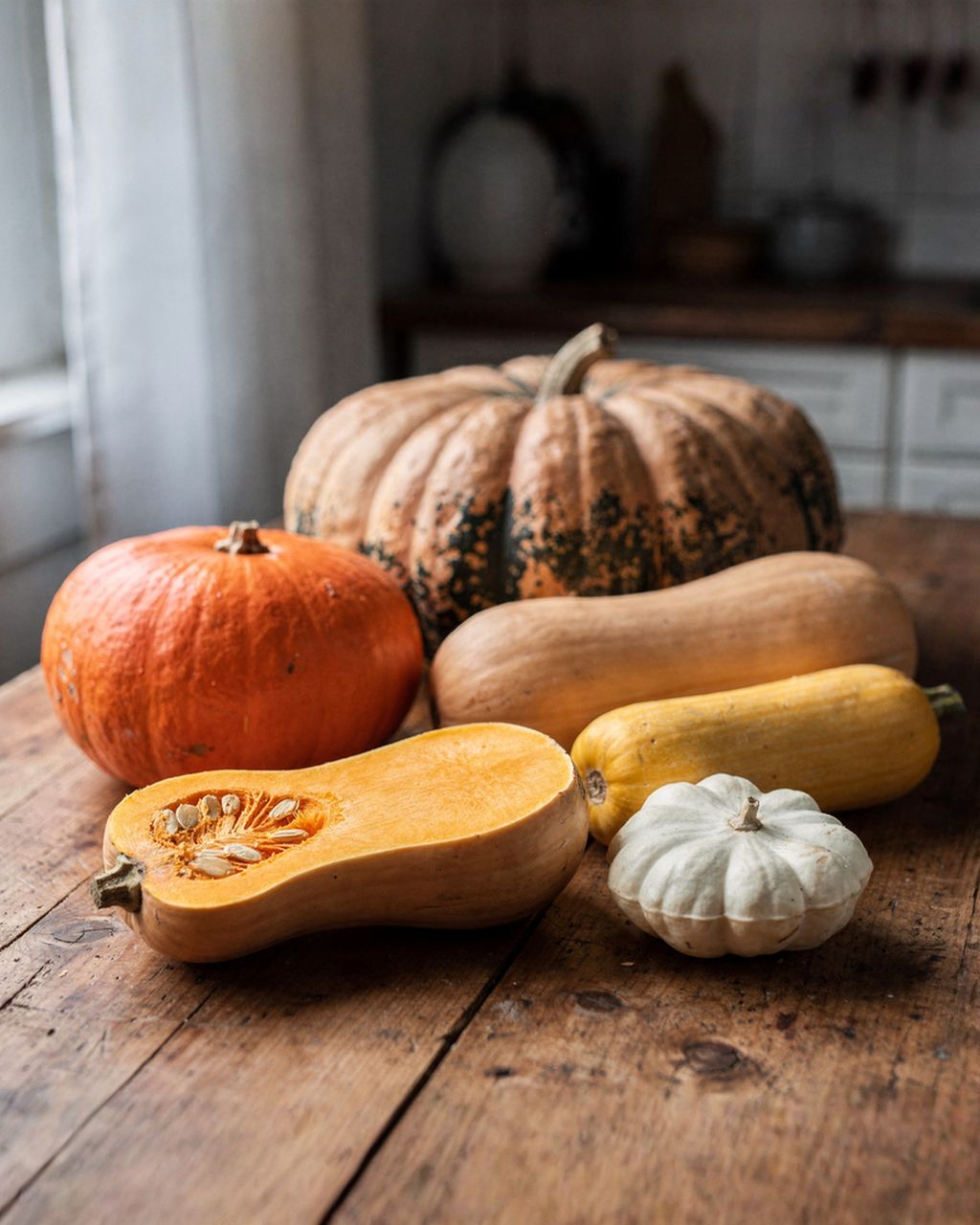
Hokkaido pumpkin soup is the easiest cream soup of all, because hokkaido pumpkin doesn't need peeling; the skin cooks down and disappears when you blend. Cube 1 kg of flesh, sauté an onion in oil with 2 cm (about 1 inch) of grated ginger, add the pumpkin and pour in 700 ml of water or stock. Simmer for 15–20 minutes, blend and finish with a spoonful of butter or a little coconut milk. For how to cut the pumpkin open and what else to cook with it, see the article how to prepare hokkaido.
For a deeper, sweeter flavor, roast the pumpkin first: toss the cubes with oil and roast at 200°C (400°F) for 25–30 minutes, until the edges turn golden, then simmer them only briefly with the onion and liquid. Watch the sweetness: hokkaido is sweet by itself, so balance the soup with salt, ginger and a drop of lemon, not more spices like cinnamon.
We have a ready recipe in the pumpkin cream with garlic toasts: 300 g of hokkaido, two potatoes, an onion and 500 ml of water, served with ciabatta toasts rubbed with garlic and topped with Parmesan, all in 43 minutes. More tricks for a silky texture are in pumpkin cream step by step.
Pumpkin cream soup with garlic toasts
Hokkaido pumpkin cream with potatoes and garlic toasts with Parmesan, ready in 43 minutes
Red lentil soup is creamy even without a blender: red lentils have no skin and fall apart into a purée on their own in 15–20 minutes of simmering. For 200 g of lentils, use 1 liter of liquid, a ratio of 1:5. Rinse the lentils in a sieve until the water runs clear, then add them to the sautéed onion with carrot and a teaspoon of ground cumin, pour in the liquid and simmer. For a completely smooth soup, blend briefly at the end, then season with lemon, because without acidity it tastes flat. Don't use brown or green lentils for a cream soup: they hold their shape, need twice the cooking time, and the soup turns out gray-brown and grainy.
Try our red lentil soup with coconut milk: the lentils are scalded three times with hot water, then cooked with a shallot in coconut oil, 400 ml of coconut milk and curry spices, and it's ready in 35 minutes. It's vegan, so it also fits in the collection of everyday vegan recipes.

Red lentil soup with coconut milk and chilli
Vegan red lentil soup with coconut milk, curry and chili in 35 minutes
Cream of zucchini soup cooks briefly, 10–12 minutes, or it turns gray and loses its fresh flavor. Don't peel 1 kg of zucchini, just slice it into rounds, and add one potato (150 g), because zucchini is mostly water and would stay thin on its own. Pour in only 500 ml of stock, since the zucchini releases juice itself. After blending, stir in a handful of basil or mint and a spoonful of quark (tvaroh, a Czech fresh curd cheese). Add garlic to the zucchini only for the last 2 minutes of cooking so it stays fragrant. If you want a richer soup, blend in 50 g of grated Parmesan or a handful of cashews soaked in water for 30 minutes.
Peel an overgrown zucchini and scoop out the seeds, as the skin tends to be tough. You'll find more ideas in the article what to cook with zucchini.
Cream of cauliflower soup thickens on its own: overcooked cauliflower blends into a thick cream, so it doesn't need a potato. Break one smaller head of cauliflower (about 700 g) into florets, chop the peeled stalk too, add it to onion sautéed in butter, pour in 700 ml of stock and simmer for 15 minutes. Blend and season with nutmeg and white pepper. Don't overcook the cauliflower: after 25 minutes of simmering it starts to smell like cabbage and the soup loses its delicacy. If you like cheese, stir 50 g of grated Cheddar or Edam into the hot soup.
For a deeper, nutty flavor, first roast the cauliflower on a baking sheet at 200°C (400°F) for 25 minutes, until the edges brown, and only then add the liquid. You'll find more ways in the article what to cook with cauliflower.
Broccoli soup stays a rich green if you cook it for 10 minutes at most and add the lemon only at the table. Longer cooking and acid in the pot dull the color to an olive gray. For 600 g of broccoli, peel the stalk, slice it into rounds and start it cooking 3 minutes before the florets, add 600 ml of water or stock, and serve right after blending, or cool the pot quickly. Broccoli in covered hot water keeps softening and yellowing. A handful of baby spinach added just before blending deepens the green even more.
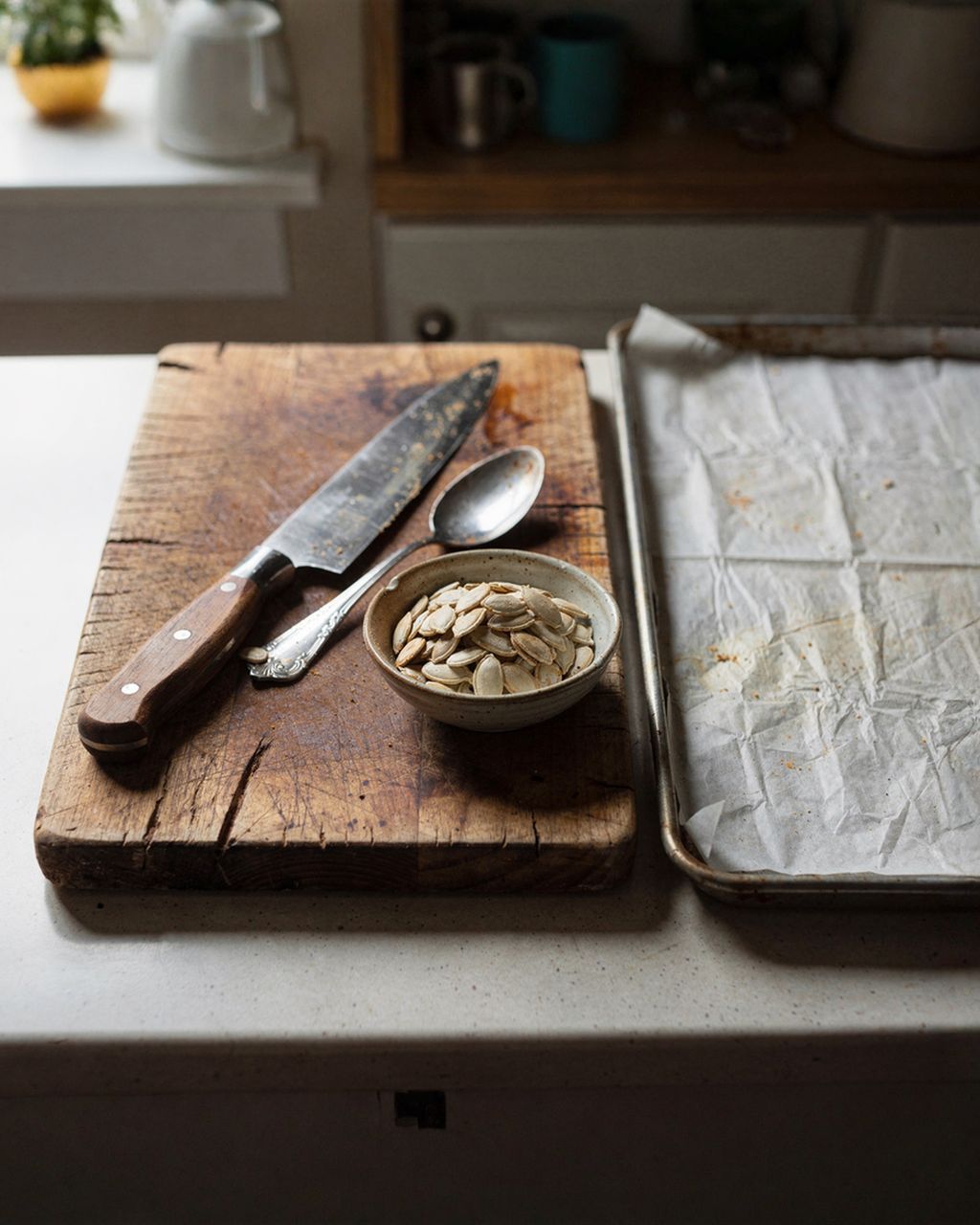
Our broccoli cream with coconut milk is vegan and ready in 25 minutes: the broccoli is only lightly simmered with onion in coconut fat, 400 g of coconut milk, 150 ml of water and ground cumin, topped with toasted pumpkin seeds and a few drops of flaxseed oil. For what else to do with broccoli, see the article what to cook with broccoli.
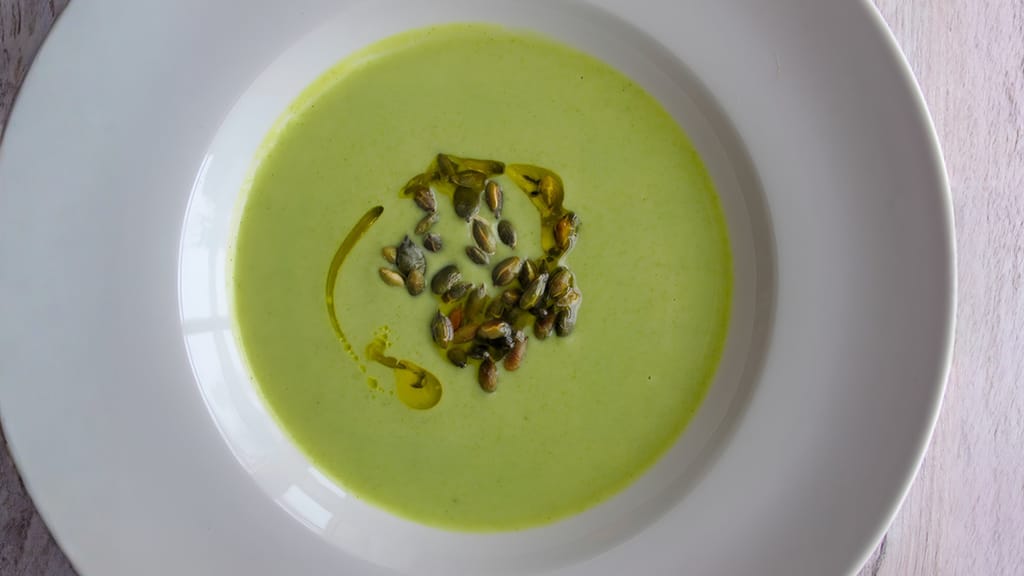
Creamy broccoli soup with coconut milk
Vegan broccoli cream with coconut milk and toasted pumpkin seeds in 25 minutes
Roasted garlic soup is mellow and slightly sweet, not sharp, because roasting turns garlic's pungency into caramel sweetness. Cut the tops off three whole heads, drizzle with oil, wrap in aluminum foil and roast at 200°C (400°F) for 35–40 minutes, until the cloves soften to a paste. Squeeze them out into sautéed onion, add 500 g of chopped potatoes, pour in 1 liter of stock and simmer for 20 minutes. Blend briefly and finish with cream; garlic tolerates fat best.
A variant with garlic briefly fried in butter is in the creamy autumn soup with garlic and potatoes: seven cloves of garlic, 400 g of potatoes, chicken stock and whipping cream, ready in 25 minutes.
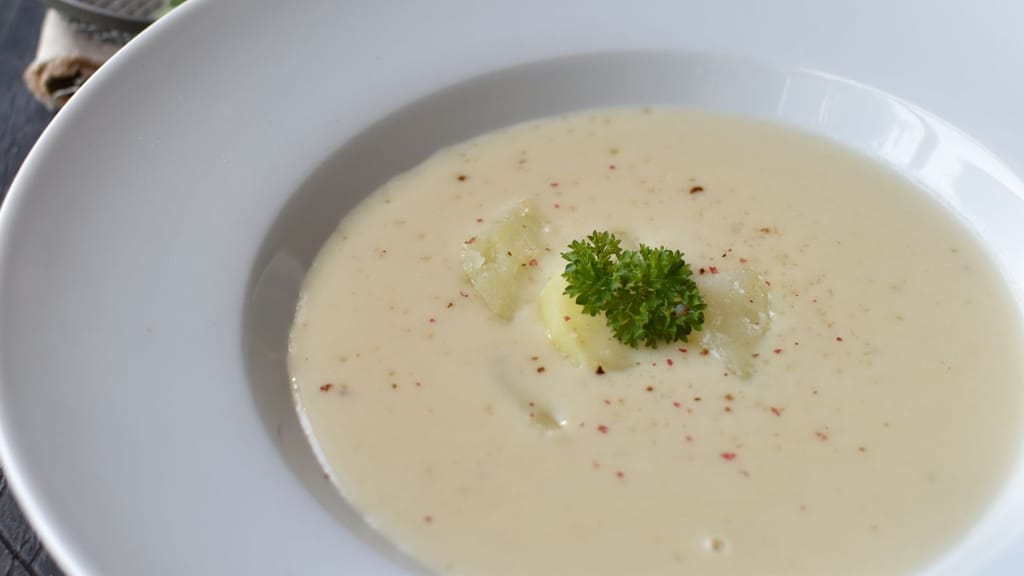
Creamy autumn garlic and potato soup
Creamy garlic soup with potatoes, chicken stock and cream in 25 minutes
Cream of celeriac soup needs a potato and a countertop blender, because celeriac is fibrous. For 600 g of peeled celeriac, add 1 potato and 1 tart apple, which softens the flavor, pour in 800 ml of stock and simmer for 25 minutes, until the celeriac is easily pierced. Blend longer, at least 2 minutes, and finish with a spoonful of butter. Celeriac darkens when peeled and left in the air, so cut it only right before cooking. Toasted walnuts and a few drops of walnut oil go well on top.
Celery stalks make a milder, fresher version: finely chop 500 g of stalks, simmer with a potato for just 15 minutes and always push the blended soup through a sieve, or strings will remain. For how to store and clean celery stalks, see the article celery stalks: storing, freezing and substitutes.
Soup from yellow split peas simmers for 30–45 minutes and is creamy on its own thanks to the peas breaking down. Older peas or hard water need up to an hour. You don't have to soak them, though soaked peas soften a bit sooner. For 250 g of peas, use 1.2 liters of water. Rinse the peas and cook them with onion, carrot and a bay leaf until tender, blend and season with marjoram, garlic and fried onion on top. Peas foam while cooking, so skim the foam with a spoon and don't cover the pot completely, or the soup will boil over. Salt it only toward the end of cooking so you don't oversalt: as it evaporates and stands, the soup thickens and the flavor concentrates. Thin it with water when reheating.
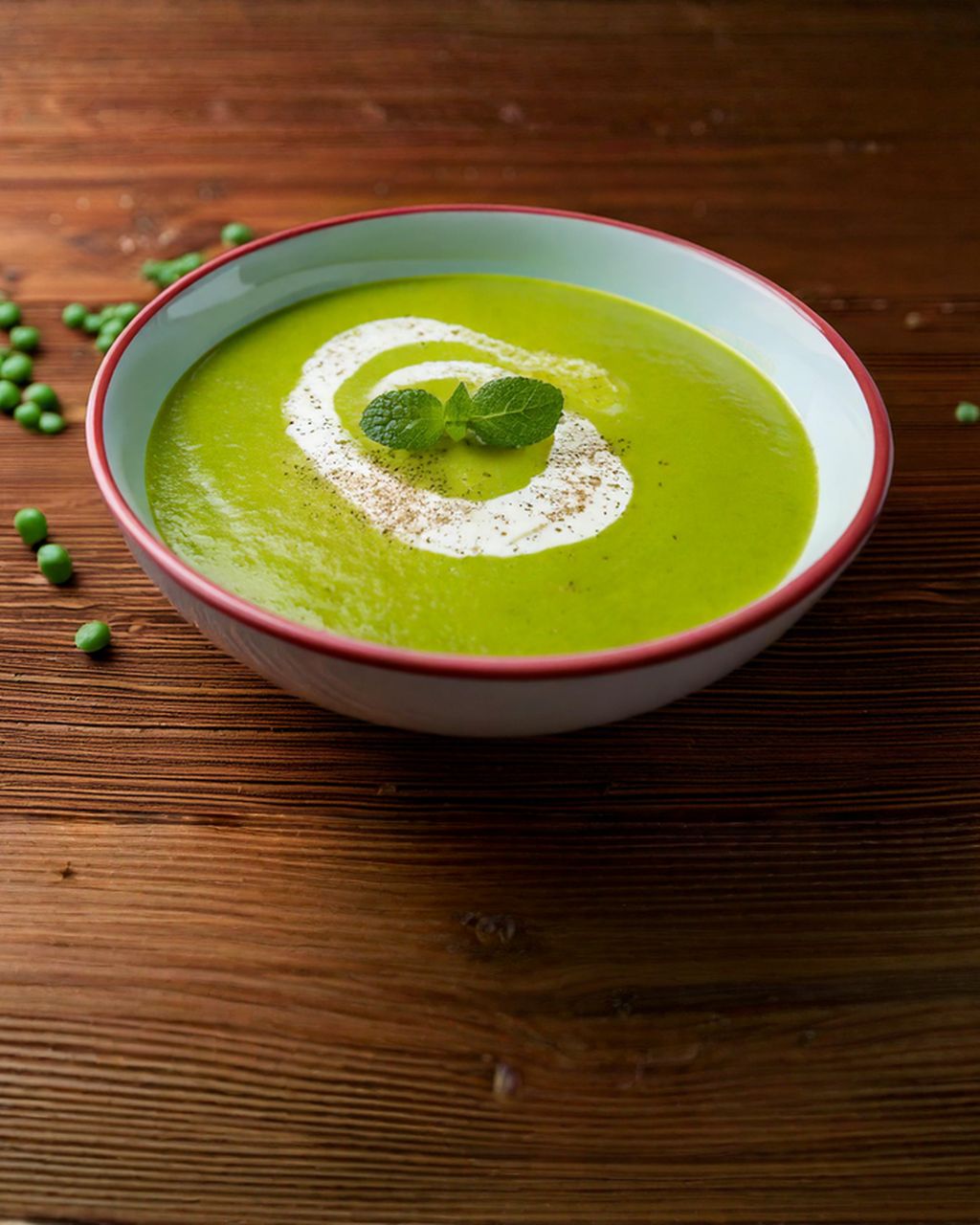
With frozen green peas it's a matter of 10 minutes of cooking: our fresh pea soup with sour cream needs 500 g of peas, 500 g of vegetable stock, an onion sautéed in butter and nutmeg; after blending it's strained and ready in 24 minutes. For how to keep the green color rich, see pea cream step by step.
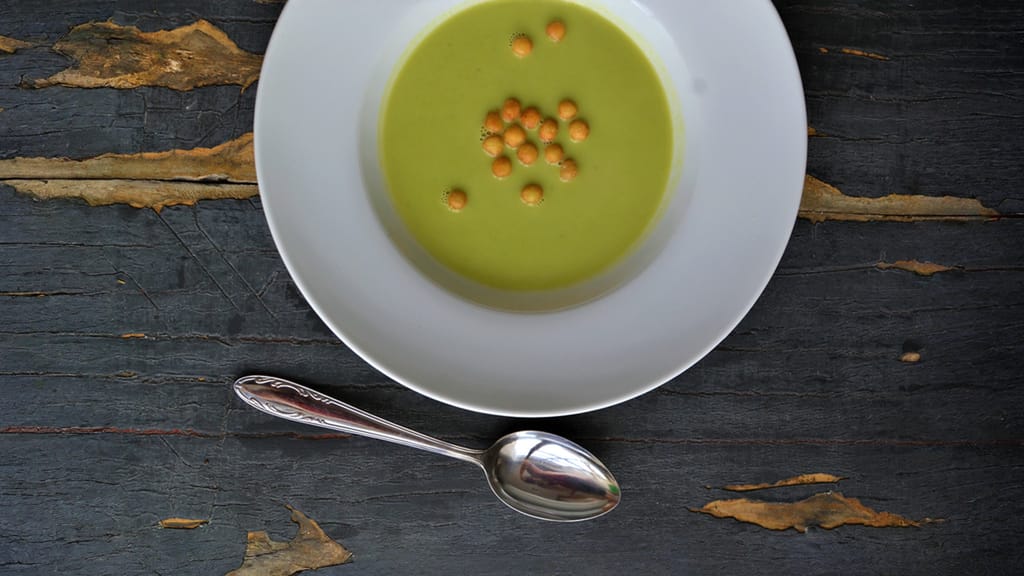
Fresh pea soup with sour cream
Cream of pea soup from frozen peas with sour cream and nutmeg in 24 minutes
Roasted carrot soup is sweeter and fuller than one made from boiled carrots, because the oven caramelizes the carrots. Toss 800 g of carrots cut into sticks with a spoonful of oil and salt and roast at 200°C (400°F) for 30–35 minutes, until the edges brown. Then move them to sautéed onion with 2 cm (about 1 inch) of ginger, pour in 800 ml of stock, simmer for 10 minutes and blend. The juice of half an orange and a spoonful of butter finish it. Keep an eye on the carrots in the oven: browned edges deepen the flavor, but burnt pieces would make the soup bitter, so discard them. A teaspoon of ground cumin or curry also suits carrots, with a spoonful of yogurt on top.
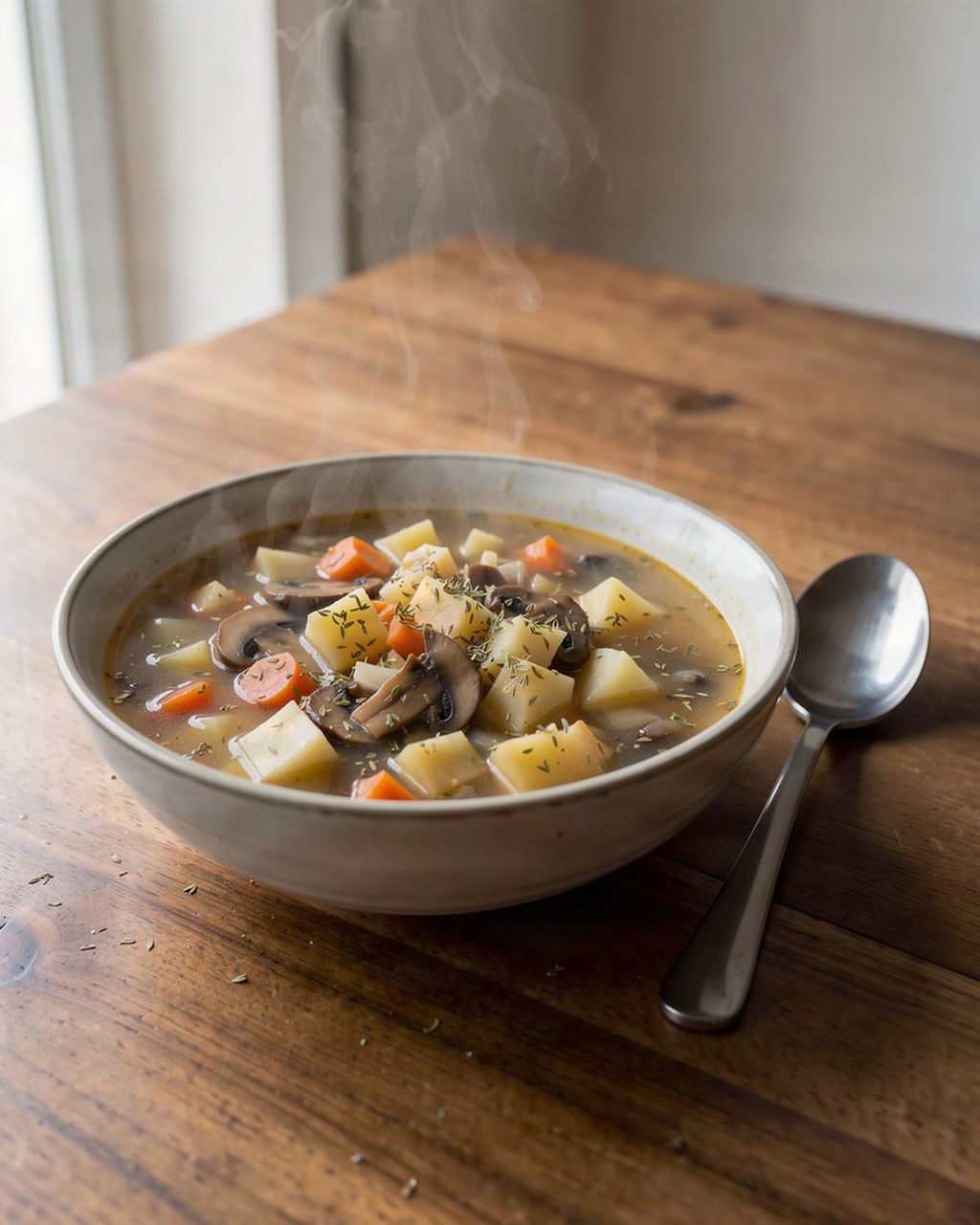
Cream of mushroom soup tastes best when you properly sear the mushrooms first rather than boil them. For 500 g of button mushrooms or a mix of mushrooms, put butter in a hot pan and sear the mushrooms in smaller batches for 5–7 minutes until golden, then add them to the onion, pour in 800 ml of stock and simmer for 15 minutes. Set a few seared mushrooms aside for garnish and blend the rest with cream. Don't salt the mushrooms in the pan right away: salt draws out water and they start to stew instead of sear. A handful of dried porcini soaked in the stock deepens the flavor of the soup considerably.
We have a ready method in the delicate, fragrant mushroom soup: 250 g of button mushrooms, 100 g of wild mushrooms, 1 liter of vegetable stock, caraway and 200 ml of whipping cream, blended smooth in 46 minutes. A semi-smooth version made from dried porcini, which you blend for only a few seconds with an immersion blender, is in the mushroom soup.
Cream of chanterelle soup: chanterelles are firm and turn rubbery in a blender, so don't blend all of them. Make a creamy base from 400 g of potatoes, an onion and 800 ml of stock, blend it with cream, and stir in 300 g of chanterelles seared in butter with parsley only at the end. More mushroom ideas are in the article what to cook with mushrooms.
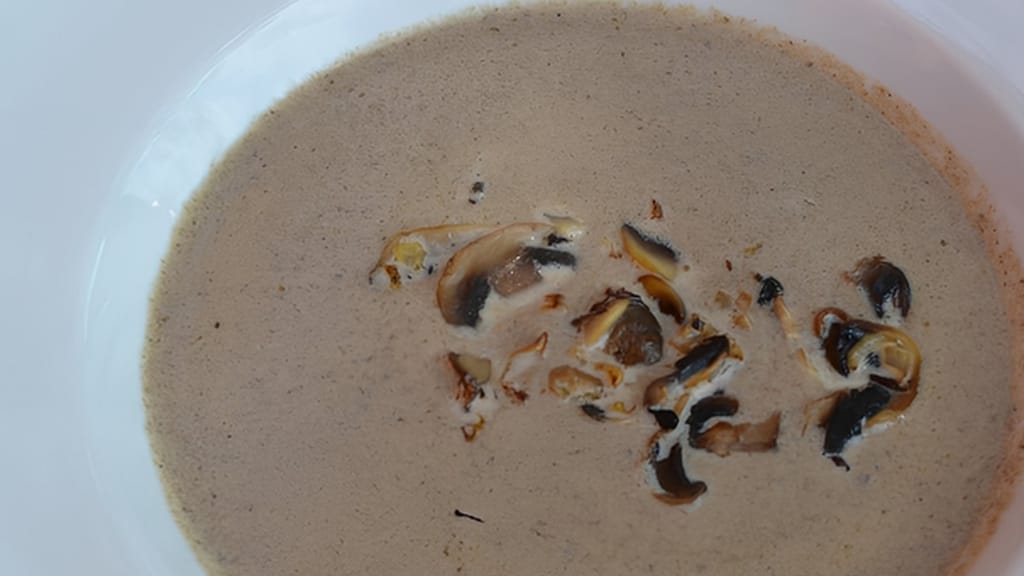
Delicate & fragrant mushroom soup
Cream of mushroom soup from button and wild mushrooms with cream, blended smooth
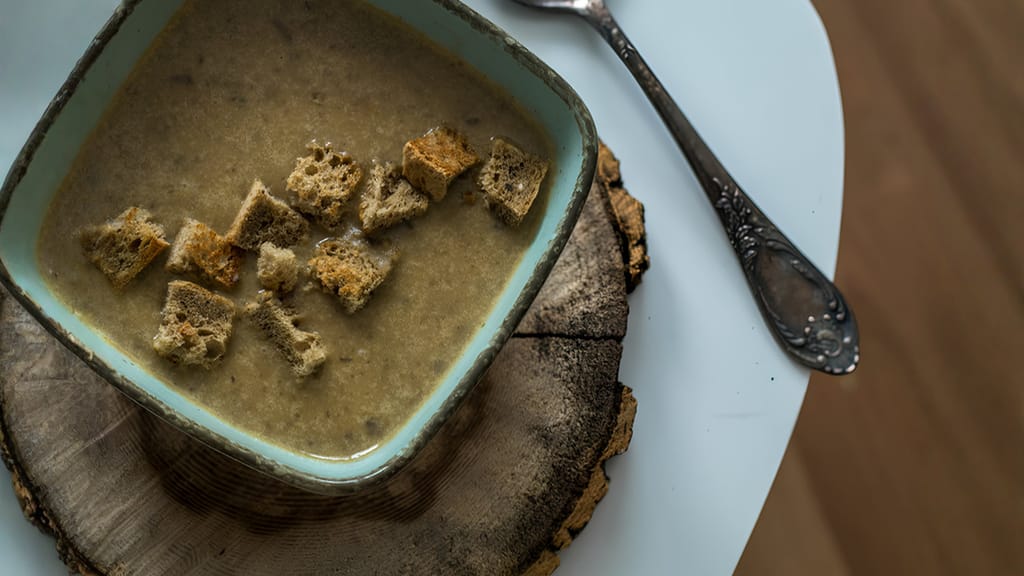
Mushroom soup
Semi-smooth mushroom soup from dried porcini, blended only briefly
Cream of green bean and pattypan squash soup is cooked the same way as zucchini: briefly, with one potato and with less liquid.
Green beans: trim the stems from 500 g of green beans, cut them into pieces and simmer with an onion, a potato and 700 ml of stock for 12–15 minutes, until completely soft. A shorter cooking time leaves the beans stringy. Blend in a countertop blender and season with savory, which has always belonged with beans. For how long to cook beans and how to freeze them for winter, see the article green beans: cooking, storing and freezing.
Pattypan squash: don't peel young pattypan squash, just slice it; peel older ones and scoop out the seeds. For 800 g, use a potato, 500 ml of stock and 12–15 minutes of cooking. The flavor is milder than zucchini, so it suits bolder seasoning: garlic, dill or a bit of goat cheese.
Most texture problems can be fixed in five minutes: simmer a thin soup without the lid, thin a thick one with hot stock, and blend a grainy one longer or strain it.
Too thin: simmer it for 5–10 minutes without a lid so the water evaporates. Or add a cooked potato or 2 tablespoons of red lentils, simmer for 10 minutes and blend again. In an emergency, mix a teaspoon of potato starch in cold water and stir it into the boiling soup.
Too thick: add hot stock or water 50 ml at a time and stir. Cold liquid cools the soup and thins it less easily.
Grainy: the vegetables weren't soft enough, or the blender didn't manage to break down the fibers. Simmer it another 5 minutes, blend for at least 2 minutes, or push it through a sieve. Celeriac, green beans and peas will never be smooth without a sieve.
Sticky and stringy: too many potatoes blended in a countertop blender at high speed. Broken starch turns stringy. Next time, blend the potatoes only briefly with an immersion blender, and for now rescue the soup with hot liquid and a spoonful of butter.
Cream curdled: either low-fat cream went to a boil, or there was acid in the pot. Blend it again with an immersion blender and the emulsion mostly comes back together.
Tastes bland: it's missing salt or acidity. Add both a little at a time and taste.
For a deeper overview of thickening and other soups, from stocks to grandma's classics, see the article on soups and how to thicken them.
Cream soup needs contrast on the plate: something crunchy, something sour or creamy and something green. Just pick one from each group.
Crunchy: pumpkin or sunflower seeds toasted in a dry pan for 3–4 minutes, croutons from a roll fried in butter, chickpeas roasted at 200°C (400°F) for 25 minutes, crisp bacon.
Creamy and tangy: a spoonful of sour cream, Greek yogurt or crème fraîche, a drop of lemon, a bit of goat cheese.
Green and fragrant: chopped chives, parsley, cilantro, herb oil (a handful of herbs blended with 100 ml of oil and strained), a few drops of pumpkin seed oil.
Bold: chili flakes, smoked paprika, fried onions, Parmesan shavings.
Combinations that work: pumpkin with seeds and pumpkin seed oil, lentil with yogurt and cilantro, broccoli with toasted seeds, cauliflower with croutons and nutmeg, pea with fried onions. Bacon as a topping is shown off well by our pumpkin soup with crispy bacon, which is made with butternut squash, which has to be peeled, with beef stock and coconut cream, topped with bacon and sliced almonds.

Pumpkin soup with crispy bacon
Butternut squash soup with coconut cream, crispy bacon and sliced almonds
Freeze cream soup without the cream and butter, and add them only after reheating. The vegetable base handles the freezer without trouble, but dairy fats separate on thawing and the soup turns grainy.
Cool it quickly. Set the pot in a sink of cold water and ice and stir, or divide the soup into shallow containers. Get it into the fridge or freezer within 2 hours of cooking.
Portion it. Into containers or bags, leaving 2 cm (about 1 inch) of space, because liquid expands in the freezer. Freeze bags flat so they thaw faster.
Label and freeze. It keeps about 3 months in the freezer; after that it remains safe but loses flavor.
Thaw in the fridge. Overnight, or straight in a pot over low heat with a little water.
Heat to a boil. Bring the soup to a boil, not just to warm. Only then add cream or butter and blend briefly, and the texture returns.
Pumpkin, carrot, lentil and pea soups freeze best; they have a thick pulp and look fresh after thawing. Broccoli and pea soups lose a little color, but the flavor stays. Soups with potatoes turn a bit grainy after thawing, and a short blend fixes that. Add coconut milk after thawing too. For what else belongs in the freezer and what doesn't, see the article how to freeze soup and sauce. And since cream soups are made from vegetables that cost just a few crowns, they also belong among the cheap meals for the whole week.
Cream soup keeps 3 to 4 days in a covered container in the fridge, as long as you cool it quickly after cooking and refrigerate it within 2 hours. Soup made with cream is best eaten within 3 days. Bring each portion to a boil before eating, and don't store reheated leftovers again.
The best substitutes for cream in a cream soup are coconut milk, plant-based cooking cream or cashews blended right into the soup. For a whole pot, 150 to 200 ml of coconut milk or a handful of cashews soaked in water for 30 minutes is enough. Pumpkin, lentil and pea soups need no substitute at all, since they're creamy on their own.
Yes, you can make cream soup without a blender, it will just be less smooth. Mash the cooked vegetables with a potato masher right in the pot, or push them through a sieve with a ladle. It works best with red lentils, pumpkin and potatoes, which cook down on their own; fibrous celeriac or green beans won't get this smooth.
A distinctly bitter zucchini contains cucurbitacins, bitter compounds that, according to health authorities, can cause stomach problems in larger amounts, so don't eat such a soup and throw it out. Before you chop zucchini or pattypan squash into the pot, taste a raw piece; if it's strikingly bitter, discard the whole vegetable. Mild bitterness in other soups usually has a more ordinary cause: burnt onion, scorched garlic or over-roasted carrots.
Plan on 250 to 300 ml of cream soup per person as a main course and 200 ml as a starter. The basic method with 800 g of vegetables and 700 ml of liquid yields roughly 1.2 liters of soup, or 4 lunch portions. For two days, make a double batch and add cream only to the portion you're eating right away.
One recipe worth heating the oven for, one tip, and one deal from the shop. Nothing else.