- Season
- Czech harvest from late August to October; whole squash are sold through the winter
- Price
- Medium
Calories and nutrition per 100 g
- 40 kcal
- 2 g protein
- 0.5 g fat
- 8.7 g carbs
Hokkaido Squash
Hokkaido squash (red kuri, Hokkaido pumpkin) is a small Japanese variety of winter squash (Cucurbita maxima) with a deep orange skin and sweet, fairly dry flesh that tastes of chestnuts. You don't need to peel it, because the skin softens when cooked, and a whole squash keeps for months somewhere cool and dry.
Store whole squash somewhere dry at 10–13 °C, such as an unheated pantry, in a single layer and away from apples. It keeps for about 2–3 months. A whole squash does not belong in the fridge: below 10 °C it suffers chilling injury and then rots faster. Check it once a week and use any squash that starts to soften straight away.
Scoop the seeds out of cut raw squash, cover the cut surface with film or put the pieces in a closed container, and use within 1–2 days. Put cooked squash, purée and soup in the fridge within 2 hours of cooking and eat within 3–4 days.
Squash freezes best roasted or boiled and mashed to a purée: cool it quickly, pack it into containers with 1–1.5 cm headspace and use it within 4 months for best quality. Raw cubes can be frozen too, but they turn watery when thawed and then only suit soup and purée. Do not home-can squash purée.
Choose a squash that feels heavy for its size, with an even, deep orange, hard, matt skin and a dry, woody stem. A green, springy stem and greenish patches around it mean it is underripe. Avoid squash with soft, sunken or weeping spots, mould around the stem or no stem at all, because these spoil quickly.
Kabocha squash: the same species, with similar sweetness, texture and edible skin.
Butternut or musk squash: they are moister and have tougher skin, so peel them and allow a longer roasting time. They work well in soups and purées.
Scrub the squash well, because the skin is eaten. Slice a little off the bottom so it stands steady and halve it next to the stem with a large, sharp knife. Scoop out the seeds and fibres and cut it into wedges or cubes. You don't need to peel it, as the skin softens when boiled or roasted. Peel it only for a perfectly smooth purée for desserts or when you are only stir-frying it briefly.
Rinse the seeds, dry them, toss with oil and salt and roast at 175 °C for 15–20 minutes until crisp. The skin is eaten, so all you throw away is the stem and the fibres. A cut squash is quickest to use up in soup or roasted on a tray.
Roughly what one measure weighs, scooped the way you normally would in the kitchen.
Roasting: 2–3 cm wedges or cubes on a tray at 200 °C for 20–30 minutes, turning halfway. Boiling: cubes for soup are tender in 15–20 minutes from the boil, or 12–15 minutes steamed. Pan-frying: 1 cm cubes take 8–10 minutes. The dense flesh holds together in curries and stews. Purée goes into creamy soups, risotto, muffin batter and pies.
Hokkaido is a small Japanese variety of winter squash (Cucurbita maxima), also known as red kuri or kuri kabocha. It usually weighs 1–3 kg, is shaped like a flattened ball or onion and has a thin, deep orange skin. The flesh is dense, drier and sweeter than in large pumpkins, so it caramelises when roasted instead of turning watery. In Czechia it is one of the most popular cooking squashes and is widely grown in gardens.
The flesh is sweet and nutty, often compared to roasted chestnuts. Cooked, it is smooth and creamy and less watery than ordinary pumpkin. Roasting caramelises the sugars and deepens the flavour. Once cooked the skin is barely noticeable; roasted, it is slightly crisp.
Seasonal baking plans, tested recipes and kitchen tricks that save you time. Unsubscribe in one click.
4 min read
Hokkaido is a variety of winter squash, Cucurbita maxima, bred in Japan. It is also called red kuri or kuri kabocha, meaning chestnut squash. Compared with large pumpkins it has three advantages: a thin, edible skin, drier and sweeter flesh, and a size that makes just enough soup for four or one tray of a side dish. Which other squash suit which dishes is covered in types of squash.
No, you don't need to peel Hokkaido squash. The skin is thin and softens so much when roasted or boiled that you barely notice it in the dish. Blended into soup it just deepens the orange colour; on a tray it roasts slightly crisp. Before cooking, scrub the squash well under running water.
Peeling makes sense when you want a perfectly smooth purée for desserts or baby food, when you are only stir-frying briefly and the skin would not have time to soften, or when the skin has hard, corky patches. It is easiest to peel once cut into wedges, running a knife around the edge. More on choosing, peeling and cutting it safely is in how to prepare Hokkaido squash.
Hokkaido works in both savoury and sweet dishes, and its drier flesh suits recipes where a wetter pumpkin would disappoint. Keep the pieces the same size so they cook evenly.
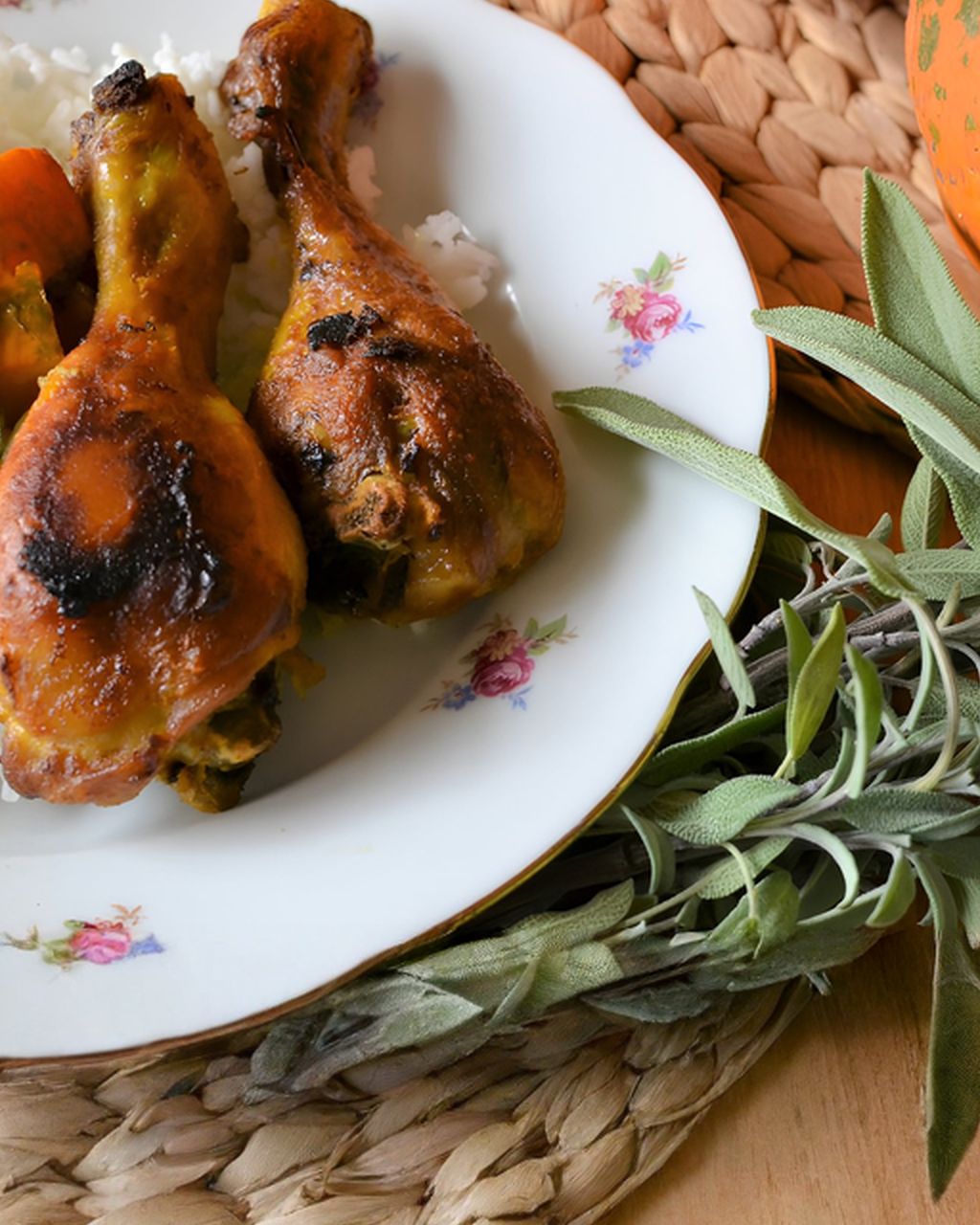
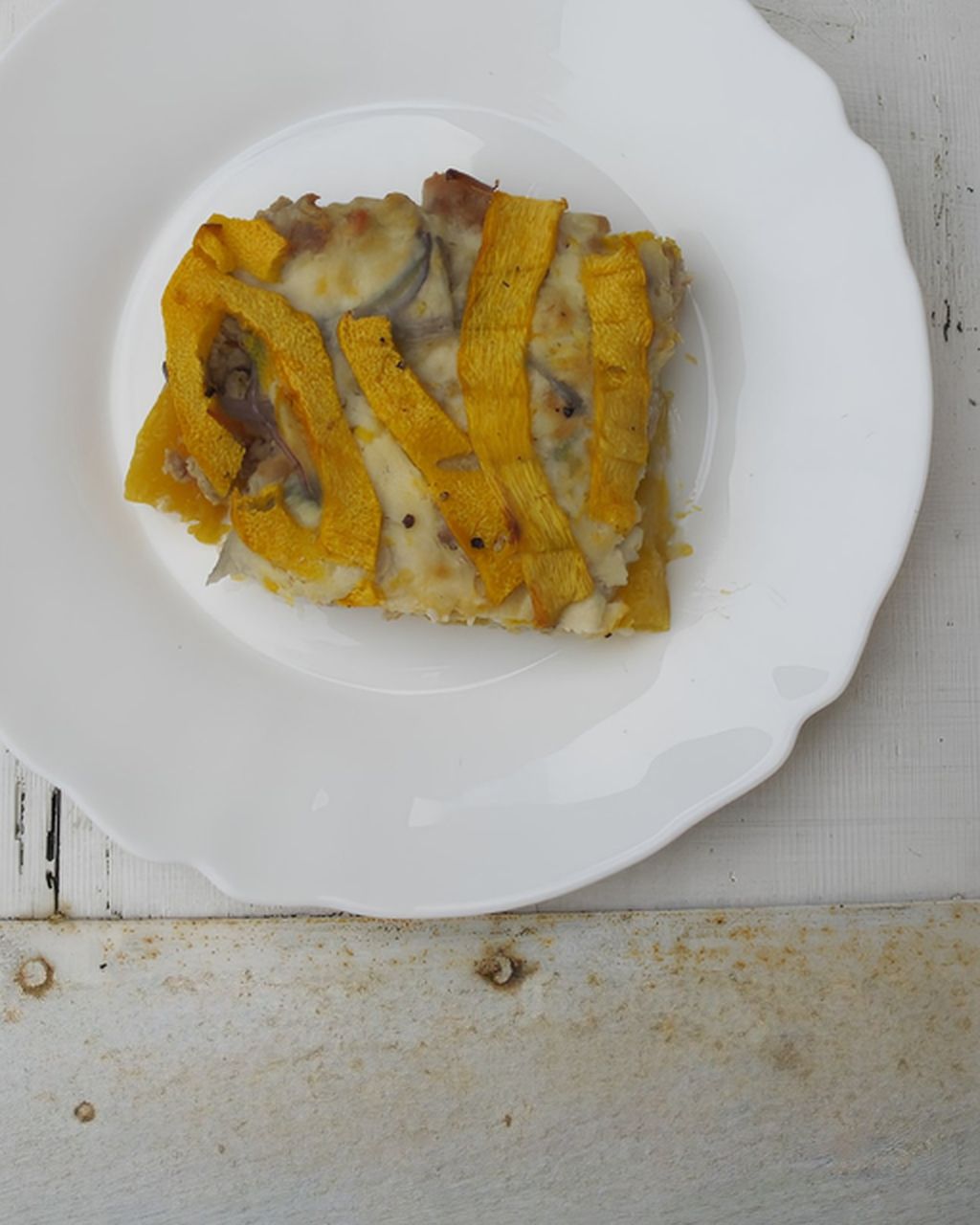
Drizzle 2–3 cm wedges or cubes with oil, about 1–2 tablespoons per 1 kg of squash, season with salt and roast in a single layer at 200 °C for 20–30 minutes, turning halfway. It is done when a knife slides in without resistance and the edges start to caramelise. Roast filled halves at 180–190 °C for 40–50 minutes, as in baked pumpkin with ground meat.
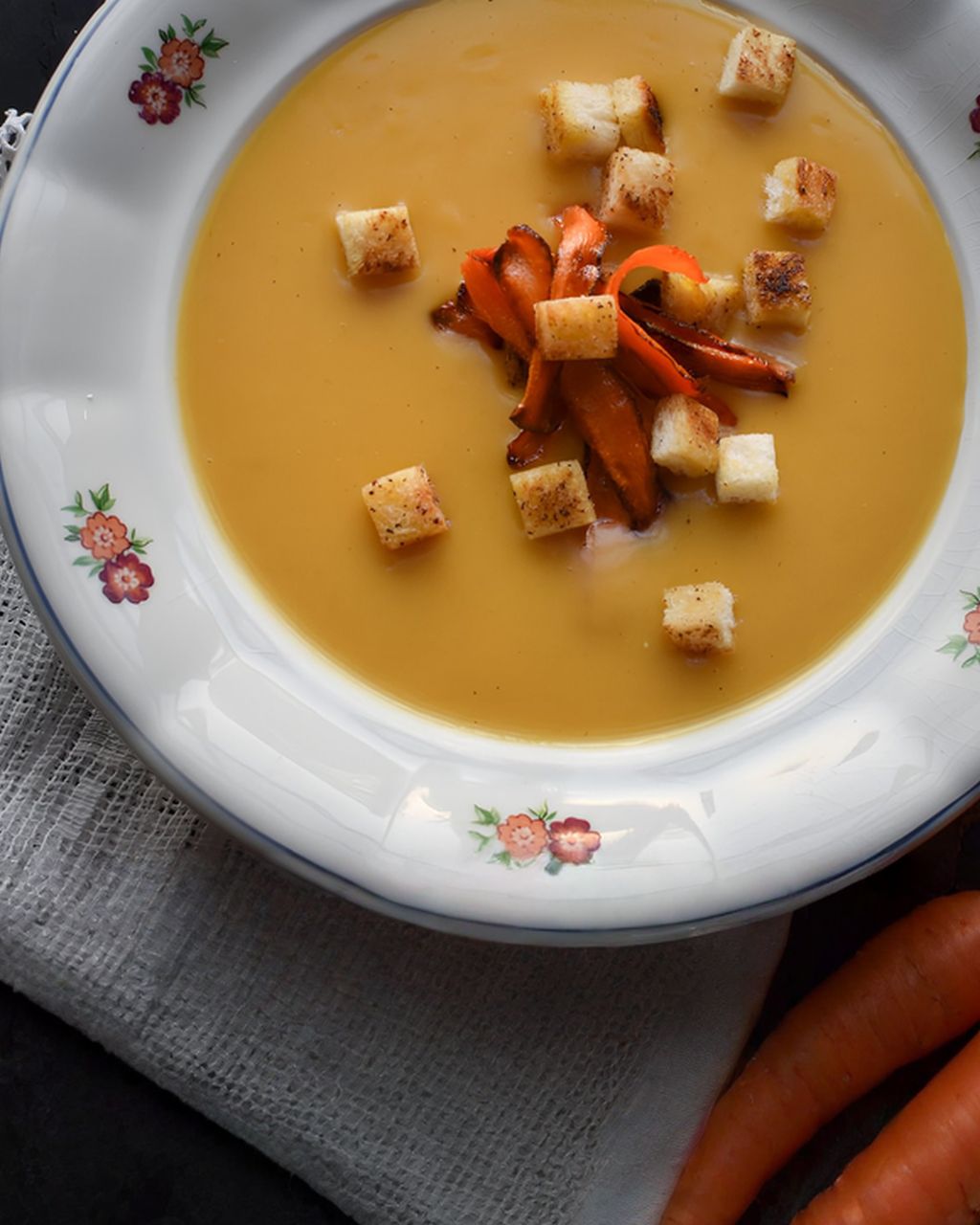
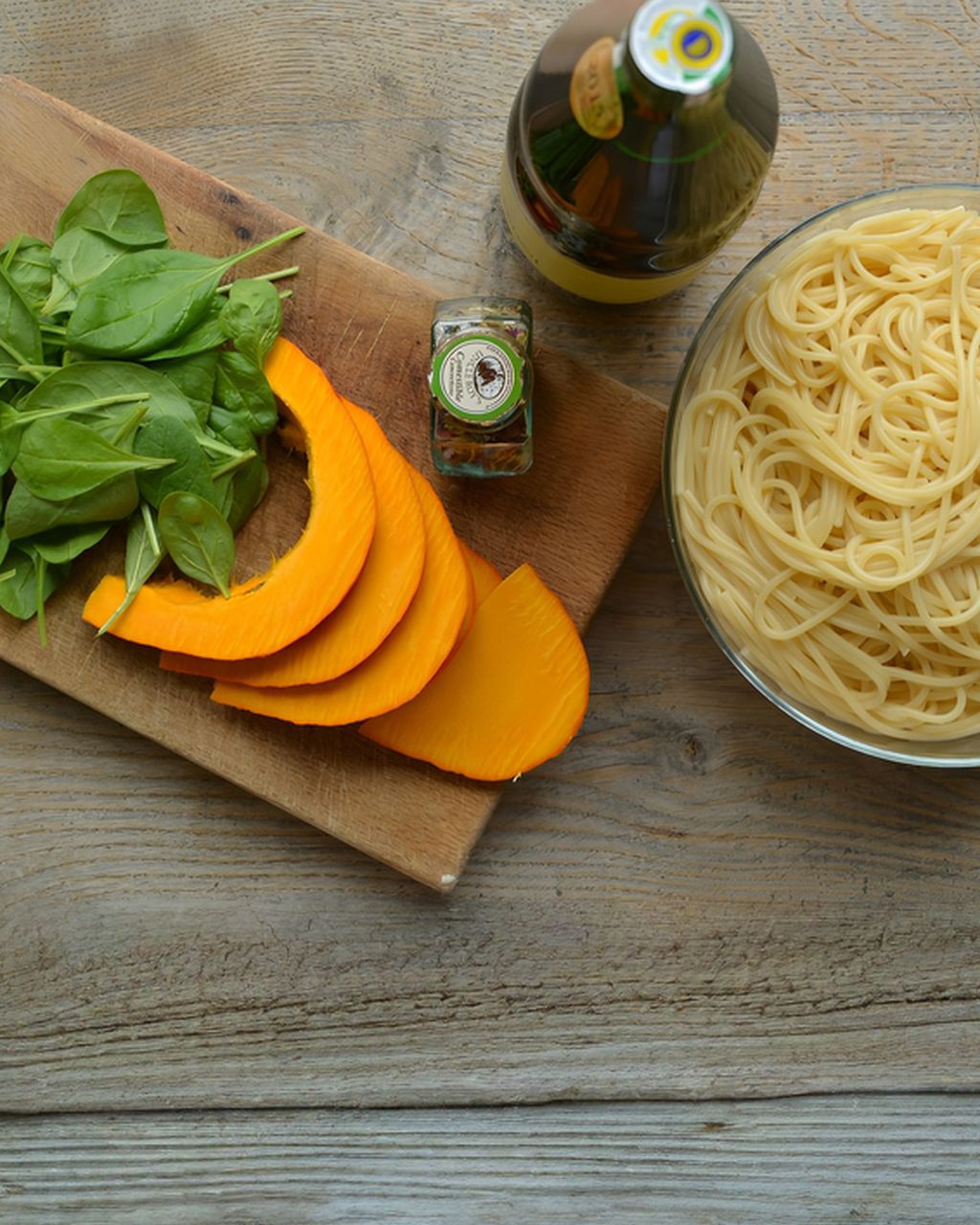
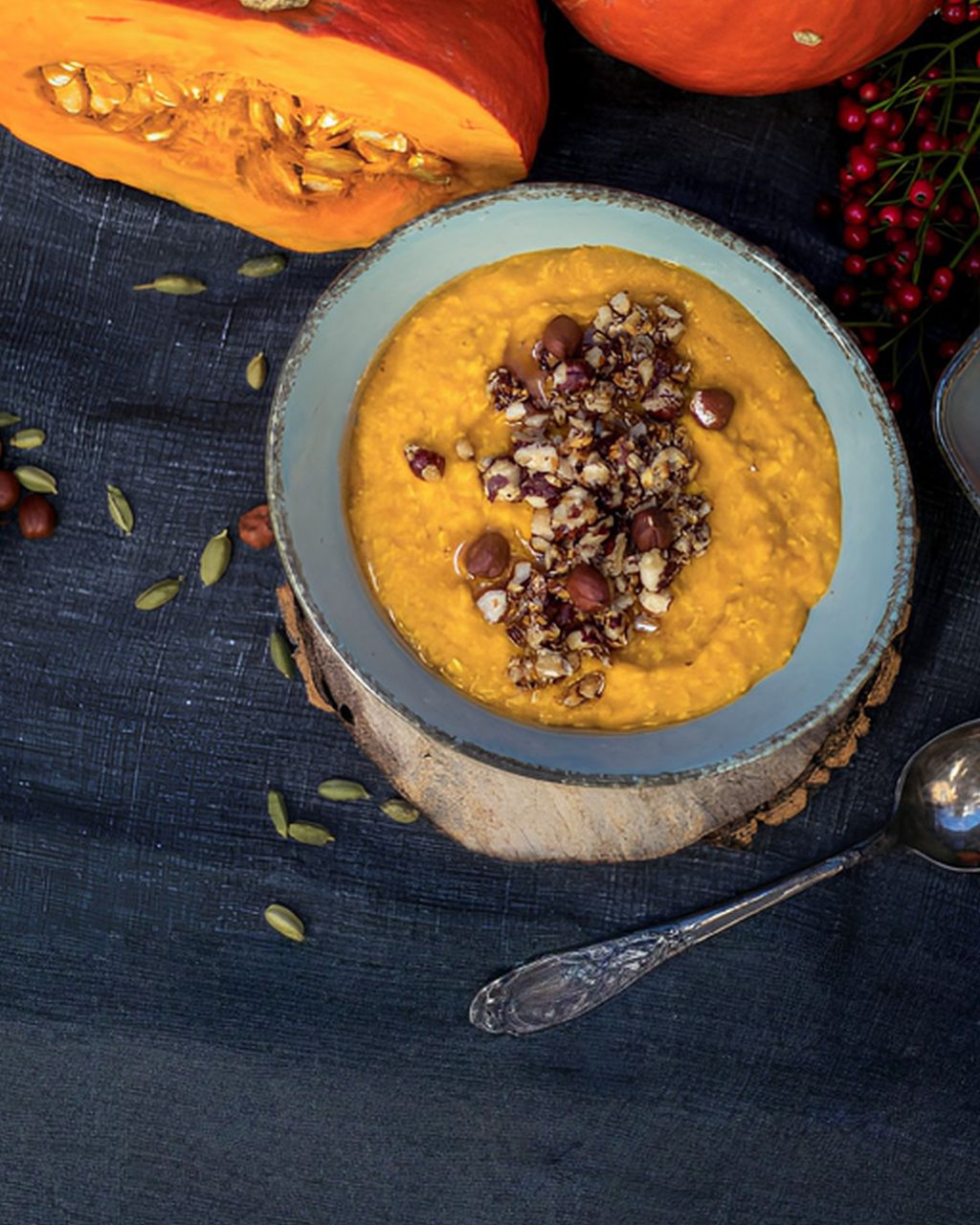
For soup, simmer the cubes with the skin on for 15–20 minutes from the boil and blend. Hokkaido gives a thick, velvety soup without any thickener, as in the pumpkin soup recipe. Purée from roasted squash goes into risotto, pasta and muffin or cake batter.
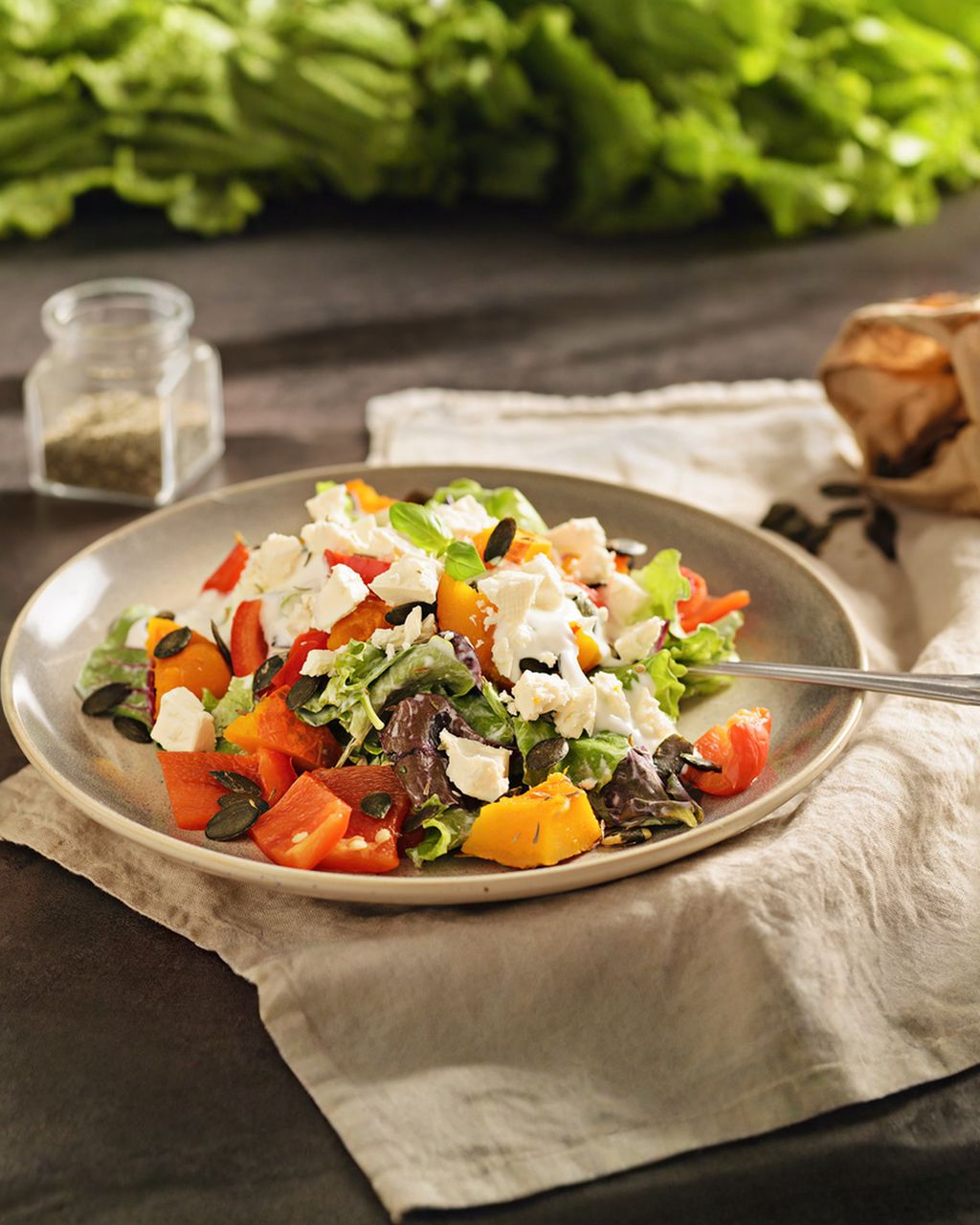
Hokkaido can also be eaten raw, finely grated or cut into thin strips for salads. It tastes nutty and slightly sweet, much like raw carrot. Cut the skin off raw squash, as it is tough.
A whole squash keeps for about 2–3 months stored somewhere dry at 10–13 °C and 50–70 % humidity. At home, an unheated pantry, larder or cool hallway works. A whole squash does not belong in the fridge, because below 10 °C it suffers chilling injury. Store it in a single layer, unwashed, away from apples, and check it once a week. Cover cut raw squash and use it within 1–2 days, and cooked squash within 3–4 days. For longer storage, roast or boil it, mash it and freeze it. Details, including curing after harvest, are in how to store pumpkin.
If raw or cooked squash tastes distinctly bitter, spit out the mouthful and throw the rest away. The bitterness comes from cucurbitacins, which do not normally occur in cooking varieties but can appear in squash grown from saved garden seed after crossing with ornamental gourds. They cause vomiting, diarrhoea and stomach pain and are not destroyed by cooking. Ordinary Hokkaido tastes sweet.
Winter squash, Cucurbita maxima, comes from South America. Squash reached Japan in the 16th century with Portuguese traders, which is why the Japanese word kabocha is derived from Cambodia, where the ships came from. Japan began growing American Cucurbita maxima in the second half of the 19th century, and it did best on the cool island of Hokkaido, which gave the squash its European name. Kuri kabocha then became the most common squash in Japanese cooking and is traditionally eaten at the winter solstice. It spread to Europe in the 20th century.