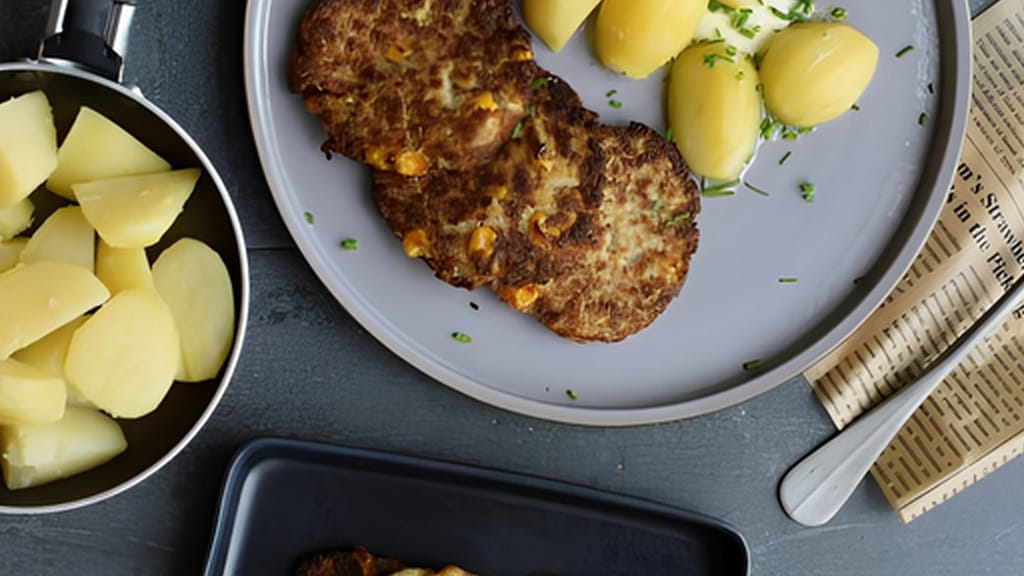
Cauliflower fritters with cheese and bacon
What to Make with Cauliflower: Pan-Fried, Roasted, Soup, with Potatoes and for Kids
Updated Nov 18, 2026
If you're wondering what to make with cauliflower, you have far more options than mushy florets under breadcrumbs. In a pan it turns crisp, in the oven it goes golden and sweet, in soup it blends into velvet, and with potatoes and eggs it makes a hearty Czech mozeček (cauliflower scrambled with eggs). Below you'll find every method with times, temperatures and what to serve it with, plus what to do with leftover cooked cauliflower.
Cauliflower works in eight main ways: fried or breaded, roasted in the oven (whole or as florets), as soup or cream soup, with potatoes (mozeček, bakes), with broccoli, as a dish for kids, from cooked leftovers, and as a replacement for rice or pizza crust. Each needs slightly different handling: for frying, parboil the florets; for roasting, keep them raw and dry.
One rule applies across the board: cauliflower doesn't tolerate overcooking. The longer it cooks, the more sulfur compounds it releases, and it turns gray and starts to smell like overcooked cabbage. Short time and high heat are your allies.
We send seasonal cooking and baking plans and recipes made from everyday ingredients. Unsubscribe in one click.
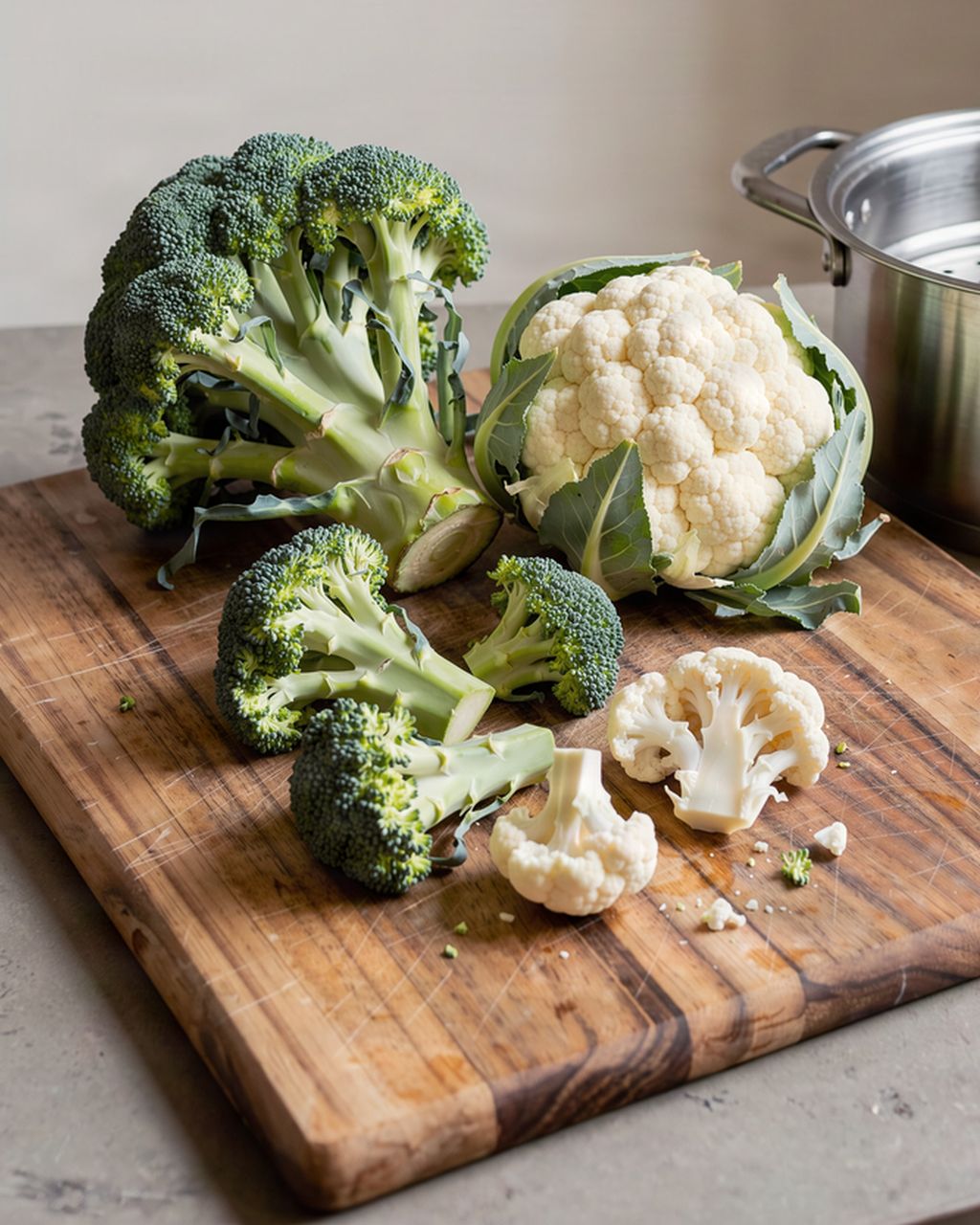
The easiest way to break down cauliflower is from underneath: turn the head stem side up, cut off the leaves and use a short knife to cut a cone out around the core. Then snap or cut the individual florets off at their stalks. The head falls apart on its own without crumbling.
Size: for frying and roasting, cut florets about 3–4 cm (1½ in) so they cook through at the same pace. Halve large ones lengthwise through the stalk, because the flat surface browns best.
Don't throw out the core: peel the tough skin, dice it and add it to soup or to the roasting pan. It's sweeter than it looks.
Leaves: young inner leaves are edible and bake into crisp chips in the oven.
Washing: rinse the florets only after breaking the head apart. For roasting, dry them thoroughly with a kitchen towel, since water on the surface makes steam instead of a golden crust.
A medium head usually weighs 600–900 g and yields roughly 500–700 g of florets once trimmed. If you don't have fresh, reach for frozen cauliflower: it's pre-blanched, so it suits soups, mozeček and bakes best and crisp roasting less so. Always cook it before eating; don't add it raw to salads.
Fried cauliflower is a parboiled floret in a three-step breading (flour, egg, breadcrumbs), fried until golden, and the parboiling is what makes it work. A raw floret would brown on the outside before it softens inside.
Classic breading in a pan. Parboil the florets for 4–5 minutes until al dente, then fry in oil heated to 170–180°C (340–355°F) for about 3–4 minutes until golden. Serve with boiled potatoes or creamy mashed potatoes with nutmeg and tartar sauce, a Czech classic with nothing to be embarrassed about.
Beer batter. Instead of breadcrumbs, you can coat the florets in a thick batter of flour and chilled beer (or sparkling water) and fry at 175°C (350°F) for 3–4 minutes. The coating is lighter than breadcrumbs and goes well with a garlic yogurt dip.
Breaded cauliflower in the oven (no frying). Parboil the florets for just 3 minutes and mix a tablespoon of oil or melted butter into the breadcrumbs. That's the trick that makes the coating turn golden in the oven instead of staying pale. Bake in a single layer at 200°C (400°F, fan) for 20–25 minutes, turning halfway. The result doesn't soak up as much oil as fried and works for lunch with a salad too.
Fritters instead of whole florets. Cooked cauliflower mashed with egg and cheese can be fried as fritters, which is a great use for crumbled florets. Try the recipe below.
The most common mistake: wet florets. Water under the coating spatters in the oil, the coating peels off and soaks up fat. After parboiling, let them cool in a colander for at least 10 minutes.
Cauliflower fritters with cheese and bacon
Cauliflower fritters, a homemade recipe
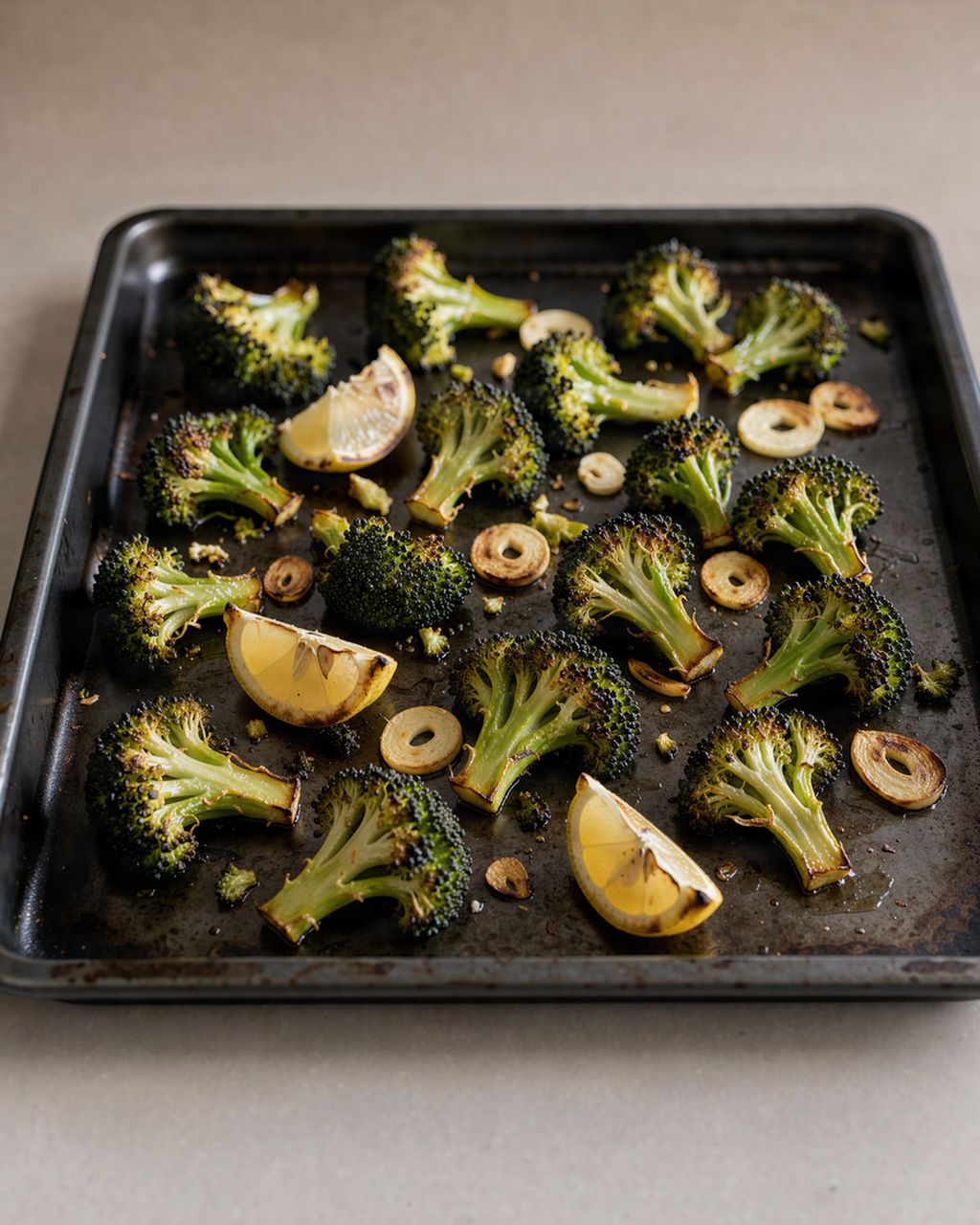
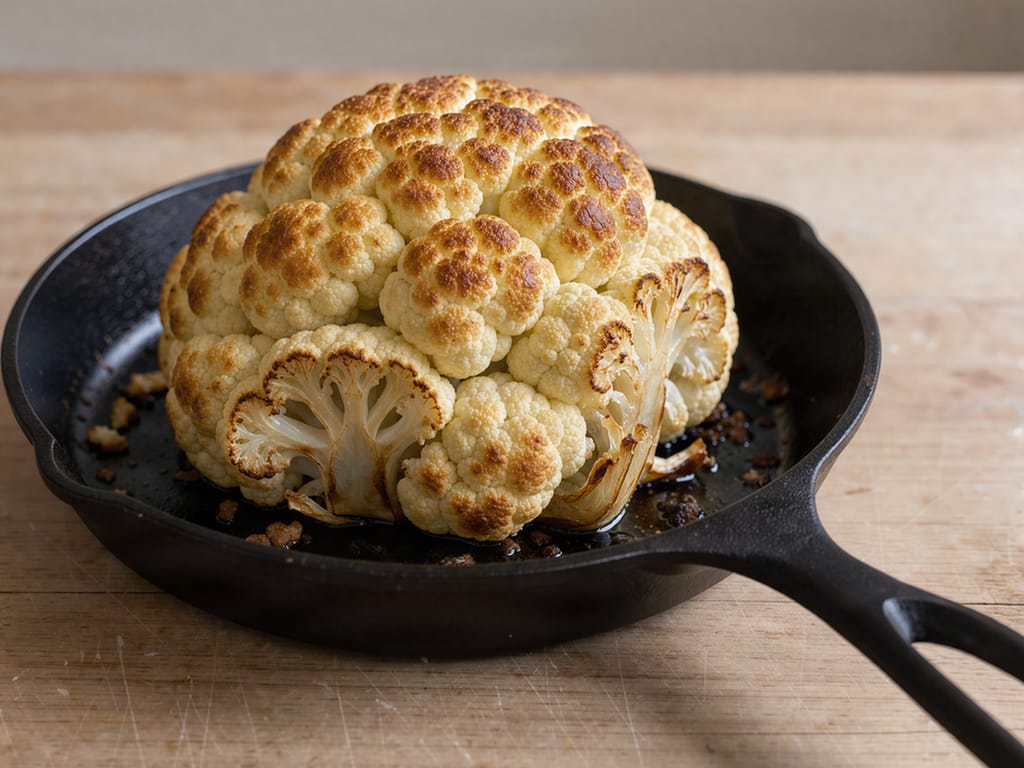
Roasted cauliflower florets need 220°C (425°F; 200°C/400°F fan) and 25–30 minutes, a whole cauliflower 200°C (400°F) and 60–75 minutes. The high heat is the point: the edges caramelize and undergo the Maillard reaction, and the cauliflower turns sweet and nutty in a way boiled cauliflower never will.
Roasted florets. Toss raw, well-dried florets with oil, salt and spices. Smoked paprika with garlic, caraway, curry or turmeric with a pinch of chili all work well. Spread them in a single layer, cut side down, without crowding (otherwise they steam in their own moisture), and toss halfway. They're done when the edges are dark golden and a knife slides through the stalk without resistance. Serve as a side with meat, in a bowl with couscous and chickpeas, or with tahini and lemon as a main.
Whole roasted cauliflower. The key is to briefly parboil the whole head in boiling salted water (5–6 minutes). It shortens the roasting and the center won't stay tough. Let it steam off thoroughly, brush with oil or butter mixed with spices (yogurt with curry and lemon works great) and roast at 200°C (400°F) for 60–75 minutes, until a skewer goes all the way to the core. Without parboiling, allow 90 minutes and cover it with aluminum foil for the first half. Cut it into wedges like a cake, as a vegetarian main or a big side for roast meat.
Cauliflower and zucchini on one pan. Zucchini roasts much faster and releases water. So put the cauliflower on the pan first, and after 10–12 minutes add zucchini cut into thicker half-moons (at least 1.5 cm), then roast another 15 minutes at 220°C (425°F). If you have more zucchini, also try crispy zucchini fries with a Parmesan crust, which you bake in the oven without frying.
Baked with nuts. If you want roasted cauliflower as a complete one-dish meal, check out the recipe below.
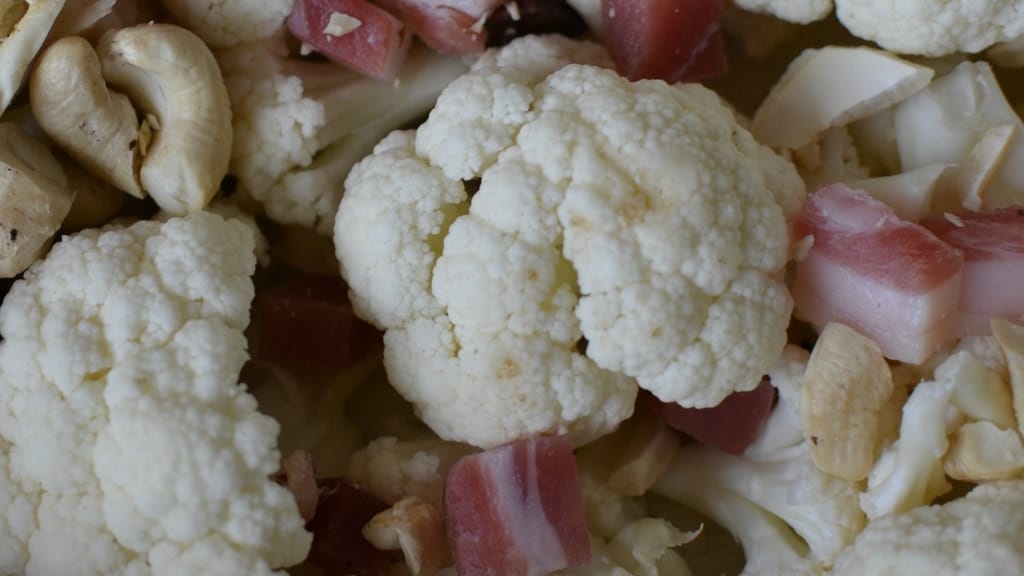
Cauliflower bake with cashew nuts
Cauliflower baked with cashews and bacon
Cauliflower soup is either a classic roux-thickened soup with pieces of florets or a smooth cream soup blended with potato and cream. Both are ready in 30–40 minutes.
Classic Czech cauliflower soup. The base is a light roux with broth poured over, root vegetables and the core; add small florets only for the last 8–10 minutes so they stay whole. At the end, stir in an egg yolk whisked with cream, heat until it thickens (but don't let it boil) and season with nutmeg. If you like a heartier version, cook a little semolina into it or add dumplings to the bowl.
Cream of cauliflower soup. Florets with potato and onion simmer until tender for 15–20 minutes, then blend with cream or milk. You'll get a much deeper flavor if you roast the florets first (220°C/425°F, 20 minutes) and only then simmer them; the soup turns nutty, almost caramelly.
Spiced cream soup. If you want something bolder, make cauliflower cream soup with coriander and nigella (recipe below). Nigella seeds, fresh coriander and a few drops of truffle oil turn a delicate cream soup into a festive one.
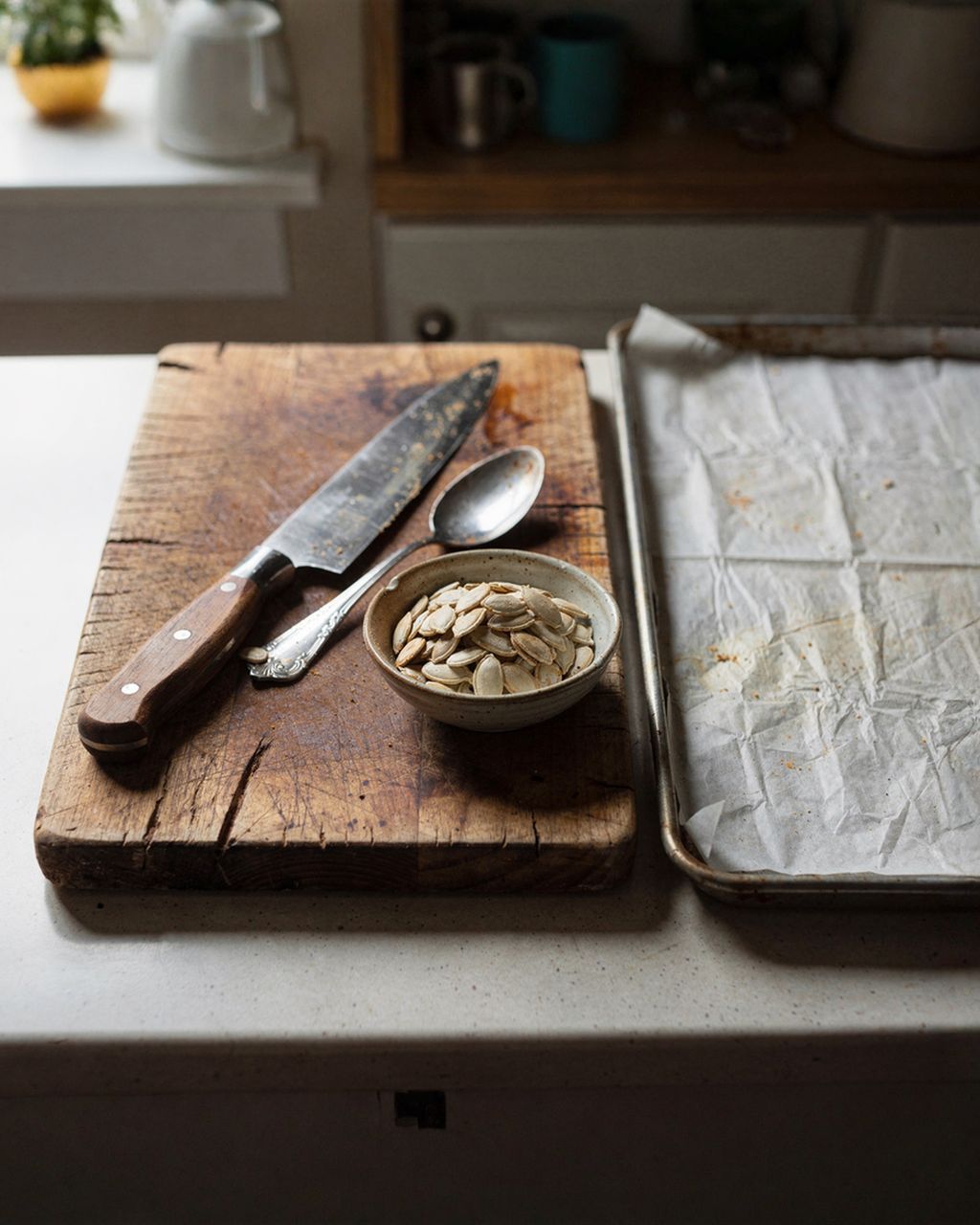
With either, serve croutons, toasted pumpkin seeds, a drizzle of pumpkin seed oil or a few roasted florets on top. Texture next to a velvety soup is half the experience.
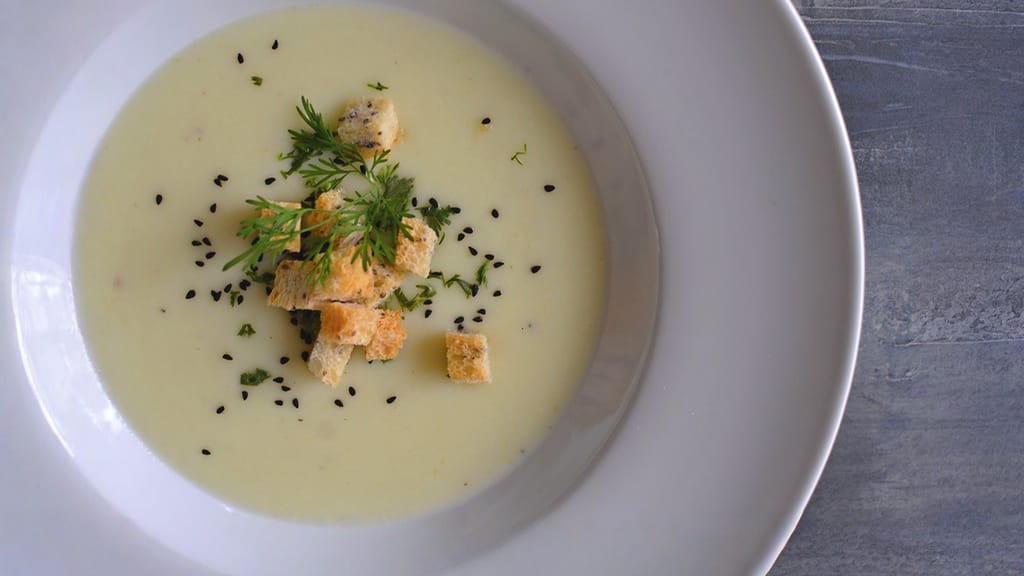
Cream of cauliflower soup with cilantro and nigella seeds
Cauliflower cream soup with coriander and nigella
Cauliflower with potatoes gives two classics of Czech cooking: květákový mozeček (cooked cauliflower fried with eggs) and cauliflower and potato bake under cheese. Both are cheap, filling and need little effort.
Květákový mozeček. Cooked, coarsely mashed cauliflower is sautéed with onion in butter and topped with beaten eggs. The whole secret is taking it off the heat when the eggs have set but are still soft, about 3–4 minutes over low heat. Serve with boiled potatoes with parsley and a pickle. It's also the best way to use up leftover cooked cauliflower.
Cauliflower and potato bake. Parboiled potato slices and florets are layered in a dish, covered with eggs beaten with cream, sprinkled with cheese and baked at 190°C (375°F) for 30–35 minutes until golden. Serve with a cucumber or cabbage salad, which freshens up the rich baked layer. You'll find a similar principle with a quark-like cheese in the recipe for baked potatoes with cottage cheese and vegetables; you can add cauliflower in place of some of the vegetables.
Roasted potatoes with cauliflower as a side. Cut potatoes and florets work on one pan, just put the potatoes in the oven 10 minutes earlier. At 220°C (425°F), potatoes take roughly 35–40 minutes and cauliflower 25–30.
Cauliflower and broccoli cook and roast in almost the same time, so you can combine them without adjusting anything. Broccoli is just 1–2 minutes faster, so add it later when boiling.
Baked under cheese: parboiled florets of both, covered in béchamel and sprinkled with cheese, need only 20 minutes at 200°C (400°F). As a main with potatoes or a baguette, or as a side for roast chicken.
Roasted on a sheet pan: the same seasoning as for cauliflower alone, 220°C (425°F) for 20–25 minutes. Finish with a squeeze of lemon and toasted almonds.
Cream soup: replace half the cauliflower in the soup with broccoli. The color will be light green and the flavor milder. For inspiration, see broccoli cream soup with coconut milk and add a handful of cauliflower florets.
Quiche: blanched florets of both vegetables are great in a savory tart. Start from the recipe for whole wheat quiche with broccoli and ham and replace some of the broccoli with cauliflower.
Boiled with hollandaise: steam both vegetables for 6–8 minutes and pour hollandaise sauce over them. A classic side for fish.
For exact times for cooking, blanching and freezing both vegetables, see the article Broccoli and Cauliflower: How Long to Cook, Store and Freeze Them.
Kids usually refuse cauliflower because of the smell and mushy texture, and roasting and breading solve both. Roasted or breaded cauliflower is sweeter, crunchier and doesn't smell like boiled cabbage.
Cauliflower nuggets. The same mixture as for fritters (mashed cauliflower, egg, cheese), just shaped into small patties, coated in breadcrumbs with a little oil and baked at 200°C (400°F) for 15–20 minutes. Serve with ketchup or a yogurt dip.
"Little trees" with cheese. Simmer small florets for 7–8 minutes until soft (for the youngest, so they can be squashed between your fingers), sprinkle with grated cheese and bake for 10 minutes at 200°C (400°F). Small kids eat them with their hands, and the cheese covers the bitterness.
Hidden in mash and sauce. Cooked cauliflower blended with potato makes a lighter, smoother mash that kids can't tell from the classic. It also disappears into a cheese sauce for pasta or a tomato sauce.
For the youngest, as a first food. The Czech Ministry of Health recommends introducing complementary foods no earlier than the end of the 4th month (17th week) and no later than the end of the 6th month (26th week), for both breastfed and non-breastfed babies. For a baby, cook or steam cauliflower until soft without salt and puree it, ideally first combined with potato or carrot. Introduce new vegetables gradually and discuss the timing with your pediatrician.
The fastest things to make from cooked cauliflower are mozeček with eggs, fritters, cauliflower baked under cheese, or soup. All four are ready in 20–30 minutes, and cooked cauliflower works perfectly well in them, if anything better.
Mozeček: mash it, sauté with onion and pour eggs over (more in the potato section above). The fastest dinner, 10 minutes.
Fritters: mashed cauliflower bound with egg and cheese, fried 3 minutes per side. You'll find the method in the recipe for cauliflower fritters the way my mom makes them.
Baked under cheese: pour over eggs with cream or béchamel, sprinkle with cheese and bake for 15–20 minutes at 200°C (400°F). Cooked cauliflower needs nothing more.
Quick cream soup: cover cooked cauliflower with broth, simmer 5 minutes with a few spoonfuls of cream and blend. With the vegetable already cooked, half the work is done.
In a salad: cooled florets with hard-boiled egg, cucumber, chives and a yogurt dressing, a fresh take on potato salad.
Just make sure the cooked cauliflower has been stored properly: in a covered container in the fridge and for no more than a few days (see the storage section below). If it doesn't smell fresh or is slimy, don't use it.
Cauliflower "rice" is raw florets chopped to rice-sized grains and briefly sautéed in a pan; pizza crust is the same "rice," drained of water and bound with egg and cheese.
Cauliflower rice. Pulse the florets in a food processor (a few short bursts, otherwise you get mush) or grate them on the coarse side of a grater, then sauté in a hot pan for 5–7 minutes. Don't cook it covered, or it gets damp and mushy. Serve in place of rice with curry, with vegetables stir-fried with egg in a pan or wok, or as a base for a bowl.
Cauliflower pizza crust. One step decides everything: wrap the parboiled cauliflower "rice" in a clean kitchen towel and squeeze out as much water as you can. One head can easily give up a cup of liquid. Bound with egg and cheese, it is spread into a round about 5 mm thick and baked at 220°C (425°F) for 15–20 minutes, then another 5–8 minutes with the toppings. On a perforated silicone baking mat, steam escapes through the bottom too, so you can dry the crust better from underneath. Keep the toppings light, or the crust turns soggy.
Keep in mind that this isn't a yeast-dough pizza. It's a cheesy flatbread you eat with a fork. If you want the classic, reach for homemade pizza with overnight-rested dough and put the cauliflower on top as roasted topping.
Raw cauliflower keeps in the fridge for about a week, loosely wrapped in a bag or kitchen towel in the crisper drawer, stem side down so moisture doesn't sit on the florets. If brown spots appear, scrape them off. As long as the head is firm, it's fine.
Cooked and roasted cauliflower: in a covered container in the fridge. The USDA gives 3–4 days for cooked leftovers.
Freezing: blanch raw florets before freezing (boil briefly and cool in ice water), dry them and freeze spread on a baking sheet, then transfer to a bag. Cauliflower frozen this way suits soups, mozeček and bakes best, and crisp roasting less so.
Store-bought frozen cauliflower doesn't need thawing: add it straight to soup, or put it straight onto a hot pan in a 220°C (425°F) oven. Just allow a few extra minutes, and expect it not to crisp as much as fresh.
For exact blanching times, how long frozen cauliflower keeps and what to do when it turns watery after thawing, see the article Broccoli and Cauliflower: How Long to Cook, Store and Freeze Them.
Cauliflower contains vitamin C and fiber. According to the USDA FoodData Central database, 100 g of raw cauliflower has roughly 2 g of fiber and 48 mg of vitamin C, about 60% of the reference intake (80 mg). Vitamin C is sensitive to heat and leaches into water, so the most is retained with brief steaming or roasting, and the least with long boiling in water that you then pour away.
Cauliflower turns gray mainly from overcooking and from cooking in water high in minerals. It stays white if you cook it only until just tender and add a tablespoon of lemon juice or a little milk to the water. Drain it right after cooking so it doesn't keep cooking in the water.
Yes, raw cauliflower is fine to eat, thinly sliced or as small florets in a salad or with a dip. It's crunchy and slightly bitter; if you prefer a milder flavor, blanch it briefly in boiling water.
Fresh cauliflower has a firm, heavy, compact head with florets packed tightly together and bright green leaves. Soft spots, dark blotches, crumbling florets and wilted or yellow leaves mean it's older.
Yes, breaded cauliflower works well in an air fryer at 200°C (400°F) in 12–15 minutes. Parboil the florets for 3 minutes first, coat them in flour, egg and breadcrumbs, spray lightly with oil and shake the basket halfway through. Don't pile them up, or they won't cook through.
Instead of egg in the coating, use a thick batter of all-purpose flour and water or plant-based milk (roughly 1:1), or aquafaba from chickpeas. Either holds the breadcrumbs well and the coating is just as crisp.
For a side dish, plan 150–200 g of trimmed florets per person; for a main course (roasted, baked or mozeček), 250–300 g. A medium head feeds two adults as a main or four as a side.
One recipe worth heating the oven for, one tip, and one deal from the shop. Nothing else.