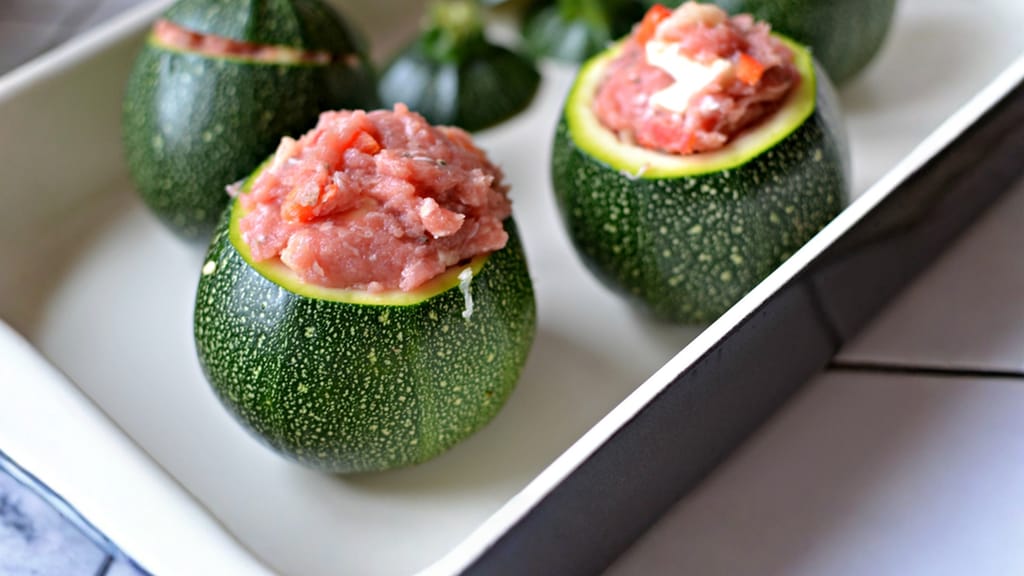
Zucchini stuffed with ground meat
What to Cook with Zucchini: Lunch, Chicken, Ground Meat, Tomatoes, Potatoes, Kids' Dishes and Overgrown Zucchini
Updated Nov 18, 2026
What can you cook with zucchini? A lunch in half an hour, in a skillet, in the oven or in a pot: sautéed zucchini with garlic, zucchini stuffed with ground meat, zucchini baked with tomatoes and cheese, zucchini with chicken, zucchini with potatoes, a creamy soup, and even a moist buchta (Czech sheet cake). Zucchini tastes mild, almost neutral, and that is its strength: it soaks up garlic, herbs, cheese and meat juices. Below you'll find how to prep zucchini so it isn't watery, specific dishes with times and temperatures, links to our tested recipes, and one exception worth knowing: don't eat bitter zucchini.
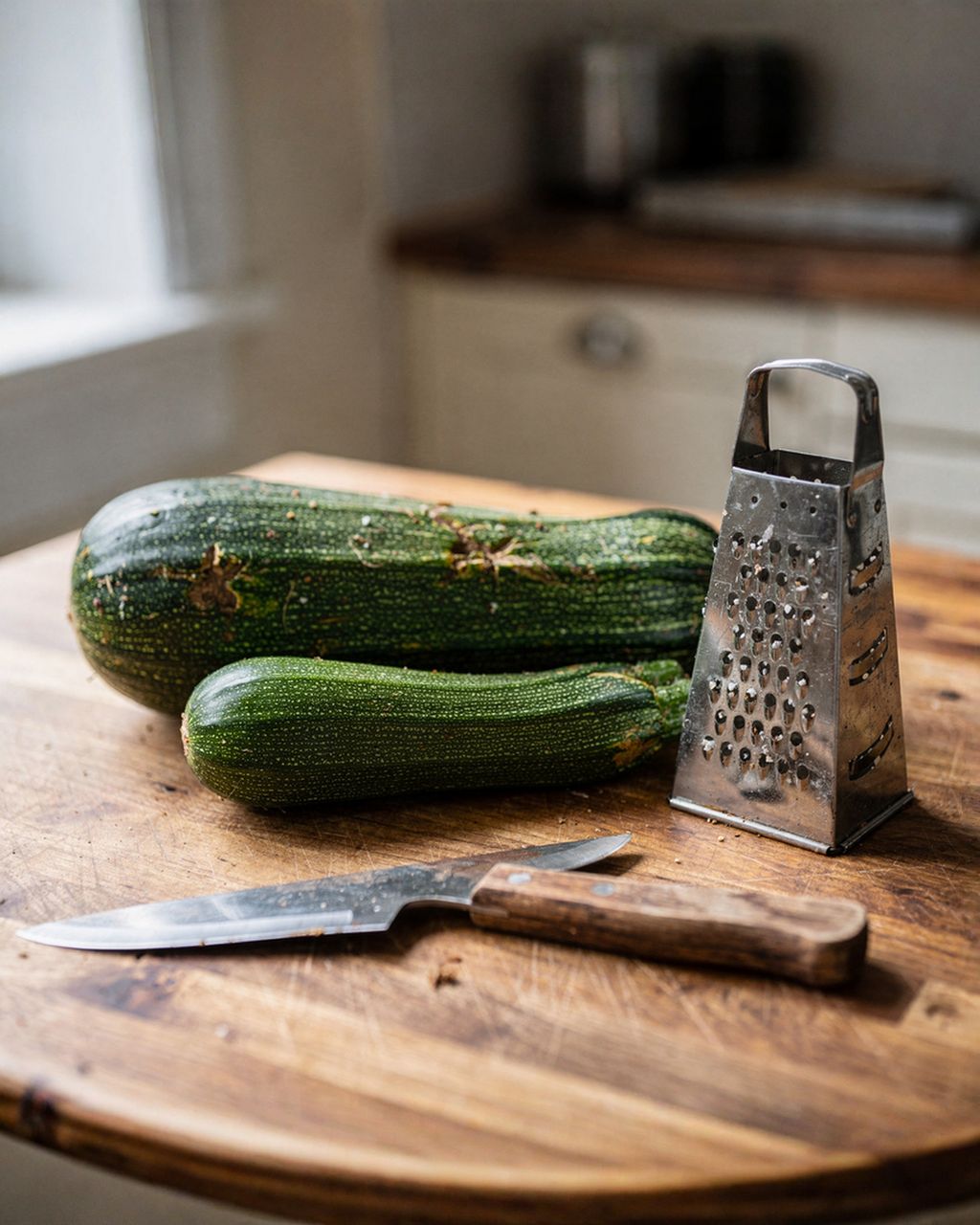
Don't peel or core young zucchini (15–20 cm / 6–8 in): just wash it and trim both ends. Peel overgrown zucchini, halve it and scoop out the seeds and spongy center with a spoon. What you cook depends on which kind you're holding.
Zucchini is the immature fruit of Cucurbita pepo. It is harvested young, while the skin is thin and the seeds are tiny and soft. Overlook one in the garden for a week and you get a half-meter club with a hard rind, which is a different ingredient in the kitchen.
Young zucchini (up to 20 cm / 8 in, 3–5 cm / 1–2 in across): the skin is thin and edible, the flesh firm, and the seeds barely noticeable. Good for sautéing, grilling, oven slices, pasta and raw in salads.
Medium zucchini (20–30 cm / 8–12 in): leave the skin on, but if the seeds are larger, scoop out the center with a teaspoon. Ideal for stuffing, because it makes proper boats.
Overgrown zucchini (over 30 cm / 12 in, hard skin): the skin is tough and the center watery and fibrous. Peel it, scoop it out and use it in soup, puree, buchta (Czech sheet cake), fritters, or cut into rounds for stuffing. We cover it in detail in overgrown zucchini: how to hollow it out and what to cook with it.
You can test it with a fingernail: if you easily pierce the skin, the zucchini is young and needs no peeling. If your nail slides off like it would on a pumpkin, reach for a peeler.
Salt grated or sliced zucchini (about 1 teaspoon per 500 g), let it rest in a colander for 15–20 minutes, then squeeze it out well. Salt draws water out of the cells, so the zucchini is firmer, browns better, and won't turn runny in a filling or batter.
Zucchini is mostly water: according to the US Department of Agriculture (USDA) database, raw zucchini is around 95% water and about 17 kcal per 100 g. That water is released during cooking anyway; the only question is where: in the colander or in your baking dish.
Salting and squeezing is worth it for:
zucchini fritters and potato-style pancakes (otherwise they fall apart and soak up oil),
sweet buchta (Czech sheet cake) and muffins (otherwise the batter will be gummy in the middle),
fillings and bakes with ground meat or cheese,
zucchini used in lasagna in place of pasta.
When to skip it: soups and purees (the water doesn't matter) and quick sautéing of young zucchini. There, salt only at the end so the zucchini doesn't release its liquid before it has a chance to brown.
A clean kitchen towel works best for squeezing: pile the grated zucchini in, twist the ends and wring it out over the sink. If you've salted the zucchini, reduce the salt in the recipe.
We send seasonal cooking and baking plans and recipes made from everyday ingredients. Unsubscribe in one click.
In a skillet, zucchini becomes a sautéed side, fried slices, fritters, a quick pasta sauce or zucchini risotto in 10–20 minutes. The key is always the same: a hot pan, zucchini in a single layer, and salt at the end.
Sautéed zucchini with garlic. Cut young zucchini into rounds or half-moons about 1 cm (⅜ in) thick. Heat a tablespoon of oil in a skillet, spread the zucchini in a single layer (cook in two batches rather than piling it up) and leave it for 3–4 minutes without stirring until golden, then flip and brown the other side. Add pressed garlic for the last minute so it doesn't turn bitter, and salt. Serve with roast meat, fish, rice or couscous; with a spoonful of yogurt and lemon zest it becomes a quick dinner on its own.
Fried zucchini. Zucchini slices coated in flour or in the classic flour–egg–breadcrumb coating fry in 2–3 minutes per side in medium-hot oil, until golden. You'll find the Italian version in flour and egg, with a squeeze of lemon, in the recipe Italian-style fried zucchini. Serve right away, with tzatziki, a garlic dip or a tomato salad. Left to sit under a lid, they quickly go soft.
Zucchini fritters. Grate about 500 g of zucchini, salt it, leave it for 15 minutes and squeeze it out thoroughly. Mix in an egg, a few tablespoons of all-purpose (plain) flour, garlic, marjoram or dill and a handful of grated cheese, to make a thick batter that holds its shape on a spoon. Fry smaller fritters in oil for 3 minutes per side. For lunch, serve them with sour cream and a salad; as a side, with grilled meat.
Pasta with zucchini. Zucchini makes an ideal quick sauce: while the pasta cooks, sauté it with garlic, then add lemon, Parmesan and a little pasta water to bring it all together. The exact method is in the recipe quick pasta with zucchini and lemon, ready in about half an hour.
Zucchini risotto. Add diced zucchini to the risotto only for the last 5–6 minutes so it stays firm and green. You'll find a meatless version with tofu and peas in the recipe risotto with tofu, peas and zucchini.
In the oven, zucchini bakes at 190–200°C (375–400°F): slices and wedges in 20–25 minutes, stuffed boats in 30–35 minutes, and a casserole with tomatoes and cheese in 35–40 minutes. The oven is the most convenient route when you're cooking for several people or want a lunch you don't have to stand over.
Roasted zucchini. Cut it into lengthwise quarters, wedges or thicker rounds, toss with olive oil, salt, pepper and thyme or oregano, and spread on a baking sheet lined with parchment paper so the pieces don't touch. Roast for 20–25 minutes at 200°C (400°F), turning halfway. For the last 5 minutes you can sprinkle with Parmesan, which forms a crisp crust. Good with meat, in a couscous salad, or as a warm starter with a yogurt dip.
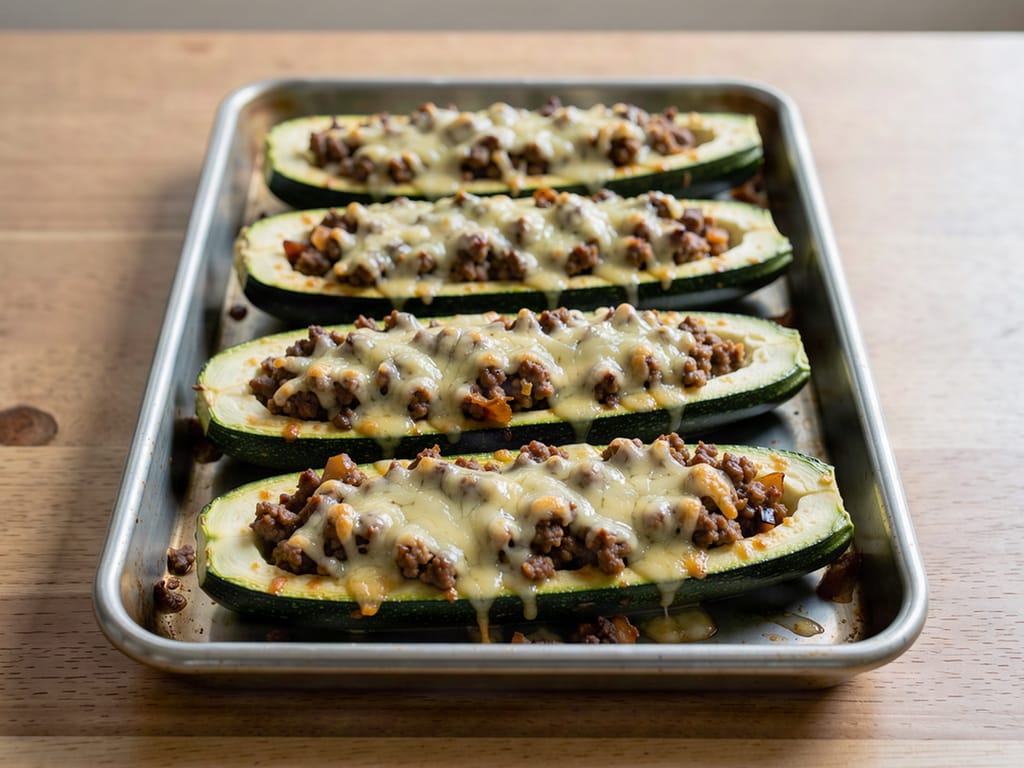
Stuffed zucchini bakes for 30–35 minutes at 180–200°C (350–400°F): halve a medium zucchini lengthwise, scoop it out, fill it with browned ground meat and bake with cheese on top for the last 10 minutes. It's one of the most popular zucchini dishes for lunch, and even a beginner can manage it.
Don't throw away the scooped-out flesh. Chop it finely and sauté it with the meat, onion and garlic, and the filling will be juicier. Lightly salt the boats before filling and let them drain upside down for a while. You'll find a tested method in the recipe zucchini stuffed with ground meat. Serve with rice, mashed potatoes, bulgur or just fresh bread and a vegetable salad.
Zucchini stuffed with ground meat
Zucchini stuffed with ground meat: a tested recipe for baked boats with cheese
Zucchini baked with tomatoes and cheese takes 35–40 minutes at 190°C (375°F): alternate rounds of zucchini and tomato in a baking dish, drizzle with olive oil and bake with cheese on top for the last 10 minutes. It's a simple summer dish in which the zucchini soaks up the tomato juices.
Cut the rounds to the same thickness, about 5 mm (¼ in), and stand them upright in rows like little roof tiles. Between the layers, add slices of garlic, oregano or thyme, salt and pepper. Mozzarella, eidam or Parmesan on top is enough. If the zucchini is very watery, salt the rounds beforehand and pat them dry, otherwise a puddle will form at the bottom. This bake goes best with a baguette for mopping up the juices, boiled potatoes, or a piece of roast meat.
Two more dishes are worth a try: pork tenderloin with feta and garlic zucchini for a festive lunch, and a savory zucchini loaf with sun-dried tomatoes from the oven, baked in a loaf pan, which keeps for several days, so it suits snacks and picnics.
Zucchini and chicken make one of the quickest lunches: chicken strips with zucchini in a skillet are ready in 20 minutes, chicken with zucchini on a sheet pan in 45 minutes, and a chicken and vegetable risotto finishes itself in the oven. Both are mild, so it all depends on how you season them.
Skillet chicken strips with zucchini. Cut chicken breast into strips, salt them and brown in hot oil for 5–6 minutes, until golden on all sides and cooked through. Set them aside and, in the same pan, sauté zucchini half-moons for about 4 minutes. Return the meat and season either with cream, garlic and herbs (for rice or pasta), or with soy sauce, ginger and sesame (for jasmine rice or noodles). Don't overcook the zucchini; it should keep some bite.
Sheet-pan chicken with zucchini. Salt chicken drumsticks or thighs, season with paprika and garlic and roast at 200°C (400°F). After about 20 minutes, add large pieces of zucchini, onion and cherry tomatoes tossed in oil and roast another 20–25 minutes. If you put the zucchini in at the start, it would fall apart. According to the US USDA, chicken must reach 74°C (165°F) inside. Only an instant-read probe thermometer in the thickest part will tell you for sure; neither the color of the juices nor of the meat reliably shows whether chicken is cooked through.
Chicken and vegetable risotto. You can add diced zucchini among the other vegetables in baked risotto with chicken and vegetables. The risotto finishes cooking in the oven by itself while you make a salad.
With zucchini and ground meat you can make stuffed boats, baked zucchini lasagna, meatballs in vegetables, or a thicker Bolognese sauce with grated zucchini. The ground meat brings flavor and fat, the zucchini adds juice and volume, so the dish is filling and juicy.
Stuffed zucchini: the classic, covered above in the oven section and in the recipe zucchini stuffed with ground meat.
Zucchini lasagna without pasta: cut zucchini lengthwise into slices 3–4 mm (⅛ in) thick (best with a peeler or mandoline), salt, pat dry and pre-bake for 10 minutes at 200°C (400°F) so it releases its water. Then layer with a ground meat and tomato ragù and with cheese or béchamel, and bake for 35–40 minutes at 180°C (350°F). Let the lasagna rest for 10 minutes before cutting, or it will slide apart. Serve with a green salad.
Meatballs stewed with vegetables: to the vegetable base in the recipe lentil-flour meatballs stewed in vegetables, add zucchini cubes about 15 minutes before the end of stewing. They break down into the sauce only partly, and the rest stays tender-crisp.
Bolognese sauce with zucchini: add finely grated zucchini (even overgrown, peeled) to the ground meat right after browning and simmer with tomatoes for at least 30 minutes. It disappears completely into the sauce, which kids will appreciate, and it thickens the sauce.
For all these dishes: brown the ground meat well first in a hot pan, and add the zucchini only afterward. If you put them in the pan together, the meat just steams in the zucchini's juices and doesn't get that browned flavor.
Zucchini, tomatoes and eggplant are the base of Provençal ratatouille: sauté the vegetables separately first, then simmer together for 30–40 minutes, or layer them and bake for 45–60 minutes at 180°C (350°F). The same trio works on the grill and on a sheet pan.
Ratatouille. Cut eggplant, zucchini and bell pepper into cubes of about 2 cm (¾ in). Sauté each vegetable separately in olive oil, because each softens at a different speed. Then combine everything with onion, garlic, tomatoes (fresh or canned) and thyme and simmer slowly for 30–40 minutes, until the vegetables are tender but not falling apart. Ratatouille tastes even better the next day. Serve with bread, rice or polenta, alongside roast meat, or with a fried egg on top.
Tian (baked version). Arrange rounds of zucchini, eggplant and tomato in a baking dish on a layer of tomato sauce with onion, drizzle with olive oil, sprinkle with herbs and bake for 45–60 minutes at 180°C (350°F), covered for the first 30 minutes. It works like zucchini baked with tomatoes, just with eggplant added.
Grilled zucchini with bulgur. Brush zucchini slices about 1 cm (⅜ in) thick with oil and grill alongside eggplant for 3–4 minutes per side, salting only after grilling. You can easily expand the recipe bulgur with grilled eggplant and goat cheese with them. To learn how to bake eggplant in the oven so it's neither bitter nor rubbery, read how to bake eggplant in the oven.
Roasted vegetables with couscous and chickpeas. Zucchini belongs among the roasted vegetables you can put into couscous with chickpeas and roasted vegetables. It bakes for about 30 minutes at 180°C (350°F), and with the chickpeas you have a whole meatless lunch.
Zucchini and potatoes meet in four dishes: on a sheet pan (potatoes 20 minutes first, then together another 15–20 minutes at 200°C / 400°F), in zucchini potato pancakes (grated potatoes and zucchini roughly 1:1), in baked patties from the oven, and in potato soup. Potatoes give the dish heft and zucchini adds tenderness.
Sheet-pan potatoes with zucchini. Cut potatoes into cubes of about 1.5 cm (½ in), toss with oil, salt and rosemary and roast for 20 minutes at 200°C (400°F). Then add larger pieces of zucchini and red onion and roast another 15–20 minutes, until the potatoes are golden and the zucchini tender. Potatoes need longer and zucchini less, which is why you add it later. For lunch, serve with a piece of meat or sausage; without meat, with a quark (tvaroh, a Czech fresh curd cheese) dip or a fried egg.
Zucchini potato pancakes (bramboráky). Grate potatoes and zucchini, salt both and squeeze out thoroughly. Add an egg, all-purpose flour, garlic, marjoram and pepper and fry thin pancakes in oil for 3–4 minutes per side until golden. They are more tender and delicate than classic potato pancakes. Serve them on their own with sour cream, or with sauerkraut.
Baked patties. If you don't want to fry, try baked potato patties with vegetables and cottage cheese. Grated, squeezed-out zucchini fits the vegetable part very well.
Potato soup with zucchini. To a quick potato soup you can add zucchini cubes about 10 minutes before the end of cooking. The soup is then fresher.
Cream of zucchini is ready in 25 minutes: soften an onion in butter, add chopped zucchini and one potato for body, pour in stock, cook for 15 minutes and blend. Overgrown zucchini works for soup too; just peel it and remove the seeds.
Soup lets you use up a lot of zucchini at once. For 1 kg of zucchini, allow one onion, one medium potato and roughly 700–800 ml of stock for a rather thick puree. You can always thin it. Instead of the potato you can use cream, cream cheese or a handful of rolled oats. Add herbs after blending: basil, mint or dill give a fresh flavor. Top with croutons, toasted pumpkin seeds or a spoonful of sour cream.
On Yumsto we have two tested versions: a fresh summer zucchini soup and a smooth cream of zucchini soup with crunchy croutons. Cream of zucchini also freezes well. Freeze it without the cream, and add the cream after reheating, otherwise it can curdle.
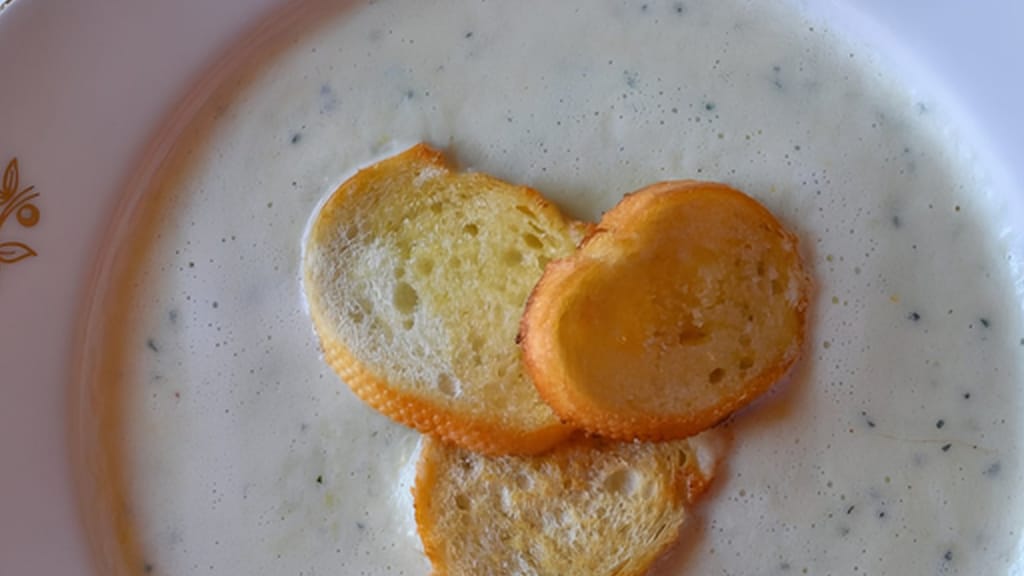
Creamy zucchini soup with crunchy croutons
Smooth cream of zucchini soup with crunchy croutons
Kids like zucchini best as crispy oven fries, in savory muffins, in small fritters, grated into a sauce where they can't spot it, and as stuffed boats. Ordinary store-bought zucchini has no strong flavor or bitterness, so it is one of the easiest vegetables for kids.
Zucchini fries: fries coated in Parmesan and breadcrumbs are ideal for dipping in ketchup or a yogurt dip. Try crispy zucchini fries with a Parmesan crust. Serve them right away, while they're crisp.
Savory muffins: add grated, squeezed-out zucchini to the batter for vegetable and cheese muffins. They bake in about 20–25 minutes and fit nicely in a snack box.
Fritters: make cheesy zucchini fritters (see the skillet section) smaller, two bites each. Kids eat them with their hands, with a yogurt dip.
Hidden in sauce: finely grated zucchini in Bolognese or tomato sauce thickens and vanishes. It's convenient, but don't rely on it alone.
Stuffed zucchini: small boats made from young zucchini with meat and cheese look like ships, and kids love them. You'll find the recipe above.
It works best when kids see the zucchini and help with it: grating it, squeezing it in a towel, sprinkling on cheese. What they make themselves, they're more likely to taste.
Grated zucchini makes buchta (Czech sheet cake) and muffins moist, and they stay soft for several days. You can't pick it out in the finished bake; it works the same way carrot does in carrot cake. Buchta is one of the best ways to use up overgrown zucchini.
Zucchini buchta. Finely grate peeled, seeded zucchini and squeeze it out (this time you don't need to salt it, just wring it out in a towel). Mix it into a classic oil-based (cup-measure) buchta batter with cinnamon and walnuts, or into a cocoa batter, where the zucchini is least visible of all. Bake on a baking sheet for about 35–40 minutes at 180°C (350°F), until a skewer inserted comes out dry. Because of the zucchini's moisture, it bakes a little longer than an ordinary buchta. Serve with coffee, dusted with sugar, or with a cream cheese frosting.
Zucchini muffins. The same batter, divided into a muffin pan, bakes for 20–25 minutes at 180°C (350°F). Chocolate chunks, raisins or lemon zest suit the batter. The method is similar to carrot muffins with orange aroma, only instead of carrot you use squeezed-out zucchini. Put paper liners in the pan; the muffins then come out easily and the tender batter doesn't stick.
If zucchini is distinctly bitter, don't eat it, don't cook with it, and throw the whole thing away. The bitterness comes from cucurbitacins, natural toxic compounds, and you can't judge the amount by taste. Normal zucchini tastes mild and slightly sweet. If you notice a sharply bitter taste that grips your tongue, don't chew any more and spit out the bite.
In a 2015 warning, the German Federal Institute for Risk Assessment (BfR) recommends not eating unusually bitter zucchini. According to the BfR, the bitter taste usually deters a person from eating a dangerous amount. The problem arises when someone overlooks the bitterness or masks it with seasoning. The warning was issued after the press reported a death following a meal made with bitter zucchini; no death was reported to the BfR itself or to poison control centers.
The Bavarian State Office for Health and Food Safety (LGL) advises avoiding bitter zucchini and pumpkins, whether raw or cooked: neither boiling nor baking solves the problem. The LGL also says where bitter fruits most often come from:
seeds you save and grow yourself: if zucchini in the garden cross-pollinates with ornamental gourds, its seeds can grow into plants with fruits high in cucurbitacins,
plant stress: the LGL mentions a suspicion that drought can promote the formation of bitter compounds.
For store-bought zucchini the risk is low. According to the magazine Öko-Test, bred varieties contain no cucurbitacins or only small amounts. The same rule still applies: don't eat bitter zucchini. If you grow zucchini in your garden, buy new seeds every year and don't plant it next to ornamental gourds.
Store whole zucchini in the fridge's vegetable drawer and use it within about a week. Wrap cut zucchini and eat it within 2–3 days, and cooked dishes within 3–4 days. For longer storage, freeze it.
Whole zucchini: zucchini is sensitive to cold. According to researchers at the University of California, Davis (UC Davis), zucchini keeps in good quality for up to two weeks at 5°C (41°F), but below 5°C it suffers chilling injury after 3–4 days: pitting on the skin, discoloration and faster spoilage. So put it in the warmest part of the fridge, typically the vegetable drawer, unwashed and dry, loosely wrapped in a paper bag or towel. Wash it only just before cooking.
Cut zucchini: cover the cut surface with plastic wrap or put the zucchini in a container. It's best used within 2–3 days, as the cut dries out and softens quickly.
Cooked zucchini dishes: cool leftovers and refrigerate them in a closed container. The US USDA recommends using cooked leftovers within 3–4 days. Baked zucchini and stuffed boats can be reheated in the oven at 180°C (350°F) for about 15 minutes, until hot in the center too (74°C / 165°F); in the microwave they turn watery.
Freezing: raw zucchini softens after thawing, so it suits soups, sauces, buchta and fritters, not sautéing. Freeze grated, squeezed-out zucchini in portions in bags (say 300 g, enough for one buchta). Blanch cubes or rounds in boiling water for 3 minutes first, cool in ice water, dry them and freeze spread out on a baking sheet so they don't stick together. Then tip them into a bag. They keep for several months. Cooked zucchini soup without cream can be frozen too.
So one overgrown zucchini can become a stockpile: some for soup right away, some grated into the freezer for winter buchta.
Yes, young zucchini can be eaten raw as long as it isn't bitter. Slice it into thin ribbons with a vegetable peeler or grate it into a salad with lemon, olive oil, salt and Parmesan. For raw dishes, choose small, firm zucchini with thin skin. If a slice tastes bitter, don't eat the zucchini; throw it away.
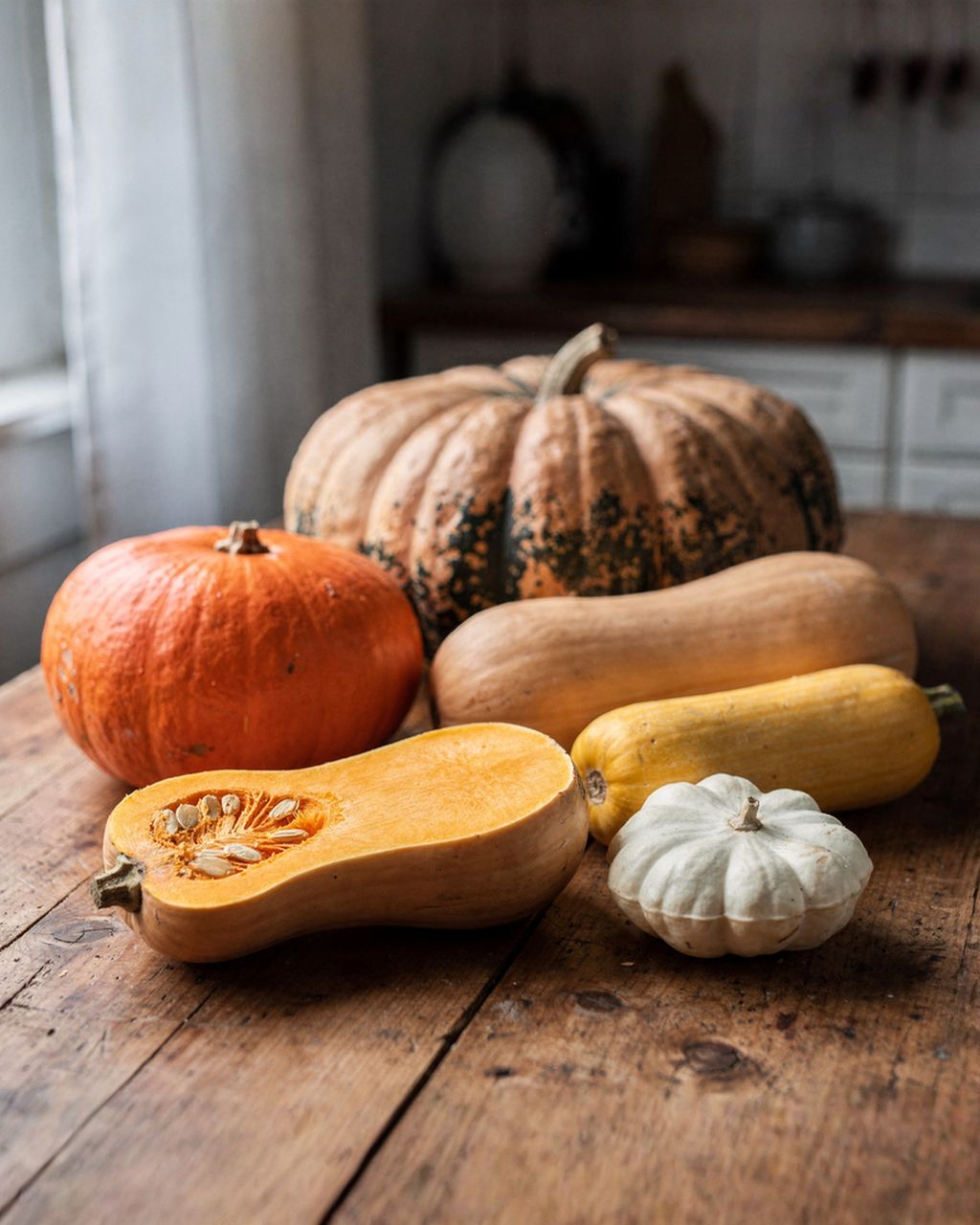
The best substitute is pattypan squash or yellow zucchini, which are prepared exactly the same way. In fritters and buchta (Czech sheet cake) you can use carrot instead. Eggplant or bell pepper work in ratatouille or a skillet dish, but allow for different cooking times: eggplant needs longer. Pumpkin or squash works in soup, but the puree will be sweeter and thicker.
Garlic, lemon, herbs and cheese go best with zucchini. For the skillet and the oven, use thyme, oregano, rosemary or basil. For fritters and soup, use dill, mint or marjoram. In sweet batters, use cinnamon and nutmeg. Chili and smoked paprika add heat, and Parmesan adds saltiness.
As a side dish, allow 150–200 g of zucchini per person; as a main course (stuffed zucchini, a baked casserole), 250–350 g. One medium zucchini weighs roughly 200–300 g, so for a side dish about half to two thirds of a zucchini per person is enough, and for a main course one whole zucchini. Zucchini loses about a third of its volume when baked or sautéed.
Yes, zucchini flowers are edible and in Italian cooking they are stuffed and fried. They are most often filled with ricotta or mozzarella with herbs, dipped in a thin batter and fried for 1–2 minutes until golden. Pick them in the morning when they are open, and use them the same day. Before stuffing, carefully remove the pistil or stamens from the center.
Zucchini and pattypan squash are varieties of the same species, Cucurbita pepo, and differ mainly in shape: zucchini is long, while pattypan is flat and scalloped like a plate. They taste very similar and are prepared the same way. Thanks to its shape, pattypan is excellent for stuffing whole. The same rule applies to pattypan: don't eat a bitter fruit.
One recipe worth heating the oven for, one tip, and one deal from the shop. Nothing else.