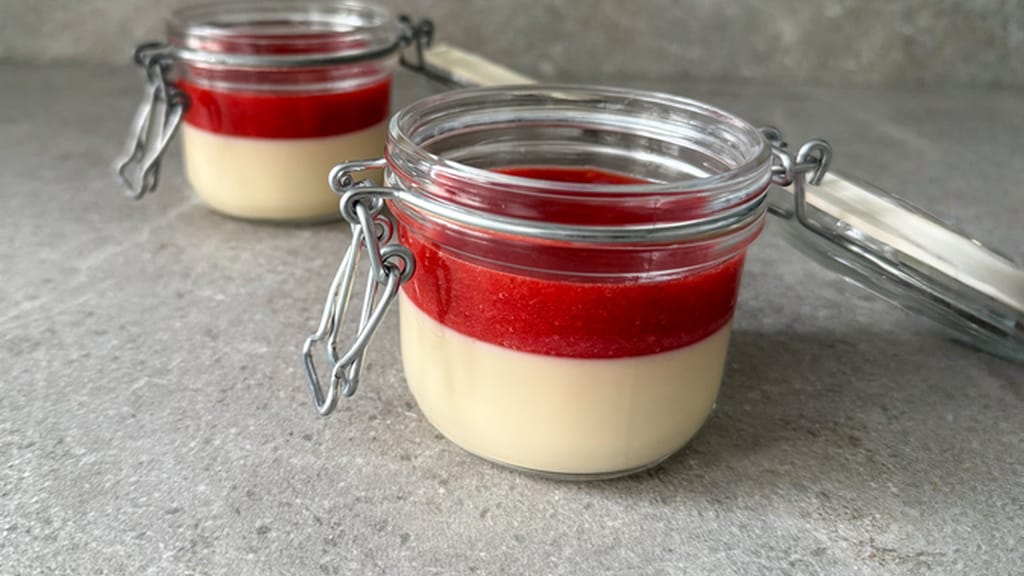
Panna cotta: a simple italian dessert ready in no time
Christmas Dessert Cups: Make-Ahead Mousses, Custards and Jellies
Updated Oct 15, 2026
Dessert cups are the most dependable sweet finish to a Christmas meal. You make them the day before, they set overnight in the fridge, and on the 24th you just take them out and decorate. Panna cotta, chocolate mousse, vanilla cream and fruit jelly all work better in a glass than on a plate. You don't have to turn them out, so they need less gelatin and stay creamier. Here you'll find the quantities, how to layer, what to top them with and, most importantly, how long they keep safely.
You can easily make anything that sets with chilling a day ahead: panna cotta, jellies, chocolate mousse, vanilla and chocolate creams, and layered desserts like tiramisu. A night in the fridge does them good. The gelatin finishes setting, the flavors come together and the ladyfingers in tiramisu soften.
Panna cotta – cream, sugar, vanilla and gelatin. The simplest and most foolproof.
Jellies – made from fruit juice, mulled wine or tea; ideal as a colorful top layer.
Chocolate mousse – holds its shape thanks to chocolate that firms up in the cold, or a little gelatin.
Creams – vanilla (Bavarian) cream or a chocolate cream based on crème anglaise.
Layered desserts with mascarpone – tiramisu and its Christmas variations.
What not to do the day before: crunchy toppings (crumble, crushed gingerbread cookies, caramel, meringues) and fresh whipped cream without a stabilizer. Crumble goes soft in a moist cream overnight, and whipped cream loosens. Add them just before serving.
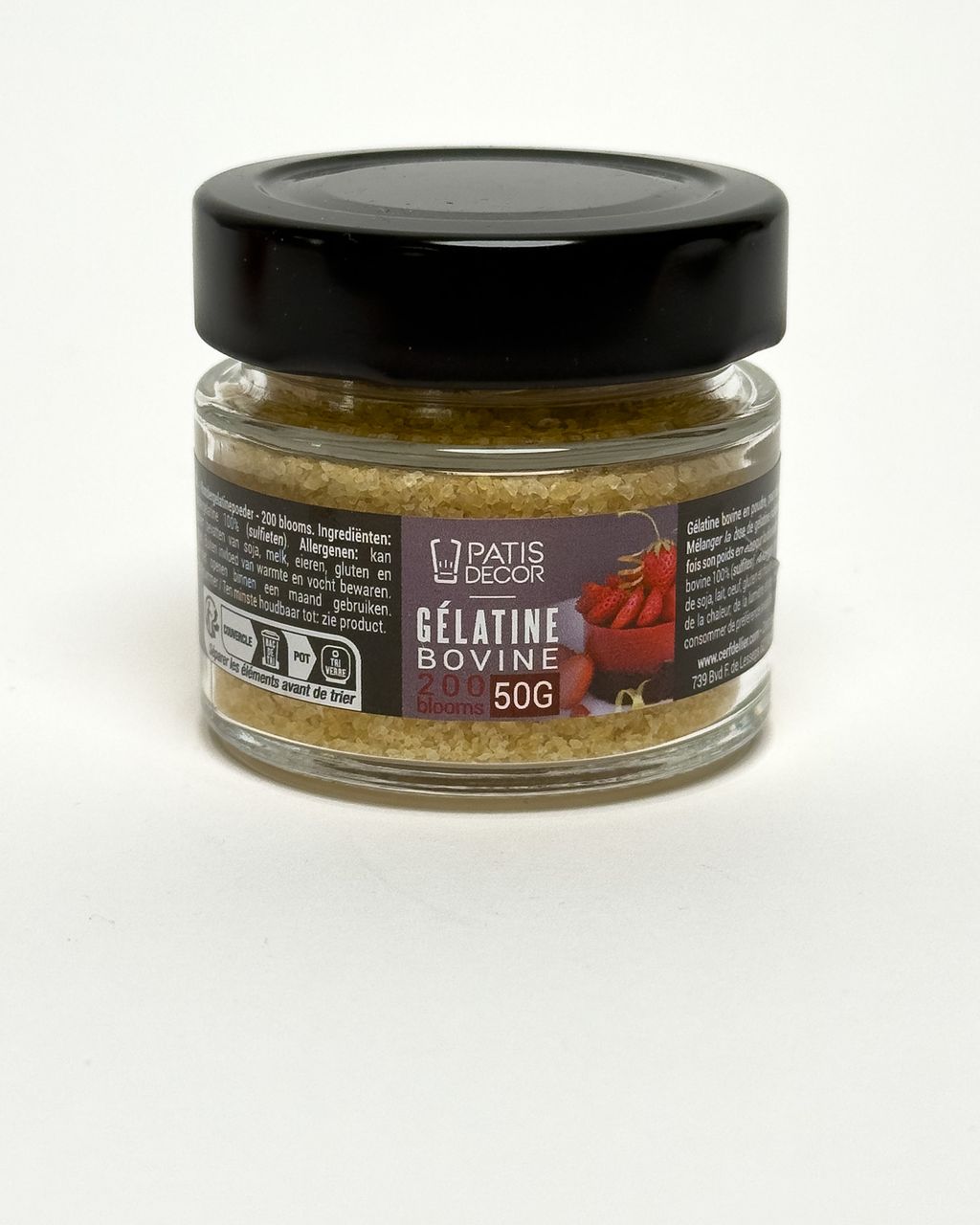
For a dessert in a glass, use roughly a third less gelatin than for a dessert you turn out. It doesn't have to support its own weight, only hold its shape on a spoon. Approximate quantities for 200 Bloom powdered gelatin per 500 ml of liquid:
Panna cotta in a glass: 5–6 g (about 1–1.2%). It wobbles gently and holds on a spoon.
Panna cotta to turn out: 8–10 g. Needlessly firm for a glass.
Fruit jelly as a layer: 7–8 g. It has to support another layer or a topping.
Cream or mousse with whipped cream, no chocolate (vanilla, fruit, mascarpone): 4–5 g per 500 ml of finished mixture, just enough to stop the whipped cream from loosening.
White chocolate mousse: only 2–3 g per 500 ml of mixture. The cocoa butter in the chocolate firms it up largely on its own in the fridge, and the gelatin is just insurance against it loosening. A full dose would turn it rubbery.
Dark chocolate mousse: usually no gelatin. Dark chocolate has more cocoa solids and cocoa butter and holds on its own once chilled.
The Bloom number tells you the strength of the gelatin: the higher it is, the less you need. If your gelatin has a different strength, or you use sheets, you'll find conversions in the article Bloom gelatin: what the Bloom number means and how to convert gelatin strength. The quantities above are calculated for 200 Bloom powdered beef gelatin. Powder is easy to measure by the gram, which you'll appreciate more than halving sheets when you're making small batches for glasses.
Acidic liquids (citrus juice, wine) weaken gelatin slightly, so for jellies go toward the upper end of the range.
First let the gelatin bloom in cold water, then dissolve it in a warm (not boiling) mixture and leave the dessert to set for 4–6 hours in the fridge, ideally overnight.
Blooming: sprinkle powdered gelatin over 5–6 times its weight in cold water (5 g gelatin = 25–30 ml water) and leave it for 10 minutes. Sprinkle the gelatin into the water, not the water onto it, or it will clump.
Dissolving: stir the bloomed gelatin into a warm mixture at around 50–60 °C (122–140 °F). Boiling harms gelatin, and after it has boiled it sets more weakly.
Straining: pour the mixture through a sieve to catch any undissolved bits and any seeds you don't want.
Pouring into glasses: keep the glasses at room temperature. Hot mixture poured into an ice-cold glass can crack it.
Setting: 4–6 hours in the fridge, ideally overnight. Gelatin keeps firming up for several hours after it seems done, so the next day the dessert will be firmer than it was in the evening.
Watch out for raw tropical fruit. Fresh pineapple, kiwi, papaya, figs or ginger contain enzymes that break down the protein in gelatin, so the dessert won't set at all. Canned fruit or fruit briefly cooked is fine, because heat destroys the enzymes.
We cover the differences between gelatin, agar and pectin in detail in the article Types of gelling agents: pectin, agar and gelatin.
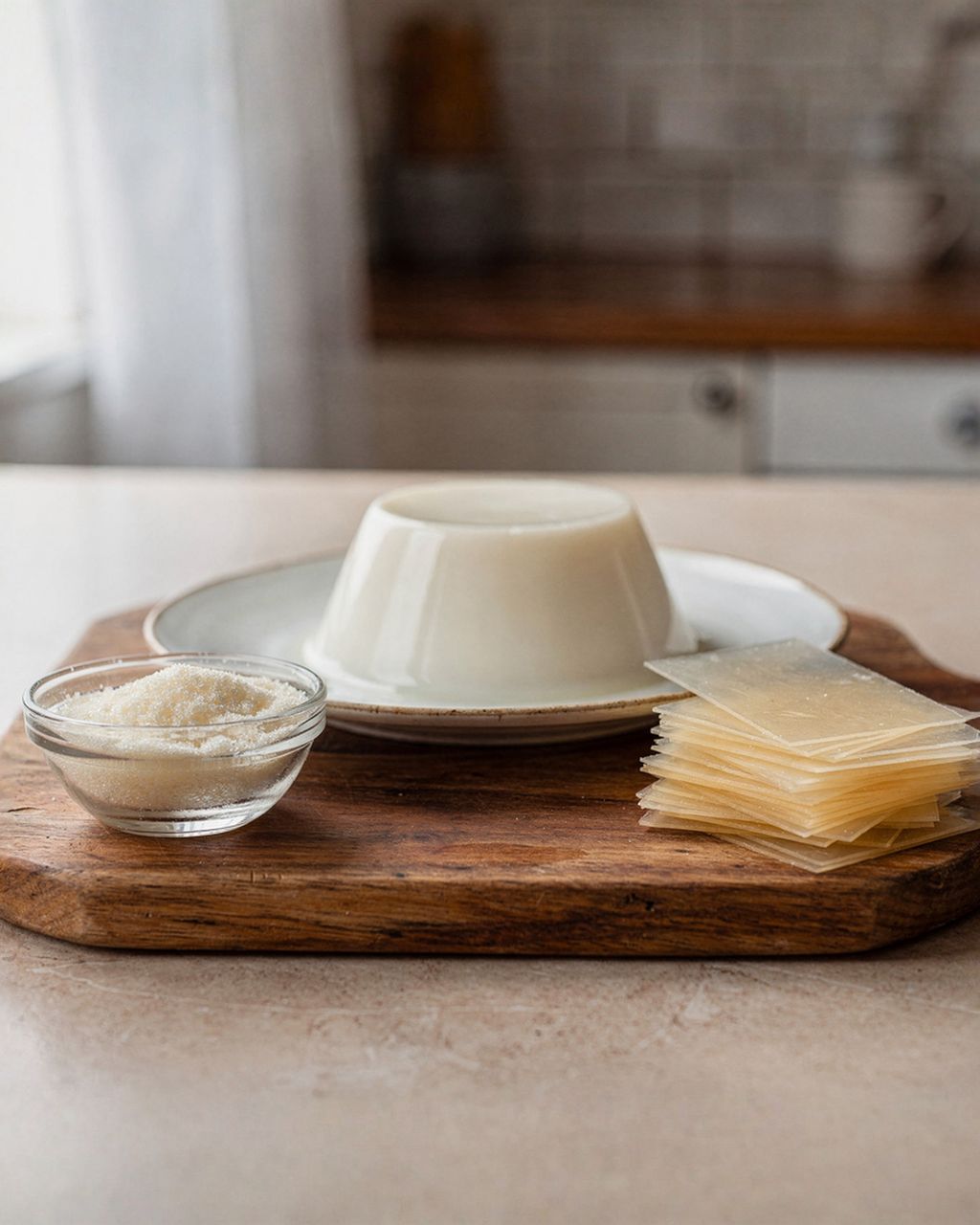
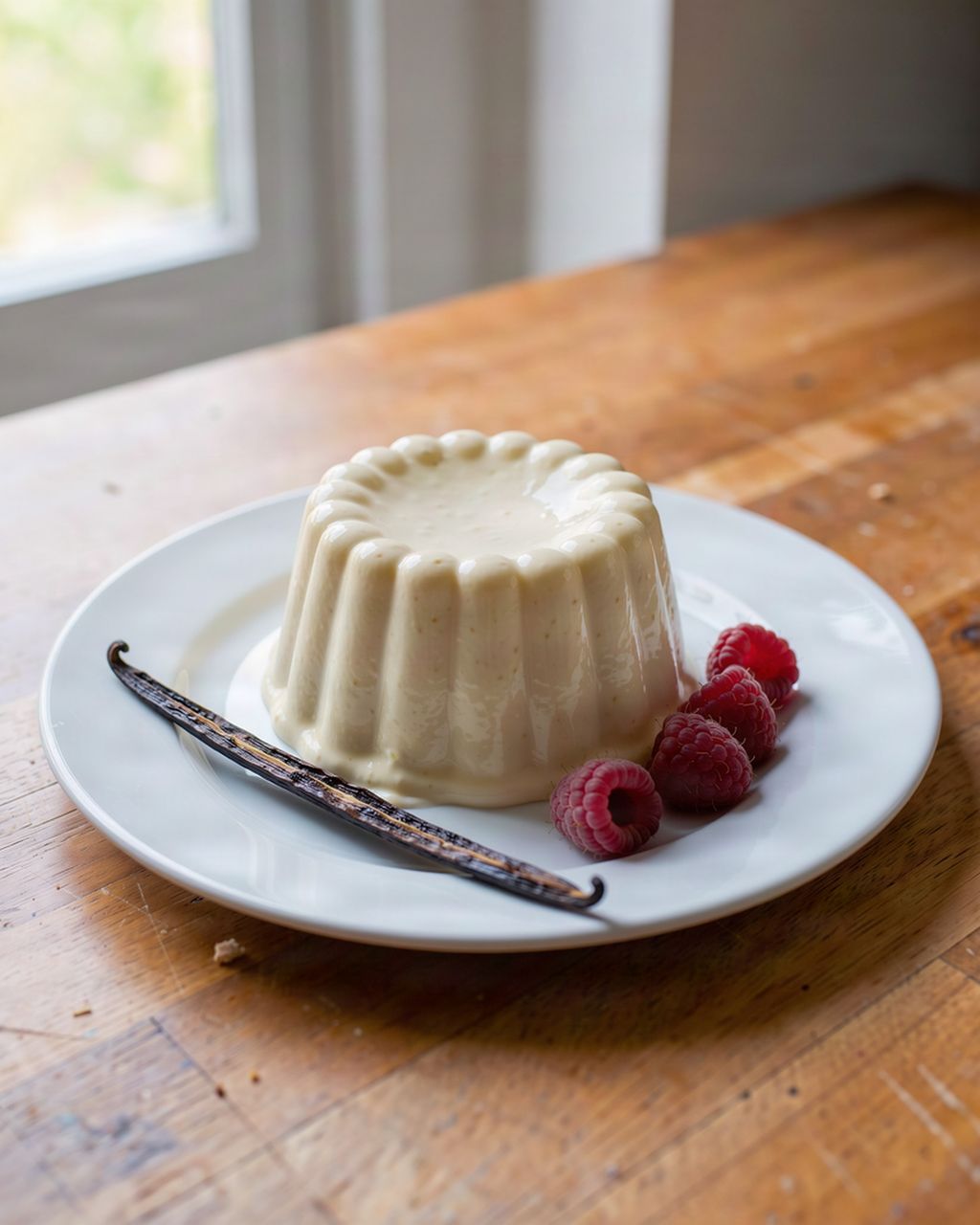
Panna cotta is the foundation for most Christmas dessert cups: 500 ml heavy cream (30–33% fat), 50–60 g sugar, one vanilla bean and 5–6 g of 200 Bloom gelatin. You'll find the full method in the recipe panna cotta – a simple Italian dessert, and a layered version with chocolate and jelly in the recipe strawberry panna cotta with chocolate and mint jelly.
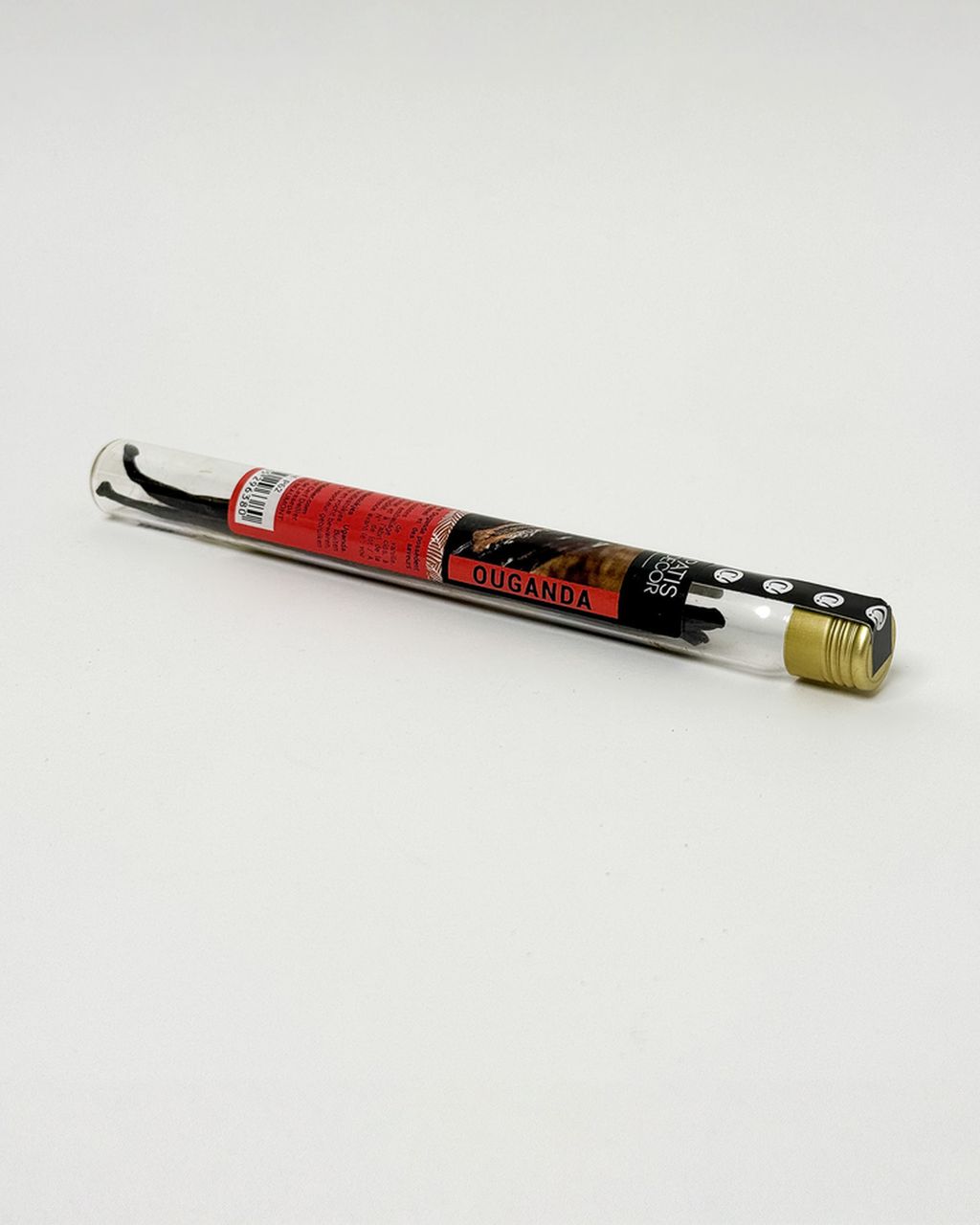
The flavor of panna cotta rests on vanilla, because nothing else stands out in it. This is where a real vanilla bean makes sense:
Split the bean lengthwise, scrape out the seeds and put both into the cream.
Heat the cream to just below a boil, take it off the heat, cover and let it infuse for 20–30 minutes. Only then reheat it, dissolve the gelatin in it and fish out the bean.
One bean is enough for 500 ml of cream. In the glass the seeds show as little black specks, a sign that it's real vanilla.
An honest comparison: vanilla extract (1–2 teaspoons per 500 ml) gives good flavor more cheaply, but without the seeds and with a less layered aroma. Vanillin sugar (with artificial flavoring instead of real vanilla) tastes flat, and we don't recommend it for panna cotta. We sell Ugandan vanilla beans, which have a pronounced, slightly cocoa-like aroma that goes well with Christmas spices. Don't throw away a used bean: dry it and tuck it into a jar of sugar.
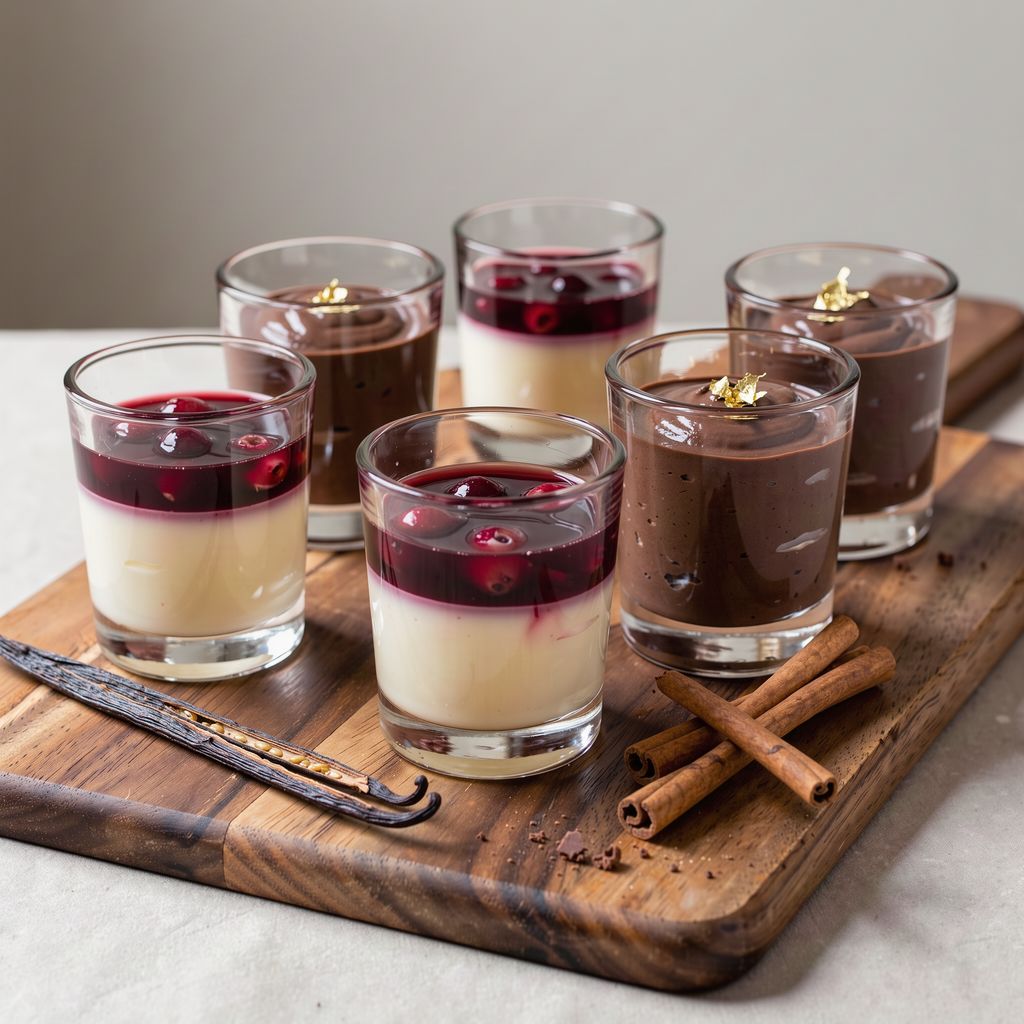
Christmas variations: add a piece of cinnamon stick and orange zest to the cream while it infuses, or pour a cranberry or sour cherry jelly over the top.
Panna cotta: a simple italian dessert ready in no time
Vanilla panna cotta – a basic recipe you can pour into glasses
Let each layer set until it doesn't move when you tilt the glass, and pour the next layer cooled to room temperature (around 25 °C / 77 °F). A warm mixture melts the layer beneath and the boundary blurs.
Time between layers: 45–90 minutes in the fridge, depending on the thickness of the layer. The surface should be firm but still slightly tacky, so the layers stick together and won't separate.
Pouring: pour slowly over the back of a spoon so the stream spreads out and doesn't break through the layer below.
Slanted layers: prop the glasses in a muffin tin or an egg carton, pour the first layer and let it set at an angle. Pour the later layers with the glass standing upright.
Clean edges: wipe drips off the side of the glass right away with a paper towel dipped in hot water. Once set, they won't come off.
Order: the heavier, firmer layer goes at the bottom (panna cotta, cream) and the lighter one on top (mousse, jelly). A mousse made with gelatin can also be layered onto a cream that hasn't fully set yet.
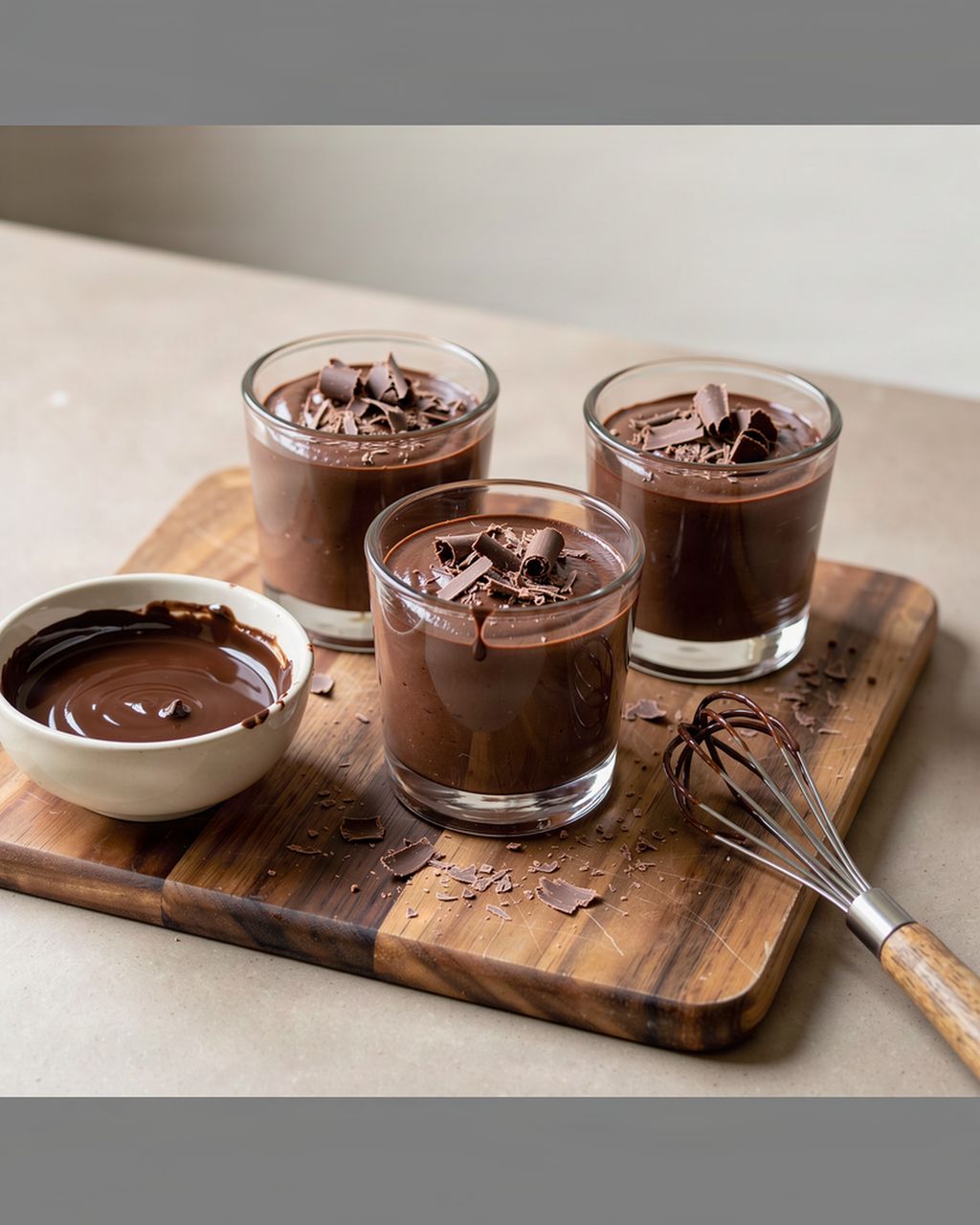
Chocolate mousse in a glass holds its shape mainly thanks to the chocolate, which sets in the fridge. The quality and the share of cocoa butter determine how firm the mousse will be and how it tastes. That's why couverture is worth using instead of regular baking chocolate.
Dark mousse or cream: couverture with about 54% cocoa, such as Callebaut 811 dark chocolate. It has a balanced flavor that even kids can handle, melts well and makes a mousse that holds without gelatin.
White mousse: Callebaut W2 white chocolate sets softer than dark. The cocoa butter firms it up only partly, so a small insurance of 2–3 g of gelatin per 500 ml of mixture is enough (we explain why that's less than for a cream without chocolate in the gelatin quantities section above). It's sweet, so it pairs wonderfully with a tart cranberry or raspberry jelly.
An honest comparison: Valrhona or Cacao Barry couvertures give a similar result, and good bar chocolate with 50–70% cocoa also works in a glass. What to avoid: cocoa and fat-based coatings. With vegetable fat instead of cocoa butter, the mousse doesn't hold and tastes waxy. Watch out for mix-ups: "čokoládová poleva" is the legal label for couverture on Czech packaging, and that one you can use.
Melt the chocolate and let it cool to 40–45 °C (104–113 °F) before folding in lightly whipped cream. Hot chocolate melts the whipped cream, and chocolate that's too cold sets in lumps. Ready-made recipes: chocolate mousse and white chocolate mousse. We go through the classic French version, with and without eggs, in the article Chocolate mousse (mousse au chocolat).
Thicker and smoother than mousse is a chocolate cream (crémeux): chocolate poured over hot crème anglaise. You'll find how to cook the base without it curdling in the article Crème anglaise, and a vanilla version with gelatin and whipped cream in the article Bavarian cream step by step.
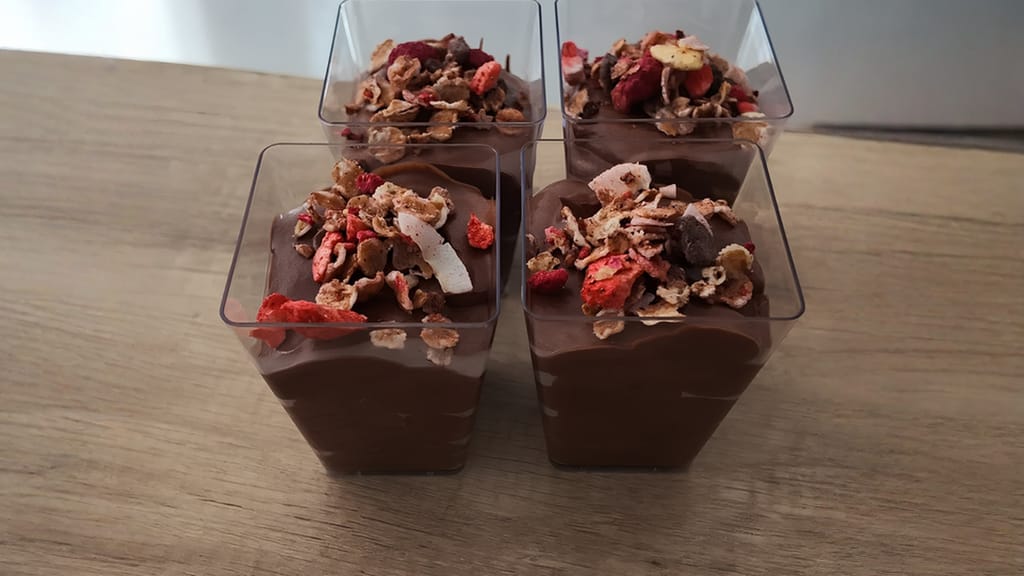
Chocolate mousse
Chocolate mousse for dessert cups – recipe
Jelly is the fastest way to give a dessert cup its Christmas color: 500 ml of flavored liquid, sugar to taste and 7–8 g of 200 Bloom gelatin.
Mulled wine: heat the wine with sugar, cinnamon, cloves and orange zest, let it infuse for 15 minutes and strain. Heating cooks off some of the alcohol, but not all of it, so this dessert isn't for children or drivers.
Cranberry or sour cherry: unsweetened juice sweetened to taste, a beautiful contrast with white panna cotta.
Tea: strong black tea with orange and star anise for adults who want no alcohol, fruit tea for children.
Pour jelly over set panna cotta or cream only once it has cooled, or it will melt the layer beneath. If you want a jelly with a higher alcohol content for shot glasses, it needs different quantities, which we cover in the article Jelly shots for New Year's Eve.
Tiramisu is actually better in a glass than in a dish: the ladyfingers soak up the coffee overnight and the cream settles, so the day before is the ideal time to make it. For inspiration, try the recipes mini tiramisu with blackberries and Earl Grey tea and raspberry tiramisu.
Christmas version: instead of coffee, dip the ladyfingers in cooled mulled wine or orange juice with a little liqueur, flavor the cream with cinnamon and put sour cherries or cranberries between the layers. Dust the cocoa on top only just before serving, because overnight it gets damp and darkens.
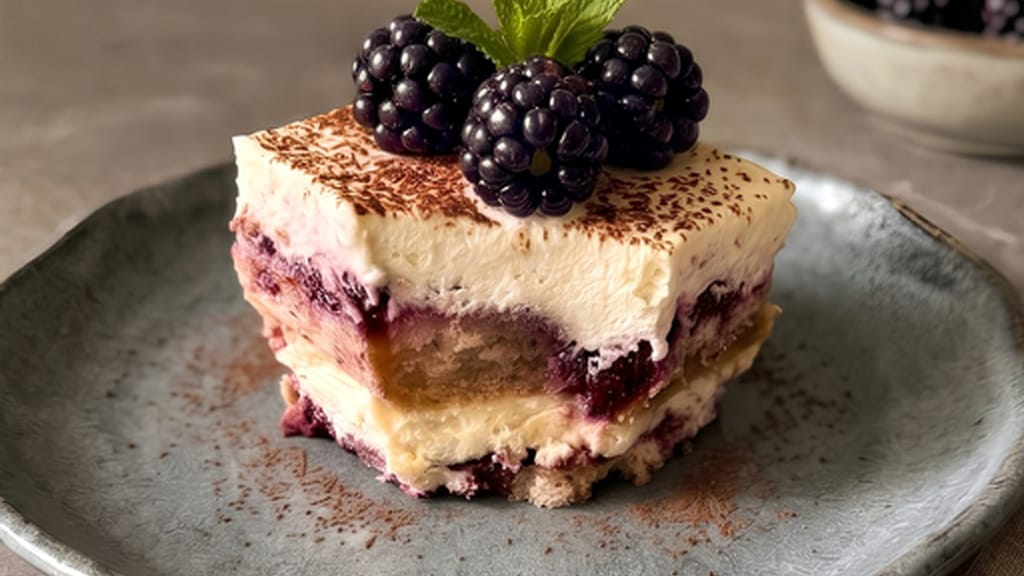
Mini tiramisu with blackberries and earl grey tea
Mini tiramisu in a glass with blackberries and Earl Grey tea
Plan on eating dessert cups made with milk, cream or eggs within 2 days of making them, stored in the fridge at 4 °C (40 °F) or below. Making them the day before fits perfectly.
Puddings and creams: FoodSafety.gov (the US government food safety website run by USDA, FDA and CDC) gives 2 days in the fridge for opened pudding. Use the same limit as your starting point for homemade panna cotta, creams and mousses.
Cream and custard pies: according to the same chart, 3–4 days in the fridge. That's the upper limit, not a target. For homemade desserts with raw eggs, stay at 2 days.
At room temperature: according to USDA FSIS, don't leave chilled desserts out of the fridge for more than 2 hours in total, or more than 1 hour if the temperature is above 32 °C (90 °F). On the Christmas table, bring them out gradually rather than all at once for the whole evening.
How to store them:
Cover the glasses with a lid or cling film, because desserts with cream easily absorb odors from the fridge (onion, cured meats, cheese).
Put them at the back of the fridge, not in the door, where the temperature swings every time it's opened.
Add fruit garnishes and crunchy toppings just before serving.
Decorate a Christmas dessert cup with chocolate decorations with gold, a crunchy layer of gingerbread cookies or amaretti, candied or fresh fruit and chocolate shavings, always just before serving. Make the cream and jelly the day before and add the decorations at the last minute.
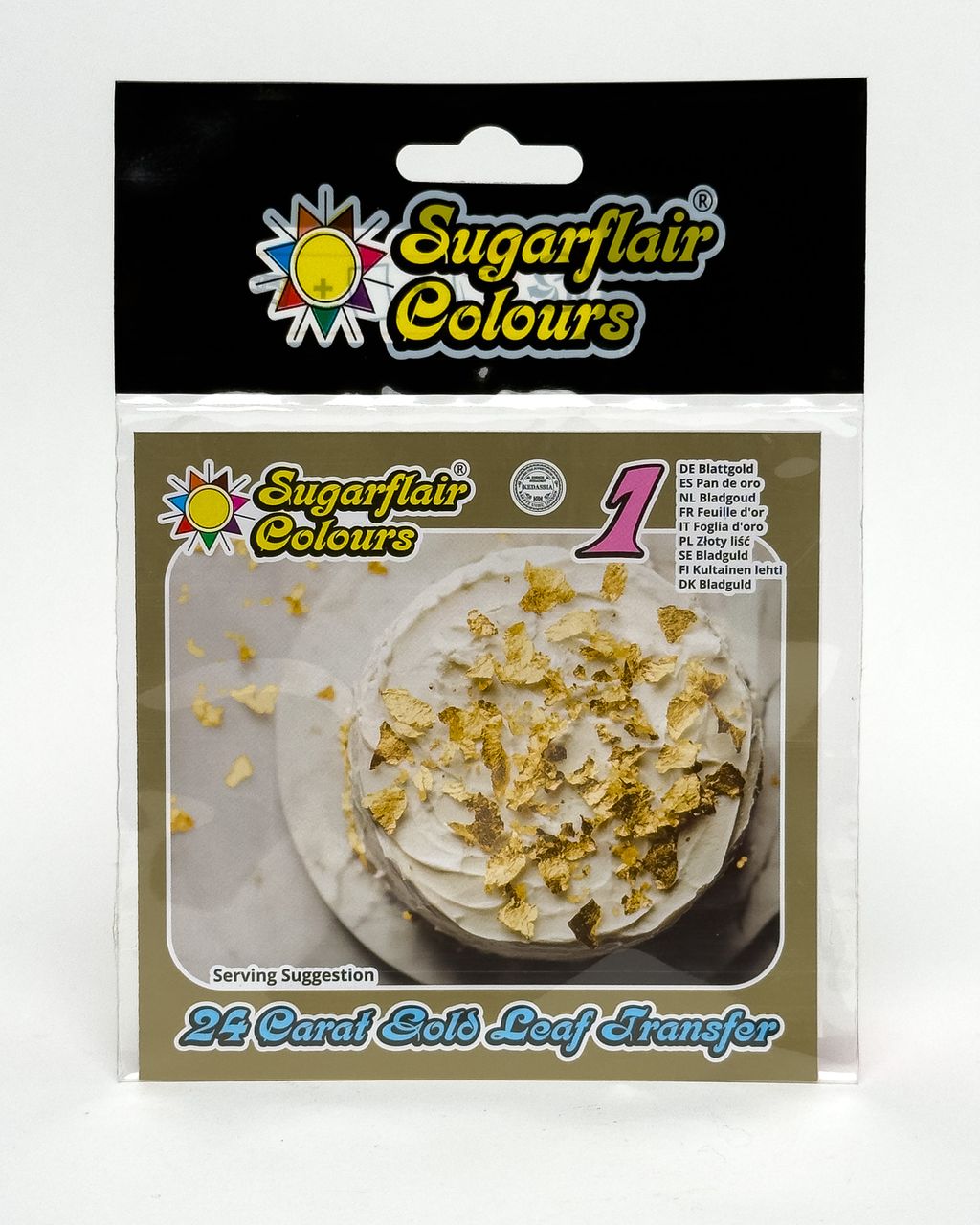
Edible gold on chocolate: a flake of gold on a chocolate shaving laid on the mousse is the easiest festive effect. 24-karat gold leaf has no taste or smell. Don't touch it with your fingers, as it sticks to them. Move it with a dry brush or tweezers. On a moist surface it wrinkles over time, so add it only just before serving. We have genuine 24-karat edible gold leaf. A cheaper alternative is glittery gold powder, which gives shine rather than a metallic flake. Find out more about gold and glitter decorating in the article Sparkling New Year's Eve desserts.
Crunchy layer: crushed gingerbread cookies, Linzer cookies or amaretti – a contrast to the smooth cream, but only at the last moment.
Fruit: candied orange peel, pomegranate seeds, sugar-coated cranberries.
Chocolate: shavings from couverture, scraped with a vegetable peeler.
You'll find more decorations, molds and holiday ingredients together in our Christmas selection.
Yes. Gently warm the mixture to 50–60 °C (122–140 °F), add 2–3 g of bloomed gelatin per 500 ml, stir it in and pour it back. First check the cause, though. Raw pineapple, kiwi or papaya breaks down gelatin, and adding more won't help until you remove the fruit.
The best substitute is agar, but you need to boil it for 1–2 minutes, and it sets at room temperature. For 500 ml of delicate panna cotta, roughly 1–2 g of agar is enough. The result is more brittle and less creamy than with gelatin. We don't sell agar, but you can buy it in health food stores.
We don't recommend freezing desserts made with gelatin: after thawing they release water and lose their smooth texture. FoodSafety.gov also advises against freezing puddings. Making them a day ahead in the fridge is the best option for panna cotta, jellies and creams alike.
After a Christmas Eve dinner, 100–150 ml of dessert per person is enough, so use glasses of about 150–200 ml filled two-thirds full. Serve rich chocolate mousses and creams in smaller glasses of around 100 ml.
It's best to carry the glasses with lids on, standing upright, in a cooler bag with ice packs. According to USDA FSIS, chilled desserts shouldn't be out of the cold for more than 2 hours in total, so put them in the fridge as soon as you arrive and decorate them on site.
One recipe worth heating the oven for, one tip, and one deal from the shop. Nothing else.