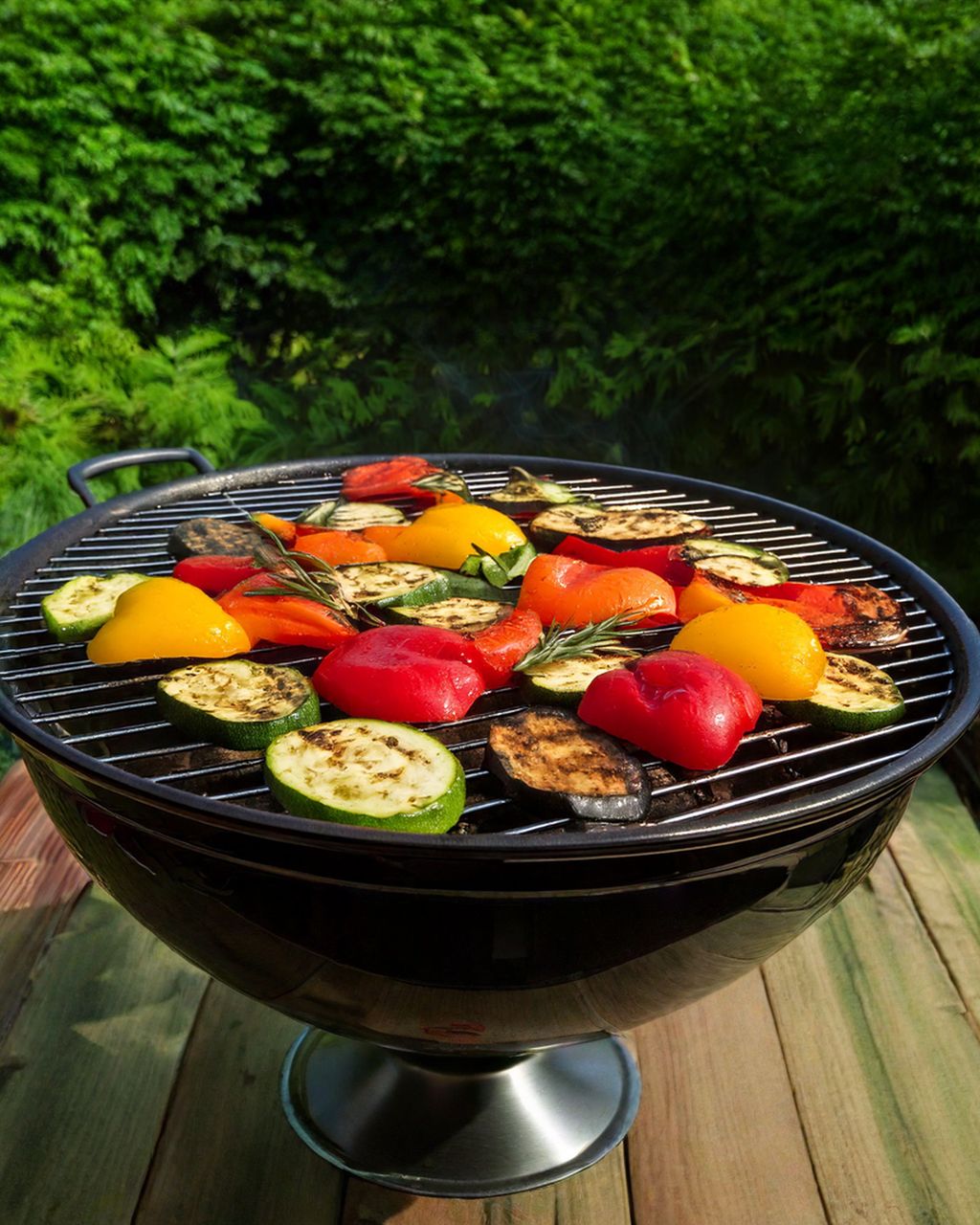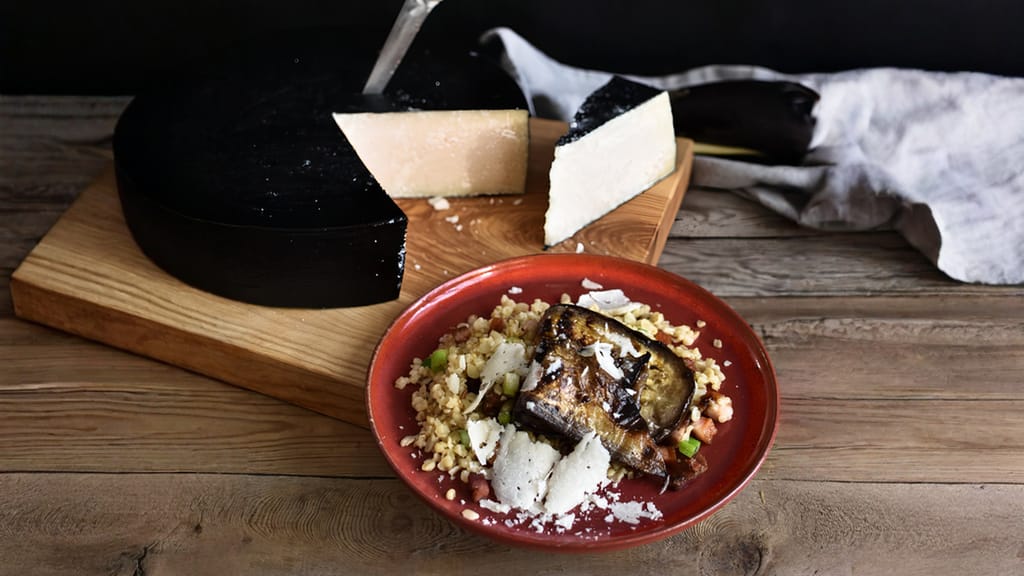
Bulgur with grilled eggplant and bon lait aged goat cheese
How to Roast Eggplant in the Oven: Whole, Halved or Sliced, Never Bitter or Rubbery
Updated Nov 17, 2026
Roast eggplant in the oven at 200–220°C (400–425°F): whole for 40–60 minutes, halved for 30–40 minutes and sliced for 20–25 minutes. Bitterness is hardly a risk with today's varieties. Rubbery eggplant is almost always underbaked, or it steamed on a crowded pan instead of roasting. Below you'll find times for every shape, when salting is worth it, how much oil you really need and what to do with eggplant you can't finish.
Roast eggplant at 200–220°C (400–425°F) (10–20°C lower with a fan oven). The time depends on the shape:
Whole: 200–220°C, 40–60 minutes, depending on size
Halved: 200°C, 30–40 minutes
1.5 cm slices: 220°C, 20–25 minutes, flipped halfway
2–3 cm cubes: 220°C, 25–30 minutes, stirred once
High heat matters. At 160–180°C, eggplant slowly releases water, steams in its own juices and turns gray before it has a chance to turn golden. For general rules on roasting vegetables (how densely to fill the pan, how to combine different kinds), see the guide to oven-roasted vegetables. Here it's all about eggplant.
Roast a whole eggplant at 200–220°C (400–425°F) for 40–60 minutes, until it collapses completely. It's done when the skin is wrinkled and brown, the eggplant sags and the flesh feels buttery soft when pressed. A whole eggplant needs no oil.
Wash the eggplant and prick it 5–6 times with a fork. This lets steam escape so the eggplant doesn't burst in the oven.
Place it on a baking sheet lined with parchment paper and turn it after 20 minutes.
Once roasted, let it cool for 10 minutes, cut it in half lengthwise and scoop out the flesh with a spoon.
Flesh prepared this way is the base for creamy spreads and dips such as baba ganoush. For a smoky flavor, char the eggplant for 5 minutes directly over a gas flame before roasting, until the skin turns black.
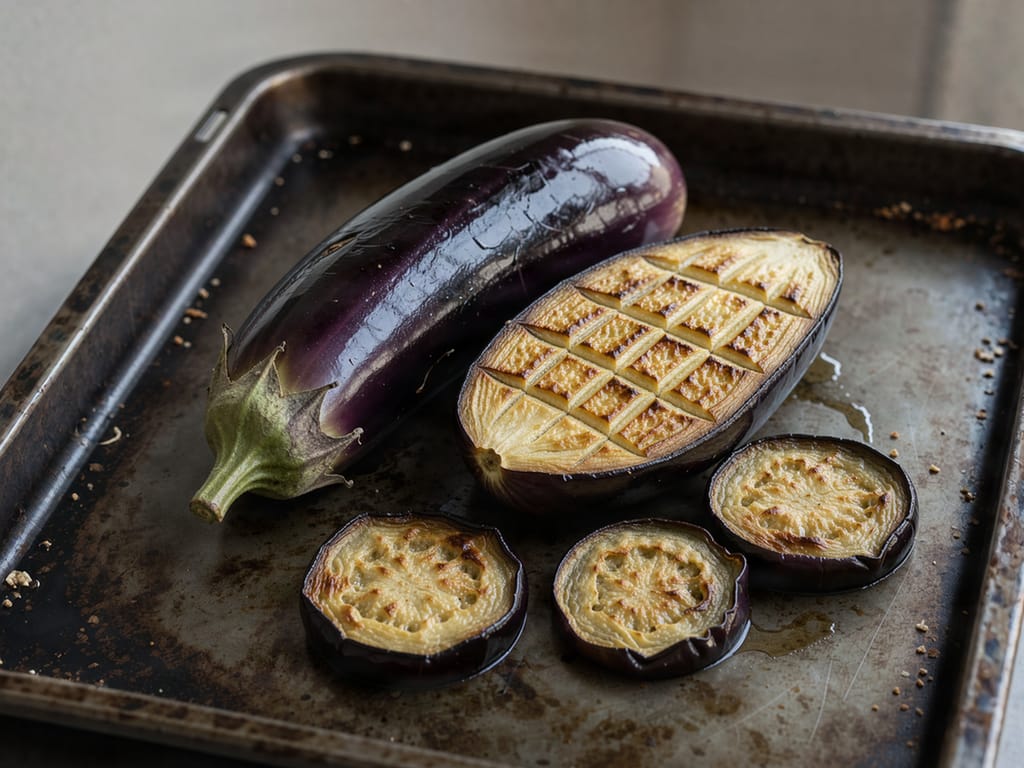
Roast halved eggplant at 200°C (400°F) for 30–40 minutes. Score the flesh in a crosshatch pattern first, then brush it with oil. Scoring does two things: oil and seasoning get inside, and the eggplant cooks evenly all the way to the skin.
Cut the crosshatch about 1.5 cm (½ in) apart and deep, but don't cut through the skin.
Use 1 tablespoon of oil per half. Rub it into the cuts rather than pouring it over the surface.
Roast cut side down for the first 20 minutes so the eggplant cooks through in the steam, then flip it and let the surface turn golden.
The halves are done when the flesh next to the skin gives under light pressure from a spoon. Serve them right in the skin: with yogurt and garlic, with tomato sauce or baked with cheese.
Roast 1.5 cm (½ in) slices at 220 °C (425 °F) for 20–25 minutes, flipping them halfway. Roast 2–3 cm (about 1 in) cubes at the same high heat for 25–30 minutes. With cut eggplant, what matters most is how you arrange it on the pan:
One layer, with gaps between the pieces. Overlapping slices steam and turn into a gray, rubbery mess. Use two pans if you need to.
At least 1 cm (⅜ in) thick. Thinner slices dry out on the outside before they soften inside.
Preheat the pan along with the oven. The underside starts browning right away.
Roasted cubes make a ready-made side and work well in vegetable bowls, such as couscous with chickpeas and roasted vegetables or a roasted vegetable and feta salad.
Bulgur with grilled eggplant and bon lait aged goat cheese
Bulgur with grilled eggplant and goat cheese
Seasonal baking plans, tested recipes and kitchen tricks that save you time. Unsubscribe in one click.
You don't need to salt eggplant to remove bitterness. For texture, though, it often pays off with slices and cubes. Today's varieties are bred to be mild, and it's mainly large, overripe eggplant with dark seeds that turns bitter.
Salt does something else: it draws water out of the flesh and the spongy interior partly collapses. According to University of Illinois Extension, this means the eggplant absorbs less oil and releases less water into the dish.
How to do it: sprinkle the slices or cubes from one eggplant with about 1 teaspoon of salt and leave them in a colander for 30 minutes. Then rinse them and pat them thoroughly dry with a kitchen towel. Wet eggplant doesn't roast in the oven, it boils. Then go easy on other salty seasonings.
When to skip salting: for eggplant roasted whole and for halves roasted until creamy. There the water evaporates on its own. If you're preparing eggplant for the grill, where salting is handled differently, you'll find the method in the article on grilling vegetables.
One medium eggplant (about 350 g) cut into slices or cubes needs just 2–3 tablespoons of oil. Eggplant acts like a sponge. If you pour the oil on, the first slices soak it all up and nothing is left for the rest. So:
Brush the oil onto slices rather than pouring it.
Toss cubes with the oil in a bowl, not on the pan.
Salted and dried eggplant absorbs less oil, so you can stay at the lower end.
If your eggplant is swimming in oil after roasting, use less next time. Extra oil doesn't improve eggplant, it only makes it greasier.
Rubbery eggplant is underbaked. Eggplant has no "al dente" stage: it's either still springy and spongy, or completely soft and creamy. There's nothing tasty in between. The most common causes:
Not enough time. If the eggplant is springy under a fork, put it back in the oven for another 5–10 minutes.
Low temperature. Below 200°C (400°F), eggplant steams and turns gray.
Crowded pan. Steam from the pieces has nowhere to go, so the eggplant boils instead of roasting.
Slices that are too thin. They dry out on the outside before they soften.
You can tell eggplant is done when the flesh is translucent and soft all the way through, the edges are golden brown and a fork slides in without resistance.
You can boil eggplant. Cook 2–3 cm cubes in salted boiling water for 8–10 minutes until tender, or steam them for 10–12 minutes. To be honest, though, boiling is the weakest way to cook eggplant. It absorbs water, the flavor gets diluted and the color turns gray.
It makes sense where you'll puree or stew it anyway:
in a spread or dip, when you don't want to turn on the oven,
in a braised vegetable mix or curry, where it finishes cooking in the sauce.
Let boiled eggplant drain in a colander and squeeze it lightly, or it will water down your spread. For flavor and texture, roasting is always the better choice.
Raw eggplant keeps in the fridge for 4–7 days (USDA FoodKeeper). Store it whole and unwashed in the crisper drawer, ideally in a paper bag that absorbs moisture.
Eggplant doesn't like too much cold, though. According to the Postharvest Technology Center at the University of California, Davis, it does best at 10–12°C (50–54°F). With longer storage below 10°C, it develops brown spots and sunken areas, and turns brown inside. From this it follows:
Eating it within a day or two? Leave it in a cool room or pantry, out of direct sun.
Longer storage: put it in the fridge, but in the crisper drawer, not against the back wall where it's coldest. Use it within a week.
Cut eggplant browns quickly. Wrap it in plastic wrap and roast it by the next day.
Roasted or boiled eggplant belongs in the fridge within 2 hours of cooking. In a sealed container it keeps for 3–4 days (USDA FSIS, leftover guidelines).
You can freeze eggplant, but not raw. After thawing it would turn into a brown, watery mush. There are two reliable ways: freeze the roasted flesh, or blanched slices.
1. Roasted eggplant: the simplest and best option. Roast the eggplant whole, let the scooped-out flesh cool and freeze it in a bag or container. In the freezer it keeps good quality for 3–4 months (USDA FSIS, leftover guidelines). After thawing, use it in a spread, sauce or soup.
2. Blanched slices: the method from the National Center for Home Food Preservation (USDA):
Wash, peel and cut the eggplant into slices about 8 mm (⅓ in) thick. Prepare only as much as you can blanch at once, or it will turn brown.
Blanch the slices 4 minutes with the lid on in boiling water with lemon juice: about 2 tablespoons of juice per 1 liter of water. The acid prevents browning.
Cool them, let them drain and pack them into freezer bags. If you want to roast or fry them individually, layer them with plastic wrap in between.
In the freezer, blanched eggplant keeps for 6–8 months (USDA FoodKeeper). For the general blanching method and a list of vegetables that aren't worth freezing, see the guide to freezing vegetables.
The best substitutes for eggplant are zucchini, button mushrooms or portobello, hokkaido pumpkin or roasted bell pepper. Which one to choose depends on what the eggplant is meant to do in the dish:
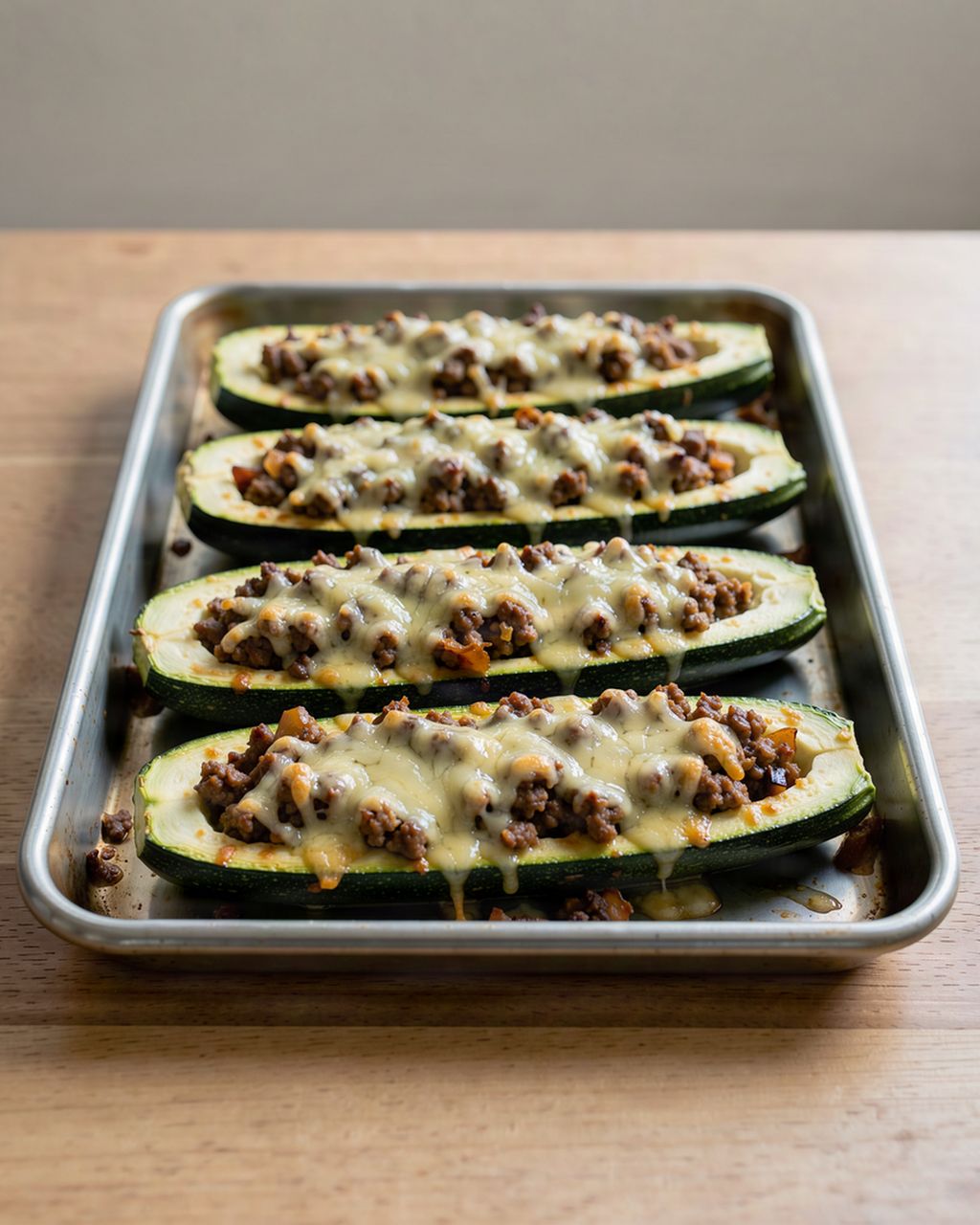
Zucchini: in slices, cubes and baked dishes. It has more water and cooks faster, in about 15–20 minutes at 220°C (425°F). Let it drain well and roast it in a single layer. For moussaka and other baked dishes, pre-roast it at 220°C for 10–15 minutes so it releases its water, or the dish will turn watery. For inspiration, try pasta with zucchini and lemon.
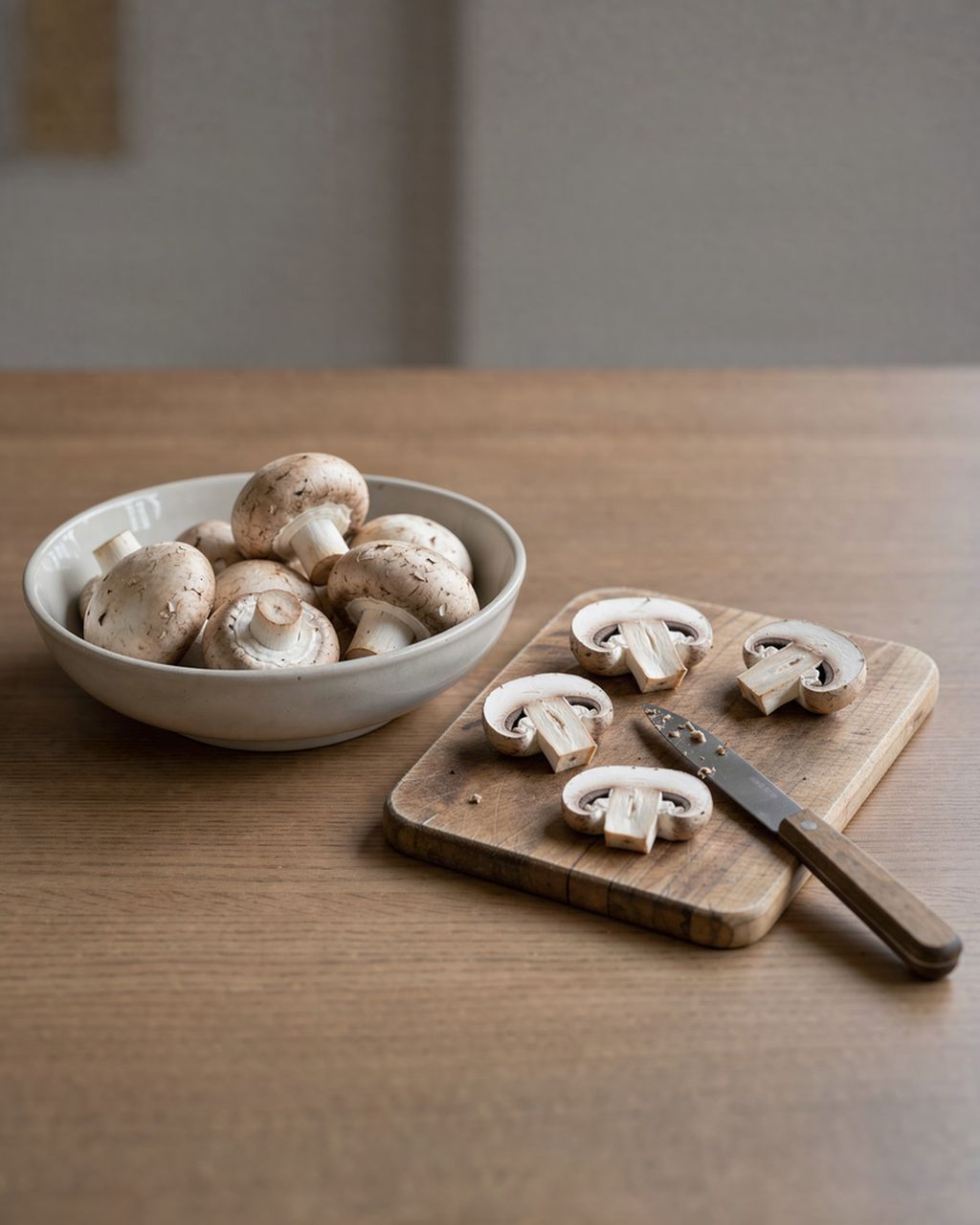
Button mushrooms and portobello: when you want a meaty, hearty flavor from the eggplant, such as in sauces and ragùs. Roasting temperatures and times are covered in the article on roasting mushrooms in the oven.
Hokkaido pumpkin: for roasted cubes and salads. It's sweeter and firmer, so balance it with acidity (lemon, yogurt).
Roasted bell pepper: in dips and spreads in place of whole eggplant flesh. The flavor will be sweeter, but the creaminess stays.
Nothing fully replaces the creamy, smoky flesh of roasted eggplant. For dishes where eggplant is the star, it's better to wait until you can get hold of some.
No, you don't need to peel eggplant before roasting. The skin softens in the oven and holds slices and halves together. Peel it only if you want a perfectly smooth spread, and even then it's easier to roast it whole and scoop the flesh out with a spoon.
You can also cook a whole eggplant directly over the flame of a gas burner or on a grill. Turn it with tongs for 15–20 minutes, until the skin is completely charred and the eggplant collapses. The flesh then has a pronounced smoky flavor. Let it rest for 10 minutes in a covered bowl, peel off the skin and scoop out the flesh.
A fresh eggplant has glossy, taut skin with no blemishes or wrinkles, a green cap, and feels heavy for its size. When you press it lightly with your thumb, the dent slowly springs back. If the dent stays, the eggplant is overripe; if the skin doesn't give at all, it's underripe. Choose small to medium ones, which have fewer seeds and are less prone to bitterness.
Reheat roasted eggplant in the oven at 200°C (400°F) for 8–10 minutes, spread in a single layer on a baking sheet. The dry heat evaporates the water the eggplant released in the fridge. You can also reheat slices in a dry skillet for 2–3 minutes per side. The microwave steams eggplant into mush, so use it only for flesh that you'll stir into a spread or sauce anyway.
Pre-roast eggplant slices for moussaka or lasagna at 220°C (425°F) for 15–20 minutes, until they soften and turn lightly golden. Cut them about 1 cm (⅜ in) thick, brush with oil and spread in a single layer. They finish cooking in the baked dish, so you don't need to roast them until creamy. Raw eggplant would release water into the sauce and stay rubbery.
One recipe worth heating the oven for, one tip, and one deal from the shop. Nothing else.