- Season
- Year-round in jars and cartons. It is made at the tomato harvest in summer and early autumn, which is also the best time to make it at home.
- Price
- Low
Calories and nutrition
per 100 g
35 kcal
Calories
1.7 g
Protein
4.9 g
Carbs
0.3 g
Fat
Tomato Passata
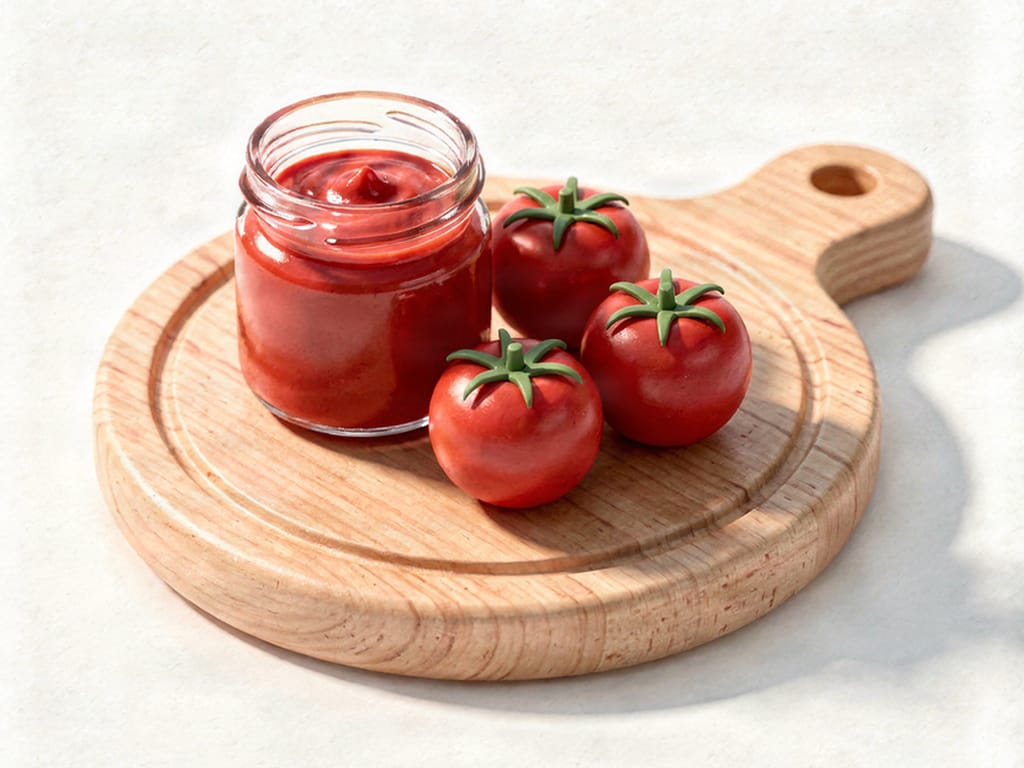
Tomato passata (Italian passata di pomodoro) is fresh tomatoes crushed and pressed through a sieve so they are smooth, free of skins and seeds, and only briefly heat-treated. It is thinner and fresher-tasting than tomato paste and is a base for sauces, soups and pizza.
per 100 g
35 kcal
Calories
1.7 g
Protein
4.9 g
Carbs
0.3 g
Fat
Store unopened jars or cartons somewhere dry, cool and dark until the best-before date on the pack. Don't leave an opened one on the counter.
Once opened, refrigerate it and use within 3 days, as most manufacturers state. Move leftovers from a can or carton into a glass or plastic container with a lid.
Freeze leftover passata in portions, in tubs or in flat bags. It keeps its quality for 3–6 months; thaw it in the fridge or straight in the pan.
Read the ingredients: good passata contains only tomatoes, perhaps salt, and sometimes an acidity regulator such as citric acid. Sugar, starch and thickeners don't belong there. The colour should be deep red, not brownish. Passatas vary in thickness. Thinner ones suit soups; thicker ones (passata rustica or densa in Italian) suit pizza and sauces you don't want to reduce for long. Glass shows you the colour; cartons keep out light.
Canned peeled tomatoes, blended and pushed through a sieve. They swap 1 : 1 in most recipes.
Tomato paste thinned with water: 1 part paste to 2–3 parts water, depending on how thick you need it. The flavour will be a little more cooked.
Passata doesn't need cooking first; it is ready to use. For a sauce, pour it over sautéed garlic or onion and simmer for 10–20 minutes, depending on how thick you want it. For pizza, just salt it, add a drop of olive oil and basil or oregano, and spread it thinly; it finishes cooking in the oven.
Rinse the jar or carton with a splash of water or stock and add it to the pot so nothing is left on the sides. Freeze the last 2–3 tablespoons in an ice-cube tray and drop them into soups and sauces.
Roughly what a spoon or cup weighs, filled the way you usually would.
5.3 g
1 teaspoon
15.9 g
1 tablespoon
264 g
1 cup (250 ml)
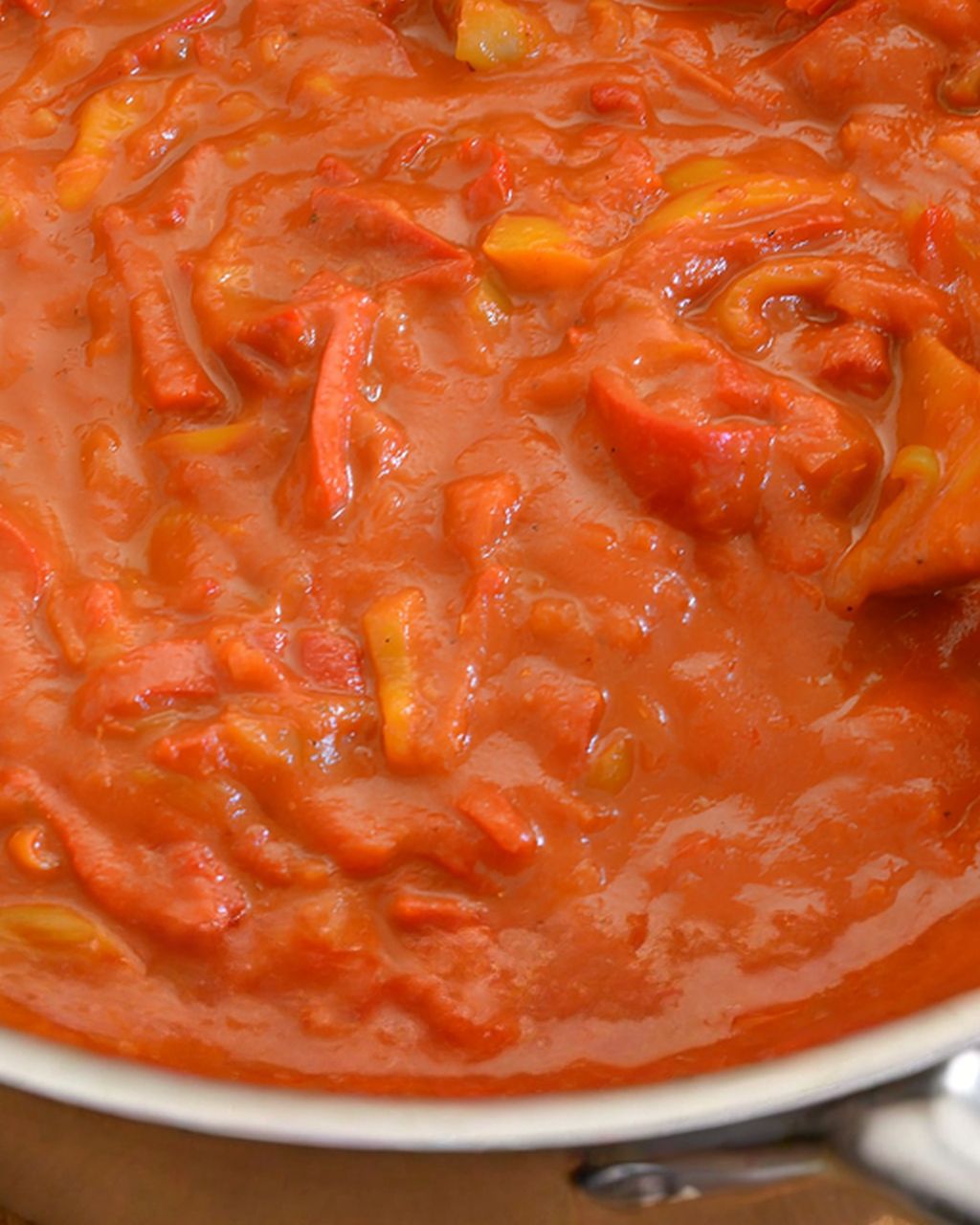
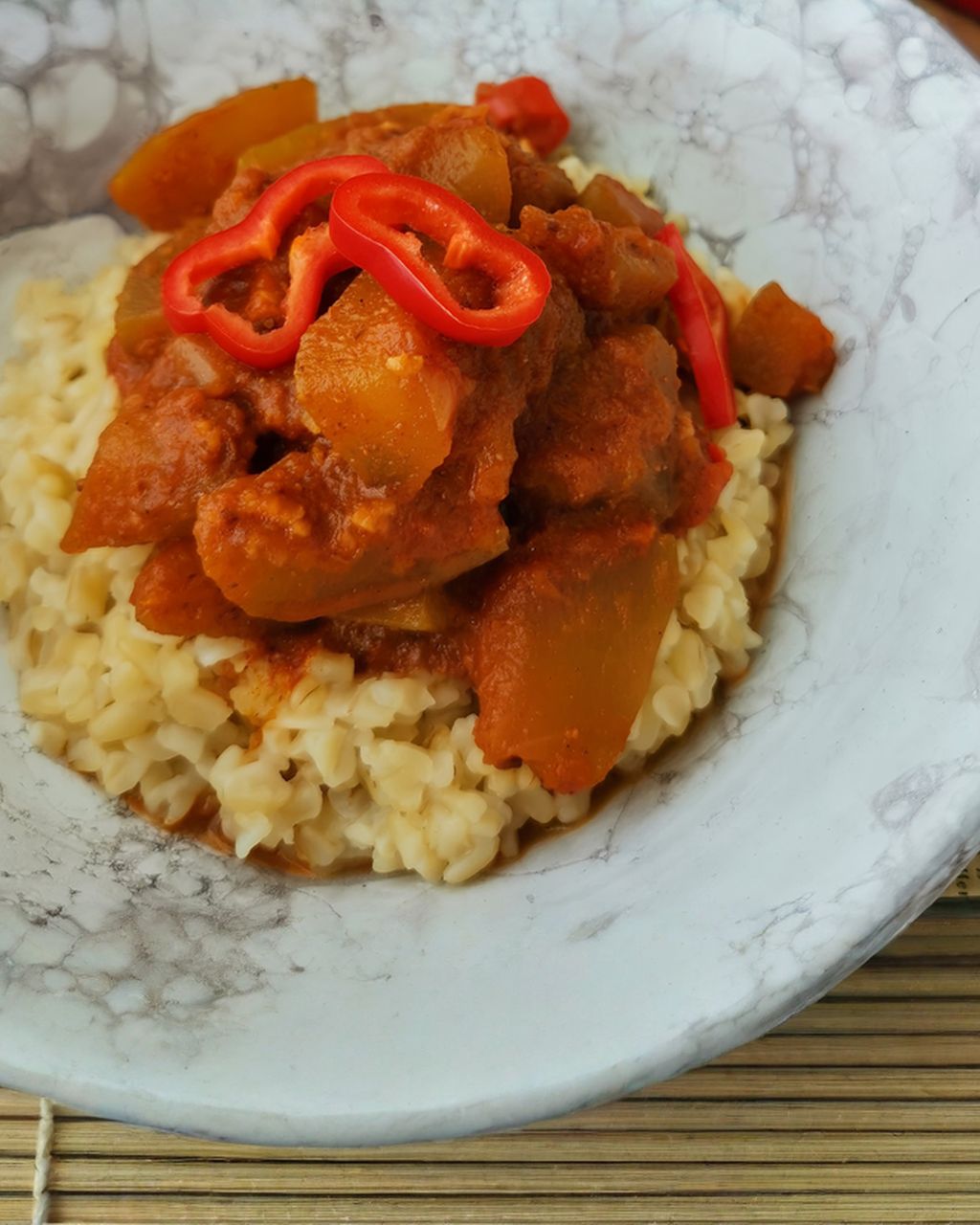
Use passata wherever you want a smooth tomato base: quick pasta sauces, ragù, pizza, tomato soup, gazpacho, shakshuka, braised vegetables, meatballs in sauce, or goulash in place of some of the paste. Short cooking keeps it fresh; long cooking thickens and darkens it.
Tomato passata is a smooth tomato product made from fresh tomatoes that are crushed, pressed through a sieve and briefly heat-treated. The skins and seeds stay behind in the sieve. It is sold in jars, bottles and cartons and usually contains only tomatoes and salt. An Italian decree from 2005 defines it precisely: passata is made from fresh tomatoes, has 5–12 °Brix of refractometric solids, and may not be made by diluting concentrate with water. Czech food law has no separate passata category; it defines only tomato paste (protlak) and tomato purée (pyré).
Passata tastes like clean, ripe tomatoes: gently sweet with a fresh acidity and no spice notes. Compared with tomato paste it lacks the caramel depth of long-cooked tomatoes, and unlike a finished sauce it has no garlic or herbs. A short simmer with olive oil rounds the flavour while keeping it fresh.
4 min read
Passata means "passed" or "strained" in Italian. Ripe tomatoes are washed, crushed and heated so the skins loosen and the flesh softens. They are then pressed through a fine sieve that catches the skins and seeds, and the purée is briefly reduced and pasteurised in jars or cartons.
Under the Italian decree of 23 September 2005, passata must have 5–12 °Brix, roughly 5–12% soluble solids. Skins and seeds may make up no more than 4% of the weight. It may contain salt, acidity regulators, and spices or herbs that must be named on the label. Tomato juice concentrated above 12 °Brix and diluted back with water may not be sold as passata.
All three are made from tomatoes without skins or seeds. They differ mainly in how much water is left, and therefore in thickness and flavour.
Passata is the thinnest and freshest, with 5–12% solids, made straight from fresh tomatoes. Tomato purée is thicker. Czech Decree 397/2021 describes it as a product of tomato paste, water and salt with 8–24% refractometric solids. Tomato paste (concentrate) is the thickest: concentrated paste must have at least 24% solids, and double or triple concentrates have more.
In shops, though, the names overlap. Some products sold in Czechia as tomato purée list only tomatoes and salt on the label and behave like passata. Go by thickness and ingredients, not just the name. Crushed or chopped tomatoes (polpa in Italian) are something else: they contain pieces of flesh and aren't smooth.
You can use tomato purée in place of passata 1 : 1, thinning it with a little water if needed. To stand in for passata with tomato paste, stir 1 part paste into 2–3 parts water. The other way round: if a recipe wants paste and you only have passata, use about three times as much and reduce it to a third, or add it earlier and cook the dish longer without a lid.
Fleshy, less juicy tomatoes are best for homemade passata, such as plum tomatoes of the Roma or San Marzano type. Chop the tomatoes, simmer them for 10–15 minutes until soft, then press them through a food mill or sieve. Cook the purée uncovered until it is as thick as you like.
Tomatoes sit on the acidity borderline for safe water-bath canning, so the USDA recommends adding 1 tablespoon (15 ml) of bottled lemon juice or 1/4 teaspoon of citric acid to each half-litre jar, and double that for a litre jar. Pour the hot passata into clean jars, seal them and process in boiling water: half-litre jars for 35 minutes and litre jars for 40 minutes (the USDA times for tomato sauce and juice up to 300 m above sea level). Discard any jar with a bulging lid, a fermented smell or mould.
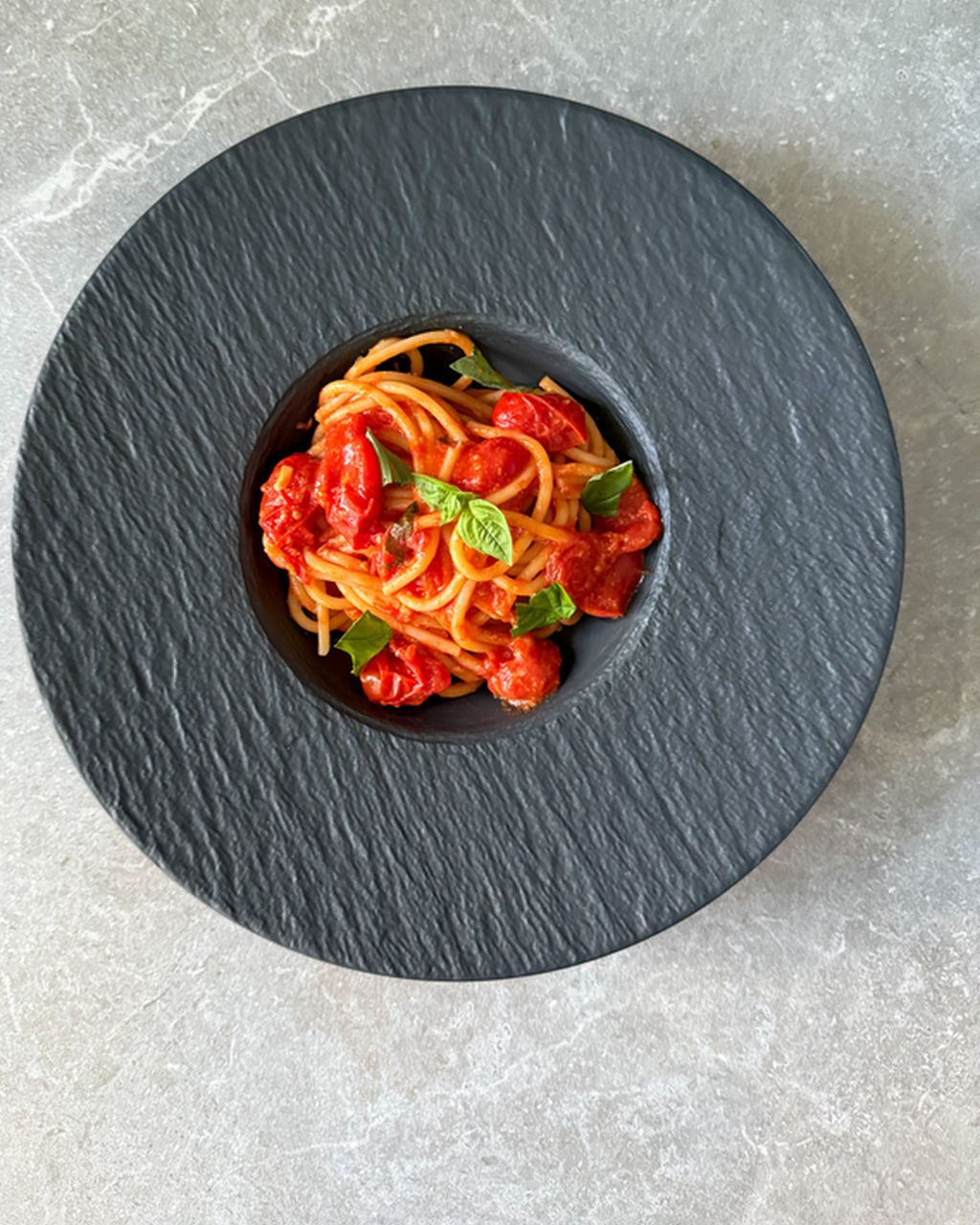
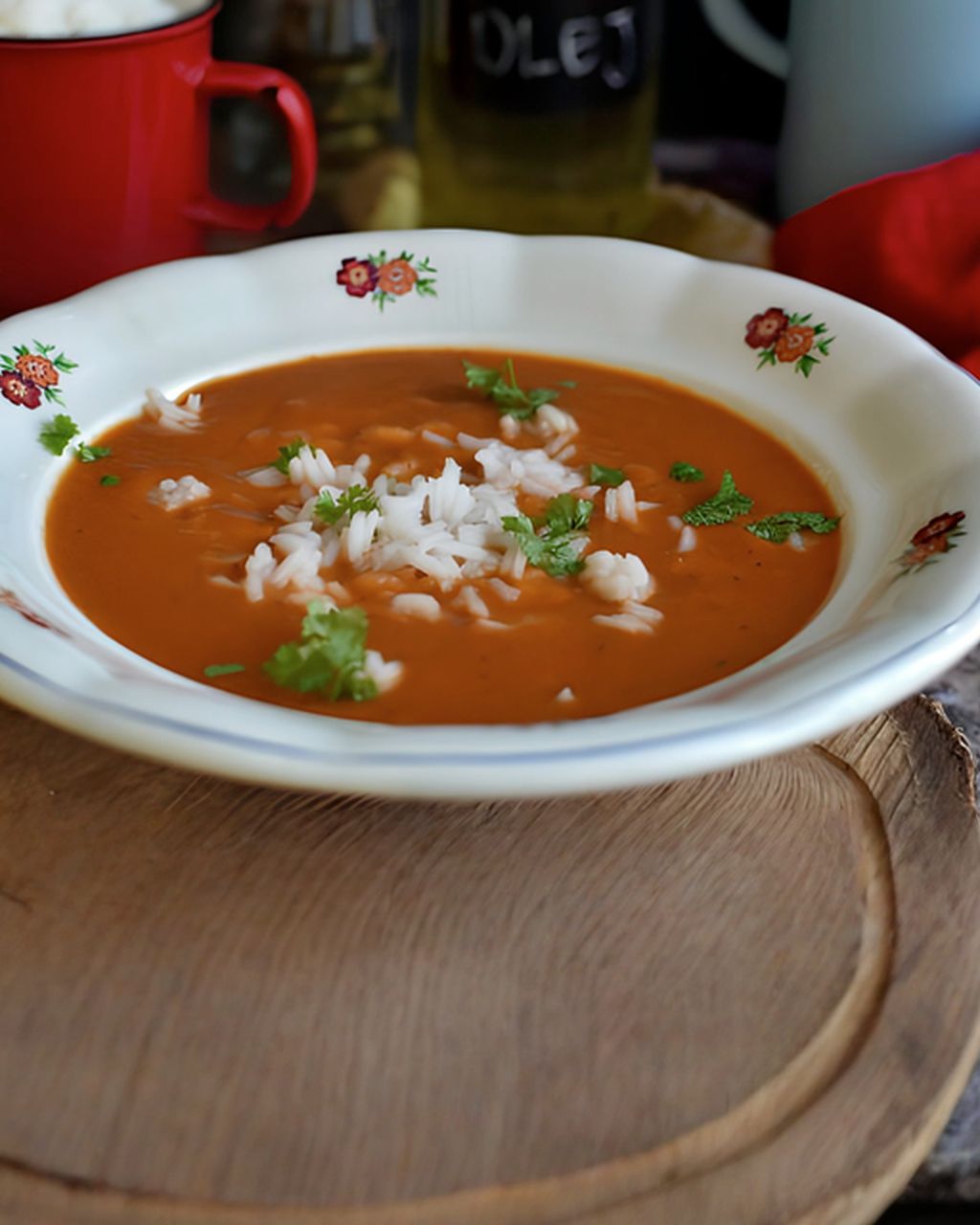
The quickest use is a pasta sauce: sauté garlic in olive oil, pour in passata, salt it and simmer for 10–15 minutes, then add basil. That is also the sauce in spaghetti allo scarpariello, a quick Neapolitan dish of tomatoes, garlic and cheese. In soup, passata gives a smooth, full tomato flavour without blending, as in tomato soup with rice.
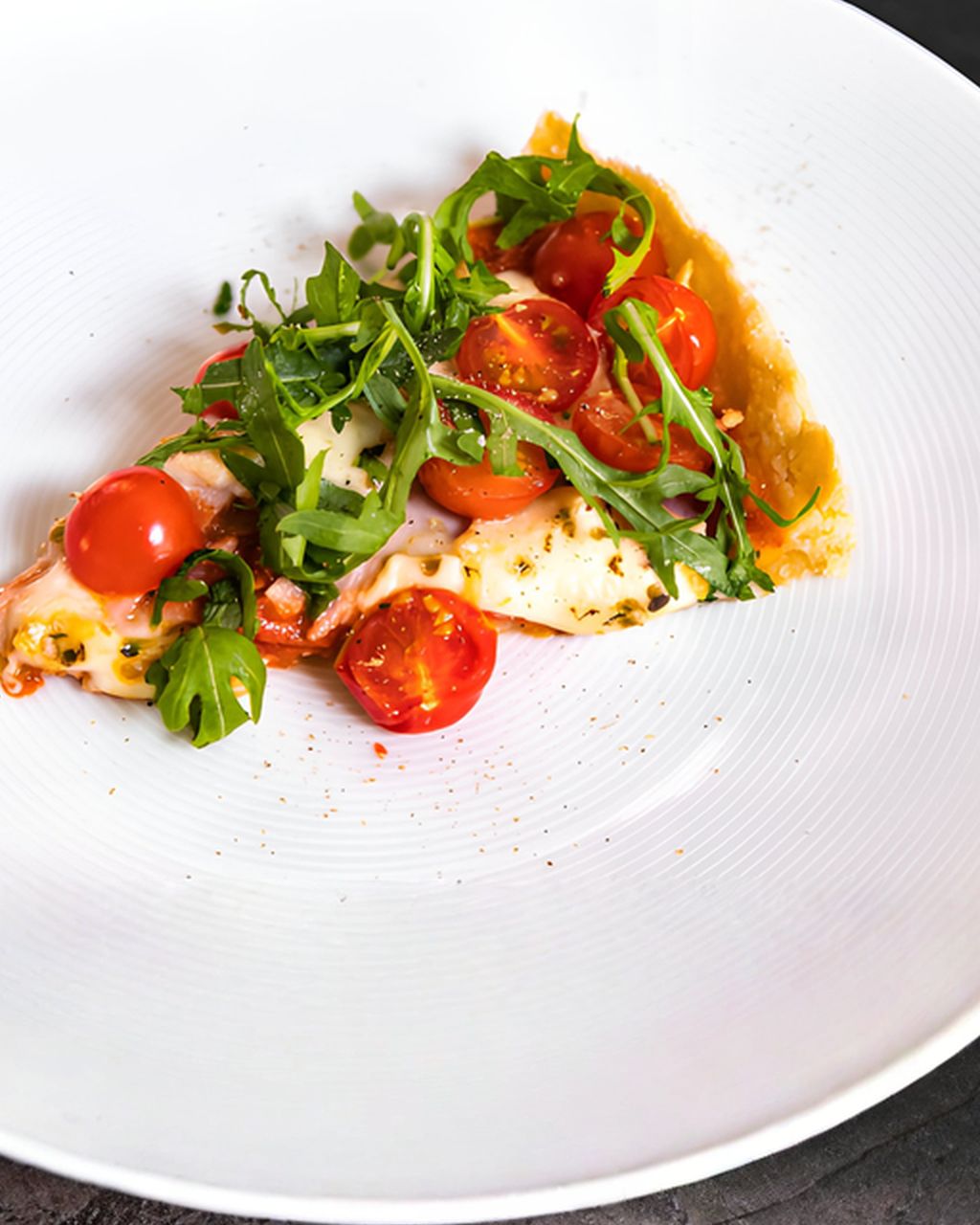
For pizza, just salt the passata and spread it thinly; it finishes in the oven. Traditional Neapolitan pizza uses crushed peeled tomatoes, but a thicker passata works just as well. For the dough itself, see pizza dough: how much water, which flour and how long to proof.
Keep opened passata in the fridge in a closed container and use it within 3 days. If you see mould on the surface or smell fermentation, throw out the whole lot rather than skimming the top. Leftovers freeze well; tomato sauces and soups handle the freezer without trouble, as explained in how to freeze soup and sauce.