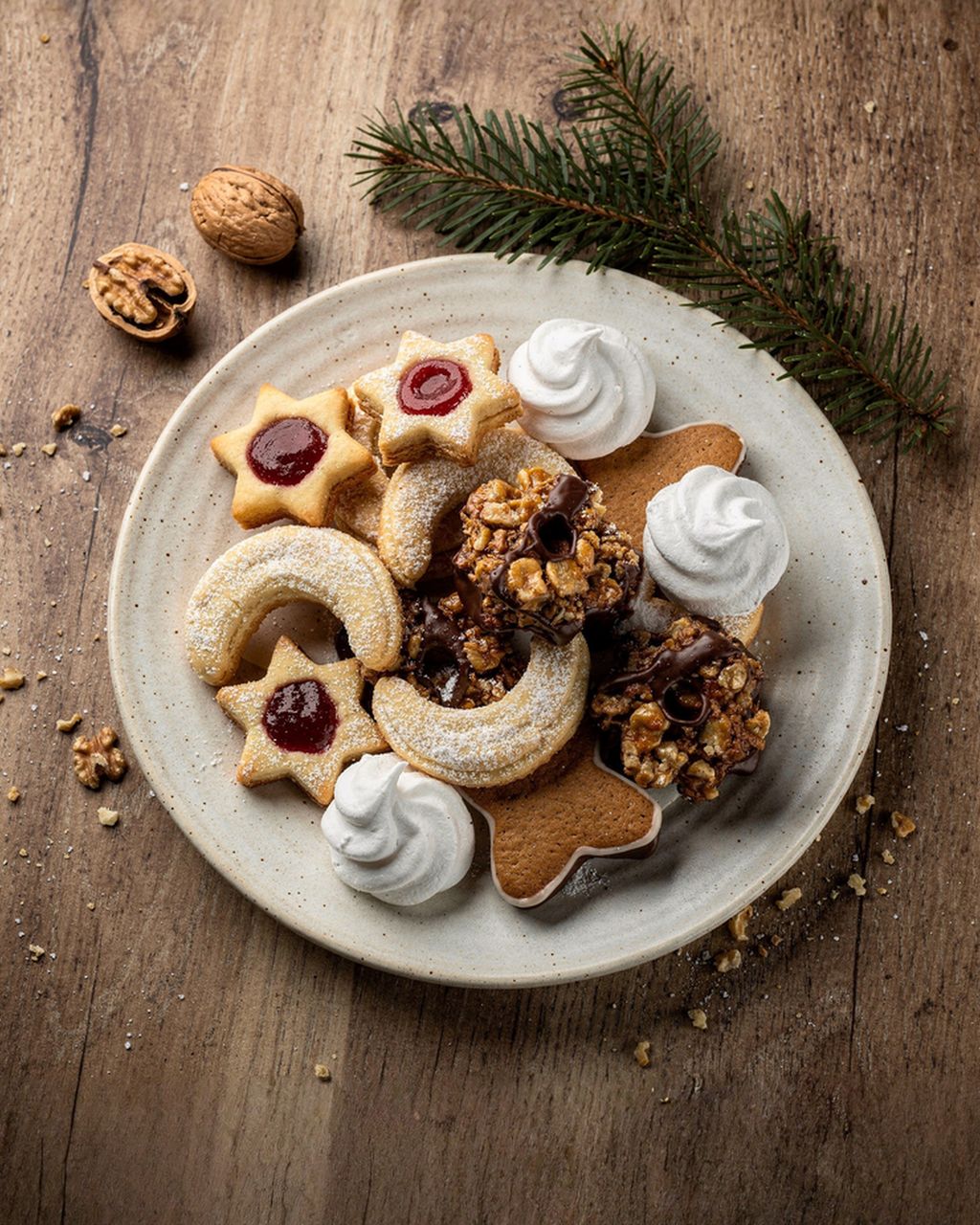
Classic christmas cookies: delicate linzer cookies
Vegan Christmas Cookies: What to Use Instead of Butter, Eggs and Honey
Updated Oct 6, 2026
You can bake most classic Christmas cookies vegan just by swapping three things: butter for block margarine with 80–90% fat, eggs for aquafaba or a flax "egg", and honey for invert sugar or syrup. Linzer cookies, vanilla crescents or cocoa squares come out nearly identical in taste. Gingerbread is worth one trial batch, and meringues or coconut macaroons take a bit more patience. Below you'll find exactly what to swap for what, in what ratio, and which classics convert best to a vegan version.
Yes — you can bake most classic Christmas cookies vegan, because the only non-vegan parts are usually just the butter, eggs and honey. Most holiday cookies are built from flour, sugar, fat and nuts, so going egg- and honey-free really comes down to three swaps:
Butter → block margarine with 80–90% fat.
Eggs → aquafaba (the liquid from a tin of chickpeas), a flax "egg", or a splash of plant-based milk, depending on what the egg is actually doing in the recipe.
Honey → invert sugar, golden syrup or maple syrup.
The fewer eggs a recipe calls for, the easier it is to veganise. Crumbly doughs made with just a yolk, or none at all, convert almost effortlessly, while meringue-based cookies built on whipped egg whites are the trickiest.
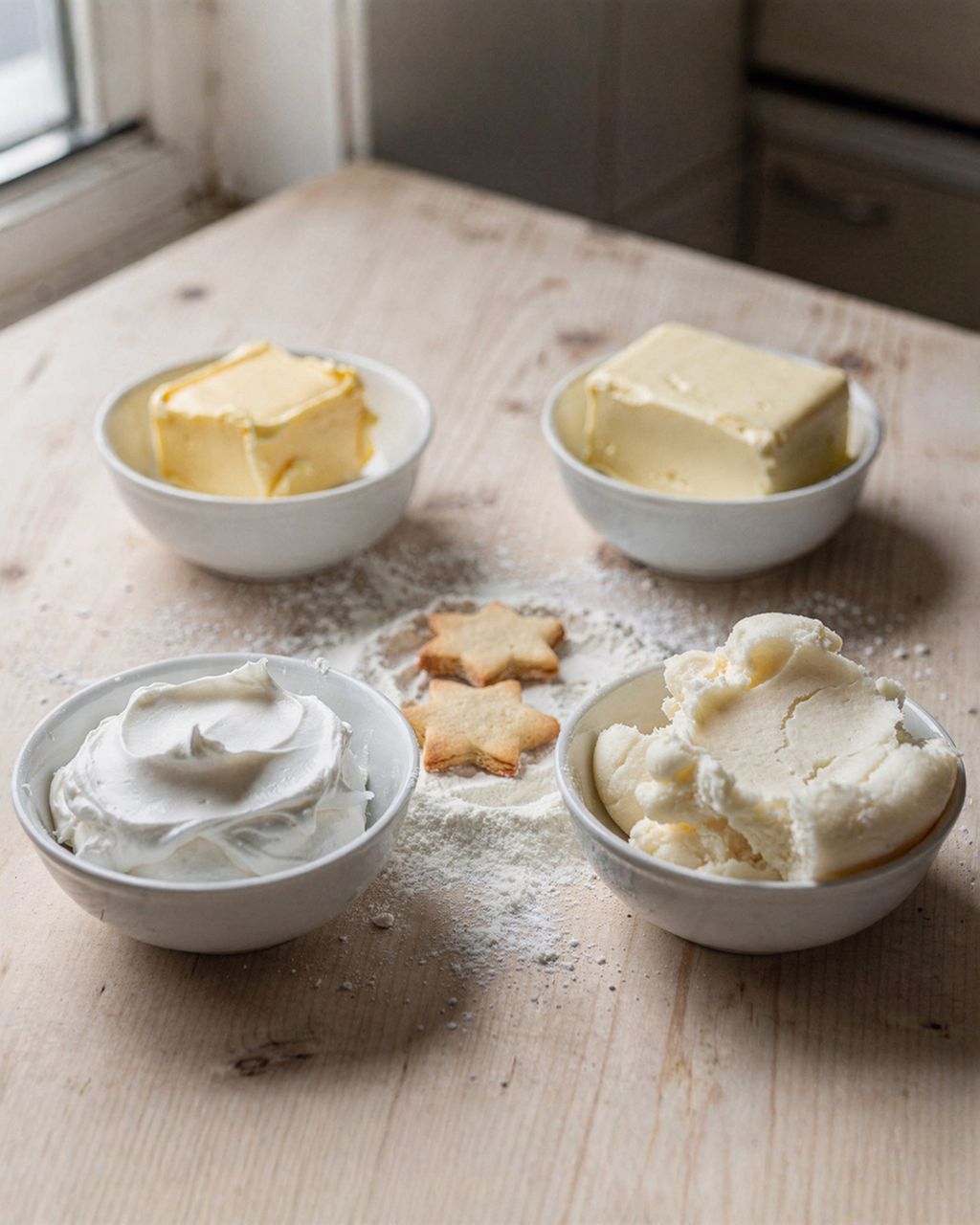
The best swap for butter in vegan baking is block margarine with 80–90% fat — the same fat content as butter — used in a 1:1 ratio. Look for the word "margarine" on the packaging (or "vegetable baking fat"), and check the fat percentage. "Plant butter" is really just a casual name: under EU rules, the word "butter" is reserved for dairy products, so you won't actually find it on a plant-based baking fat's label.
Fat content is the key thing to check. In a 2015 Czech consumer-watchdog comparison, all 22 tub-style spreads tested contained only 20–60% fat, while margarine is legally required to contain 80–90% — the rest in low-fat spreads is mostly water. The more water, the stickier the dough and the faster the cookies go soft.
Block margarine (80–90% fat): for linzer cookies, crescents and any crumbly shortbread-style dough.
Tub spreads: leave these in the fridge — they contain too much water. You'll spot them by labels like "three-quarter-fat margarine" (60–62% fat), "half-fat margarine" (39–41%), or "spread X%".
Coconut oil: the backbone of no-bake cookies and glazes. In crumbly dough it's rock-hard when cold and melts fast once warm, so don't use it on its own — at most, a third of the total fat.
Oil: only for gingerbread and doughs where butter wasn't providing crumbliness anyway. Never for linzer cookies — they'd turn greasy and crumble apart.
Margarine softens faster than butter, so chill the dough longer (at least 1 hour, overnight is even better) and roll it out between two sheets of baking paper. For more detail on how different fats affect crumbliness, see what to use instead of butter in Christmas cookies.
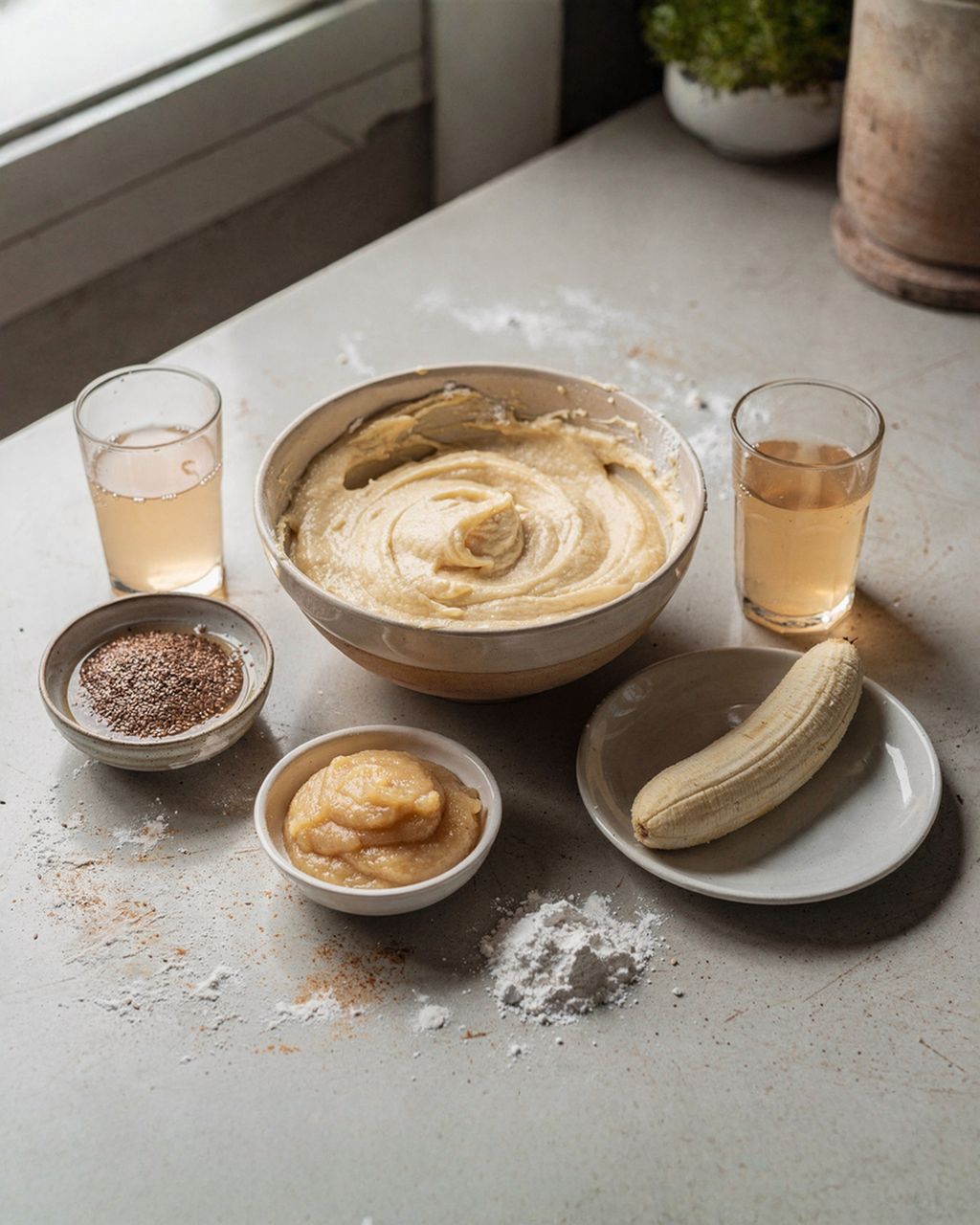
Replace eggs with aquafaba (chickpea liquid), a flax "egg", or a spoonful of plant milk, depending on whether the egg is binding, leavening, or whipping into foam.
Yolk as a binder (linzer cookies, crumbly doughs): skip it and use 1–2 tablespoons of cold plant milk or 1 tablespoon of aquafaba instead. For why the yolk is even there in the first place, see why linzer cookies only use the yolk.
Whole egg (gingerbread, softer doughs): use 3 tablespoons of aquafaba, or a flax "egg": 1 tablespoon of ground flaxseed mixed with 3 tablespoons of water, left to swell for 10 minutes. Flax has a nutty taste, so it suits gingerbread better than pale-coloured doughs.
Whipped egg white (meringues, coconut macaroons): use 2 tablespoons of aquafaba per egg white plus a pinch of cream of tartar to stabilise the foam. It takes longer to whip than egg whites — expect around 8–10 minutes on a high speed.
Aquafaba is the liquid from canned chickpeas. You can't taste chickpeas in the baked cookies, though raw whipped foam has a faint hint of it, so always flavour it with vanilla or lemon. For the full substitution chart, see what to use instead of eggs in baking. For no-bake treats, this guide to replacing raw eggs will help.
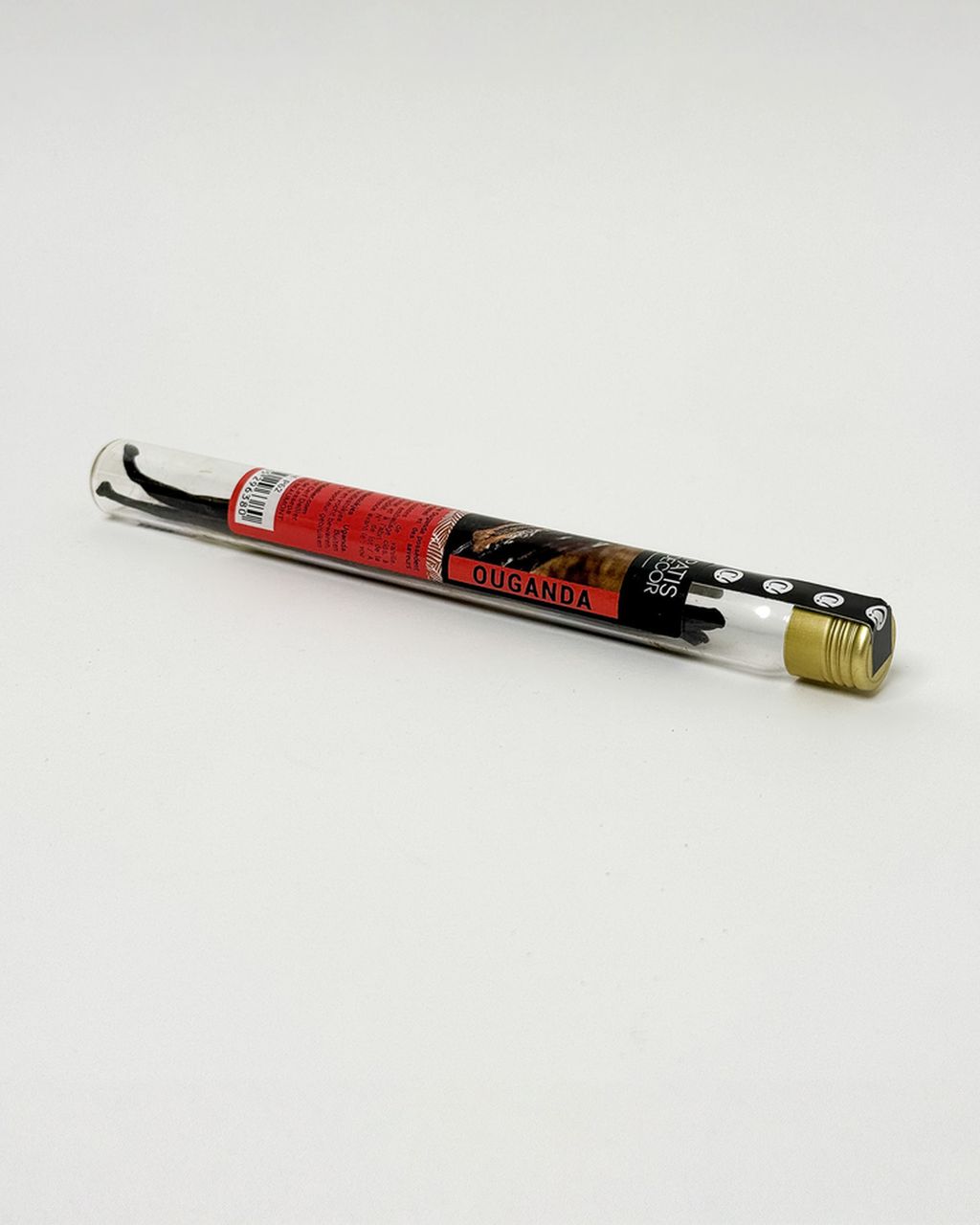
The best substitute for honey in gingerbread is invert sugar. Like honey, it holds onto moisture, so the gingerbread softens after a few days of resting. Use it 1:1.
Invert sugar: behaves most like honey, though it's neutral in flavour — add extra gingerbread spice or a teaspoon of molasses to compensate.
Golden syrup: close to honey in thickness, with a gentle caramel flavour. Swap 1:1.
Maple syrup or agave: both are thinner, so cut back on other liquid or add a tablespoon of flour. Maple has a noticeably strong flavour.
Here's why it matters: honey and invert sugar are hygroscopic — they draw in water. That's why gingerbread softens over time instead of hardening. With plain sugar and water, it would stay hard. For a comparison of other syrups, see what to use instead of glucose syrup. If your gingerbread still ends up too hard, check out how to make gingerbread cookies soft.
Crumbly, egg-free cookies are the easiest to convert, gingerbread needs one trial batch, and meringue-based cookies are the hardest.
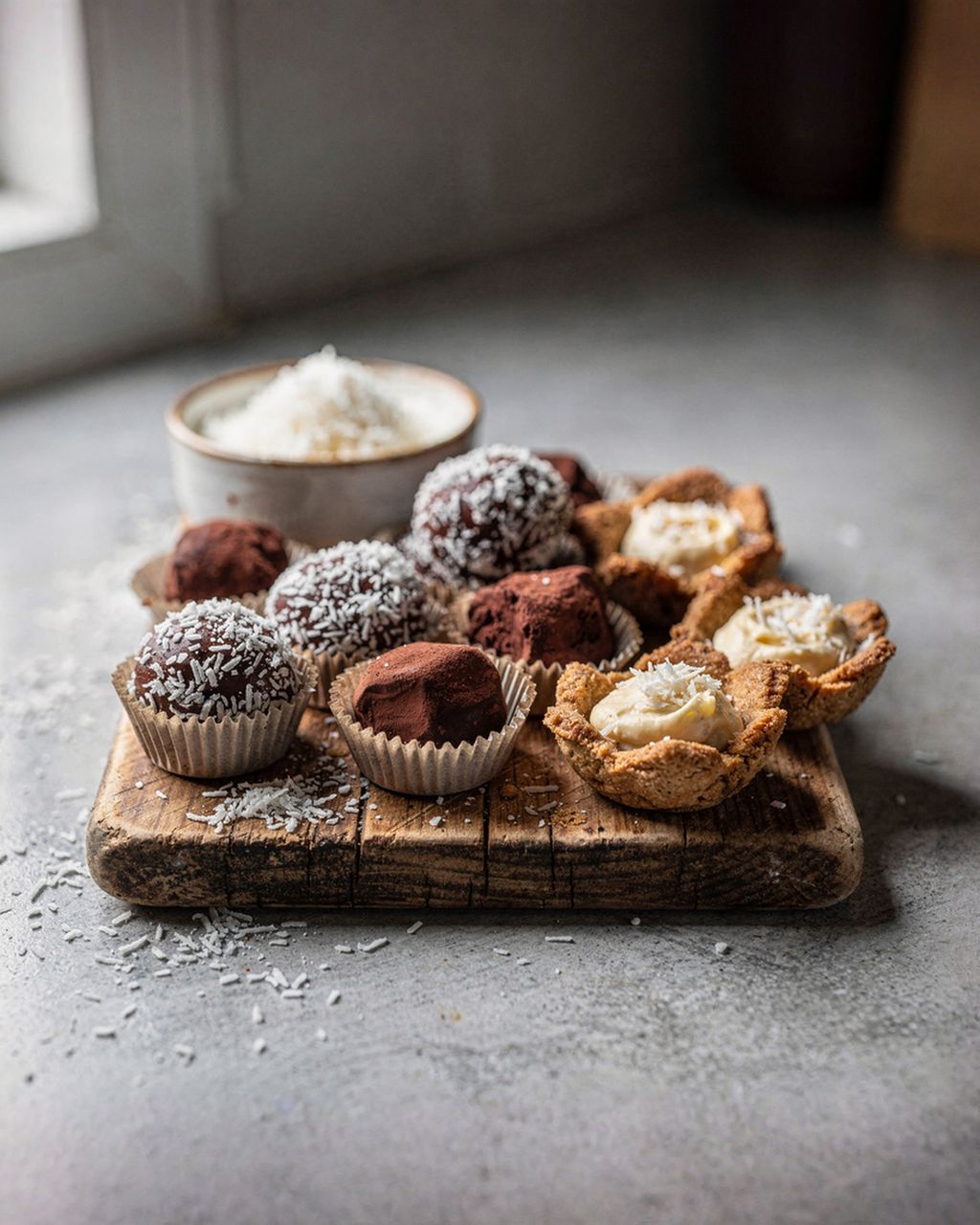
Easy: linzer cookies, vanilla crescents, nut and cocoa squares, "pracny" (jam-filled squares), no-bake truffles.
Needs one trial run: gingerbread, cream-filled cookies.
Challenging: meringues and coconut macaroons — basically anything built on whipped egg whites.
For more classics to choose from, browse our full collection of Christmas cookie recipes.
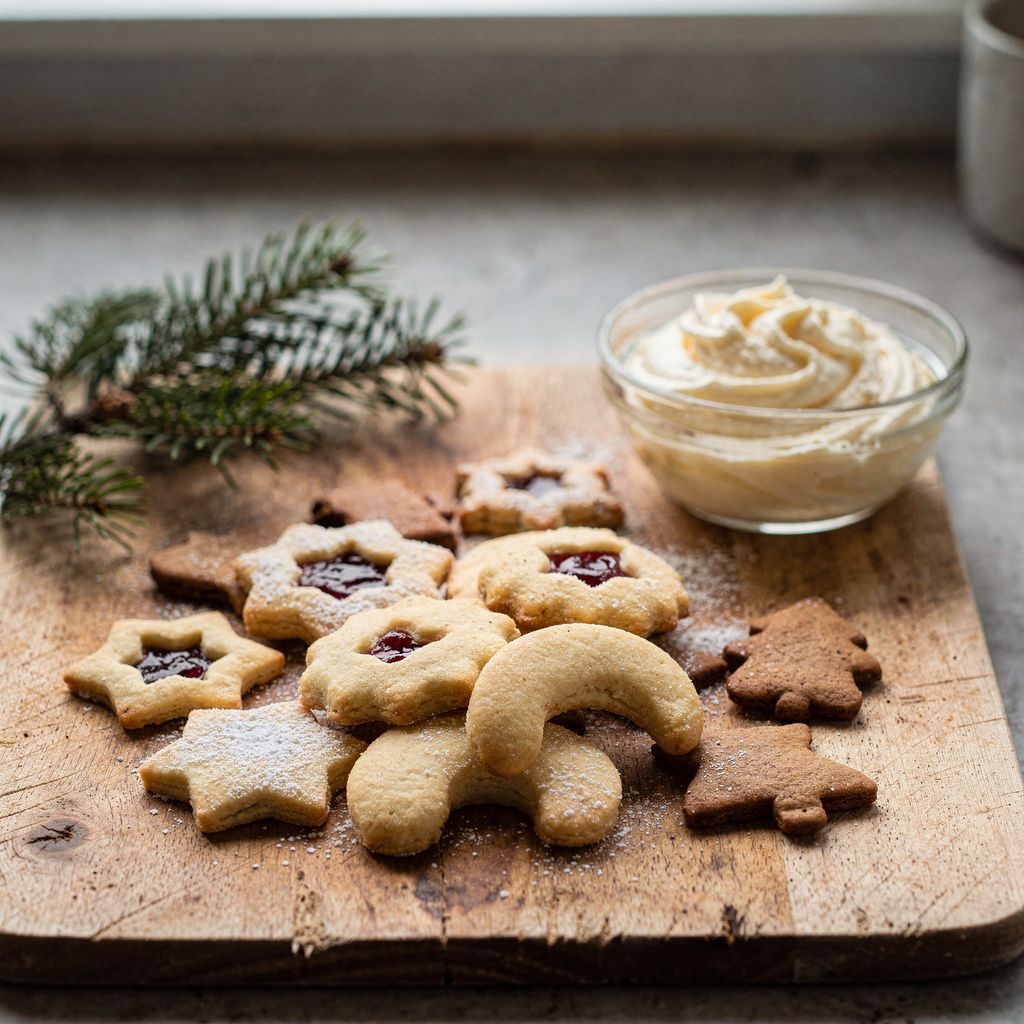
Vegan linzer cookies, vanilla crescents and nut squares need only a fat swap, since they contain little or no egg to begin with. Take a classic linzer or vanilla crescent recipe (both below) and adjust it: swap butter for block margarine with 80–90% fat, swap the yolk for a tablespoon of plant milk, and check the vanilla sugar's ingredients list. Both recipes below are written with butter — they become vegan once you make these swaps. The same substitutions work for nut squares too.
Vegan linzer dough tends to spread more during baking, so chill the cut-out shapes for 15 minutes before baking. For more tips, see why linzer cookies spread while baking. The jam used for sandwiching is usually already vegan, since it's thickened with fruit pectin.
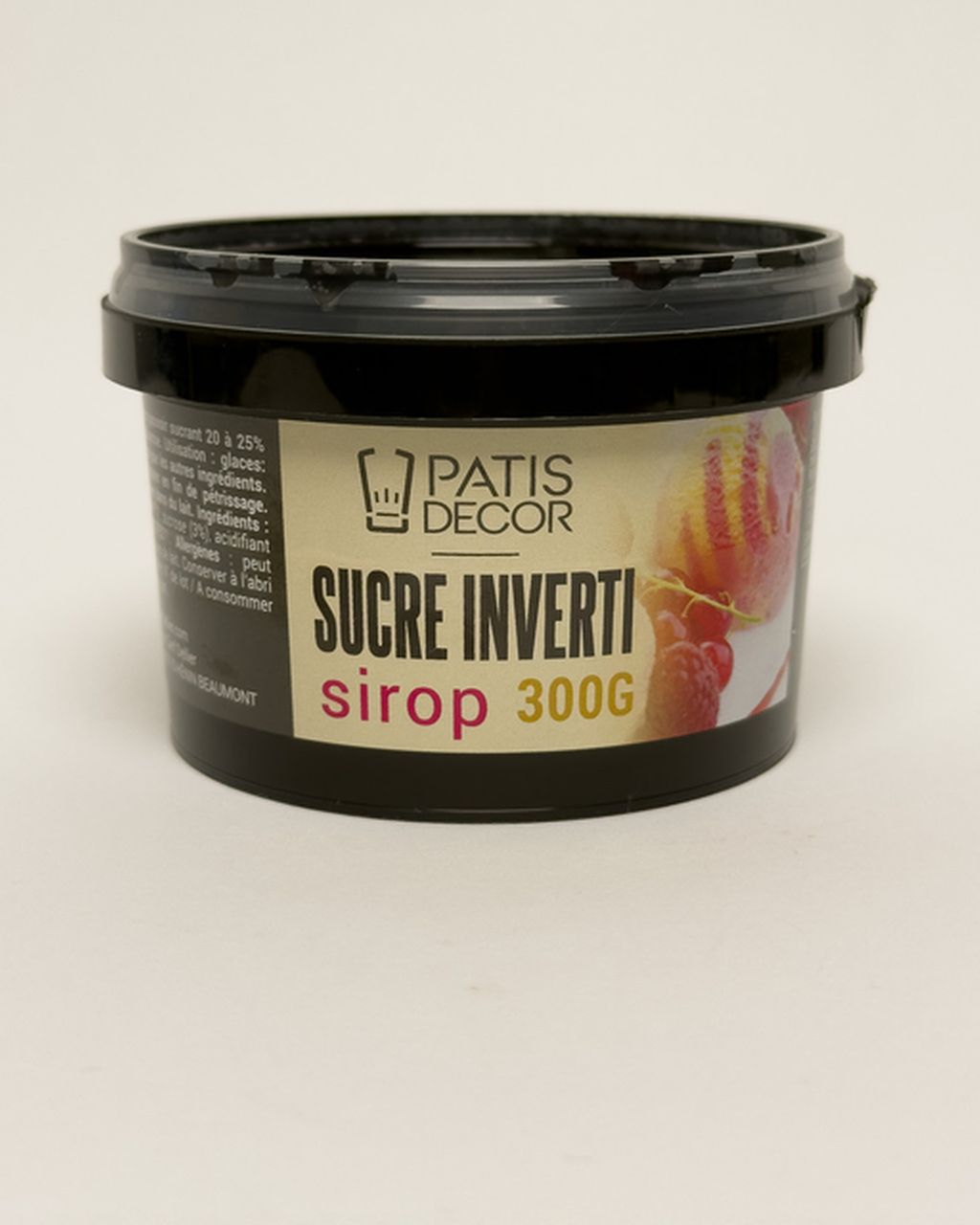
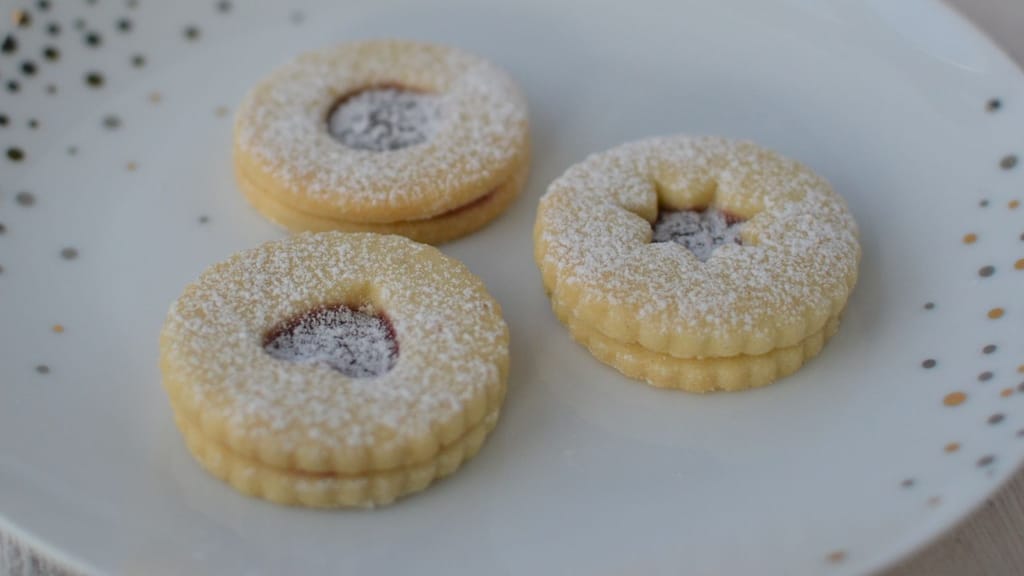
Classic christmas cookies: delicate linzer cookies
Classic linzer cookies: an easy base recipe to turn vegan
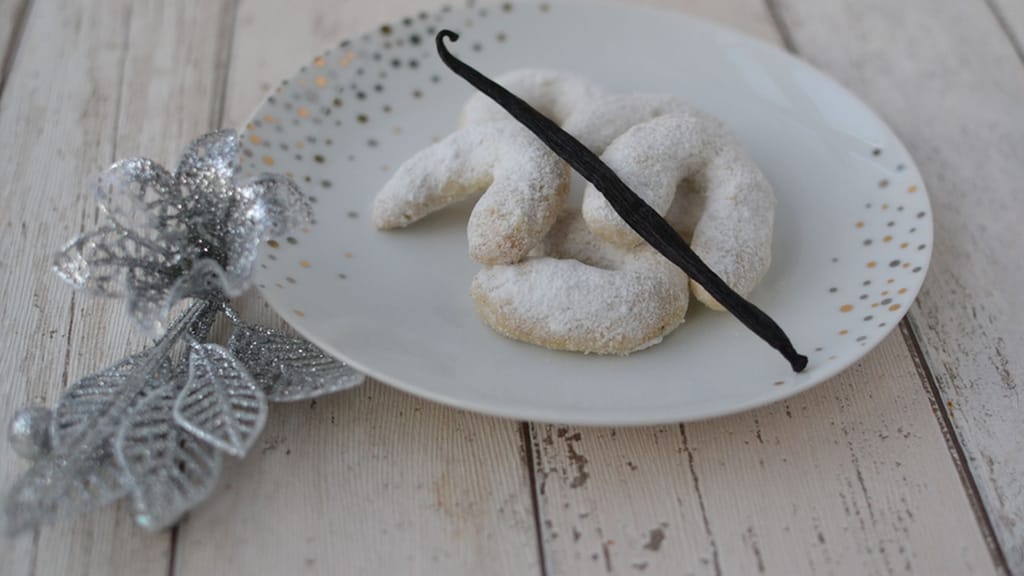
The best christmas cookies? vanilla crescents, of course!
Vanilla crescents: the base recipe for a vegan version with block margarine
With vegan gingerbread, you're swapping everything at once — honey, eggs and fat — so bake a test batch first. Use soft honey gingerbread (recipe below) as your base: replace the honey with invert sugar, the egg with a flax "egg", and the butter with block margarine. Egg-free dough tends to be drier, so if it starts cracking, add plant milk a teaspoon at a time. Temperatures and baking times stay the same — see what temperature to bake gingerbread at.
Instead of royal icing, whisk 3 tablespoons of aquafaba with about 250 g of icing sugar. Adjust the consistency with a teaspoon more sugar or aquafaba as needed. It dries more slowly than classic icing, so leave it overnight.
For creams and fillings, whip block margarine with icing sugar. Coconut oil firms the cream up further, but it softens faster in a warm room.
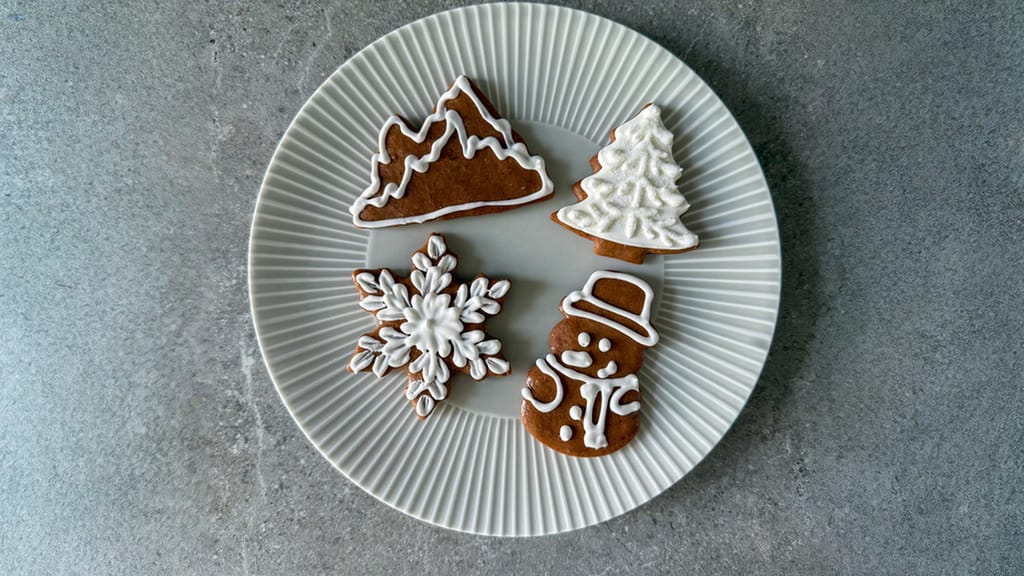
Soft honey gingerbread cookies that never go hard
Soft honey gingerbread: the base recipe for a vegan version with invert sugar
Vegan meringues and coconut macaroons rely on whipped aquafaba foam, which holds up well but is more sensitive to moisture and fat than egg whites. Degrease your bowl with lemon first, and dry the meringues low and slow, around 90–100°C (195–210°F), for up to 2 hours, then let them cool inside the oven. Meringues only dry out properly in a dry environment — in a humid kitchen, they'll turn sticky. Aquafaba-based coconut macaroons also come out more delicate than the classic version.
In vegan Christmas cookies, animal-derived ingredients most often sneak in through margarine (whey, milk protein), chocolate (milk fat), colourful decorations (shellac E904, carmine E120) and jelly sweets (gelatine).
Margarines and plant-based/blended fats: some contain whey or milk protein, and blended fats sometimes contain milk fat too. Look for an explicit "vegan" label.
Chocolate: even dark chocolate can contain milk fat. Whether it's dairy-free comes down to the ingredients list, not the cocoa percentage.
Coloured sprinkles and decorations: shine often comes from shellac (E904), derived from insects, and red colouring from carmine (E120), made from cochineal insects.
Jelly decorations and gummy sweets: these usually contain gelatine.
Vanilla sugar and flavourings: usually fine, though "butter flavouring" can sometimes be dairy-derived.
Vegan cookies are baked and stored just like classic ones. You'll find timing for individual types in our Christmas cookie baking calendar, and shelf life by type in our guide to how long cookies keep. Two differences to note though:
Plant-based fats with a higher water content soften faster, so keep an eye on crumbly types and store them separately from softer ones. More in how to store Christmas cookies.
Aquafaba meringues attract moisture even more than classic ones — seal them in an airtight container as soon as they've cooled.
Margarine-based dough freezes just as well as butter dough — see how to freeze cookies and dough for the method.
Standard beet sugar sold in the Czech Republic is vegan. According to manufacturers, bone char is only used to refine some cane sugar, mainly in the US. If you're buying imported cane sugar and want to be sure, look for a vegan label.
In a sealed container in the fridge, aquafaba keeps for about 3–5 days. It also freezes well for several months. An ice-cube tray is the handiest way to store it: measure 2 tablespoons into each compartment, so one frozen cube equals one egg white.
Yes, you can bake vegan Christmas cookies gluten-free too, just keep in mind that dough without both gluten and eggs loses two binding agents at once and crumbles more easily. An extra tablespoon of flax "egg" helps hold it together. Which flours and starches actually work is covered in [what to use instead of flour in gluten-free Christmas cookies](/en/articles/what-to-use-instead-of-flour-in-gluten-free-christmas-cookies).
Yes, you can bake vegan Christmas cookies using block margarine without palm or coconut fat, but it will be softer and the dough needs longer chilling. Block margarine holds its shape thanks to a hardening fat, often palm or coconut, so a version without them melts faster — chill the dough overnight if you can. For no-bake cookies, replace coconut fat with melted dark chocolate, which firms the mixture up once it cools.
One recipe worth heating the oven for, one tip, and one deal from the shop. Nothing else.