Cocoa date & oat balls
What to Use Instead of Raw Eggs in No-Bake Christmas Sweets: Swaps by Function
Updated Sep 17, 2026
You don't need raw eggs in no-bake Christmas sweets: in truffle balls, sausage-shaped rolls and 'wasp nests', sweetened condensed milk, melted chocolate, softened butter with icing sugar, nut butter or date paste will reliably do the job instead. For icings and creams, dried egg white, aquafaba and pasteurised yolks step in. The trick is to pick your substitute based on what the egg actually does in that particular recipe — whether it binds the mixture, adds fat and creaminess, or gets whipped into a foam. Below you'll find ratios per whole egg, per yolk and per white, plus a rundown of substitutes that get recommended a lot but simply don't work in a cold mixture.
Raw eggs don't belong in no-bake sweets because of salmonella: the mixture never gets hot enough to kill the bacteria. According to food safety guidance, the reliable threshold is 75°C for 5 minutes at the core of the food (or 70°C for 10 minutes) — and a truffle ball that just gets rolled and popped in the fridge never comes close to that.
Two things make the risk even higher in December specifically:
Cross-contamination. The bigger danger isn't inside the egg but on the shell — salmonella travels from the shell onto your hands, a knife or a chopping board and into the mixture, which heat will never reach again. So bin the shells straight away and wash your hands and utensils before touching anything else.
These sweets sit around for weeks. No-bake truffle balls are made in batches and given away as gifts. What would get eaten within the hour in a single dessert instead sits in a tin in the hallway for a fortnight.
Sugar, rum and the freezer don't disinfect the mixture. Either you swap out the egg, or you use one that's already been heat-treated.
Eggs do three jobs in no-bake sweets — they hold the mixture together (whole egg), add fat and creaminess (yolk), or get whipped into foam (white) — and each job calls for a different substitute:
Whole egg = binder and moisture. Truffle balls, nutty sausage-rolls, nest mixtures. You need something both sticky and fatty.
Yolk = fat, creaminess and emulsifier. Fillings, buttercreams, rum creams for nests. You need a fatty base, ideally one that's been cooked.
White = structure and foam. Royal icing, marzipan and coconut mixtures, decorating. You need a protein that whips into a stable foam.
Before reaching for a substitute, read the recipe and work out which category the egg falls into. A swap from the wrong category never works — you can't whip butter into a foam, and aquafaba won't bind your truffle balls.
In a cold mixture, replace a whole egg with anything that's both moist and fatty — sweetened condensed milk, melted chocolate or softened butter with icing sugar work best. Ratios are per one egg (about 50g):
Sweetened condensed milk: 60ml (roughly ¼ cup). The closest match there is — liquid, sticky and sweet all at once. Cut the sugar in the recipe by about 40g, or the mixture will be too sweet. Most rum truffle balls are built on this base.
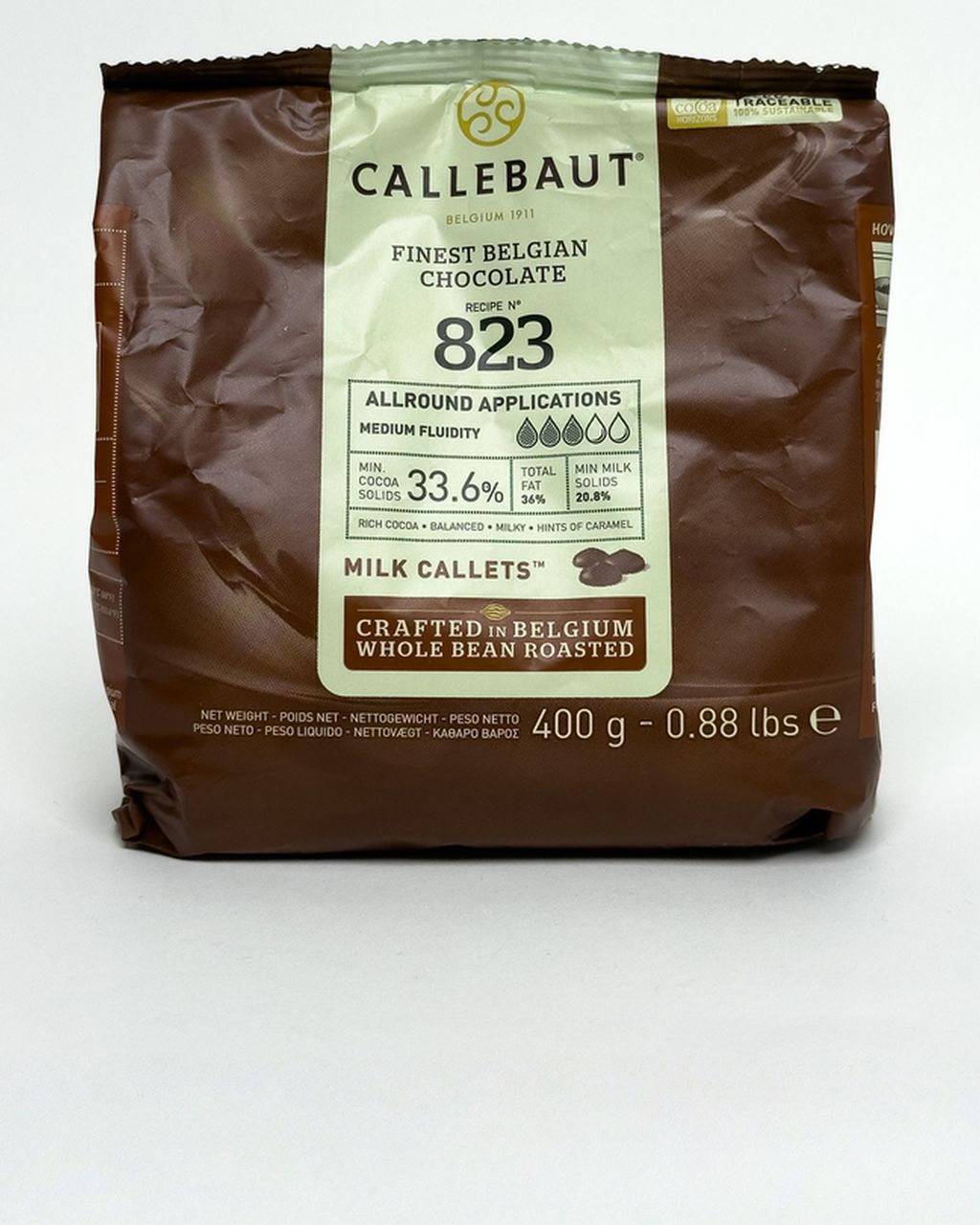
Melted chocolate: 40–60g. Binds while warm and firms the mixture further as it cools, so the balls hold their shape even in a warm room. Work quickly before the chocolate sets.
Softened butter + icing sugar: 20g butter and 20g sugar. A classic in nutty and sponge-based rolls. The butter needs to be genuinely soft, or the mixture crumbles.
Nut butter (peanut, almond, hazelnut): 2 tablespoons. Binds and adds flavour; works best where the recipe already features that nut.
Date paste or blitzed soaked dates: 2–3 tablespoons. The stickiest substitute of the lot, and it sweetens too — so cut the sugar by half.
Sour cream or whipping cream: 2 tablespoons. Works, but then the mixture needs to stay in the fridge and be eaten within a few days.
Rum, liqueur or strong coffee: 1–2 tablespoons only as a moisture top-up. None of these bind on their own — alcohol won't hold the mixture together.
Always adjust the ratio by feel, not by the table: add a spoonful at a time until you can press the mixture into a ball that neither falls apart nor sticks to your palm. A cold mixture is always firmer than one straight from the bowl — chill it for ten minutes before you start adding more crumbs.
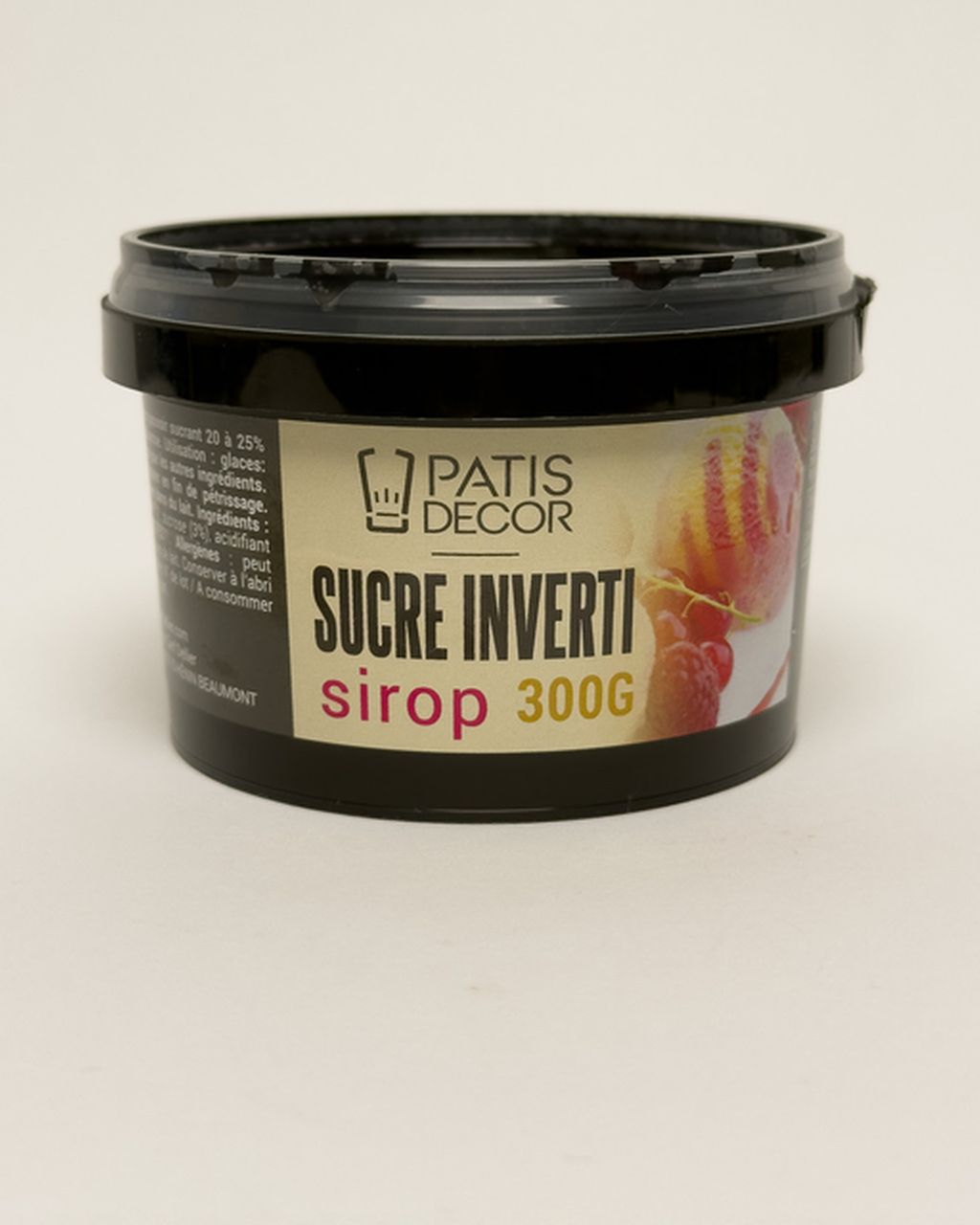
Watch for one difference from egg-based mixtures: egg-free truffle balls dry out faster, since they're missing the egg moisture that normally stays locked in the fat. A spoonful of honey or invert sugar in the mixture fixes this reliably, keeping the sweets soft even after three weeks.
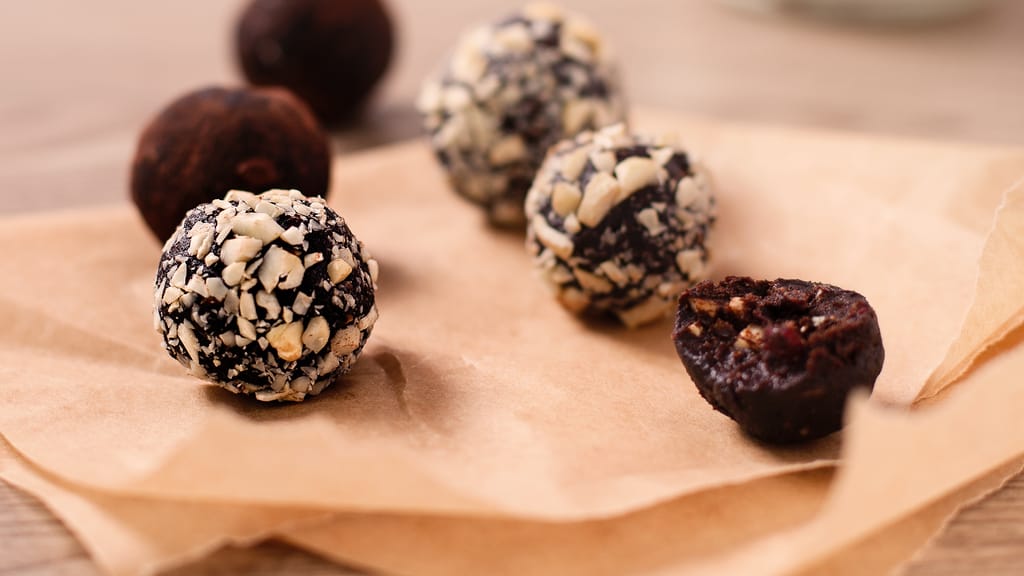
Cocoa date & oat balls
Cocoa balls with oat flakes and dates: no-bake sweets where dates do the binding job eggs usually would
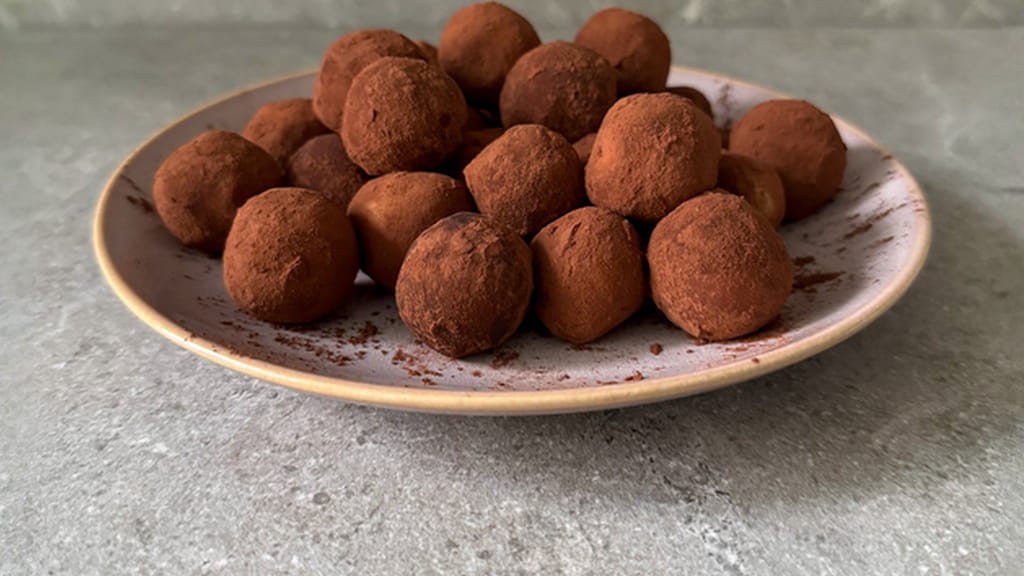
Baileys white chocolate truffles with sponge biscuits
Baileys balls with white chocolate and sponge fingers: a no-bake mixture bound with chocolate, no raw eggs involved
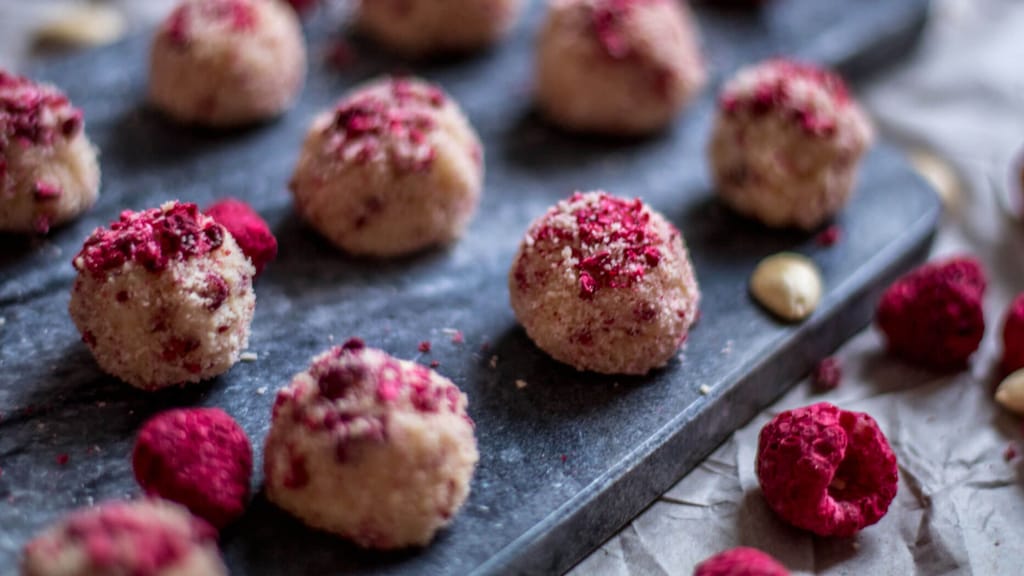
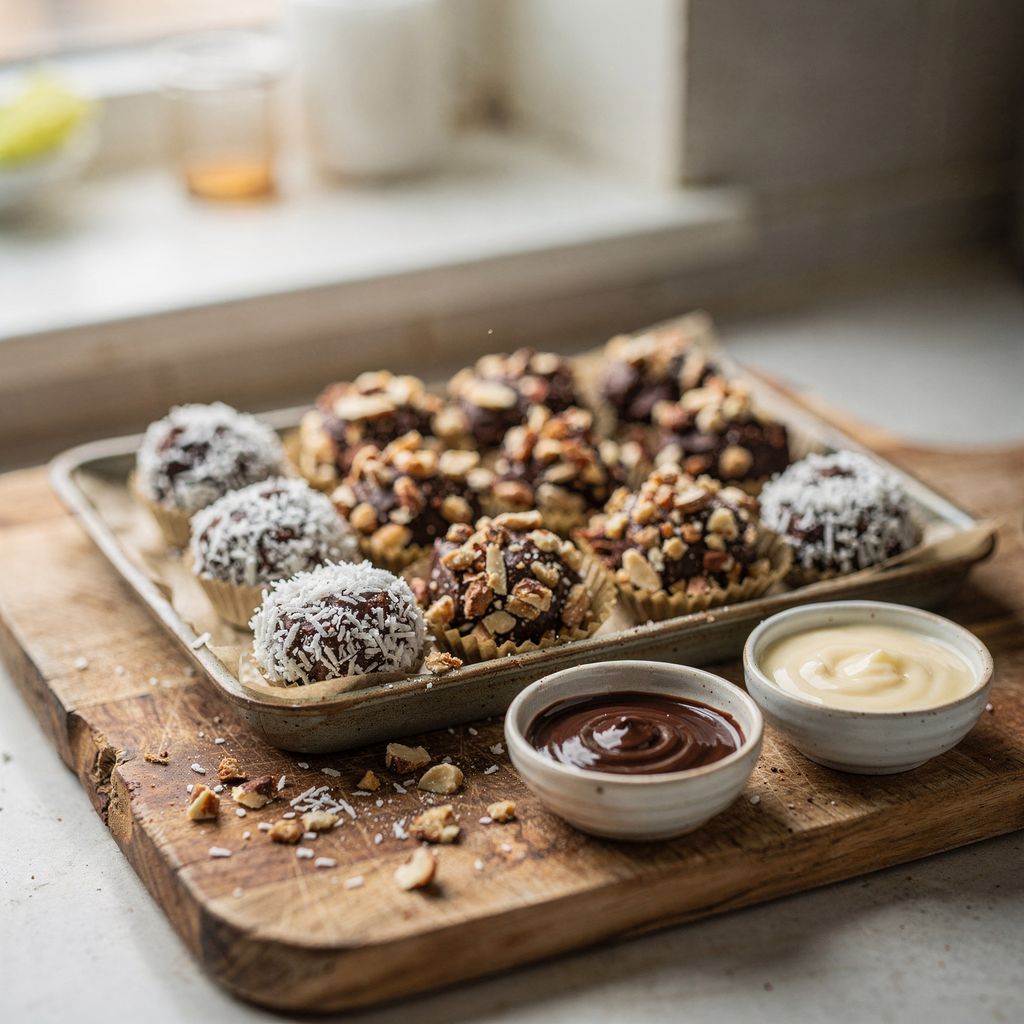
Coconut almond balls with raspberries
Coconut balls with almonds and raspberries: no-bake truffles held together by fat and nuts
For a no-bake cream, either skip the yolk and replace it with a rich dairy base, or use a pasteurised yolk, or a yolk cooked into a custard base. Ratios are per one yolk:
A cooked custard base. From 100ml milk and a teaspoon of custard powder, cook a thick custard, let it cool to room temperature, then whisk it a spoonful at a time into whipped butter. The result is smooth, stable, and fully cooked through — the safest option for buttercream fillings.
Mascarpone or sieved curd cheese: 30g. Adds fat and creaminess with zero risk. Drain the curd cheese for a few hours first, or the cream will turn watery.
Hot sugar syrup (pâte à bombe). Cook 30g sugar and a tablespoon of water into a syrup to 118–121°C, then pour it into the yolk while whisking constantly — this creates an airy foam. Without a thermometer there's no way to know how much heat actually reaches the yolk in a home batch — so here too, a pasteurised yolk is the safer bet.
Pasteurised yolk. Liquid pasteurised egg products and yolks are widely sold, whereas eggs pasteurised in the shell generally aren't available here. Use it in a straight 1:1 swap.
Egg liqueur (advocaat-style): 2 tablespoons. Adds both colour and eggy flavour to the cream. If safety matters to you, check the label to confirm it's made from pasteurised egg product.
Note that this applies only to no-bake mixtures. In baked pastry, a raw yolk is perfectly fine, since it gets heated through in the oven — that's exactly why Linzer dough uses only a yolk and nobody thinks twice about it. The issue only arises where heat never reaches the mixture.
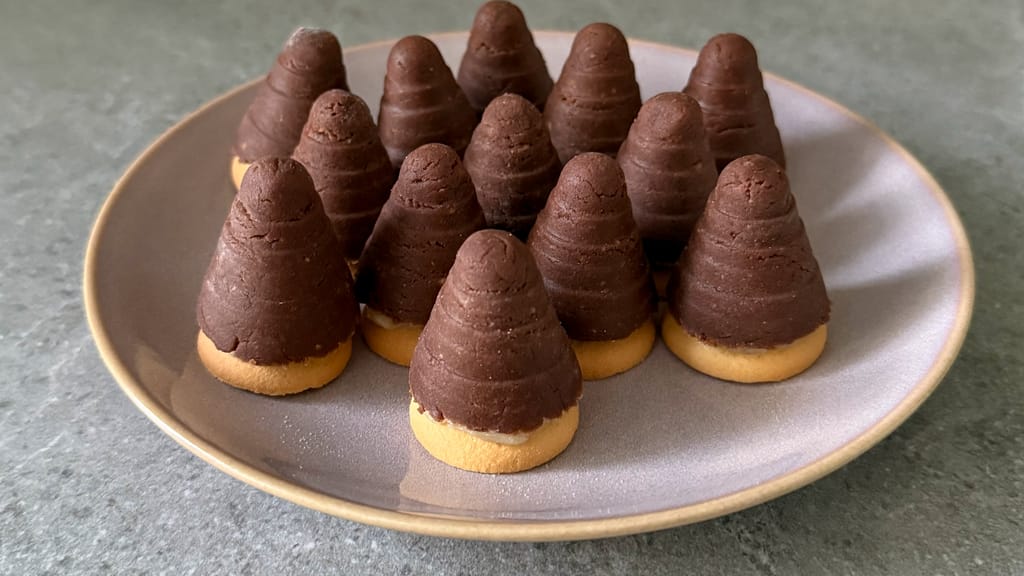
Grandma's traditional wasp's nest cookies with rum cream
Traditional 'wasp nests' with rum cream: the filling where the raw-yolk question comes up most often
Raw egg white can be replaced with dried egg white (albumen) or aquafaba, or made safe using the Swiss method, where the white is heated with sugar over a water bath to 75°C and held there for five minutes. Ratios are per one egg white (about 33g):
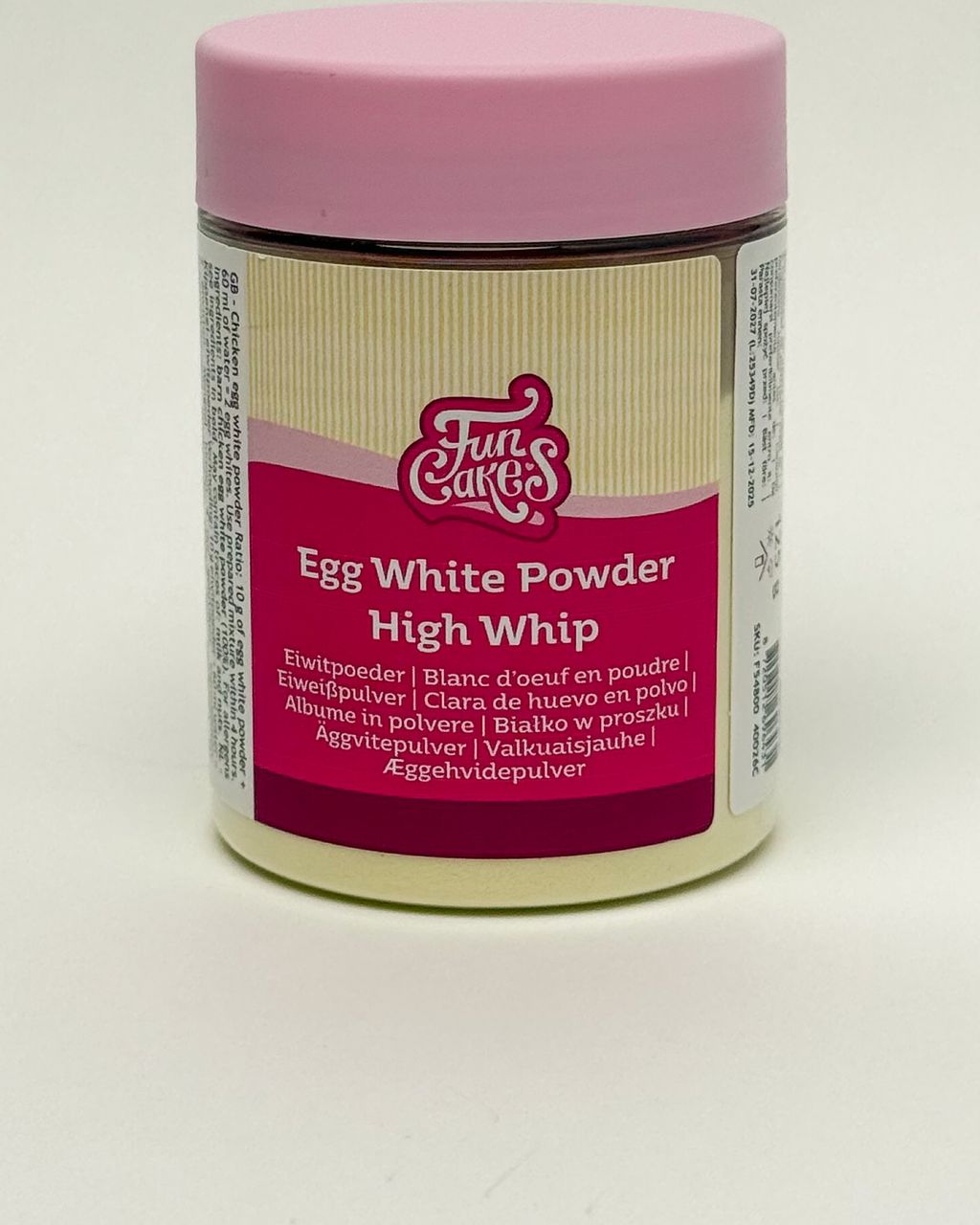
Dried egg white (albumen): 4g powder + 30ml water, roughly a 1:7 ratio. It's pasteurised, holds a foam more stably than fresh egg white, and sidesteps the question of what to do with leftover yolks. For royal icing, it's clearly the best choice.
Aquafaba (liquid from canned chickpeas): 2 tablespoons (3 tablespoons for a whole egg). The liquid is thinner than egg white — reduce it in a pan by about a quarter until it reaches egg-white consistency, let it cool, then whip. Expect a longer whipping time, easily 5–10 minutes, and a softer foam.
The Swiss method. Whisk egg white with sugar over a water bath until the mixture reaches 75°C, hold it there while whisking constantly for five minutes, then whisk off the heat until cold. The sugar in the mix actually raises salmonella's heat tolerance, so a brief touch of 71°C isn't enough. Without a thermometer, dried egg white (albumen) is the safer route — it's already pasteurised.
Icing with no egg white at all: 150g icing sugar and 2 tablespoons lemon juice or water. It dries matte and more brittle, but it's plenty for simple piped lines.
This part gets overlooked a lot: icing counts as no-bake too. The gingerbread itself was baked, but the icing goes on once it's cooled and never gets heated through — so if it's made with fresh egg white, exactly the same rules apply as for truffle balls. You'll find detailed ratios and consistency tips in our guide to gingerbread icing.
Don't reach for flax or chia 'egg', yoghurt, baking powder, or commercial egg replacers made for baking when making a no-bake mixture — they'll either turn it soggy or rely on heat that's never going to arrive.
Flax and chia 'egg'. These work brilliantly in a cake batter, but not in a cold mixture. The gel is slimy, has a strong raw flavour, and leaves jelly-like flecks in truffle balls.
Yoghurt, kefir, buttermilk. Too much water, too little fat. The mixture turns damp, beads with moisture after a few days and grows mould.
Baking powder and bicarbonate of soda. Without heat, these do absolutely nothing — no rising, no binding. All they add is a soapy aftertaste.
Starch-based powdered egg replacers. These rely on the starch gelatinising in the oven. In a cold mixture, you're left with a raw, floury taste.
'Fresh eggs from someone I know'. That's not a substitute, just a different source of the same risk. Backyard hens don't rule out salmonella.
One genuine exception: if you actually cook the mixture through after combining it — say, a caramel or custard base simmered on the stove — the egg in it is safe. What matters is the core temperature reached, not whether the mixture eventually goes into the oven.
An egg substitute usually extends shelf life: a mixture made with sweetened condensed milk, chocolate or butter will happily keep for three to four weeks in a cool, dry spot, while one made with cream or curd cheese needs the fridge and should be eaten within five days. As a rough guide, by binder:
Sweetened condensed milk, chocolate, butter with sugar: 3–4 weeks in a cool room, in a well-sealed tin.
Nut butter and dates: 2–3 weeks. The limiting factor is the fat in the nuts, which turns rancid over time — more on this in our guide to storing Christmas sweets. Use a freshly opened pack.
Cream, curd cheese, mascarpone: 3–5 days, fridge only. Don't make these ones ahead in bulk, and don't send them as gifts that need to travel.
Freezing: egg-free mixture and finished truffle balls both freeze well for about three months without losing quality. Thaw slowly in the fridge and don't uncover them until they've come fully to temperature, so they don't end up damp.
That affects timing too. Save no-bake truffle balls for the last week before Christmas on your baking calendar if they're cream-based, but you can happily make the condensed-milk or chocolate versions as early as the start of December.
No, home-laid eggs are not safer for no-bake sweets than shop-bought ones. Salmonella can get inside an egg while it's still forming in the hen, so freshness or knowing the keeper personally doesn't rule it out. Eggs from registered commercial flocks actually go through mandatory salmonella monitoring that backyard hens don't. What matters is only whether the mixture gets heated through, or whether you use a pasteurised product.
No, rum or any other alcohol won't kill salmonella in no-bake sweets. Two tablespoons of rum in a kilo of mixture works out to a low single-digit percentage of alcohol — reliably killing bacteria needs a concentration of around 60%, and even then it requires direct contact, not just stirring into fat and sugar. Sugar and the freezer are just as ineffective: they only put the bacteria to sleep, and they wake back up once thawed.
Yes, a sieved yolk from a hard-boiled egg is a safe substitute, but only in dense mixtures — truffle balls, nut-based rolls and marzipan blends — where it adds fat and colour. It doesn't work in whipped creams, because the protein is already set and won't form an emulsion, leaving the cream grainy. For each raw yolk, use one boiled yolk pushed through a fine sieve.
Pasteurised eggs come as a liquid egg product — pasteurised whole egg blend, or separate yolks or whites in a carton — usually found in the chiller cabinet of larger supermarkets or through catering wholesalers. Eggs pasteurised in the shell aren't generally sold here, so don't count on finding them. A more accessible alternative is dried egg white (albumen), which is pasteurised and keeps for months in a dry cupboard.
Bin an egg-free no-bake mixture as soon as it smells sour or musty, feels damp or beaded with moisture on the surface, or shows any coloured patches. With nut- and date-based mixtures, taste usually gives it away before looks do: rancid fat tastes like stale nuts, feels oily and catches at the back of your throat, even when the truffle looks perfectly normal. A whitish bloom on a chocolate coating, on the other hand, means nothing at all — that's just cocoa fat that's separated out after a temperature swing, harmless in taste and safety alike. If in doubt, judge by the smell and taste of a single piece, not by the look of the whole box.
One recipe worth heating the oven for, one tip, and one deal from the shop. Nothing else.