Soft gingerbread cookies
Updated Sep 5, 2026
What you replace eggs with depends on the job the egg is doing in your batter: binding is covered by a flax egg (7 g ground flaxseed + 40–45 ml water), moistness by applesauce, banana or yogurt (60 g), and lift by aquafaba (45 ml) or baking soda with vinegar. There's no one-size-fits-all substitute — and that's exactly the trick to it. Whether you're baking for someone who doesn't eat eggs, making a vegan version, or you simply ran out, below you'll find gram-for-gram ratios per egg, the right pick by type of bake, and the line where no substitute works anymore.
An egg in batter does four jobs at once: it binds (the proteins set with heat and hold the batter together), it aerates (the egg white whips in air that expands in the oven), it adds moistness and fat (the yolk), and it emulsifies (lecithin in the yolk binds fat and water into a smooth batter).
No plant-based substitute can do all four things at once. That's why you don't pick a substitute "for eggs" in general — you pick one for the specific job the egg is doing in that particular recipe. Cookies need a binder, pancakes need moistness, a sponge roll needs lift — and each calls for something different.
It helps to think of an egg as two separate ingredients. A medium egg weighs about 50 g without the shell:
Egg white (about 33 g) — water and protein. This is where structure, whipped foam, and drying power come from. Aquafaba is the closest match.
Egg yolk (about 17 g) — fat, lecithin, colour. This is where moistness, smoothness and that yellow tone come from. Full-fat purée, yogurt, or tofu can stand in for it.
If a recipe calls for three egg yolks, you're dealing with a completely different problem than if it calls for one whole egg in a batch of cookies.
You can replace one egg (50 g) with any of the following — choose based on what it needs to do in the batter:
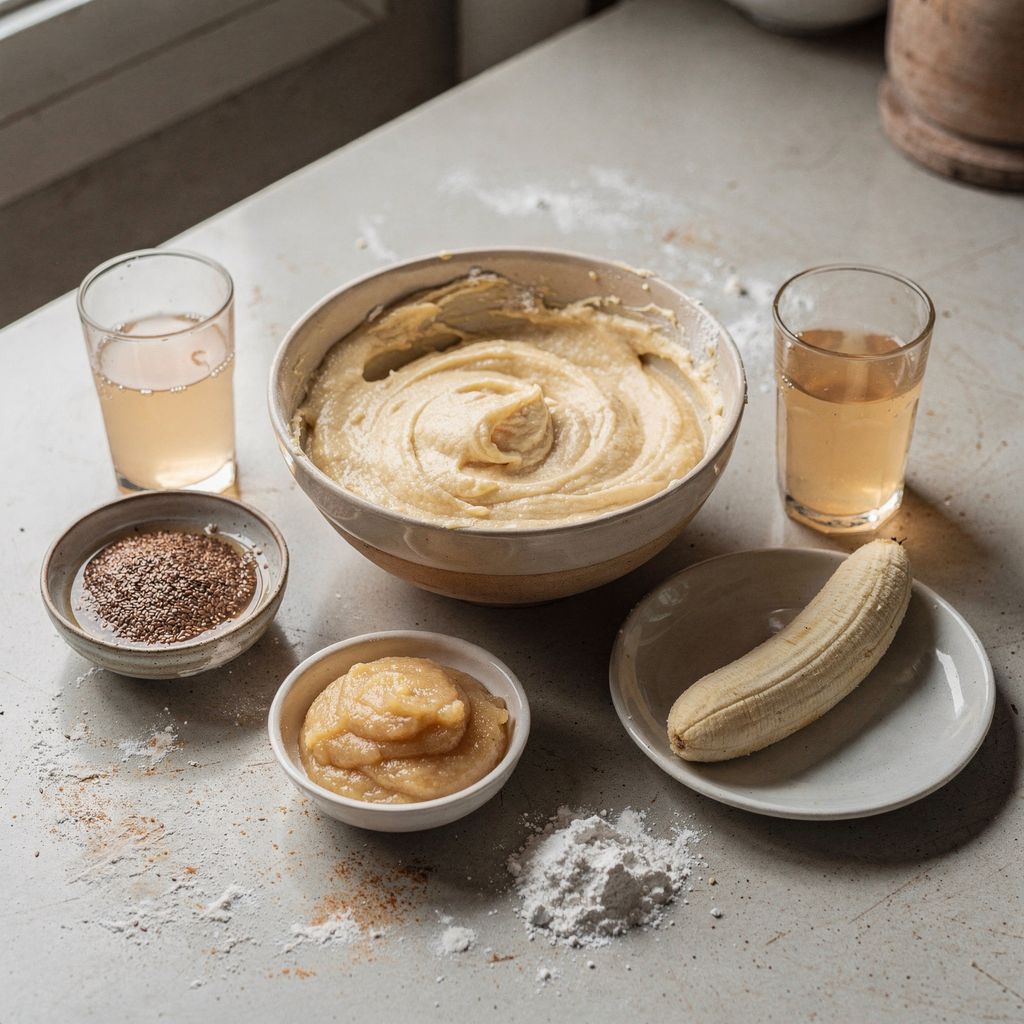
Flax egg — 7 g ground flaxseed + 40–45 ml water, let it gel for 10 minutes. Binds. Great for cookies, muffins, brownies, gingerbread. Doesn't add lift, and gives a slightly nutty, brownish tint.
Chia egg — 10–12 g whole chia seeds (one tablespoon) + 40–45 ml water, 15 minutes. Binds similarly to flax, tastes more neutral, but the seeds are visible in pale batters.
Aquafaba (liquid from a can of chickpeas) — 45 ml for a whole egg, 30 ml for egg white, 15 ml for yolk. The only common substitute you can whip into stiff peaks.
Applesauce, unsweetened — 60 g. Adds moistness and a little binding, zero lift: add an extra 2 g of baking powder to compensate.
Mashed banana — 60 g, roughly half a medium banana. Very moist, but you'll taste it.
Plain yogurt, sour cream or buttermilk — 60 g. Adds moistness plus a gentle tang that activates baking soda.
Silken tofu — 60 g, blended completely smooth. Adds density and moisture, no flavour.
Cornstarch or potato starch — 10 g + 40 ml water. The cheapest binder with a totally clean flavour.
Nut butter — 45 g. Binds and adds fat, but will flavour the whole bake.
Baking soda with vinegar — 5 g baking soda + 15 ml vinegar, mix right before folding into the batter. Adds lift only, nothing else.
Store-bought egg replacer based on starch — follow the package instructions, usually 3–6 g of powder + 30 ml water.
Don't eyeball the quantities. Most wet substitutes (purée, yogurt, tofu, aquafaba) are 75–95% water — so an extra 20 g will make the batter runny far faster than an egg would. Nut butter and starch behave the opposite way, binding water rather than adding it.
Binding is handled by flax egg (7 g ground flaxseed + 40–45 ml water), chia egg (10–12 g whole seeds + 40–45 ml water) and starch (10 g + 40 ml water) — flax is the strongest binder, starch the weakest. You need a binder anywhere the bake would otherwise fall apart into crumbs: cookies, gingerbread, oat bars, meatloaf.
Flax egg is the default choice here. Stir ground flax with lukewarm water and let it sit for 10 minutes, until it turns into a clear gel similar to raw egg white. Three things determine how it turns out:
Grind your own flax, or buy it pre-ground in small packs. Whole flaxseed won't form a gel — it'll just sit loose in the batter.
Lukewarm water speeds up the gel, cold water slows it down. Don't use boiling water.
Don't rush it. Under-gelled flax is thin and won't hold anything together in the oven.
Chia takes a few minutes longer to swell. A tablespoon of chia weighs more than a tablespoon of flax (10–12 g versus 7 g), hence the difference in grams — the water amount is the same either way. In a pale batter you'll see the seeds; in gingerbread or brownies they disappear. Starch is the cheapest and completely flavour-invisible, but it binds more weakly — good for cookies, where the butter does most of the holding anyway, not for a batter that needs to support chunks of fruit.
Soft gingerbread cookies
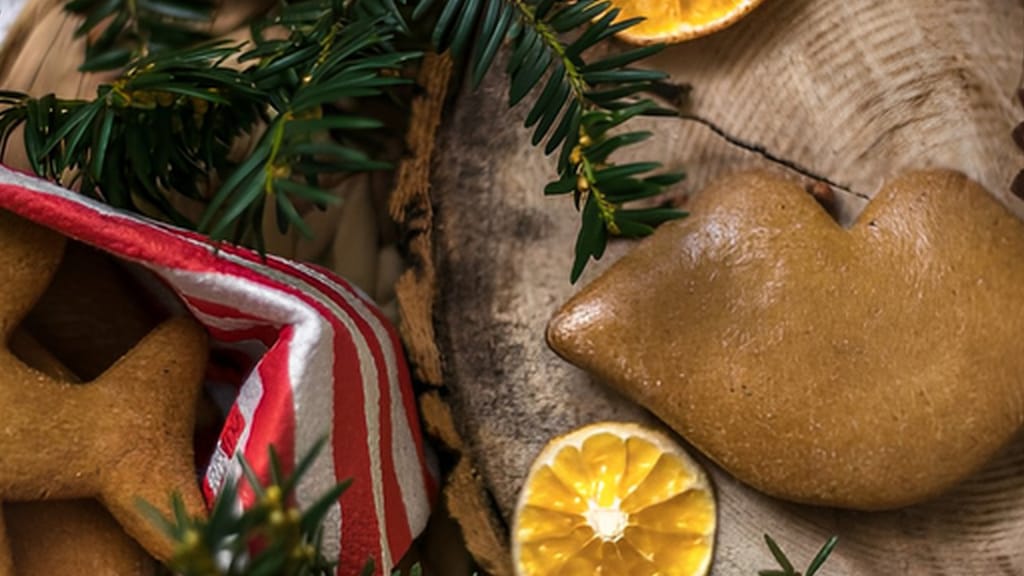
Soft gingerbread cookies — a spiced dough where flax egg is the best possible stand-in for eggs
For moistness, use 60 g of substitute per egg, and at the same time cut 15–20 ml of liquid from the rest of the recipe — purée and yogurt are mostly water, and without this adjustment you'll end up with a soggy centre.
Applesauce is the most neutral option. Buy it unsweetened, or you'll be adding roughly 3 g of extra sugar per batch.
Banana is the moistest and the most noticeable in flavour. It disappears into chocolate or nut-based batters, but not into vanilla.
Plain yogurt, sour cream and buttermilk also bring acidity that activates baking soda — in recipes that use soda, these work best of all.
Silken tofu needs to be blended completely smooth. A grainy purée will leave white flecks in the finished bake.
The shared trap with all four: they don't add lift. If you swap in purée for an egg, add an extra 2 g (about half a teaspoon) of baking powder for every egg you leave out, or you'll end up with a dense, slightly gummy loaf.
Aquafaba is the liquid from a can of chickpeas, and it's the only common substitute you can whip into stiff peaks. Studies suggest this is down to saponins and dissolved proteins (albumins and globulins), together with carbohydrates that stabilise the bubbles.
How to work with it:
Plan on 5–10 minutes of whipping — in my experience, roughly twice as long as egg whites. Stiff peaks show up later than you'd expect.
A drop of lemon juice or a pinch of cream of tartar noticeably stabilises the foam.
Fold it into the batter gently with a spatula, not a whisk.
The chickpea flavour bakes away, though the raw batter will taste a bit beany. Don't worry about that.
Baking soda with vinegar is an emergency fix, not a technique: 5 g of baking soda and 15 ml of vinegar react instantly to release carbon dioxide, so the batter needs to go into the oven right away. It only adds lift, doesn't bind at all, and use it for one egg at most — for two, you'll start to notice a soapy taste in the bake.
Cookies call for a flax egg, muffins for 60 g of yogurt, waffles for whipped aquafaba, and sponge cake can't be replaced at all. In more detail, by type of batter:
Cookies and shortbread — flax egg, or 10 g starch + 40 ml water.
Muffins and mug cakes — 60 g plain yogurt + 2 g baking powder.
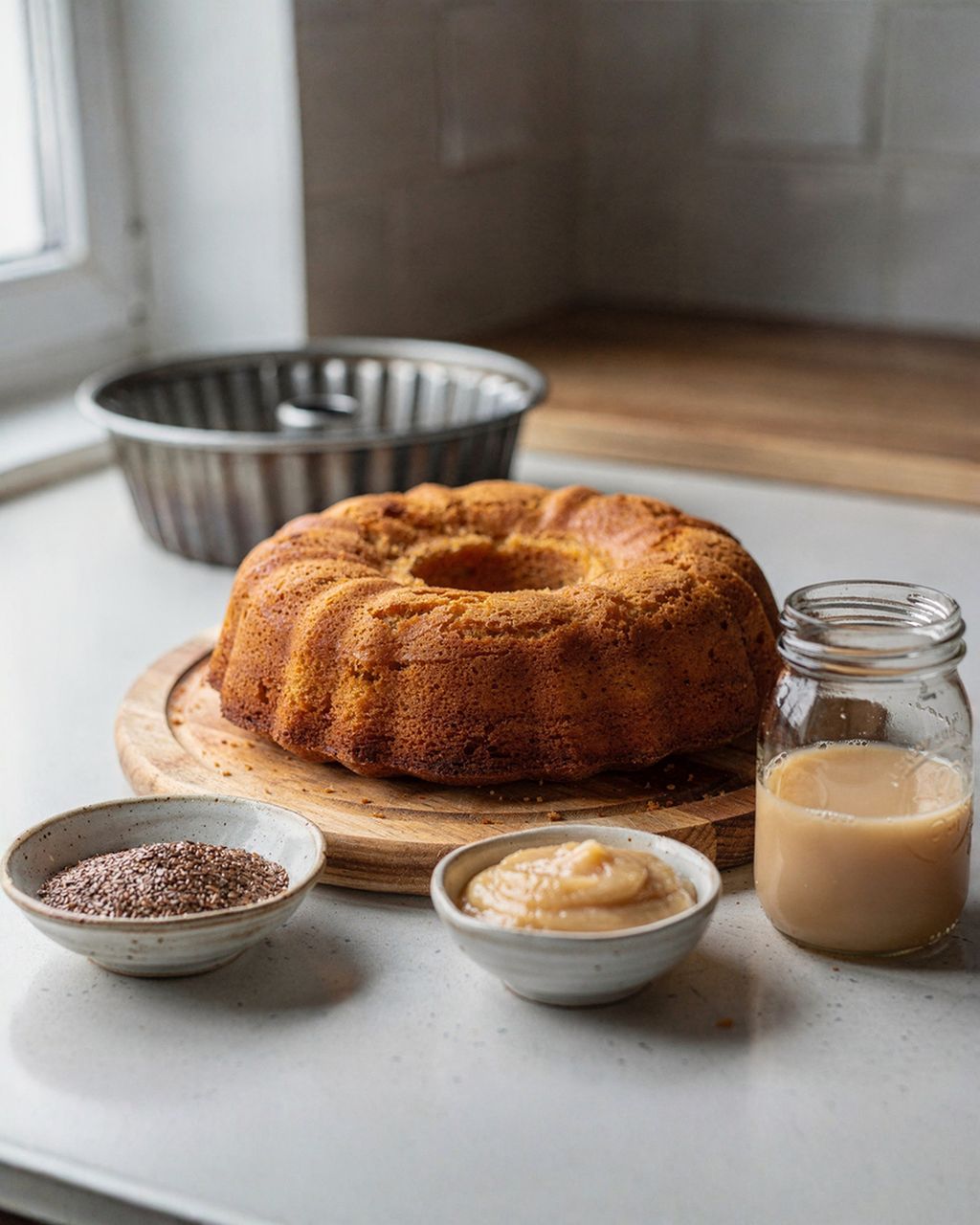
Bundt cake — 60 g yogurt or applesauce, though it depends how many eggs the original recipe called for.
Brownies — 60 g silken tofu or a flax egg; density is actually an advantage here.
Pancakes and drop scones — 60 g yogurt or 45 ml aquafaba.
Waffles — whipped aquafaba, the only substitute that keeps a crisp crust.
Gingerbread — flax egg; the spices mask the nutty tone.
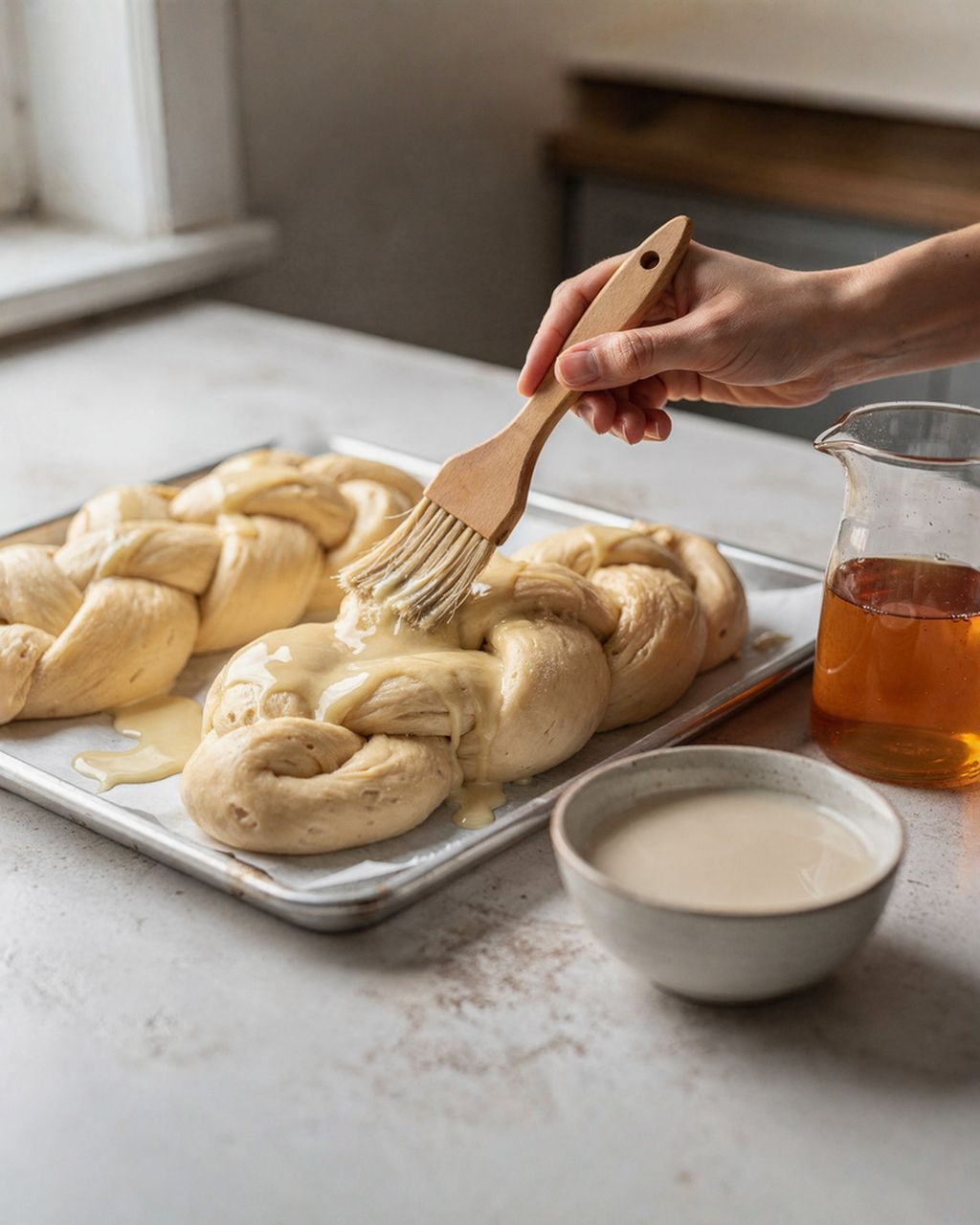
Yeasted dough — often needs nothing at all. Many bun and cake recipes use eggs purely for colour and softness, not for structure; leave them out and add an extra 20 ml of milk.
Sponge cake, roulade, génoise — don't substitute. Here, the egg is carrying the entire structure.
A simple rule applies: the more eggs a recipe calls for, the worse a substitute will perform. One egg in a batter with 250 g flour and 100 g butter is a minor detail. Six eggs in a sponge cake are the entire structure.
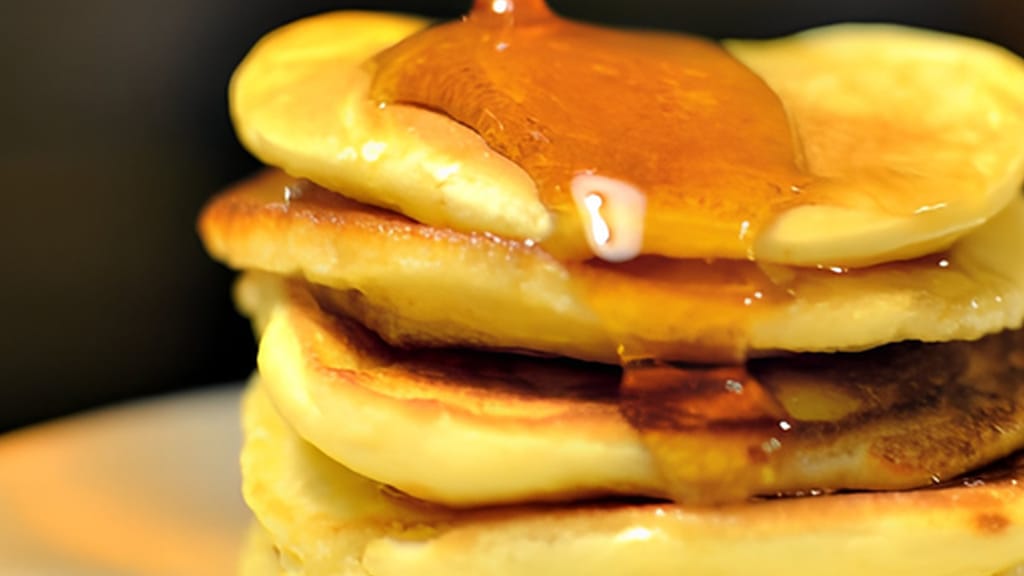
Pancakes – american-style pancakes
American-style pancakes — a batter that handles both yogurt and aquafaba well in place of eggs
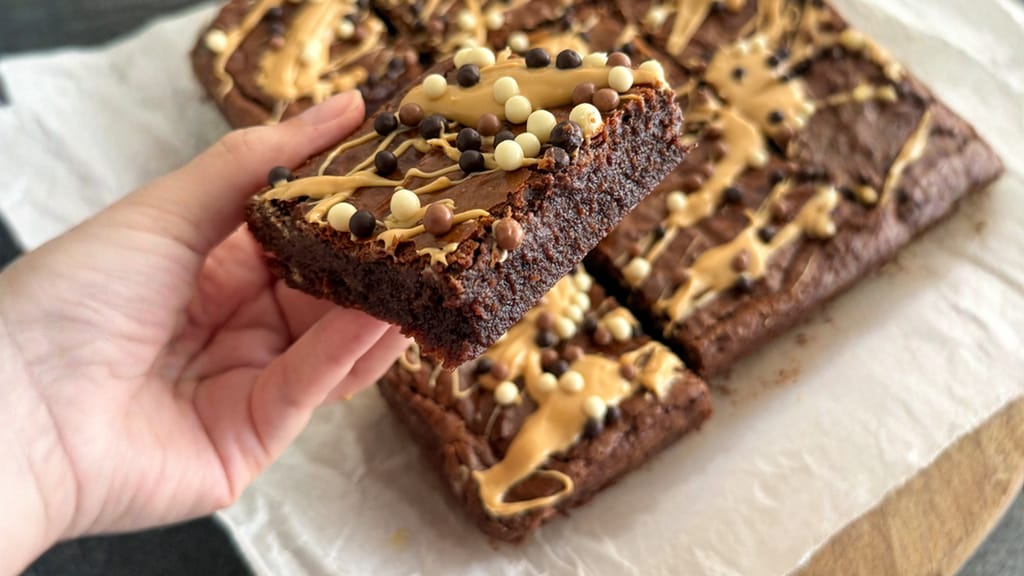
Yumsto's signature fudgy brownies with topping
Yumsto's signature fudgy brownies — a dense batter where silken tofu is the best egg substitute
Egg substitutes fail in four cases: sponge cake and génoise, yolk-based custards, egg wash on baked goods, and egg dishes themselves. Here's why, for each one:
Sponge cake and génoise. Whipped eggs here are both the leavening and the structure, with flour just filling in. Without them, you get a flat pancake.
Yolk-based custards, zabaglione, hollandaise. Thickening relies on set yolks — a yolk alone sets at 65–70°C, and a custard with milk and sugar thickens around 80–85°C. Starch can mimic the flavour, but not the texture.
Egg wash on baked goods. That golden sheen comes from the combination of protein and fat in the yolk; plant-based alternatives exist, but they behave differently and need to be chosen separately.
Egg dishes as such — omelettes, scrambled eggs, frittata. There, the egg isn't an ingredient, it's the whole point.
Meringues are a special case: you can make them from aquafaba, but they take noticeably longer to dry out in the oven, they're more brittle, and they turn sticky in humid weather. It's doable — just not quite the same thing.
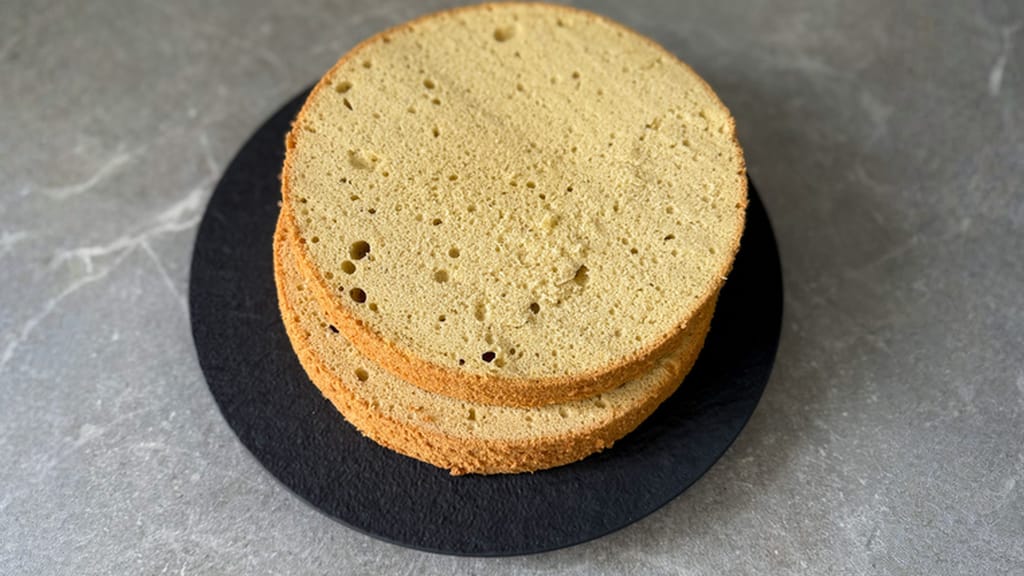
Light and airy génoise sponge cake
A light, airy génoise sponge — a textbook example of a bake where eggs can't be substituted
Once you remove the eggs: cut 15–20 ml of liquid, add 2 g of baking powder, mix as little as possible, don't judge doneness by colour, bake 3–5 minutes longer, and let it cool completely. Eggs carry water, fat and lift out of the batter with them, and the rest of the recipe has to compensate:
Cut 15–20 ml of liquid for every wet substitute used (purée, banana, yogurt, tofu). For flax, chia and starch, don't cut anything — you've already accounted for that water.
Add 2 g of baking powder for every egg left out, unless you've used aquafaba or baking soda with vinegar.
Mix as little as possible. Without the egg's emulsifying effect, the gluten in the batter develops faster, and overmixed batter turns tough.
Don't judge doneness by colour. Without a yolk, bakes brown noticeably less, so a pale surface doesn't mean a raw centre. Test with a skewer instead.
Plan on 3–5 extra minutes at the same temperature, since the batter holds a bit more water.
Let it cool completely.Starch and flax gel only fully set as they cool; a warm slice of egg-free bake will look underdone even when it isn't.
One note on expectations: egg-free bakes tend to be a touch denser and dry out faster. Eat within two days, or wrap and freeze.
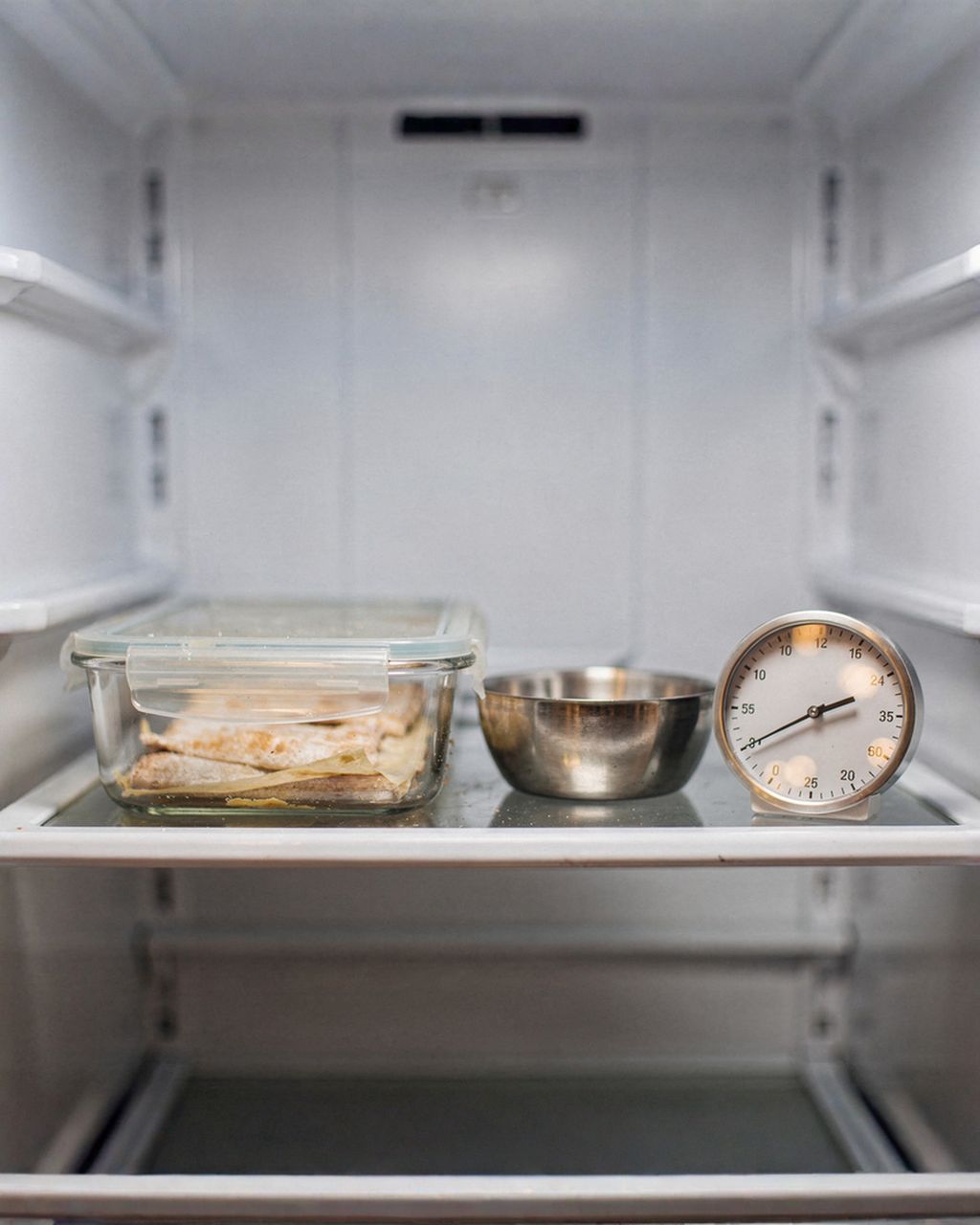
Go ahead and mix it up in advance — in a sealed container in the fridge, it keeps for a few days in my experience. After a few hours it thickens even more: just stir it, and if it's gone paste-like, splash in 5 ml of water. You can freeze it too, but after thawing it separates into flecks and binds less well.
Yes, but you need to reduce the cooking water so it thickens to the consistency of raw egg white. Cook the chickpeas in as little water as possible, then let the liquid simmer down to roughly half its volume — aquafaba that's too thin won't whip up. Don't salt it, and let it cool completely, ideally overnight in the fridge.
No — baking powder can only add lift, not bind or add moistness. On its own, in an egg-free batter, it'll puff up in the oven and then crumble apart as it cools. Always pair it with a binder — typically one flax egg (7 g ground flaxseed + 40–45 ml water) plus 2 g of baking powder.
Rarely in flavour, almost always in texture. Egg-free bakes tend to be a bit denser, less springy, and paler, since there's no yolk. The exceptions are substitutes with their own distinct flavour — banana and nut butter are obvious straight away, while starch, aquafaba and silken tofu are essentially neutral.
For savoury bakes, reach for a flax egg, starch, or aquafaba — all three are flavour-neutral. Applesauce and banana don't belong in savoury dough, as they'd bring sweetness and a fruity note. 60 g of plain yogurt also works well in savoury muffins and flatbreads, adding moistness at the same time.
Yes, and for recipes calling for two eggs, that's often the best approach. A reliable combo is one flax egg for binding plus 45 ml of whipped aquafaba for lift — each one covers a different job, and you won't end up with excess water. Just never pair two wet substitutes together, like applesauce and yogurt at the same time.
One recipe worth heating the oven for, one tip, and one deal from the shop. Nothing else.