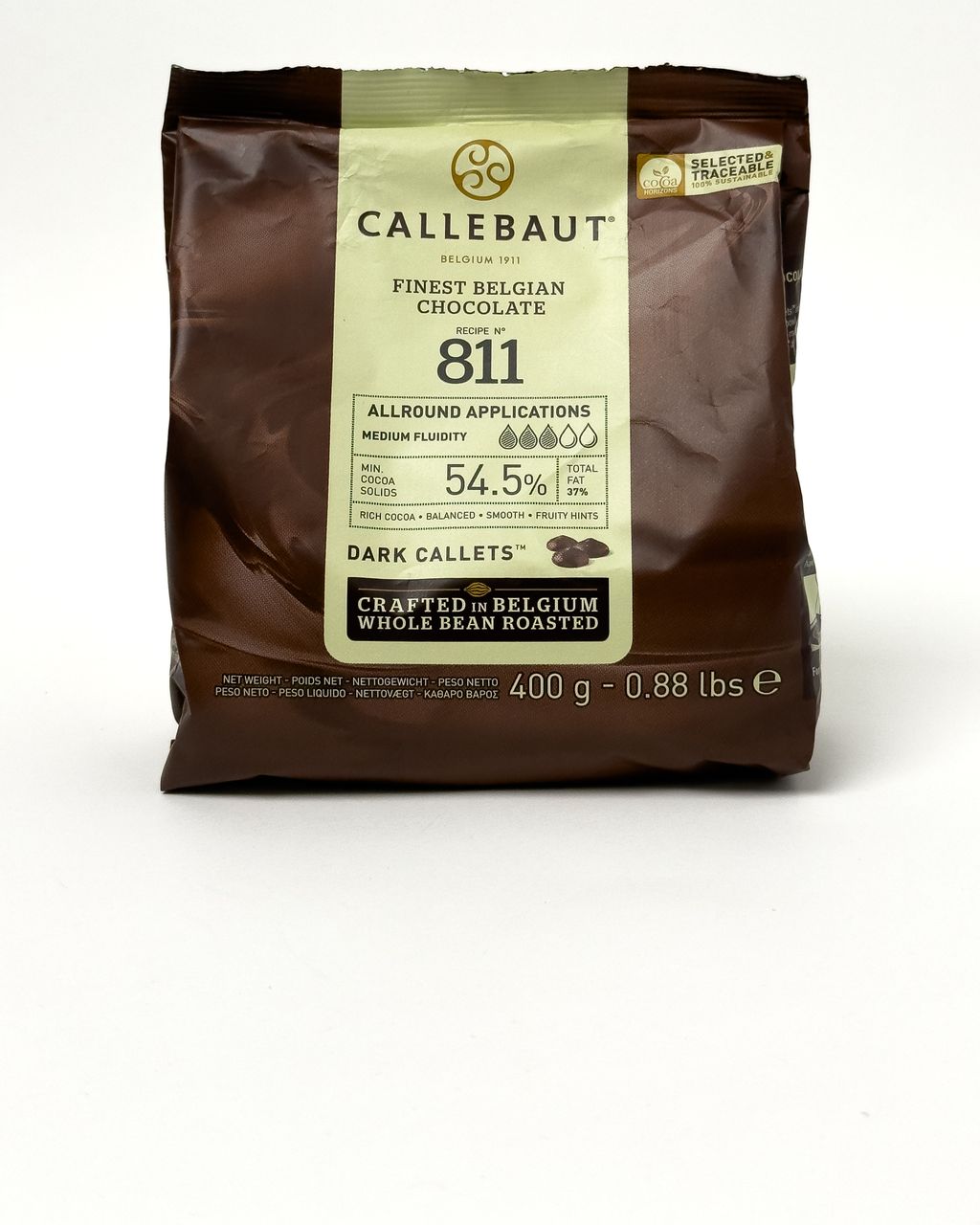
Callebaut Dark Chocolate Callets (811) 400g
Cake Frosting That Holds Up Out of the Fridge: Which Creams Handle Heat and Which Don't
Updated Oct 17, 2026
The best cake frosting for keeping out of the fridge is chocolate ganache, followed closely by Swiss meringue buttercream. Both hold their shape at a party buffet in a warm room. Whipped cream, mascarpone and quark melt, slump or weep in the heat. A firm frosting doesn't make a cake safe for any longer, though. According to the USDA FSIS, perishable food shouldn't sit at room temperature for more than 2 hours, or just 1 hour when it's above 90 °F (32 °C). Here you'll find frostings ranked by how much heat they can take, the ratios that firm them up, and a plan for serving a cake at a wedding or party.
Cake frostings that hold up out of the fridge, ranked from most to least heat-resistant: dark chocolate ganache → milk and white chocolate ganache → Swiss meringue buttercream → classic buttercream → Parisian cream (whipped ganache) → gelatin-stabilized whipped cream → custard-based frosting, mascarpone, quark and plain whipped cream.
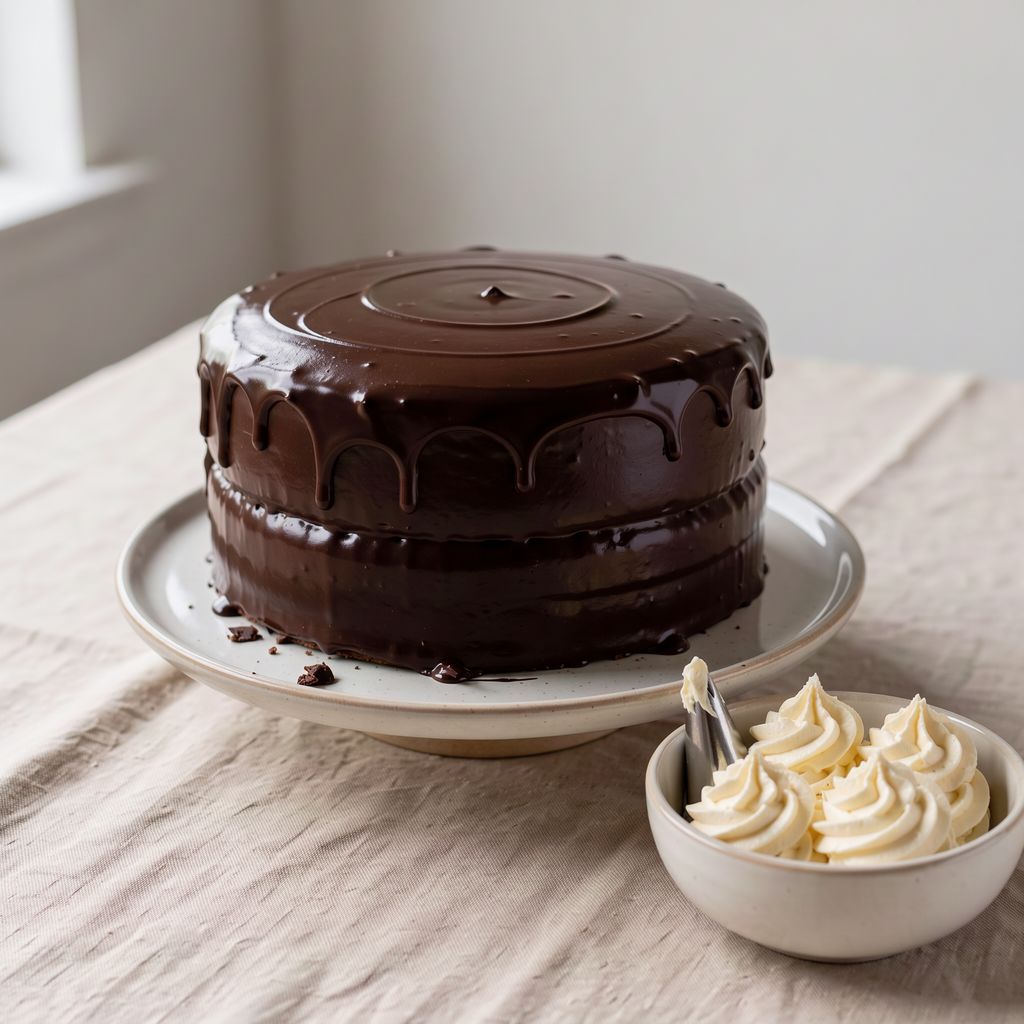
Dark chocolate ganache (2:1): the firmest. Cocoa butter melts at roughly 93–97 °F (34–36 °C), so in a room at 72–77 °F (22–25 °C) the frosting stays firm and the edges stay sharp.
Milk chocolate ganache (2.5:1) and white chocolate ganache (3:1): they contain less cocoa butter and more milk fat, so they soften sooner. That's why they need more chocolate.
Swiss meringue buttercream: holds up thanks to its stable meringue and butter. In a warm room, from around 77 °F (25 °C), it starts to soften.
Classic buttercream: behaves similarly, but it's heavier and sweeter. The custard-based version contains milk and water, so it's more sensitive.
Parisian cream (whipped ganache): it has air in it and more cream than classic ganache, so heat throws it off faster.
Whipped cream with gelatin: the stabilizer holds for a while, but gelatin gel softens at around 86 °F (30 °C).
Mascarpone, quark, custard and plain whipped cream: they lose their shape quickly out of the fridge, and they're also the first to spoil.
If you're looking for which frosting suits which flavor and use, read our overview of types of cake frosting and what each is best for. Here we're only dealing with heat and time.
Ganache holds up best in the heat because its backbone is cocoa butter. It stays solid until about 93 °F (34 °C), whereas the milk fat in whipped cream softens at around 68 °F (20 °C). The more chocolate there is compared with cream, the firmer the frosting.
For coating and for under fondant, use these ratios of chocolate to cream (33–35% fat):
dark chocolate, 50–60%: 2:1, for example 400 g chocolate and 200 g cream
milk chocolate: 2.5:1
white chocolate: 3:1, or even 3.5:1 in a hot summer
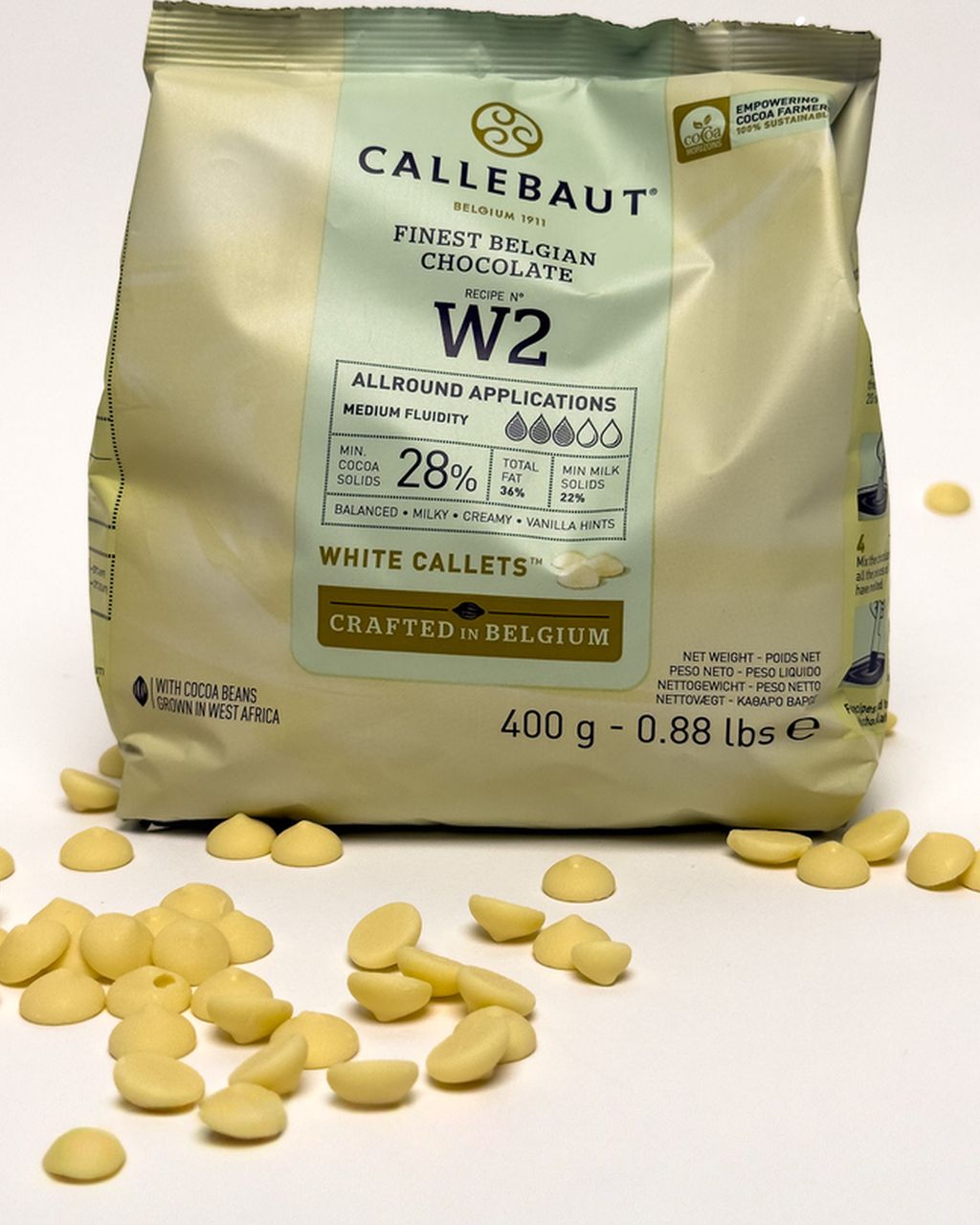
For a summer cake, a great all-round choice is Callebaut 811 dark chocolate with 54.5% cocoa. The flavor is bold but not bitter, and the callets melt evenly without chopping. For a light-colored wedding cake, use Callebaut W2 white chocolate, but only at a 3:1 ratio. Good supermarket baking bars work too, as long as they contain cocoa butter, not vegetable fat. A compound coating made with vegetable fat instead of cocoa butter isn't chocolate and behaves unpredictably in ganache. Look for the word "chocolate" or "couverture" on the label. You'll find more kinds in our chocolate range.
The method is simple. Heat the cream to just below a boil, pour it over the chocolate, let it sit for 2 minutes, then stir from the center outward until the ganache is smooth and glossy. For coating, cover it and let it set in the fridge overnight. Before using, warm it briefly over a water bath or in the microwave for a few seconds and stir until it has the consistency of peanut butter. The article on firm Parisian cream for cakes covers this in detail, and decorating a chocolate cake will help with finishing touches.
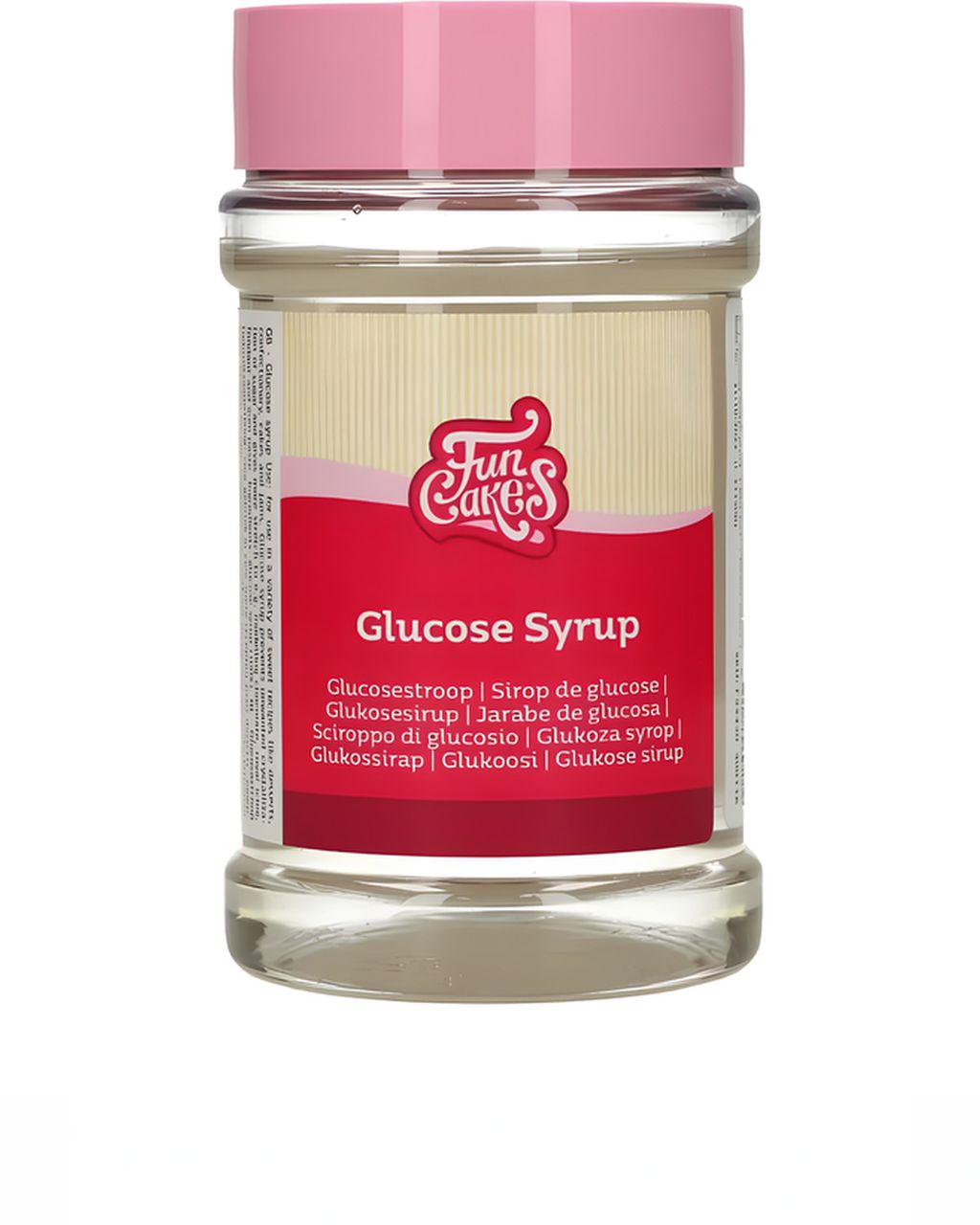
Glucose syrup makes ganache smoother and more flexible and helps keep it from drying out quickly. Use about 10% of the cream's weight, which is 20 g for 200 g of cream. Stir it into the hot cream.
Glucose binds water and stops the sugar in the frosting from recrystallizing. The ganache then doesn't crack or turn grainy, even when you chill the cake and take it out again. FunCakes glucose syrup is a good fit for this. The differences between sugars are explained in dextrose and glucose syrup.
One caution. Peter Greweling of the Culinary Institute of America says that cream ganache in pralines keeps for about three weeks at room temperature. But that applies to a filling sealed inside a chocolate shell, not to ganache on a cake, which is in contact with moist sponge, syrup and fruit. For a cake, the two-hours-out-of-the-fridge rule applies.
Swiss meringue buttercream holds its shape in a normally heated room, and in a warm one, from around 77 °F (25 °C), it starts to soften. Safely out of the fridge, it lasts no more than 2 hours, just like other frostings. It tolerates heat better than other buttercreams because the stable meringue made from heated egg whites holds the butter together. A reliable ratio is egg whites : sugar : butter of roughly 1 : 2 : 3, for example 100 g egg whites, 200 g sugar and 300 g butter.
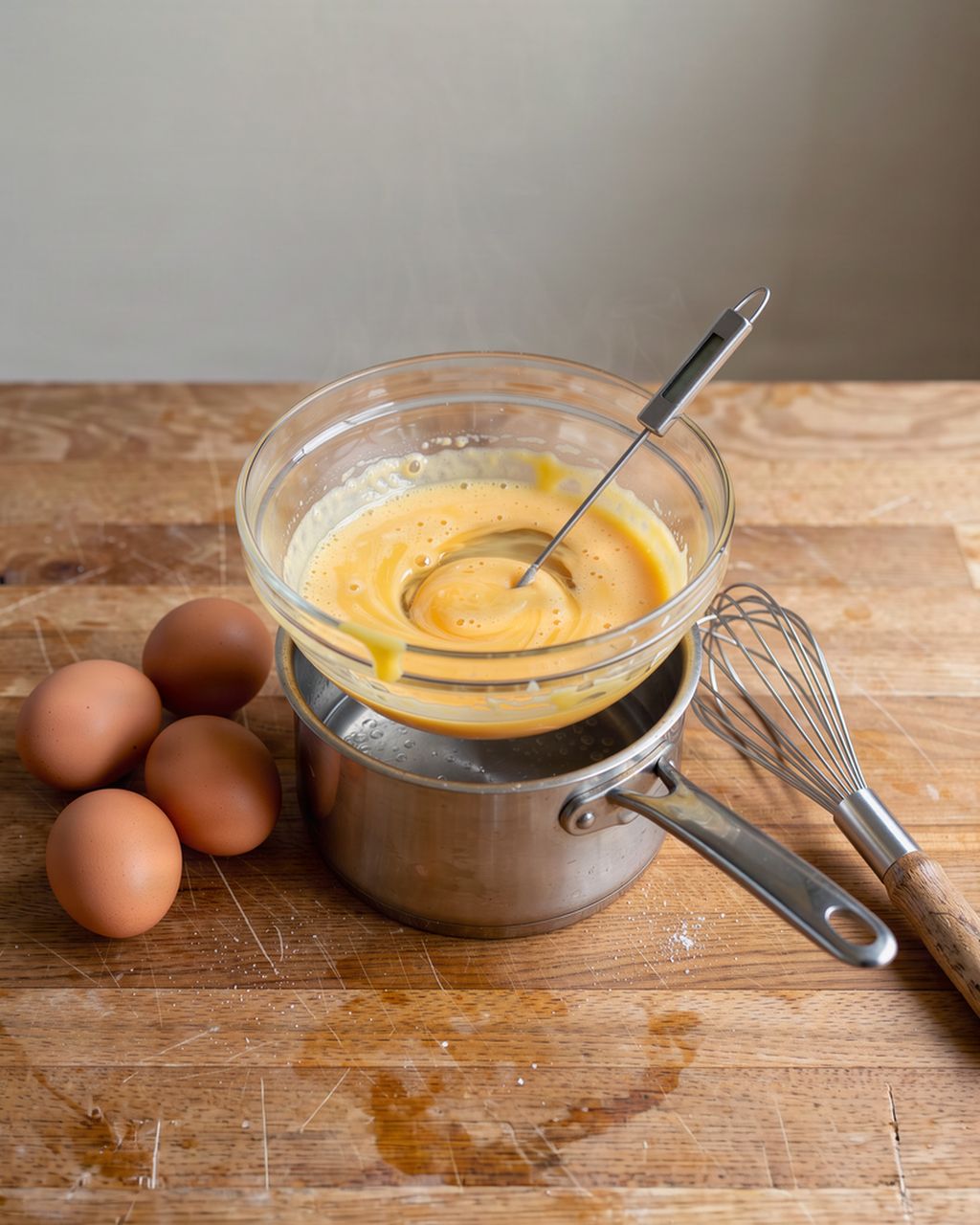
Whisk the egg whites with the sugar over a water bath until the mixture reaches 160 °F (71 °C). At this temperature, USDA FSIS considers egg dishes safely heat-treated. The sugar also dissolves completely.
Whip the meringue to stiff peaks and let it cool to room temperature.
Add soft butter, at about 64–68 °F (18–20 °C), a piece at a time.
Two tweaks help in summer. Use butter with the highest fat content you can find, because the less water, the firmer the frosting. And replace about a fifth of the butter with melted, cooled white chocolate so the frosting has more cocoa butter. What to do if the buttercream curdles or stays runny is covered in Swiss meringue buttercream step by step. For a comparison with classic and custard-based buttercream, see buttercream for cakes: which one to choose.
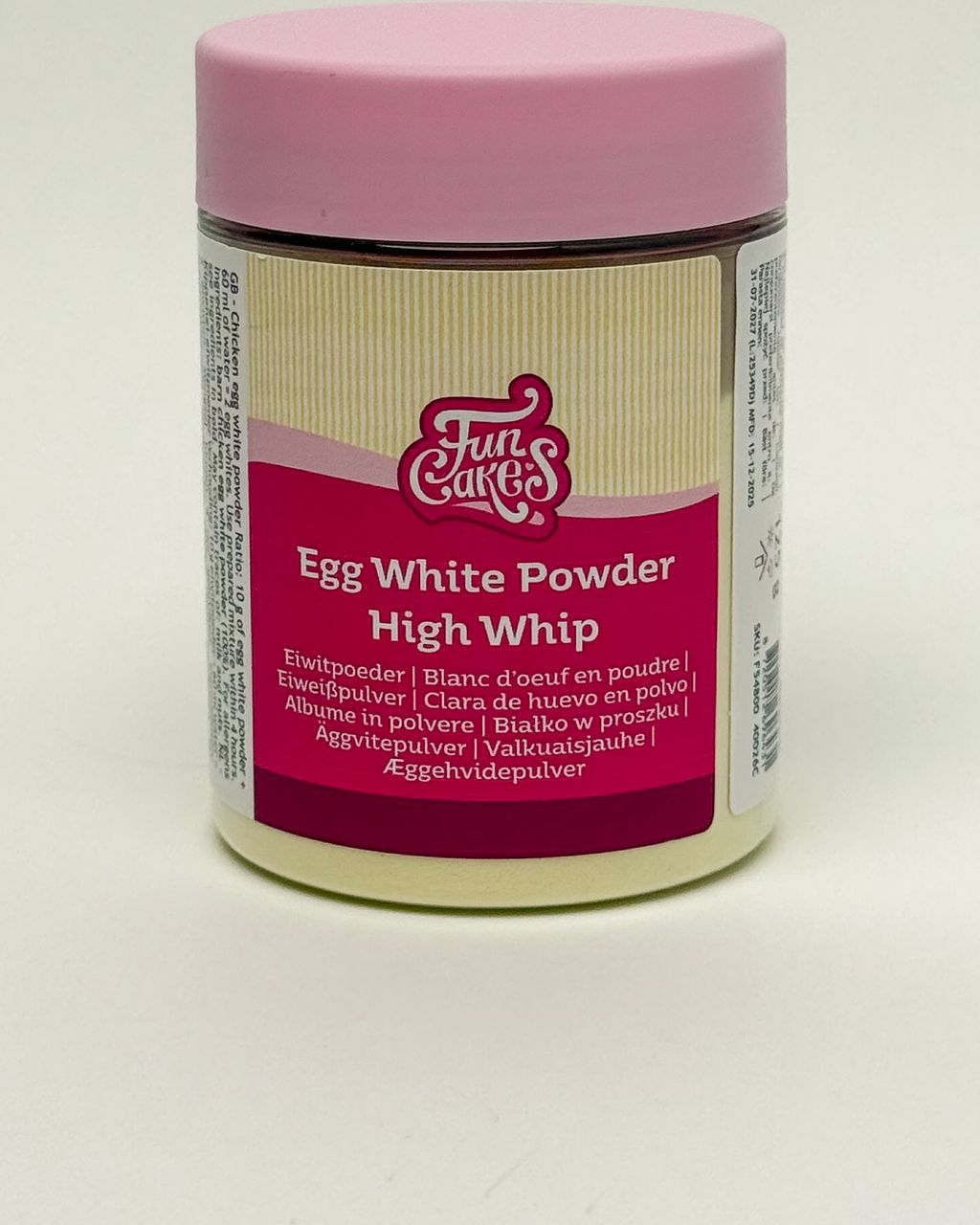
Dried egg white is handy when you need an exact amount and peace of mind. It's pasteurized, you can weigh it to the gram, and you won't have leftover yolks. According to FunCakes' instructions, 10 g of dried egg white stirred into 60 ml of lukewarm water equals roughly 2 egg whites from medium eggs. Use the mixture within 4 hours.
A meringue made from dried egg white tends to be firmer and doesn't collapse as easily. You'll notice the difference in a big batch of frosting for a wedding cake. But even pasteurized egg white doesn't extend the time out of the fridge, because the butter and the finished cake spoil just the same.
Out of the fridge, whipped cream, mascarpone, quark and custard frostings don't last. They contain a lot of water and milk protein, lose their shape in the heat and spoil fastest.
Whipped cream: its structure is held by milk fat crystals, which soften in the heat. The frosting slumps and weeps. Gelatin helps only up to about 86 °F (30 °C). To learn how to firm up whipped cream, read firm whipped cream frosting with gelatin and when whipped cream won't whip.
Mascarpone: it has a lot of fat, but also water. In the heat it thins out, and if you overwhip it, it curdles. More in mascarpone cream that won't curdle.
Quark: it's acidic and moist, so it releases whey and the cake underneath turns soft. You'll find how to stabilize it in quark cake filling that holds.
Custard frosting with butter: cooked milk and starch are an ideal environment for bacteria. This frosting belongs in the fridge even if it holds its shape. More in custard buttercream.
What's inside counts too. A cake coated in ganache that has whipped cream or mascarpone between the layers behaves like a whipped cream cake in the heat. Only the outer shell is firmer.
Plan a buffet cake so that it stays chilled until the last moment and spends no more than 2 hours out of the fridge, or just 1 hour in heat above 90 °F (32 °C).
Choose the frosting based on the venue, not just the flavor. For a summer garden, use ganache inside and out. For an air-conditioned hall, Swiss meringue buttercream is enough.
Chill the whole cake for at least 6–8 hours before transport. Chilled ganache and butter slow down how quickly the cake warms up.
Transport it in a cooler box or an air-conditioned car, not in a trunk in the sun. How to move a tiered cake in one piece is described in making a wedding cake at home.
Put the cake on display as late as possible and out of direct sun. Sun on dark ganache heats the surface far above the air temperature.
Watch the clock. Within 2 hours of taking the cake out of the fridge, cut it and put the rest back in the cold. Throw out anything that has sat out longer.
If the cake will be covered in fondant, ganache underneath is the safest base. Fondant on buttercream sweats in the heat. More in fondant cakes: which frosting goes underneath.
No, don't leave a ganache cake out overnight. Ganache contains cream, and a cake also has moist sponge and filling, so the USDA FSIS rule applies: no more than 2 hours at room temperature, and only 1 hour above 90 °F (32 °C). Overnight, it belongs in the fridge. For comparison, the Czech Agriculture and Food Inspection Authority (SZPI) requires shops to store unpackaged confectionery at up to 8 °C (46 °F), while USDA FSIS recommends a fridge at 4 °C (40 °F) or below.
The best substitute for glucose syrup in ganache is liquid invert sugar, used in the same amount, which is roughly 10% of the cream's weight, and it binds water even more effectively. Light honey works too, but you'll taste it. Corn syrup behaves much like glucose. Plain sugar isn't a good substitute because it makes the ganache grainier.
A well-chilled cake with ganache or Swiss meringue buttercream travels well in summer if you transport it in a cooler box or an air-conditioned car. The travel time counts toward the 2 hours out of the fridge (1 hour above 90 °F / 32 °C) under USDA FSIS guidance. A cake with whipped cream or mascarpone will slump and start weeping within a short time in a warm car.
Swiss meringue buttercream is much safer than a frosting made with raw egg whites, as long as you heat the whites with the sugar to 160 °F (71 °C), the temperature USDA FSIS recommends for egg dishes. Pasteurized dried egg white is safer still. The same chilling rule applies as for everything else: back in the fridge within 2 hours. This is general food safety information; pregnant women, small children and people with weakened immunity should follow their doctor's advice.
A homemade ganache cake keeps in the fridge for about 3 days if it's well covered. According to FoodSafety.gov, cream-filled cakes last 3–4 days in the fridge, but with a cake the most delicate layer decides: if there's whipped cream, mascarpone or fresh fruit inside, eat it within 2 days. A ganache coating also protects the sponge from drying out and from picking up fridge smells.
One recipe worth heating the oven for, one tip, and one deal from the shop. Nothing else.