New Year's Eve Canapés: 15 Ideas and Make-Ahead Plan
Appetizer Cups and Jars: What to Put in Them and How to Make Them a Day Ahead
Updated Nov 16, 2026
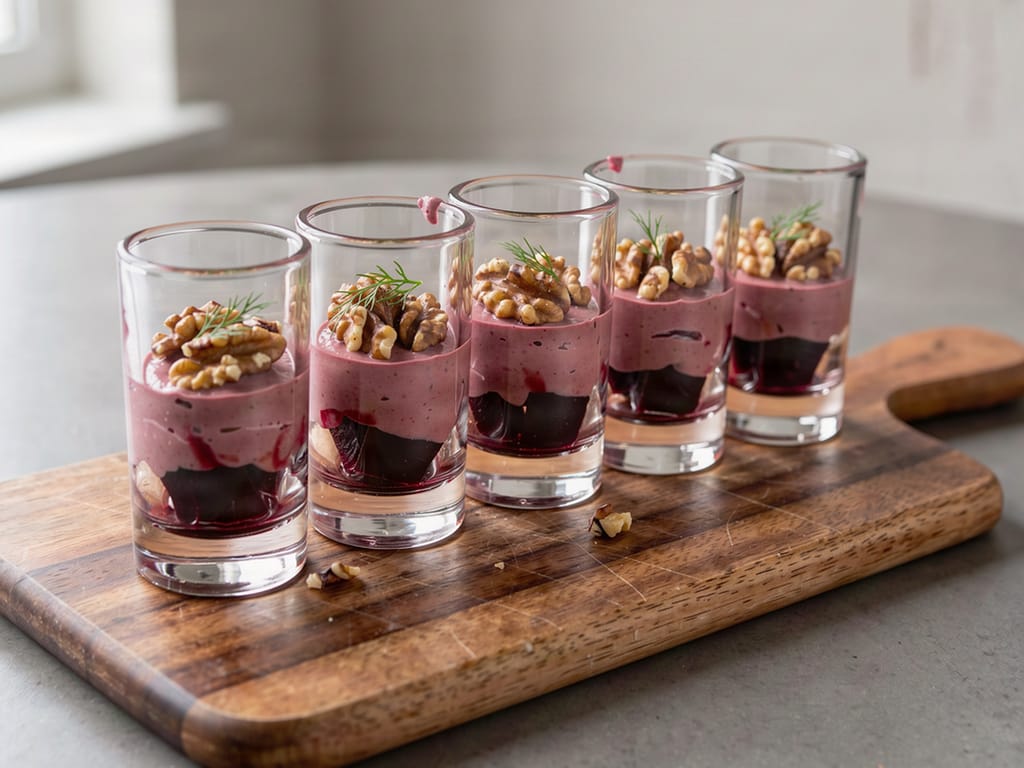
Appetizer cups follow one rule: dry at the bottom, creamy in the middle, crunchy only at the last minute. For a 50 ml cup, use about 15 g of a firm base layer, 25 g of cream or spread and 5 g of topping. The base holds its shape and doesn't leak, the cream covers it, and the topping stays crisp because nothing wet touches it until your guest picks up a spoon. You can do most of the work the day before, so at the party all you have to do is sprinkle and serve.
Layer from the bottom up by moisture: the driest, firmest ingredients first, then the cream, with a crunchy topping on top. Turn it around and you'll have mush in the cup within an hour.
Bottom (about 15 g): a firm, dry layer. Diced roasted vegetables, cooked couscous or bulgur, lentils, diced cheese. It must be cooled and patted dry, or it will release water into the cream.
Middle (about 25 g): cream or spread. Hummus, a spread, tzatziki, guacamole. This layer covers the base and carries the main flavor.
Top (about 5 g): crunchy and fresh. Toasted seeds, nuts, croutons, roasted chickpeas, herbs. Add it right before serving, because moisture from the cream softens it within half an hour.
A 50 ml cup holds roughly 45–50 g of food, which is about three heaping spoonfuls. Plan on 2–3 cups per guest if there are other appetizers on the table, and 5–6 cups if this is the main food. If you want a more filling portion instead of a bite, for example as a starter, take a 100 ml glass and double each layer (30 g + 50 g + 10 g).
Seed juicy ingredients such as tomatoes or cucumber and let them drain on a paper towel. Watery vegetables are the most common reason the layers run together.
A plastic cup with a lid is ideal for appetizers to take to work and anywhere you're transporting them: close it, pack it in a box and nothing spills. A glass looks better on the table and suits appetizers for guests more, but it's heavier and breaks easily. Whatever the material, choose narrow, tall containers. The layers show, and a spoon picks up every level at once.
Here are ten combinations that work in a 50 ml cup: beet with nuts, carrot hummus with chickpeas, guacamole with chips, tzatziki with bulgur, egg spread with bacon, couscous with roasted vegetables, lentils with feta, shrimp with mango, potato salad with mackerel and watermelon gazpacho as a shot. The amounts are always per 50 ml cup.
A spread with vegetables is the surest filling for appetizer cups, because a thick cream keeps the layers separate and it can be made a day ahead.
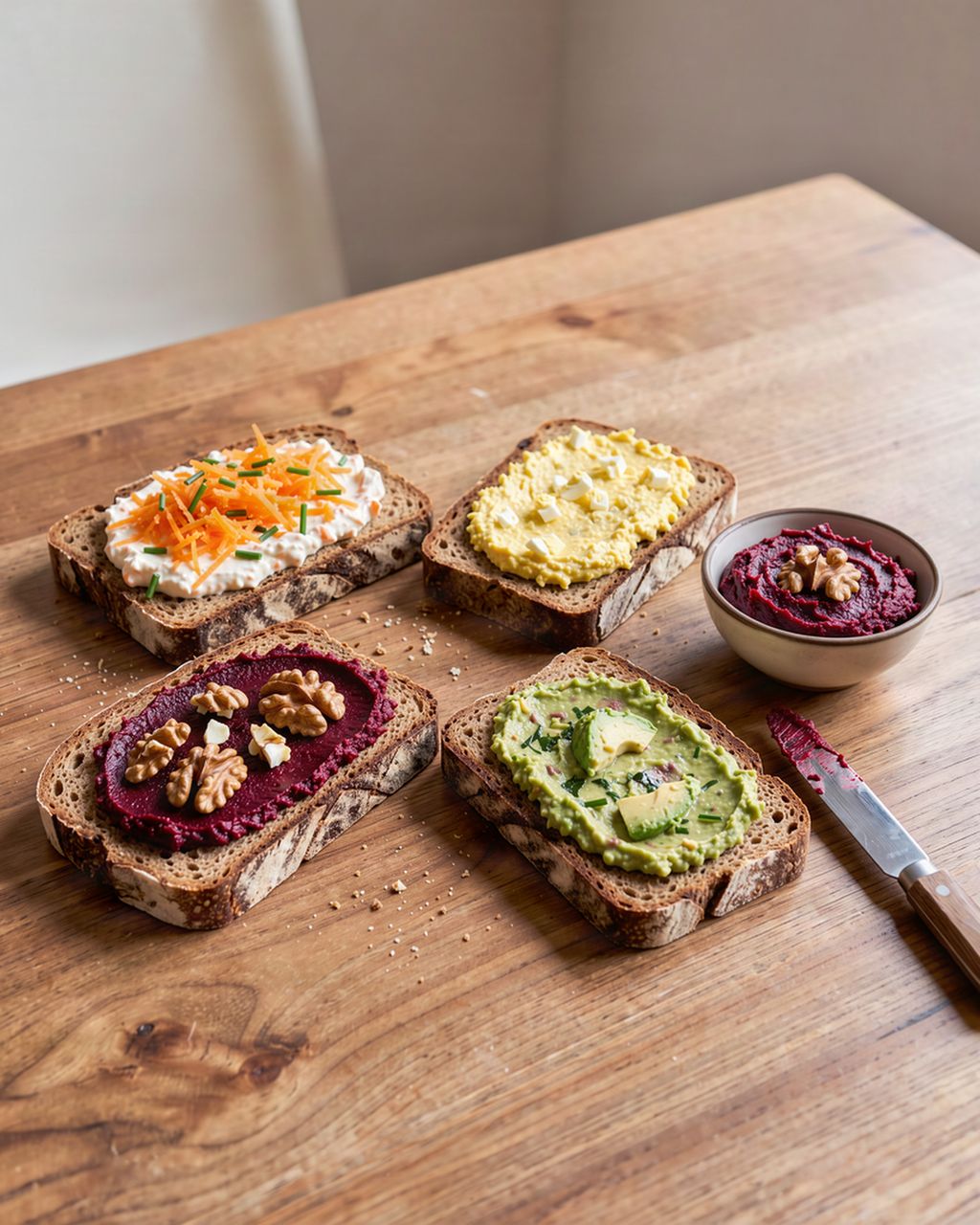
Beet and nuts: 15 g diced roasted red beets, 25 g roasted beet spread, topped with 5 g toasted walnuts and a sprig of thyme. The combination is nicely colorful, and the spread keeps in the fridge for two days.
Carrot hummus and chickpeas: 15 g diced roasted carrot, 25 g carrot hummus, topped with 5 g roasted chickpeas. Add the chickpeas on site, because in the cream they soften within a quarter of an hour.
Guacamole and tortilla chips: 15 g diced seeded tomatoes with corn, 25 g guacamole, topped with 5 g crushed chips and cilantro. Make the guacamole on the day of serving, and if you fill the cups ahead, press plastic wrap directly onto the surface so it doesn't turn brown.
Tzatziki and bulgur: 15 g cooled bulgur with lemon zest, 25 g Greek yogurt tzatziki, topped with 5 g toasted pita chips and a drop of olive oil. Salt the cucumber for the tzatziki, let it drain for 15 minutes and squeeze it out, or it will release water.
Egg spread and bacon: 15 g diced, patted-dry pickles, 25 g egg spread, topped with 5 g crisp fried bacon and chives. The pickle at the bottom balances the rich spread and the bacon adds crunch. Just watch the time on the table (see below).
For appetizers in a glass made from a ready-made salad, two layers are enough: about 40 g of salad and 5–10 g of something fresh or crunchy on top. The exceptions are the shrimp with mango, which you layer in three tiers, and the gazpacho, which isn't layered at all.
Couscous with roasted vegetables: 40 g couscous with chickpeas and roasted vegetables, topped with a teaspoon of plain yogurt and pumpkin seeds. A day in the fridge does it good, because the flavors come together.
Lentils, beet and feta: 40 g lentil salad with red beet and feta, topped with 5 g crumbled feta and parsley. Lentils hold their shape and nothing leaks from them, so this is an ideal salad for a cup.
Shrimp and mango: 15 g diced mango at the bottom, 25 g Asian mango and shrimp salad in the middle, topped with one whole shrimp and 5 g chopped peanuts. Always use shrimp that are cooked and chilled.
Potato salad with mackerel: 40 g potato salad with green beans and smoked mackerel, topped with watercress. A hearty cup for guests who arrive hungry.
Watermelon gazpacho as a shot: 50 ml chilled watermelon gazpacho, topped with a drop of oil and a crumb of feta. You drink it straight from the cup. Good for a summer garden party.
Fish lovers will also like avocado appetizers with smoked salmon: avocado cream in the cup and a salmon rosette on top. Take the salmon out of the fridge only right before filling, so it doesn't dry out and keeps its shape. Don't serve smoked salmon or smoked mackerel to pregnant women, seniors or people with weakened immunity: according to EFSA, smoked fish is among the foods with the highest risk of listeriosis.
Steak tartare doesn't belong in a cup, because raw beef is one of the riskiest foods on the table and has to stay chilled until the moment it's eaten. A small portion in a thin cup warms up within minutes in a warm room. On top of that, tartare is mixed and seasoned right before serving, so it can't be prepared ahead anyway, and the toast that goes with it has to be hot and crisp. If you want tartare, serve it separately, on ice and straight from the fridge, and leave it on the table for 2 hours at most. Don't serve raw meat to pregnant women, small children, seniors or people with weakened immunity.
The day before, make everything that won't go soft or brown in the fridge. At the party you then only add the topping. The whole plan looks like this:
The evening before, make the spreads, hummus and tzatziki (squeeze the cucumber out well). Roast the vegetables, cook the couscous, bulgur and lentils, then chill and dry everything.
The evening before, also make the salads without leafy greens and toast the croutons, nuts and seeds. Store those separately in an airtight container at room temperature.
The evening before, fill the bottom and middle layers, cover the cups with a lid or plastic wrap and put them in the fridge.
On the day of serving, make the guacamole and anything with avocado. Take the shrimp and fish out of the fridge only right before filling.
Right before serving, add the crunchy topping, herbs and a drop of oil.
The cleanest way to get cream into a narrow cup is with a piping bag: snip the tip to about 1 cm, hold the bag upright over the center and squeeze until the cream reaches the walls. A spoon smears the edges, and then the layers don't show. A thicker spread (hummus, beet) can also be piped with a plain round tip so it has a nice dome on top.
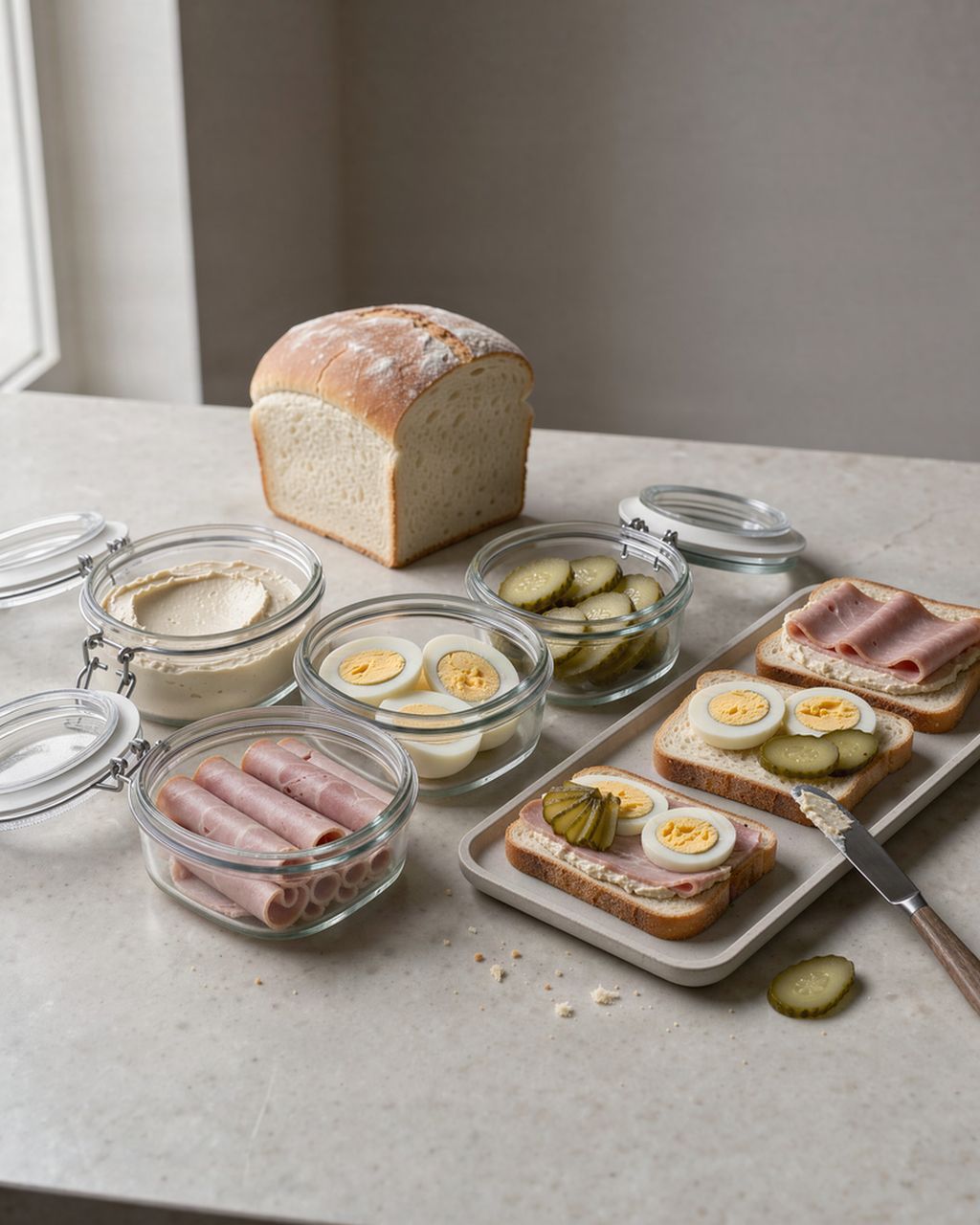
You can plan chlebíčky the same way; see how to make chlebíčky a day ahead so they don't dry out or go soggy.
Recipe of the week, one tip that saves you time and one deal from the shop. Unsubscribe in one click.
The next issue goes out on Thursday, November 26.
Serve them chilled straight from the fridge, on a tray in small batches, with a spoon for each cup. For a 50 ml cup, a small teaspoon 10–12 cm long is enough. For a taller 100 ml glass, take a longer spoon so the guest can reach the bottom, because without the bottom layer they miss half the flavor.
Put the spoons into the cups only on site, or they'll stick in the cream and the lid won't close.
For a big event, bring the cups out of the fridge a tray at a time and keep topping up. That's better than putting everything out at once.
For appetizers to take to work, use cups with lids, carry them in a cooler bag with an ice pack and pack the topping separately in a small bag.
If you also want appetizers that people eat with their hands, you'll find inspiration in New Year's Eve appetizers you can prepare ahead. More ideas for the whole table are in party snacks. And you can use the same layering for a sweet finish, so take a look at Christmas desserts in a glass.
Filled appetizer cups without the topping keep for about 24 hours in the fridge at up to 4 °C (40°F), the same as the deli-counter chlebíčky (Czech open-faced sandwiches), which Czech delis give a 24-hour window. So it's fine to fill them the evening before. Eat cups with mayonnaise, egg, fish or shrimp by the next day, and throw away anything that has stood on the table for more than 2 hours rather than putting it back in the fridge.
Don't freeze finished appetizer cups: creams made with yogurt and mayonnaise split after thawing and vegetables turn watery. At most you can freeze hummus or roasted vegetables separately, then fill the cups the day before.
Buy narrow, tall cups of 50–60 ml, which hold about three spoonfuls of food and show off the layers. Glasses of 100 ml are good when you want a more filling portion, for example as a starter. In that case, double each layer.
Meat-free appetizer cups are easy, because most of the combinations are meatless: beet with nuts, hummus with chickpeas, tzatziki with bulgur or lentils with feta. They aren't all vegan, though: our beet spread contains ricotta and goat cheese, and the carrot hummus contains milk and butter, so for vegans go for classic hummus and lentils without feta.
One recipe worth heating the oven for, one tip, and one deal from the shop. Nothing else.