Egg spread – easy and unbelievably good
Sandwich Spreads: The Ratios and Texture That Actually Work

Updated Sep 18, 2026
Sandwich spreads live or die on two numbers: a 2:1 ratio of base to fat, and salt at around 1% of total weight. Nail those, and your spread holds its shape, doesn't weep liquid, and doesn't turn the bread soggy — whether you're working with egg, curd cheese, fish, or roasted vegetables. This isn't a single-recipe article. It's the foundation you can then bend to whatever you've got in the fridge.
The universal ratio is 2:1 — two parts base to one part fat. So for 200 g of base, use 100 g of fat. The base is what gives the spread its flavour (curd cheese, hard-boiled egg, fish, legumes, roasted vegetables), while the fat is what holds it together and makes it spreadable (softened butter, cream cheese, mayonnaise, oil).
There are two other numbers people almost always forget:
Salt: 0.8–1% of total weight. For 300 g of spread, that's 3 g of salt — a level half-teaspoon. Any less and it tastes flat; any more and it drowns out everything else.
Acid: 1 teaspoon per 250 g. Lemon juice, vinegar, or full-fat mustard. You won't taste it as sourness — you'll notice it because the spread suddenly stops tasting just of fat.
The fat needs to be softened to around 18–20°C, not melted. Melted butter won't emulsify with curd cheese — it just dissolves into it and then forms greasy lumps once it cools back down.
If you're making a spread for sandwiches that need to sit out on a table, stick to the lower end of the fat range and use a firmer base instead. A greasy spread will slide off the bread in the warmth much sooner than a firm one will.
A properly made sandwich spread holds its shape on a spoon for at least 10 seconds and a knife line drawn through it won't fill back in. It should be thicker than a spread for breakfast toast — sandwiches are eaten by hand, and the spread can't run off the bread.
Two tests that settle it in seconds:
The spoon test. Scoop a full spoonful and turn it on its side. The spread shouldn't slide off and drop. If it drops, it's too thin.
The knife test. Run a knife across the surface in the bowl. The edge of the line should stay sharp for at least 10 seconds. If it fills back in within two seconds, it's too thin; if it crumbles and tears, it's too firm.
Judge the texture at the temperature it'll actually be eaten at, not straight out of the fridge. A butter-based spread at 4°C is noticeably firmer than the same spread after twenty minutes on the table — what looks
And factor in that it will firm up on its own. After two hours in the fridge, curd cheese absorbs moisture and butter sets, so the spread ends up a notch firmer than right after mixing. Aiming for "a touch thinner than I actually want" is safer than thickening it on the spot.
Thicken a thin spread with a dry base ingredient, not flour or starch. Add it 20 g at a time, stirring and waiting a moment each time — most thickeners need a minute or so to take effect.
Block curd cheese, well drained — the cleanest fix, doesn't change the flavour, just thickens.
Cream cheese or a thick spreadable cheese — thickens while also making it milder.
Pressed yolk from a hard-boiled egg — ideal for egg or fish spreads, thickens and adds roundness.
Finely grated hard cheese — works, but account for the salt it brings with it.
Riced boiled potato or a spoonful of mashed potato — the classic deli-counter trick; keep it to roughly a fifth of the total weight, or the spread turns grey and loses flavour.
The cheapest trick of all costs nothing extra: chill the spread for two hours. The butter firms up, the curd cheese absorbs moisture, and often that's all it needs.
Loosen a firm spread with liquid, one tablespoon (10–15 g) per 250 g at a time — stirring well before adding more. It's much easier to thin a spread than to thicken it back up.
Sour cream or plain yoghurt — softens the texture and adds freshness.
Milk or whipping cream — the most neutral option, won't shift the flavour.
Oil (olive or rapeseed) — for legume- and vegetable-based spreads; softens and brightens the flavour.
Aquafaba (chickpea liquid) — works better than water in hummus, since it also lightens the texture.
Lemon juice — just 1 teaspoon, after that you're adjusting flavour, not texture.
With butter-based spreads, often all it takes is leaving it out on the counter for ten minutes. If it's firm simply because it's cold, don't add liquid — once it warms to room temperature it would suddenly turn too thin.
A spread weeps water because the protein network holding it together contracts and squeezes out the liquid it was holding — food scientists call this syneresis. In a home kitchen, there are four specific causes.
Wet curd cheese. Let it drain in a cloth or sieve in the fridge for 2 hours, or overnight if you like. This releases some of the whey — noticeably with soft curd cheese, barely at all with block curd cheese — and most of the problem goes with it.
Raw, watery vegetables. Cucumber, tomato, and pepper only release their water once mixed into the spread. Grate them, salt lightly (about 1 g salt per 100 g), let sit for 15 minutes, then squeeze them dry in a cloth. Only then add them to the spread.
Salting too early. Salt draws water out of everything it touches. Add salt right at the end, once the base and fat are combined — never into the curd cheese at the start.
Overprocessing. If a stick blender warms the spread above 20°C, the butter emulsion breaks and releases water. Mix with a fork or a stand mixer on low speed instead; save the blender for pureeing vegetables or legumes only.
If water has already separated out, don't throw the spread away: drain it off, stir in a spoonful of well-drained curd cheese, and chill it.
For one classic open sandwich on baguette-style bread, allow 25–30 g of spread, and for a canapé-sized bite, 10–12 g. Half a kilo of spread makes roughly 18 open sandwiches or 45 canapés.
A handy calculation for party planning:
500 g of spread = 18 open sandwiches or 45 canapés
1 kg of spread = 35 open sandwiches — enough for about 12 people if sandwiches are a side dish (2–3 pieces per person), or 6–8 people if they're the main food (4–6 pieces per person)
One baguette-style loaf — about 20–25 slices at 1–1.5 cm thick
And it's better to make one large batch of a single spread than three small batches — ratios are harder to get right in a small bowl, and every extra batch means more washing up.
Underneath the spread should go a thin layer of softened butter — it acts as a fat barrier that stops moisture from the spread soaking into the bread. It's the one step that's the difference between a sandwich still fine to serve after three hours and one gone soggy after thirty minutes.
Slice the loaf into 1–1.5 cm rounds. A thinner slice will go soggy no matter what else you get right.
Spread 2–3 g of butter per slice, right to the edge. The butter needs to be soft enough that you're not pressing hard and tearing the crumb.
Top with 25–30 g of spread, spreading it flat and right to the edge. Exposed crumb is where the sandwich dries out from.
Pat wet garnishes dry.Slices of tomato, cucumber, hard-boiled egg, and pickles all need a moment on a paper towel first.
Spread sandwiches no more than 3–4 hours ahead. Keep them in the fridge until serving, covered with cling film or a damp cloth so the edges don't dry out.
Slightly stale bread (a day old) holds up better than fresh. A very fresh, soft loaf squashes under the knife, and the spread soaks in faster.
Seven basic types — curd cheese, egg, fish, cheese, vegetable, legume, and meat — all build on the 2:1 ratio; fish just needs a little more fat, legumes need liquid instead of fat, and meat-based spreads run 1:1. Here are ratios you can work from without weighing every gram:
Curd cheese: 200 g drained curd cheese + 100 g softened butter + 1 teaspoon mustard. The most versatile base — it can carry pretty much anything grated into it.
Egg: 4 hard-boiled eggs (about 200–210 g shelled for medium eggs, up to 240 g for large) + 100 g fat, ideally mayonnaise and curd cheese in equal parts + 1 teaspoon mustard. Chop the eggs with a knife, not a blender — a blender turns them into a sticky paste.
Fish: 180 g drained fish + 120 g cream cheese or butter. Fish is drier than curd cheese, which is why this is the one exception closer to a 1.5:1 ratio.
Cheese: 200 g grated hard cheese + 100 g cream cheese. Barely add any extra salt — the cheese already carries plenty.
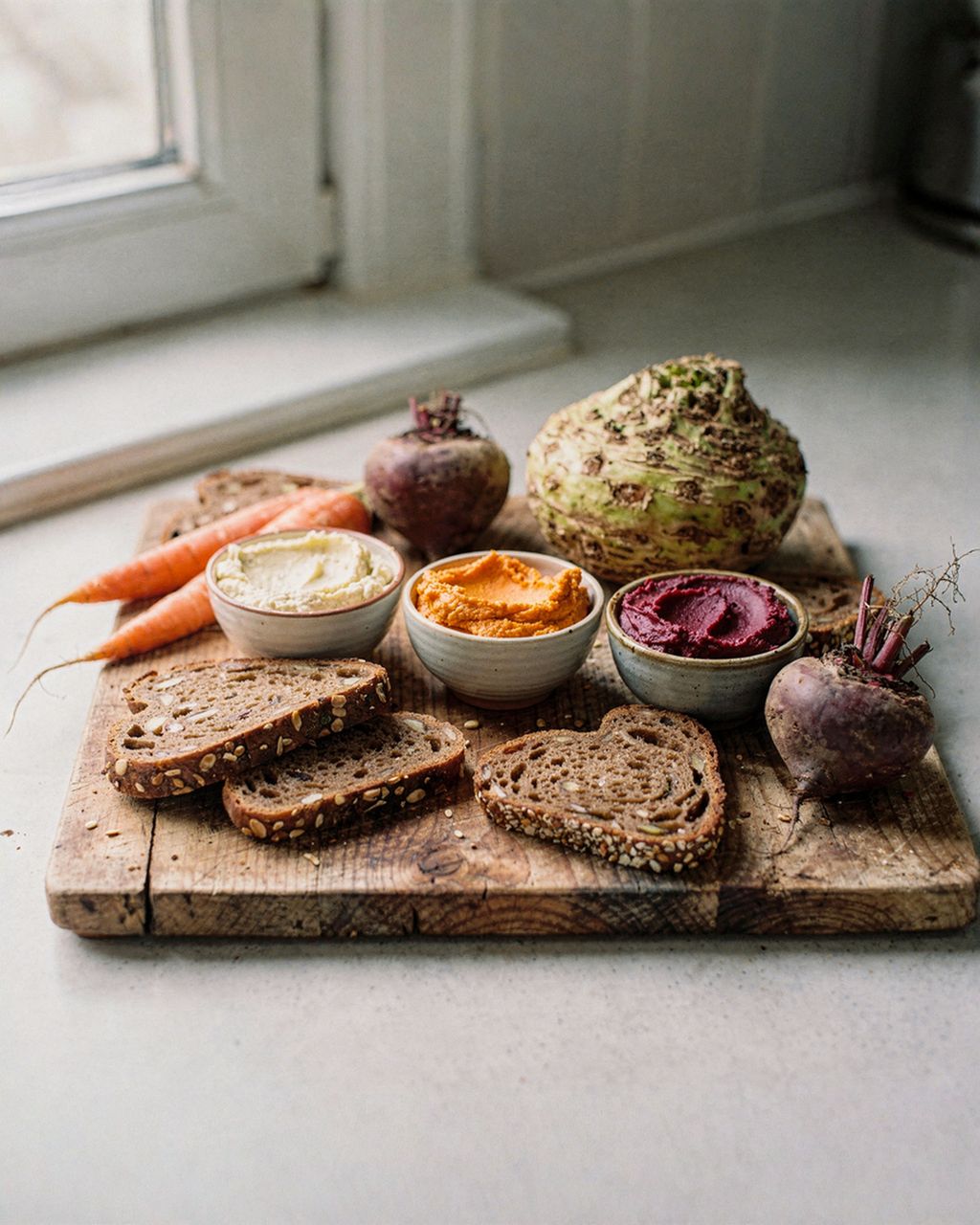
Vegetable: 250 g roasted or boiled vegetables (carrot, beetroot, celeriac) + 120 g curd cheese or cream cheese. Roasted veg is drier than boiled, so cut back the fat if using boiled.
Legume: 250 g drained chickpeas + 50 ml oil + 30 g tahini + 2–4 tablespoons aquafaba. The 2:1 rule doesn't apply here — legumes need liquid, not fat.
Meat (ham mousse, lard spread, salami spread): ratio of 1:1, so 150 g of the meat base to 150 g softened butter. Meat is salty and full-flavoured, so the fat balances it out.
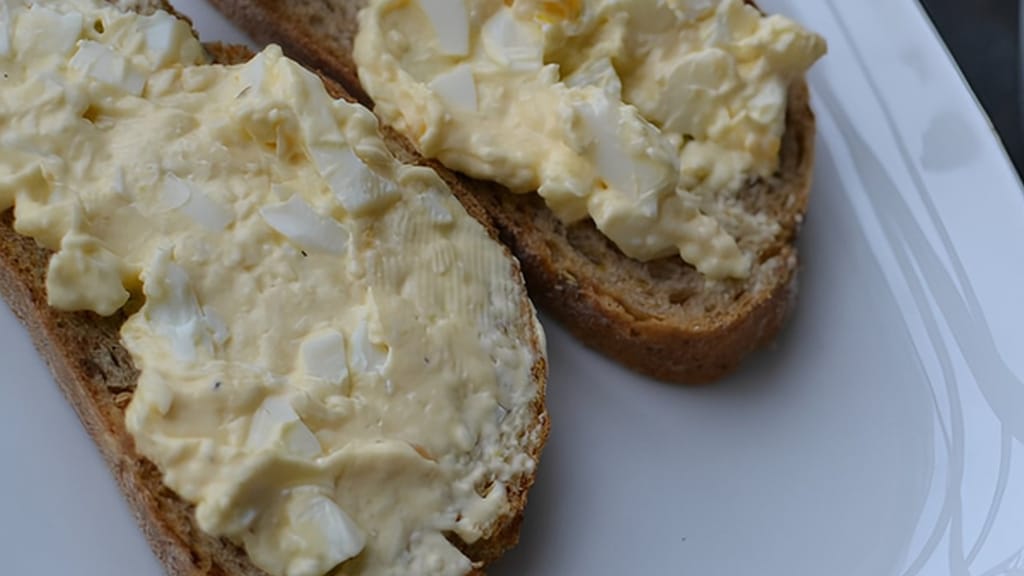
Egg spread – easy and unbelievably good
Egg sandwich spread — a ready-made egg-to-fat ratio that holds its shape

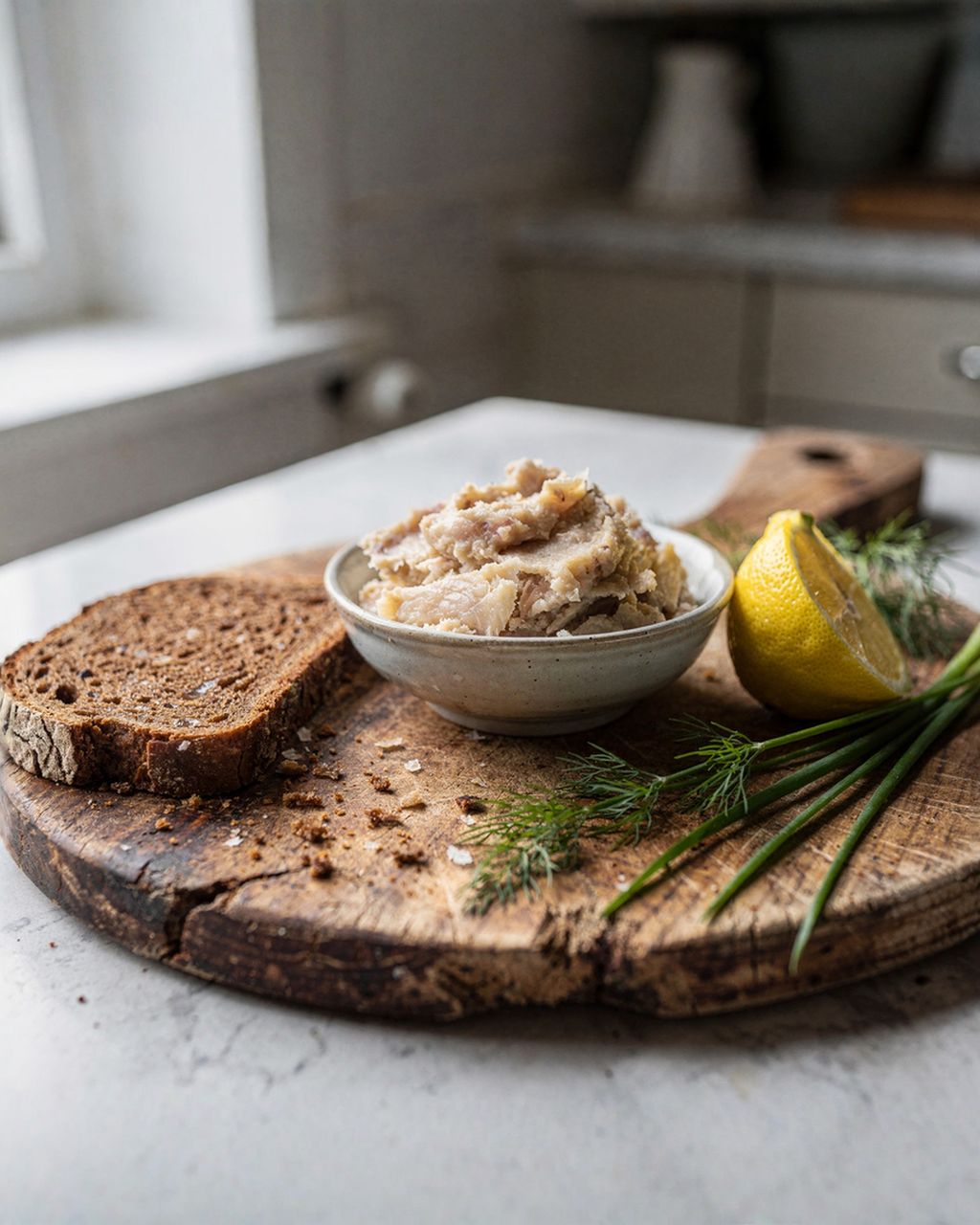
Smoked salmon spread
Salmon spread: a fish base at a 1.5:1 ratio to fat

Curd cheese and carrot spread
Carrot and curd cheese spread — a versatile curd cheese base for sandwiches

Roasted beetroot spread the whole family will love
Roasted beetroot spread: a vegetable base that won't weep water
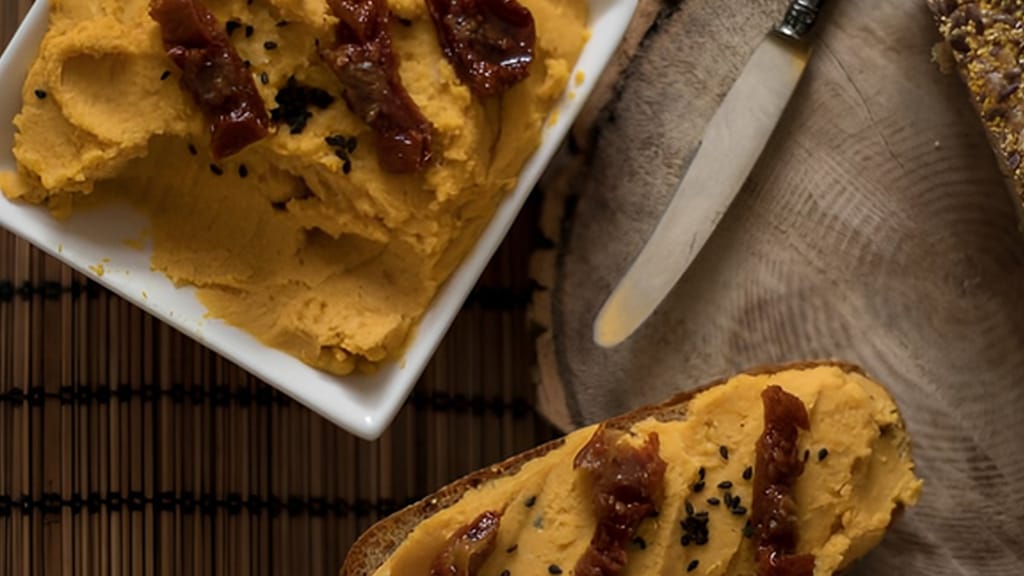
Carrot hummus
Carrot hummus — a dairy-free legume-based sandwich spread
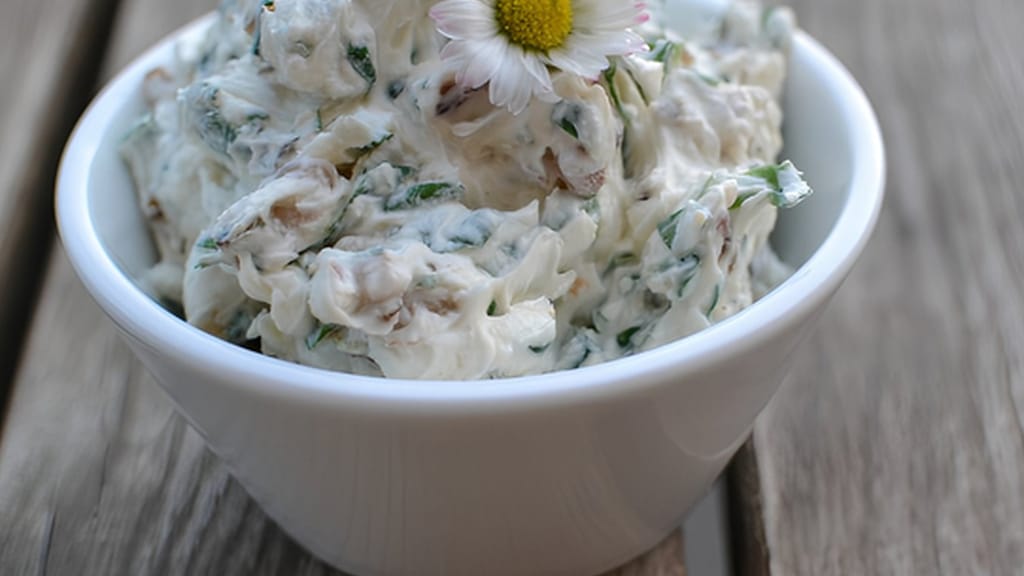
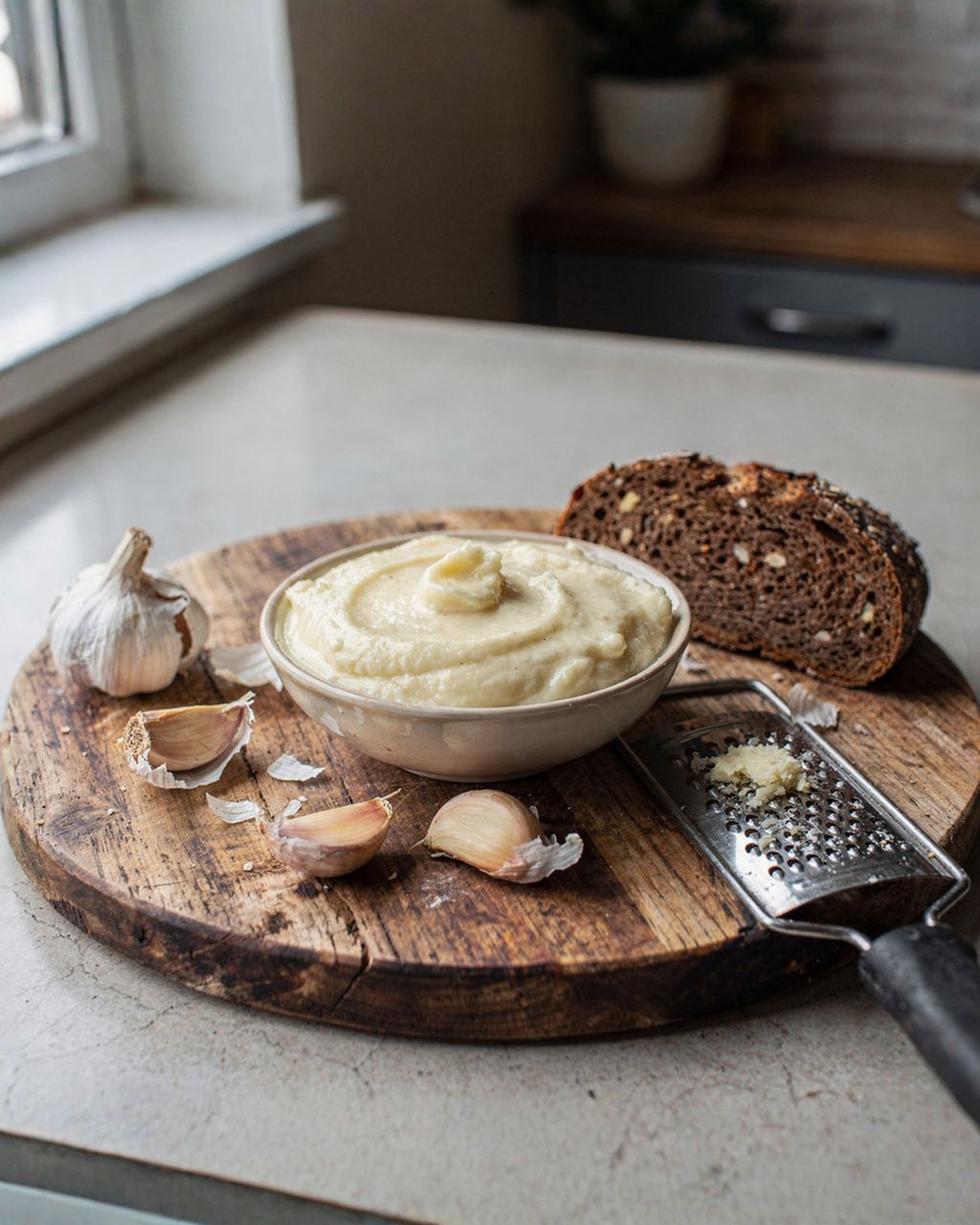
Wild garlic spread
Wild garlic spread: a spring herb take on the curd cheese base
Homemade sandwich spread keeps in the fridge at up to 5°C for roughly 2 to 5 days, depending on type. Treat this as a home-kitchen guideline, not a substitute for food safety rules — freshness of ingredients and how quickly the spread went into the fridge both matter. The more raw water and animal protein it contains, the shorter its life.
Egg: about 2 days. Egg and mayonnaise are the most sensitive components.
Fish: about 2 days; if using fresh (unsmoked) fish, use it the same day.
Curd cheese and cheese: 3–4 days.
Vegetable and legume: 4–5 days.
With grated raw vegetables added: one day less than the base would otherwise allow.
Two things that genuinely help a spread last longer: store it in a sealed glass container (plastic holds onto smells and is harder to clean) and always use a clean spoon — a knife dipped back in after spreading a sandwich carries crumbs and bits of bread back into the container. Neither trick, though, replaces proper chilling.
Flavour is a separate issue: a teaspoon of mustard or lemon juice will freshen up a spread that's been sitting a while.
Only legume- and vegetable-based spreads without dairy freeze well — they'll keep 2–3 months, and after thawing in the fridge you just need to stir them back together. Don't freeze spreads made with curd cheese, cream cheese, mayonnaise, or egg: freezing breaks the emulsion, so the liquid separates and the egg turns grainy once thawed. If you want to prep ahead, freeze just the base (roasted veg, cooked legumes) and stir in the fat fresh.
The closest swap is well-drained curd cheese mixed with sour cream in a 2:1 ratio, plus 1 teaspoon of full-fat mustard per 250 g. The mustard brings that sharp edge mayonnaise is really there for. Plain yoghurt alone won't cut it — it's too thin, and the spread will weep water within a few hours. Cream cheese or mashed avocado also work, though avocado needs a squeeze of lemon to stop it browning.
A grainy spread almost always means the fat was too cold and never emulsified with the curd cheese. Leave the whole bowl at room temperature for 20 minutes, then whisk it by hand or with an electric whisk — in most cases the lumps will smooth out on their own. If not, push the curd cheese through a fine sieve first, then fold it back into the fat. A food processor won't fix it: it warms the mixture up and makes it weep water instead.
Browning comes from surface oxidation, and drying out comes from evaporation at exposed edges — both can be slowed down. Avocado, banana, apple, and raw mushroom darken fastest in a spread; a teaspoon of lemon juice keeps them lighter for a few extra hours. Egg and curd-based spreads don't brown, but they do form a dry skin on the surface, so keep sandwiches covered with cling film or a damp cloth until serving, and keep the finished platter in the fridge as long as possible.
Yes, but it needs to be smooth with no lumps — anything bigger than 2 mm will clog the nozzle. For piping, make the spread without chopped veg or shredded ingredients, blitz it smooth or push it through a sieve, then chill it for 30 minutes to firm up. The ideal texture is one where a knife line holds its shape but the mixture can still be pressed with a finger. Curd cheese or cheese-based spreads pipe well; egg-based ones don't.
One recipe worth heating the oven for, one tip, and one deal from the shop. Nothing else.