Sandwich Spreads: The Ratios and Texture That Actually Work
Making Open-Faced Sandwiches a Day Ahead: What to Prep in Advance So They Stay Fresh and Never Go Soggy
Updated Nov 3, 2026
Don't assemble Czech-style open-faced sandwiches (chlebíčky) a whole day ahead. Even with butter under the spread, the edges turn dry and crusty by morning, and the softer toppings release water. You can still do almost all the work the day before: boil the eggs, make the spreads, slice and wrap the toppings, and prepare the garnishes. On the day of the party, you just assemble the sandwiches, no earlier than 3–4 hours before serving, and keep them in the fridge under cling film until then.
Making these sandwiches a day ahead doesn't work because two things happen in the fridge at once: the edges of the bread and the spread dry out, while moisture from the spread and vegetables soaks into the loaf. A layer of butter slows the soaking by a few hours, but not overnight.
The bread turns hard at the edges by morning and damp in the middle.
Eggs and ham dry out on the surface and darken.
Cucumber, tomato and radish release water, which runs down into the bread.
Mayonnaise and spreads form a dry crust wherever they're exposed.
That's why the sandwiches are assembled no more than 3–4 hours before serving. Everything else you can prepare the day before, so on the day of the party all that's left is assembly.
Seasonal baking plans, tested recipes and kitchen tricks that save you time. Unsubscribe in one click.
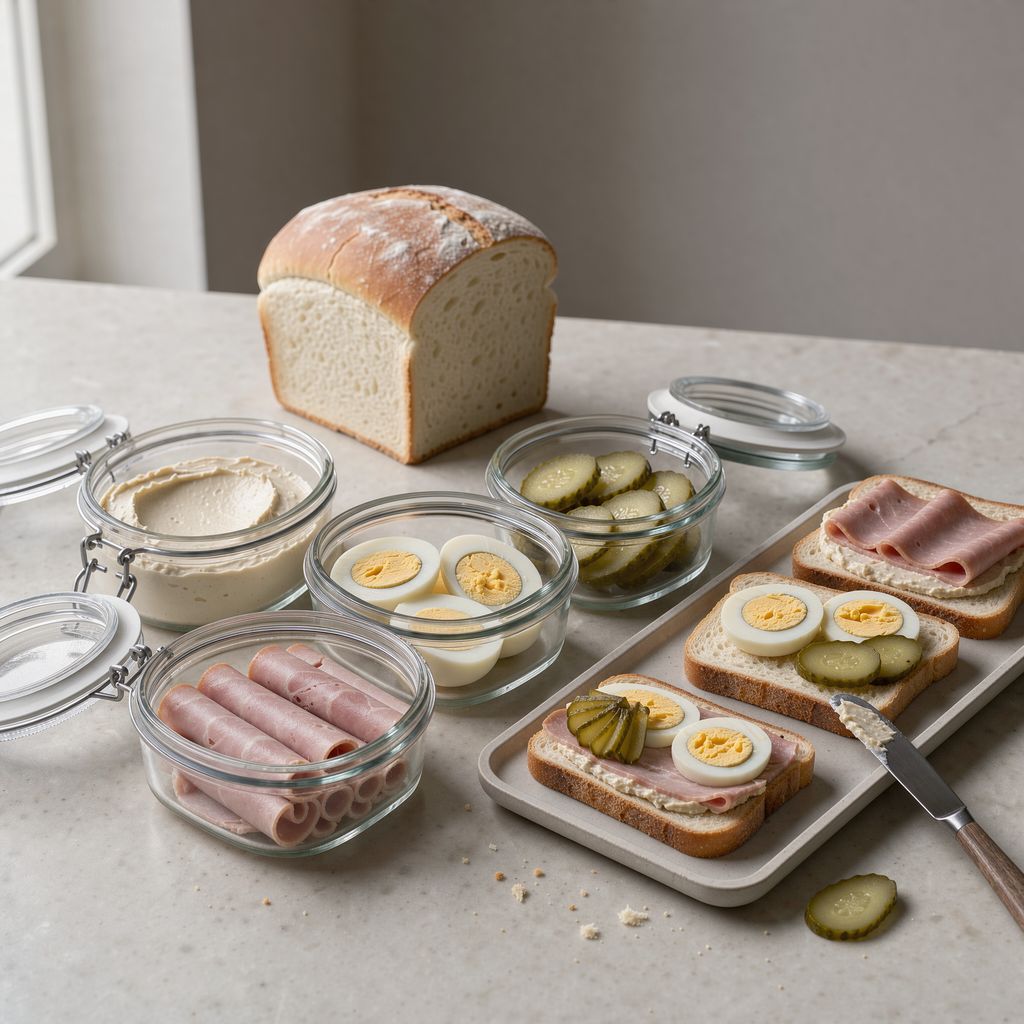
The day before, prepare the spreads, hard-boiled eggs, sliced toppings and garnishes. Store each component separately in a sealed container in the fridge:
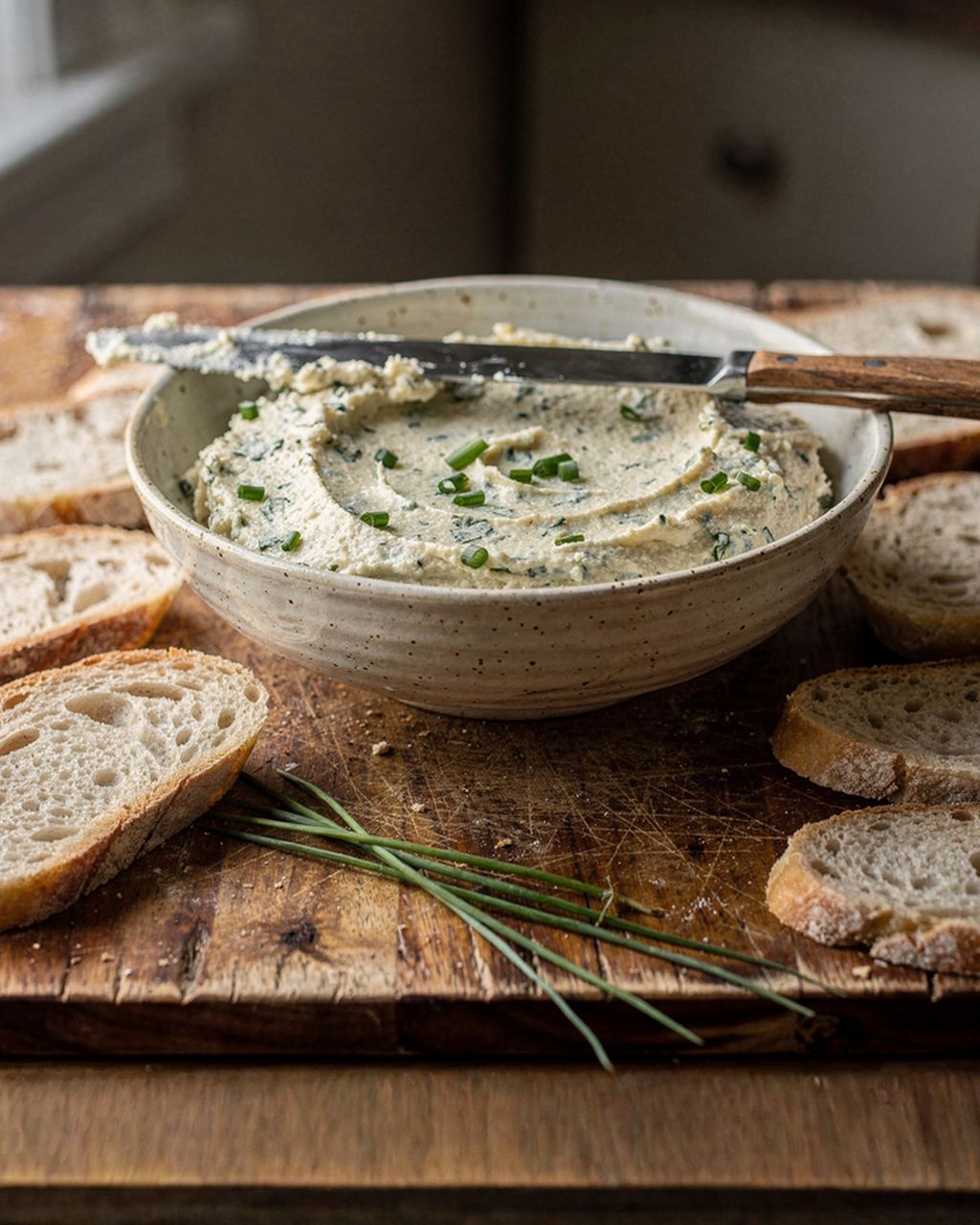
Spreads: stored in a sealed container, they firm up a little overnight and the flavours blend. To learn how to mix them so they don't release water, see the article Spreads for Open-Faced Sandwiches: Basic Ratios and Consistency.
Hard-boiled eggs: boil them and leave them in their shells. Peel and slice them only on the day of assembly.
Ham, salami, cheese: slice and layer with baking paper so the slices don't stick together. Roll up the ham rolls and store them snugly side by side.
Cucumber and pepper garnishes: slice them, but let them drain on a paper towel in a container.
Butter: take it out of the fridge 1–2 hours before spreading, so it's soft and spreads in a thin layer.
Don't slice anything ahead that browns or releases water: tomatoes, radishes, avocado and fresh herbs go on the sandwiches just before serving.
Buy the loaf for your sandwiches a day ahead. Day-old bread slices more cleanly, and the spread soaks into it more slowly than into completely fresh bread, which squashes under the knife.
Wrap the whole loaf in a tea towel or paper bag overnight. Don't leave it sliced, as the rounds would dry out. Slice the rounds 1–1.5 cm (about ½ inch) thick, because a thinner slice turns soggy even if you do everything else right.
Assemble the sandwiches in this order: butter right to the edges, spread, firm toppings, juicy garnishes last, then cover them. Here's how:
Spread the butter in a thin, continuous layer all the way to the edges. It works as a fat barrier between the spread and the bread.
Spread the spread evenly, right to the edge. Uncovered crumb is where the sandwich dries out.
Lay on the firm toppings – ham, cheese, egg, salami – so they cover as much of the spread as possible.
Put the juicy garnishes – cucumber, tomato, pepper – on top at the very end, patted dry so they don't drip into the bread.
Cover. Stretch cling film over the tray and put it in the fridge. A damp but well-wrung-out tea towel over the film also works well.
Add delicate garnishes such as herbs, radish or caviar pearls during the last half hour. For decorating ideas, see the article Decorating Open-Faced Sandwiches: Ideas for New Year's Eve and Parties.
The traditional protection against drying out is a thin layer of aspic, which delis used to pour over their sandwiches. Aspic forms a glossy film over the toppings, so the ham, egg and vegetables don't dry out or turn brown underneath.
Aspic is made from stock or water with gelatine, and it's brushed on or spooned over chilled sandwiches once it starts to set. Sandwiches with aspic stay looking nice on the tray for longer, but don't make them a day ahead even with it, because the bread underneath goes soft just the same.
Prepare canapés the same way as the sandwiches: spreads the day before, assembly no more than 3–4 hours before the guests arrive. You can cut out the bread rounds ahead and freeze them, and once thawed they spread well. For a full New Year's Eve timeline, see the article New Year's Eve Canapés: 15 Ideas and Prep-Ahead Plan.
We don't recommend assembling the sandwiches in the evening to serve at lunchtime the next day. After 15 hours in the fridge, the edges dry out and the bread under the spread turns damp. In the evening, make the spreads, boil the eggs and prep the toppings, then assemble the sandwiches in the morning. Assembly takes far less time than preparing all the individual components.
Stretch cling film over the whole tray so that it only lightly touches the garnishes, then put the sandwiches in the fridge. A damp but well-wrung-out tea towel over the film also helps prevent drying. Never put the towel directly on the sandwiches, as it would make them soggy.
Yes, you can freeze the loaf, ideally already sliced into rounds and layered with baking paper. Thaw it in a sealed bag at room temperature for about an hour so it doesn't dry out. The thawed rounds are easy to spread, and the spread soaks into them no more than it would into a fresh loaf.
Don't slice tomatoes, radishes, avocado, apples or fresh herbs ahead of time. Tomatoes and radishes release water, avocado and apples turn brown when exposed to air, and herbs wilt. Add them to the sandwiches just before serving.
One recipe worth heating the oven for, one tip, and one deal from the shop. Nothing else.