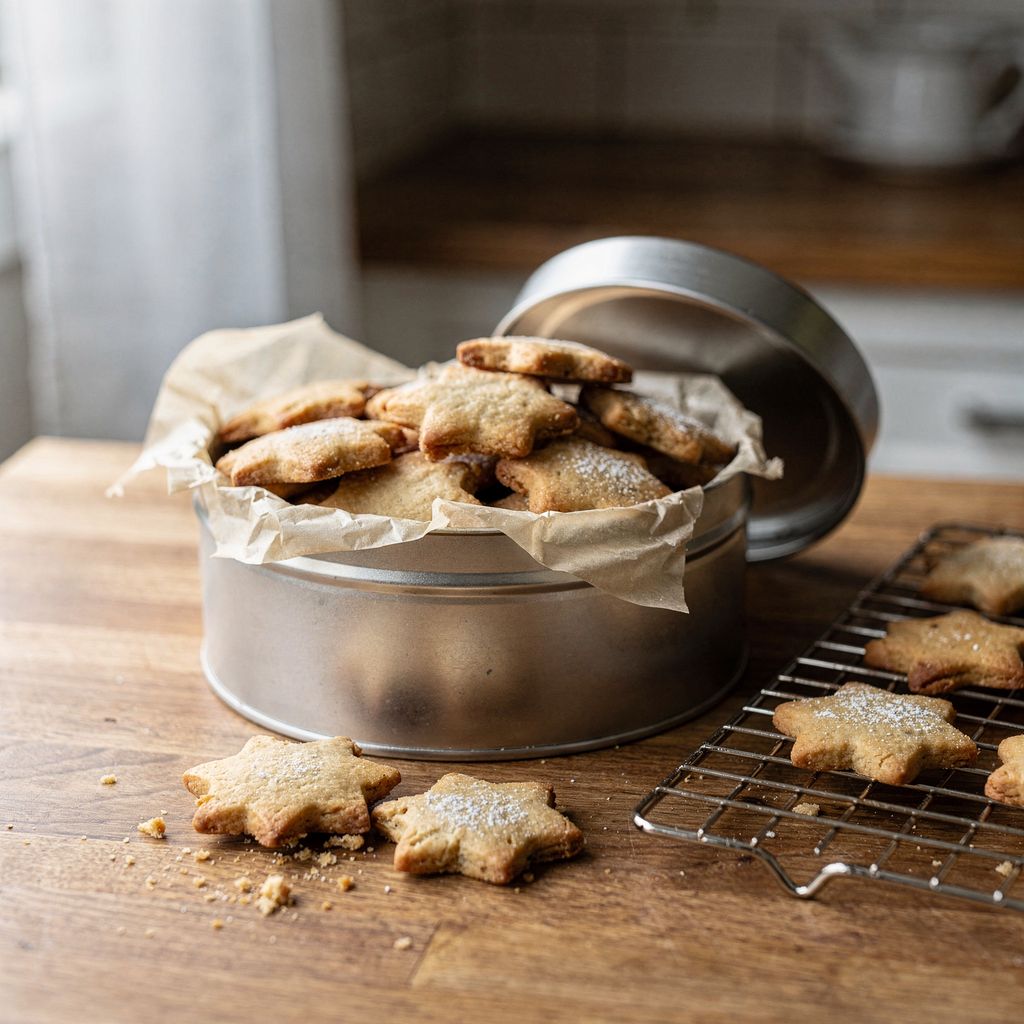
The best christmas cookies? vanilla crescents, of course!
Updated Sep 17, 2026
Christmas cookies go soft almost always for the same reason: they've soaked up moisture — from the air, from their own filling, or from a chewier variety sharing the same tin. Crisp cookies are simply drier than the air around them, and water always moves toward wherever it's scarcer. The good news is that soft doesn't mean spoiled: most types bounce back with ten minutes in the oven. And once you know where things went wrong, you can avoid it next time.
Cookies go soft for one of six reasons: you packed them away while still warm, you mixed crisp and chewy varieties in the same tin, the tin isn't airtight, they weren't baked through enough, the filling or icing leaked moisture into them, or your home is simply humid. Almost always it's one of the first two.
You packed them away while still warm. Warm cookies release moisture as they cool, and inside a closed tin that moisture has nowhere to go — it condenses on the lid and drips back onto the cookies. Let them cool completely on a wire rack, even for a couple of hours if needed. The bottom should feel cold to the touch, not just lukewarm.
You mixed crisp and chewy varieties together. In a shared tin, different types even out their moisture levels: gingerbread and filled jam cookies give off moisture, while crescents and meringues soak it up. Within three days everything ends up equally half-soft, and nothing is quite as it should be. This is by far the most common Christmas baking mistake.
The tin isn't sealing properly. A tin with a warped lid, a jar with no rubber seal, a cardboard box — all of these let moisture in. Here's a five-second test: close the lid over a strip of paper. If you can pull it out with no resistance, the tin isn't sealing.
They weren't baked through enough. A short bake leaves residual moisture inside, which spreads through the whole cookie within a few days and softens even the crisp edge. Delicate types generally need a longer bake at a lower temperature rather than a quick blast — it depends on the type, and it's covered in detail in what temperature to bake Christmas cookies at.
The filling or icing released moisture. Jam, cream, and sugar icing all contain water, and it migrates into the drier cookie. With jam-filled cookies that's intentional; with filled tartlets or decorated gingerbread it's a problem. Fill as late as possible, and use a thick filling rather than a runny one — a wet surface also bleeds color out of sugar sprinkles.
Your home is humid. Cookies stored in a kitchen where you're cooking, or in a pantry against an exterior wall, pick up moisture noticeably faster. Honey and invert sugar speed this up even more, since they're hygroscopic — they actively pull water out of the air. That's exactly why gingerbread softens on its own.
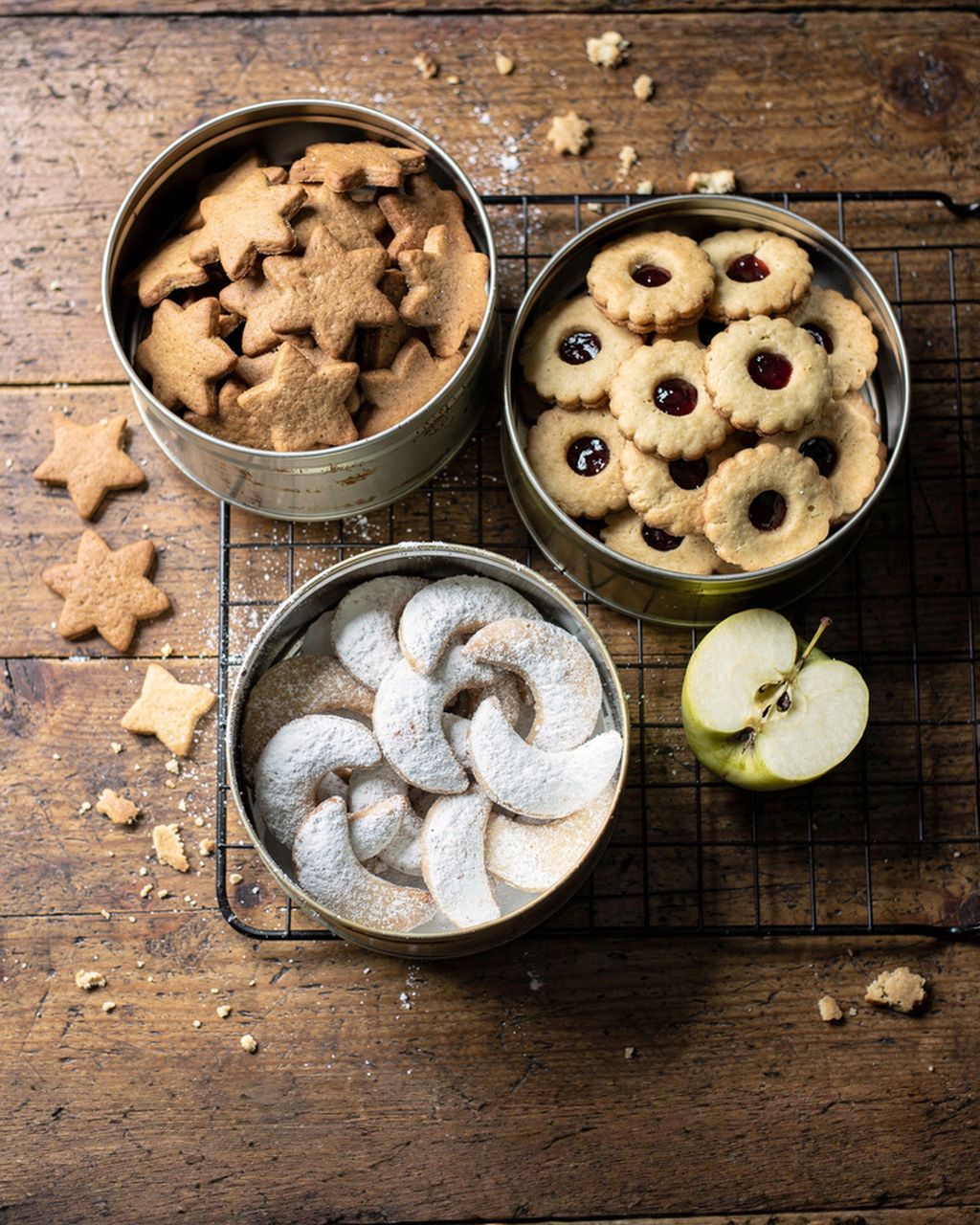
The best christmas cookies? vanilla crescents, of course!
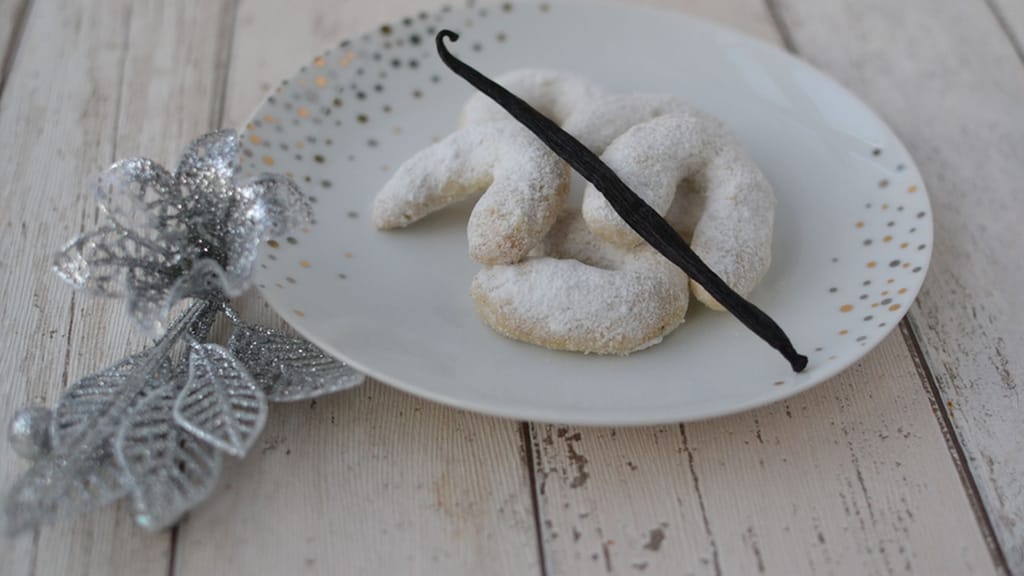
Vanilla crescents are a delicate type — store them separately from gingerbread and filled jam cookies
Cookies lose their crunch the moment moisture inside them crosses a certain threshold — for cookies and crackers, published studies put that around a water activity of 0.35 to 0.6, depending on the type. Below it, they snap cleanly; above it, they turn rubbery within a few days.
Water activity (denoted aw) isn't the same as water content. It's a measure of how free and willing the water in a food is to migrate elsewhere. Freshly baked crisp cookies sit well below that threshold; room air during heating season sits around 0.3 to 0.5, and higher still in a steamy kitchen — and that gap simply evens itself out over time. Cookies don't go soft because something went wrong, but because they behave like any drier object next to damper air.
What's more interesting is why the shift feels so sudden. Sugar and starch in a baked cookie cool into a glassy state: hard, brittle, and snappable. Water acts as a plasticizer in this structure, lowering what's known as the glass transition temperature. Once that drops below your kitchen's temperature, the glass turns rubbery — and the cookie doesn't just soften on the surface, its whole structure shifts state. That's why it's crisp one day and not the next, with no in-between.
And that's exactly why it's reversible: the transition can go either way. Drive the water back out, the structure returns to its glassy state, and the crunch comes back. It just doesn't work once moisture has already dissolved the sugar or melted the icing.
To bring back the crunch, spread the cookies in a single layer on a tray, bake them for 5 to 10 minutes in an oven preheated to 120–150°C (250–300°F), then let them cool completely on a wire rack. That second half matters just as much: they'll come out of the oven soft and only firm up as they cool.
Preheat the oven to 130°C (265°F) (120°C/250°F for fan/convection). Don't go higher — this isn't about baking further, just driving out moisture.
Spread the cookies on a lined baking tray in a single layer, with no pieces touching. Stacked cookies just steam each other inside the pile.
Bake for 5 minutes for thin types, 8 to 10 minutes for thicker ones. Watch the color: as soon as it starts to shift, they're done.
Move to a wire rack and let cool completely, at least 30 minutes. Warm cookies are always soft, so there's no point judging them at this stage.
Store in a dry, airtight tin. Moisture will creep straight back into cookies that are still even slightly warm, and you'll be back to square one.
If they're still soft or rubbery after cooling, give them another five minutes. Doing this twice is fine; a third round usually means you've baked the butter out instead of the moisture, and the cookies will end up dry rather than crisp.
Dry decorated cookies at a lower temperature for longer: 100 to 110°C (210–230°F) for 15 minutes. Sugar icing and royal icing will melt, turn dull, and crack once cooled if the temperature is any higher.
Never put filled jam cookies in the oven at all. Heating thins the jam, pushes even more moisture into the dough, and the glued-together halves will slide apart. If crispness in jam cookies is what you're after, you need to start from unfilled bases — except they're filled precisely so they'll go soft. Why jam cookies are filled specifically to soften is covered in the section When Soft Cookies Are Actually Correct.
You can't bring back the crunch in meringues, chocolate-dipped cookies, no-bake treats, marzipan shapes, or cookies that have gone soft all the way through to the center. The oven trick works for most other types, but not these:
Meringues. Moisture dissolves the sugar inside them, the surface turns damp and sticky. Drying at 90–100°C (195–210°F) for 30 minutes restores about half the crunch, but never the glossy shine.
Chocolate-dipped cookies. Chocolate melts in the oven and turns dull grey once cooled. Better to peel it off, dry the cookie, and dip it again fresh.
No-bake cookies and marzipan shapes. These were never crisp to begin with, and the oven will just make them fall apart.
Cookies that have gone soft right through to the center. If you can press a finger into it, there's so much moisture inside that driving it out in the oven means burning the edges first.
Three things keep cookies crisp: cooling them completely, sorting by texture, and sealing them in a genuinely airtight tin in a cool, dry room. Everything else is just fine-tuning.
Cool on a wire rack, never on the tray. Steam condenses underneath on a hot tray, softening the cookies right where they should be crispest.
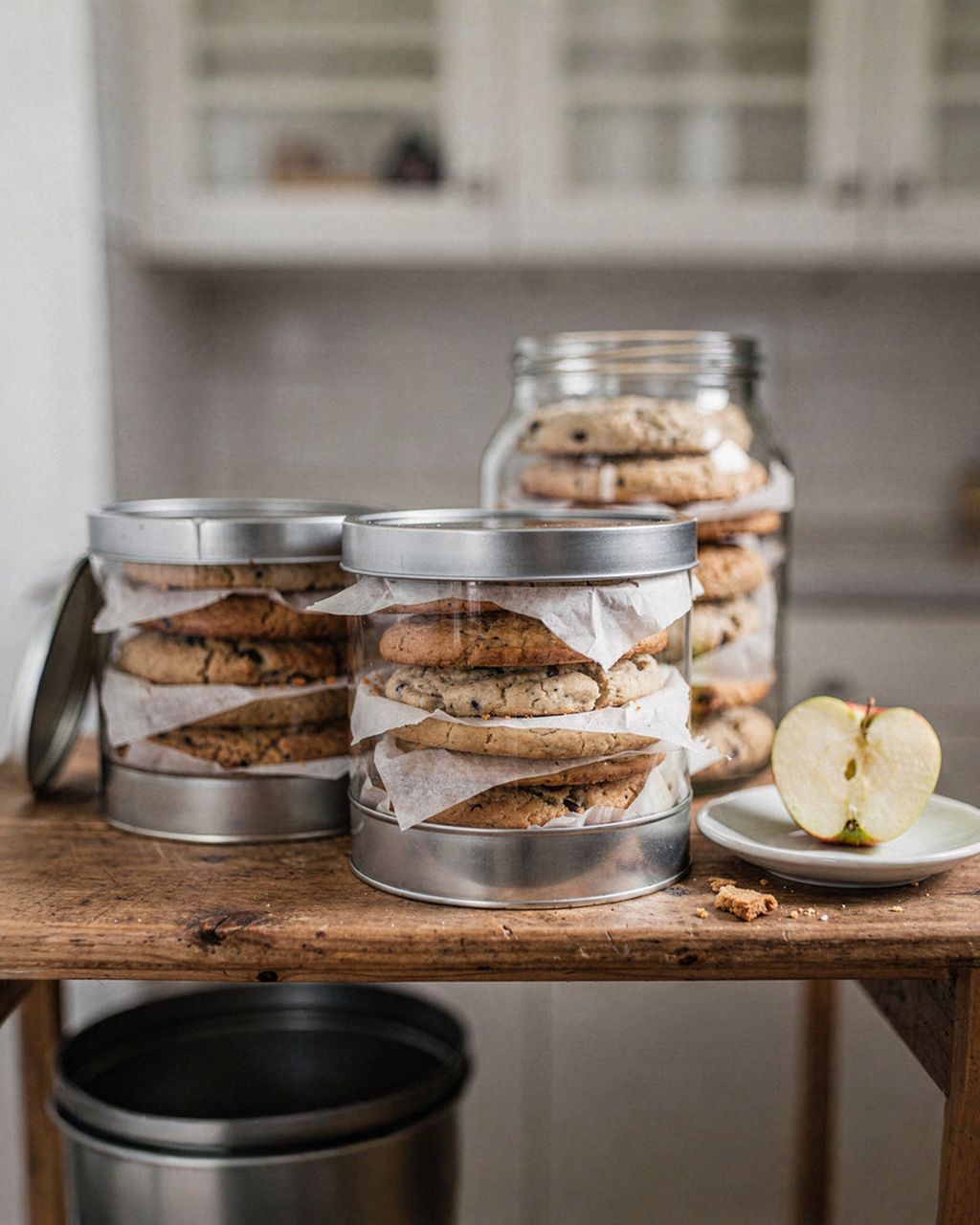
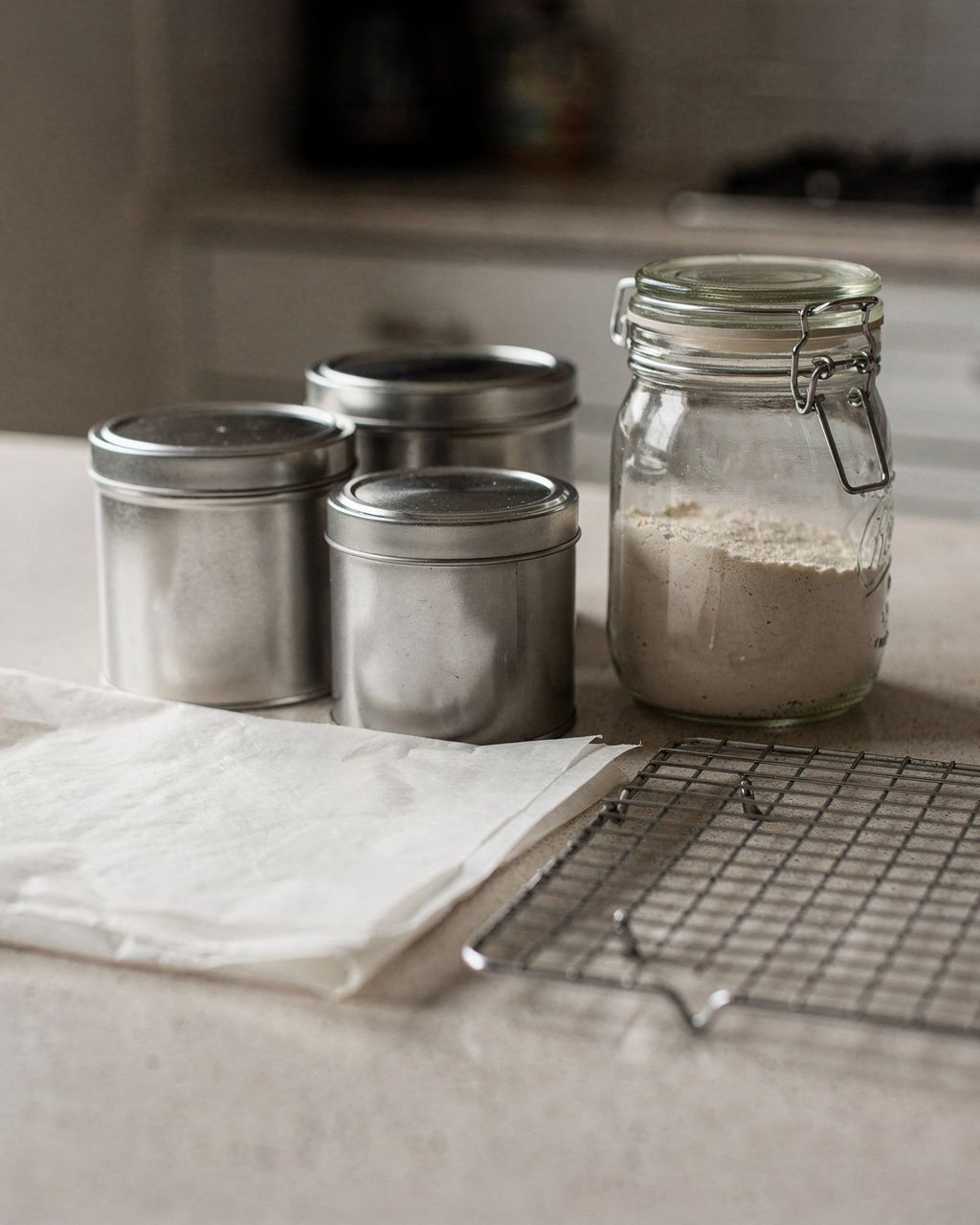
Use a tin or jar with a proper seal. Separate layers with parchment paper, not paper towel — that traps moisture in.
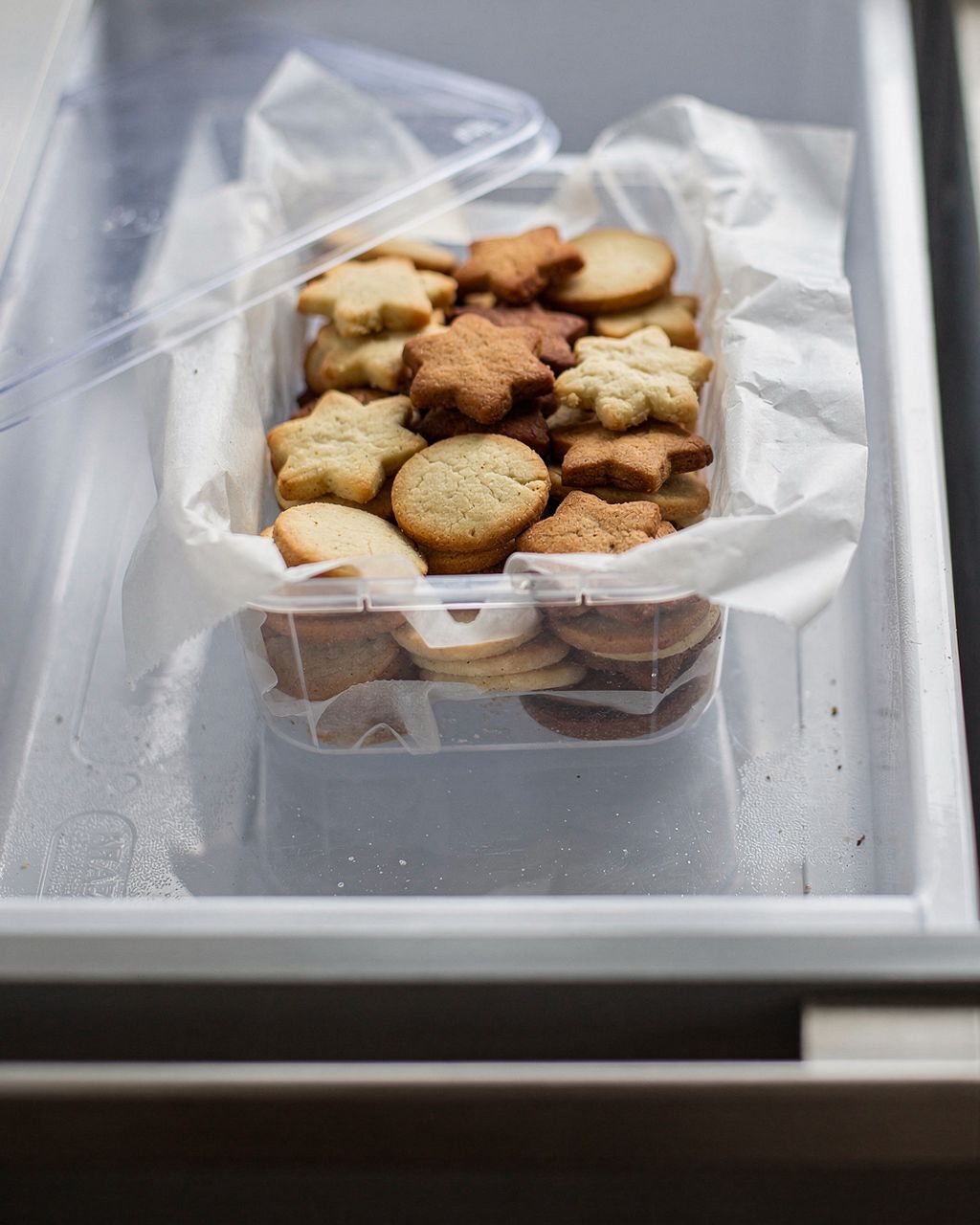
Keep crisp and chewy separate. One tin for crescents, butter cookies, and meringues; another for gingerbread and jam-filled cookies. This one rule alone solves most problems.
Store somewhere cool and dry, ideally 15–18°C (59–64°F). A pantry or cool hallway works well; a cupboard above the oven doesn't; the fridge never does.
Bake delicate types last. The less time they sit around, the less moisture they get a chance to soak up.
Fill and decorate only 2 to 3 days before serving. Undecorated cookies stay crisp far longer than decorated ones.
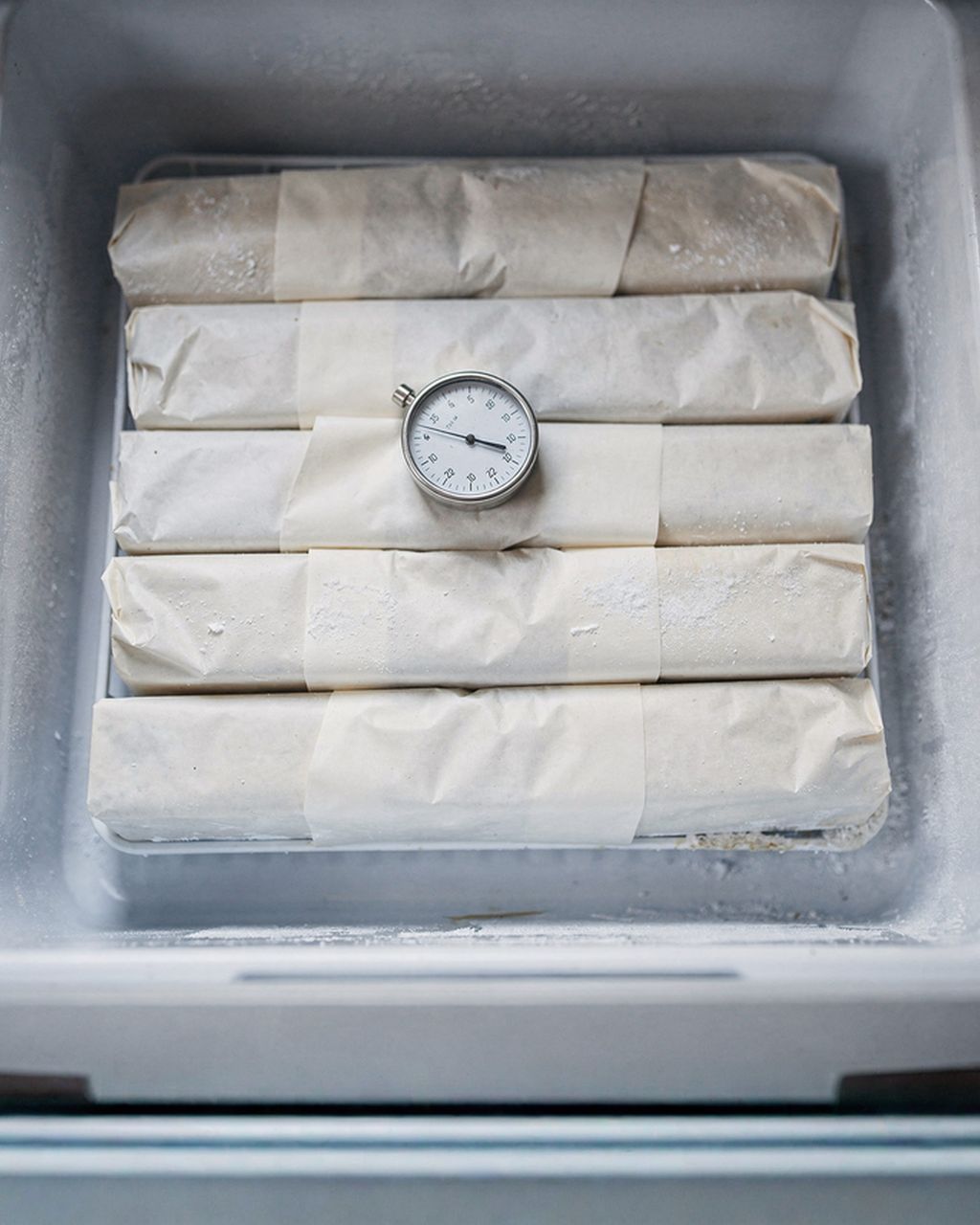
For longer storage, freeze — don't just store. In the freezer, moisture transfer basically stops, and cookies in a sealed bag will keep for months exactly as crisp as when you packed them.
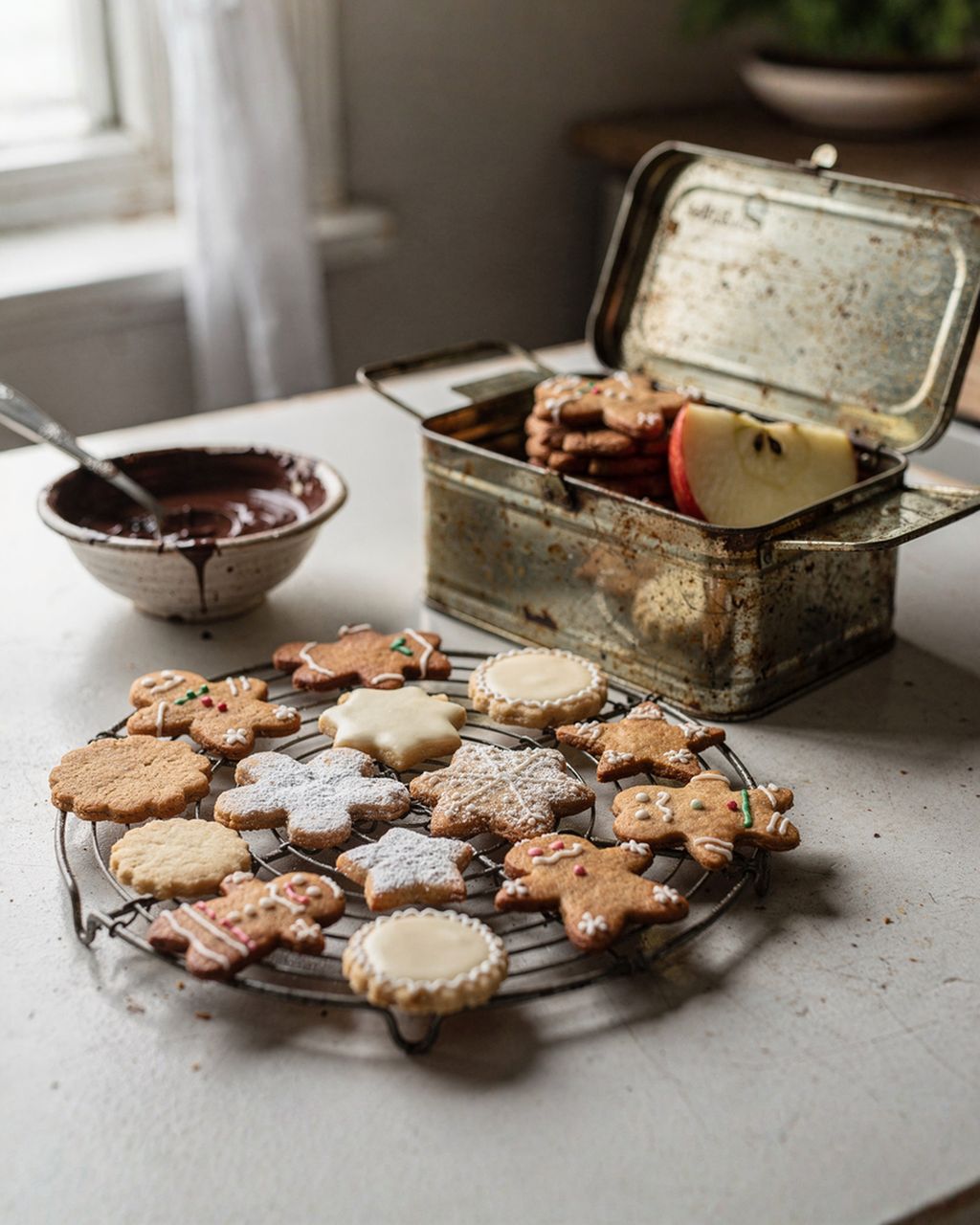
Not every soft cookie is a mistake: jam cookies, gingerbread, and honey dough are deliberately left to rest after baking so they turn tender. For these, softness is the goal, not a flaw — trying to keep them crisp means fighting the recipe itself.
Jam cookies are filled with jam specifically so that moisture from the filling migrates into the dough over two or three days, stopping the cookie from crumbling. If your jam cookies stay hard instead, the problem lies in the dough, not in how you stored them — that's covered in why jam cookies turn hard and how to make them tender.
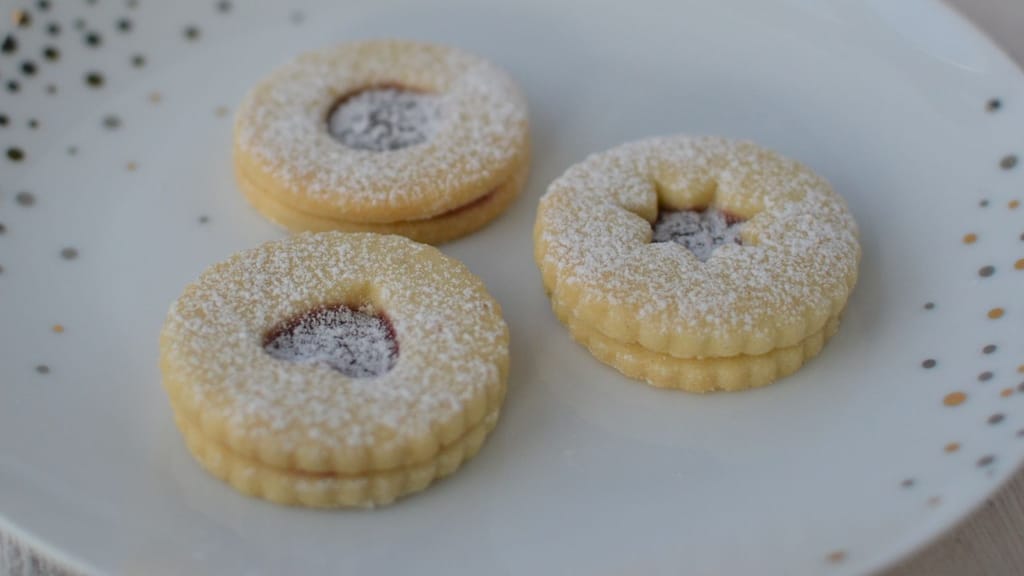
Classic christmas cookies: delicate linzer cookies
Classic jam cookies that properly soften once filled with jam
Gingerbread softens because the honey and invert sugar in the dough actively pull moisture out of the air — freshly baked, it's hard as a tile, and only softens after a week or two. You can speed this up with an apple slice or a piece of bread in the tin — exactly what you should never do with crisp cookies. This is covered in detail in why gingerbread turns hard and how to make it soft and chewy.
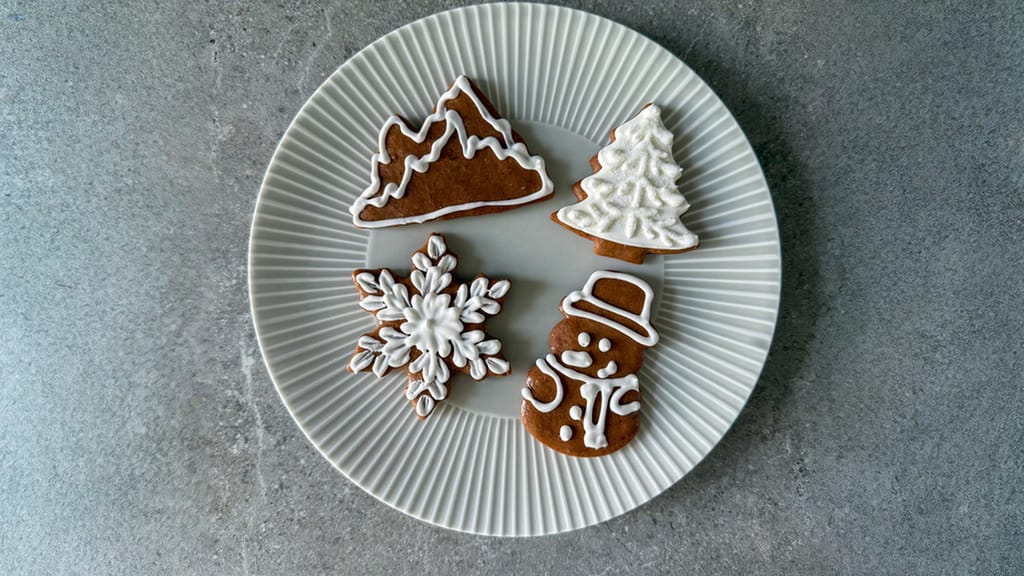
Soft honey gingerbread cookies that never go hard
Soft honey gingerbread cookies that stay chewy even after a week in the tin
Meringues, vanilla crescents, delicate butter cookies, and anything high in fat and low in moisture should stay crisp. Jam cookies, gingerbread, honey slices, and cream-filled cookies should be chewy — for these, softening is part of maturing, not a mistake.
Before you try to rescue your cookies, work out which group they belong to. That same grouping also tells you how to sort them into tins: delicate ones together, chewy ones together.
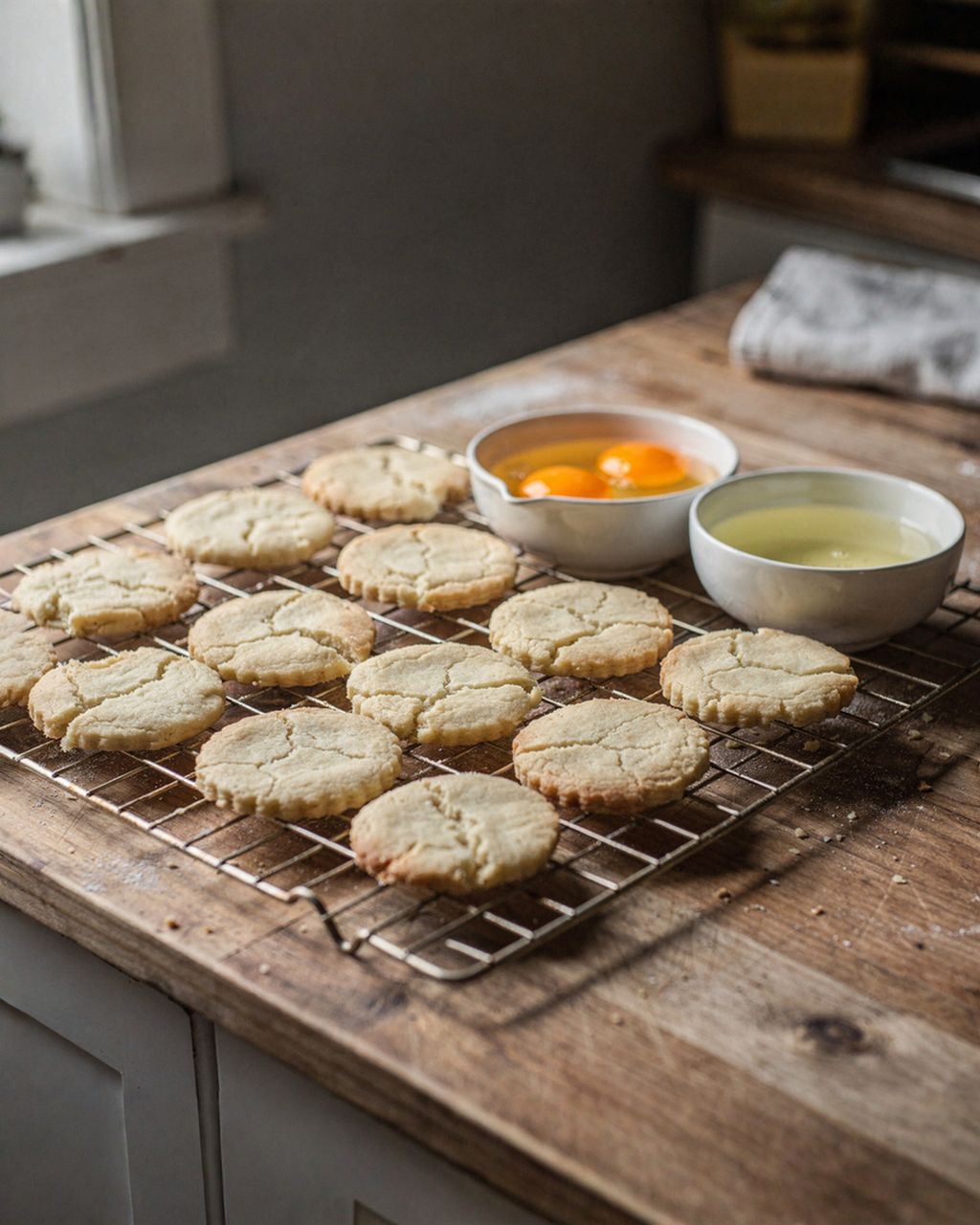
Sugar christmas cookies - crisp and delicate
Classic sugar Christmas cookies — a delicate type that needs to stay in a dry tin
In a properly sealed tin kept in a cool, dry room, delicate undecorated cookies stay crisp for roughly two to three weeks. Butter cookies and vanilla crescents last longest, while meringues and thin wafers hold up shortest — expect more like a week for those. Filled and decorated cookies soften from the inside out because of the filling and icing, so fill them just a few days before serving; for longer storage, freeze the undecorated bases instead.
No, neither rice nor bread will save your cookies. Bread and apple slices actually release moisture into the tin — that's a trick for softening gingerbread, not for keeping things crisp. A bag of rice can only absorb a negligible amount of water compared to what the cookies themselves give off. Only two things actually work: cookies that are completely dry to begin with, and a truly airtight tin.
Yes, the fridge is the worst place for crisp cookies. Humidity inside is high, and every time you take the tin out, moisture from the room condenses on the cold surface. Store cookies in a cool, dry room at 15–18°C (59–64°F); the fridge should be reserved only for cream- or cream-filled cookies, which aren't meant to be crisp anyway.
Cookies turn soft and sticky after thawing because moisture from the room air condenses on their cold surface. Let them thaw sealed inside the tin or bag until they reach room temperature, and only then open it up. If they still come out soft, just 5 minutes at 130°C (265°F) and a cool-down on a wire rack will fix it.
Cookies firm up only after cooling because crispness develops during cooling, not baking. Hot sugar and melted fat are soft and pliable; only once the temperature drops does the sugar structure shift into a glassy state and the cookie starts to snap. That's why you should never judge doneness on a warm cookie, and why cookies should be moved off the tray carefully.
One recipe worth heating the oven for, one tip, and one deal from the shop. Nothing else.