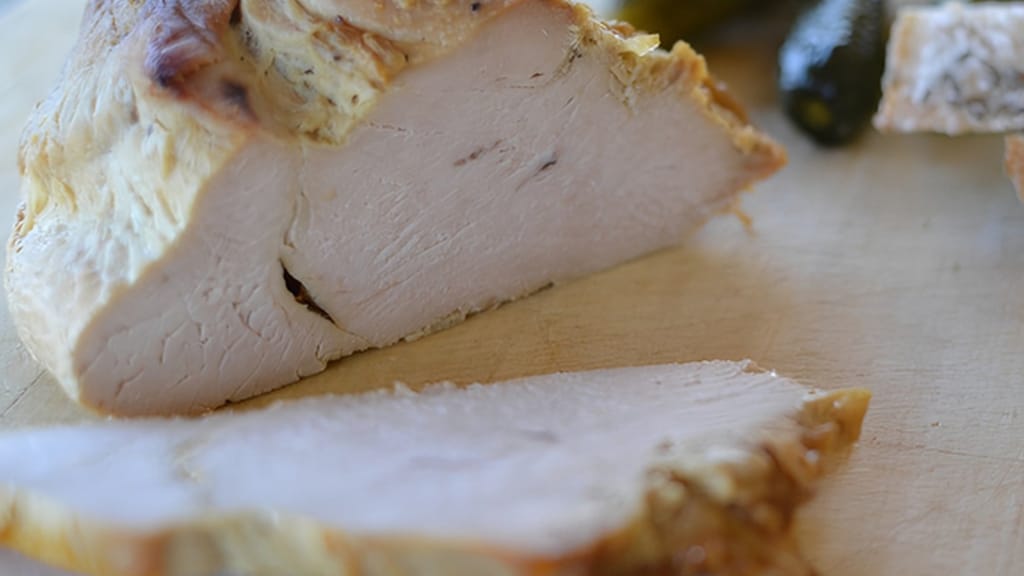
Slow-roasted turkey breast
What to Cook With Turkey: Breast, Thighs, Ground and Leftover Turkey, Without Dry Meat
Updated Nov 18, 2026
You can cook almost anything with turkey that you'd make with chicken. You just have to treat it according to the cut in your hand. Breast is lean and dries out fast, so it needs short cooking and a thermometer. Thighs are tougher and fattier, and they're best after long braising. Ground turkey needs extra moisture, the neck and wings belong in stock, and leftovers become salad, soup or risotto. Every cut of turkey is done at 74°C (165°F) inside. Below you'll find a method for each cut that keeps it from drying out, with links to our recipes for the dishes.
Turkey is done and safe when the thickest part reaches 74°C (165°F). This applies to everything: breast, thighs, wings, ground meat and stuffing. The US food safety agency (USDA/FSIS) gives the same limit, 165°F or 74°C, for all poultry, whether you roast, braise or grill it.
You can't tell by color. Turkey can stay slightly pink even when it's long since cooked through, and it can also turn white before it reaches a safe temperature. That's why you need a thermometer. You buy it for safety, but it saves juiciness just as much: without one, people cook the meat longer to be sure, and that's how dry turkey happens.
How to measure properly:
Breast: push the tip into the thickest part, horizontally from the side, not from the top.
Thighs: measure the inner side of the thigh as close to the bone as possible without touching it, because the bone is hotter than the meat.
Ground meat: measure the center of the thickest patty or meatball.
Carryover heat: a large piece gains another 2–4°C (4–7°F) after it comes out of the oven. You can pull the breast at 71–72°C (160–162°F) and let it rest for 10 minutes under loosely laid foil. After resting, measure again and check that it has reached 74°C (165°F).
We send seasonal cooking and baking plans and recipes made from everyday ingredients. Unsubscribe in one click.
To keep turkey breast from drying out, you need four things: salt it ahead, even out its thickness, cook it at a lower temperature and pull it at 71–72°C (160–162°F). Breast meat has only about 1.5–2.5 g of fat per 100 g, so it can't cope with overcooking. The further the temperature goes past 74°C (165°F), the more the proteins tighten and squeeze the water out of the meat.
A method that always works:
Salt it ahead. Season the breast with about 1% salt of its weight (10 g per kilo) and leave it uncovered in the fridge for at least 4 hours, ideally overnight. Salt loosens the structure of the muscle proteins, so the meat holds more water as it cooks. A brine is quicker: 50–60 g of salt per liter of water, leave the breast in it for 2–4 hours, then pat it dry.
Even out the thickness. Breast is thick at one end and thin at the other. For the skillet, pound it or slice it into cutlets of equal thickness. For roasting whole, tie it with kitchen twine into a cylinder.
Cook at a lower temperature. At 150–160°C (300–320°F) the meat cooks evenly and the edges don't dry out before the center warms through. At the end you can raise the heat to 220°C (425°F) for 5–10 minutes to brown the surface.
Go by the thermometer, not the clock. Pull the breast at 71–72°C (160–162°F), let it rest for 10 minutes, then check that it has reached 74°C (165°F). That way not all the juice runs out onto the board when you slice it.
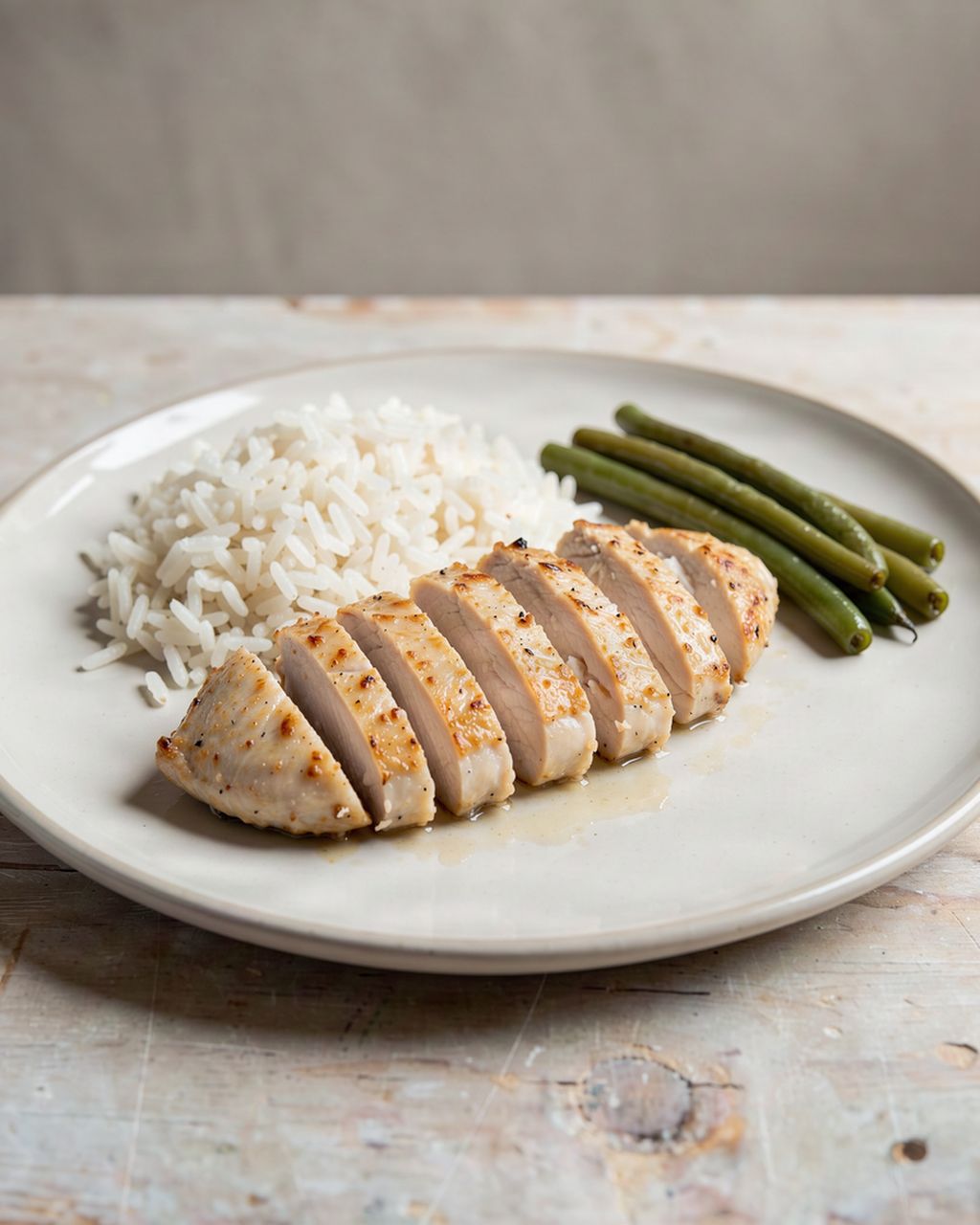
Choose according to what you're cooking. Turkey breast with skin is better for roasting whole, because the skin protects the meat, lets fat baste it and turns golden. Skinless turkey breast suits cutlets, strips and roulade. For these, a thin coat of oil or butter and a shorter time help.
All four principles apply to chicken as well. The article what to cook with chicken breast so it isn't dry goes into more detail.
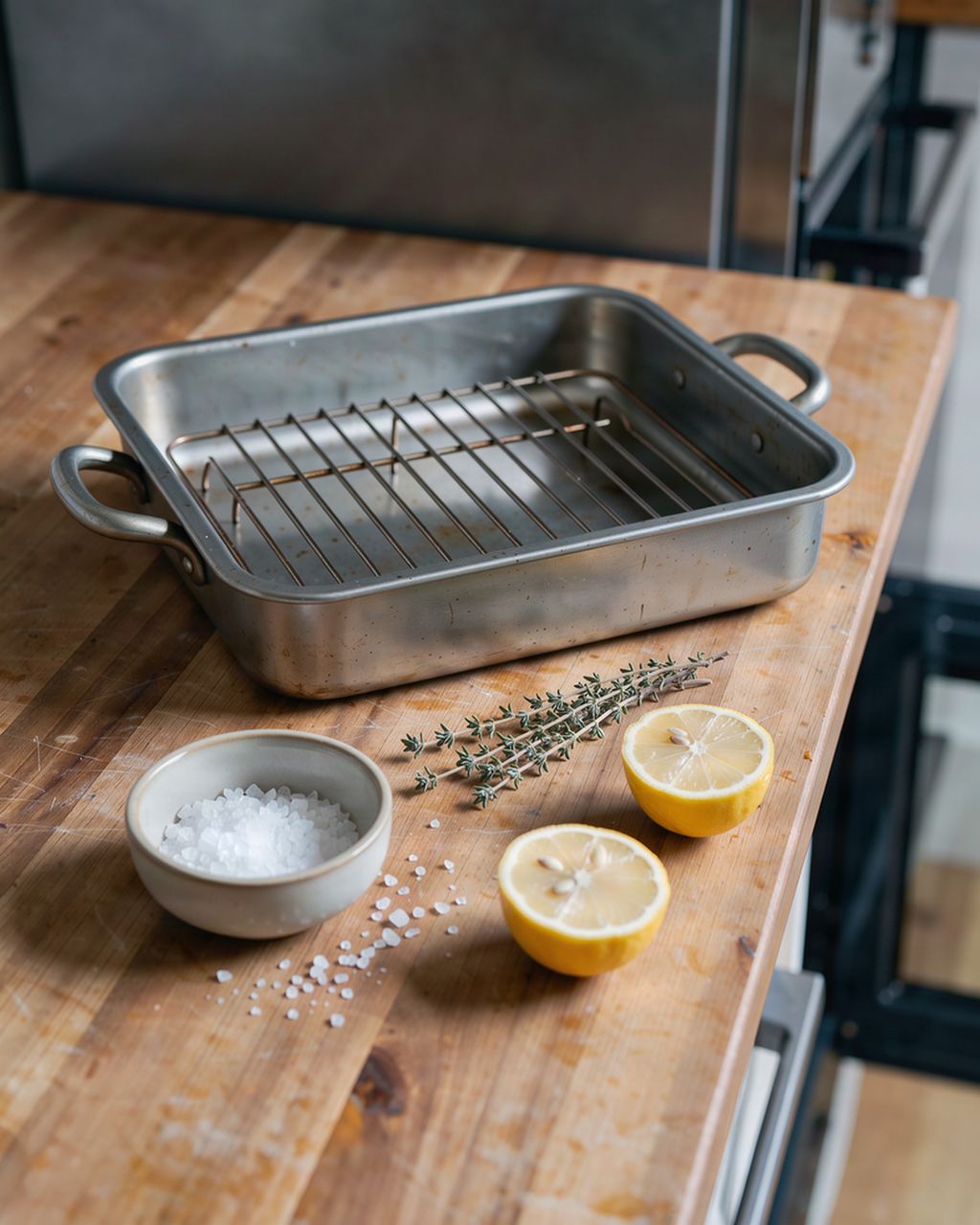
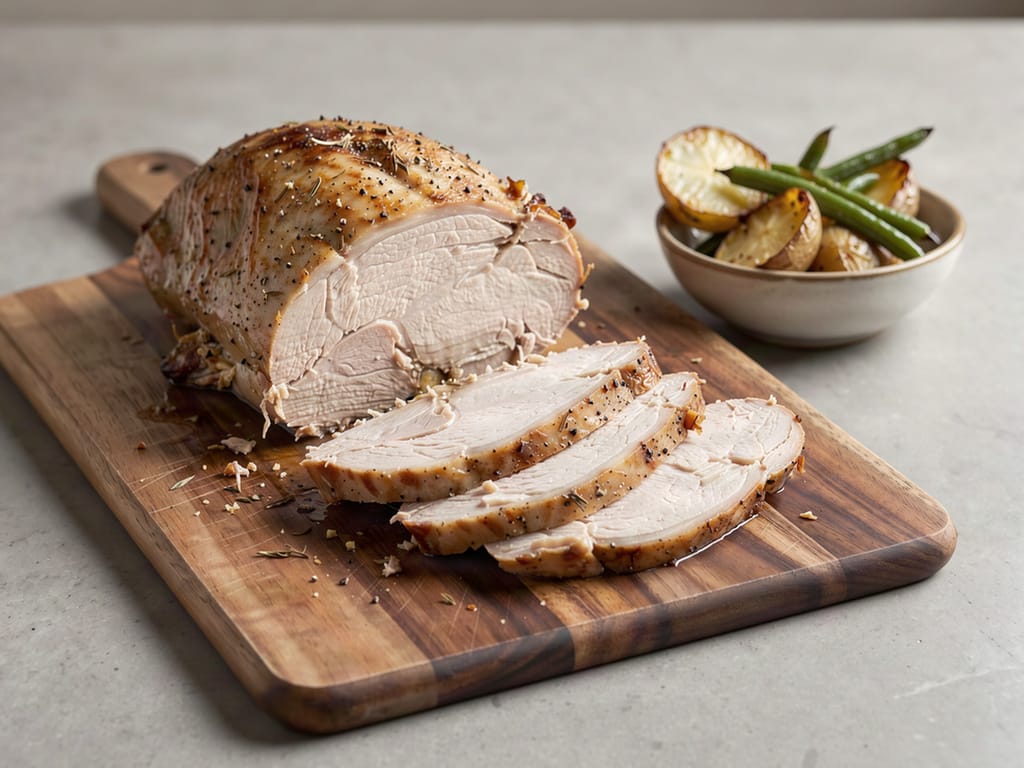
Slow-roasted turkey breast is the surest way to a juicy whole breast, because at 140–150°C (285–300°F) it cooks evenly right to the center. Rub the salted, tied breast with oil or herb butter, set it in a roasting pan on rings of onion and add a little water or stock. Roast it covered until it reaches 71–72°C (160–162°F) inside, then uncover and brown it for a few minutes, let it rest and check that it has reached 74°C (165°F) inside. The juices left in the pan make a quick sauce. The full method is in the recipe for slow-roasted turkey breast.
Slow-roasted turkey breast
Slow-Roasted Turkey Breast
A turkey roulade solves the uneven thickness of the breast: a pounded sheet 1 cm thick cooks the same all the way through. Open the breast out, pound it between sheets of plastic wrap, season it, spread on the filling, roll it up and tie it. The filling helps: vegetables, cheese or ham keep moisture inside and add flavor to lean meat. Brown the roulade on all sides in a skillet and finish it in a 160°C (320°F) oven until it reaches 72°C (162°F) inside, rest it for 10 minutes and check that it has reached 74°C (165°F). You'll find a spring version in the recipe for turkey roulade stuffed with white asparagus.
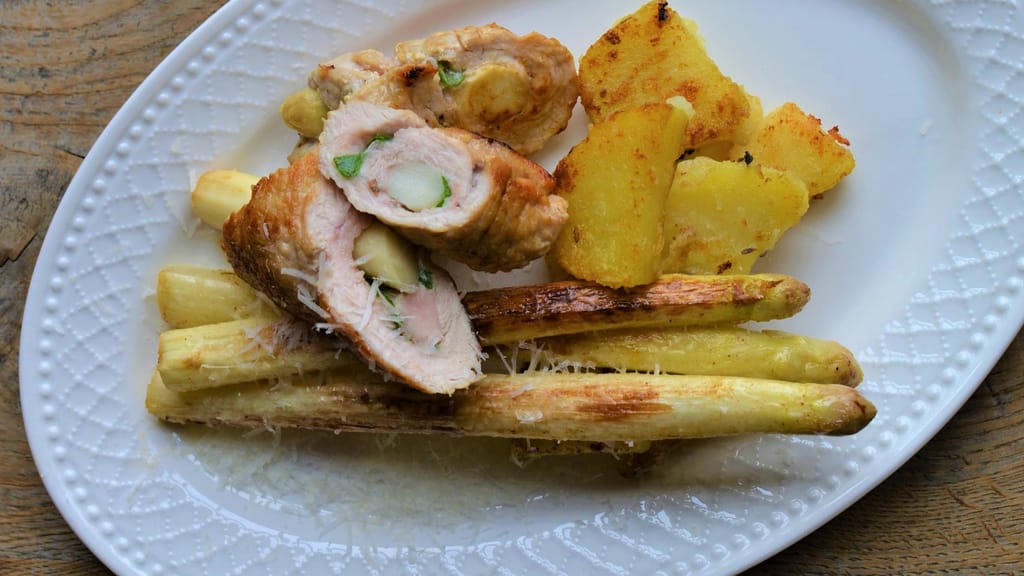
Turkey roulade stuffed with white asparagus and roasted asparagus
Turkey Roulade Stuffed With White Asparagus
Turkey strips are the quickest dish you can make from turkey breast, ready in 3–4 minutes in a skillet. Cut the meat across the grain into strips about 1 cm thick and coat them in a teaspoon of starch with soy sauce or salt. The starch forms a thin layer that holds in the juices. Sear them hard in a hot skillet in two batches so they don't steam, and return them to the vegetables and sauce only to warm through. Long simmering in a sauce dries out the strips most, so add them back at the very end.
Boneless turkey breast roasts at 160°C (320°F) for roughly 60–75 minutes per kilogram. For bone-in breast, allow longer. The time is only an estimate, though. Thickness matters more than weight, and it also makes a big difference whether the meat went into the oven cold from the fridge. The thermometer decides when it's done: pull it at 71–72°C (160–162°F) and after resting it must reach 74°C (165°F).
Approximate times at 160°C (320°F) (convection 150°C / 300°F):
Boneless breast, 500 g: 35–45 minutes
Boneless breast, 1 kg: 60–75 minutes
Boneless breast, 1.5 kg: 80–100 minutes
Bone-in breast, 2–3 kg: 1¾–2½ hours
Roulade, 800 g–1 kg: 50–65 minutes after searing in a skillet
1.5 cm cutlets in a skillet: 2–3 minutes per side
Three things that change the time:
Meat from the fridge: if you let it sit at room temperature for 30 minutes, it cooks more evenly and a little faster.
Covering: under a lid or foil the meat cooks in steam and a little faster, but it doesn't brown. Uncover it for the last 10–15 minutes.
The oven: thermostats are often off by 10–20°C (20–35°F). If your meat regularly takes longer or less time than it should, check the temperature with an oven thermometer.
Turkey thighs and thigh meat are best braised or slow-roasted to 80–90°C (175–195°F) inside, when the collagen melts and the meat turns tender. Unlike breast, you don't need to worry about overcooking. Thigh meat has more fat and connective tissue. At 74°C (165°F) it's safe but still tough. It only becomes tender and juicy after longer cooking at a low temperature.
What you'll find in the shop:
Turkey drumstick: has lots of tough tendons. Braise it whole and pull out the tendons only once the meat comes off the bone by itself.
Turkey upper thigh: meatier with fewer tendons. It's ideal for roasting whole or for pulled meat.
Whole turkey leg: upper thigh and drumstick together. It suits long roasting in a pan, where both parts cook at the same time.
Turkey thigh meat / boneless thigh cutlet: the most practical cut for goulash, curry, ragù and a quick skillet dish. It can be cut into cubes and forgives a few minutes extra.
The method for juiciness: brown the thighs until golden first, then braise them with liquid coming up about a third of the way, such as beer, stock, wine or tomatoes. Cook under a lid at 150–160°C (300–320°F) until the meat comes apart easily with a fork.
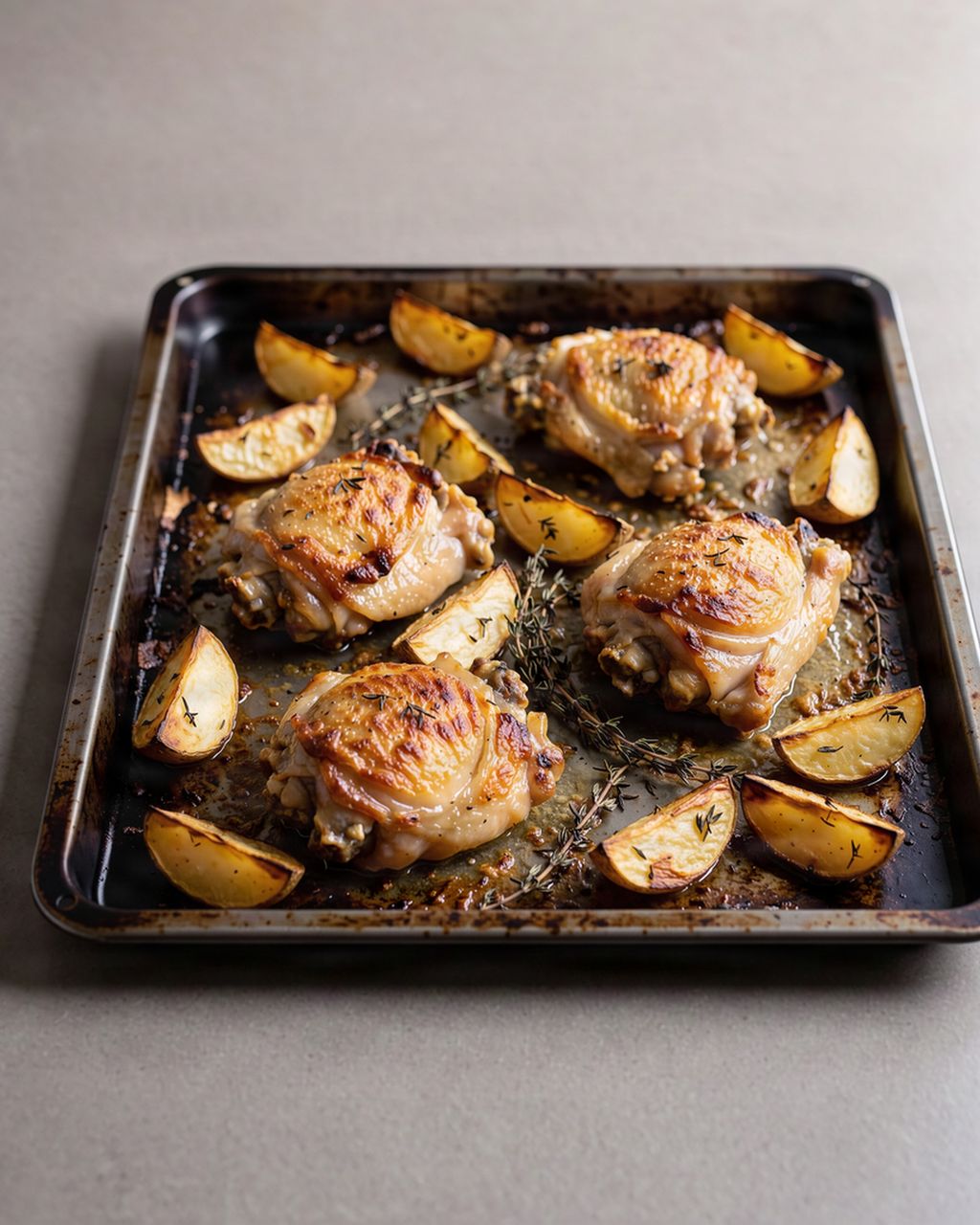
Turkey thighs roasted in beer are a weekend classic: 2–2½ hours under a lid at 150°C (300°F), and the meat falls off the bone. Season the thighs with salt, rub them with caraway and garlic, brown them in a skillet and set them in a roasting pan on onion and root vegetables. Add dark beer and stock, and uncover them at the end so the skin turns golden. The bitterness of the beer reduces into a sweeter, thick gravy. You'll find the full method in the recipe for turkey thighs slow-roasted in beer.
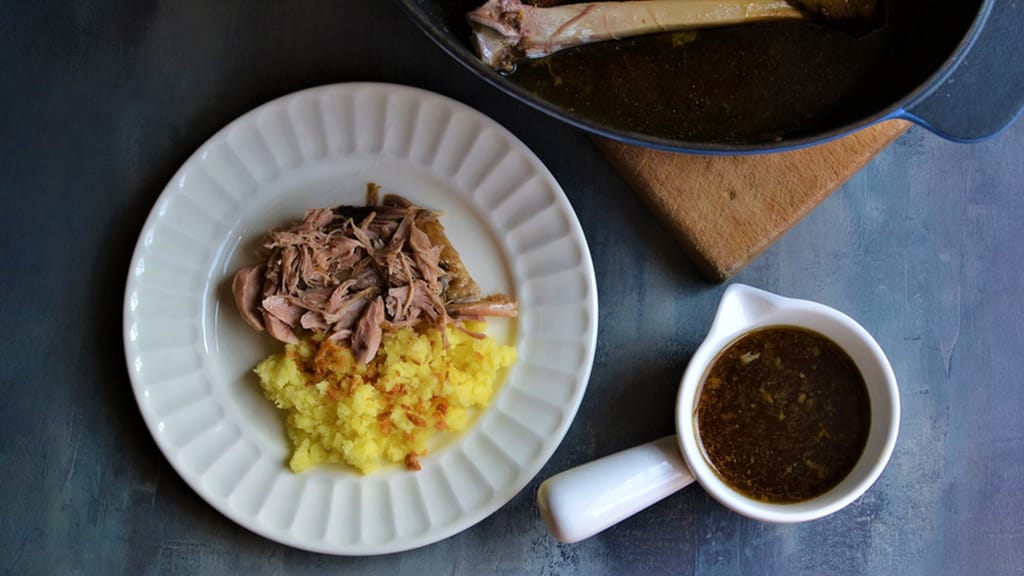
Slow-roasted turkey legs in beer
Turkey Thighs Slow-Roasted in Beer
Pulled turkey is juiciest from thighs braised for 2–3 hours at 150°C (300°F), until the meat falls apart. It's more tender than pulled breast because it contains more fat and melted collagen. Braise upper thighs or thigh meat in an aromatic liquid, then shred the meat with two forks and stir a little of the pan juices back in. Serve it in a tortilla, in a roll or with vegetables, as in the recipe for pulled turkey with fresh vegetables.
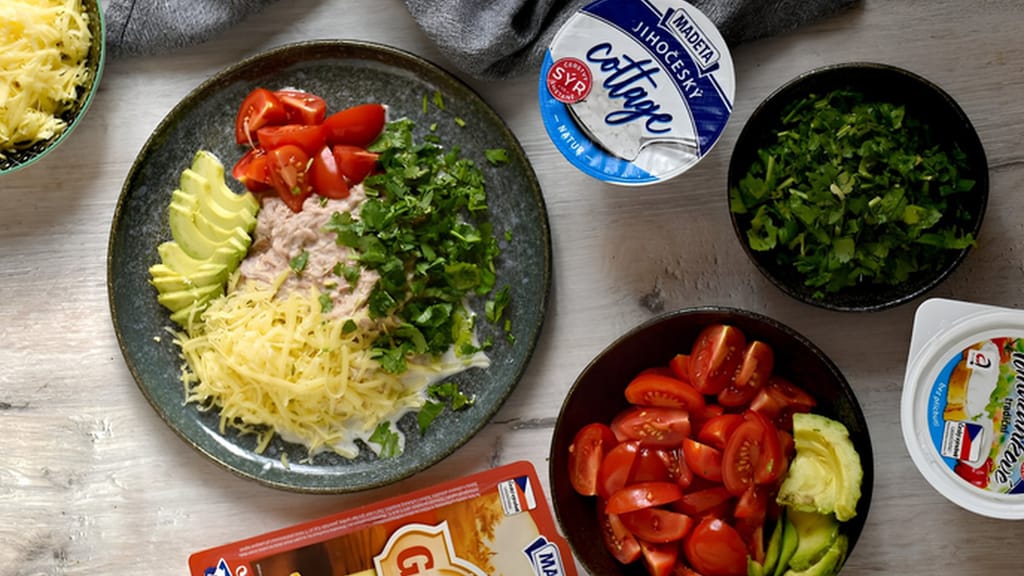
Pulled turkey with fresh vegetables
Pulled Turkey With Fresh Vegetables
Turkey paprikash is juicier made with thigh meat than with breast, because thigh turns tender in 40–60 minutes of braising, whereas breast dries out in the sauce. Sauté the sweet paprika in the onion only briefly so it doesn't turn bitter.
With ground turkey you can make patties, meatballs, pasta ragù, stuffed vegetables or burgers. Because it's lean, you need to add moisture and fat. Ground turkey breast is very lean, whereas ground meat from the whole bird or from thighs is juicier. If you can choose, take the one with thigh meat.
How to make ground turkey juicy:
Soaked bread or breadcrumbs in milk: 1 roll or 3–4 tablespoons of breadcrumbs per 500 g of meat. The starch holds the juices the meat would otherwise release.
Grated vegetables: zucchini, onion or carrot, grated finely and lightly squeezed.
A little fat: a spoonful of oil, butter or grated cheese.
Brief mixing: only until the mixture comes together. If you knead it too much, the patties turn rubbery.
Temperature: 74°C (165°F) in the center is enough. Frying longer only dries the meat out.
You'll find more ideas for all kinds of ground meat in the article what to cook with ground meat.
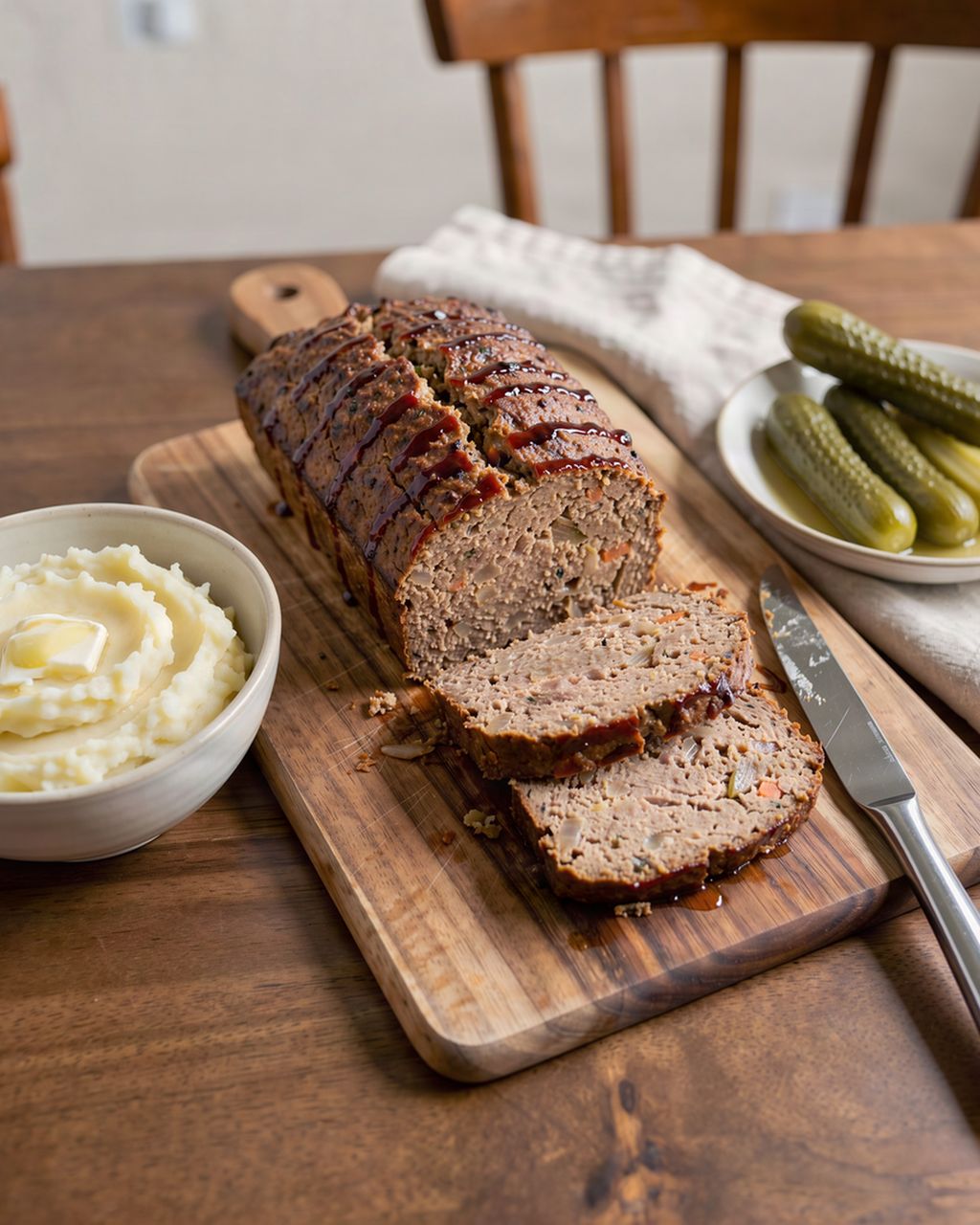
Turkey patties stay juicy if you add a soaked roll and finely grated onion to the mixture and stop frying them as soon as they reach 74°C (165°F) in the center. Cold, they also work well in a lunchbox.
Turkey meatballs finish cooking in the sauce, so they don't dry out. Prepare the mixture following the tips above, shape meatballs the size of a walnut and brown them briefly until golden. Then put them into a gently bubbling tomato or vegetable sauce and let them simmer in it for 15 minutes under a lid. You'll find the method in the recipe for meatballs in vegetable sauce. Ground turkey works in it just as well as any other ground meat.
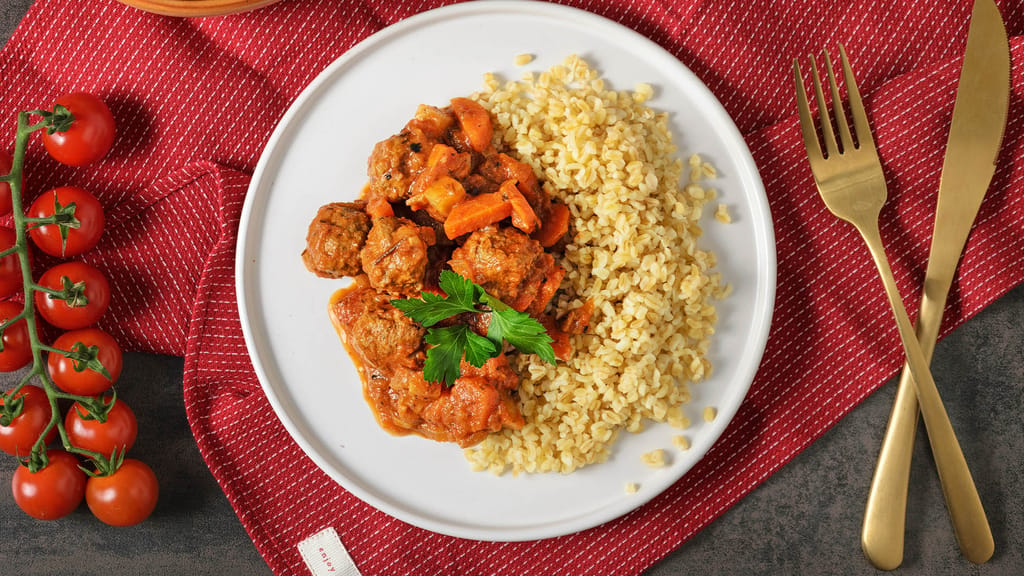
Meatballs in vegetable sauce
Meatballs in Vegetable Sauce
Turkey ragù is the ground turkey version of a Bolognese sauce. It stays juicy if you let the meat brown without stirring too often, so it doesn't cook in steam, and stir a spoonful of butter or some Parmesan into the sauce at the end.
Turkey neck and wings are best for stock. They have lots of bones, skin and connective tissue, so they give full flavor and the soup lightly sets into a jelly once cold. They're cheap and not very suitable for roasting. But they're excellent in the pot.
How to make turkey stock: first roast the necks and wings for 30–40 minutes at 200°C (400°F). Roasted bones give a darker, fuller flavor. Then cover them with cold water so they're submerged, and add root vegetables, an unpeeled onion, pepper and allspice. Let the stock barely simmer, just below boiling point, for 3–4 hours. If it boils hard, it turns cloudy. Finally strain it, pick the meat off the bones and return it to the soup.
What to do with it next:
Vegetable soup with neck meat: add diced vegetables, noodles or pearl barley and the picked meat to the strained stock.
Soup with pulled meat and kale: a hearty winter soup that also takes in leftover roast meat. You'll find the method in the recipe for soup with pulled turkey and kale.
A base for sauces and risottos: freeze the stock in 500 ml portions and you have it on hand whenever you need it.
When you buy a whole turkey, you often get the giblets too. Fry turkey liver in butter until it's cooked through in the middle and no longer bloody (70°C / 158°F for at least 2 minutes), as in the recipe for turkey liver with thyme and mustard.
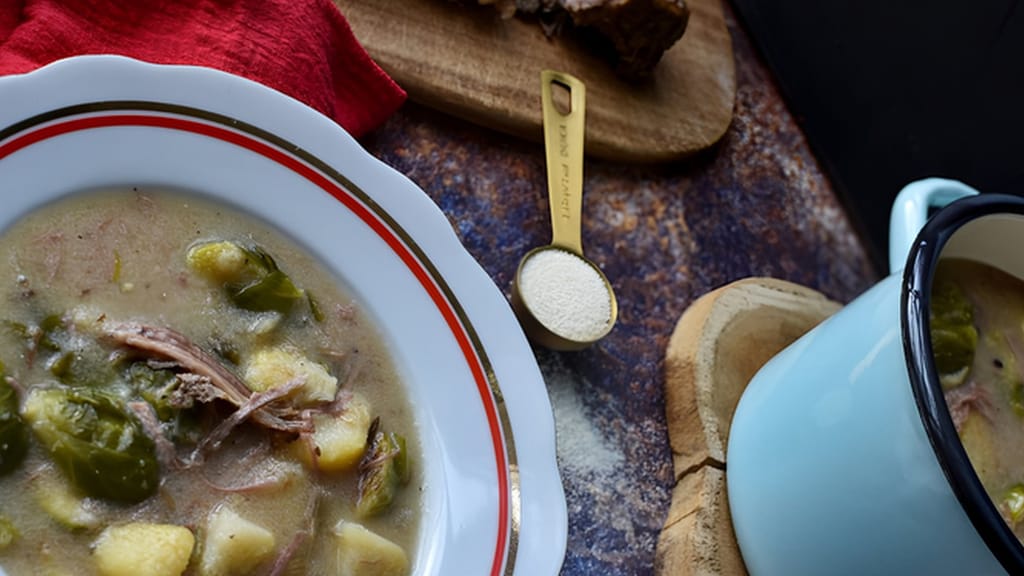
Turkey soup with pulled meat and brussels sprouts
Soup With Pulled Turkey and Kale
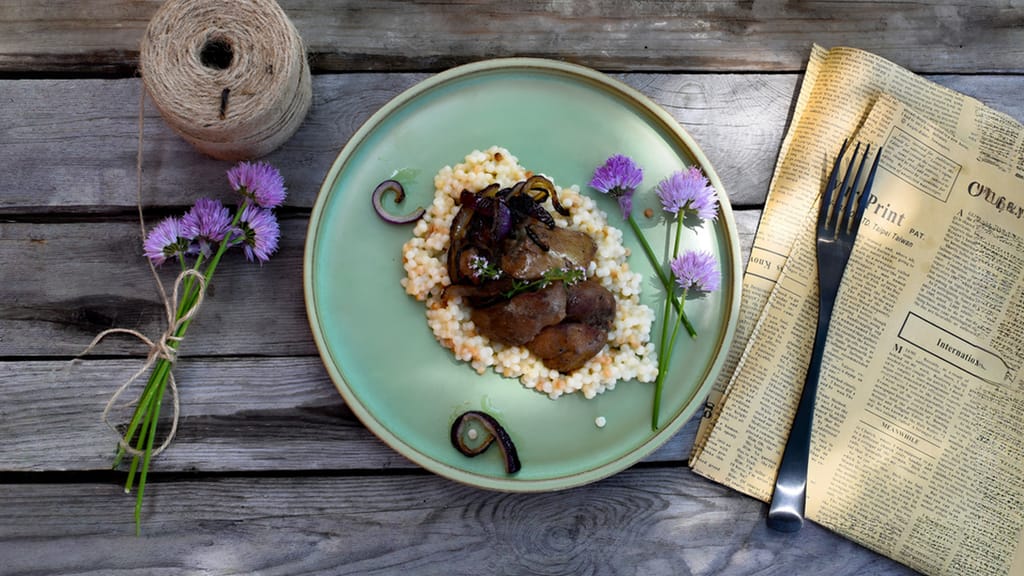
Delicious turkey liver with thyme and mustard
Turkey Liver With Thyme and Mustard
Leftover cooked or roast turkey is best in dishes where you only warm it through or serve it cold: salad, soup, risotto, a tortilla wrap or a spread. Cooked meat needs no further cooking. If you roast or fry it again, it dries out. Add it only at the end, to a warm sauce or stock.
Couscous salad is the quickest way to use leftover turkey, because couscous swells in 5 minutes and you only need to stir the meat in. Pour hot stock over the couscous, fluff it with a fork and add pulled or diced meat, cucumber, tomatoes, herbs and a dressing of lemon and oil. The stock flavors the couscous and the couscous draws moisture into the meat. You'll find the method in the recipe for couscous salad with pulled turkey and vegetables.
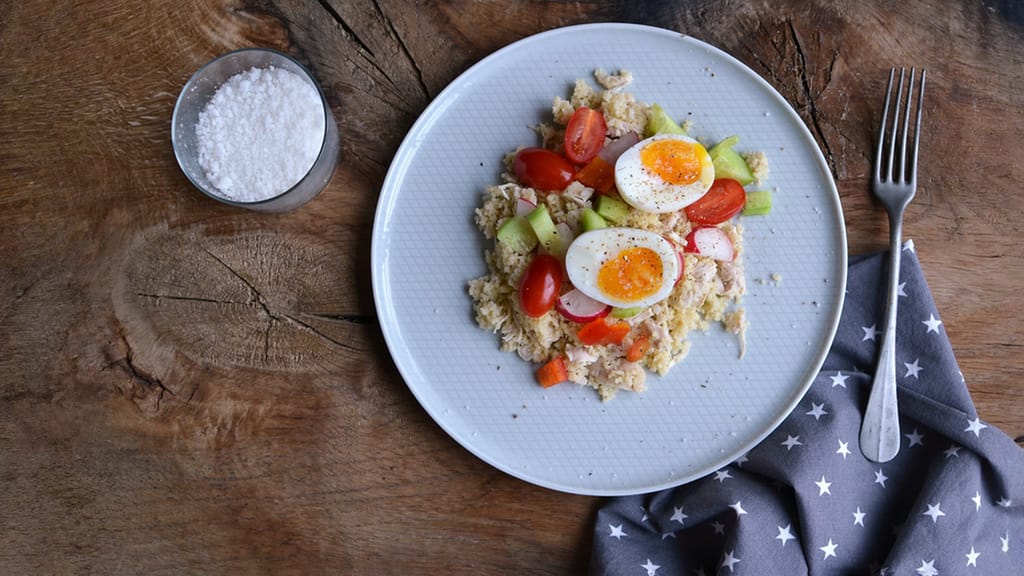
Couscous salad with pulled turkey and vegetables
Couscous Salad With Pulled Turkey and Vegetables
Creamy risotto is ideal for leftover roast turkey roulade or breast, because you only warm the meat through and it doesn't dry out. If you have meat left over, slice it, cook the risotto in stock, stir in spinach and cheese near the end, and lay the slices on top for 2–3 minutes under a lid. You'll find inspiration in the recipe for creamy risotto with turkey roulade, spinach and cheese. For more rice dishes, see the article what to cook with rice.
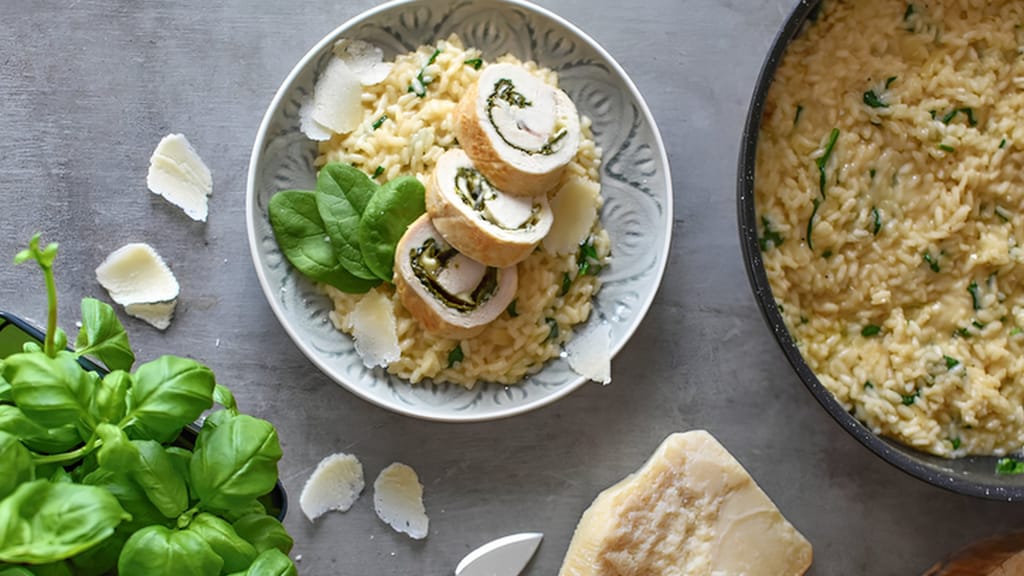
Creamy risotto with turkey roulade, spinach and gran moravia cheese
Creamy Risotto With Turkey Roulade, Spinach and Cheese
Turkey spread is the best use for drier roast meat from the day before, because fresh cheese and mustard bring back its tenderness and flavor. Chop the meat finely or pulse it briefly with a soft fresh cheese such as Lučina (a Czech cream cheese-style spread) or quark (tvaroh, a Czech fresh curd cheese), a teaspoon of mustard, scallions and pepper. In a closed container it keeps in the fridge for 2 days.
For kids, turkey is nicest in soft forms: patties, meatballs in sauce, fine strips or pulled meat with vegetables. Turkey has a mild flavor, and if it isn't overcooked, it doesn't have the tough fibers children struggle with.
What to keep in mind:
Always 74°C (165°F) in the center. The same rule applies to kids as to adults, and it's worth following to the letter.
Size: for smaller children, cut the meat into small pieces across the grain or serve it pulled. Make meatballs smaller so they can be bitten in half.
Juice or sauce: tomato sauce, a yogurt dip or a little pan juice turn lean meat into a dish that goes down easily.
Less salt and seasoning: season lightly. Adults can add salt at the table.
Hidden vegetables: grated zucchini or carrot "disappears" nicely into patties, and makes them more tender too.
You'll find more family ideas in the article what to cook for dinner.
The quickest turkey dinners are skillet strips, breast cutlets, patties and dishes made from leftover meat. You can manage all of them in 10–30 minutes. Only thighs need hours, so on a weeknight reach for breast or ground meat.
Turkey strips with vegetables (15 minutes): coat breast cut into strips in starch, sear them hard and toss with vegetables and soy sauce. Serve with rice or noodles.
Breast cutlets with butter and sage (15 minutes): cut the breast into cutlets 1.5 cm thick, salt them, sear for 2–3 minutes per side and make a quick sauce in the pan from the pan juices, butter and sage.
Crispy oven cutlets (25 minutes): coat thin breast cutlets in cornmeal crumbs and bake them on a sheet pan at 200°C (400°F), much like the recipe for baked crispy cutlets in cornmeal crumbs. Just make sure they reach 74°C (165°F) and don't bake them any further.
Patties with mashed potatoes (30 minutes): sear the patties while the potatoes for the mash cook.
Leftover salad (10 minutes): yesterday's roast meat, couscous or salad greens and a dressing.
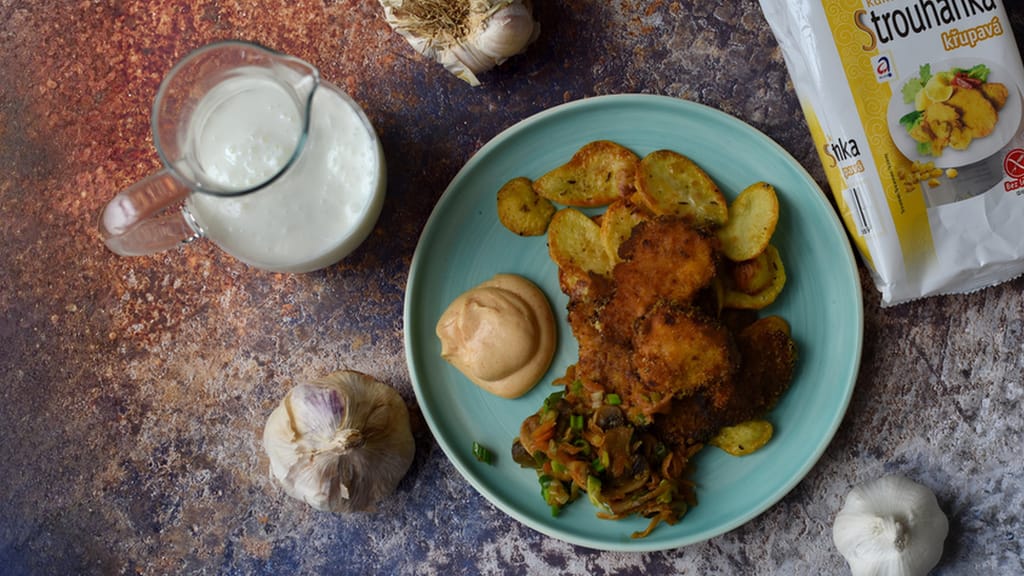
Baked crispy cutlets in cornmeal breading
Baked Crispy Cutlets in Cornmeal Crumbs
Raw turkey keeps 1–2 days in the fridge and cooked turkey 3–4 days. These limits come from the USDA/FSIS for poultry. For packaged meat, go by the date on the package, but once opened the shorter limit applies.
Raw cuts and ground meat in the fridge (up to 4°C / 40°F): 1–2 days. Store them on the bottom shelf so they can't drip onto anything.
Cooked and roast meat in the fridge: 3–4 days in a closed container.
Raw meat in the freezer: in an ordinary home freezer (−18°C / 0°F) cuts keep for months and stay safe even longer. Quality is best up to about 9 months, and up to 3–4 months for ground meat.
Cooked meat in the freezer: 2–6 months for best quality. In sauce or stock it keeps its quality longer and dries out less.
On the table: put leftovers in the fridge within 2 hours of cooking at the latest.
Carve or divide a large roast before storing so it cools faster. Reheat leftovers to 74°C (165°F) again before eating. Bring soups and sauces to a boil.
No, don't wash raw turkey. The water splashes bacteria from the surface of the meat around the sink and countertop, whereas cooking to 74°C (165°F) reliably kills them. Just pat the meat dry with a paper towel, then wash your hands and the cutting board with hot soapy water.
Thaw turkey in the fridge, which takes roughly 24 hours for every 2 kg (about 4.5 lb). A faster way is to submerge the wrapped meat in cold water and change the water every 30 minutes. Don't thaw it on the kitchen counter at room temperature, because the surface warms into unsafe temperatures before the center gives way.
Yes, turkey can stand in for chicken in almost any recipe, but allow for a longer cooking time. Turkey breast is thicker, so cut it into pieces the same size as the chicken, or roast it for 20–30% longer. The thermometer decides: the target temperature is the same for both meats, 74°C (165°F).
Allow about 150–200 g (5–7 oz) of boneless meat or 300–400 g (11–14 oz) of bone-in meat per adult. For thighs, lean toward the upper end, because bone and tendons make up a large part of the weight. Children usually need half.
Skinless turkey breast is about as lean as chicken: according to nutrition databases it has around 23 g of protein and roughly 1.5–2.5 g of fat per 100 g of raw meat. Turkey thighs and ground meat from the whole bird have more fat. Check the package for the exact values of the product you buy.
Raw turkey thawed in the fridge can be frozen again, but it loses some juiciness. If you thawed it in water or in the microwave, cook it first. You can then freeze the cooked dish made from it.
One recipe worth heating the oven for, one tip, and one deal from the shop. Nothing else.