Classic christmas cookies: delicate linzer cookies
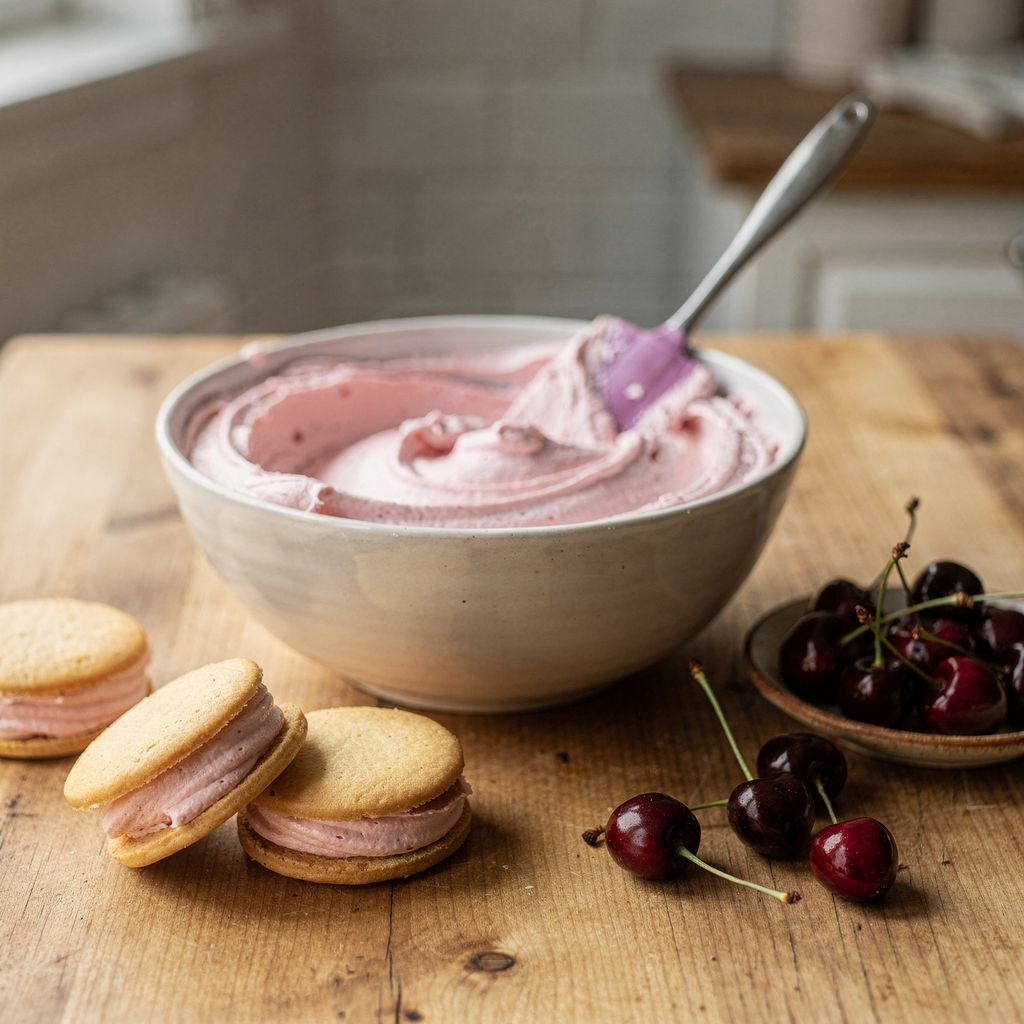
Cherry Cream for Cookies and Cakes: How to Make It from Flavouring Paste
Updated Oct 8, 2026
To make cherry cream from flavouring paste, simply stir 30 g of cherry paste into 500 g of ready-made cream — then taste and add more if you like. No cooking down fruit, no extra water that could split the cream. Below you'll find which cream base to pick for cookies versus cakes, how the paste compares to jam or freeze-dried cherries, and what to do if your cream splits or turns out too sweet.
For 500 g of ready-made cream, add 30 g of cherry flavouring paste (around 6%), stir it in right at the end, and taste as you go. This is the ratio the manufacturer recommends for both creams and doughs, and it's a solid starting point — with cream, you can always fine-tune it to taste.
Here's a method that works for every type of cream:
Prepare your base cream (buttercream, ganache or mascarpone cream). If making buttercream, cut back on the sugar right from the start: reduce it by 15 g for every 30 g of paste you plan to add, since the paste itself is sweet.
Let the paste come to room temperature so it blends smoothly into the cream.
Stir in 20 g first, taste, then add more in 5 g increments up to 30 g (or more, if you want a bolder flavour).
Let the cream rest for 15–30 minutes so the aroma can develop, then do one final taste test.
One 120 g jar of FunCakes cherry flavouring paste will stretch to roughly 2 kg of cream — enough for several cakes or a hearty batch of Christmas cookies. For more detail on dosing flavouring pastes in creams and doughs, see our article Flavouring pastes for creams and doughs.
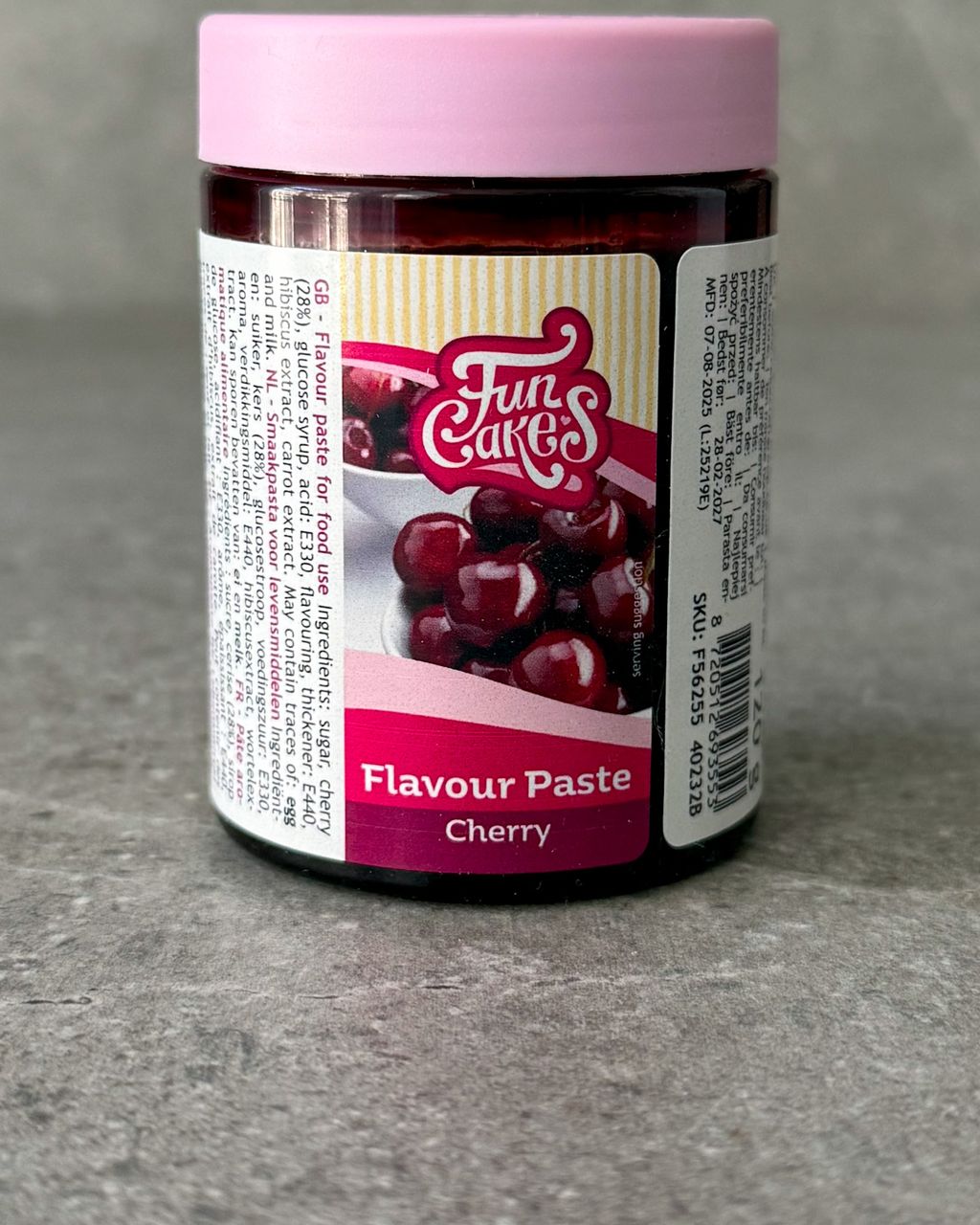
What's in the paste: sugar, cherries (30%), glucose syrup, citric acid, flavouring and pectin as a thickener. The citric acid gives the cream a fresh tang, while the pectin keeps it thick — which is why the paste won't thin out your cream the way jam would.
Go for buttercream in cakes and on cupcakes, white chocolate ganache for cookies and macarons, and mascarpone cream for light summer cakes. Each behaves a bit differently with the paste:
Buttercream — the most stable, holds its shape for piping, and copes fine at room temperature;
White chocolate ganache — sets firm, so sandwiched cookies stay put and don't slide apart;
Mascarpone cream — the lightest and freshest-tasting, but it needs to stay refrigerated.
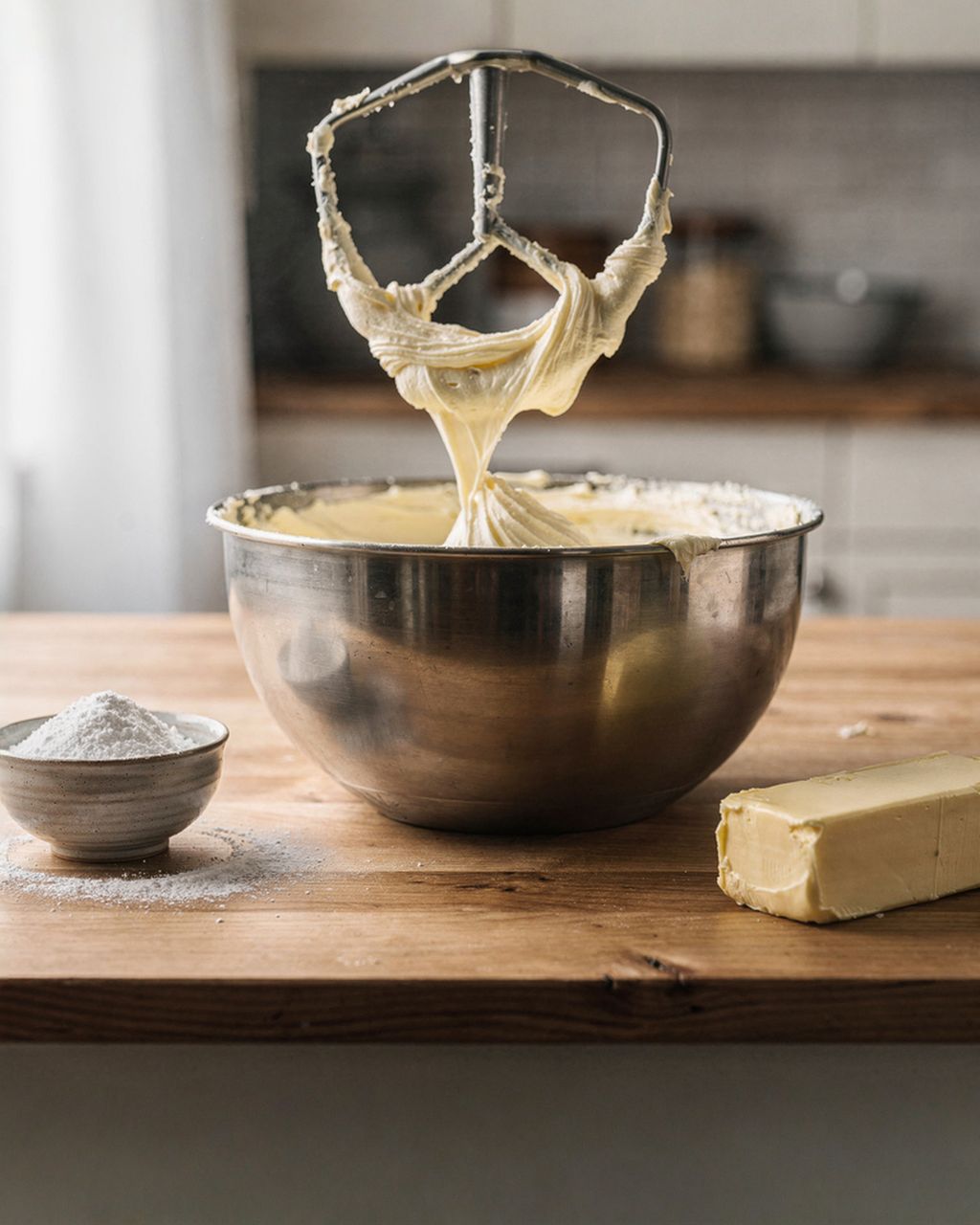
Make the buttercream from 250 g butter and just 235 g icing sugar (15 g less, to account for the sweet paste), then stir in 30 g of paste. The paste itself is sweet — more than half its weight is sugar — so 30 g of paste adds roughly 17 g of extra sugar to the cream.
Butter and paste both need to be at the same temperature, ideally 18–20°C (64–68°F). Cold paste going into warm cream (or vice versa) is the most common reason buttercream turns grainy. We cover how to whip buttercream so it's fluffy rather than greasy in How to whip buttercream so it isn't greasy; if you want to pipe decorations with it, check out buttercream that holds its shape on cupcakes too.
For filling cookies, use a 3:1 ratio — 300 g white chocolate to 100 g of 33% cream — and stir 25 g of cherry paste into the warm ganache. White chocolate has no strong flavour of its own, so the cherry really gets to shine.
Heat the cream just below boiling point, pour it over chopped chocolate (Callebaut W2 callets work well), let it sit for a minute, then stir from the centre outward until it comes together into a glossy emulsion. Add the paste once the ganache has cooled to around 35–40°C (95–104°F). Then cover it with cling film pressed directly onto the surface and let it firm up at room temperature until pipeable — usually 2–4 hours.
You can try out the white chocolate ganache technique with our white chocolate and coffee cream recipe — just leave out the coffee and add cherry paste instead.
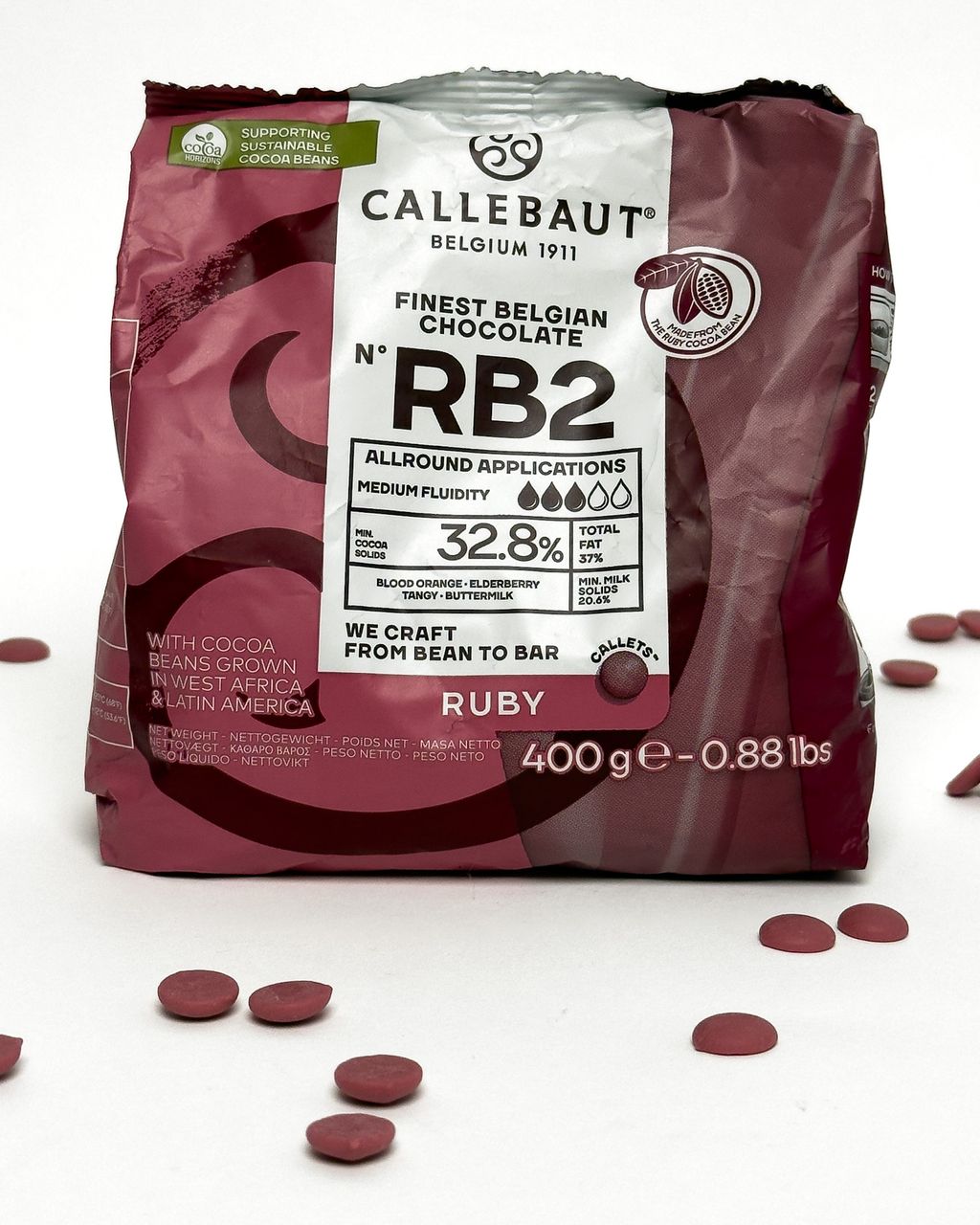
Tip: swap the white chocolate for Ruby chocolate. It has a naturally pink hue and a fruity tang that pairs beautifully with cherry.
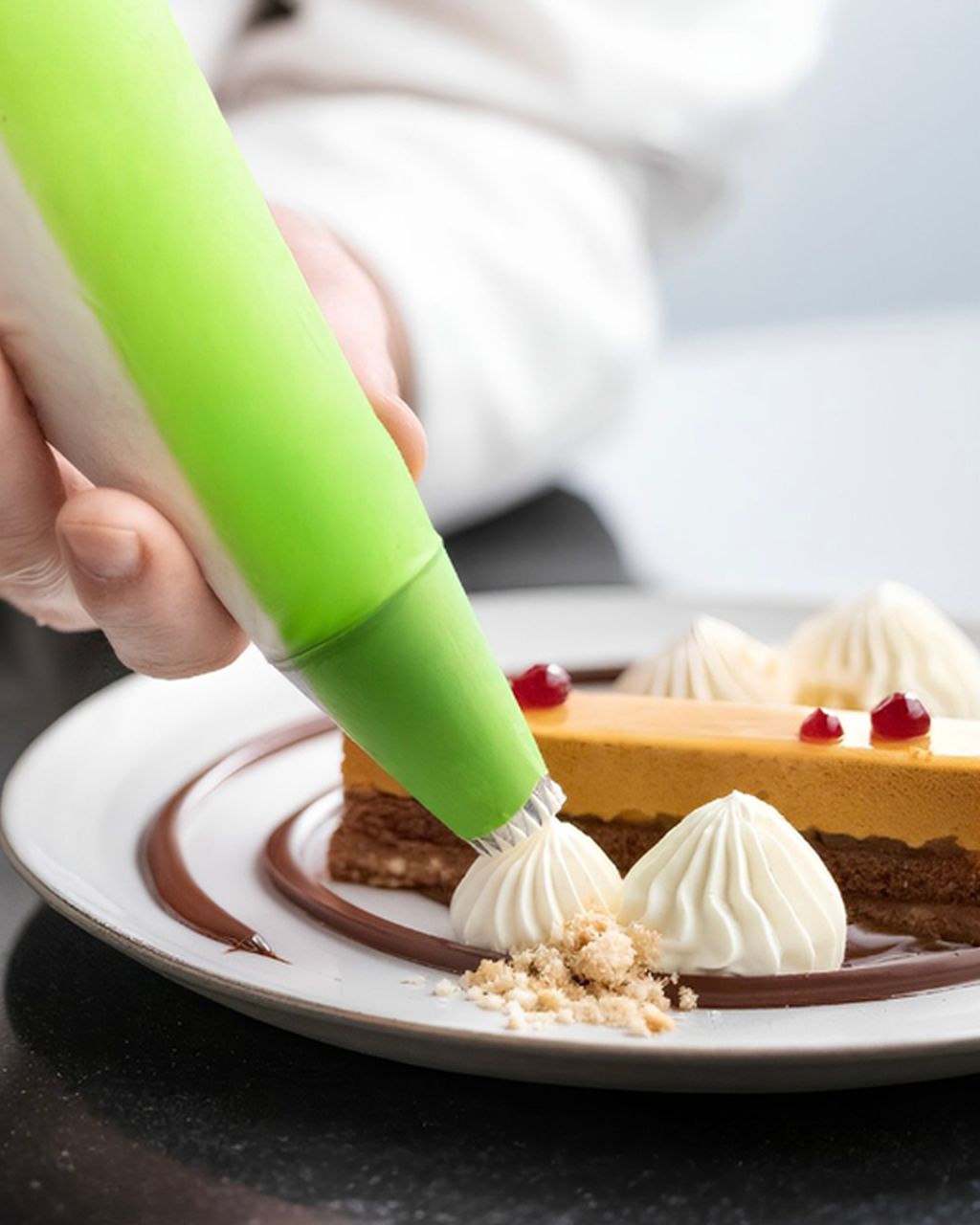
For 250 g mascarpone and 200 ml of 33% cream, 30 g of paste and just 20–30 g of icing sugar is enough. Stir the paste into the cold mascarpone first, then add the cream and whip until firm — stop as soon as the cream holds a peak, or it will overwhip into butter.
This cream is the lightest of the three, but also the least stable: keep it refrigerated and eat the cake within 2–3 days. You can see how to work with mascarpone cream on cupcakes in the recipe for pistachio cupcakes with lemon curd and mascarpone cream — pistachio and cherry, incidentally, make a great pairing.
Flavouring paste is the safest choice if you want bold cherry flavour without risking a split cream; freeze-dried cherries give the most natural flavour and colour; jam is the easiest to find but thins the cream the most. Here's an honest comparison:
Flavouring paste — thick, consistent flavour, adds almost no water. It contains no colouring, so it only tints the cream lightly. Downside: it's sweet, so you need to cut back on sugar.
Freeze-dried cherries ground into powder — the most natural flavour and a beautiful colour, with zero added water. They're pricey, though, and small bits of skin remain in the powder. Hard to find in regular shops — look for them in specialist online stores.
Cherry or sour cherry jam — everyone has some on hand, but it carries a lot of water and sugar. In buttercream, once it goes above about 10% of the weight, the cream starts to turn grainy and runny. It's better to reduce the jam by simmering it down first, or spread it as a thin layer under the cream instead.
Poached or fresh cherries — don't put these in the cream itself, as they'll release juice. They belong inside the cake as a fruit layer, ideally behind a cream dam.
Drop flavouring and kirsch (cherry brandy) — these add aroma, not fruit. A few drops of kirsch stirred into the finished cream will deepen the paste's flavour nicely and give it a more "grown-up" edge, but on its own it isn't enough.
The best results often come from combining all three: paste as the flavour base, a splash of kirsch for depth, and fresh cherries in a layer inside the cake.
Cherry cream most often splits because of a temperature difference between the cream and the paste, or because of extra water — and it ends up too sweet when nobody reduced the sugar to account for the sweet paste. Here's what to do:
The cream is grainy or has split — it was too cold. Warm a couple of spoonfuls of the cream (10 seconds in the microwave), return them to the bowl and whip. It usually comes back together within a minute.
The cream is thin and runny — it was too warm, or you added jam or juice. Chill it in the fridge for 15 minutes, then whip again.
The flavour is flat — taste again after 20 minutes, as the aroma needs time to develop. Then add paste in 5 g increments, or a pinch of salt or a few drops of lemon juice to bring out the cherry.
It tastes "boiled-sweet" or like almonds — you've overdone the dose. Cherry aroma and cherry kernels rely on the same aromatic compound as bitter almonds (benzaldehyde), so too much of it and the cream starts tasting like marzipan. Cut back on the paste, or mellow it out by mixing in some plain cream without paste.
The cream is too sweet — mix in a little unsweetened butter or mascarpone, or a pinch of salt. Next time, reduce the sugar by 15 g for every 30 g of paste right from the start.
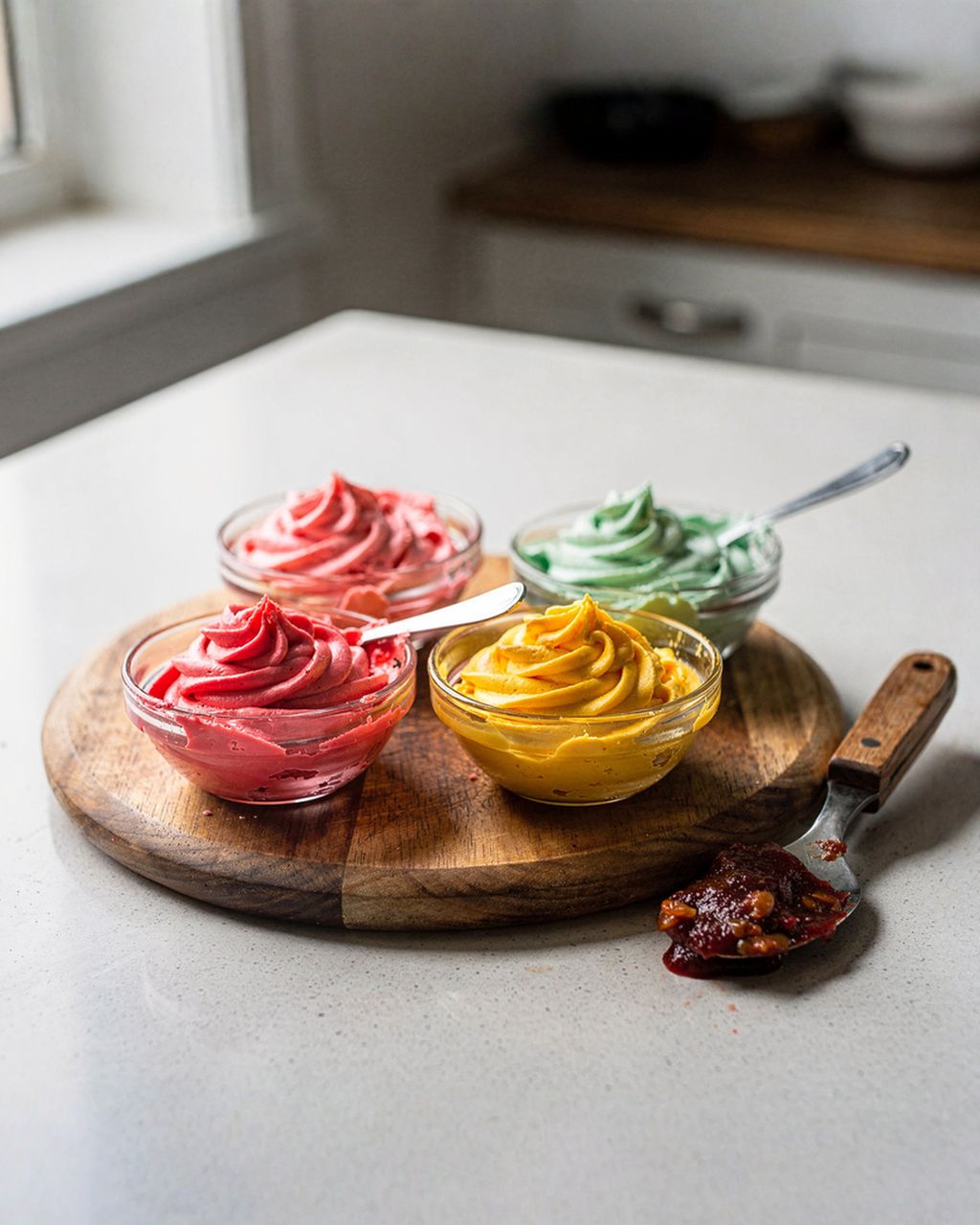
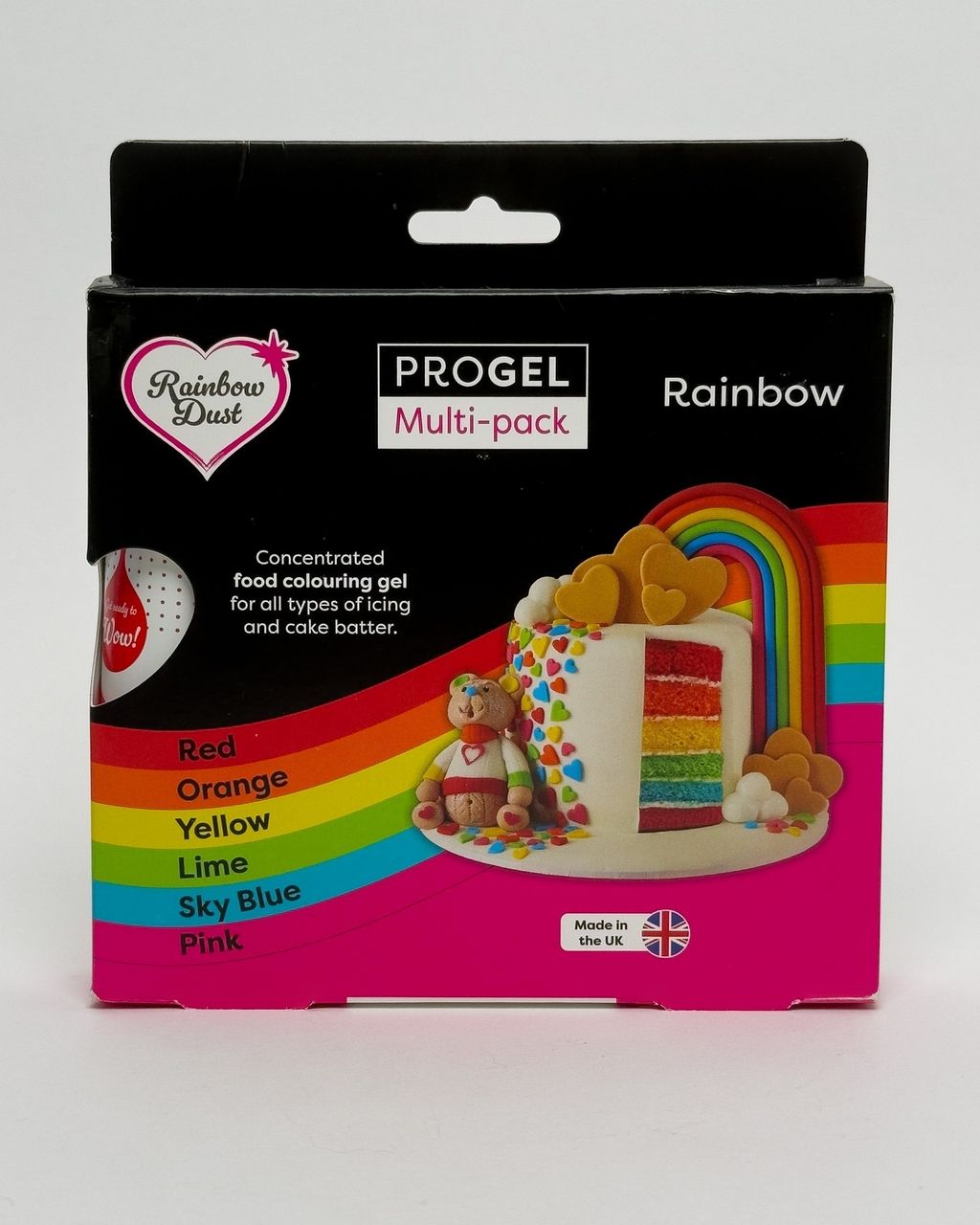
The paste itself only tints the cream lightly, so for a bold pink or deep cherry red, add gel colouring drop by drop, on the tip of a toothpick. Gel colouring adds almost no water, so it won't change the cream's texture.
For a pastel pink, 1–2 drops of red into 500 g of cream is enough.
For a rich cherry red, add more red plus a pinch of purple or brown so the colour doesn't end up looking "strawberry".
The colour will deepen further over the next 1–2 hours. Mix it a shade lighter than you want, then let it sit.
Buttercream has a yellowish tint (from the butter), so pink will come out slightly salmon-toned. For a cleaner shade, whip the butter as pale as possible first.
White chocolate ganache is coloured the same way — just be careful with large amounts of water-based colouring. More on that in our article How to colour white chocolate.
Cherry works best with dark chocolate, almonds, vanilla, pistachio and Ruby chocolate. Here's why these pairings work:
Dark chocolate — the classic Black Forest cake combo; cocoa's bitterness balances the sweet, fruity flavour.
Almonds — cherry and almond aroma share the same aromatic compound, so they amplify each other. That's why almond linzer cookies with cherry cream is such a natural pairing.
Vanilla — rounds off the sharp tang.
Pistachio — the green and pink look fantastic in a cross-section too.
Ruby chocolate — brings fruity acidity and a natural pink colour.
Fill cookies with cherry ganache, use buttercream for cakes and cupcakes, and mascarpone cream between layers of a light cake. In more detail:
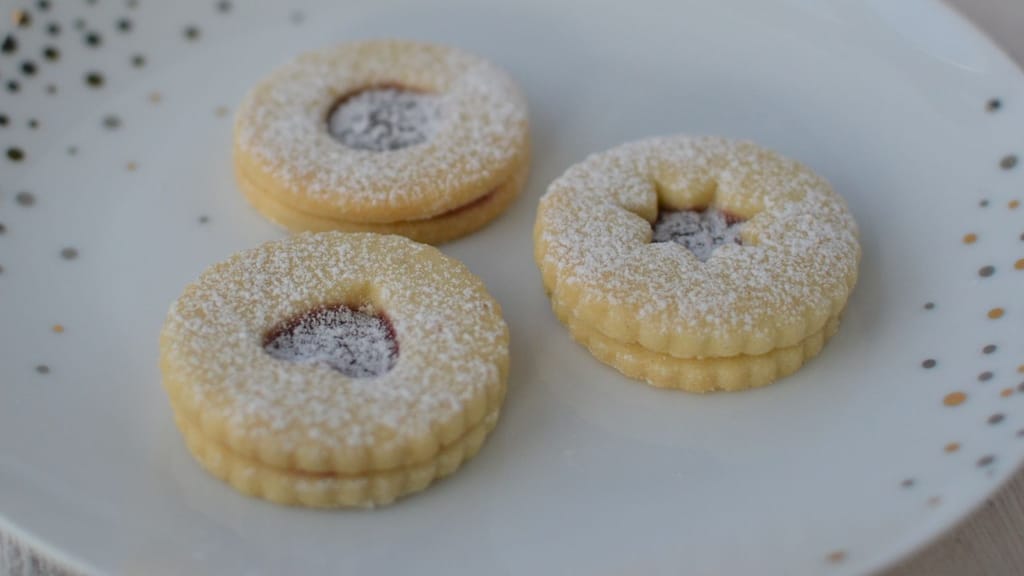
Linzer and other sandwich cookies — swap the usual redcurrant jam for cherry ganache. Bake the dough using, say, the recipe for classic Christmas cookies: crumbly linzer. About 5 g of cream is enough per 4 cm round. Store cream-filled cookies in the fridge, and keep in mind they'll last around a week — a shorter shelf life than jam-filled ones.
Macarons — the 3:1 ganache is ideal here, as it won't make the shells soggy. Let them rest in the fridge for a day to soften and let the flavours meld.
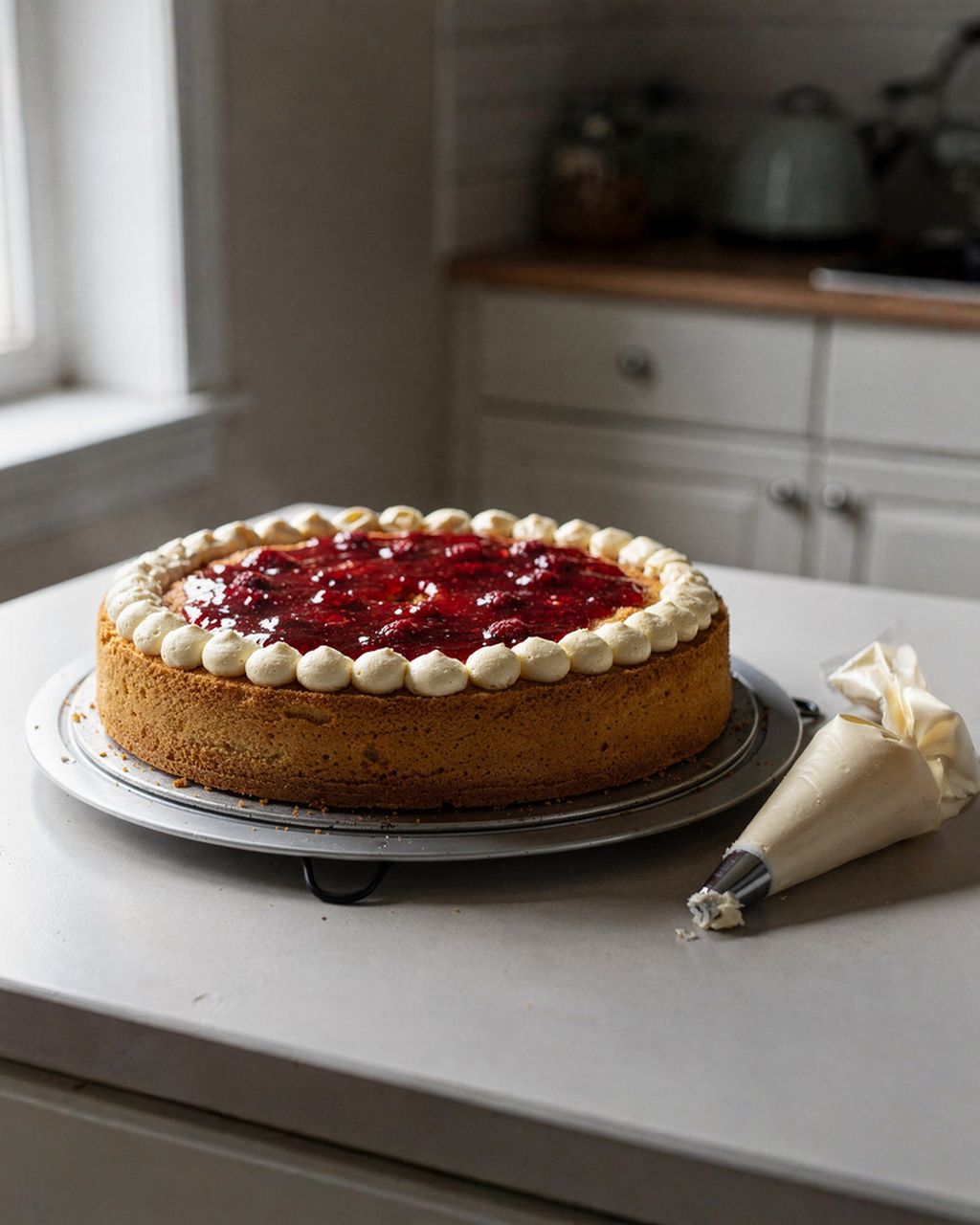
Cake — use buttercream cherry cream for both filling and covering the cake. Pipe a dam around the edge of each layer and fill the centre with fresh or poached cherries. For a 20 cm cake, plan on about 800–1,000 g of cream, meaning 50–60 g of paste.
Cupcakes — for 12 cupcakes with a generous swirl, you'll need about 500 g of cream. Top each one with a fresh cherry, stem on.
We've got cherry flavour elsewhere too: try our homemade cherry marshmallows as a cake topper, or a delicious cherry cake when fresh cherries are in season.
Classic christmas cookies: delicate linzer cookies
Crumbly linzer cookies — the base you sandwich with cherry cream
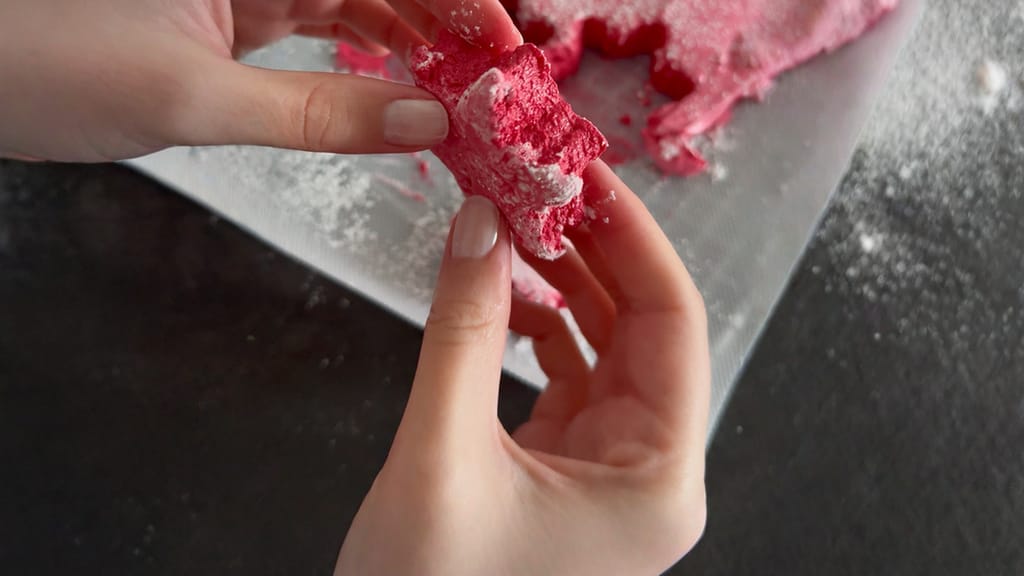
Homemade cherry marshmallows
Homemade cherry marshmallows as a topper for cherry cream cakes
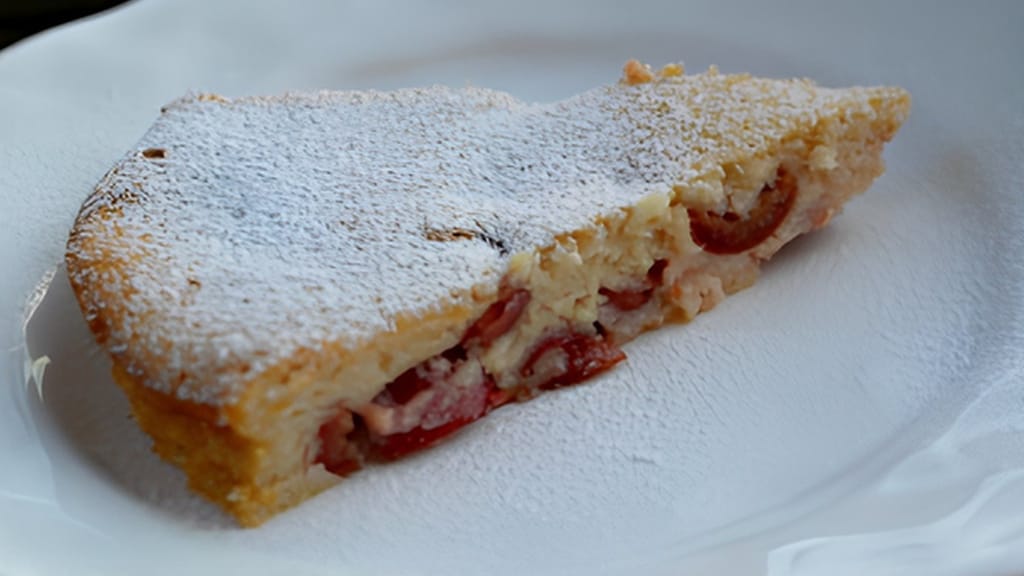
Delicious cherry cake
Fresh cherry cake
FunCakes cherry flavouring paste lists no alcohol or colouring in its ingredients. It's made from sugar, cherries (30%), glucose syrup, citric acid, flavouring and pectin. That's why it only tints cream very lightly.
The paste itself doesn't contain milk or egg, but according to the manufacturer it may contain traces of both. If you have an allergy, always check the label on the specific packet. And keep in mind: buttercream, ganache and mascarpone cream all contain milk regardless.
Yes, you can add cherry flavouring paste to batter or dough as well — just use 30 g of paste per 500 g of dough. If baking above 200°C (392°F), add a touch more, as high heat weakens the flavour.
Keep opened paste tightly sealed in a cool, dark place at 8–25°C (46–77°F) and use it by the best-before date on the packaging. It doesn't need to go in the fridge. Always scoop it out with a clean, dry spoon so no water or crumbs get into it.
Buttercream cherry cream and ganache both freeze well — in a sealed container they'll keep for around 3 months. Thaw overnight in the fridge, then let them come up to room temperature and give them a quick whip before using. Mascarpone cream releases water once thawed, so it's best not to freeze it.
One recipe worth heating the oven for, one tip, and one deal from the shop. Nothing else.