JEM Piping Tip – Fine Serrated Star #364
Frosting for Cupcakes That Holds Its Shape: Which to Pick & How to Make It
Updated Oct 8, 2026
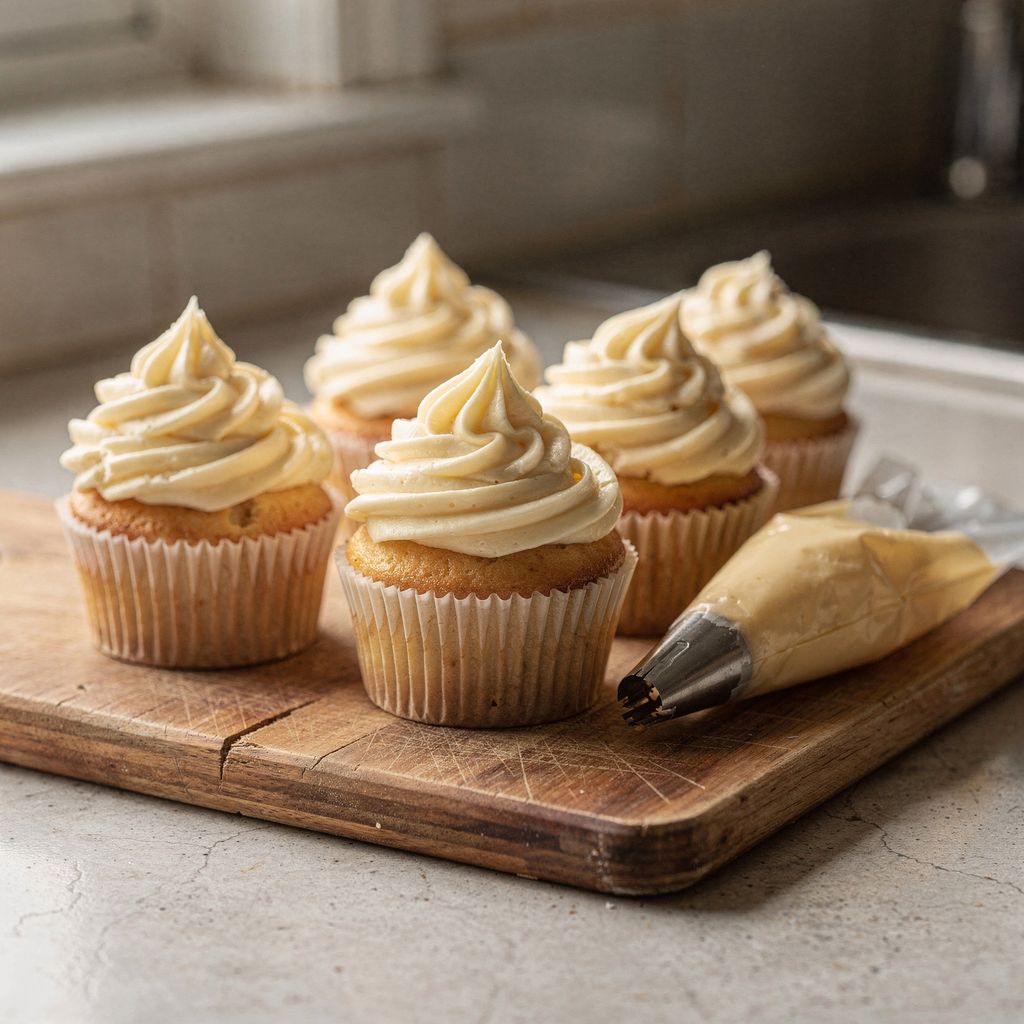
The frosting most likely to hold its shape on cupcakes is American buttercream made with icing sugar (butter : sugar roughly 1 : 1.5–2) or Swiss meringue buttercream — both keep sharp star-tip points for hours at room temperature. Mascarpone whipped with cream and whipped ganache hold up too, but need cooler conditions. Quark frosting and plain whipped cream are the weakest choices for piping. Below you'll find a comparison, specific ratios, and most importantly, the reasons your frosting slumps — because it's usually not the recipe, it's the temperature.
The frostings that hold their shape best are the ones built on set fat and sugar — butter, chocolate, mascarpone. The more water and the less fat, the sooner the swirl will slump. Here's the order of stability at room temperature (around 20–22°C/68–72°F):
American buttercream (butter + icing sugar) — the firmest, piped points stay crisp, and the surface sets slightly on top.
Swiss buttercream (meringue heated with sugar + butter) — silky and less sweet, holds beautifully, though it softens faster than American buttercream in warm conditions.
Whipped ganache — firm and glossy, but sensitive to the chocolate's temperature.
Mascarpone with cream — holds well, but must stay cold.
Cream cheese frosting — great flavour, only pipeable if you use a firm cream cheese and keep it well chilled.
Quark frosting and plain whipped cream — not suited to a tall swirl.
Traditional Czech pudding buttercream (butter + cooled cooked custard) sits somewhere between Swiss buttercream and mascarpone: it holds as long as the butter and custard are the same temperature, otherwise it splits.
American buttercream holds its shape best because it's loaded with sugar and has very little water (what water there is comes mainly from the butter and a spoonful of cream). The basic ratio is 250g softened butter to 400–500g icing sugar, 1–2 tablespoons of cream or milk, and vanilla.
Why it holds: the sugar binds up the remaining water, and after 15–30 minutes the surface sets into a thin crust. The piped points can then survive even a car journey.
The catch: it's noticeably sweet and tinted yellow by the butter. Cut the sweetness with a pinch of salt and a bolder flavour (see the flavouring pastes below).
Piping consistency: on a spatula, the frosting should stand up in a peak that only droops right at the very tip. If it's running, add sugar 50g at a time; if it's tearing in the piping bag, add a teaspoon of cream.
If yours turns out greasy or grainy, it's almost always down to whipping time and butter temperature — covered in more detail in our guide on how to whip buttercream so it doesn't turn greasy.
Swiss buttercream holds its shape almost as well as American buttercream, but it's smoother and less sweet, since meringue — not icing sugar — provides the structure. Typical ratio: egg whites : sugar : butter roughly 1 : 2 : 3 (e.g. 100g egg whites, 200g sugar, 300g butter).
Heat the egg whites and sugar in a bain-marie, stirring constantly, to 71°C/160°F, until the sugar has fully dissolved — you shouldn't feel any grains between your fingers.
Whip into a stiff, glossy meringue and let it cool to room temperature (the bowl should no longer feel warm to the touch).
Gradually beat in room-temperature butter, a tablespoon at a time.
Halfway through, the mixture often "curdles" and looks like cottage cheese — that's normal, keep beating and it will come together. If it's runny, it's too warm: chill the bowl in the fridge for 10–15 minutes, then whip again. If it's grainy and stiff, it's too cold: briefly warm the outside of the bowl. You can also buy egg whites on their own in a carton, so you're not left with spare yolks.
In heat above 25°C/77°F it softens faster than American buttercream, because its structure relies on butter alone — there's no sugar crust to back it up.
Mascarpone whipped with cream holds its shape well as long as everything is ice-cold and you don't overwhip it. A reliable ratio is 250g mascarpone to 200–250ml whipping cream (33% fat) and 40–60g icing sugar.
Whip the mascarpone and cream straight from the fridge, ideally in a bowl you've chilled beforehand.
Whip only to stiff peaks. A few seconds too long and the frosting turns grainy, because the fat starts turning into butter — and there's no coming back from that.
Keep decorated cupcakes in the fridge; at room temperature the swirl stays neat for roughly 1–2 hours.
This frosting is light and less sweet, so it suits fruity and spiced sponges well — try it on pistachio cupcakes with lemon curd and mascarpone frosting or pumpkin cupcakes with mascarpone frosting.
Ganache holds its shape on cupcakes once you let it set to a peanut-butter-like consistency and then whip it briefly. The chocolate-to-cream ratio (cream at 33% fat) determines how firm it is:
dark chocolate : cream 1 : 1 — after cooling (a few hours at room temperature, ideally overnight) it's firm and pipes well,
milk chocolate 2 : 1,
white chocolate 2.5–3 : 1 — white chocolate has no non-fat cocoa solids (just cocoa butter) and a lot of sugar and milk fat, so it sets softer and needs more chocolate to firm up.
Whipped ganache lightens in colour and turns fluffy; whip for just 1–2 minutes or it will go grainy. Keep the finished ganache below 20°C/68°F — in a warm kitchen it softens just like chocolate does. It pairs most naturally with chocolate sponges, for example on chocolate cupcakes in place of caramel frosting.
Cream cheese and quark-based frostings tend to slump because they're both high in water, and whipping only loosens them further. Cream cheese actually thins out as you beat it — the longer you whip it, the runnier it gets.
How to get the most out of cream cheese frosting:
Use full-fat block or tub cream cheese with the highest fat content you can find, never a light version.
Whip the butter and sugar until pale and fluffy first, then fold in the cold cream cheese right at the end, mixing only until combined.
Ratio for piping: roughly 1 part butter to 1–1.5 parts cream cheese, with enough sugar for the frosting to hold its shape.
Chill it for 20–30 minutes before piping.
Quark holds even more water and has a grainier texture, so it's better suited to spreading or a low dollop with a spoon — as with these baked pear cupcakes with quark frosting. Plain whipped cream holds its shape for a few hours in the fridge; with stabiliser or a spoonful of mascarpone it lasts a bit longer, but it won't make it through a weekend party outdoors.
Cupcake frosting slumps most often because of temperature, not the recipe. Butter starts softening around 20°C/68°F and melts at roughly 32–35°C/90–95°F, so a butter-based frosting behaves completely differently in a cool pantry than it does next to a warm oven. Five mistakes that ruin the shape:
Warm cupcakes. Only pipe onto fully cooled cupcakes, at least an hour after baking.
Warm hands on the piping bag. Your palm warms the frosting; fill the bag only two-thirds full and hold it from the top, not with your whole hand wrapped around it. Pop the bag in the fridge for 5 minutes if you need a break.
Too much liquid. Fruit purée, syrup or liqueur all thin the frosting out. Add flavour with a concentrated paste instead of a liquid.
Overwhipping. Mascarpone and cream cheese turn grainy or runny when overwhipped, while buttercream fills with air pockets and the swirl ends up full of holes.
Too much liquid food colouring. Standard liquid colourings need to be used in large amounts and will thin the frosting out — stick to gel colour for frostings.
One last thing: a frosting that's meant to hold needs a flat surface to sit on. If the cupcakes have domed up, the swirl will slide right off — our separate article covers how to bake cupcakes with flat tops.
The best choice for cupcakes is a large open or French star tip with an opening of around 1–1.5cm — deep ridges create ribs in the frosting that reinforce the swirl and hide small imperfections. A smooth round tip gives you elegant "mounds", but every air bubble or soft spot shows up instantly on it.
Metal tips like JEM keep their ridges crisp even in a dense American buttercream; cheap plastic ones tend to flex open under pressure and the ridges blur together.
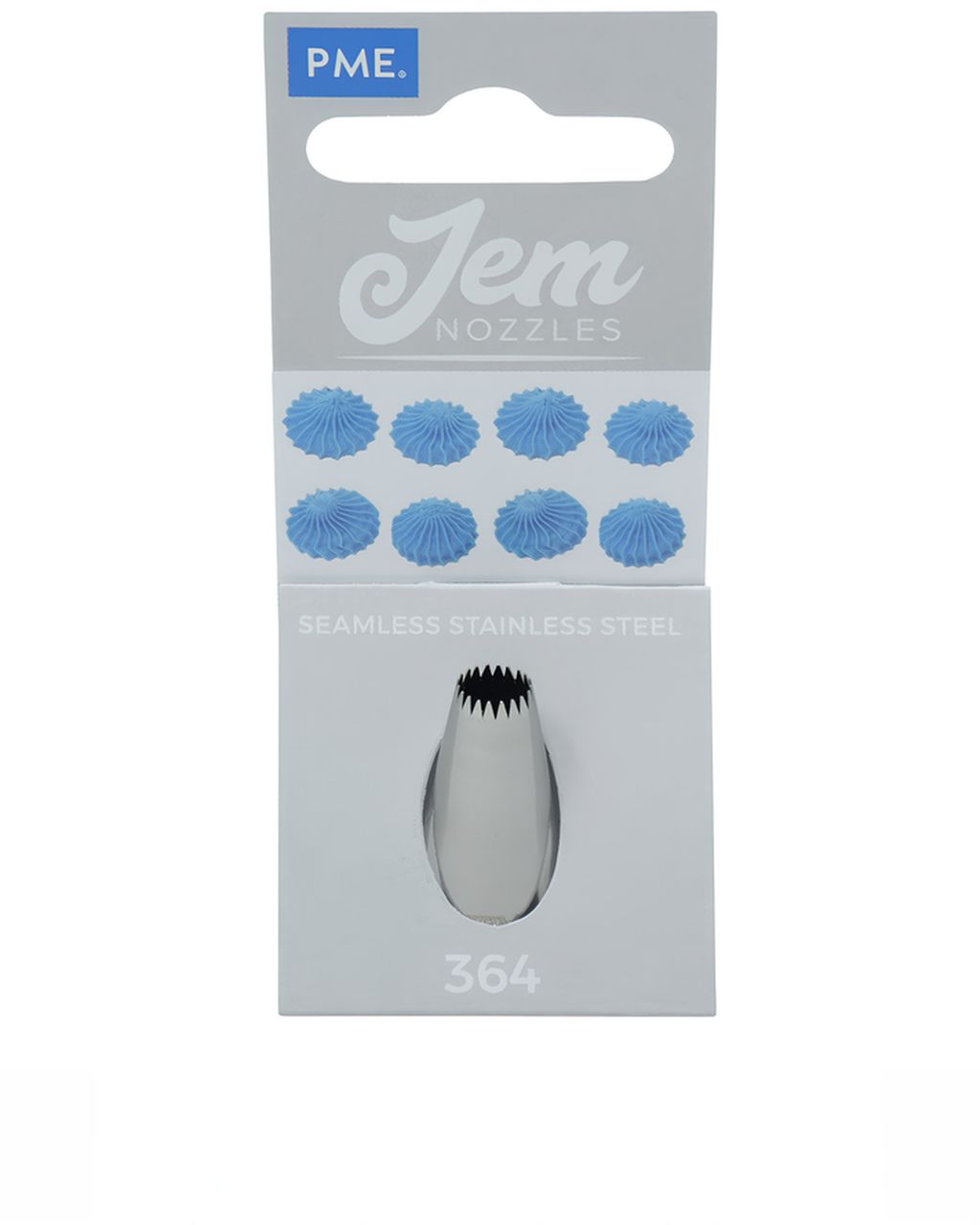
A fine open star (e.g. JEM #364) gives a dense, textured swirl; twist-style tips create a spiral and let you pipe two colours at once — see our article on piping two colours from one bag for how it's done.
For one cupcake with a 5cm diameter, allow 30–40g of frosting for a tall swirl, or 20g for a flat finish.
The piping bag matters just as much: for a thick buttercream, go for a sturdy disposable bag at least 30cm long — more on that in our article on piping bags: disposable or reusable. And the hand movement itself, step by step, is covered in how to pipe a frosting swirl on a cupcake.
You can flavour and colour frosting without ruining its structure as long as you don't add water — meaning concentrated flavouring paste and gel colour, not purée and liquid dye.
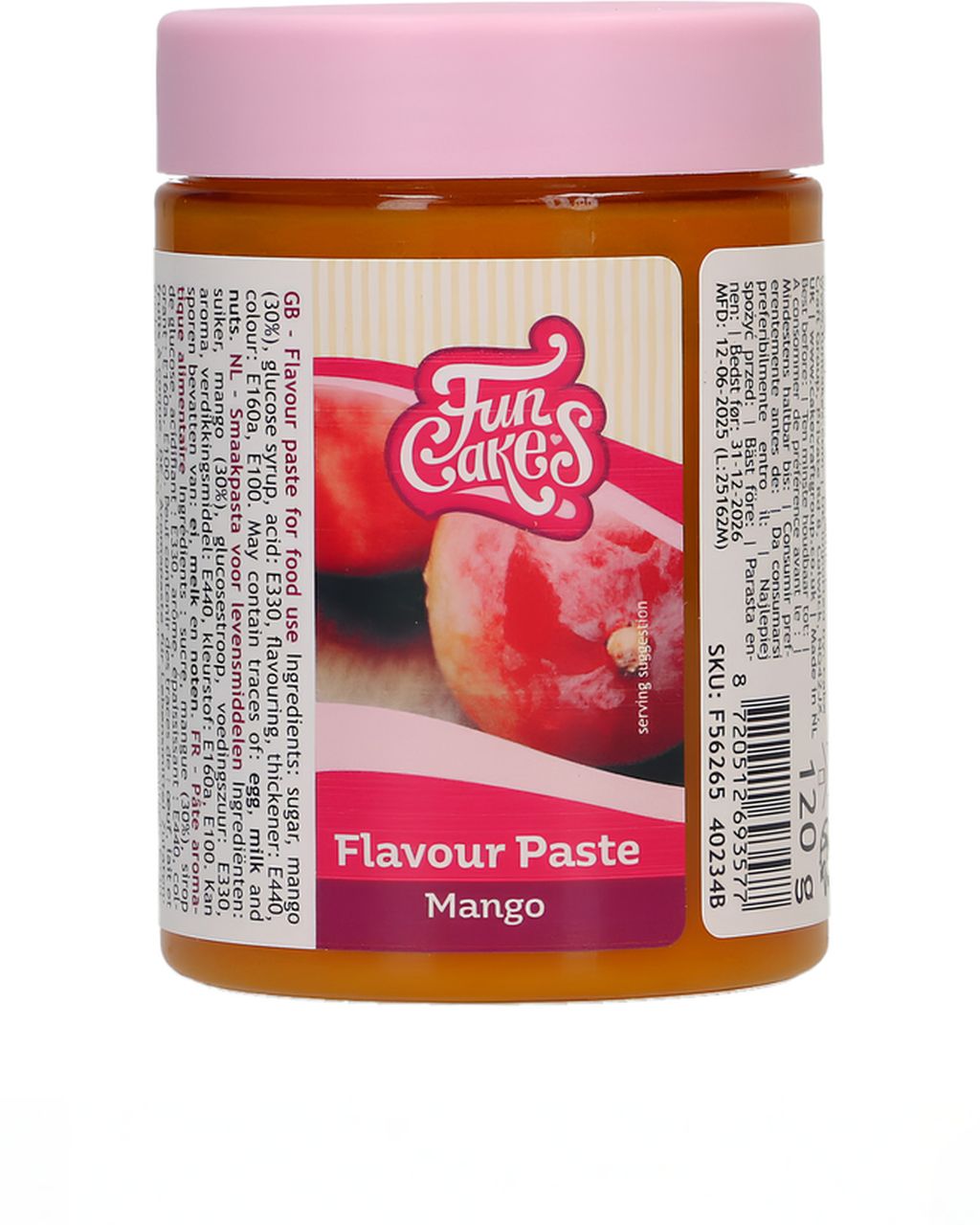
Flavouring pastes (such as mango or melon from FunCakes) are thick concentrates: they add flavour and a soft tint of colour without thinning the frosting. Dose according to the packaging and add gradually — the flavour in the frosting keeps developing for up to an hour. More detail in our article on flavouring pastes for frostings and batters: how to dose them.
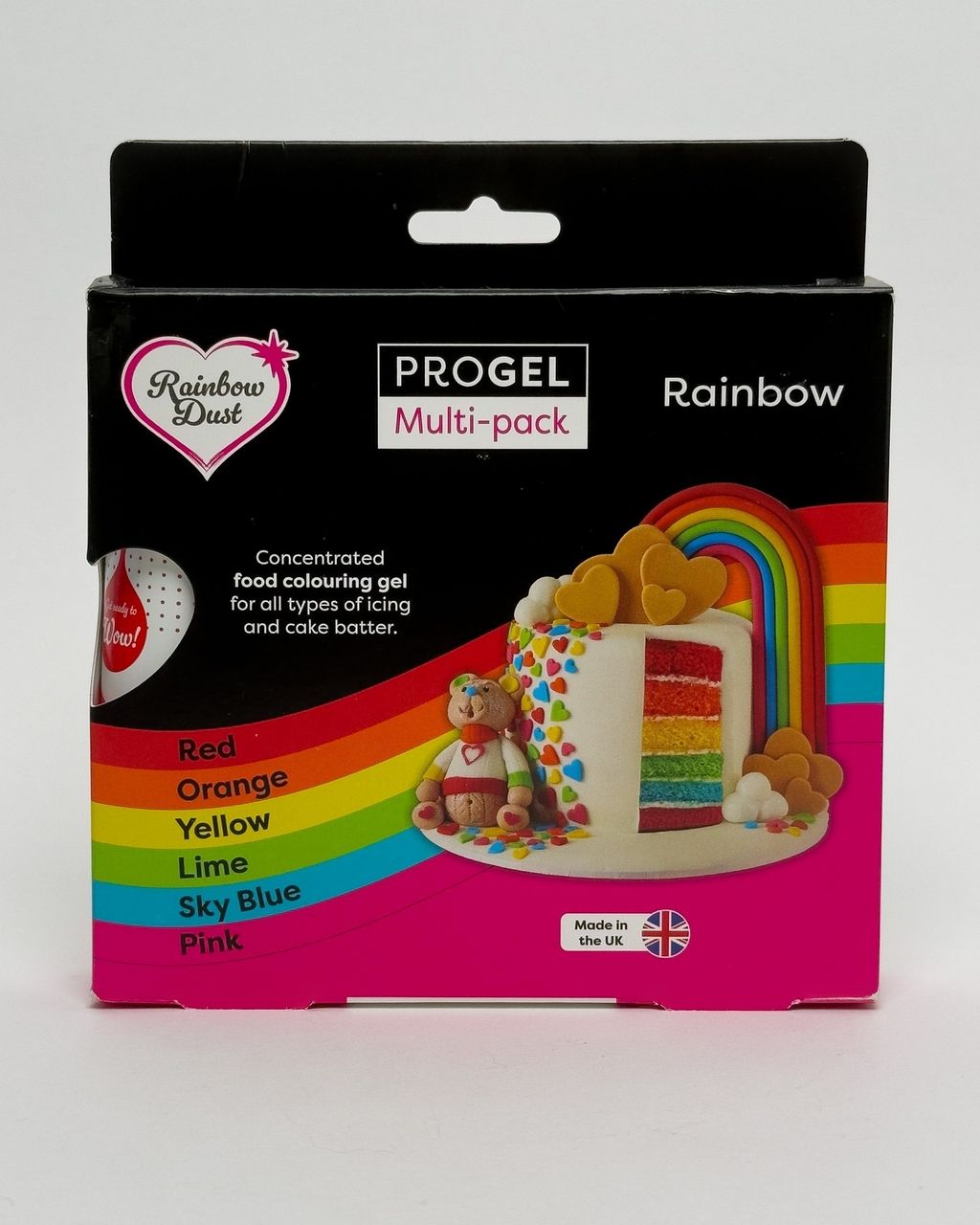
ProGel gel colours are so concentrated that a toothpick-tip's worth gives you a pastel shade, while a few drops per 200g of frosting gives a bold one. Let coloured frosting rest for 15–30 minutes — the colour keeps deepening, so don't rush to add more straight away.
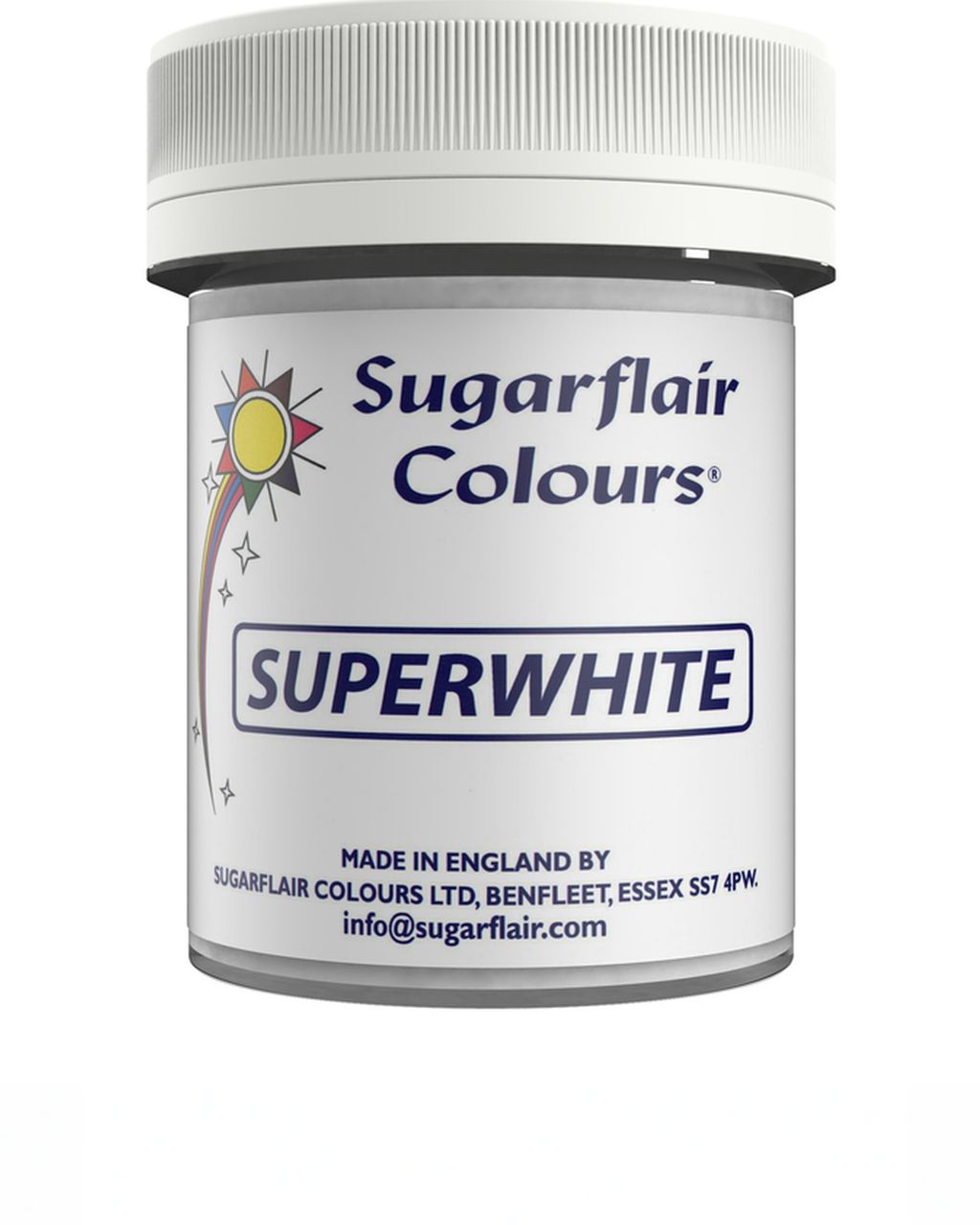
Super white colouring whitens the natural yellow tint of buttercream to a clean white, so pastel shades come out crisp rather than beige. More in our article on snow-white buttercream: how to whiten it.
And to be thorough: you can also flavour frosting without pastes — with cocoa (2–3 tablespoons per 250g of butter, which also firms the frosting slightly), with melted and cooled chocolate, with instant coffee dissolved in a teaspoon of hot water, or with lemon zest. For inspiration, see our coffee cupcakes with a delicate frosting. If you want a deep, dark shade, read how to make black frosting without it turning grey first.
Cupcakes topped with American or Swiss buttercream stay looking good for 1–2 days in a cool room (below 20°C/68°F) or in the fridge in a sealed box; let them sit out for 30–60 minutes before serving so the frosting softens and tastes its best. Frostings made with mascarpone, cream cheese, quark or whipped cream should always go in the fridge and be eaten within 24–48 hours.
For transporting, sturdy cupcake cases help hold the sponge together — thin paper ones tend to peel away from a moist sponge, leaving the cupcake wobbling around in the box. You'll find a selection among cupcake cases. For timing a celebration, our article on baking cupcakes ahead: when to bake, decorate and store them breaks down what to do when.
Yes, buttercream (both American and Swiss) keeps in a sealed container in the fridge for 5–7 days and in the freezer for about 3 months. Let it come back to room temperature before piping and beat it briefly to make it smooth again. Mascarpone or cream cheese frosting is best made on the same day you decorate.
Yes, the firmest butter-free options are chocolate-and-cream ganache or mascarpone whipped with cream. Both hold their shape, but need to stay cool. Baking-grade vegetable fats actually hold up in warmth even better than butter, though their flavour is flatter.
Buttercream turns yellowish because of the natural pigment in butter (beta-carotene). Whipping it longer (5–8 minutes) helps, as does a drop of super white colouring or a tiny pinch of purple gel colour, which visually cancels out the yellow tone.
For 12 cupcakes with a tall swirl, allow roughly 400–500g of finished frosting, which works out to a batch made with about 150–200g of butter. For a flatter finish or simple spreading, around 250g is enough.
Yes, cupcakes topped with buttercream or ganache freeze well; it's best to avoid freezing ones with mascarpone, cream cheese or whipped cream frosting, as they release water once thawed. Freeze decorated cupcakes uncovered for 1–2 hours first so the frosting firms up, then transfer them to a sealed box and use within about a month. Thaw them in the fridge in a closed box so condensation doesn't form on the frosting.
One recipe worth heating the oven for, one tip, and one deal from the shop. Nothing else.