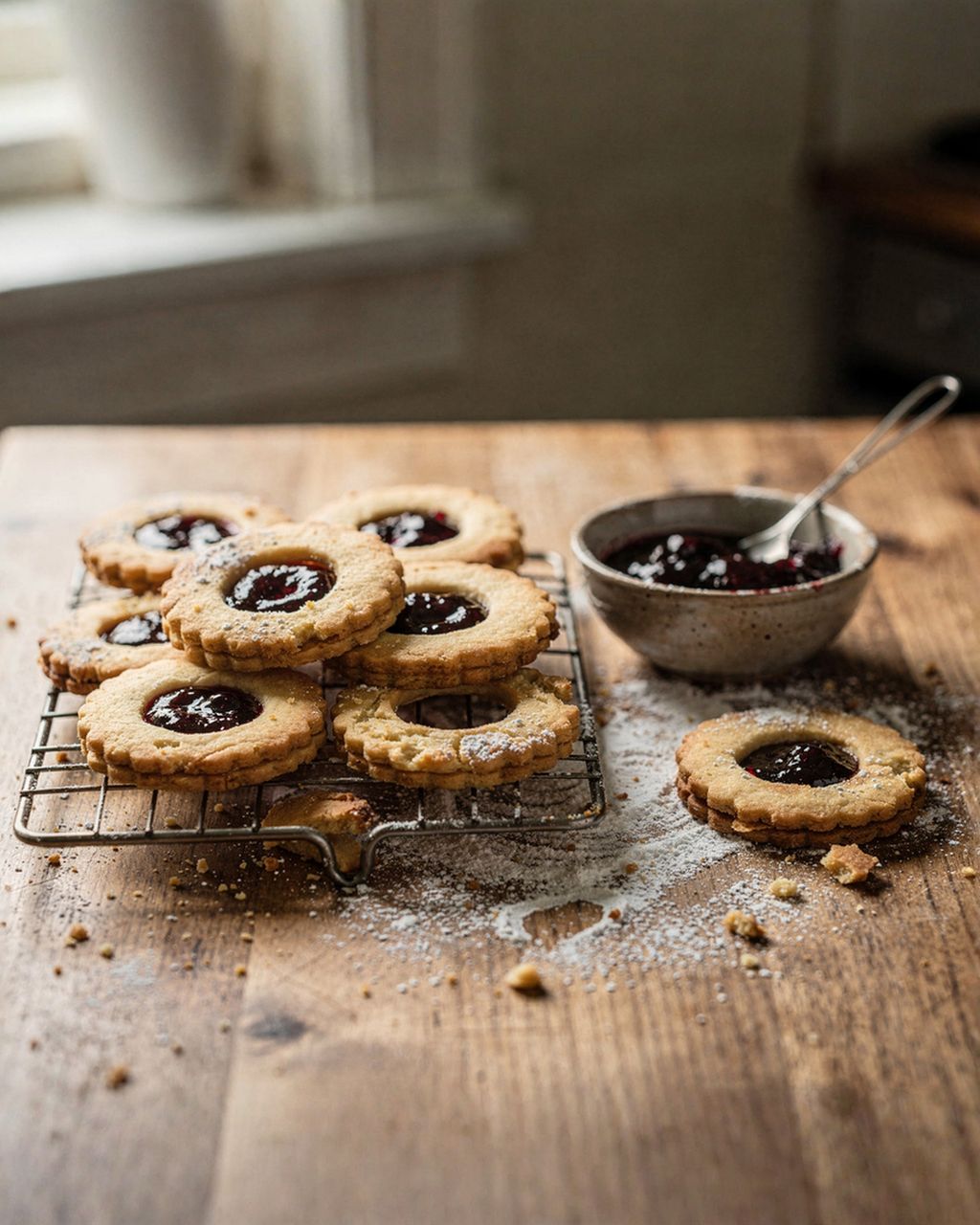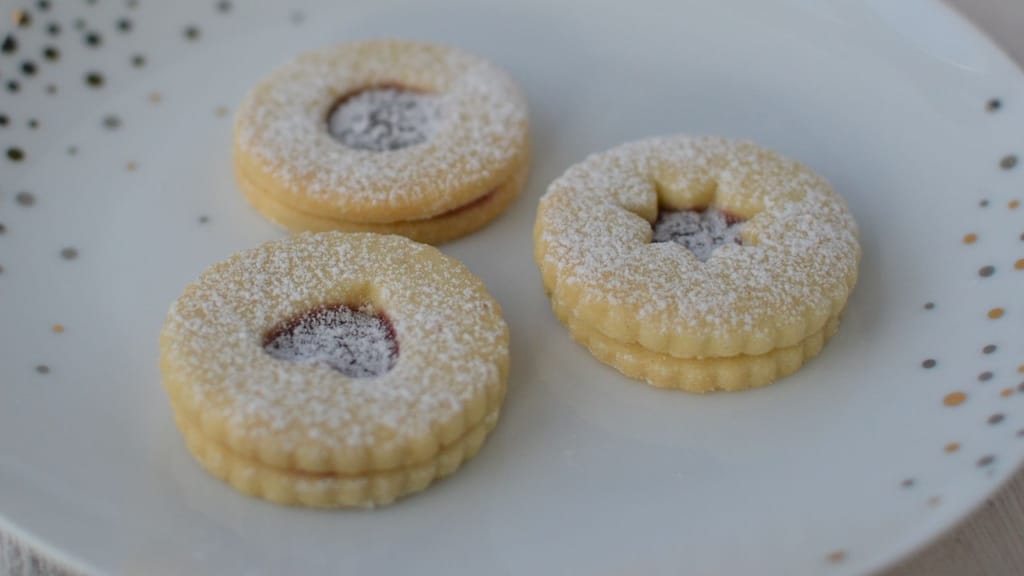
Classic christmas cookies: delicate linzer cookies
What to Fill Linzer Cookies With: Choosing & Spreading the Jam
Updated Oct 6, 2026
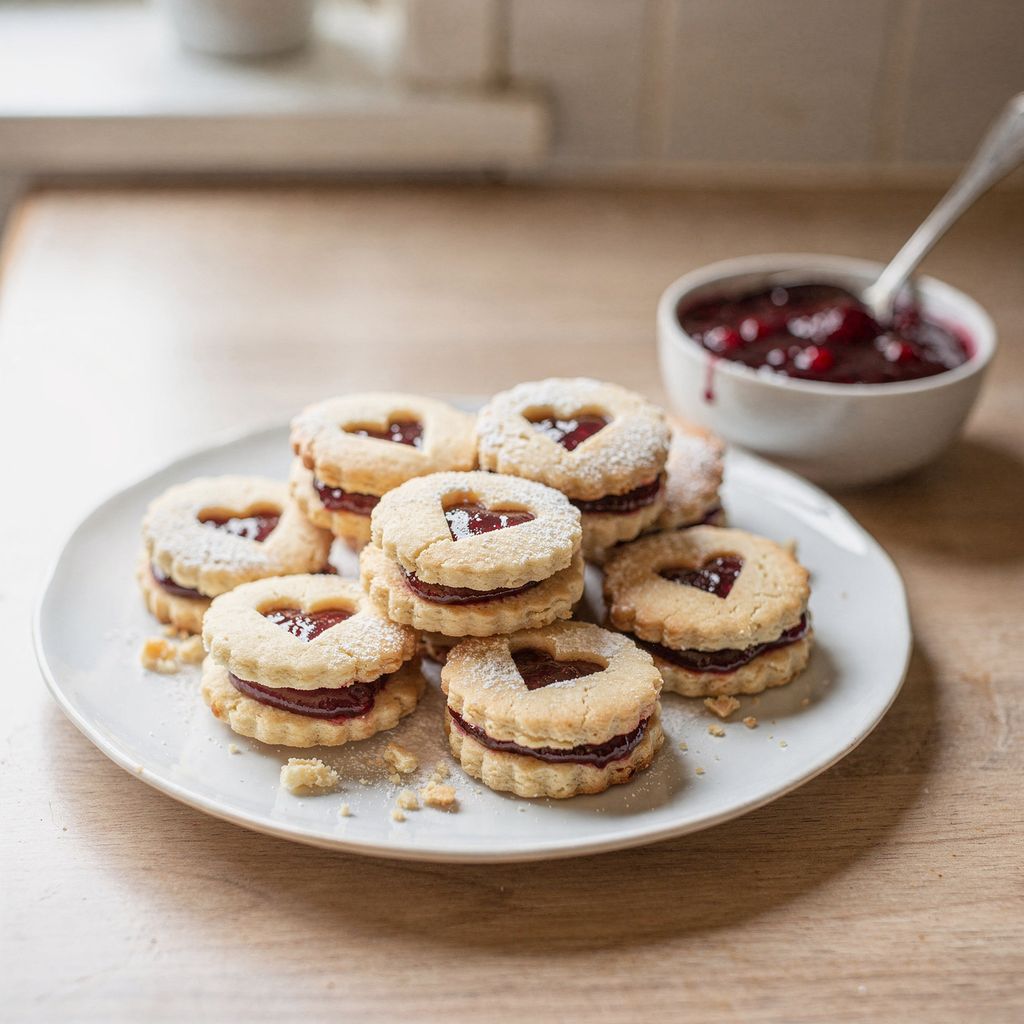
What should you fill Linzer cookies with? The classic choice is a smooth, tart, thick jam, ideally red currant, spread in a thin layer on fully cooled rounds. The tartness balances the sweet buttery dough, and the thickness keeps the filling from oozing out and making the dough soggy. Below you'll find which jam to pick and which to leave in the fridge, how to thicken it, how much to use, when to sandwich the cookies together, and what to fill them with if you want something other than currant.
The best jam for Linzer cookies is smooth, tart, and thick. Red currant jam ticks all three boxes, which is exactly why it's the classic Czech choice. Here's a ranking of your options:
Red currant. Tart and naturally high in pectin, so it sets well and gives that lovely glossy shine in the window.
Raspberry. Has the most intense aroma, but strain it through a sieve first — the seeds crunch and tear the thin layer otherwise.
Apricot. Milder and sweeter, with a beautiful orange glow. Pairs nicely with Linzer dough made with nuts or lemon zest.
Sour cherry, cranberry, or blackcurrant. Dark in colour with a strong tartness, so they work well as a second filling alongside currant.
Plum butter (powidl). The thickest option with the least water, so it barely softens the dough. It tastes more like gingerbread, has a dark colour, and suits nut or cocoa Linzer dough.
If you're still choosing a dough recipe, start with the classic shortcrust Linzer dough. It handles tart jam the best.
Classic christmas cookies: delicate linzer cookies
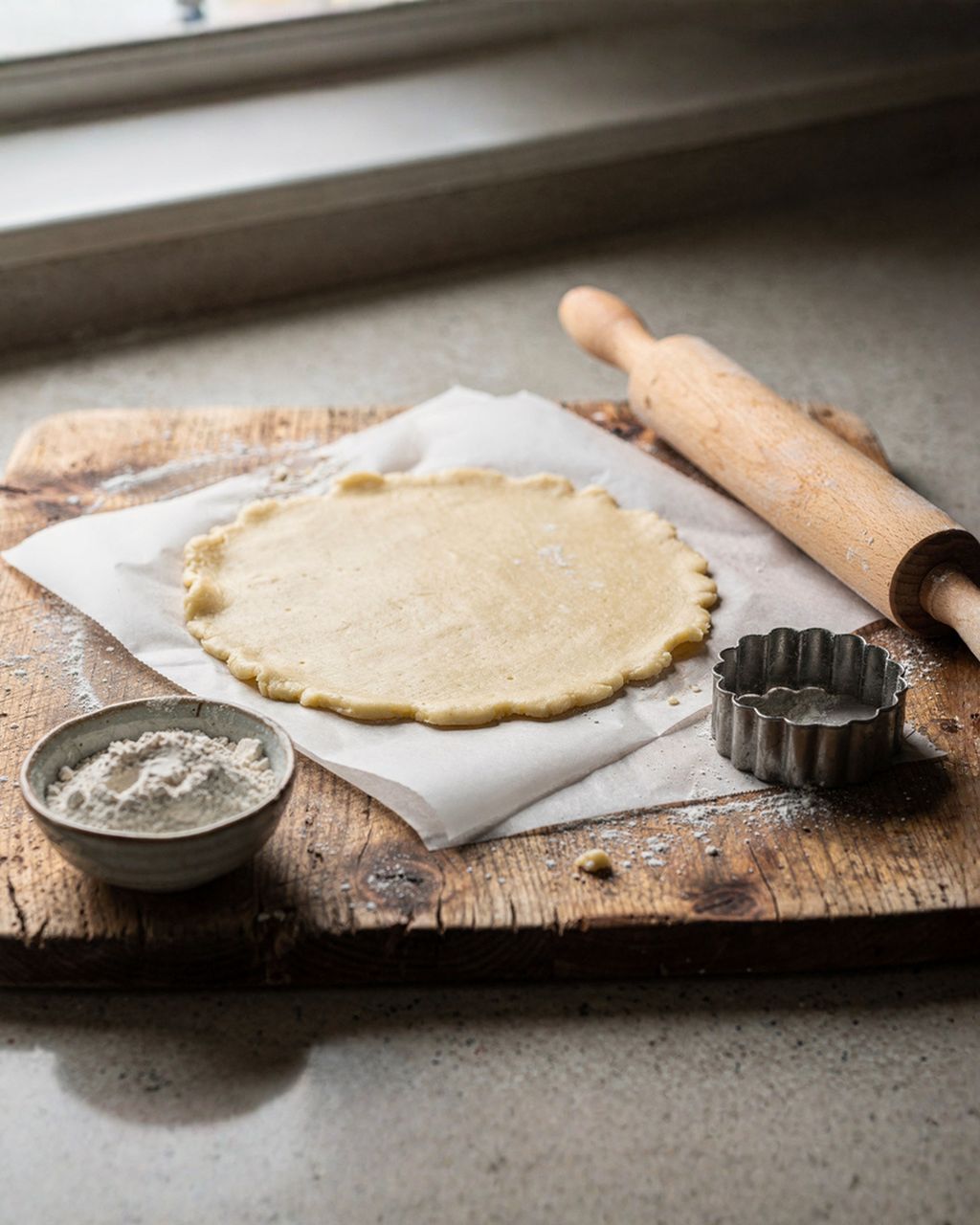
Classic shortcrust Linzer cookies – dough for jam filling
Chunky fruit jam, reduced-sugar fruit spreads, and overly sweet jams don't work well in Linzer cookies.
Jam with fruit chunks. The pieces lift the top and squeeze out at the edges.
Reduced-sugar fruit spreads. They contain more water, so they seep through more and the cookies mould sooner in the tin. Sugar in jam isn't just there for sweetness — it binds water, which is what gives jam its shelf life.
Overly sweet jams (strawberry, pineapple). Linzer dough is already quite sweet on its own, and when the filling is sweet too, the flavours blur together. If you love them anyway, stir in a teaspoon of lemon juice.
Linzer filling should be thick enough that a drop on a cold plate doesn't run after a minute when you tilt the plate. At the same time, it needs to spread smoothly or pipe easily from a bag. Thin jam leaks out at the edges and soaks into the dough; jam that's too thick tears and cracks the top when you press it on.
If your jam is too thin, thicken it by reducing it on the stove, or in a pinch with cornstarch:
Reduce it. Simmer it on the stove, stirring constantly, for 5–10 minutes until it passes the plate test. The water evaporates and the pectin kicks in. This is the best method, since the flavour stays clean and true.
Thicken with cornstarch only as a last resort. Mix 1 teaspoon (about 3–5 g) of cornstarch with a little cold water, stir it into the hot jam, and simmer for a minute. It works, but the jam loses a bit of its shine and translucency.
If the jam is instead too thick or lumpy, warm it up with a spoon of water or lemon juice and press it through a sieve. Smooth jam spreads easily and gives the window a nice shine.
Jam is easiest to work with lukewarm, around 35–40°C (95–104°F) — warm to the touch, not hot. Warm jam spreads into a thin layer and firms up as it cools. Hot jam would soak straight through the dough.
To keep the jam from turning your Linzer cookies soggy, you need thick jam in a thin layer on completely cooled rounds. Leaving a border also helps. Specifically:
A layer about 2 mm thick. For a round 4–5 cm across, that's about half a teaspoon (3–4 g).
Pipe the filling in the centre and leave a 3–4 mm border free. Once you press the top on, the jam will spread to the edge on its own without oozing out.
The rounds must be cold. On warm dough, the jam turns runny and soaks straight in.
A bit of moisture is actually meant to happen with Linzer cookies. Over a few days, the jam deliberately softens the dough slightly, which is exactly how Linzer cookies mellow and improve. You want it to soften, not go soggy. If your Linzer stays too hard instead, read why Linzer cookies turn hard and how to keep them tender — the dough is usually the culprit, not the filling.
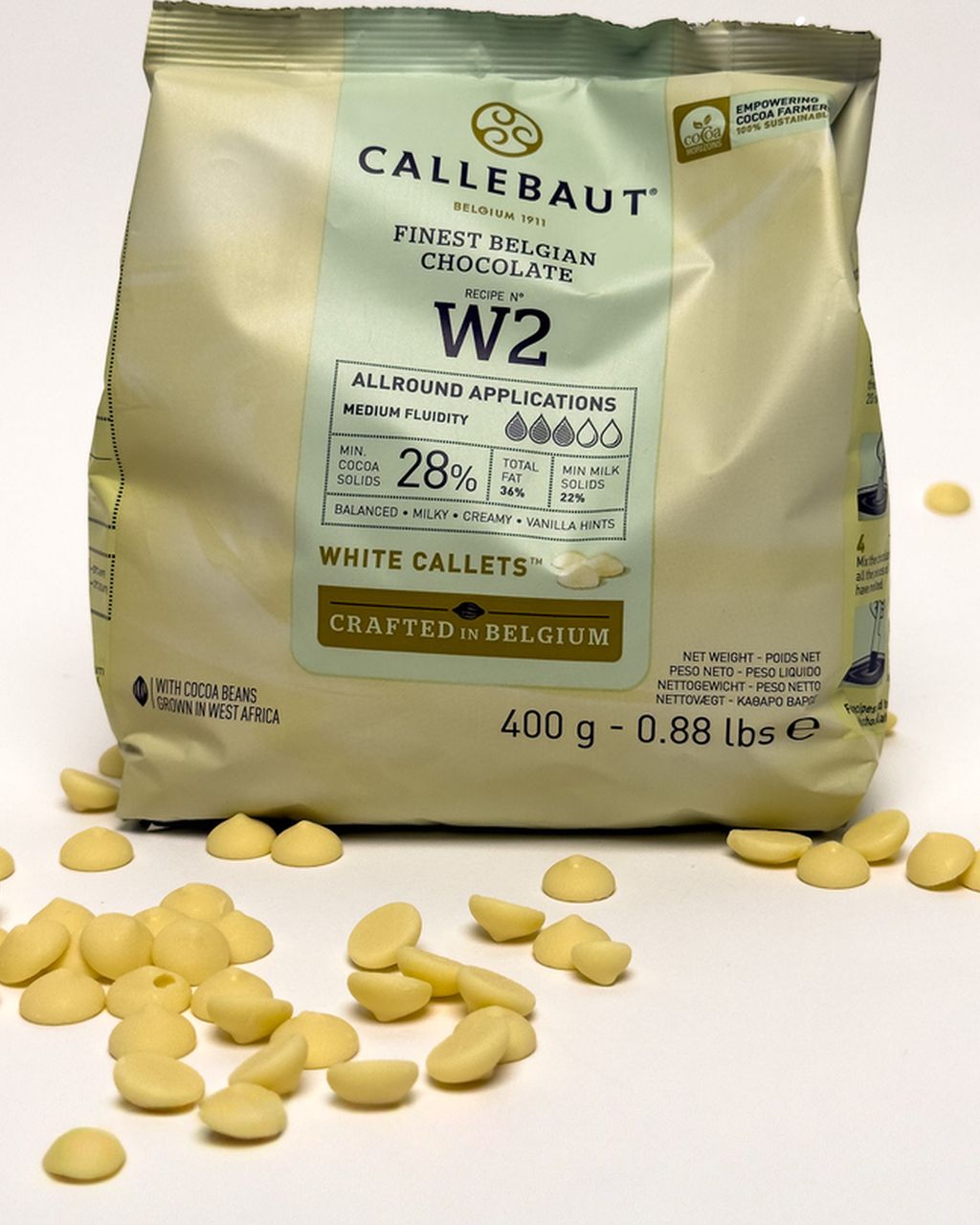
A chocolate barrier for creamy fillings: brush the bottom round with a thin layer of melted white chocolate and let it set. Chocolate blocks moisture from reaching the dough. You don't need this with jam — it would stop the cookies softening the way they're supposed to — but for creams and curds, it's a reliable trick.
Filling Linzer cookies takes six steps: cut in pairs, let the rounds cool, dust the tops with sugar, pipe jam onto the bottoms, sandwich together, and let set.
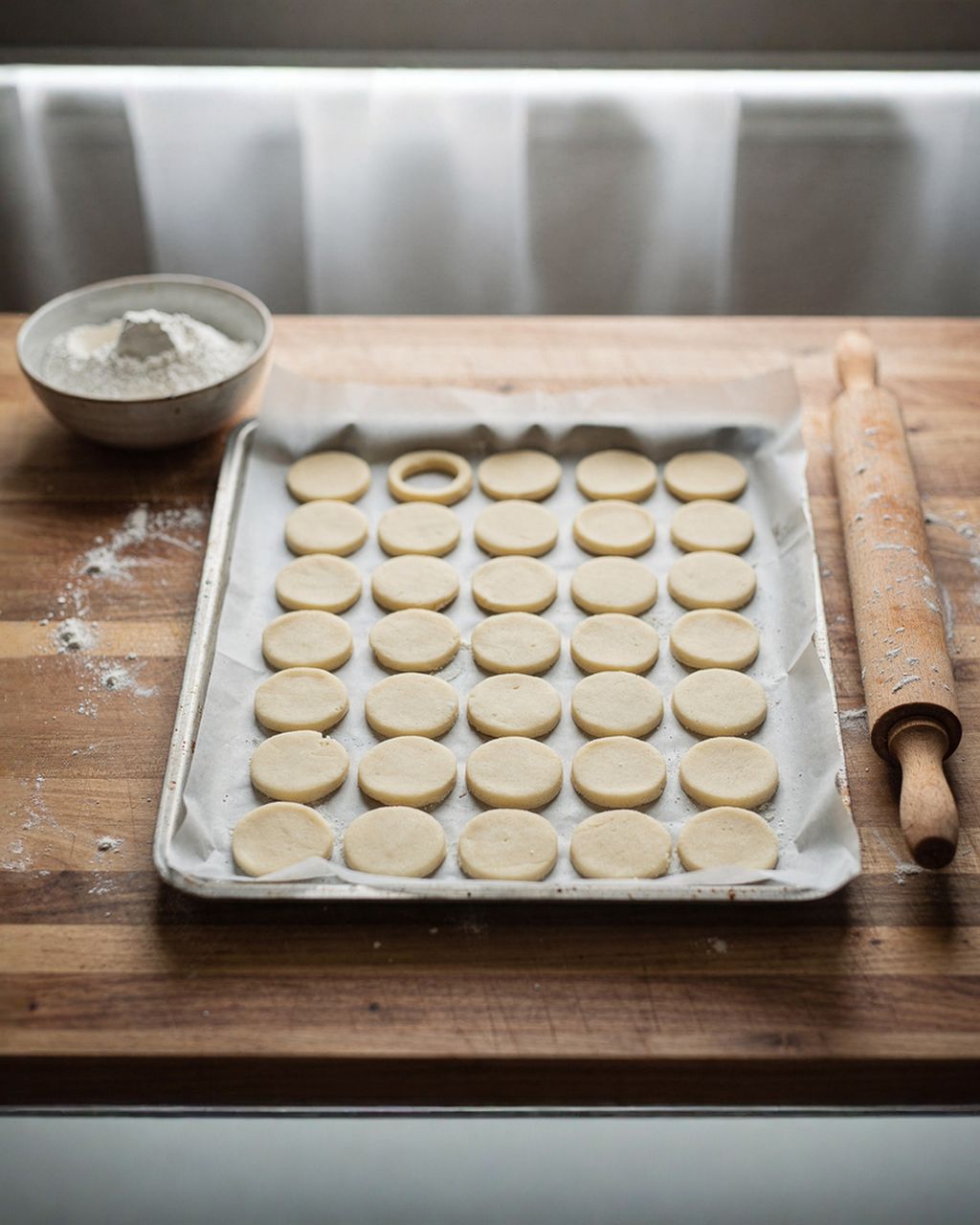
Cut in pairs. For every solid round, cut one with a cut-out window of the same size. For sharp, clean edges, see the guide on how to cut out cookie shapes.
Let the baked rounds cool completely, ideally at least an hour on a wire rack.
Dust the window tops with icing sugar before sandwiching. That way the sugar won't fall into the jam, and the window stays cleanly glossy.
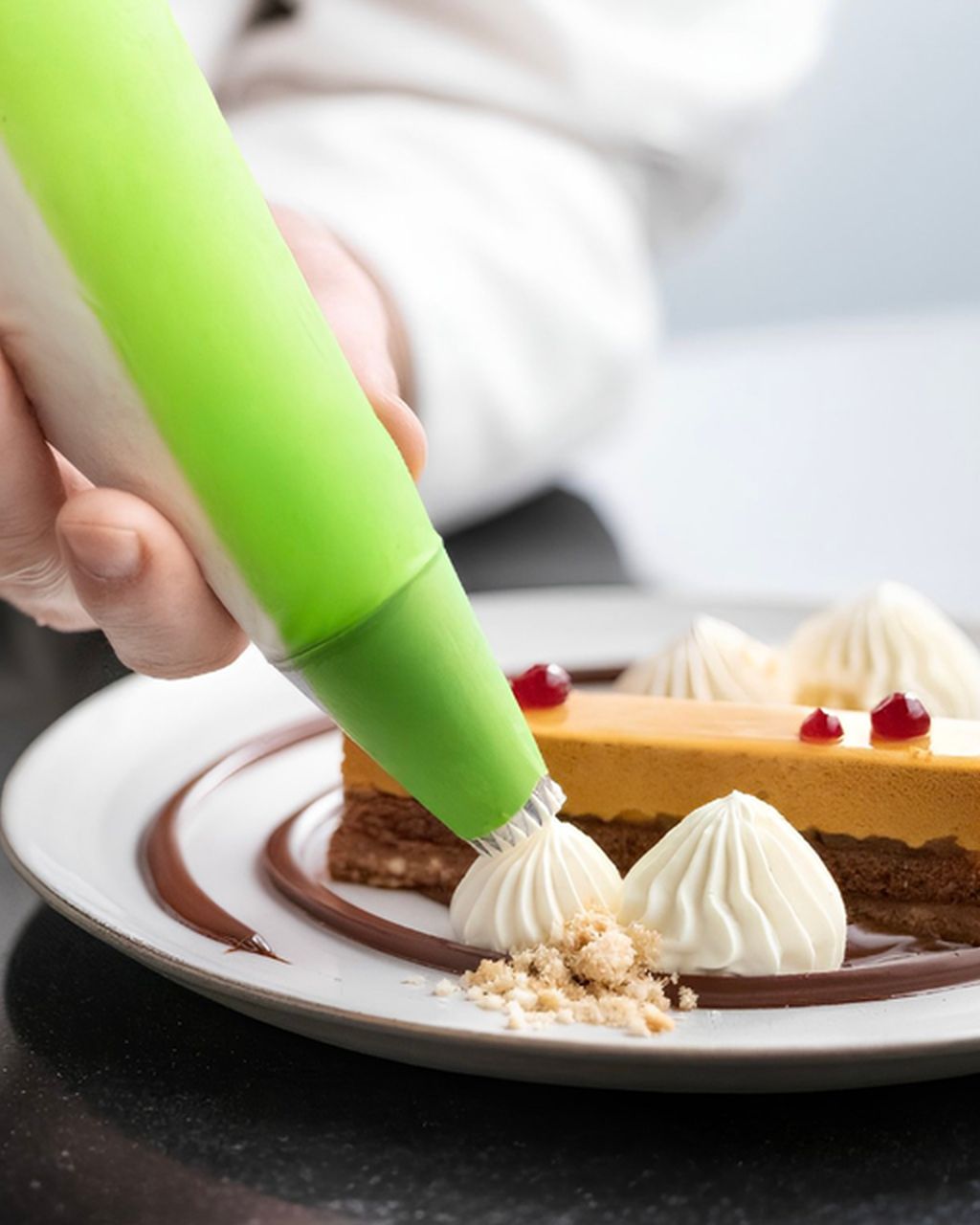
Pipe the jam onto the bottoms. A piping bag with the tip snipped off is fastest. A teaspoon works too, just more slowly.
Press the top on and press gently at the edges, not the centre, so it doesn't crack. If the jam has sunk in the window, top it up with a bit more from the piping bag.
Let the cookies set for 2–3 hours on the tray before transferring them to a tin, so they don't stick together.
Fill Linzer cookies about a week before you plan to eat them. That's how long the jam needs to soften the dough without making it soggy. Pastry chef Josef Maršálek gives similar advice: bake the rounds ahead of time, then sandwich them together roughly a week before Christmas.
Unfilled rounds keep much longer in a tin than sandwiched cookies, so you can bake well ahead and fill later. For timing on when to bake which type, check the Christmas cookie baking calendar, and you'll find recipes among more Christmas cookies. For how long Linzer cookies keep and when they taste best, see how long do Linzer cookies keep. If you want to bake even further ahead, freeze the rounds unfilled and sandwich them after thawing.
Instead of jam, you can fill Linzer cookies with salted caramel, chocolate ganache, pistachio or nut cream, lemon curd, or rum-spiked plum butter. One rule applies across the board: creamy and dairy-based fillings shorten shelf life, so cookies filled with them need to be kept cool.
Salted caramel. The caramel needs to be thick and set-able, not a runny sauce. Find a tested method in the recipe for Linzer cookies filled with salted caramel.
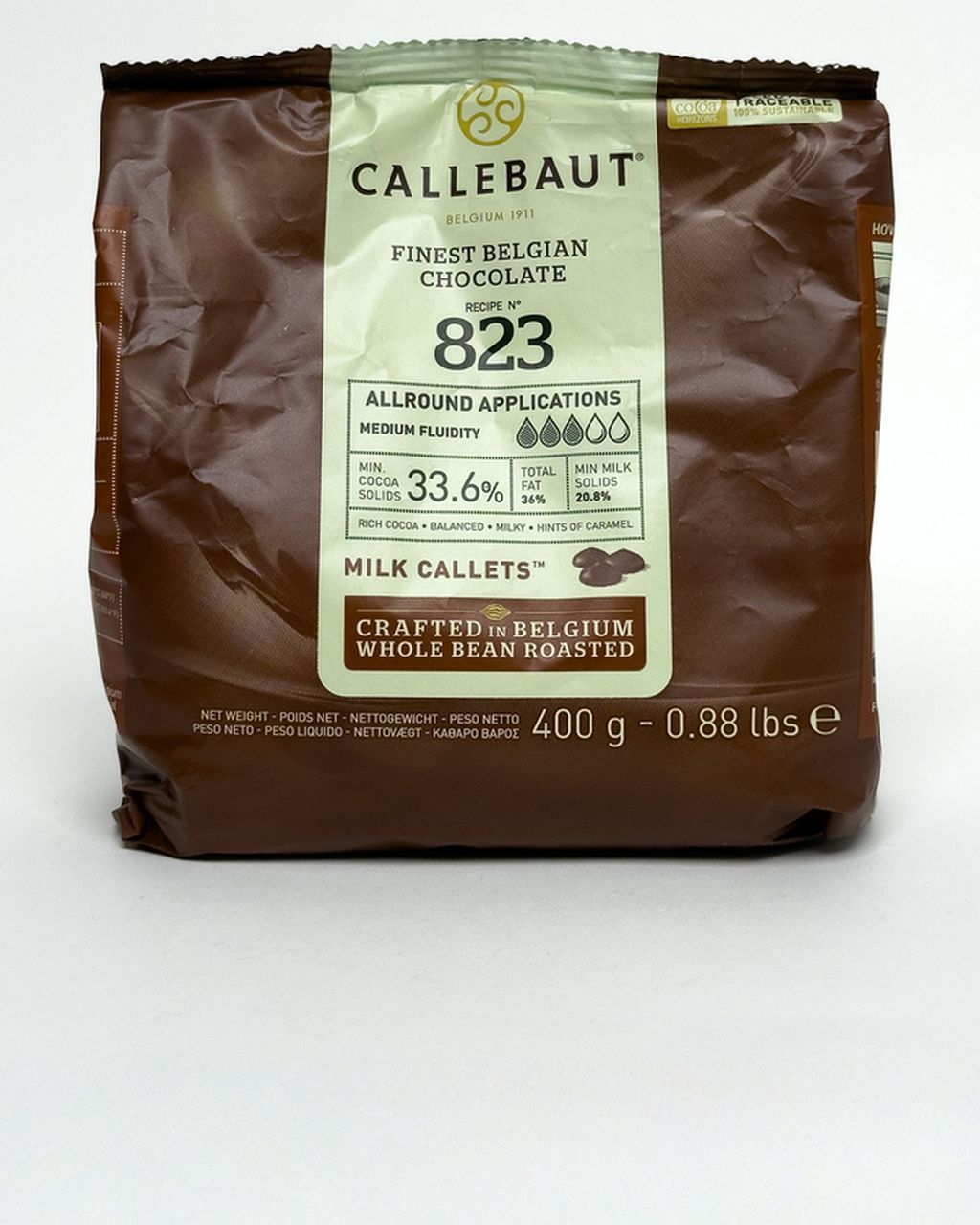
Chocolate ganache. You need a firmer ganache than you'd use for a cake — roughly 2 parts chocolate to 1 part cream for dark chocolate, about 2.5:1 for milk chocolate. Pipe it once it's firmed up enough to hold its shape.
Pistachio or nut cream. Works especially well with nutty dough. See it in action in the recipe for non-traditional pistachio Linzer cookies.
Lemon curd. Fresh and tart, so it works almost like currant jam flavour-wise. But since it contains eggs and butter, it needs to be refrigerated and eaten within 3–5 days.
Plum butter with a splash of rum. The most resilient filling of them all. It pairs well with cocoa Linzer dough and is thick enough that it won't make the dough soggy.
For every creamy filling, brush the bottom round with white chocolate first (see above). For how long such cookies keep and where to store them, see how long do cream-filled cookies keep.

Linzer cookies filled with salted caramel
Linzer cookies filled with salted caramel

Unconventional linzer cookies with pistachios
Non-traditional pistachio Linzer cookies
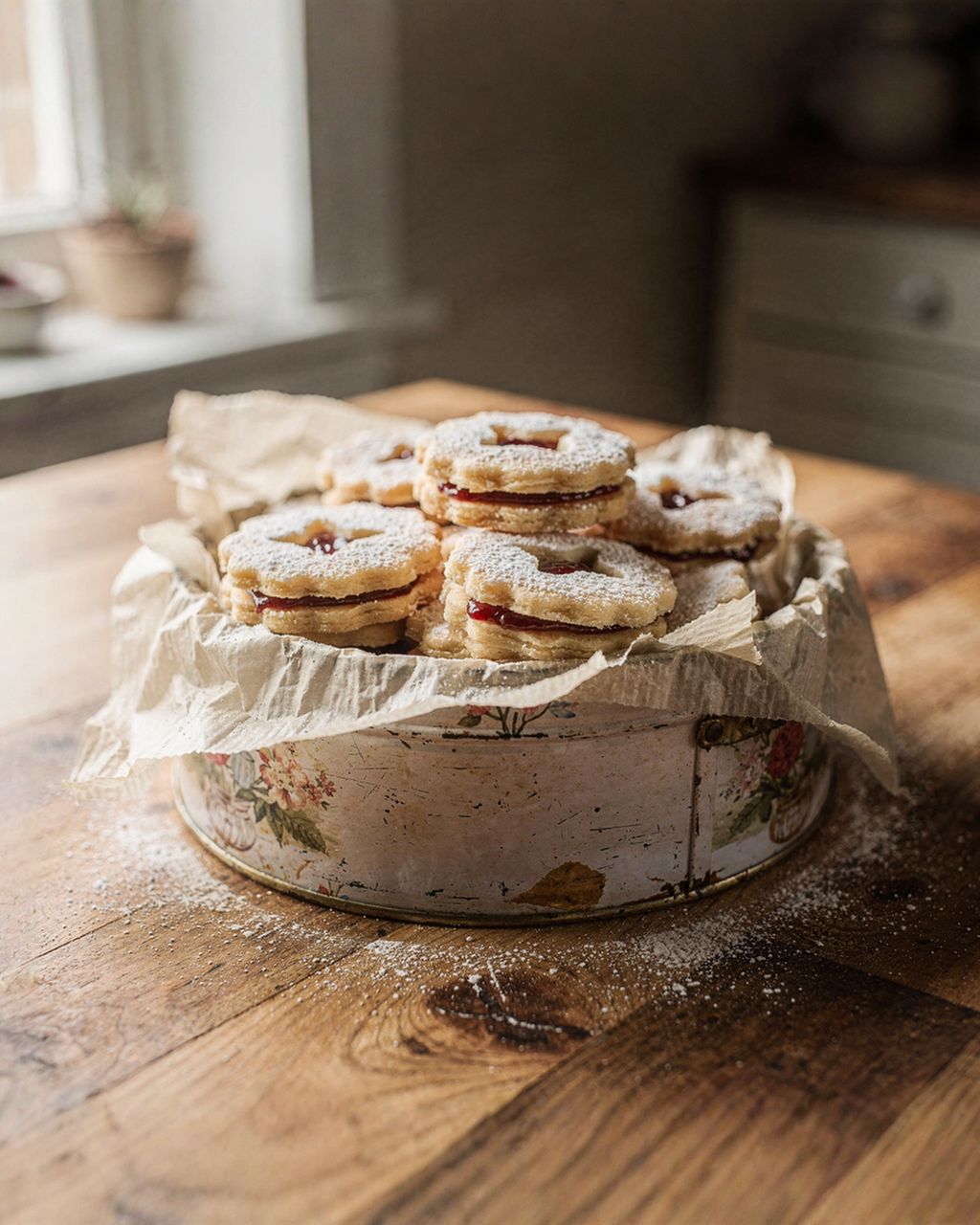
Store jam-filled Linzer cookies in a sealed tin in a cool spot, ideally around 10–15°C (50–59°F), and separate from dry cookies. Jam releases moisture, and vanilla crescents or similar dry pastries would soften sitting next to it. Layer with sheets of baking paper between them. For more on what to store with what, see the guide how to store Christmas cookies. For a full overview by cookie type, check how long different cookies keep.
For a standard batch made with 300 g flour (roughly 50–60 sandwiched cookies), count on 200–250 g of jam. One cookie about 4–5 cm across needs just 3–4 g, or about half a teaspoon. It's worth having an extra jar on hand, since some jam always stays behind in the piping bag and on the sieve.
You can fill Linzer cookies with Nutella, but store-bought hazelnut spread stays soft and oily, so the cookies slide apart once sandwiched and squeeze the filling out. Mix it with about a fifth melted dark chocolate so it firms up once cooled, and brush the bottom round with a thin layer of chocolate too, so the oil doesn't soak into the dough.
Jam-filled Linzer cookies most often go mouldy because of low-sugar jam, which holds more free water, or because of storage somewhere warm and humid. Fill with classic jam or plum butter, only sandwich completely cooled rounds, and store in a tin somewhere cool, not in a plastic bag.
Unfilled Linzer rounds keep in the freezer for about 2–3 months if they're well sealed in a container with baking paper between layers. Thaw them in the closed container at room temperature for about 1–2 hours, so moisture doesn't condense on them. Only fill them once they're completely thawed and dry to the touch, and dust with icing sugar after that.
The top usually cracks because the filling is too firm or too cold, and you're pressing down in the middle over the cut-out window. Warm the jam gently to around 35–40°C (95–104°F) before filling, so it feels warm, not hot, and stays pliable, then press the top down only at the edges. If even dry, unfilled rounds crack, the problem is in the dough — it's most likely overbaked or rolled too thin.
One recipe worth heating the oven for, one tip, and one deal from the shop. Nothing else.