- Season
- All year. Eureka, the best-selling variety, flowers and fruits all year round.
- Price
- Low
Calories and nutrition per 100 g
- 29 kcal
- 1.1 g protein
- 0.3 g fat
- 9.3 g carbs
Lemon
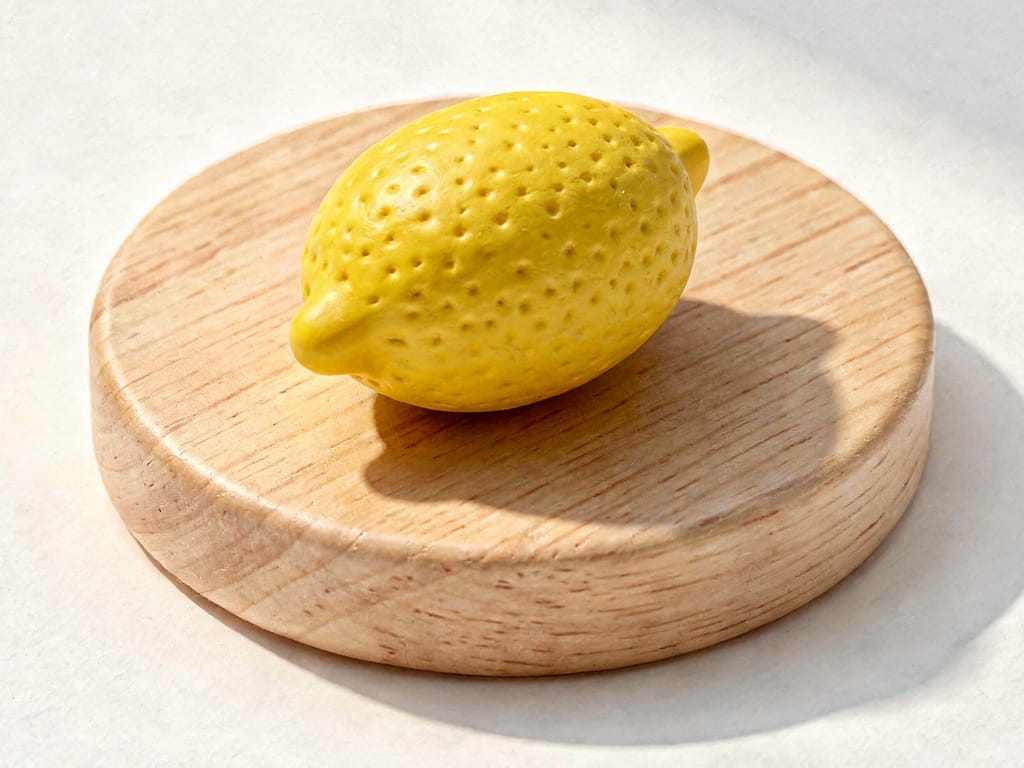
A lemon is the sour yellow fruit of the lemon tree (Citrus × limon), a hybrid of the citron and the bitter orange. Cooks use mainly its juice, which is 5–6% citric acid, and its fragrant zest to season fish, dressings, marinades, baking, icing and lemonade.
About a week at room temperature. If you will use them within a few days, keep them in a bowl on the counter, out of the sun. Lemons do not ripen after harvest; on the counter they only slowly dry out.
For longer storage, keep them in the crisper drawer, where they last 10–21 days. Wrap a cut lemon or put it cut side down in a closed container, refrigerate it within 2 hours of cutting and use it within 3–4 days.
Do not freeze whole lemons. Freeze squeezed juice in an ice-cube tray and use it within 3–4 months, or grated zest in a small container, which keeps 4–6 months.
Choose lemons that feel heavy for their size, with a firm, taut skin and no soft spots or mould. A greenish skin is fine: the EU marketing standard allows lemons with a green, but not dark green, colour as long as they contain at least 20% juice. For zest, buy untreated or organic lemons. Under the standard, substances used in post-harvest treatment must be declared on the pack or at the point of sale.
Lime juice, 1:1. The acidity is similar, the aroma different and more "green".
Bottled lemon juice for baking, marinades and drinks, though it will not replace the aroma of zest. Instead of fresh zest use dried lemon zest: 1 teaspoon replaces about 1 tablespoon of fresh.
Wash a lemon for zesting in warm water and dry it. Zest before you cut the lemon, and only the yellow layer; the white pith is bitter. Before juicing, roll the lemon under your palm on the board and let it come to room temperature for more juice. Catch the seeds in a sieve.
Grate the zest before you juice a lemon and freeze it for baking. Freeze leftover juice in cubes. You can also dry the zest; use about a third as much dried as fresh.
Roughly what one measure weighs, scooped the way you normally would in the kitchen.
Lemon juice seasons finished dishes, dressings, marinades, fish and drinks; zest flavours baking, creams and pasta. The acidity of lemon juice slows the browning of cut apples, bananas and avocados. In a marinade the acid partly breaks down tough collagen fibres in meat. Whole lemons go into marmalade, lemon curd and liqueurs such as limoncello. In the Mediterranean and Morocco lemons are preserved in salt, which softens the rind.

Hazelnut linzer cookies with blackcurrant jam
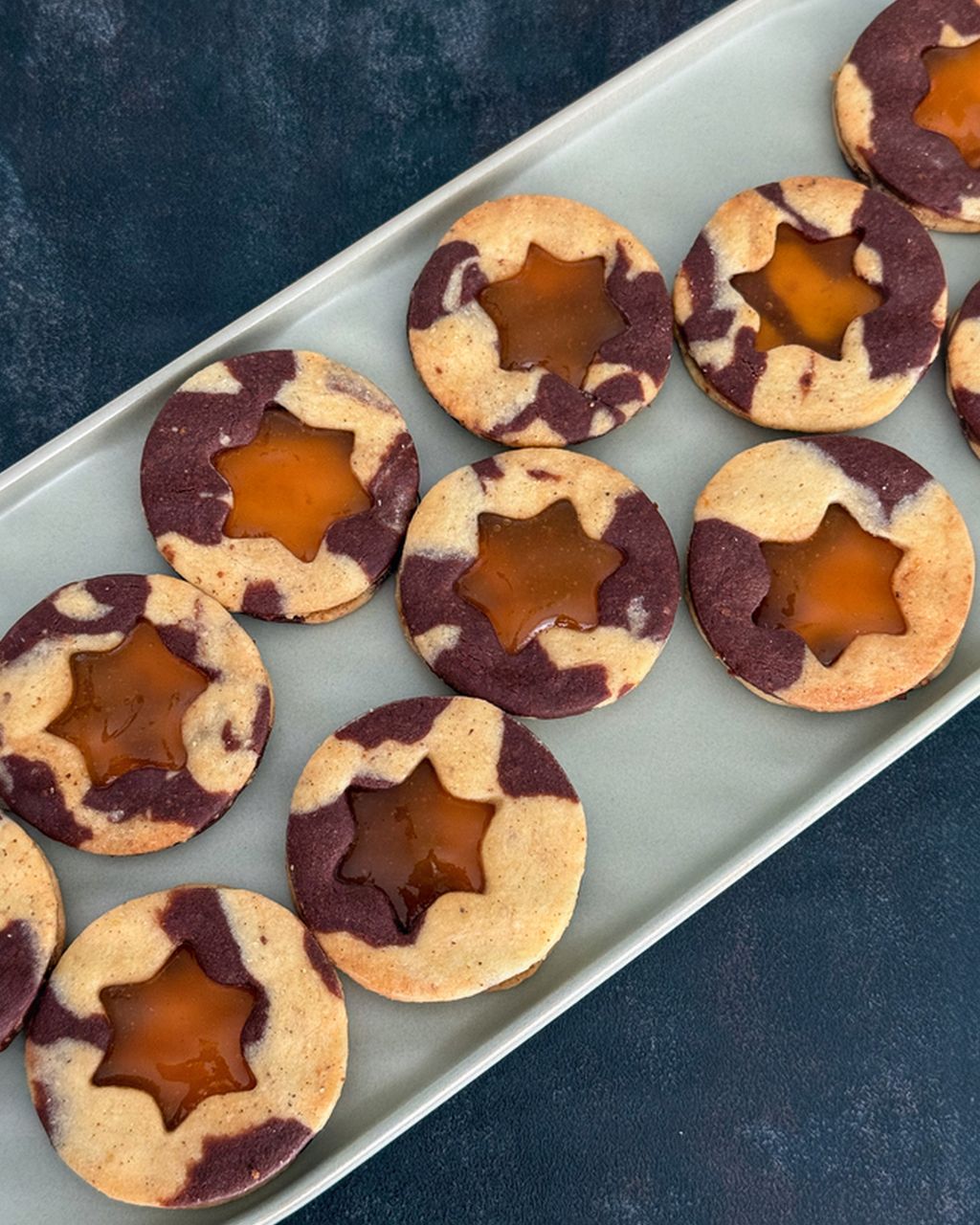
Marbled linzer cookies with vanilla and cocoa dough

Classic linzer cookies with redcurrant jam
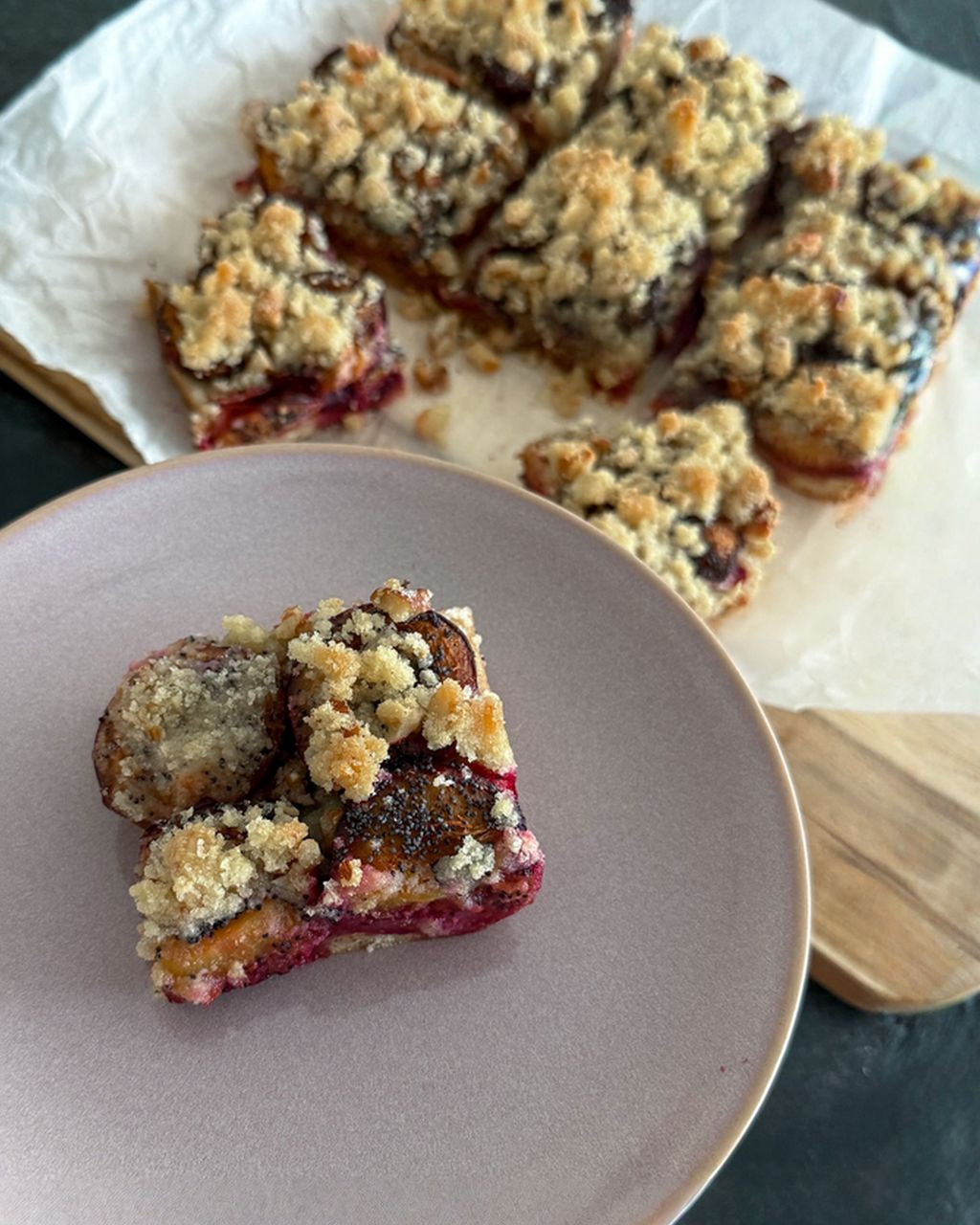
Classic yeasted plum sheet cake with crumble topping

Yeasted blueberry buns with curd cheese and crumble
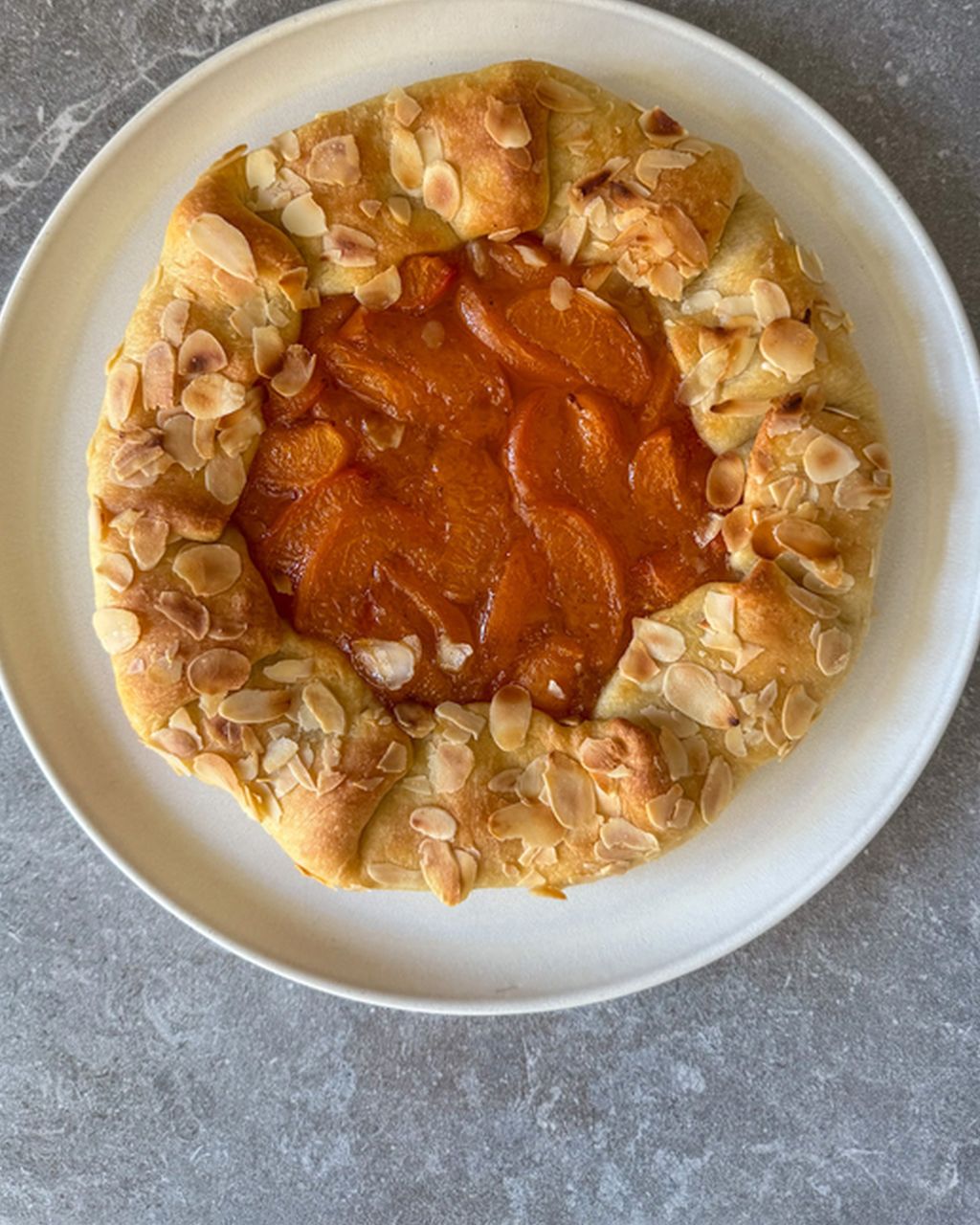
Apricot galette with ricotta pastry and rosemary
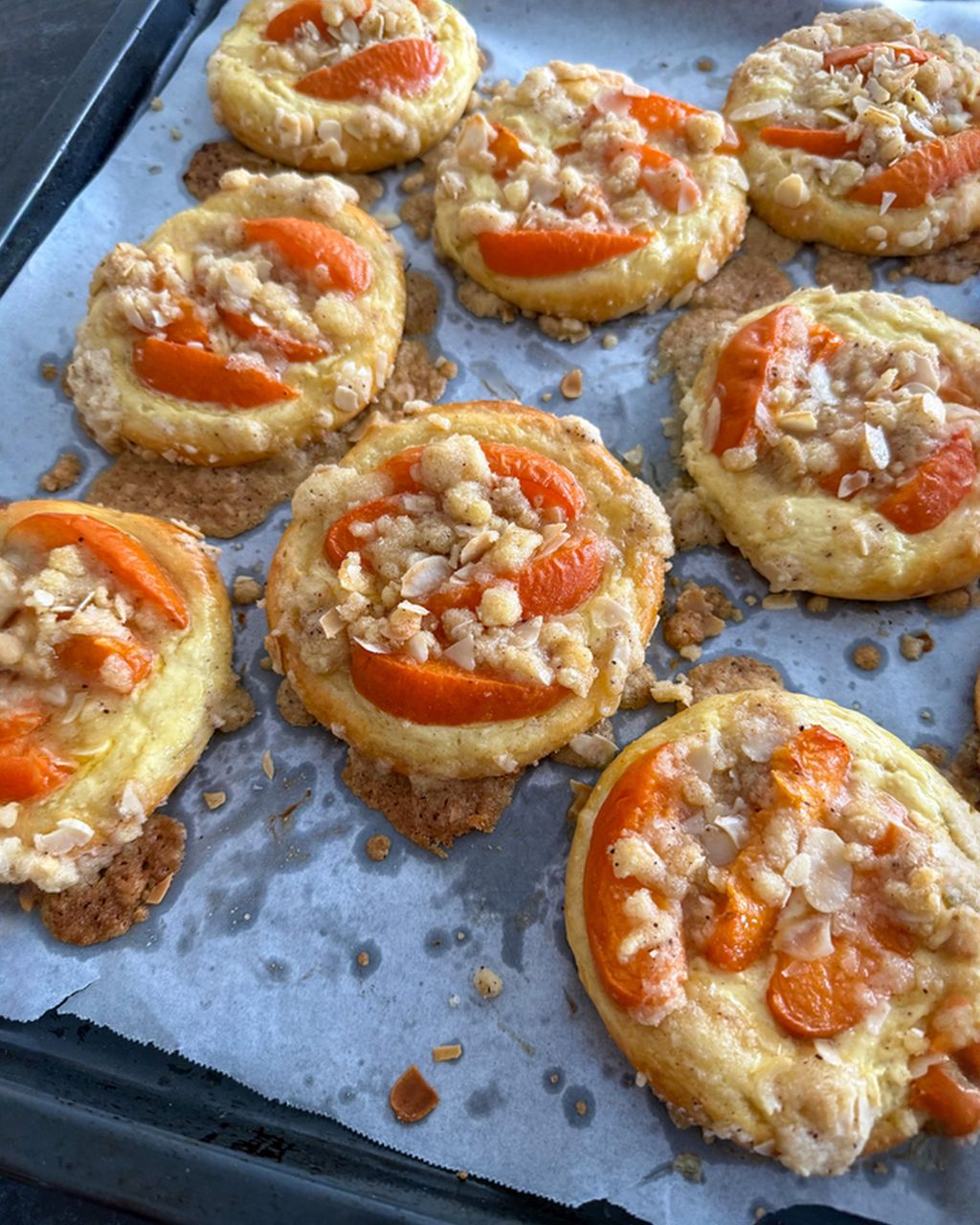
Apricot kolaches with curd cheese filling and almond crumble
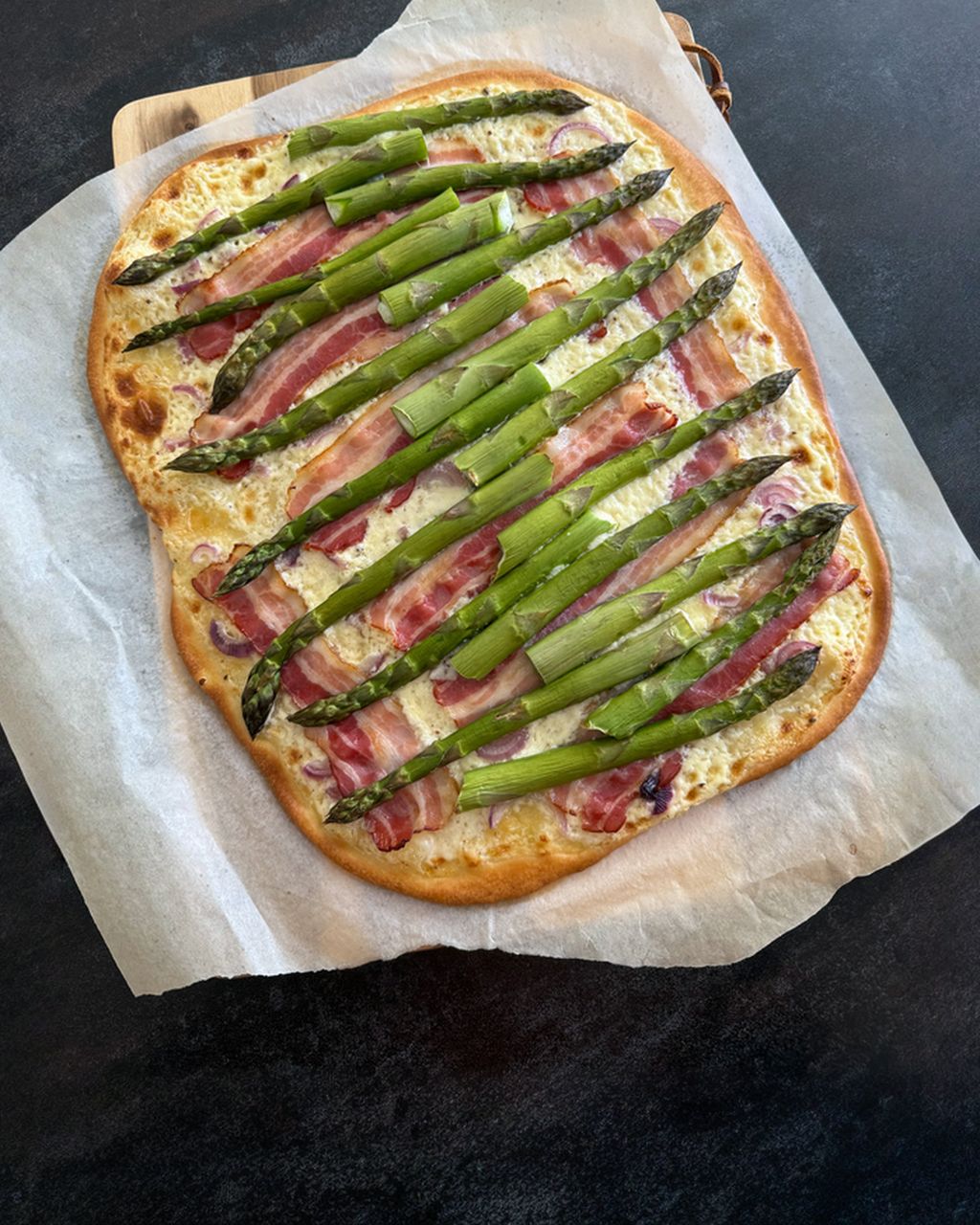
Savory asparagus tart with bacon and yogurt
Botanically, a lemon is a hesperidium, a modified berry with a tough, leathery rind. The outer yellow layer, the zest, is full of aromatic essential oils; underneath is the white, spongy pith. Inside are segments packed with juice vesicles, and the seeds. In Czech the fruit is called citron (or citrón). Do not confuse it with the English word citron, which is a different fruit (cedrát in Czech).
The juice is sharply sour, the zest smells of lemon oil and the white pith underneath is bitter. Lemon acidity lifts both savoury and sweet flavours, so a few drops are often enough.
Seasonal baking plans, tested recipes and kitchen tricks that save you time. Unsubscribe in one click.
3 min read
A lemon is the fruit of Citrus × limon, a hybrid of the citron and the bitter orange. In Czech it is called citron (also spelled citrón), while the fruit called citron in English is cedrát in Czech. Keep that in mind with Czech recipes.
Lemons and limes are different citrus fruits; a lime is not an unripe lemon, see lime. Juice yield, fresh versus bottled juice and its uses are covered on the lemon juice page.
The most common supermarket lemon is Eureka, which the tree bears all year round. The other common variety is Lisbon: smoother and thinner-skinned, with fewer or no seeds and usually more juice. The Italian Femminello St. Teresa (Sorrento) has zest rich in oil and is the traditional lemon for limoncello.
The Meyer lemon is a cross between a citron and a mandarin–pomelo hybrid, not a true lemon. Other hybrids are called lemons too, such as the Ponderosa with its large, thick-skinned fruit.
The EU marketing standard for citrus fruit (Delegated Regulation (EU) 2023/2429) sets a minimum diameter of 45 mm for lemons and at least 20% juice. A green, but not dark green, skin is allowed if the lemon meets the juice content.
If lemons were treated after harvest with preserving agents or other chemicals, this must be stated. For zest, choose lemons labelled untreated or organic. How to grate, dry and store zest is covered in lemon zest: how to use it, store it and grate it right.
Whole lemons keep about a week at room temperature and 10–21 days in the fridge. Put a cut lemon cut side down in a container in the fridge and use it within 3–4 days. For every other fruit, see how to store fruit.
Do not freeze whole lemons; they turn mushy when thawed. Freeze the juice in an ice-cube tray (3–4 months) or grated zest (4–6 months).
Lemon juice is 5–6% citric acid, so a little goes a long way. Zest is at its best in baking, for example in Easter Judas buns with honey and lemon zest. Juice, zest, eggs and butter make lemon curd, see lemon curd: recipe, tips and ways to use it, used for example in pistachio cupcakes with lemon curd. The sugar-to-juice ratio for icing is in lemon glaze.
Lemon juice makes fish in a marinade or ceviche acidic, but it does not kill parasites. For raw fish, buy fish sold for eating raw; EU Regulation 853/2004 requires such fish to be frozen at −20 °C in all parts for at least 24 hours, which a normal home freezer cannot guarantee. More in salmon and sushi in the fridge.
According to USDA, lemon flesh without peel has 29 kcal per 100 g, 9.3 g carbohydrate, 2.8 g fibre and 53 mg vitamin C. A small lemon (about 5.4 cm across) weighs 58 g and a larger one (about 6 cm) 84 g, so a whole lemon has roughly 17–24 kcal.