Pistachio cupcakes with lemon curd and mascarpone cream
Lemon Curd: Recipe, Tips and Ways to Use It

Updated Jul 19, 2026
Lemon curd is a thick lemon custard made from lemon juice and zest, eggs, sugar and butter, cooked until it thickens into something both sweet and tangy. It traces back to 19th-century English kitchens, where it was spread on toast at teatime and used to fill cakes and tarts. At home you can whip up a batch in about 20 minutes with just a handful of ingredients — and it's good for far more than just baking. Below you'll find a reliable method, the most common mistake (why it curdles and how to avoid it), gluten-free and vegan versions, and specific desserts it works brilliantly in.
Lemon curd is a thick, spreadable lemon custard made from just four ingredients: lemon juice and zest, eggs, sugar and butter. It's thickened by egg proteins, which set into a silky mixture when gently heated — no starch or gelatine involved. That's where its rich yellow colour and full, sweet-yet-tangy flavour come from.
It originated in 19th-century England, where curd was spread on bread for afternoon tea and used to fill cakes — a homemade cousin of jam and marmalade. The key difference: marmalade sets thanks to fruit and sugar, while lemon curd sets thanks to egg and butter, which is why it's creamy rather than jelly-like.
The ratio of ingredients determines the result. Sugar balances the tartness of the juice, butter adds creaminess and shine, and the zest carries most of the fragrance — the aromatic oils live there, not in the juice.
Seasonal baking plans, tested recipes and kitchen tricks that save you time. Unsubscribe in one click.
For one jar (about 350ml) you'll need 3 lemons, 200g sugar, 3 eggs and 100g butter. The whole thing takes about 20 minutes, and the most reliable route is a double boiler — over gentle heat, the curd won't overheat and curdle.
3 large lemons (organic if possible, for the zest) — about 120ml juice in total
200g sugar
3 large eggs
100g butter, cut into cubes
Zest and juice: Wash the lemons in hot water and dry them. First grate only the yellow zest (skip the white pith — combined with the acid, it turns bitter), then squeeze the juice; you'll need about 120ml.
Mixing: In a stainless steel or glass bowl, whisk the eggs with the sugar, then add the juice and zest.
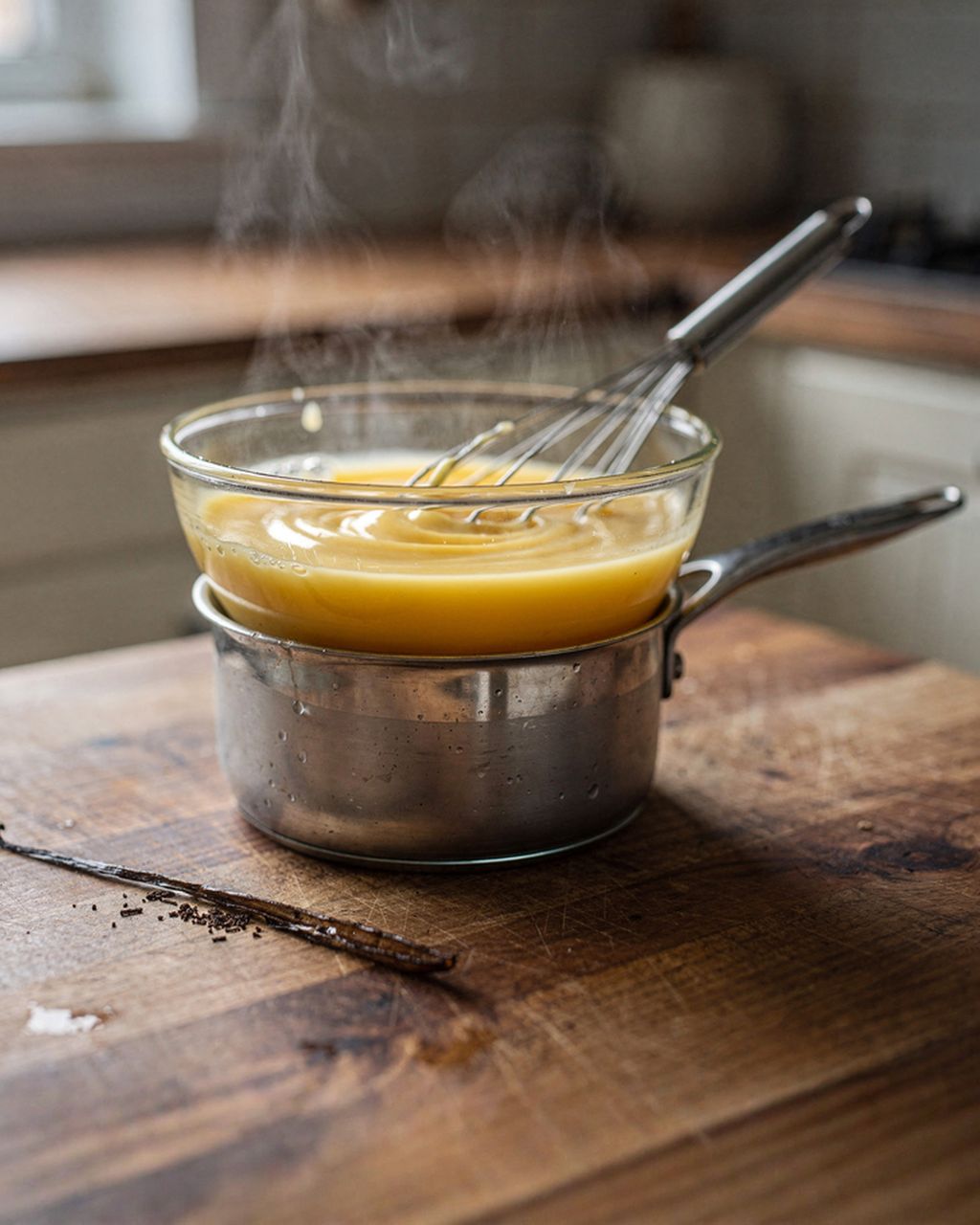
Double boiler: Set the bowl over a pan of gently simmering water, making sure the bottom doesn't touch it. Cook for 8–12 minutes, stirring constantly, until the curd thickens and coats the back of a spoon. Aim for 78–82°C (172–180°F) — don't let it boil.
Butter: Remove from the heat and whisk in the butter, a cube at a time, until you have a smooth, glossy curd.
Straining and storing: For a truly silky texture, strain the curd through a fine sieve. Pour into sterilised jars, cover and let cool; it will keep in the fridge for about 2 weeks.
Lemon curd curdles when the egg proteins overheat — above about 85°C (185°F), instead of a smooth curd you get tiny set lumps. The fix is low, steady heat and constant stirring.
High heat or a direct flame is the main culprit — cook over a double boiler or on the lowest possible setting.
Not stirring enough lets the proteins set at the bottom. Stir continuously, not just now and then.
Add the butter only after removing from the heat, a little at a time — this keeps the curd smooth and glossy.
Rescuing grainy curd: while it's still hot, push it through a fine sieve or blitz it for a few seconds with a stick blender.
If you want extra insurance against curdling, whisk a teaspoon of cornstarch into the mixture — according to culinary sources, it coats the egg proteins and protects them from setting, so the curd can tolerate slightly higher heat.
Lemon curd is naturally gluten-free and easy to adapt: swap the sugar for erythritol or stevia, replace the eggs with cornstarch or agar, and use a plant-based butter instead of dairy.
Sugar-free / low-carb: use erythritol or stevia in place of sugar, following the same method. Available data suggests these sweeteners have minimal impact on blood sugar levels, which is why people watching their carb intake often reach for them — always check with a specialist for what's right for you.
Vegan, egg-free: simmer the lemon juice and zest with a plant-based butter (coconut works well), sweeten to taste, and thicken with cornstarch or agar mixed with a little water. Cook over low heat until thickened.
The flavour comes close to the original, just with a slightly firmer texture — starch and agar set differently than egg proteins.
Lemon curd works as both a filling and a topping. It shines wherever its tartness can cut through something sweet or rich — shortcrust pastry, cheesecake, poppy seed sponge. Here are specific Yumsto recipes it's perfect for.
Pistachio cupcakes with lemon curd and mascarpone cream
Pistachio cupcakes with lemon curd and mascarpone frosting — a ready-made recipe where lemon curd forms a luscious filling
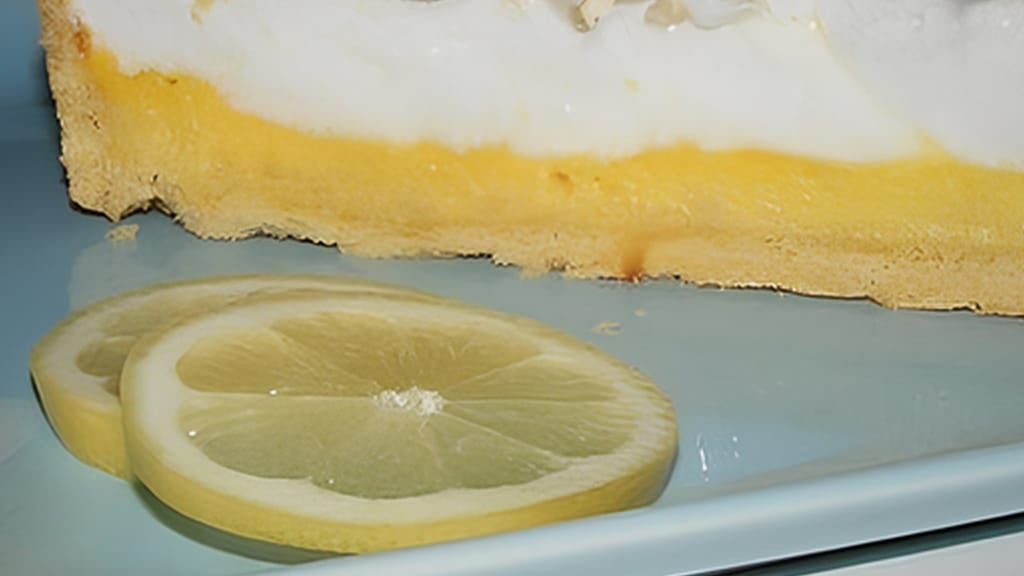
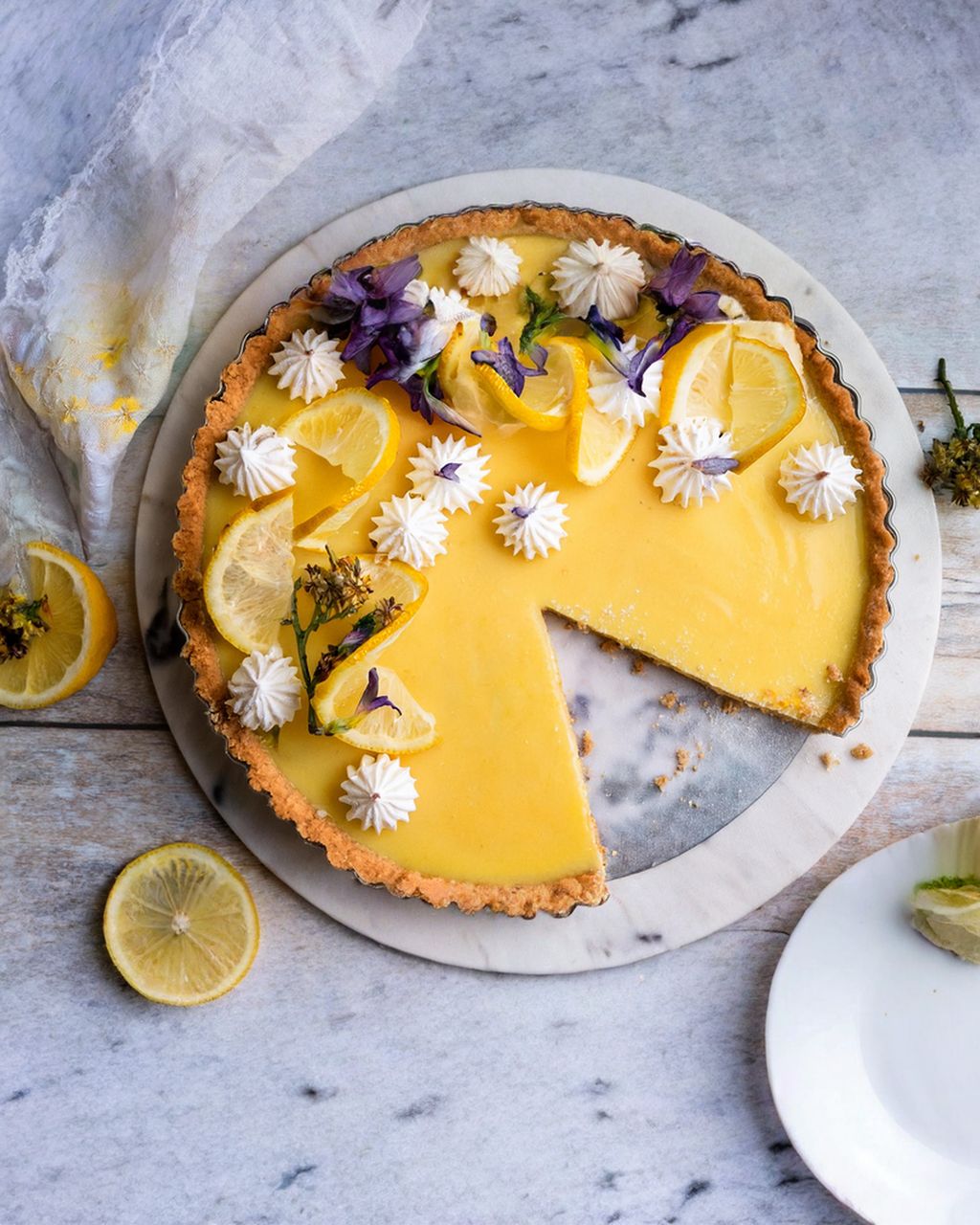
Tarte au citron – french lemon tart
Tarte au citron — the French lemon tart, lemon curd's closest relative in whole-dessert form
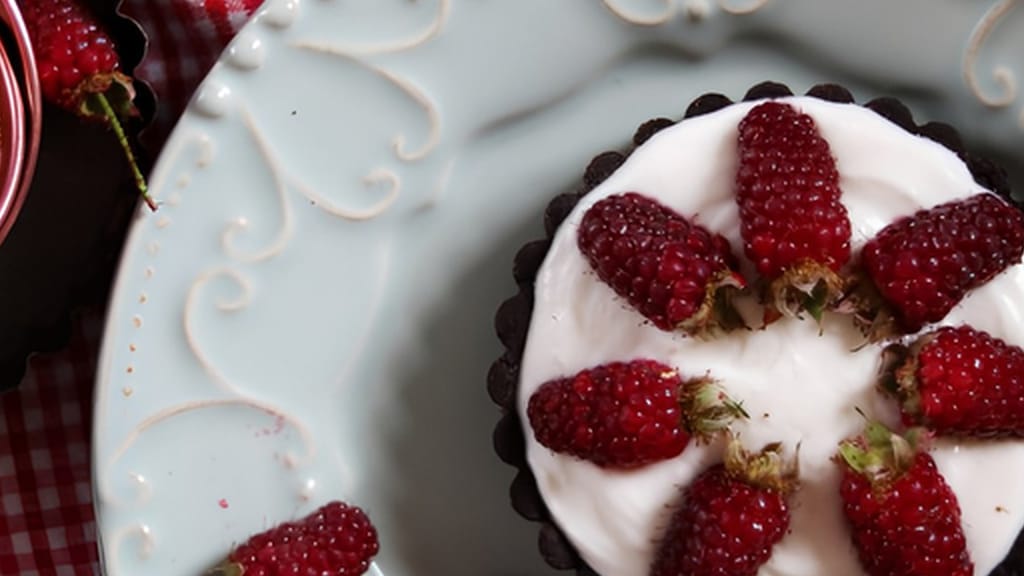
Tartlets with light ricotta and curd cheese cream
Shortcrust tartlets with a light cream filling — swap the filling for lemon curd and top with fresh raspberries or blueberries
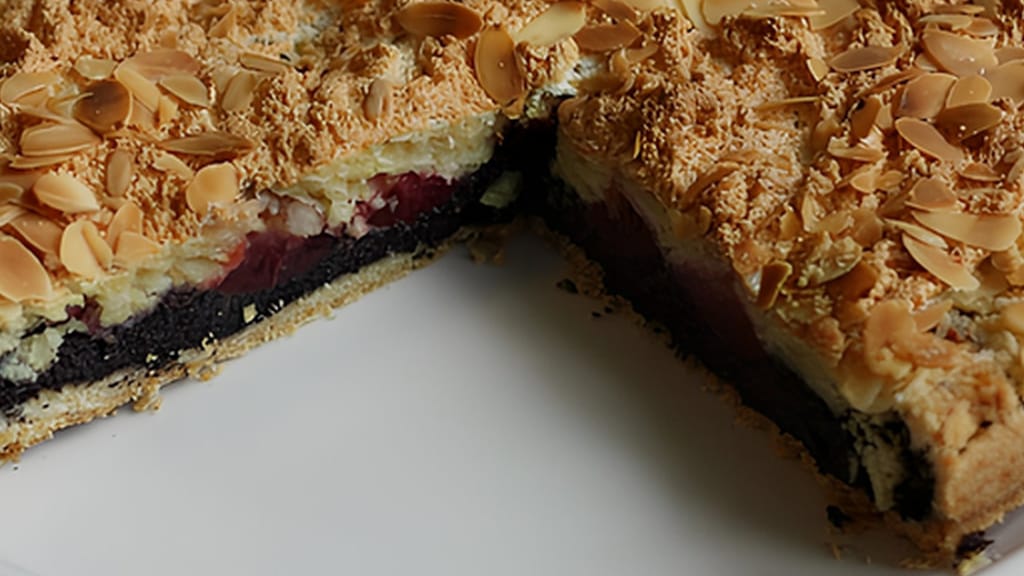
Heavenly poppy seed cake with plums
Heavenly poppy seed cake with plums — a poppy seed base that lemon curd tops off with a fresh, tangy layer
It also works brilliantly with lemon curd cheesecake — just spread a layer of curd over the cooled cake right before serving; the lemon's tartness balances the sweet, creamy base. Just as easy are poppy seed linzer cookies spread with lemon curd. Neither of these ideas has its own recipe on Yumsto yet, so for now treat them as inspiration.
Kept in a clean, well-sealed jar in the fridge, homemade lemon curd lasts about 2 weeks, or up to 3 months in the freezer. Thaw it slowly in the fridge overnight to keep its texture intact.
Fridge: pour it hot into a sterilised jar, seal, and once cooled keep it at a steady temperature. Smaller jars mean less air exposure once opened.
Freezer: fill smaller containers, leaving a little room at the top for expansion. Don't refreeze curd once it's been thawed.
Hygiene: always use a clean spoon to scoop it out, and label the jar with the date it was made.
Lemon curd earns its place on the savoury side too — it works as a tangy counterpoint to rich cheese, fish or poultry.
With cheese: a dollop of lemon curd on a cracker with a slice of goat's cheese or fresh cheese gives a sweet-and-sour contrast.
In a dressing: whisk it with olive oil, Dijon mustard and a splash of balsamic vinegar for a fresh dressing on leafy salad.
As a glaze: brush it over roast chicken or salmon in the final minutes of cooking; the tartness balances the richness of the meat or fish.
In a sauce: add a spoonful of curd, garlic and chilli to grilled prawns.
For one jar (about 350ml), plan on 3 large lemons, which gives roughly 120ml of juice plus zest from all three. The amount of juice matters more than the number of lemons — large, juicy ones mean you need fewer, small ones mean you need more, so it's best to measure the juice rather than count the fruit.
Bitterness usually comes from white pith grated along with the zest, or from cooking the zest for too long. Only grate the yellow layer of zest and stop as soon as the white starts showing through — that's where the bitter compounds form when it meets the acid.
Yes, the same method works with limes, oranges and grapefruit too. With sweeter citrus like oranges, cut back on the sugar and add a splash of lemon juice so the curd keeps the tartness that gives it its fresh edge.
Because it contains eggs and butter, homemade lemon curd isn't recommended for shelf-stable canning at room temperature — it belongs in the fridge (about 2 weeks) or the freezer (up to 3 months). For longer storage, freeze it rather than relying on a traditional pantry-canning method.
Most often it's because it never reached a high enough temperature — egg proteins only start thickening around 78–82°C (172–180°F), so if the heat is too gentle, it stays runny. Keep cooking gently, stirring constantly, until it coats the back of a spoon; it will also thicken further as it cools in the fridge. If you added too much juice, next time reduce the liquid ratio or whisk in a teaspoon of cornstarch.
One recipe worth heating the oven for, one tip, and one deal from the shop. Nothing else.