What to Cook With Salmon: Oven, Pan, Pasta, Smoked Salmon and Quick Dinners
Salmon and Sushi in the Fridge: How Long Raw and Smoked Fish Keep, and How to Freeze Them
Updated Nov 17, 2026
Fresh salmon keeps in the fridge for 1–2 days. Eat sushi with raw fish the same day, at the latest within 24 hours, and smoked fish keeps until the date on the package. You can freeze raw or smoked salmon and mackerel, but a regular home freezer won't reliably rid fish of parasites for eating raw. Raw salmon keeps 2–3 months in the freezer (FDA).
Fresh raw salmon keeps 1–2 days in the fridge, and so do mackerel, tuna and other fatty fish, as well as lean fish such as cod. That's what the US FDA storage chart says, and it applies to a fridge chilled to 4°C (40°F) or below.
Fresh salmon, mackerel, tuna (fridge): 1–2 days (FDA)
Lean fish – cod, flounder (fridge): 1–2 days (FDA)
Baked or cooked fish (fridge): 3–4 days (FDA)
At room temperature: 2 hours at most, or just 1 hour in heat above 32°C (90°F) (FDA)
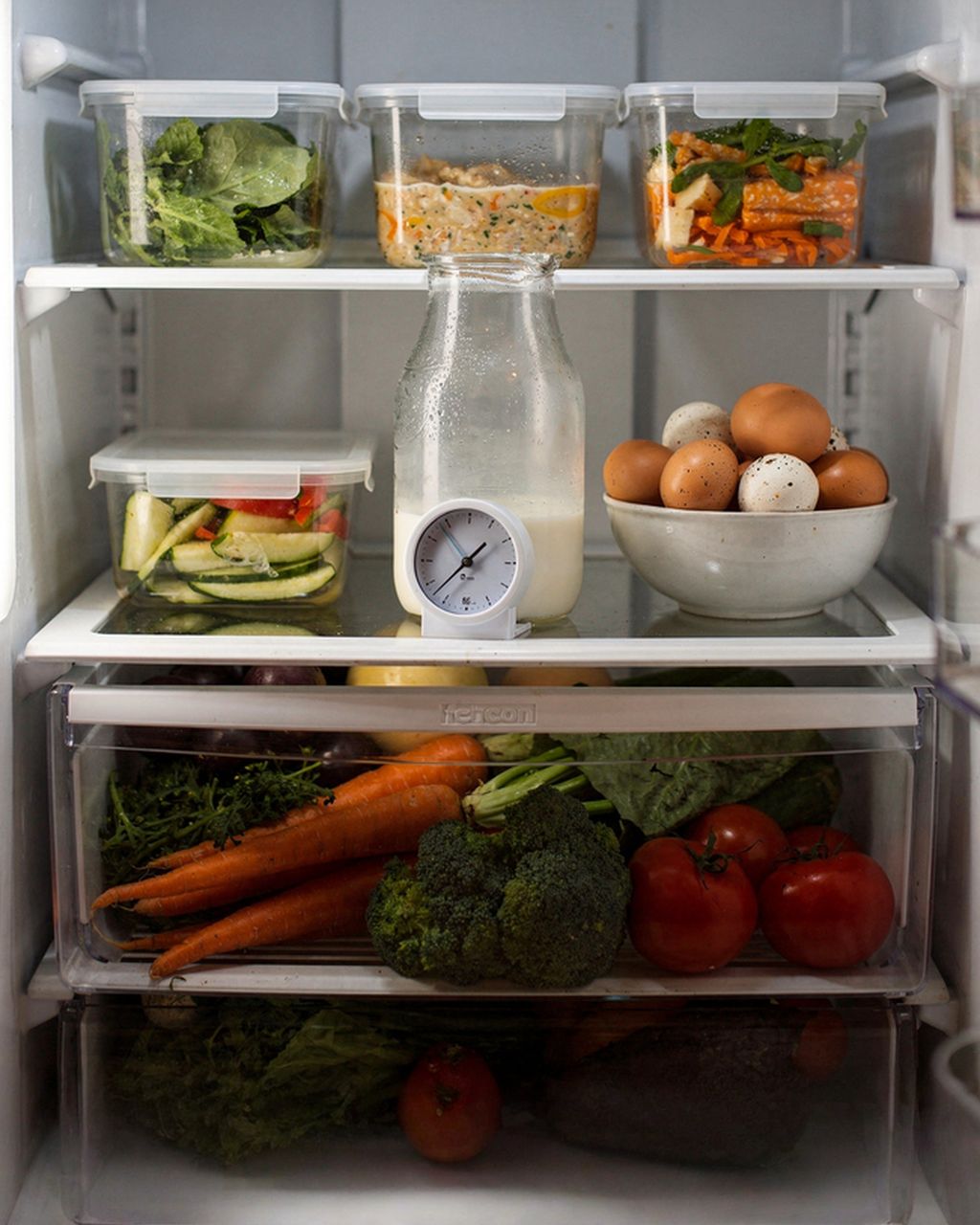
Count from the day you buy it, not from the moment you remembered you had salmon. Put the fish in the coldest part of the fridge, usually at the bottom at the back above the vegetable drawer, in a covered container or on a plate under wrap, so the juices don't drip onto anything you'll eat raw.
If you already know you won't get to the salmon within two days, freeze it on day one. Salmon frozen fresh still makes great salmon patties with tartar sauce a month later. Salmon that waited three days in the fridge won't make anything good.
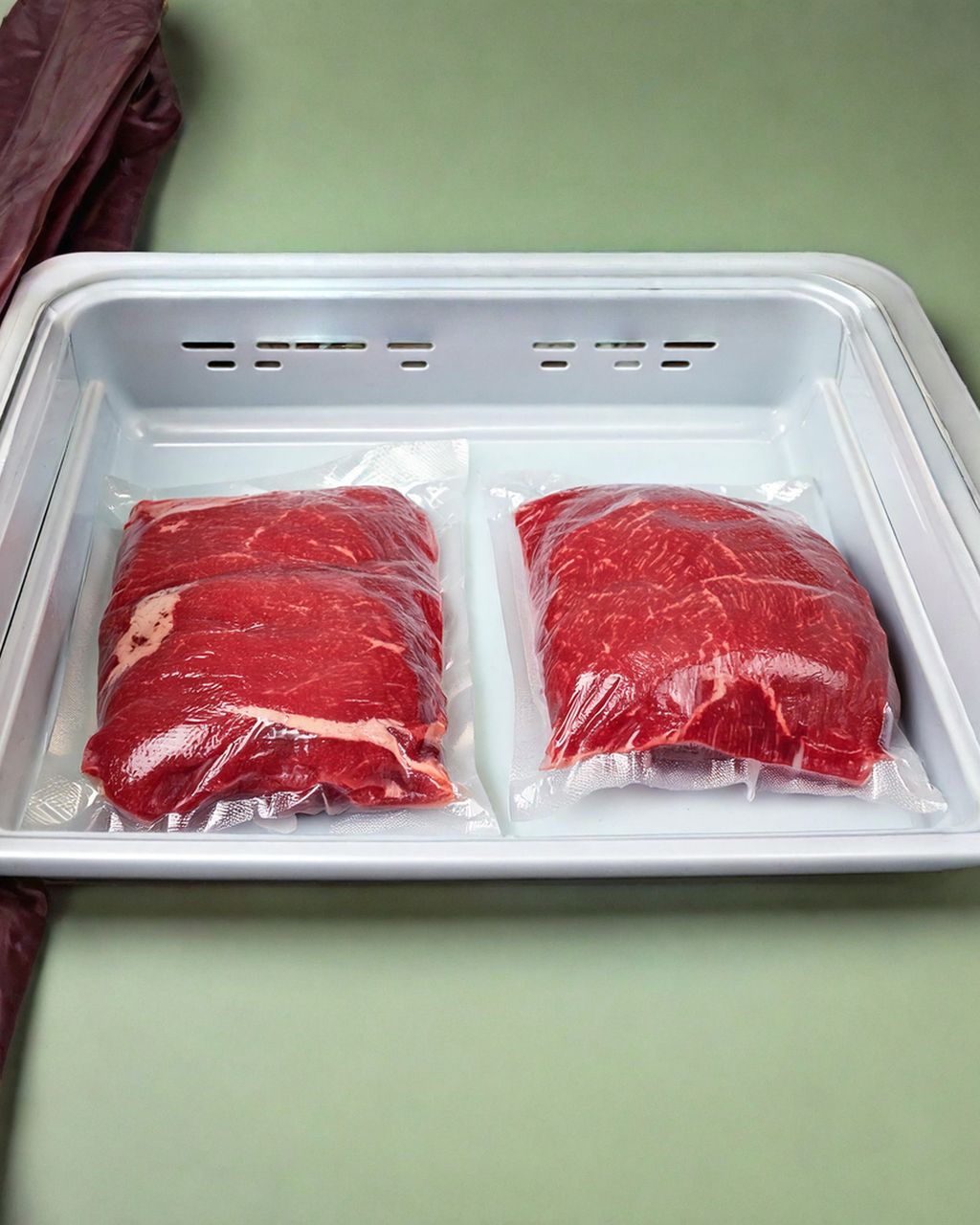
Vacuum-packed fresh fish is a topic of its own. Vacuum sealing doesn't extend its life as much as you'd think, and it carries its own risk. We cover it in the article on vacuum-packed meat and fish in the fridge and botulism. And if you're mainly dealing with a Christmas carp, it has its own guide to how long carp keeps in the fridge.
Seasonal baking plans, tested recipes and kitchen tricks that save you time. Unsubscribe in one click.
Eat sushi with raw fish the same day; leftovers in the fridge within 24 hours at the most. That's the limit recommended by a University of Florida food expert. On day two sushi also doesn't taste good: the rice goes hard in the fridge and the fish loses its juices.
The risk isn't only in the fish. Cooked rice can carry the bacterium Bacillus cereus, whose toxin isn't destroyed by reheating. The vinegar in sushi rice slows its growth but doesn't stop it, so don't leave sushi on the table for more than 2 hours either (FDA, room temperature).
Delivery or a store-bought box: eat right away. If anything is left, refrigerate it within 2 hours of delivery (FDA) and finish it within 24 hours (University of Florida).
Homemade sushi: make it just before eating, and slice the fish straight from the fridge.
Store-bought sushi with a use-by date: follow the date and the manufacturer's instructions on the package, but only while the package is still sealed.
Eat homemade gravlax within a few days of curing, not weeks. There's no official fridge time limit for it. It's still raw fish, just salted, and unlike commercially smoked salmon it has no verified shelf life. Salt and sugar slow spoilage, but listeria keeps multiplying in the fridge. According to EFSA, marinated (gravad) fish, along with cold-smoked fish, is among the foods carrying the highest risk of listeriosis. So stick to the rules that really do lower the risk:
Freeze the fish before curing (more in the raw fish section below), or buy fish that the seller labels as intended for raw consumption.
Cure it in the fridge, never on the counter.
Once cured, store the whole piece wrapped in the fridge and slice only what you'll eat. Slices dry out and pick up more contamination from the cutting board and your hands.
You'll find tried-and-tested methods in the recipes for gravlax (cured salmon) and marinated salmon gravad lax.
Live oysters keep 7–10 days in the fridge, shucked ones 5–7 days (Clemson University). Store live oysters in an open bowl covered with a damp towel, never in water and never in a closed box or bag. They're living creatures and will suffocate without air.
Deeper shell side down, so they don't lose their liquor.
Not in water, or in ice that melts directly onto them, because fresh water kills them.
Check before eating: the shell of a live oyster is tightly closed, or closes when tapped (FDA). Throw out any oyster that stays open or has a cracked shell.
Count the time from the packing date, not from the purchase date. In the EU, live bivalves are sold with a tag showing the packing date (EU regulation 853/2004). Keep the tag until you've eaten them.
In practice it makes sense to eat raw oysters as soon as possible, ideally on the day you buy them. The 7–10 days is the upper limit for live, properly stored oysters, not a target.
Yes. Raw salmon keeps 2–3 months in the freezer, and lean fish such as cod 6–8 months (FDA chart, freezer at −18°C / 0°F). At −18°C fish stays safe for longer. These time limits protect quality, not safety. After them, salmon tastes rancid and dries out because its fat oxidizes, which is why fatty fish keep for a shorter time in the freezer than lean ones.
Baked fish (freezer): 4–6 months (FDA)
Freeze it as fresh as possible, ideally on the day you buy it. The freezer pauses time, but it can't turn it back.
Wrap it tightly: in wrap and then in a bag with the air squeezed out, or vacuum-sealed. Wherever air remains, a frosty gray patch forms.
Portion before freezing, into portions you'll eat at one time.
Thaw in the fridge overnight (FDA). If you're in a hurry, use a sealed bag in cold water, or the microwave's defrost setting if you cook the fish right afterward (FDA). Never on the counter.
Thawed salmon is best where a slightly softer texture doesn't matter, for example in salmon with spinach or pulled grilled salmon with rice salad.
A regular home freezer runs at −18°C (0°F), which the FDA gives as the standard freezer temperature, but to kill parasites in fish eaten raw the EU prescribes −20°C (−4°F) in all parts for at least 24 hours (or −35°C / −31°F for 15 hours). EU regulation 853/2004 requires this of producers and restaurants to destroy live parasites, such as nematodes of the genus Anisakis. For −20°C, the US FDA allows a full 7 days.
A home freezer can't reach the required −20°C, and you also don't know when the center of a fillet actually reached that temperature. So the rules are:
For sushi, tartare, ceviche or gravlax, buy fish that the seller expressly labels as suitable for raw consumption, meaning fish that has already been properly frozen, or comes from farming where parasites don't occur. According to EFSA, farmed Atlantic salmon fed pellets carries a negligible risk of anisakids.
If you have a freezer with a deep-freeze function or one that can be set to −20°C or lower, leave thin portions in it for at least 7 days (FDA). Only then do you come close to the official standard.
Don't eat wild fish "from the counter" or freshwater fish raw unless you know how it was frozen.
Freezing takes care of parasites, but it doesn't kill bacteria. According to USDA FSIS, freezing only makes them dormant, and they multiply again after thawing. So prepare thawed fish for raw eating right away and eat it the same day.
Smoked fish keeps in the fridge until the date on the package. The FDA chart gives 14 days in the fridge and 2 months in the freezer. That applies to smoked salmon and smoked mackerel, and yes, both can be frozen. The manufacturer's date takes priority because it's based on the specific product. Once opened, follow what the manufacturer states on the package, usually a few days.
For what else keeps in the fridge among smoked foods, from sausages to smoked salmon, see the article on how long smoked meat keeps in the fridge. Here we're talking about the freezer:
Sliced smoked salmon (cold-smoked): freeze it in its original vacuum pack, or with slices interleaved with parchment paper in an airtight bag. Once thawed it's softer and releases more liquid, so it suits spreads, pasta or spinach pancakes with smoked salmon better than canapés.
Smoked mackerel (hot-smoked): ideally remove the skin, pick out the bones and freeze only the fillets. Thawed, it's a little drier, which doesn't matter in potato salad with smoked mackerel or in fish spread.
Thaw in the fridge and use within two days.
For how to wrap fish so it doesn't get freezer burn, see the article on storing food in the freezer, and for time limits on everything else, the food shelf life chart by type.
Yes, if it was thawed in the fridge and wasn't left out for long. According to USDA FSIS, it's safe to refreeze such food without cooking it first, though it will lose some quality. Salmon refrozen once releases more water and turns softer, so use it for baking or fish cakes. Fish thawed in water or in the microwave should be cooked before you freeze it again (USDA FSIS).
Spoiled salmon smells sour or of ammonia, has a slimy, sticky surface, and the flesh loses its color and sheen. Fresh salmon smells only faintly of the sea, and when you press it with a finger the flesh springs back. If a dent stays and the flesh falls apart, don't eat it. If you're not sure, throw the fish out. Keep in mind that listeria can't be detected by smell or sight, so go mainly by the time limits.
You can freeze finished gravlax. But if you froze the fish before curing it (which we recommend), it's better to eat the gravlax fresh, because a second freeze softens it noticeably. If you freeze it anyway, do it in one whole piece, wrapped tightly, and thaw it in the fridge. Expect it to release more liquid. Freezing finished gravlax only extends its shelf life. Parasites are dealt with by freezing the raw fish before curing.
Don't freeze live oysters in the shell. Clemson University advises against it for both safety and quality reasons. Shucked oysters can be frozen, and according to the same source they keep 3–4 months in the freezer. Once thawed, they're no longer suitable raw, but they work well in soup, stews or bakes.
Eat sushi with smoked salmon or crab sticks the same day, and no later than 24 hours in the fridge (University of Florida). Sushi carries risk from the cooked rice, in which Bacillus cereus can multiply, and from smoked salmon, which carries a risk of listeria. On top of that, rice turns hard and crumbly in the fridge by the next day.
One recipe worth heating the oven for, one tip, and one deal from the shop. Nothing else.