- Season
- Year-round (harvested seasonally in growing regions, typically June–August in Madagascar)
- Price
- High
- Nutrition per 100 g
- 161 kcal
- 4 g protein
- 10.7 g fat
- 12.2 g carbs
Vanilla Bean
Spices
Vanilla Bean
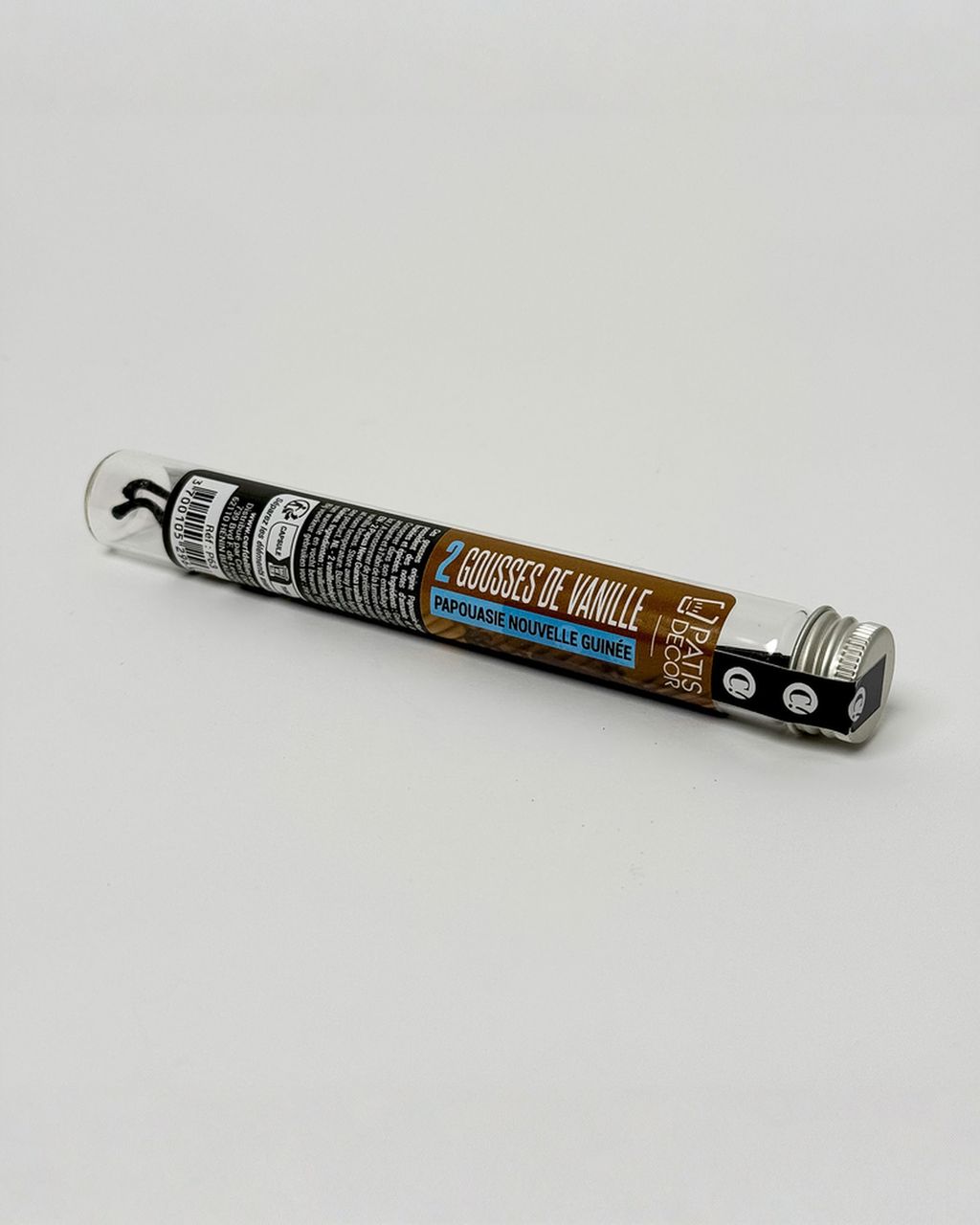
The vanilla pod is the cured, fermented fruit of the vanilla orchid (primarily Vanilla planifolia), a climbing vine native to Mesoamerica. Each slender, dark brown to black pod—typically 15–25 cm long—encases thousands of tiny seeds suspended in an aromatic, oily pulp.
In practice
How to store
- On the counter
Not recommended—exposure to light and air accelerates degradation.
- In the fridge
Not recommended—condensation on chilled pods causes moisture loss and encourages mould. Store instead in an airtight glass container or vacuum-sealed bag in a cool, dark cupboard for up to 2 years.
- In the freezer
Wrap tightly in plastic and place in an airtight container; frozen pods keep well for a year or more but lose aromatic intensity; freeze only in portions you will use at once, as condensation on thawing encourages mould. Thaw at room temperature before use.
How to choose
Seek out pods that are plump, pliable, and glossy—never dry, brittle, or cracked. The surface should feel oily and supple when gently bent. Premium Grade A pods exhibit a deep chocolate-brown to black color and may display tiny white vanillin crystals ("givre") on the surface, a hallmark of exceptional quality. Avoid pods that smell musty, fermented, or lack aroma entirely. For baking, choose longer, fuller pods; for infusions, slightly drier Grade B pods offer excellent value.
What to swap in
Best swap
Pure vanilla extract—use 15 ml (1 tablespoon) per whole pod. Choose products whose only ingredients are vanilla pods, alcohol and water; a single-fold extract is made with roughly 100 g of pods per litre, and under EU labelling rules only flavourings derived exclusively from the pod may be called natural vanilla flavouring.
In a pinch
Vanilla bean paste (15 ml, 1 tablespoon, per pod) retains the visual appeal of seeds; alternatively, 2.5 ml (½ teaspoon) almond extract plus a pinch of cinnamon approximates warmth and depth in baked goods. Note that almond extract is derived from bitter almond/stone-fruit kernels and is unsuitable for anyone with a nut allergy.
Preparation
Split the pod lengthwise with a sharp paring knife, then scrape the seeds from the cavity using the back of the blade. Add seeds directly to batters, custards, or creams. The scraped pod can be steeped in warm liquids (milk, cream, syrups) to extract additional flavor—simmer gently, never boil, to preserve delicate aromatics.
Don't toss it
Never discard spent pods. Bury them in granulated sugar to create vanilla sugar, steep in vodka or rum to make homemade extract, or add to simmering cream for ice cream bases. Dried pods can be ground into vanilla powder or added to coffee grounds before brewing.
In the kitchen
Cooking
Vanilla thrives in gentle applications: steep whole or split pods in warm dairy for custards, crème brûlée, and ice cream bases; fold scraped seeds into cake batters, cookie doughs, and frostings; infuse into simple syrups for cocktails and poached fruits. In savory cooking, vanilla adds intrigue to butter sauces for lobster, glazes for pork or duck, and balsamic reductions. Avoid prolonged high heat, which volatilizes delicate aromatics—add vanilla toward the end of cooking or after removing from heat for maximum impact.
Goes well with
- Chocolate
- Caramel
- Butter
- Cream and milk
- Stone fruits (peaches, apricots, cherries)
- Berries (strawberries, raspberries)
- Citrus (orange, lemon zest)
- Warm spices (cinnamon, nutmeg, cardamom)
- Coffee and espresso
- Bourbon and rum
- Honey and maple syrup
- Coconut
What it is
The vanilla pod is the cured, fermented fruit of the vanilla orchid (primarily Vanilla planifolia), a climbing vine native to Mesoamerica. Each slender, dark brown to black pod—typically 15–25 cm long—encases thousands of tiny seeds suspended in an aromatic, oily pulp. The curing process, which can take up to nine months, transforms the green, odorless pods into the intensely fragrant spice prized by pastry chefs and perfumers alike.
How it tastes
Vanilla delivers a complex, multi-layered sensory experience far beyond simple sweetness. The dominant note is creamy and marshmallow-like, courtesy of vanillin, but high-quality pods reveal undertones of aged dark rum, dried prunes, caramel, and subtle resinous pine. Tahitian varieties lean fruity and floral with cherry and anise nuances, while Mexican pods offer a bolder, spicier warmth with hints of clove. The aroma is intoxicating—warm, enveloping, and unmistakably comforting.
Common questions
What is the difference between a vanilla pod and vanilla extract?
How do I know if my vanilla pods are still good?
Why are vanilla pods so expensive?
Can I reuse vanilla pods after scraping out the seeds?
What's the difference between Madagascar, Tahitian, and Mexican vanilla?
Deep dive
4 min read
Varieties
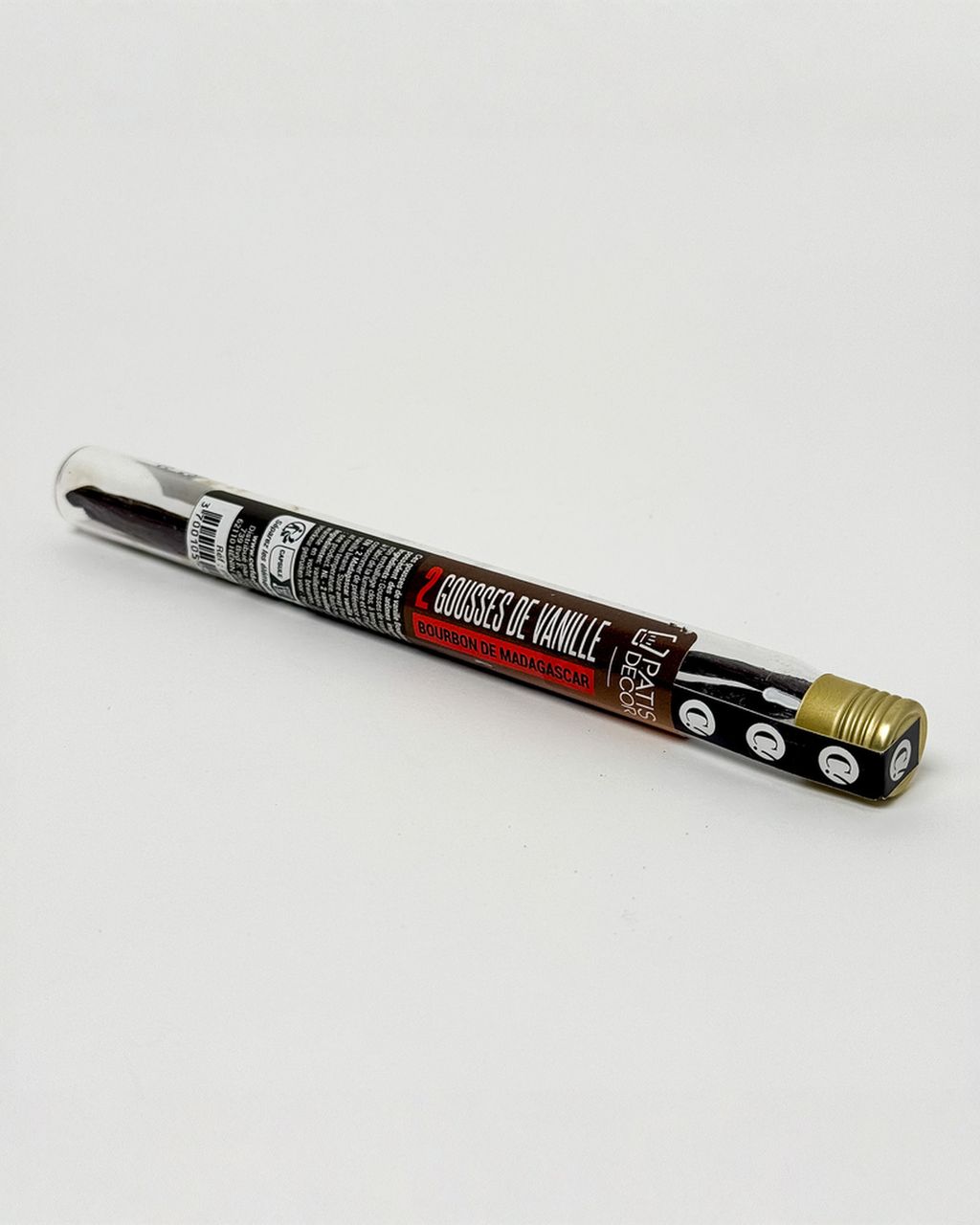
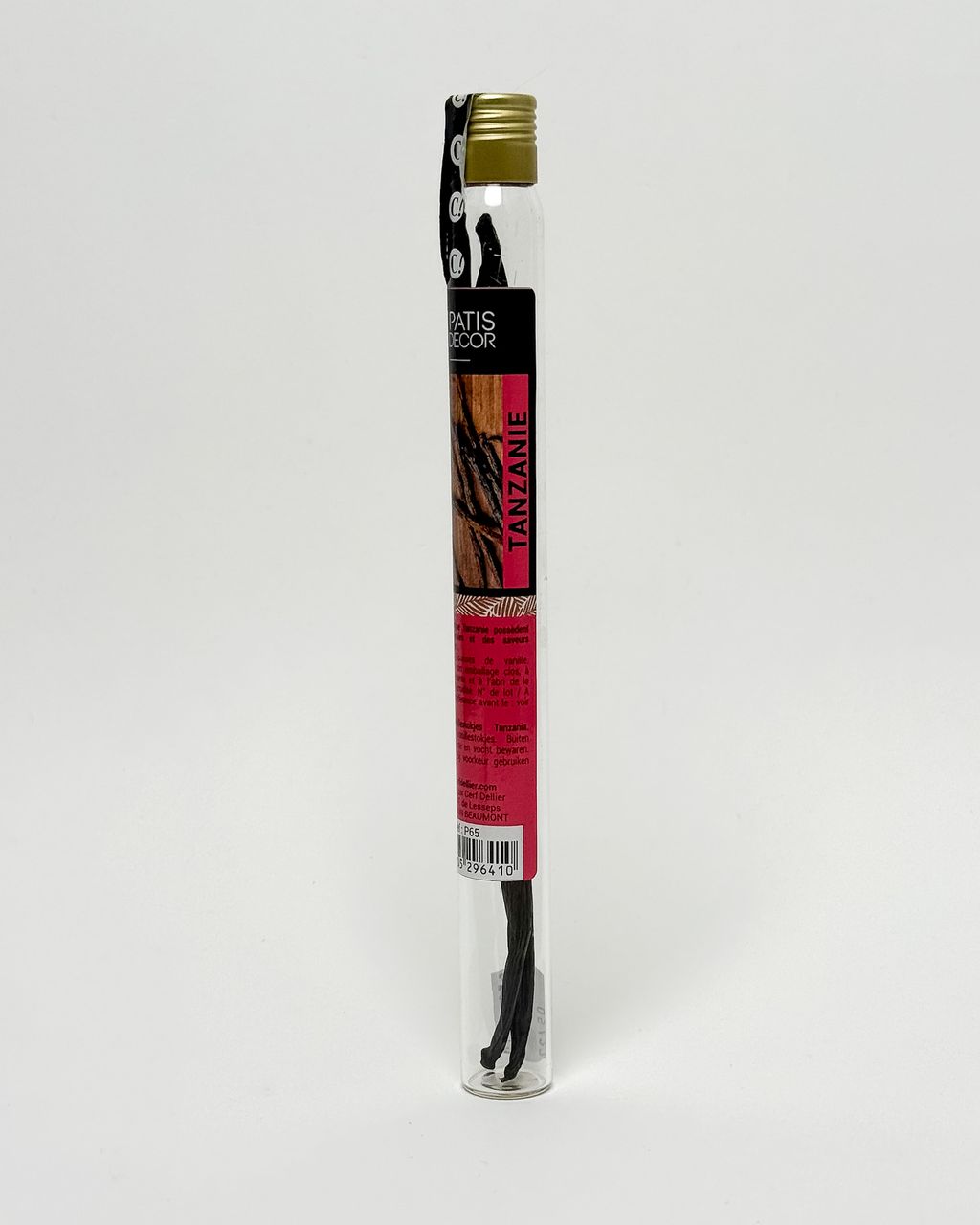
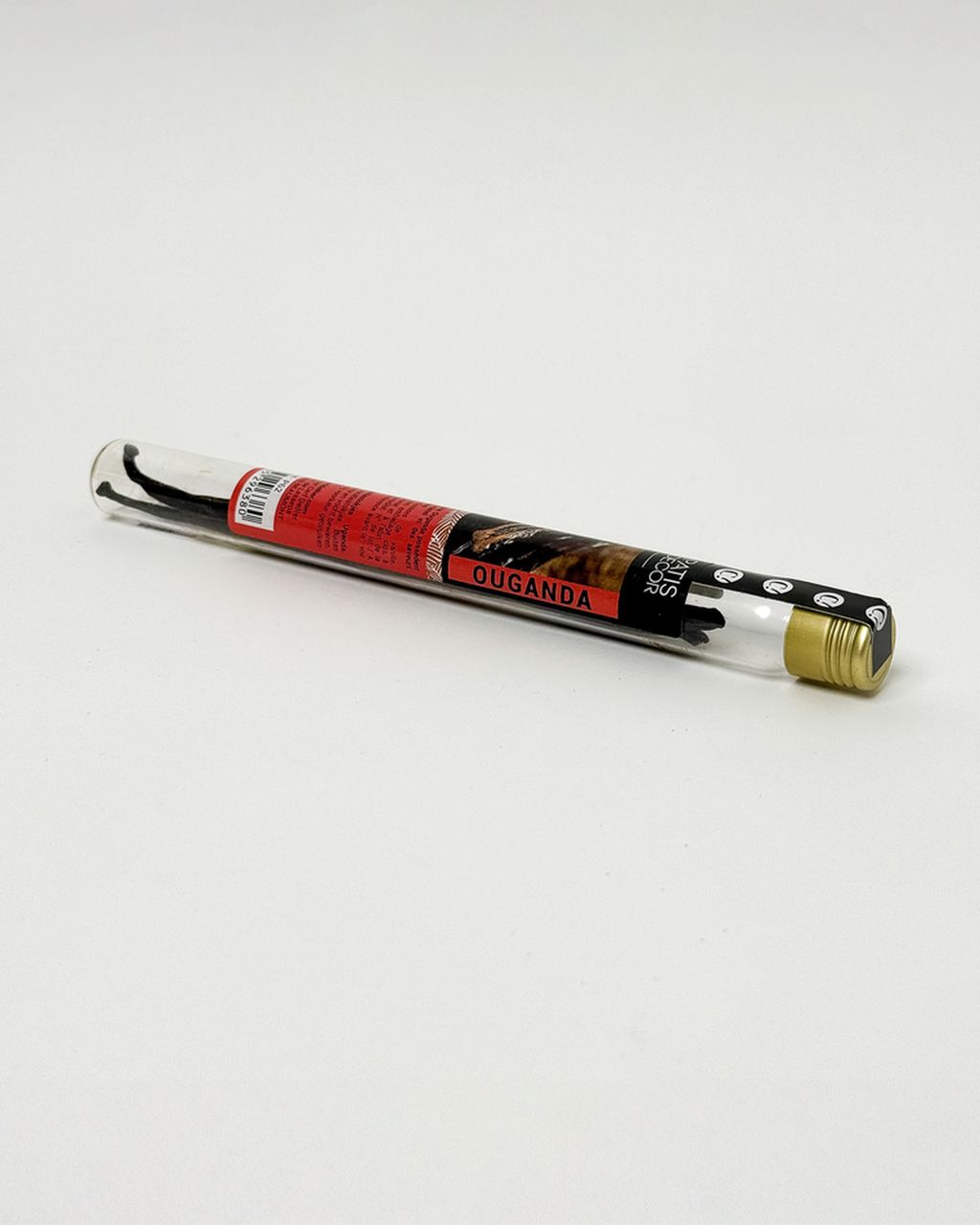
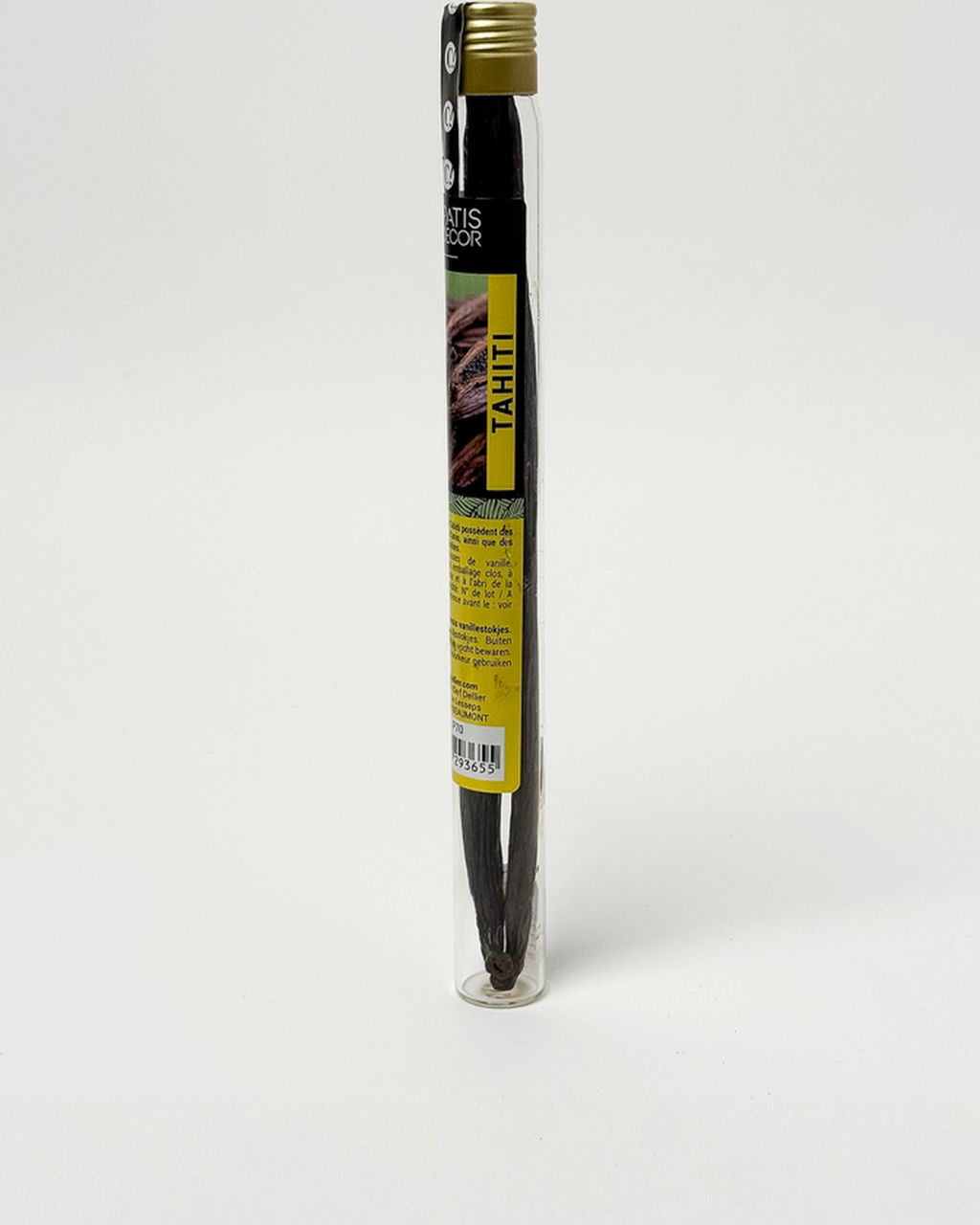
Three primary market types dominate the market. Bourbon/Madagascar vanilla (Vanilla planifolia) accounts for roughly 80% of global production, prized for its rich, creamy, classic flavor profile with notes of dried fruit and caramel—the benchmark for pastry applications. Tahitian vanilla (Vanilla tahitensis) offers a distinctly floral, fruity character with hints of cherry, licorice, and stone fruit; its lower vanillin content makes it ideal for uncooked preparations where subtlety shines. Mexican vanilla (also V. planifolia but terroir-influenced) delivers a bolder, spicier warmth with smoky, woody undertones—perfect for chocolate pairings. Emerging origins include Uganda, India, Papua New Guinea, and Indonesia, each contributing unique terroir-driven nuances to the global vanilla palette.
History
Vanilla's journey from sacred Mesoamerican ritual to global culinary icon spans five centuries. The Totonac people of eastern Mexico were the first to cultivate the orchid, using vanilla in ceremonial drinks and as medicine. When the Aztecs conquered the Totonacs in the 15th century, they incorporated vanilla into "xocolātl," their revered cacao beverage. Spanish conquistadors, led by Hernán Cortés, introduced vanilla to Europe in the 1520s, where it remained an exclusive flavoring for chocolate among aristocracy. For three centuries, Mexico held a monopoly—vanilla orchids refused to fruit elsewhere because the specialised Neotropical orchid bees (Euglossini) that pollinate the wild plant were absent. The breakthrough came in 1841 when Edmond Albius, a 12-year-old enslaved boy on the island of Réunion (then Bourbon), invented a simple hand-pollination technique using a thin stick and thumb. This revolutionary method unlocked global cultivation, and by the early twentieth century, Madagascar had surpassed Mexico as the world's leading producer—a position it maintains today.
Science
The magic of vanilla lies in its extraordinary chemical complexity. While vanillin (4-hydroxy-3-methoxybenzaldehyde) comprises up to 85% of the aromatic profile and delivers the signature marshmallow sweetness, several hundred additional compounds—commonly cited as between 250 and 500—contribute to the full sensory experience, including p-hydroxybenzaldehyde, vanillic acid, anisyl alcohol, and traces of eugenol. The curing process is where this complexity develops: freshly harvested green pods contain vanillin locked as a glucoside (glucovanillin). During the months-long curing—involving "killing" (blanching or sun-wilting), sweating, drying, and conditioning—enzymatic hydrolysis liberates free vanillin while Maillard reactions and oxidation generate caramel, fruity, and woody notes. This is why synthetic vanillin, though chemically identical to one component, can never replicate the depth of real vanilla. The white crystalline "frost" sometimes visible on premium pods is pure vanillin that has migrated to the surface—a sign of proper curing and high quality, not mold.
Sourcing and ethics
The vanilla trade presents significant ethical complexities. Madagascar's SAVA region produces the vast majority of the world's supply, yet farmers often receive only a fraction of the final retail price, which at retail can run to several hundred euro per kilogram. Price volatility—driven by cyclones, theft, and speculative hoarding—creates boom-and-bust cycles that destabilize farming communities. Child labor concerns have been documented in the supply chain, prompting increased scrutiny from NGOs and buyers. Conscientious sourcing means seeking pods with Fair Trade, Rainforest Alliance, or UEBT (Union for Ethical BioTrade) certification; Fairtrade guarantees a minimum price, while all three set standards that prohibit child labour and promote sustainable agroforestry. Some producers are pioneering direct-trade relationships that ensure traceability from farm to kitchen. When possible, support smaller-origin vanillas from Uganda, Papua New Guinea, or Mexico to diversify the market and reduce pressure on Madagascar's fragile ecosystem.