At a glance
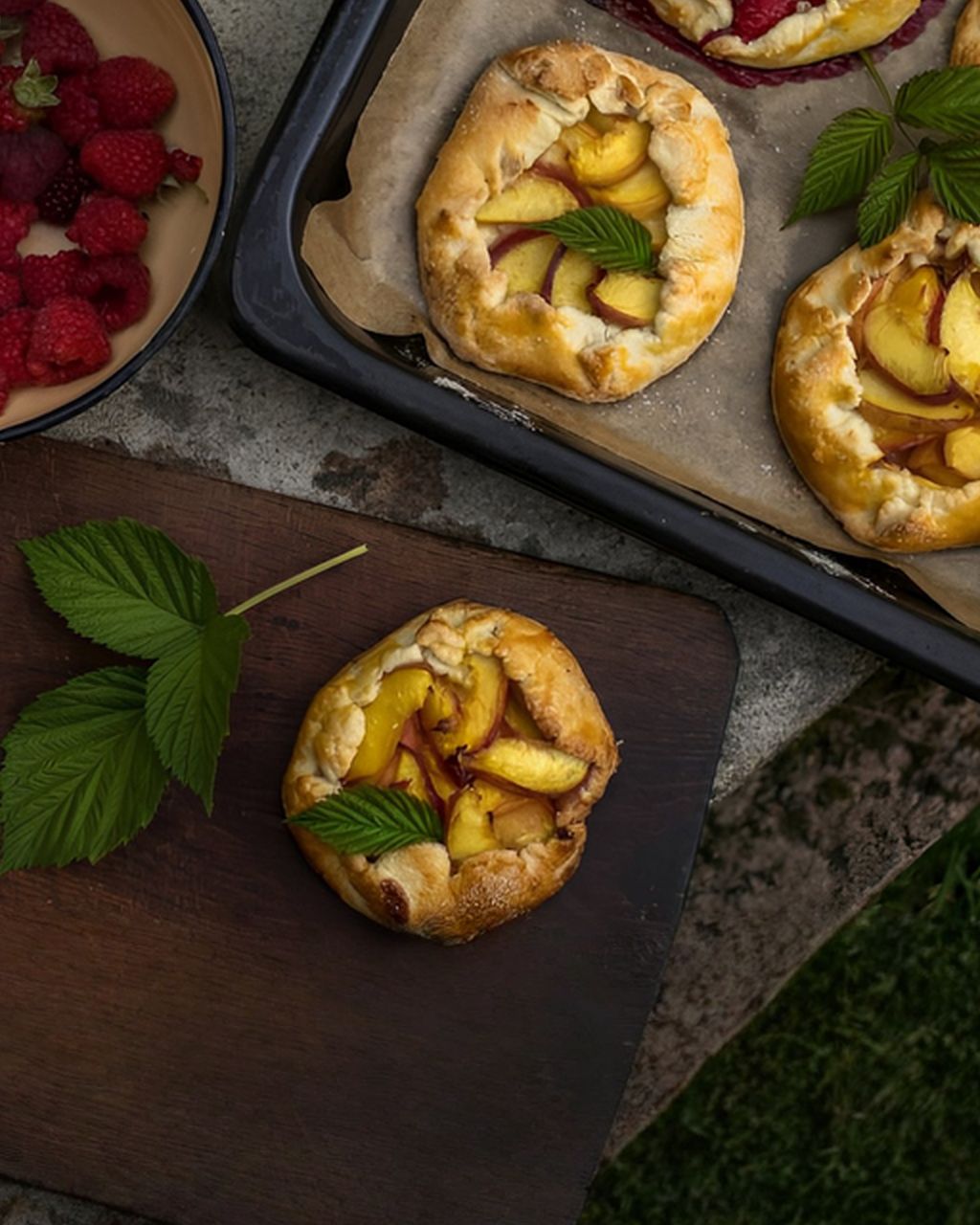
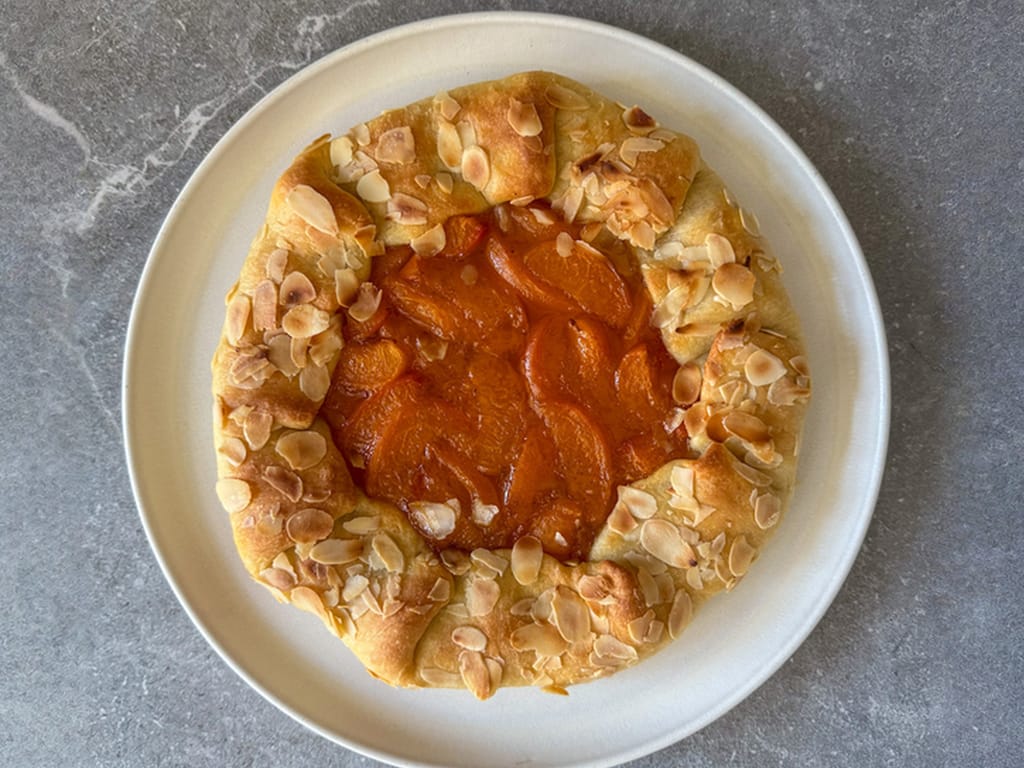
You're making a rustic apricot galette with a tender ricotta pastry that comes together easily — the main thing to remember is not overworking the dough and giving it time to chill. The filling gets its magic from fresh rosemary and a touch of lemon, while the pastry's crumbly, buttery edges get folded casually around the fruit (imperfection is part of the charm). Forty minutes in the oven and you've got a beautiful, homemade weekend treat.
1/8
Work the butter into the flour
Cut cold butter straight from the fridge (not frozen) into small cubes. Mix the flour with a pinch of salt, add the butter, and work it into fine crumbs using a stand mixer with a dough beater or your fingers.
For this step
0/32/8
Add the ricotta and bring the dough together
Add all the ricotta at once, mix briefly in the stand mixer, then knead by hand until you get a smooth, even dough. Don't overwork it.
For this step
0/13/8
Let the dough rest
Wrap the dough in plastic wrap and chill it in the fridge for at least 30 minutes so it firms up and is easier to roll out.
How it went
Nobody has tried this recipe yet
Be the first to say how it went.
Anyone can answer, without signing in or buying. Answers aren't verified. The percentage is the share of “Worked out” answers, shown from 5 answers.
Tips from the Yumsto kitchen
Why it works
Ricotta replaces water in the pastry, so it's supple, rolls out easily and bakes up tender. The water in the cold pieces of butter turns to steam in the oven and gives light layers. Cornstarch thickens the apricot juice, and almond flour under the fruit soaks up the rest so the base doesn't go soggy. The loosely folded edges don't need to be neat; they hold the filling either way.
Tips
Bring the dough together only briefly once the ricotta is in; overworking makes it tough. If it cracks as you roll it straight from the fridge, let it sit for five minutes. Toss the apricots with sugar and starch right before filling, or they'll release juice.
Substitutions
Swap apricots for plums or peaches. Use breadcrumbs instead of almond flour, as the method mentions. Leave out the rosemary for a classic fruit galette. Fresh rosemary is milder than dried, so use about three times as much.
Make-ahead and storage
You can make the pastry ahead and keep it wrapped in the fridge until the next day. The baked galette is best on the day. Refrigerate leftovers, eat within 2 days and warm them in the oven before serving so the edges crisp up again.
Serving
Serve it lukewarm, when the filling has set and the pastry is crisp. A scoop of vanilla ice cream or a spoonful of sour cream goes well with it.
Common questions
The recipe serves 2. How do I make more?
Double the ingredients and bake two galettes, each on its own baking sheet, ideally one after the other. One large galette takes longer and the base cooks through less well.
Juice is leaking out. Is that a problem?
A little juice on the paper is part of a rustic galette. If a lot leaks, use more almond flour under the fruit next time and fold over a wider border.
Why shouldn't the butter be frozen?
Frozen butter is hard to work into the flour and leaves big lumps in the dough. Fridge-cold butter breaks into small pieces.
Want a recipe like this every Thursday?
One recipe worth heating the oven for, and one tip that saves you time. Nothing else.