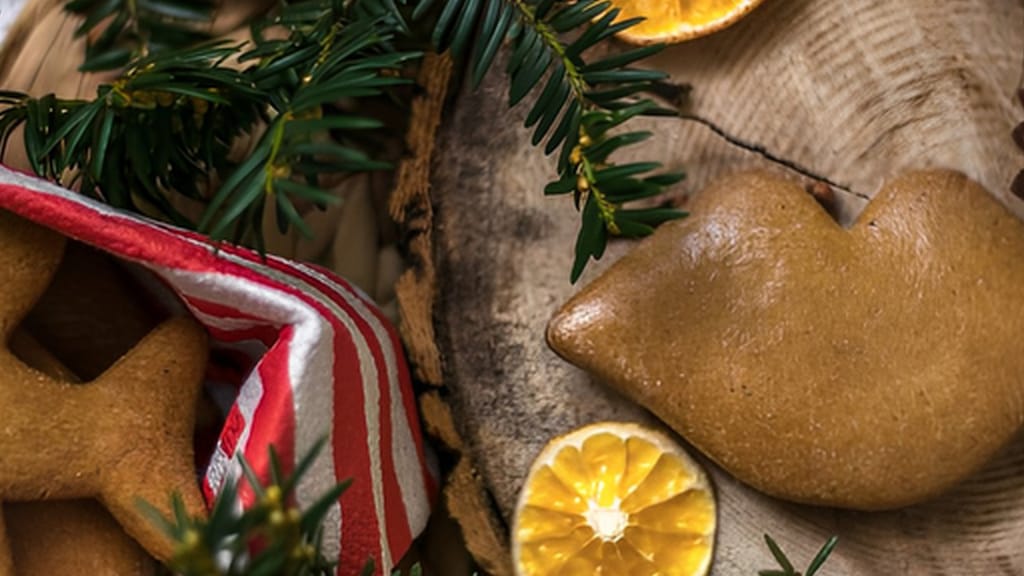
Soft gingerbread cookies
What to Use Instead of Eggs in Baking: A Substitution Chart by Recipe
Updated Oct 25, 2026
What you use instead of eggs in baking depends on what the egg is doing in the batter. A flax egg (7 g ground flaxseed + 40–45 ml water) handles binding, 60 g of applesauce, banana or yogurt adds moistness, and 45 ml of aquafaba or baking soda with vinegar brings lift. There's no all-purpose substitute, and that's the whole trick. Whether you're baking for someone who doesn't eat eggs, making a vegan version, or you've simply run out, below you'll find ratios per egg, the best pick for each type of bake, Christmas cookies that don't need eggs, and the point where no substitute works any more. Breading, meat patties and egg wash are covered at the end of the article.
An egg does four jobs in a batter at once: it binds (the proteins set with heat and hold the batter together), leavens (the white traps air that expands in the oven), adds moistness and fat (the yolk), and emulsifies (the lecithin in the yolk joins fat and water into a smooth batter).
No plant-based substitute can do all four at once. That's why you don't choose a substitute "for the egg" but for the one function the egg actually performs in your particular recipe. A cookie wants a binder, a pancake wants moistness, a sponge roll wants lift, and each time you'll reach for something different.
It helps to split the egg into two ingredients. A medium egg weighs roughly 50 g without the shell:
White (about 33 g) – water and protein. This is where structure, whipped volume and drying come from. The closest match is aquafaba.
Yolk (about 17 g) – fat, lecithin, color. This is where moistness, smoothness and the yellow tint come from. Rich purées, yogurt, sour cream or tofu can stand in for it.
When a recipe calls for three yolks, you're solving a completely different problem than when it calls for one whole egg in cookies.
You can replace one egg (50 g) with 7 g ground flaxseed + 40–45 ml water, 45 ml aquafaba, 60 g purée, banana, yogurt or tofu, 10 g starch + 30–40 ml water, 45 g peanut butter, or 5 g baking soda + 15 ml vinegar, depending on whether it needs to bind, add moistness or leaven. In detail:
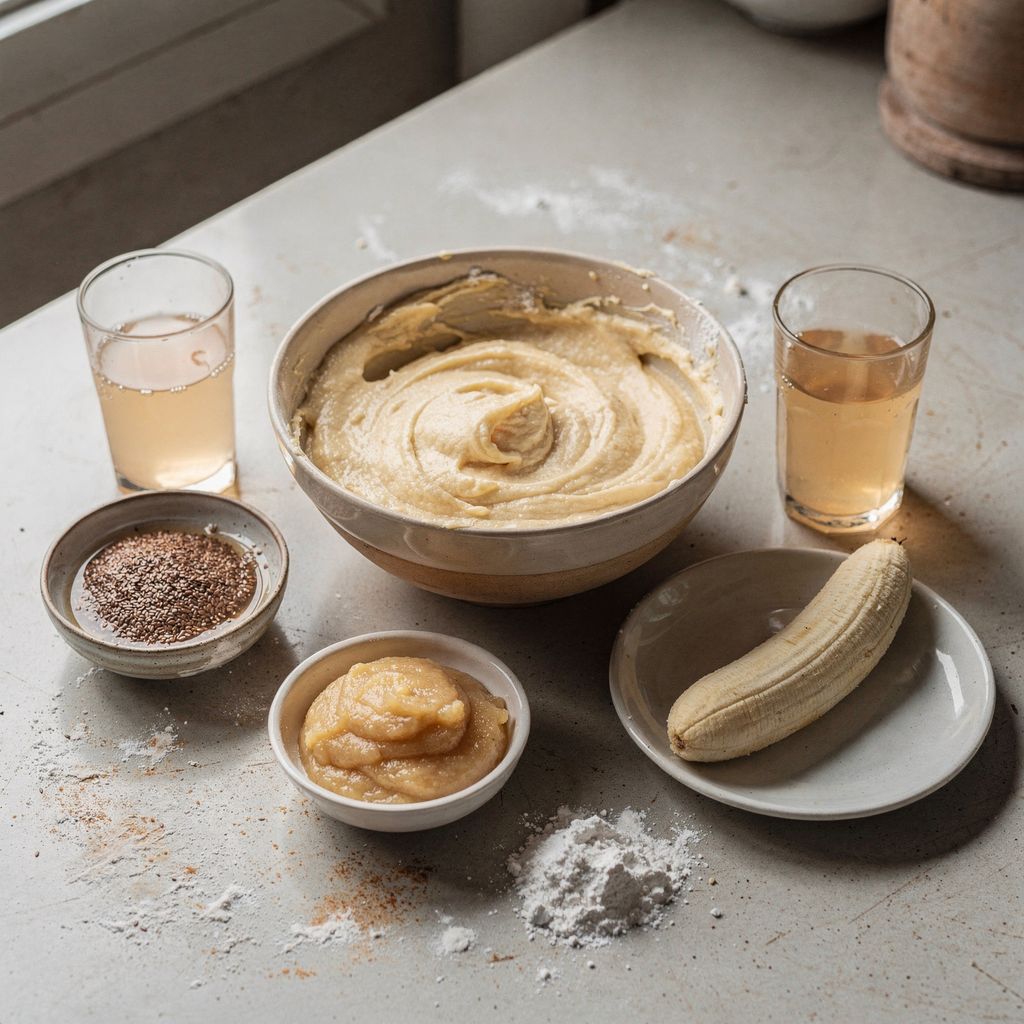
Flax egg – 7 g (1 tablespoon) ground flaxseed + 40–45 ml water; let it gel for 10 minutes. Binds. Cookies, muffins, brownies, gingerbread. It doesn't leaven and adds a brownish, slightly nutty tone.
Chia egg – 10–12 g whole chia seeds (1 tablespoon) + 40–45 ml water, 15 minutes. Binds much like flax and has a more neutral flavor, but the seeds are visible in a light batter.
Aquafaba (the liquid from a can of chickpeas) – 45 ml (3 tablespoons) for a whole egg, 30 ml (2 tablespoons) for a white, 15 ml (1 tablespoon) for a yolk. The only common substitute you can whip to stiff peaks.
Applesauce, unsweetened – 60 g (about 4 tablespoons). Moistness and a little binding, no leavening at all: add 2 g extra baking powder.
Mashed ripe banana – 60 g, or about half a medium banana. Moistness, but you'll taste it.
Plain yogurt, sour cream or buttermilk – 60 g. Moistness and a gentle tang that activates baking soda.
Silken tofu – 60 g, blended until completely smooth. Density and moisture, no flavor.
Cornstarch or potato starch – 10 g (a heaping teaspoon up to a level tablespoon) + 30–40 ml cold water. The cheapest binder with a clean flavor.
Peanut butter or another nut butter – 45 g (about 3 tablespoons). Binds and adds fat, but flavors the whole result.
Baking soda with vinegar – 5 g soda + 15 ml vinegar, mixed right before it goes into the batter. Leavening only, nothing more.
Store-bought starch-based egg replacer – follow the package directions, usually 3–6 g powder + 30 ml water.
A tablespoon here means 15 ml. The ratios match commonly cited conversions (aquafaba 3 tablespoons per egg, 2 per white, 1 per yolk; a flax egg of 1 tablespoon ground flaxseed to 3 tablespoons water) and also work with our articles on bundt cake and meatloaf.
Don't eyeball the amounts. Most wet substitutes (purée, yogurt, tofu, aquafaba) are 75–95% water, so an extra twenty grams can turn a batter soggy faster than an egg would. Nut butters and starch behave the opposite way and actually absorb water.
Binding comes from a flax egg (7 g ground flaxseed + 40–45 ml water), a chia egg (10–12 g whole seeds + 40–45 ml water) and starch (10 g + 30–40 ml water) – flax is the strongest, starch the weakest. You need a binder anywhere a bake would otherwise fall apart into crumbs: cookies, gingerbread, oat bars, meatloaf.
The flax egg is the default choice here. Stir ground flaxseed into lukewarm water and let it sit for 10 minutes, until it forms a clear gel like raw egg white. Three things decide how it turns out:
Grind your own flax, or buy ground flax in small packs. Whole seeds won't make a gel; they just float around in the batter.
Lukewarm water speeds up the gel, cold water slows it down. Don't use boiling water.
Don't rush it. Underdeveloped flax is runny and holds nothing together in the oven.
Chia swells a few minutes longer. A tablespoon of chia weighs more than a tablespoon of flax (10–12 g versus 7 g), which explains the difference in grams – the amount of water is the same in both cases. It shows in a pale batter, but disappears in gingerbread or brownies. Starch is the cheapest and invisible in flavor, but it binds more weakly. It suits cookies, where the butter does most of the holding anyway, not batters that need to carry pieces of fruit. Always stir it into cold water; in warm water it seizes into lumps.
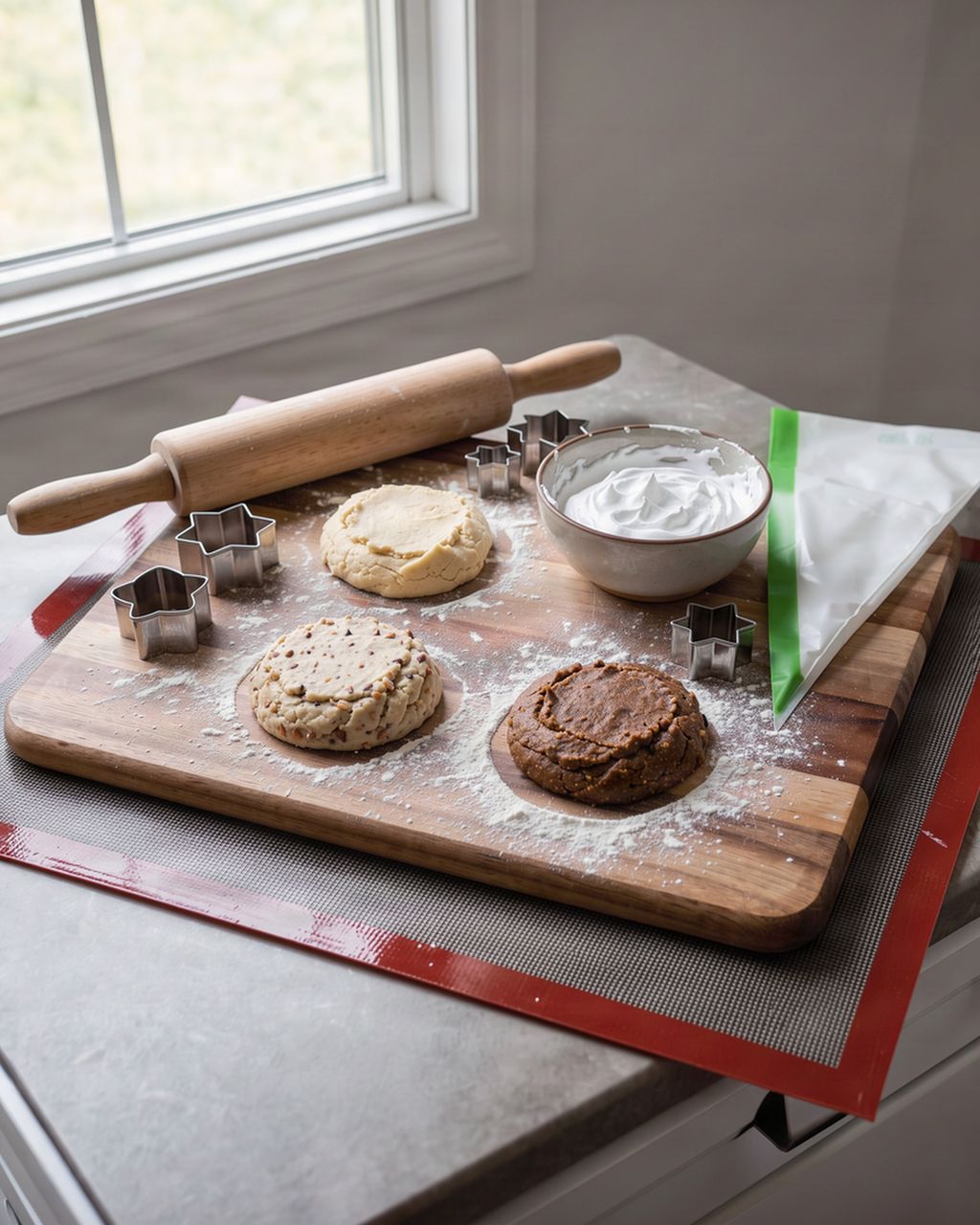
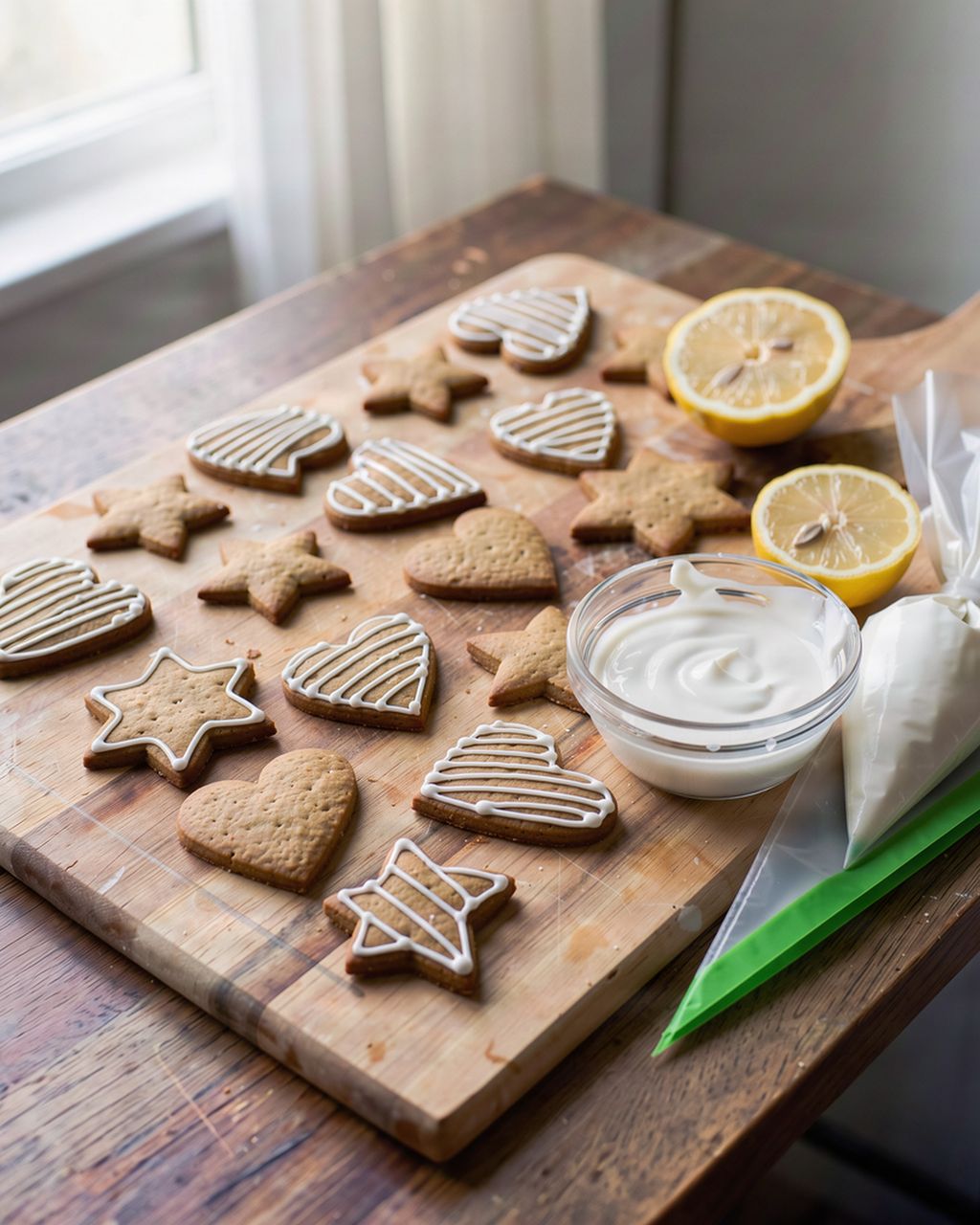
Soft gingerbread cookies
Soft gingerbread cookies – a spiced dough made with 650 g flour, where the gingerbread spices hide the nutty tone of the flax egg
For moistness, use 60 g of substitute per egg and cut 15–20 ml of liquid from the rest of the recipe. Both purée and yogurt are mostly water, and without this adjustment you'll end up with a wet center.
Applesauce is the most neutral. Buy it unsweetened, otherwise you add roughly 3 g of extra sugar to the batter per batch.
Banana gives the most moistness and the most flavor. It disappears in a chocolate or nut batter, but not in a vanilla one. Use a very ripe banana with brown spots, which mashes completely smooth.
Plain yogurt, sour cream and buttermilk also bring acidity, which gets baking soda going – in a recipe with soda, they work best of all.
Silken tofu should be blended completely smooth. A grainy mash leaves white flecks in the finished bake.
The trap all four share: they don't leaven. When you take out an egg and replace it with purée, add 2 g (about ½ teaspoon) extra baking powder for each egg you leave out, otherwise you'll get a dense, slightly rubbery loaf.
Aquafaba is the liquid from a can of chickpeas, and the only common substitute you can whip to stiff peaks – use 30 ml per egg white and 45 ml per whole egg. According to analyses, the cause is saponins and dissolved proteins (albumins and globulins) together with carbohydrates that stabilize the bubbles. One can (400 g, about 240 g of chickpeas once drained) usually yields roughly 120–150 ml of liquid, which is enough for 3 eggs.
How to handle it:
Expect 5–10 minutes of whipping, in my experience roughly twice as long as egg whites. Stiff peaks arrive later than you'd think.
A drop of lemon or a pinch of cream of tartar (about 0.5 g per 60 ml aquafaba) stabilizes the foam considerably.
Fold it into the batter gently with a spatula, not a whisk.
The chickpea flavor bakes off, though the raw batter will taste a bit beany. Don't worry about it.
Baking soda with vinegar is an emergency fix, not a technique: 5 g of baking soda and 15 ml of vinegar react right away to form carbon dioxide, so the batter has to go into the oven immediately. It only leavens, doesn't bind at all, and you should use it for one egg at most – with two, you can taste a soapy note in the bake.
Cookies take a flax egg, muffins take 60 g of yogurt, waffles take whipped aquafaba, and sponge cake can't be replaced at all. More detail by type of batter:
Cookies – a flax egg, or 10 g starch + 30–40 ml water.
Linzer cookies – here you're not replacing a whole egg but a yolk, and neither water nor plant milk works; more in the Christmas cookie section below.
Muffins and cupcakes – 60 g plain yogurt + 2 g baking powder.
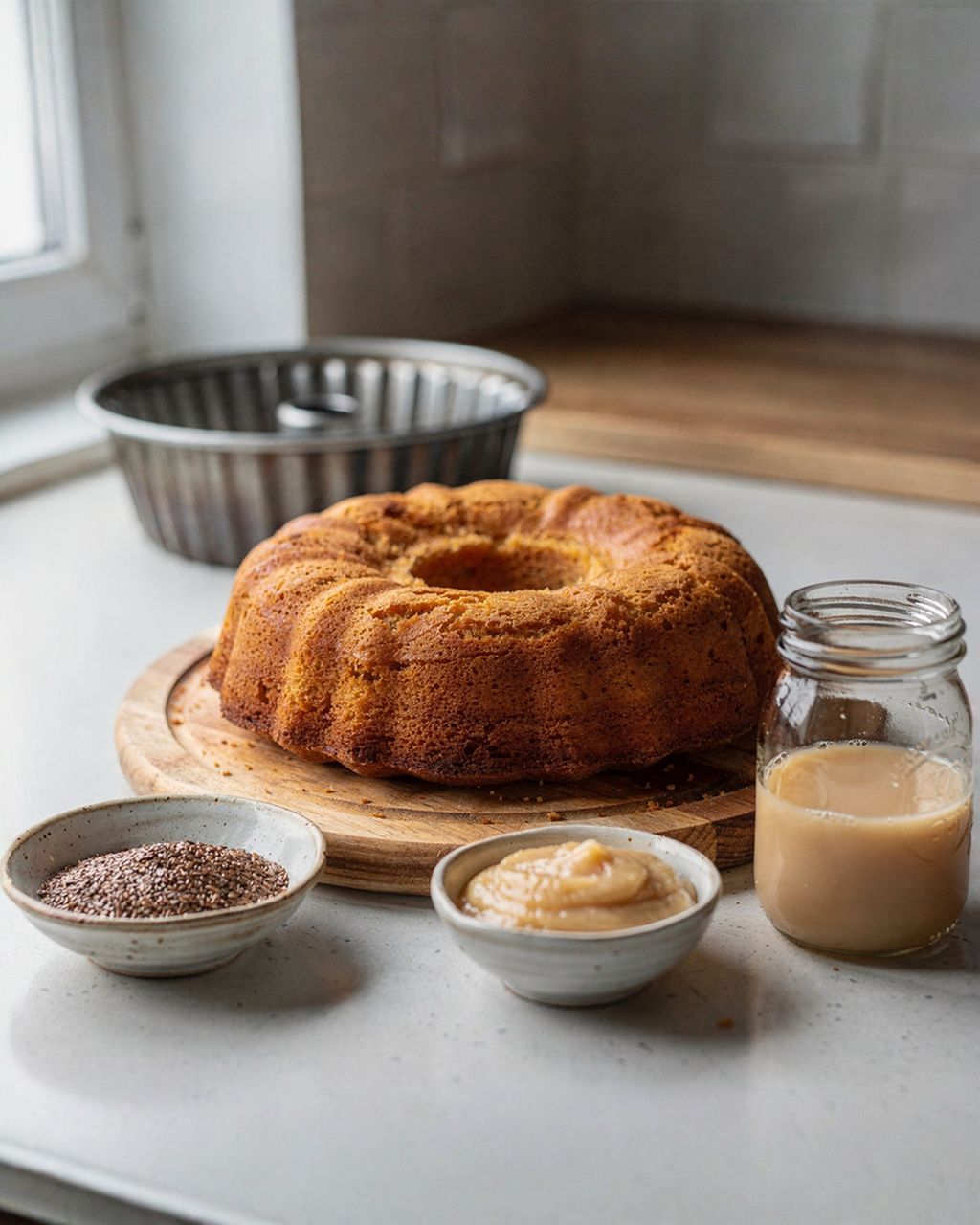
Bundt cake – 60 g yogurt or applesauce per egg, but it depends on how many eggs the original recipe had; you can swap two without trouble, five never. Spelled out in the article what to use instead of eggs in bundt cake.
Brownies – 60 g silken tofu or a flax egg; the density is an advantage here.
Pancakes and small drop pancakes – 60 g yogurt or 45 ml aquafaba per egg.
Waffles – whipped aquafaba, the only substitute that keeps a crisp shell.
Gingerbread – a flax egg; the spices mask the nutty tone.
Yeast dough – often needs nothing. Plenty of recipes for sweet buns and kolaches use egg only for color and softness, not for structure; leave it out and add 20 ml milk for each egg you omit.
Sponge cake, sponge roll, génoise – don't substitute. Here the egg carries the entire structure.
A simple rule applies: the more eggs a recipe has, the worse it turns out. One egg in a batter with 250 g flour and 100 g butter is a detail. Six eggs in a sponge is the construction itself.
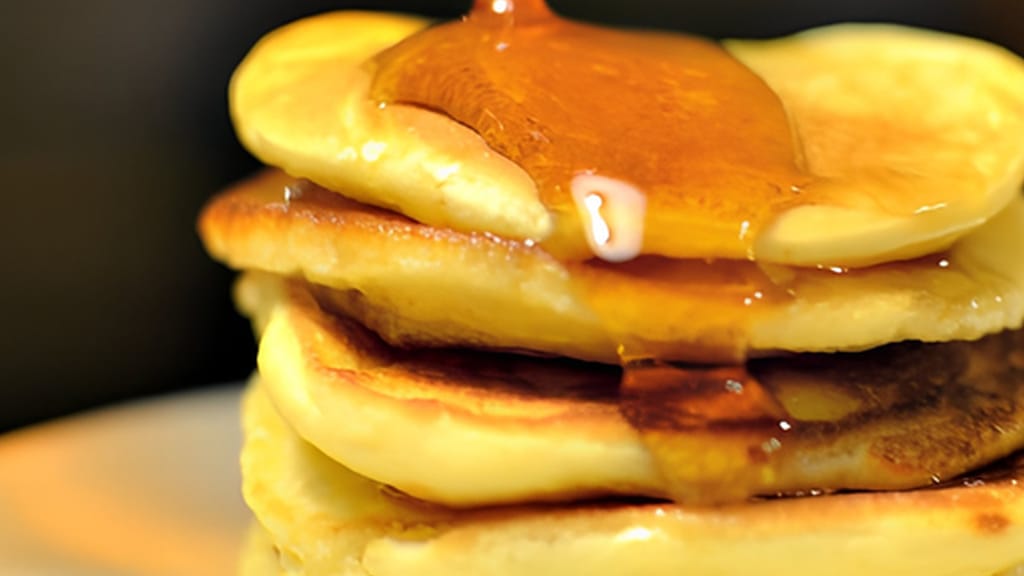
Pancakes – american-style pancakes
Pancakes – American-style: 30 ml aquafaba per white stands in for the whipped whites, and yogurt replaces the yolks
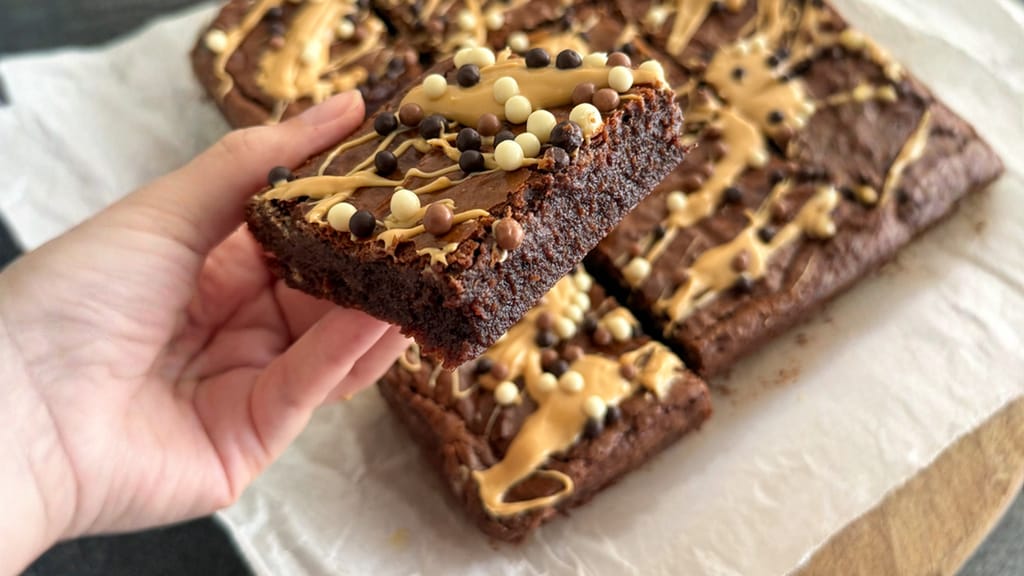
Yumsto signature fudgy brownies with toppings
Yumsto signature fudgy brownies – a dense chocolate batter where silken tofu works best instead of eggs
Cookies that rely on fat and flour, or aren't baked at all, turn out well without eggs: lard cookies, walnut crescents, vanilla crescents and no-bake balls. Meringues can be made with aquafaba, though they behave differently. Cookies where egg white with ground nuts is the only binder don't work, and neither do cookies with a cream made from whipped eggs. Linzer cookies fall in between – they rely on the yolk, and that can be replaced.
Egg-free from the start (tested recipes with no eggs, yolks or whites):
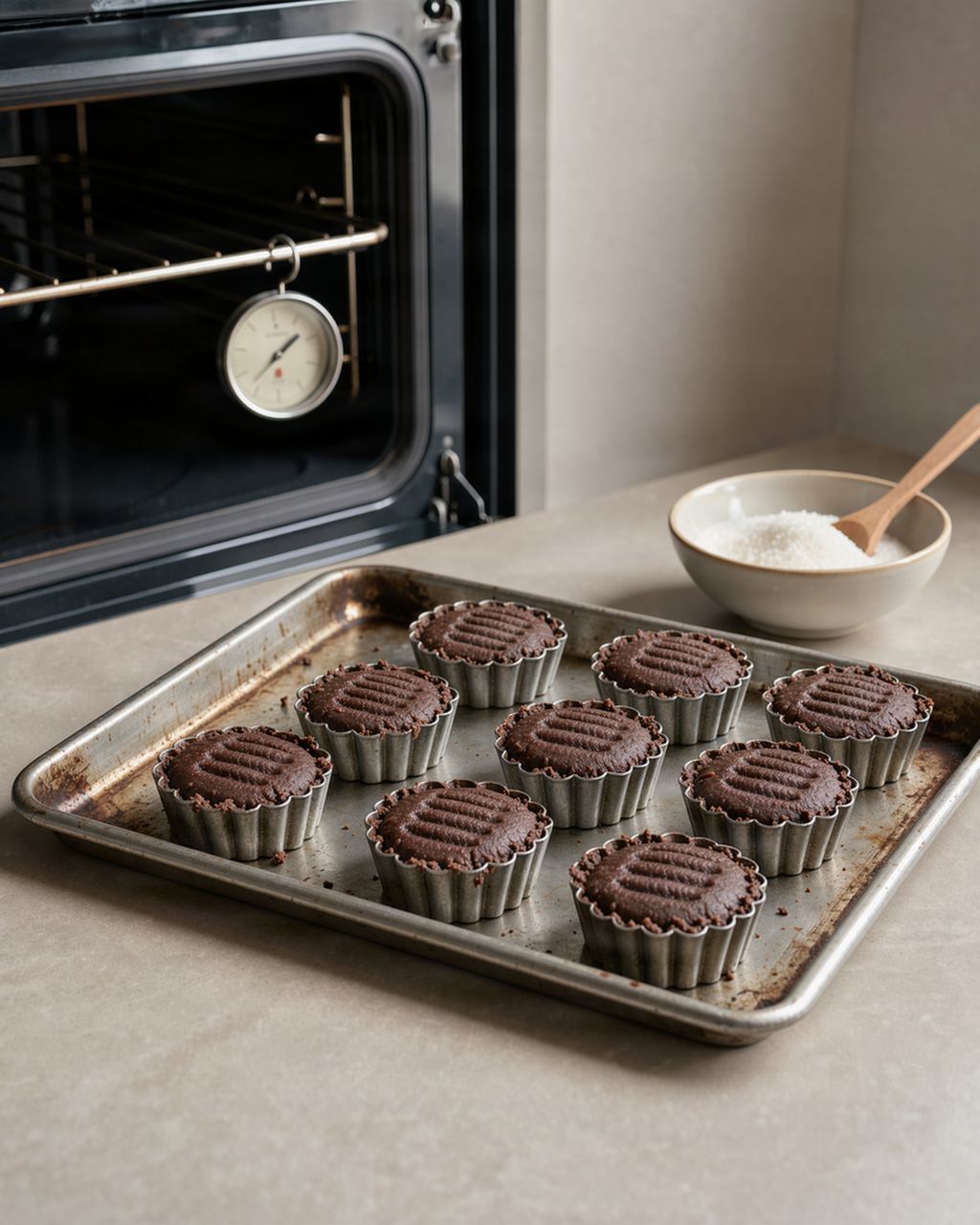
Sádláky, or lard cookies – a cocoa dough made with 150 g lard, held together by the fat, not by egg.
Hollow walnut crescents – butter, flour and ground walnuts, no egg.
Cocoa balls made with oats and dates – no-bake, bound by dates and peanut butter.
With a small amount of yolk that can be replaced:
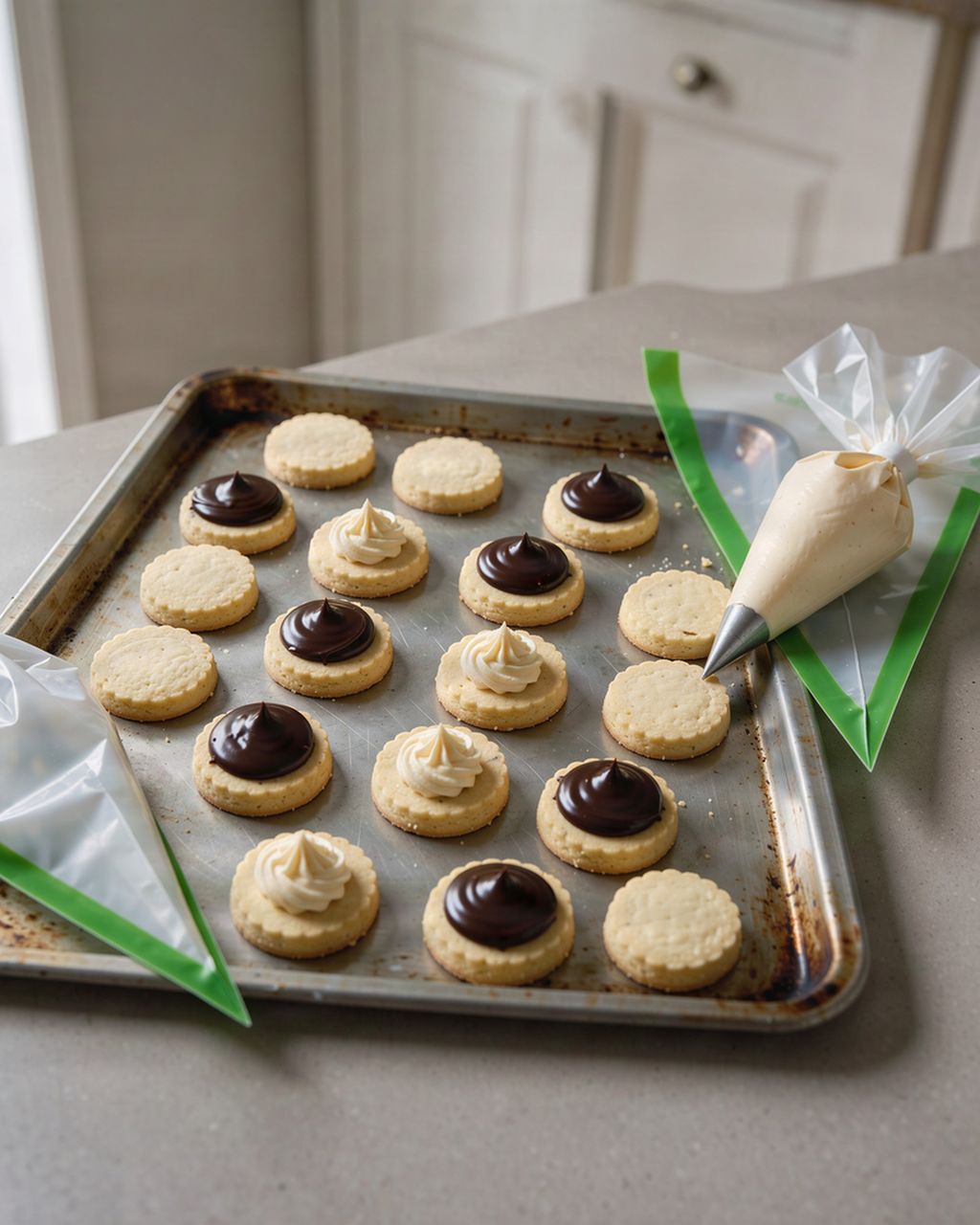
Linzer cookies. The yolk here supplies fat and lecithin, which coat the flour and make the cookie tender – it doesn't carry the structure. That's why you can't replace it with water or plant milk, but with a rich ingredient: per yolk, 15 g sour cream or mascarpone, or alternatively 20 g full-fat quark. Why Linzer dough contains only yolk is explained in the article Linzer dough and the yolk; for adjusting the 3:2:1 ratio without eggs, see Linzer dough 3:2:1.
Vanilla crescents. Our recipe has one yolk for 410 g flour and 250 g fat – at that ratio the yolk is a detail, and the same applies as for Linzer cookies.
Works, but differently:
Meringues – they rest on whipped egg white foam, which aquafaba can replace (30 ml per white). They take noticeably longer to dry in the oven, are more brittle and get stickier in humid weather. They'll turn out, but it won't be the same.
Doesn't work without eggs:
Cookies made from egg whites and ground nuts, such as pistachio crescents with 75 g egg whites – the white is the only binder here, and the recipe doesn't hold without it.
Cookies with a cream made from whipped eggs, such as wasp nests with egg cream – the cream needs a different base, not a substitute.
Store-bought ladyfingers, wafers and ready-made doughs used in no-bake cookies often contain eggs. On packaged foods, egg is always highlighted in the ingredients, so you can tell from the label.
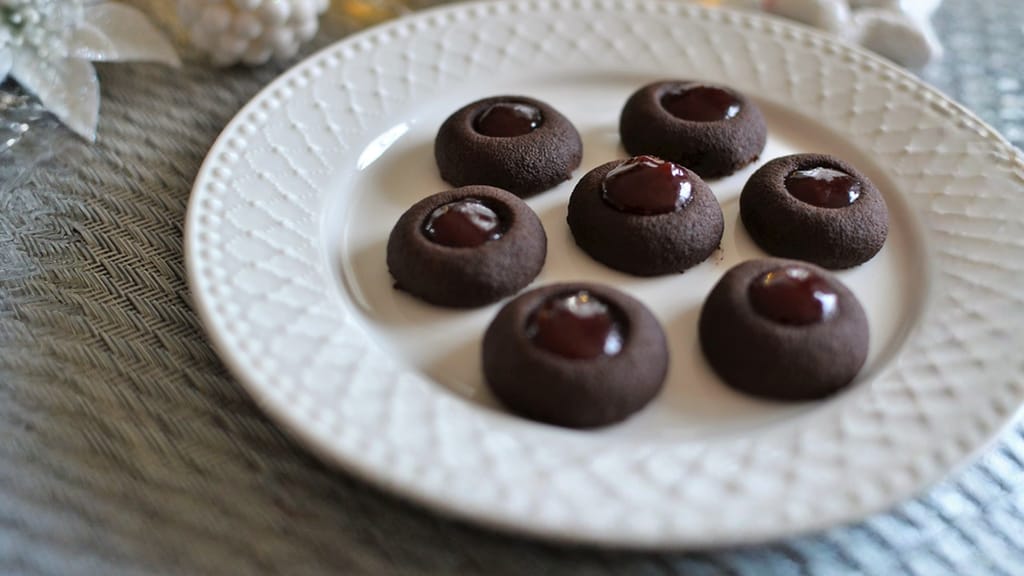
Sádláky – grandma's lard cookies
Sádláky, or lard cookies – a traditional Christmas cookie made entirely without eggs
An egg substitute fails in three cases: sponge cake and génoise, yolk-based creams, and dishes where the egg itself is the dish. Why in each:
Sponge cake and génoise. Whipped eggs are both the leavener and the framework here, and the flour only fills in. Without them you get a flat disk.
Yolk creams, zabaglione, hollandaise. The thickening depends on coagulated yolks – a yolk on its own sets at 65–70 °C, while a custard of yolks with milk and sugar thickens at around 80–85 °C. Starch may match the flavor, but not the texture.
Egg dishes as such – omelet, scrambled eggs, fried eggs. There the egg isn't an ingredient but the subject.
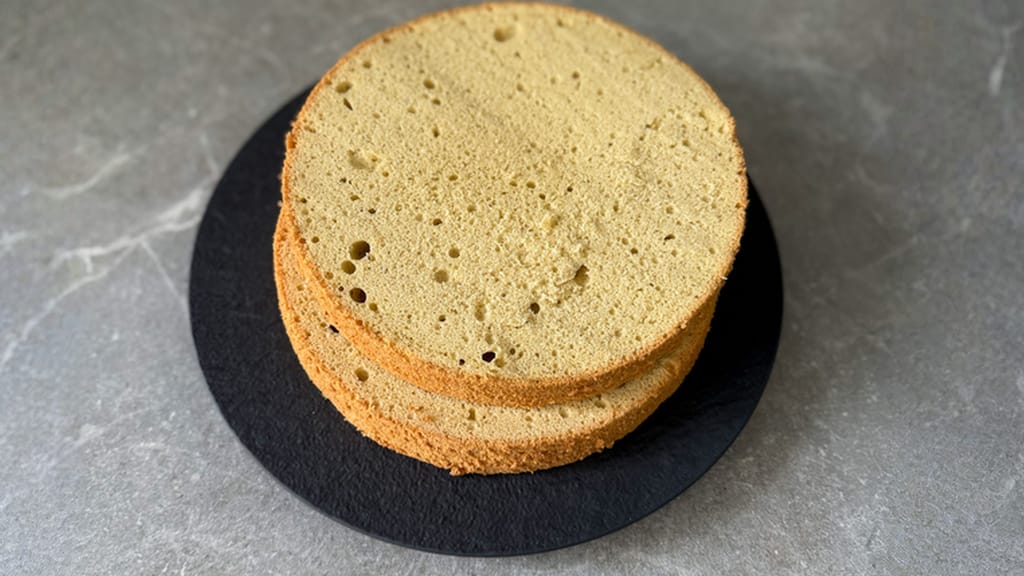
Light and airy génoise sponge cake
Fluffy génoise sponge layer – a showcase recipe where the eggs can't be replaced
After removing the eggs, cut 15–20 ml of liquid, add 2 g baking powder, mix as little as possible, don't judge doneness by color, bake 3–5 minutes longer and let it cool completely. The egg takes water, fat and leavening out of the batter with it, and the rest of the recipe has to respond:
Cut 15–20 ml of liquid for each wet substitute (purée, banana, yogurt, tofu). With flax, chia and starch, don't cut anything – you've already counted their water.
Add 2 g baking powder for each egg you leave out, unless you went for aquafaba or soda with vinegar.
Mix as little as possible. Without the egg emulsion, gluten in the batter develops faster, and an overmixed batter turns tough.
Don't judge by color. Without the yolk, a bake browns noticeably less, so a pale surface doesn't mean a raw center. Poke it with a skewer.
Allow 3–5 extra minutes at the same temperature, since the batter holds a little more water.
Let it cool completely. Starch and flax gel only set as they cool; a warm slice of an eggless bake looks underdone even when it isn't.
And one note on expectations: eggless bakes tend to be a bit denser and dry out faster. They taste best within two days; if you won't finish them, wrap and freeze them.
Outside of batters, you replace eggs differently than in baking: mustard or a plant milk with starch for breading, soaked breadcrumbs in meat patties, and soy milk or aquafaba for brushing. In brief:
Breading cutlets – instead of egg, coat the meat with a thin layer of thick mustard, mayonnaise, or plant milk with a spoonful of starch; the breadcrumbs stick just the same.
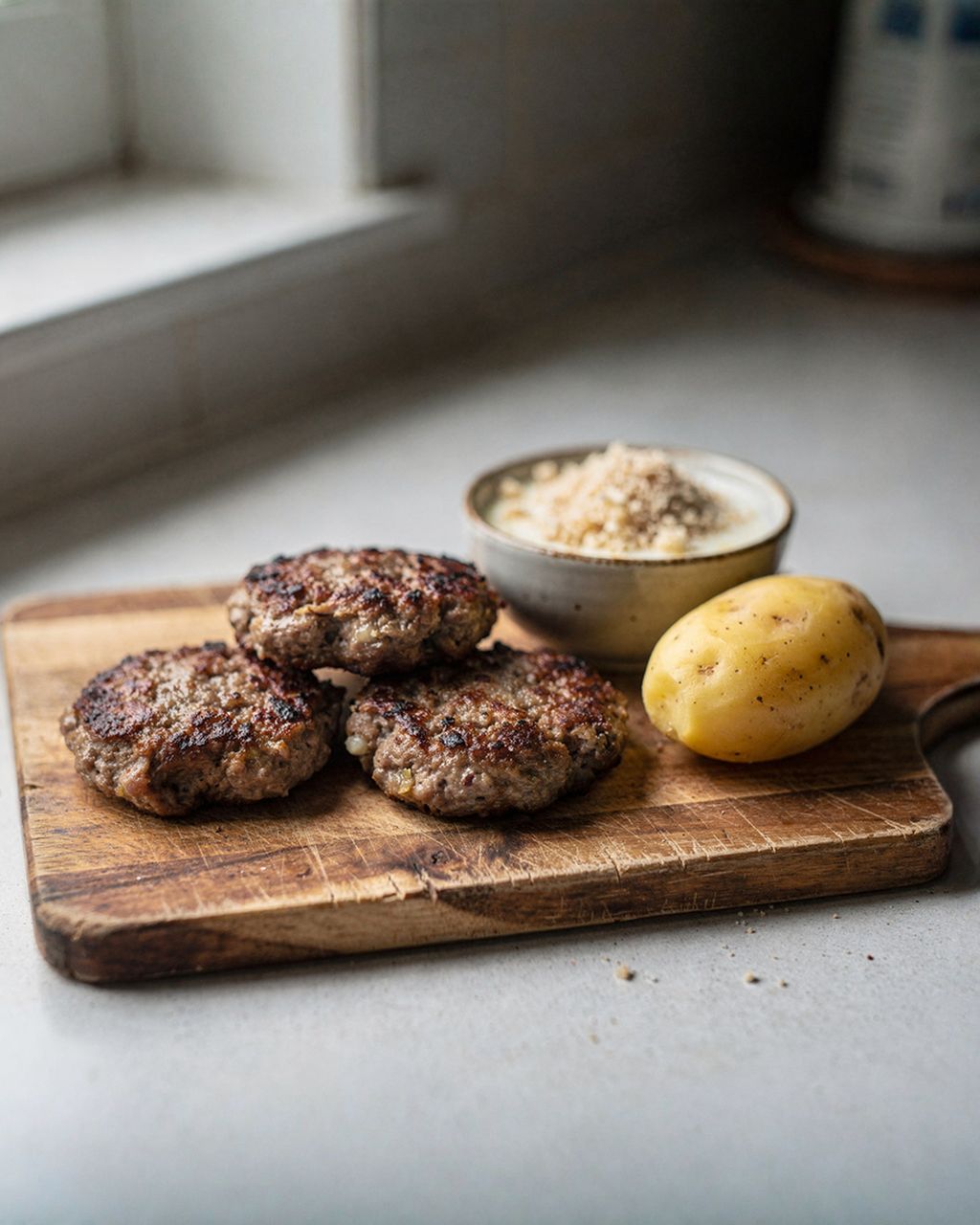
Meat patties and meatloaf – for 500 g of meat, 30 g breadcrumbs soaked in 60 ml milk or stock is enough; the egg binds less than it seems. You'll find all the ratios in egg substitutes for meatloaf and meat patties.
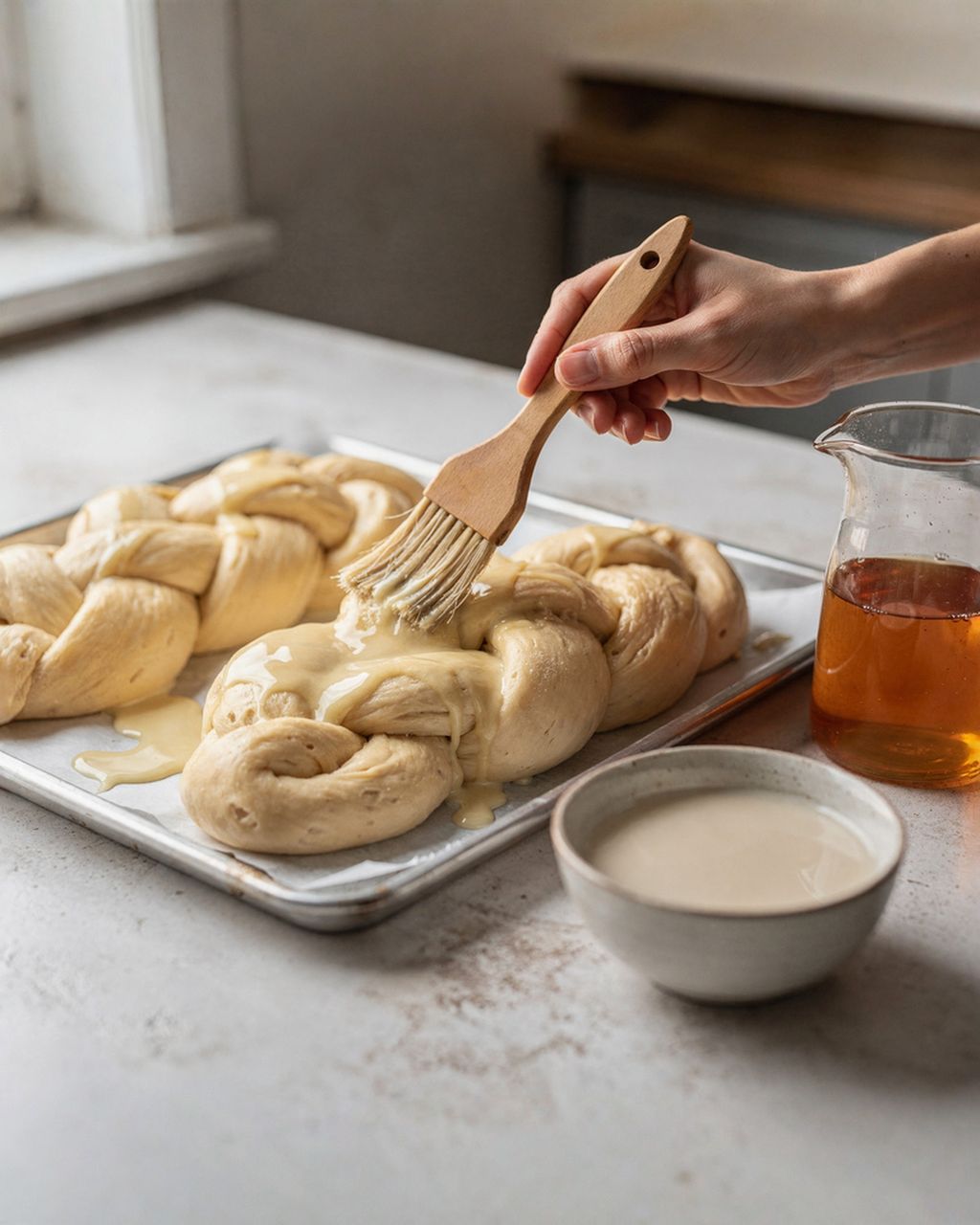
Brushing baked goods – 25 g unsweetened soy milk gives a matte golden color, while plant milk with syrup gives shine. A comparison of seven substitutes is in the article what to use instead of eggs for egg wash, and for vánočka (Czech Christmas braided bread) separately in what to brush vánočka with instead of egg.
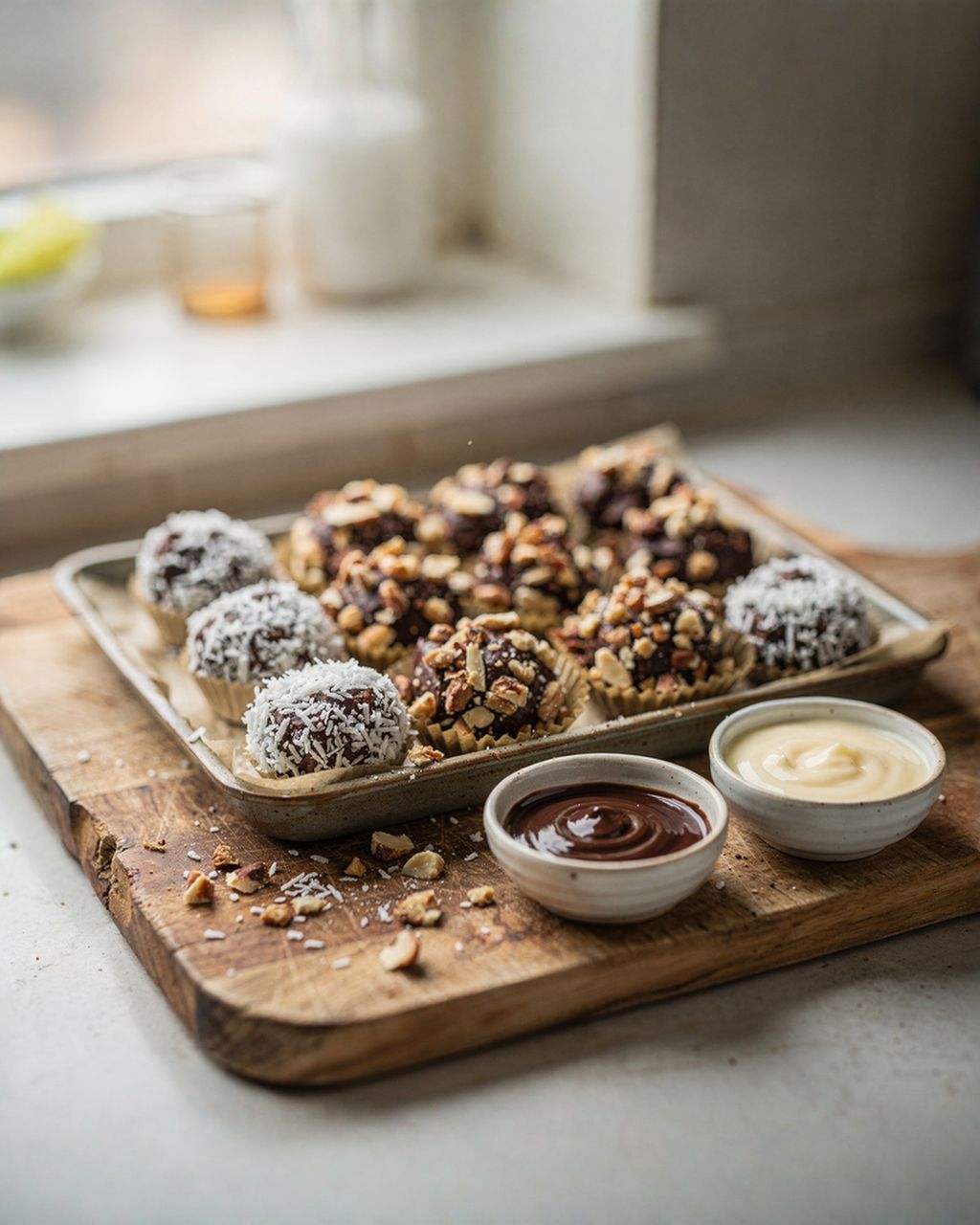
No-bake cookies – raw eggs in balls and creams can be replaced by condensed milk, melted chocolate or peanut butter. Spelled out by function in what to use instead of raw eggs in no-bake cookies.
It's best to mix a flax egg on the day you bake. In a sealed container in the fridge it keeps until the next day. It thickens further overnight, so stir it before using, and if it's pasty, add 5 ml of water. You can freeze it, but after thawing it separates into clumps and binds less well.
Yes, but you need to reduce the cooking liquid until it thickens to the consistency of raw egg white. Cook the chickpeas in as little water as possible, then simmer the liquid down by about half. Aquafaba that's too thin won't whip. Don't salt it, and let it cool completely, ideally overnight in the fridge.
No. Baking powder only leavens; it doesn't bind or add moistness. On its own, it turns an eggless batter into a bake that rises in the oven and crumbles as it cools. Always pair it with a binder, typically one flax egg (7 g ground flaxseed + 40–45 ml water) plus 2 g baking powder.
Usually not in the flavor, but almost always in the texture. Eggless bakes tend to be a little denser, less springy and paler, because the yolk is missing. The exceptions are substitutes with a flavor of their own: you'll notice banana and peanut butter right away, while starch, aquafaba and silken tofu are practically neutral.
For savory bakes, reach for a flax egg, starch or aquafaba, all three of which are neutral in flavor. Applesauce and banana don't belong in a savory batter, since they bring sugar and a fruity taste. For savory muffins and flatbreads, 60 g of plain yogurt also works well and adds moistness at the same time.
Yes, and in recipes that call for two eggs it's often the best approach. A proven combination is one flax egg for binding plus 45 ml of whipped aquafaba for lift. Each does a different job, and you don't pile up extra water. Just never put two wet substitutes together, such as applesauce and yogurt at the same time.
One recipe worth heating the oven for, one tip, and one deal from the shop. Nothing else.