Pear and white wine cake
What to Bake With Pears: Cakes, Baked Pears & Desserts
Updated Nov 20, 2026
What can you bake with pears? The safest bet is a cake where the pears hold their shape and release their juice into the batter: a cake with pears poached in white wine, or a layered yogurt and poppy seed cake. If you'd rather skip the dough, bake the pears on their own with maple syrup and serve them with skyr. For the end of a festive dinner, flambéed pears with melted chocolate fit the bill. And pears work in savory dishes too, in a cheese quiche with blue cheese and arugula. For each recipe you'll find what it hinges on, where it can go wrong, and a link to the full method. You'll also learn how to pick the right pears and how to pair them with apples.
You can make six tried-and-true things with pears: two cakes, two desserts where the pear is whole or sliced, cupcakes, and one savory tart.
White wine pear cake: juicy and spiced, with pears poached in syrup.
Yogurt and poppy seed cake with pears: three layers on an oat base, with no classic dough.
Baked pears with maple syrup and plain skyr: 30 minutes in the oven, served with crunchy muesli.
Flambéed pears with chocolate sauce: ready in under half an hour, a showy end to a dinner.
Baked pear cupcakes with quark cream: 20 cupcakes for a party or the office.
Pear cheese quiche: a savory tart with cottage cheese, blue cheese and arugula.
All six recipes are meat-free. Under each one below you'll find what the recipe hinges on and where it can go wrong. The full method with weights and measures is always in the link.
For baking, choose pears that are ripe but still firm. When you press one near the stem, it should give a little, but it shouldn't sink under your finger. An overripe pear is wonderful raw, but in the oven it collapses into mush and releases so much juice that it makes your batter soggy. The baked pears recipe says it outright: overripe fruit would fall apart in the oven.
Of the varieties you can easily buy, the elongated Conference pear holds up well to baking. According to variety sheets from Czech home gardeners, it's harvested from mid-September, and you'll find it in shops from autumn well into winter. The Williams (Bartlett) pear, often labeled just Williams, is softer, sweeter and more fragrant. It suits recipes where the pear is allowed to break down, such as cupcake batter or a filling you simmer.
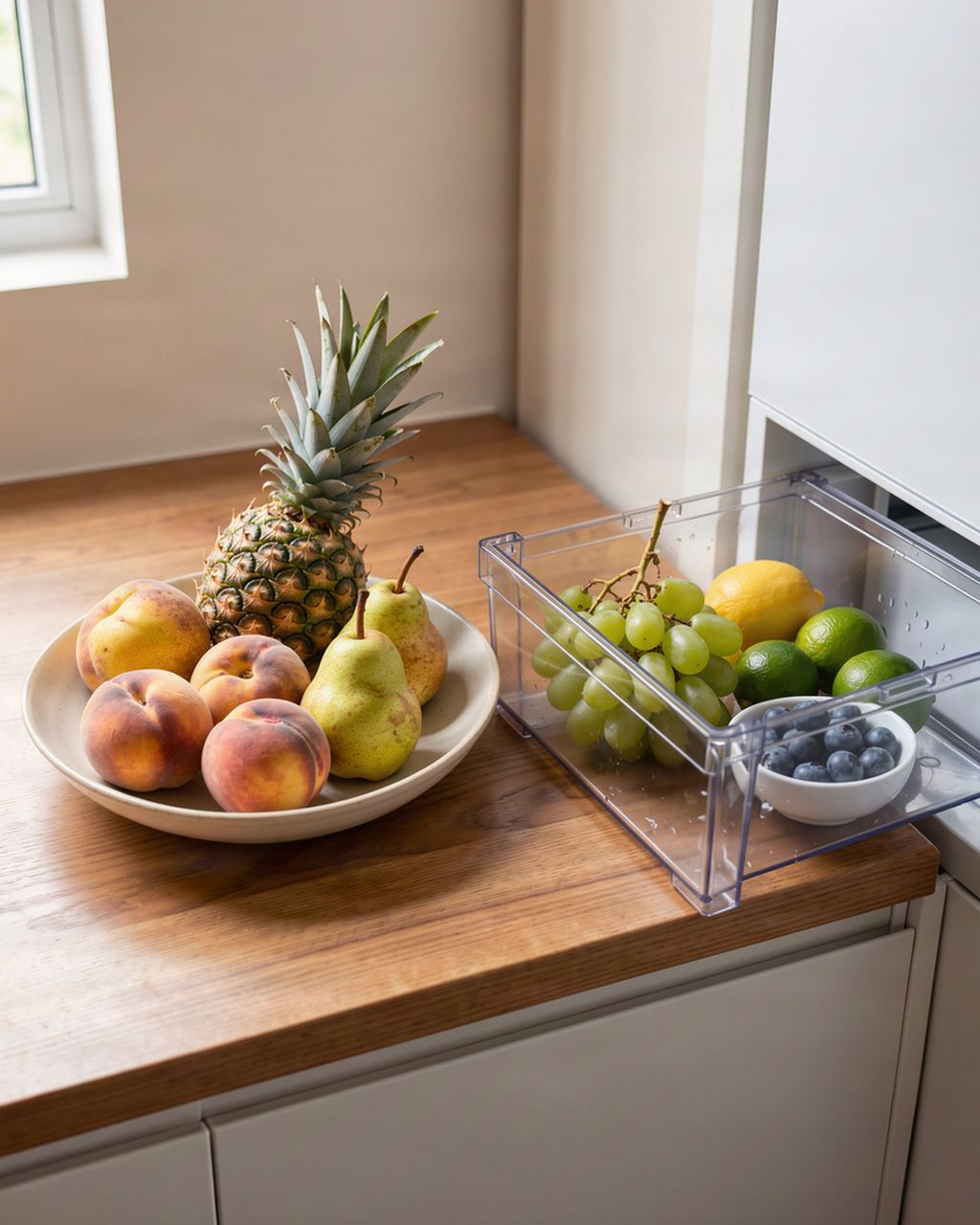
Don't throw away hard, underripe pears. They're best for poaching, that is, gently simmering in syrup or wine, where they soften and soak up flavor. If you'd like to ripen pears at home, we cover how and where to leave them in our article on how to store fruit.
One thing will always happen with pears: cut flesh browns quickly. According to the UK's Institute of Food Science and Technology, the culprit is the enzyme polyphenol oxidase, which kicks in as soon as cut flesh meets air. The acid in lemon slows it down, which is why recipes tell you to sprinkle pears with lemon right away or cook them in lemon syrup. In a cake a bit of browning doesn't matter. But for pears you serve whole, they look nicer if they stay pale.
A ripe pear has softer, juicier flesh than an apple, so it softens and releases its juice sooner when heated, and there are four ways to deal with that juice: boil it down into a syrup, bake it into the batter, turn it into a sauce, or catch it with something dry. Good recipes don't fight the juice, they use it. In most of the recipes below it works like this:
You cook the juice down first and put it back. In the wine cake, the pears are simmered in syrup, the syrup is reduced, and at the end you pour it over the cake.
You bake the juice first and stir it into the batter. For the cupcakes, diced pears are baked with sugar and spices and go into the batter together with their juice, which has a caramel flavor.
The juice becomes a sauce. With the baked pears, it combines with butter and syrup into a light sauce that you spoon over the pears on the plate.
Something dry catches the juice. In the quiche, the pre-baked crust and a layer of cottage cheese catch it; in the strudel roll, it's the breadcrumbs.
If you keep this in check, a pear cake will never have a wet, underbaked bottom, which is the most common disaster with pears.
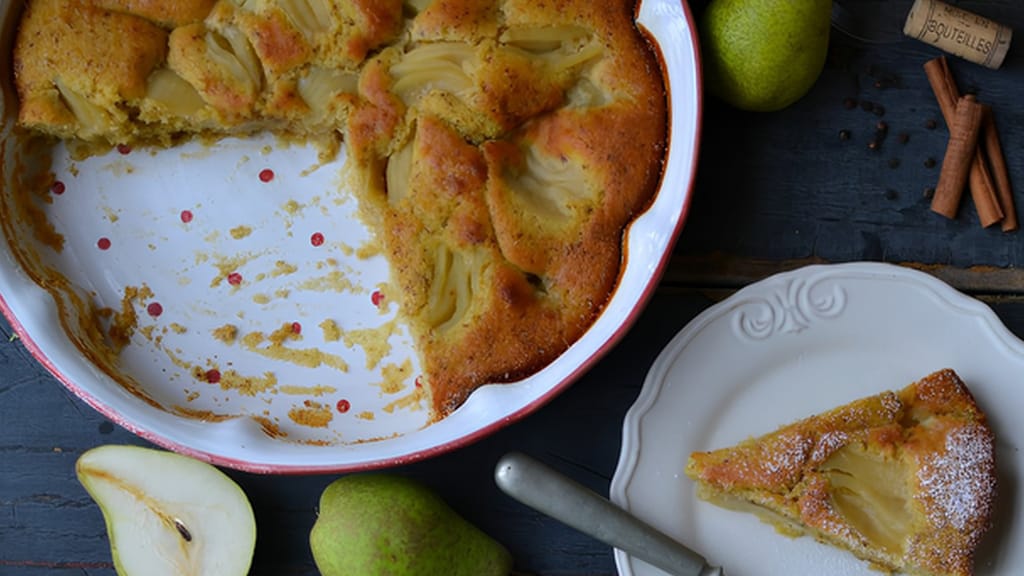
The white wine pear cake is a moist cake with pears poached in spiced wine and topped with wine syrup. The white wine pear cake is built on 700 g of pears, which you simmer for about ten minutes in sweet white wine with pepper, cloves, cinnamon and vanilla. The pears should soften but not fall apart, and then you reduce the wine to 150–200 ml of syrup.
The key is baking in two stages: first 30 minutes at 180°C (350°F), then you pour the syrup over the cake and bake it for another 10–15 minutes at 200°C (400°F). The syrup soaks in and the cake stays juicy even the next day. The pepper in the syrup isn't a mistake: it gives the pears a gentle warmth that goes well with the vanilla and with the dark chocolate in the batter.
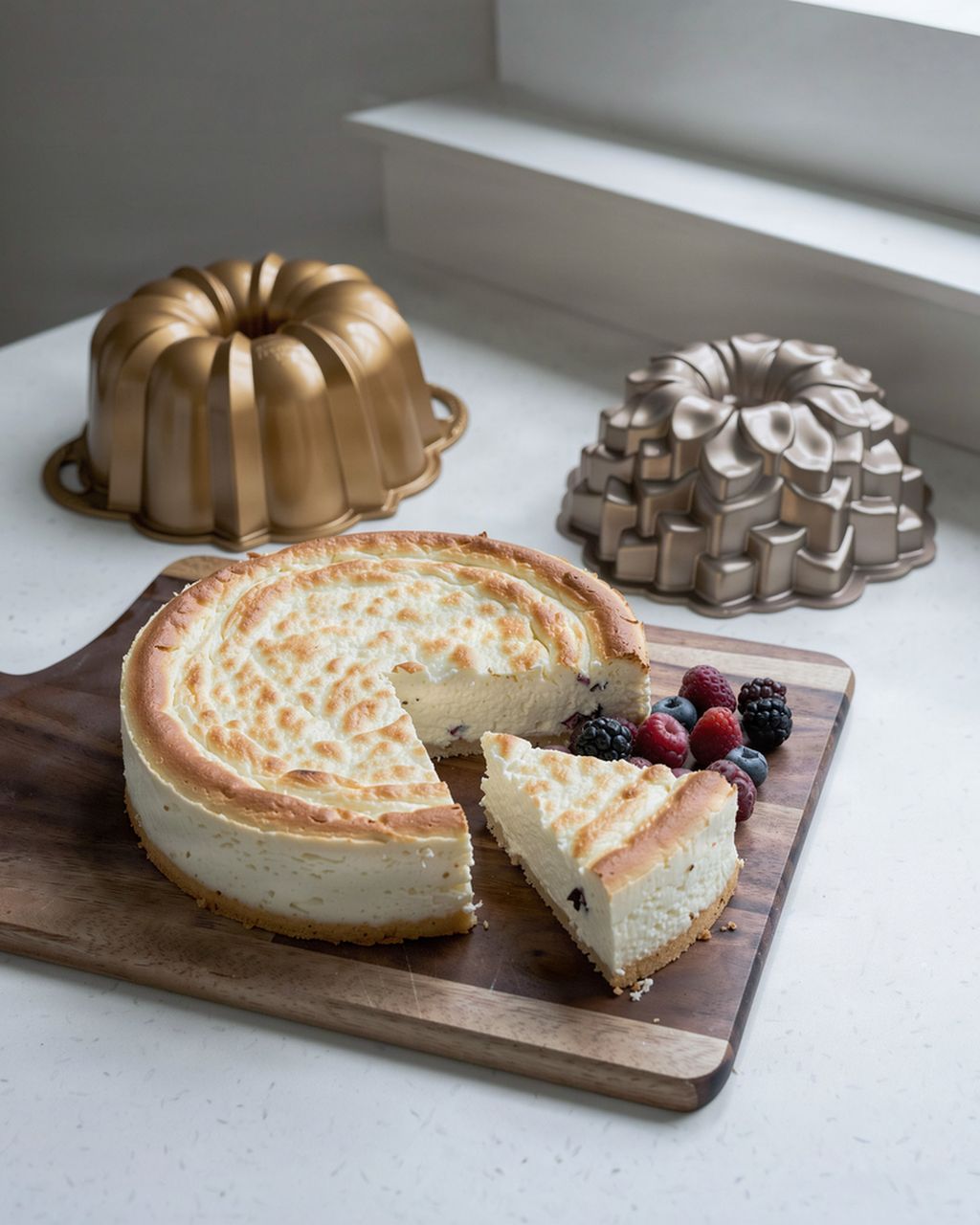
Pear and white wine cake
White wine pear cake: poached pears, chocolate batter and wine syrup
The yogurt and poppy seed cake with pears is a layered cake with no classic dough: an oat base, a poppy seed filling and a yogurt cream, topped with pear slices. The yogurt and poppy seed cake with pears needs only 200 g of pears. Let the rolled oats soak in milk for at least 20 minutes, briefly simmer the ground poppy seeds in milk until thickened, and whisk Greek yogurt with an egg and vanilla pudding mix (cook-and-serve, similar to custard powder) so it sets like a cream in the oven.
The most common mistake is putting warm poppy seed filling on the yogurt layer. Let the poppy seed filling cool before layering, or the layers will run together. Arrange the pears on top, sprinkle with sliced almonds, and bake the cake for about 30 minutes at 180°C (350°F).
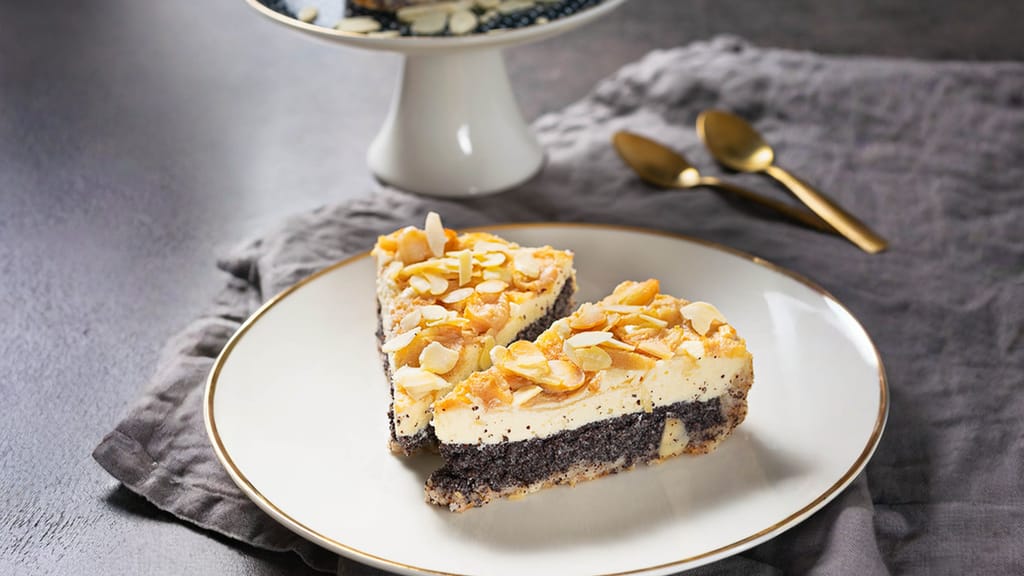
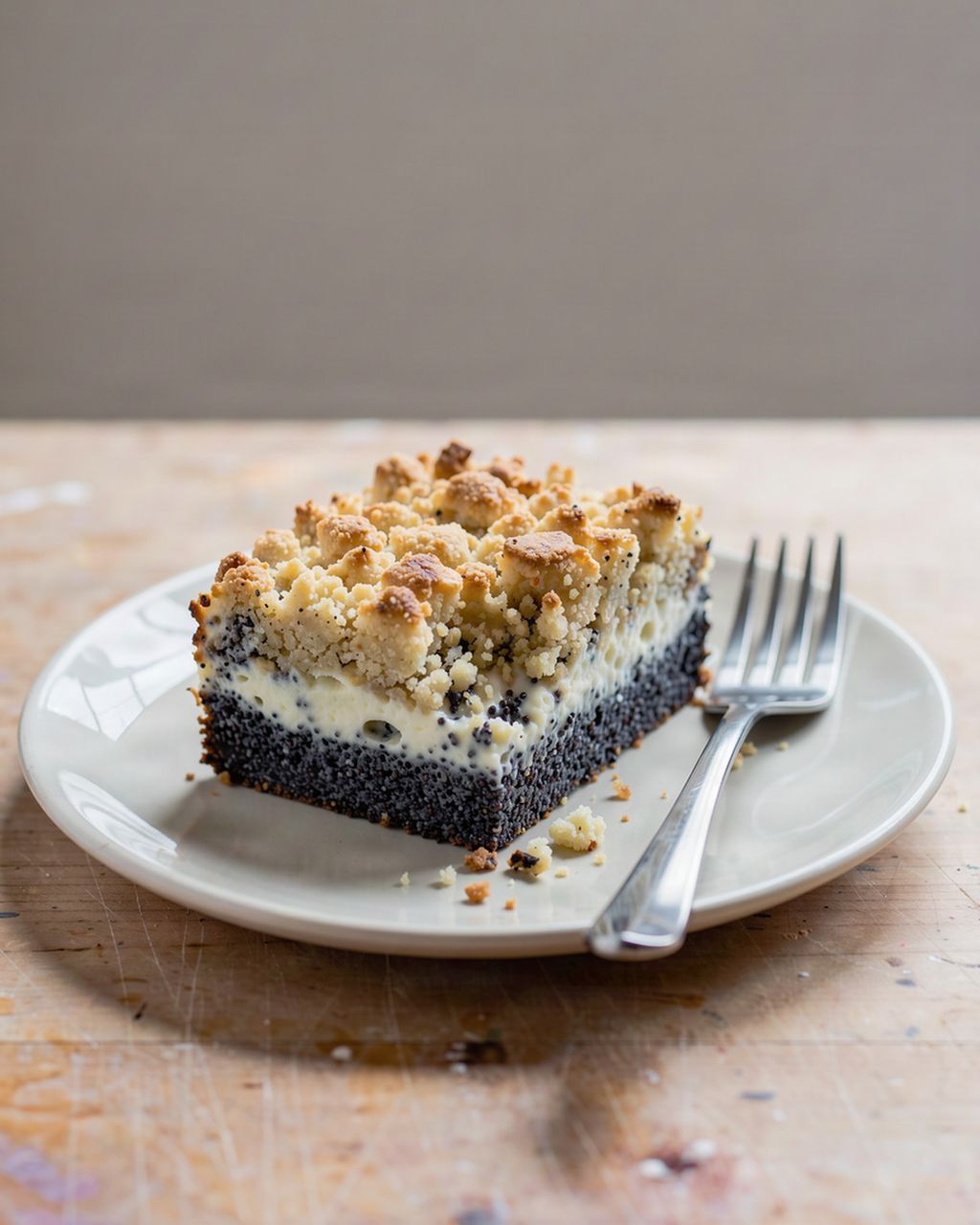
Yogurt & poppy seed cake with pears
Yogurt and poppy seed cake with pears on an oat base
Baked pears with maple syrup and plain skyr are the simplest pear dessert with no dough: pear slices are baked with syrup and pecans and served on skyr. Baked pears with maple syrup and plain skyr is a recipe for two, made from two pears. The pears and the homemade oat muesli go into the oven at the same time, both for 30 minutes at 180°C (350°F), and in the oven the syrup combines with butter and pear juice into a light sauce.
Put the muesli on the plate next to the pears, not on top: it would quickly go soft in the juice. The whole thing takes an hour, most of which the oven does for you.
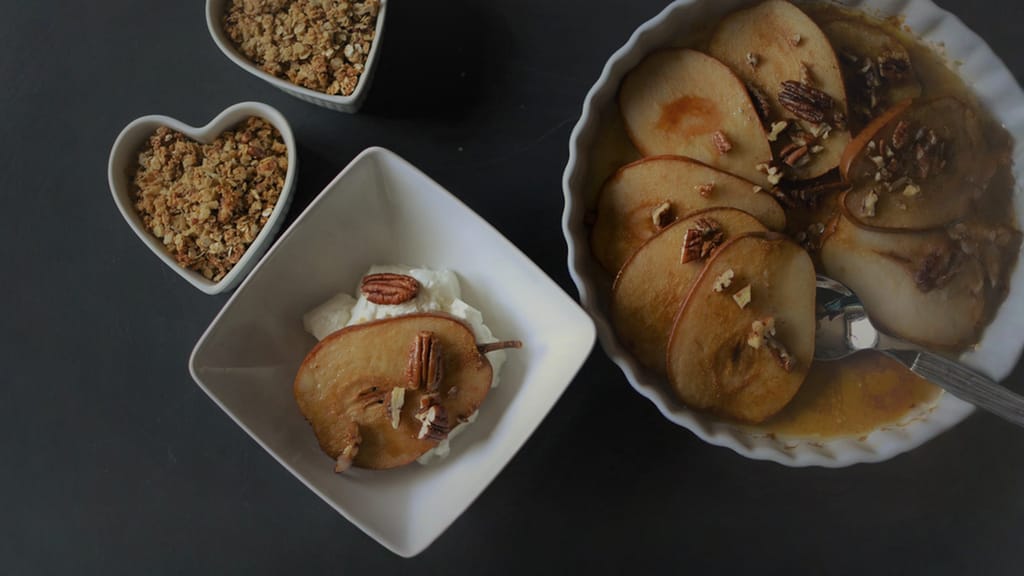
Baked pears with maple syrup and plain skyr
Baked pears with maple syrup, pecans and plain skyr
Flambéed pears with chocolate sauce are whole pears poached in lemon syrup, flambéed with a fruit liqueur and topped with melted dark chocolate, ready in 28 minutes. Flambéed pears with melted chocolate aren't baked, but they earn a place in this roundup as the showiest pear dessert for the table. According to the recipe, the lemon in the syrup keeps the peeled pears from browning, and if you slice a thin piece off the bottom, they'll stand upright on the plate. About ten minutes of gentle simmering is enough. A full boil will make them fall apart. The sauce is 150 g of dark chocolate melted with 150 ml of milk in a double boiler.
The recipe stresses safety: keep away from the range hood, curtains and the open bottle, and don't pour anything more into the burning flame. Choose the liqueur by aroma, since it comes through strongly in the dessert. It's the only one of the six recipes with no flour or oats; for the liqueur and chocolate, check the label to see whether they're gluten-free.
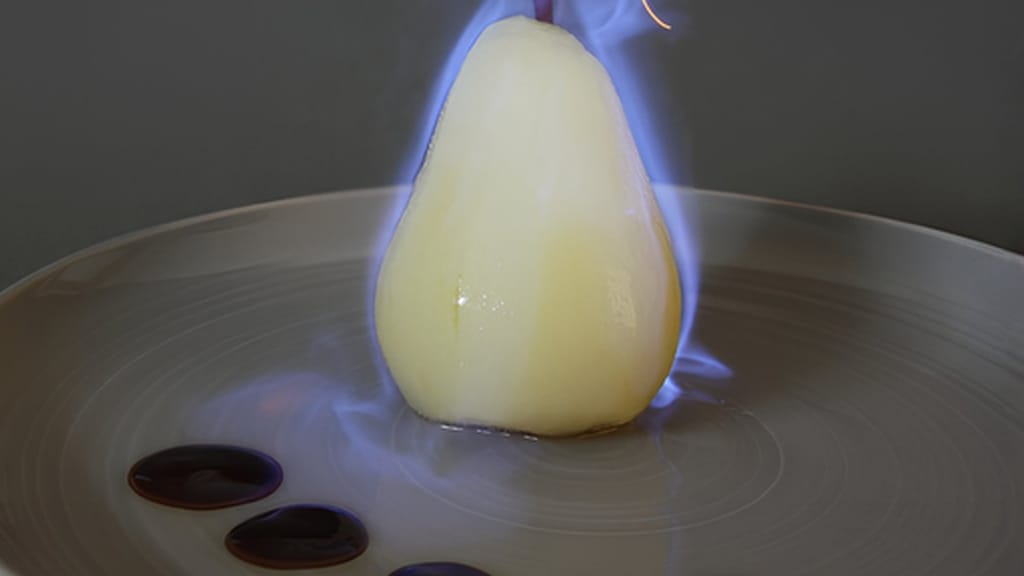
Flambéed pears with chocolate sauce
Flambéed pears with liqueur and dark chocolate sauce
Baked pear cupcakes with quark cream rely on one trick: the pears are first baked with cane sugar, cinnamon and cloves until caramelized, and they go into the batter together with their juice. The baked pear cupcakes with quark cream make 20 cupcakes. Keep an eye on the pears as they bake, because sugar can burn quickly, and combine the wet and dry mixtures only briefly so the batter stays thick.
Line the pan with paper cupcake liners, fill them three-quarters full and bake for about 25 minutes at 180°C (350°F). Pipe the cream made with 500 g of full-fat quark onto completely cooled cupcakes. If you enjoy baking with quark, you'll find more ideas in our article on what to bake with quark.
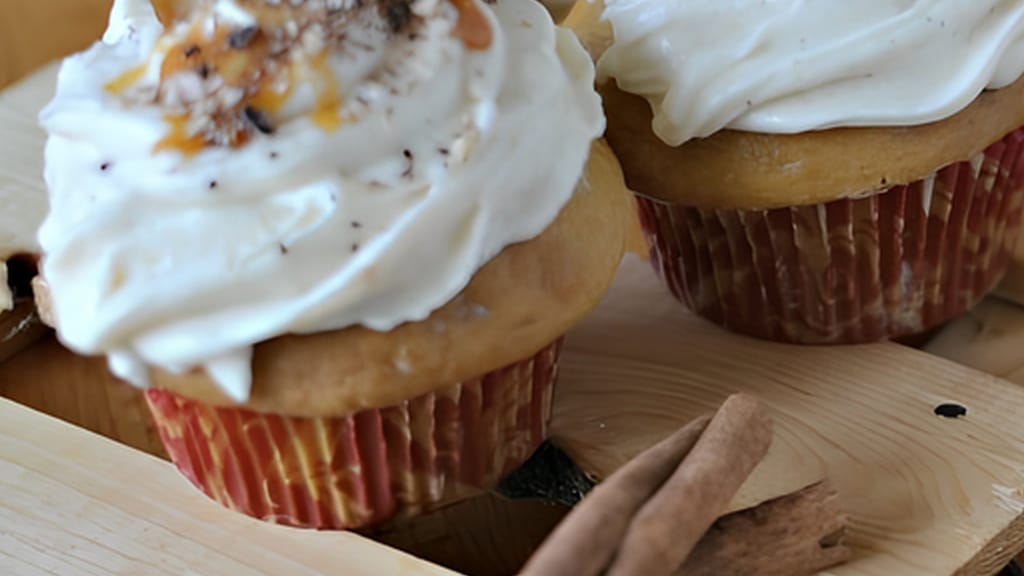
Roasted pear cupcakes with quark frosting
Baked pear cupcakes with quark cream and cinnamon
The pear cheese quiche is a savory tart on a cheese shortcrust, with a layer of cottage cheese, pear slices and blue cheese, topped with arugula. The pear cheese quiche proves that pear and blue cheese belong together. The key is the pre-baked crust: together with 400 g of cottage cheese, it catches the juice from three pears. Spread the cottage cheese over the warm crust, arrange the pears, crumble over the blue cheese and bake for 15 minutes, until the pears turn golden.
Add the arugula only just before serving. Its bitterness balances the sweet pear and the salty cheese. How to pre-bake a shortcrust so the bottom doesn't turn soggy is in our article on shortcrust pastry for tarts and blind baking.
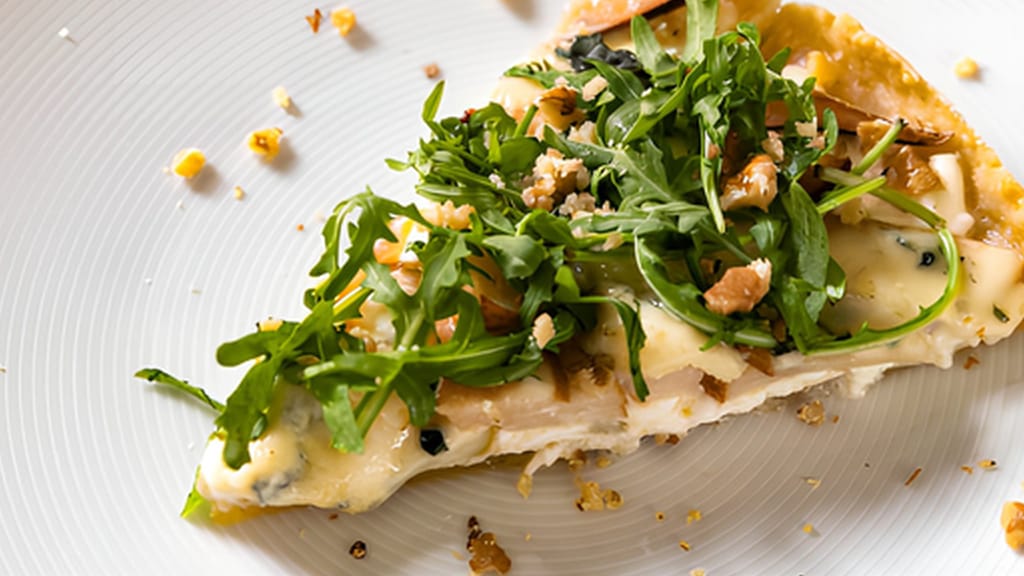
Cheese quiche with pear
Pear quiche with blue cheese and arugula on a cheese crust
Pear bakes need slightly longer than their appearance suggests, because the juice from the fruit keeps the center moist. So don't rely on the surface, and go by what the specific recipe says:
Cakes and bundt cakes (bábovky): a skewer inserted at the highest or central point should come out dry, at most with a few moist crumbs. If sticky batter clings to it, keep baking and test again after a few minutes.
Cupcakes: the same skewer test after about 25 minutes at 180°C (350°F).
Baked pears: after 30 minutes they're soft, and the juice in the dish has combined with the butter and syrup into a light sauce.
Quiche: the pears turn golden on top and the blue cheese melts.
Poached pears: they soften but hold their shape. A knife goes in with slight resistance, not like into mush.
With the wine cake, expect that the syrup you pour over it halfway through baking will moisten the surface again. That's why it finishes baking at a higher temperature, so the cake turns golden. Don't be fooled by the moment when it looks wet.
A pear cake most often goes wrong because of overripe pears, slices that are too thin, a warm filling on a cold layer, juice with no plan, overcooked poached pears and too much spice.
Overripe pears. They're too soft for baking, fall apart and make the batter soggy. Eat overripe pears raw instead, or put them in a filling you simmer.
Slices on top that are too thin. Thin slices dry out in the oven and the edges burn before the cake is done. For cakes, cut thicker slices or quarters.
Warm filling on a cold layer. In layered cakes, let every cooked layer cool, or the layers will run together.
Juice with no plan. The juice from the pears has to go somewhere: into syrup, into the batter, into the crust or into breadcrumbs. If you don't plan for it, you end up with a wet bottom.
Overcooked poached pears. For the wine cake and the flambéed pears, about ten minutes of gentle simmering is enough. A full boil makes the pears fall apart.
Too much spice. Pear is more delicate than apple, so spice more sparingly than you would an apple cake. Treat the amounts in the recipes above, 6 g of cinnamon (about two teaspoons) spread across a whole cake or twenty cupcakes, as an upper limit, not a starting point to add to.
Choose a pear recipe by time and number of people: baked pears for two in a hurry, flambéed pears for guests, the wine cake with coffee, cupcakes for a party and quiche for a savory dinner.
You have an hour and you're alone or cooking for two: baked pears with maple syrup and skyr. The recipe is for exactly two servings.
Dinner with guests and you want a wow effect: flambéed pears. They're ready in 28 minutes, and lighting them at the table is an experience.
A Sunday cake with coffee for the whole family: white wine pear cake, eight servings.
You want a poppy seed cake with no classic dough: the yogurt and poppy seed cake, ten servings from one pan.
Party, birthday, treats for the office: cupcakes, twenty from one batch.
A savory dinner or nibbles with wine: pear and arugula cheese quiche, eight servings.
You have both pears and apples and want to use up both: the strudel roll, yeast-dough koláčky or bundt cake from the next section.
We send seasonal cooking and baking plans and recipes made from everyday ingredients. Unsubscribe in one click.
The best things to bake with pears and apples together are koláčky with a thickened, stewed filling, a strudel roll with breadcrumbs and a bundt cake with grated fruit. Pears and apples get along very well in one bake, just keep in mind that a ripe pear softens and releases juice sooner than an apple. The apple brings tartness and structure, the pear fragrance and honeyed sweetness.
The recipes below are written with apples on Yumsto. For each one we add our tip on how many apples you can swap for pears and what to do differently.
Yeast-dough apple koláčky with quark and crumble topping are buttery koláčky (Czech filled yeast pastries) with quark, stewed apples and a crumble topping. The yeast-dough apple koláčky with quark and crumble topping have a dough that rises for an hour and stays sticky: don't add flour to it. You simmer the apple filling and thicken it with starch, so it doesn't run in the oven. They bake for 20–25 minutes at 180°C (350°F).
Tip with pears: You can happily replace half of the apples with pears here. The starch also binds the extra juice the pear releases. Add the pear to the pot only when the apples start to soften, or it will cook to mush.
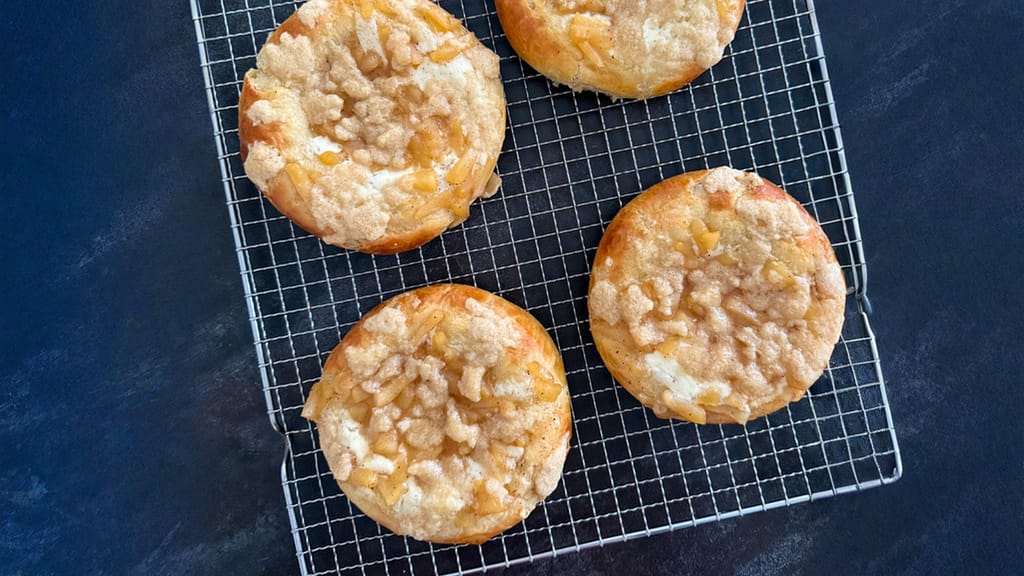
Yeasted apple buns with curd cheese and crumble topping
Yeast-dough apple koláčky with quark and crumble topping, with pear in the filling too
The apple strudel roll with puff pastry is a quick version of strudel in under 45 minutes, with grated apples, raisins and nuts. The apple strudel roll with puff pastry hinges on a strip of breadcrumbs under the filling, which catches the juice. If the apples release a lot of juice, squeeze them out in your hands. It bakes for 20–25 minutes at 200°C (400°F), and once cooled you dust it with powdered sugar.
Tip with pears: Grated pear releases more juice than apple. If you put a third pears into the filling, squeeze the mixture out more thoroughly and sprinkle in a bit more breadcrumbs. It's the breadcrumbs that keep the puff pastry crisp underneath.
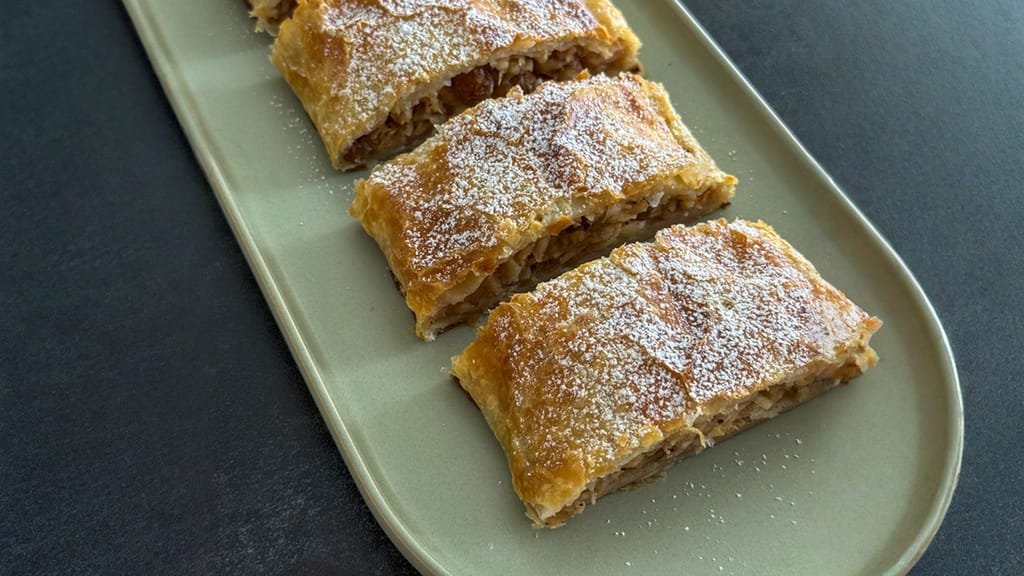
Apple strudel from puff pastry (quick version)
Quick apple strudel roll with puff pastry, with pear in the filling too
The apple bundt cake with coconut oil is a moist, spiced bábovka (Czech bundt-style cake) with 450 g of grated apples, gingerbread spice, ginger and walnuts. The apple bundt cake with coconut oil has two things to watch: sprinkle the apples with lemon right away, or they'll turn brown, and the coconut oil should be soft but not melted. It bakes for 60–80 minutes at 160°C (325°F), until a skewer comes out dry. Then turn it out onto a rack right away so it doesn't steam in the pan.
Tip with pears: In place of some of the apples, you can grate a firm pear, such as Conference. Gingerbread spice and ginger suit pear even better than apple. Because the cake will be moister, aim for the upper end of the baking time and rely on the skewer test.
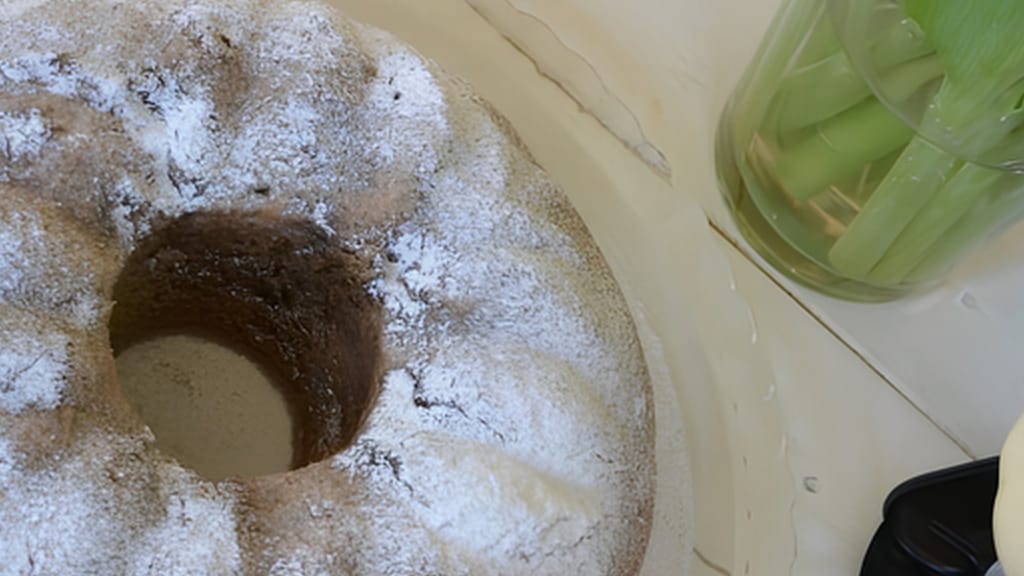
Apple bundt cake with coconut fat
Apple bundt cake with coconut oil and gingerbread spice, with pear too
Cinnamon, cloves, vanilla, black pepper, gingerbread spice and ginger go well with both pears and apples, always in smaller amounts than in a purely apple bake. Pear has a more delicate aroma than apple and strong spices easily overpower it, so season with care. In the recipes above, this lineup repeats:
Ground cinnamon is the base almost everywhere. In the yogurt and poppy seed cake there's 6 g for the whole cake, and the same in the cupcakes, so roughly two teaspoons spread across the whole batch. Don't add more for pears.
Cloves go into the wine syrup and into the baked pears for the cupcakes. A little is enough, 1 g in the cupcakes.
Vanilla suits the syrup for poaching pears, and as pudding mix in the yogurt layer.
Black pepper in the wine syrup gives pears warmth without heat.
Gingerbread spice and ginger belong in the bundt cake. They're a good choice when apples dominate the bake and you want to scent it more strongly.
As for alcohol, white wine, rum and fruit liqueur suit pears. In every recipe that includes it, it plays a major role in the aroma, so don't reach for the cheapest bottle.
You don't have to peel pears for a cake, but do peel them where they're poached or go into a delicate batter. In the yogurt and poppy seed cake you can leave the skin on if it doesn't bother you. For the white wine cake, the flambéed pears and the cupcakes, peel them: the poached pears so the syrup soaks right into the flesh, and the cupcakes because the skin would be noticeable in the delicate batter.
For the white wine pear cake serving eight you need 700 g of pears, roughly three to four larger ones. The yogurt and poppy seed cake gets by with 200 g, the cheese quiche uses three pears, and the baked pears for two use two. For the flambéed pears, count one pear per person.
Poach hard pears, meaning simmer them gently in syrup or wine until soft, then use them in a cake or serve them with chocolate. Hard pears will take longer than the ten minutes the recipes call for, so keep testing them with a knife. If you're not in a hurry, let them ripen for a few days at room temperature.
You can use canned pears in a cake, especially in the layered cakes and cupcakes, as long as you drain them well and pat them dry with a paper towel. Canned pears are already sweet and soft, so use a little less sugar in the batter and don't bake the diced pears for the cupcakes beforehand. They're not suitable for the white wine cake, because its whole charm is poaching raw pears in spiced wine.
Instead of sweet white wine, you can poach the pears in apple or grape juice with the same spices. The juice is sweeter and less acidic, so use less cane sugar and add a little lemon juice to the syrup. You'll get a different, simpler cake, but the method stays the same.
You can bake the white wine pear cake a day ahead, because the syrup that soaks into it keeps it juicy. Bake the cupcakes ahead too, but pipe the quark (tvaroh, a Czech fresh curd cheese) cream onto completely cooled cupcakes, ideally on the day you serve them. Make the baked and flambéed pears right before eating, because the muesli would go soft and flambéing is best done at the table.
One recipe worth heating the oven for, one tip, and one deal from the shop. Nothing else.