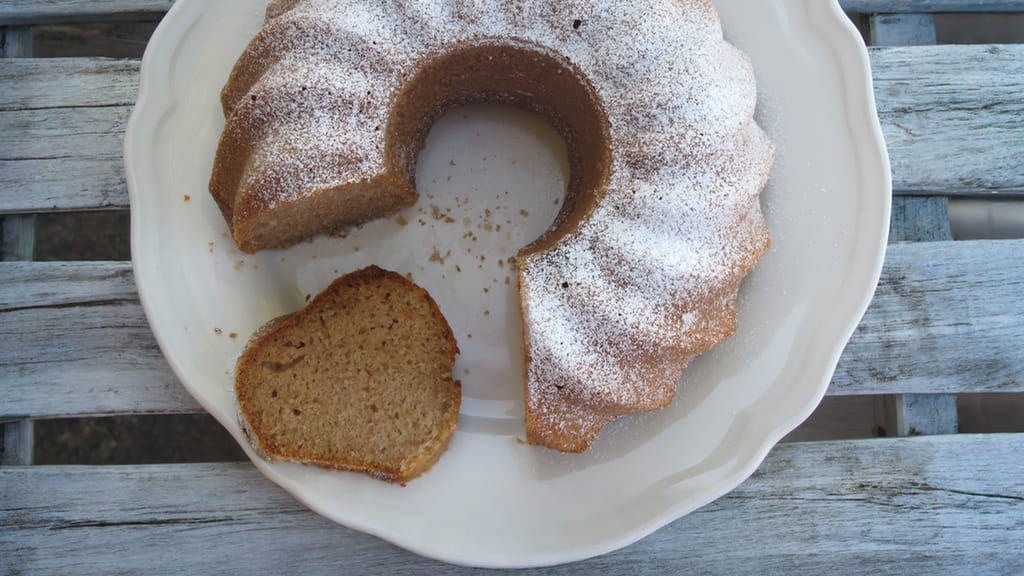
Zucchini bundt cake
What Temperature to Bake Buchty and Sheet Pan Cakes: Creamed, Fruit and Bars
Updated Nov 17, 2026
What temperature should you bake buchty (Czech soft sweet cakes and buns) and sheet pan cakes at? Most bake at 170–180 °C (340–355°F) with top and bottom heat in 25–45 minutes. What makes the difference is mainly how much moisture the batter carries (zucchini, potatoes, fruit) and how high it sits in the pan. Below you'll find a chart for everyday baking outside the Christmas season, an explanation for each type, how to tell when it's done, and why your oven probably shows a different temperature than the one it actually has.
The baseline is 170–180 °C (340–355°F), top and bottom heat, middle rack, preheated oven. The times apply to a standard sheet pan of roughly 30 × 40 cm with batter 2–3 cm deep:
Creamed (cup-measure) buchta: 170–180 °C, 25–35 minutes
Zucchini buchta: 170 °C, 35–45 minutes
Potato buchta: 170–180 °C, 35–45 minutes
Creamed-batter fruit cake (bublanina, a Czech fruit sponge): 175–180 °C, 30–40 minutes
Sheet pan apple cake: 175–180 °C, 35–50 minutes depending on the apple layer
Yeast-risen fruit cake on a sheet pan: 180 °C, 25–35 minutes
Hraběnčiny řezy (Czech jam bars with a meringue topping): 150–160 °C, 30–40 minutes
Míša řezy (Czech cocoa sponge bars with a cream layer): 175–180 °C, 20–25 minutes
Honzovy buchty in a baking pan: 175–180 °C, 25–35 minutes
Dukátové buchtičky (small sweet yeast buns): 180 °C, 15–25 minutes
Baking with convection? Take off 10–20 °C. The article on convection or conventional heat for baking explains why and when it pays off. Looking for cookie temperatures? Check what temperature to bake Christmas cookies at; for bundt cake in a mold, see bundt cake baking temperature and time.
Recipe of the week, one tip that saves you time and one deal from the shop. Unsubscribe in one click.
The next issue goes out on Thursday, November 26.
Bake creamed buchta at 170–180 °C for about 25–35 minutes and zucchini buchta at 170 °C for about 35–45 minutes. Zucchini carries a lot of water, and it has to evaporate before the crumb sets, which is why the temperature is lower and the time longer.
Why not higher: at 190 °C and above, the surface sets and browns before the moist center is baked through. The result is a dark crust and a gummy streak in the middle.
Squeeze the zucchini. Salt the grated zucchini, let it stand for 10 minutes and squeeze it out in a kitchen towel. You'll save ten minutes of baking and the cake won't turn rubbery.
Sheet pan vs. deep pan: batter poured in a thicker layer (a deeper pan, 4 cm or more) needs 10–15 minutes longer. To find the right size, browse pans and baking tools – a shallow sheet pan and a deep baking pan bake completely differently.
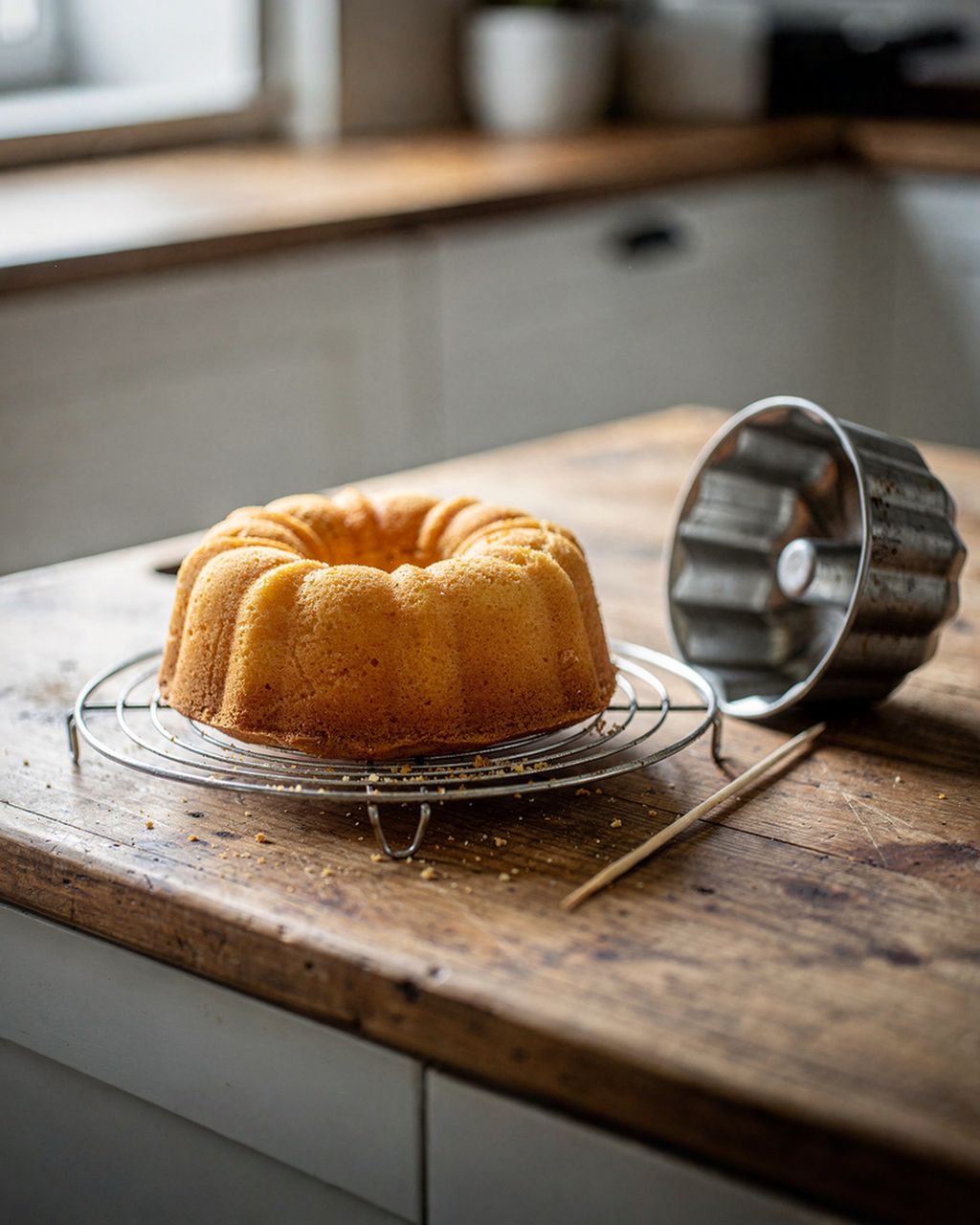
You know the same batter baked in a bundt pan as zucchini bundt cake. And if you put something other than oil in your creamed batter, see what to substitute for oil, Iva and Deko in buchty or what to substitute for Greek yogurt and sour cream in batter.
Zucchini bundt cake
Zucchini bundt cake – the same tender zucchini batter, baked in a mold
Bake potato buchta at 170–180 °C for about 35–45 minutes. Boiled grated potatoes make the batter dense and moist, so it needs just as much patience as zucchini buchta.
Use potatoes that are a day old and chilled – warm potatoes give off steam and the batter clumps up.
The surface browns around the 30-minute mark, but the center may not be done yet. If the crust is coloring too fast, cover the buchta with parchment paper for the last 10 minutes.
Don't do the toothpick test until after 35 minutes – opening the oven earlier just cools the cake needlessly.
Bake creamed-batter fruit cake at 175–180 °C for about 30–40 minutes and sheet pan apple cake at 175–180 °C for 35–50 minutes. Fruit releases juice, and that juice cools the batter beneath it – the more fruit, the longer the bake.
Juicy fruit (plums, apricots, currants): place it cut side up and lightly sprinkle the batter underneath with breadcrumbs or ground nuts, which will soak up the juice.
Apples: a thin layer of slices bakes in 35 minutes, while a tall layer of grated apples between two layers of batter may take a full 50. It's done when the juice bubbles at the edges and thickens.
Yeast-risen cake calls for a slightly higher temperature and shorter time – high heat quickly stops the rise and the cake stays tender.
Try it with bublanina with summer fruit and a crisp crumble topping, yogurt bublanina with fruit or yeast-risen plum sheet pan cake with crumble topping. For a small-scale apple version, see the recipe for yeast-risen apple koláčky with quark (tvaroh, a Czech fresh curd cheese) and crumble topping.
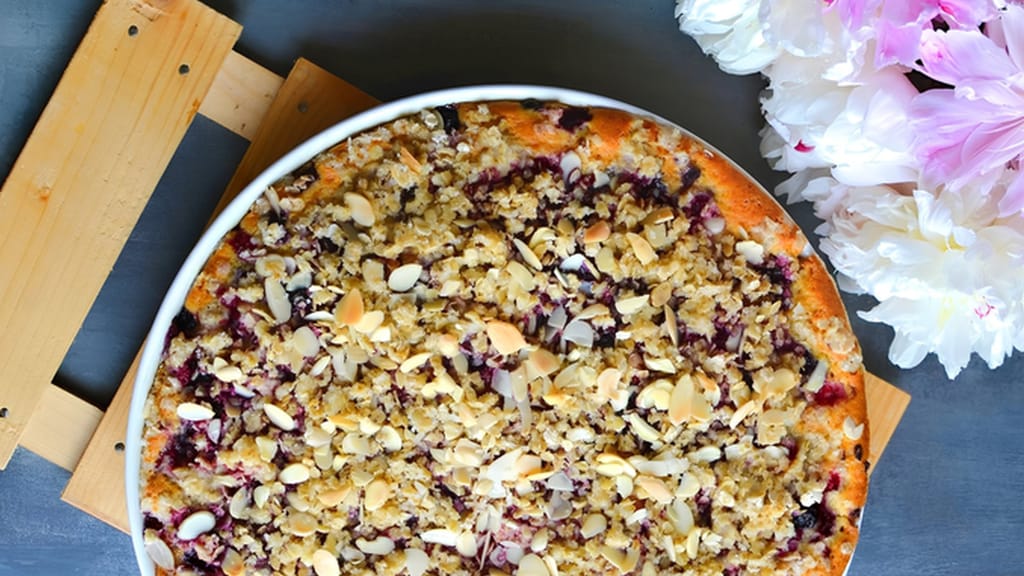
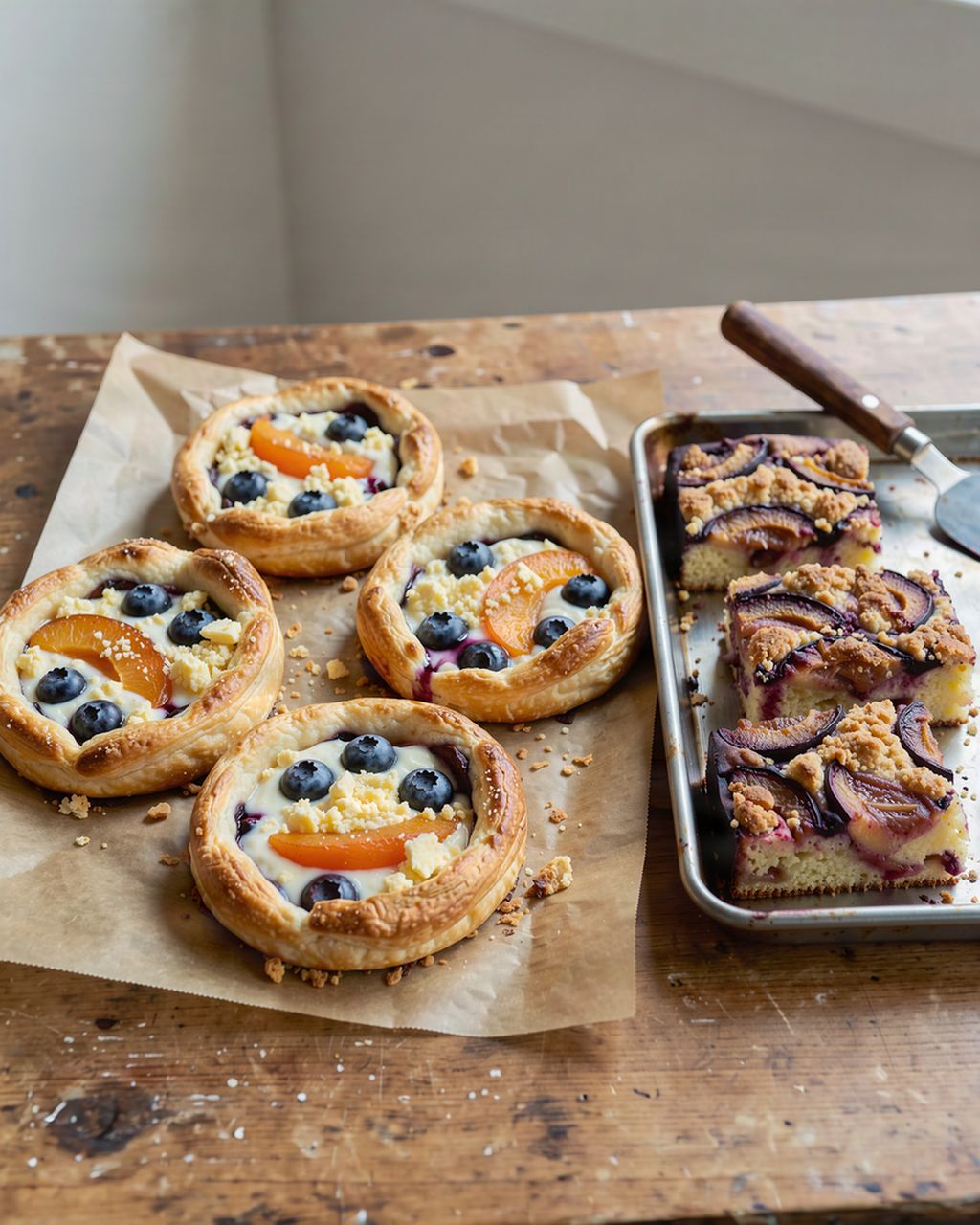
Summer fruit bubblanina with crunchy crumble
Bublanina with summer fruit and a crisp crumble topping, baked on a sheet pan
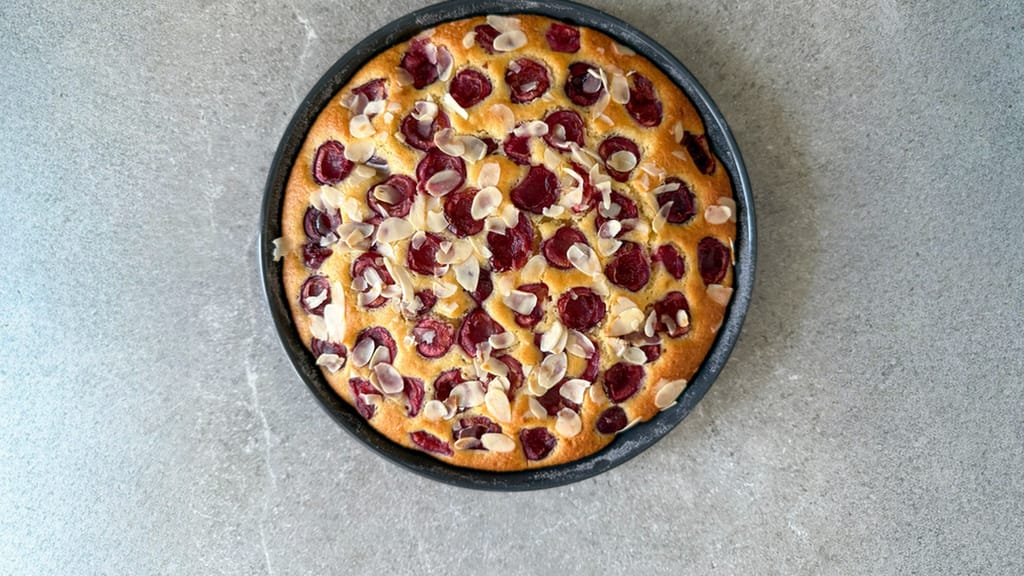
Soft & fluffy yogurt bublanina with fruit
Tender yogurt bublanina with fruit
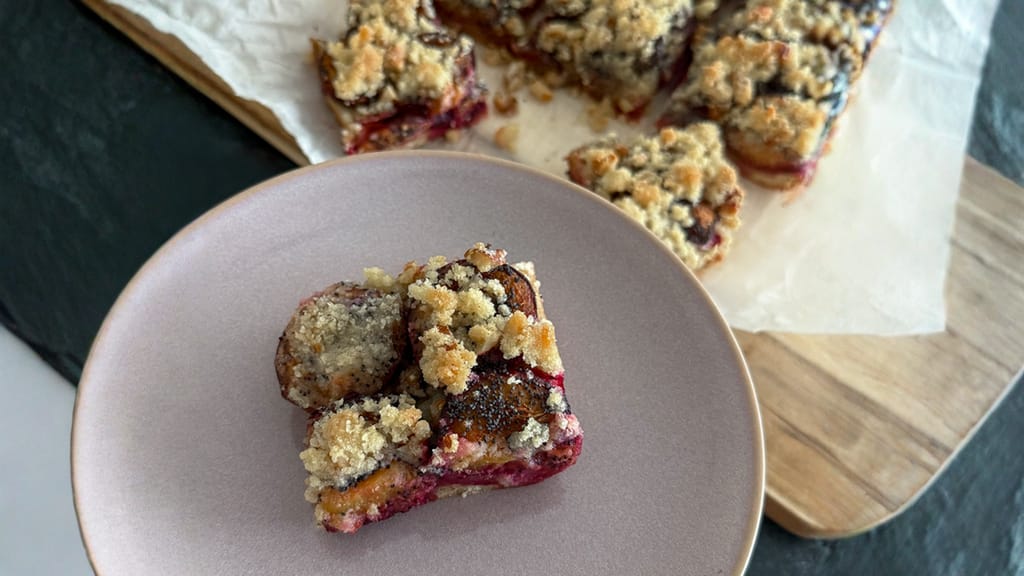
Classic yeasted plum sheet cake with crumble topping
Classic yeast-risen plum sheet pan cake with crumble topping
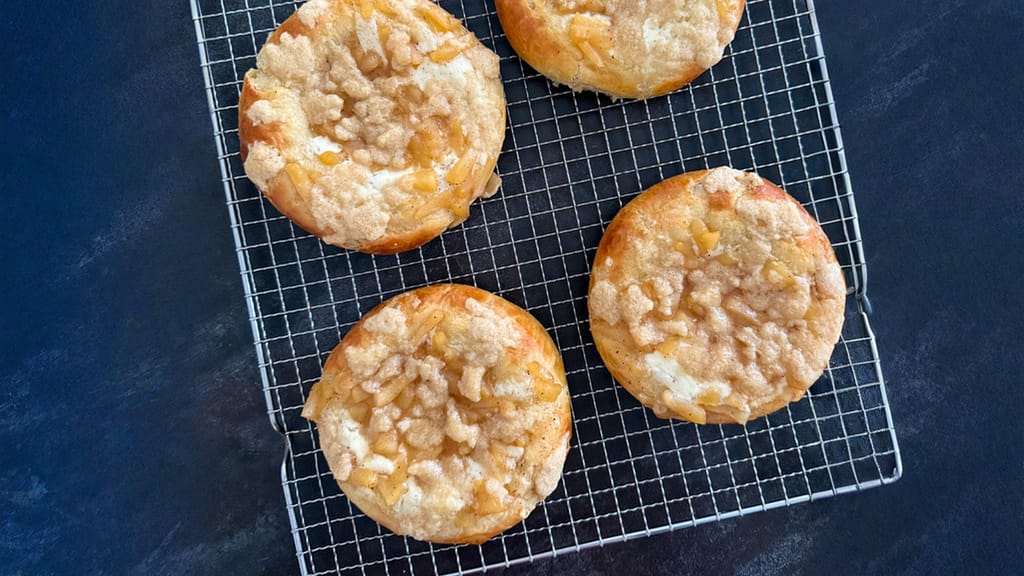
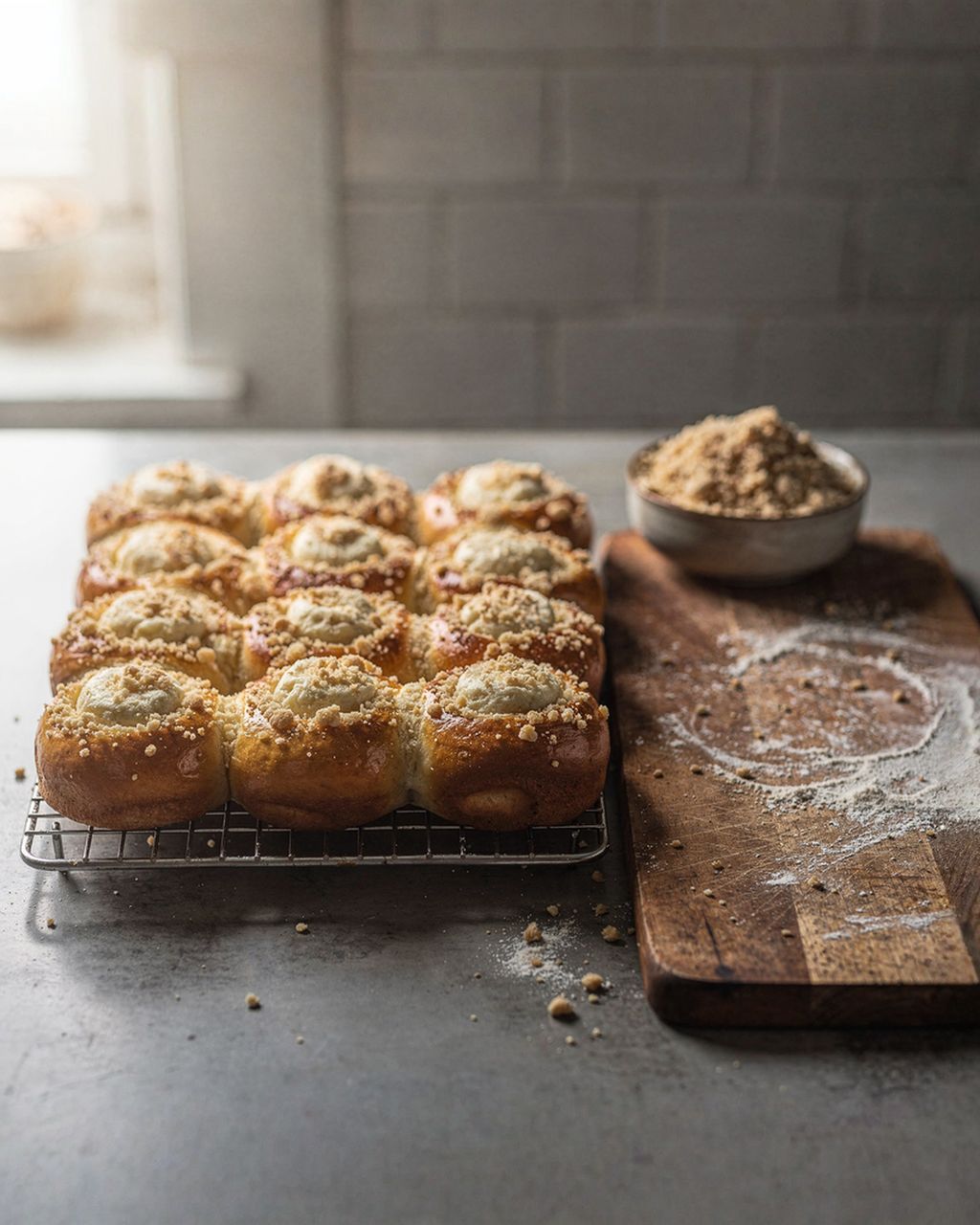
Yeasted apple buns with curd cheese and crumble topping
Yeast-risen apple koláčky with quark and crumble topping
Bake hraběnčiny řezy at 150–160 °C for about 30–40 minutes and the cocoa base for míša řezy at 175–180 °C for about 20–25 minutes. Each has its own problem: with hraběnčiny you watch the meringue, with míša řezy a dry base.
Hraběnčiny řezy: a tender dough with jam and egg-white meringue baked together. The low temperature is essential because of the meringue – at 180 °C it browns and cracks before the dough underneath is baked through. A properly baked meringue is pale beige on the surface, dry to the touch and slightly soft inside.
Míša řezy: a thin cocoa base bakes quickly and dries out just as quickly. Take it out as soon as it springs back and a toothpick comes out clean – a few extra minutes and it will be crumbly under the quark cream.
Cream only onto a cooled base. A warm base melts the cream and the bars slide apart. Let it cool on a wire rack for at least an hour.
Bake Honzovy buchty at 175–180 °C for about 25–35 minutes and dukátové buchtičky at 180 °C for about 15–25 minutes. Both are made from yeast dough, but they differ in the size of the pieces – small buchtičky are done sooner.
Snug against each other in the pan: the buns support one another, rise upward and the sides stay soft. That's why they need longer than the same dough baked separately.
You can tell they're done from the sides: break apart two buns in the middle of the pan – the dough between them must be neither sticky nor shiny.
For ratios, proofing and handling the dough, see the article on yeast dough for buchty and dumplings.
Bake dukátové buchtičky with custard following the recipe for tender buchtičky with chaudeau (šodo) sauce or buchtičky with smooth vanilla cream.
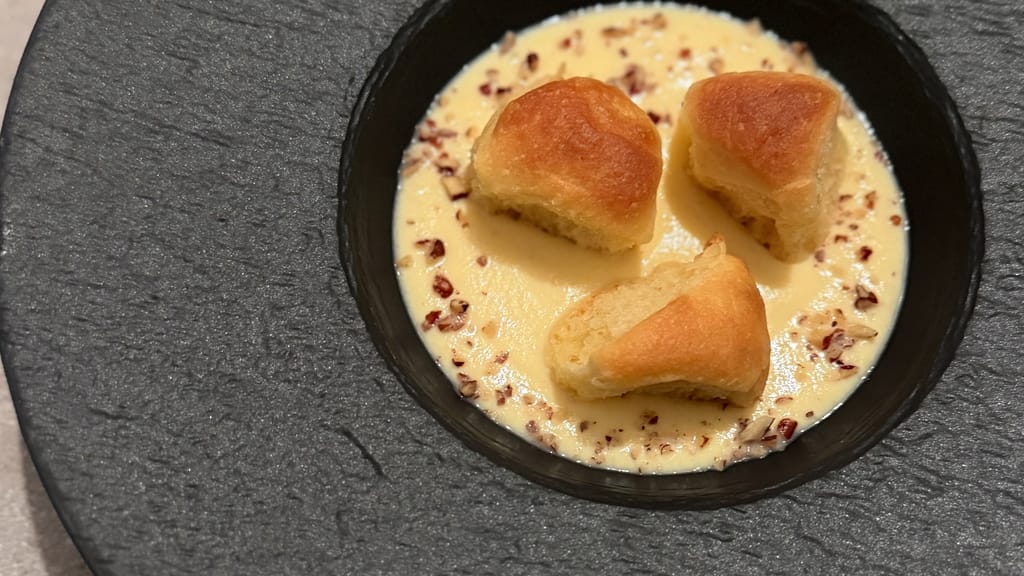
Fluffy sweet buns with chaudeau (egg custard) sauce
Tender dukátové buchtičky with chaudeau (šodo) sauce
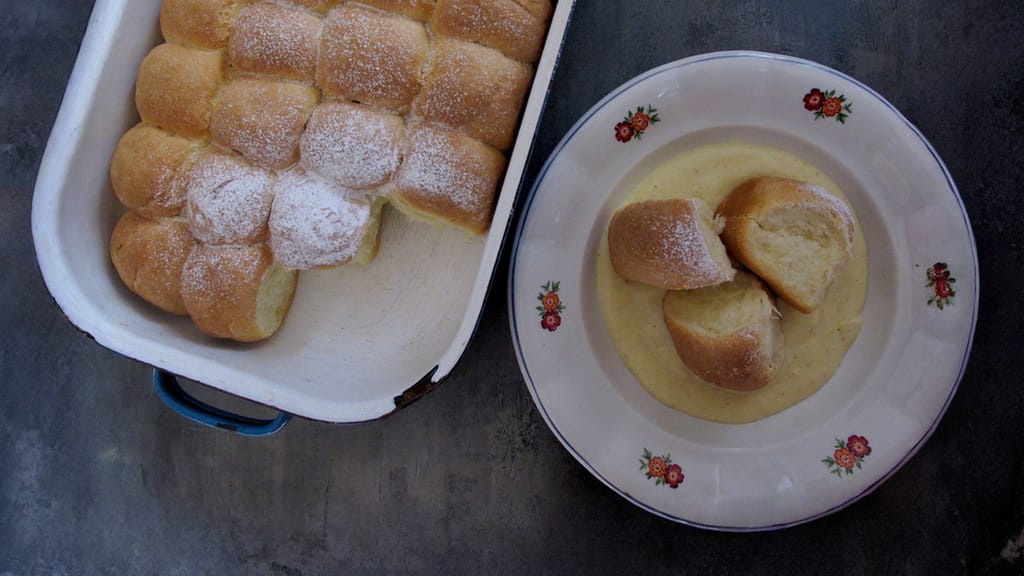
Sweet buns with silky vanilla custard
Dukátové buchtičky with smooth vanilla cream
Buchta is done when a toothpick inserted in the center comes out dry, the surface springs back and the cake pulls away from the edges of the pan. Rely on several signs at once, not on the time in the recipe.
Toothpick: insert it into the highest point in the center, not near the edge. Dry or with a few dry crumbs = done. Wet, shiny batter = another 5 minutes.
Springiness: press lightly in the middle with a finger. A fully baked buchta springs back; an underbaked one stays dented.
Edges: the cake pulls away from the sides of the pan by a millimeter or two.
Color: golden brown and even. Dark edges and a pale center mean the temperature is too high.
Probe thermometer: according to King Arthur Baking, creamed batters reach 93–99 °C in the center, and sweet yeast doughs enriched with butter and eggs (buchty) about 88 °C.
With fruit cakes, the toothpick often comes out wet from the fruit – insert it into the batter next to a piece of fruit, not into the fruit itself.
An oven's thermostat regulates the temperature but doesn't measure it precisely. The heating element switches on and off, so the temperature swings around the set value, and the actual temperature can differ from the setting by 10 degrees or more, often more in older ovens.
Preheating takes longer than the indicator light suggests. The "heated" signal usually means the sensor has reached the temperature, not that the walls and the pan have heated through. Give the oven an extra 10–15 minutes.
Every rack bakes differently. There's more heat at the top and the buchta browns sooner there; at the bottom, the base scorches.
Opening the oven cools it by tens of degrees and it takes a while to recover. Don't peek for at least the first two thirds of the baking time.
The fix is simple: hang an oven thermometer from Patisse on the middle rack and compare what it shows with what you've set. Once you know your oven's deviation, adjust all the temperatures in the chart above accordingly.
Bake zucchini cake with convection at 150–160 °C for about 35–45 minutes, which is 10–20 °C lower than with top and bottom heat. Circulating air dries out the surface quickly, so at a higher temperature the cake would brown before the moist center is baked through.
Bake apple cake at 175–180 °C on the lower third of the oven so the bottom gets more heat. It also helps to sprinkle breadcrumbs or ground nuts over the batter under the apples, and to soften the apples lightly beforehand so they release some of their juice before baking.
Bake hraběnčiny řezy at 150–160 °C, no higher. If the meringue starts to darken anyway, cover the pan with parchment paper for the rest of the bake and lower the temperature by 10 °C. The meringue should stay pale beige and dry to the touch.
Bake the base for míša řezy at 175–180 °C for about 20–25 minutes, and feel free to bake it a day ahead. Once cooled, wrap it in plastic wrap so it doesn't dry out, and spread the cream on the next day, just before finishing the bars.
Bake two pans of dukátové buchtičky at once with convection at 160–170 °C for about 15–25 minutes, swapping the pans halfway through. If you're baking just one pan, top and bottom heat at 180 °C is enough. For two pans, convection is better, because with conventional heat the upper pan would bake differently from the lower one.
One recipe worth heating the oven for, one tip, and one deal from the shop. Nothing else.