Sheet Pan Gingerbread: Why It's Hard or Lumpy and How to Bake It Soft
What to Use Instead of Oil or Iva/Deko Shortening in Cakes and Gingerbread: Butter, Yogurt and Purée
Updated Nov 17, 2026
What can you use instead of oil in a cake or gingerbread? The safest swaps are melted butter (110–115 g butter per 100 ml oil) or another neutral oil 1:1; plain yogurt or applesauce can replace half the oil. Iva or Deko shortening (Czech vegetable shortenings) can be replaced with butter (120 g butter per 100 g shortening) or coconut fat 1:1. Below you'll find the exact ratios and, more importantly, what each swap does to moistness, flavor and texture.
Instead of 100 ml oil, use 110–115 g melted butter or 100 ml of another neutral oil; instead of 100 g Iva or Deko shortening, use 120 g butter or 100 g coconut fat. Recipes give oil in ml and Iva or Deko in grams, which is why there are two parts.
Instead of 100 ml oil you can use:
melted butter — 110–115 g
another neutral oil (sunflower, canola) — 100 ml, so 1:1
melted coconut fat — 90 g
plain yogurt — replace half the oil at most: 50 ml oil + 60 g yogurt
apple, banana or pumpkin purée — again half at most: 50 ml oil + 60 g purée
Instead of 100 g Iva or Deko shortening you can use:
butter — 120 g
coconut fat — 100 g, so 1:1
oil — 100 g (about 110 ml), but only where the fat is melted, not where it's creamed with sugar
Why these numbers? Oil and solid shortenings are practically pure fat. Butter has only about 80–82%: under the EU standard for dairy fats, butter must contain at least 80% milk fat, and the rest is mostly water. To get the same amount of fat into the batter, you need roughly a fifth more butter than the weight of the oil (100 ml of oil weighs about 92 g).
How to soften gingerbread that’s gone hard, when to fill Linzer cookies and how to tell the carp is done. One recipe and one tip a week. Unsubscribe in one click.
Butter is the best oil substitute if you want more flavor: for 100 ml oil, use 110–115 g butter, melt it and let it cool until just lukewarm. Hot butter would curdle the eggs and "cook" the baking powder before the cake even reaches the oven.
What changes:
Flavor — the cake tastes more buttery and the crust browns more, because the milk proteins and milk sugar in butter brown as it bakes (the Maillard reaction).
Moistness the next day — oil is liquid at room temperature, while butter firms up. An oil cake therefore stays soft longer; a butter cake is great fresh but a little firmer the next day. In the fridge the difference is even bigger.
Texture — the crumb is finer and a touch denser.
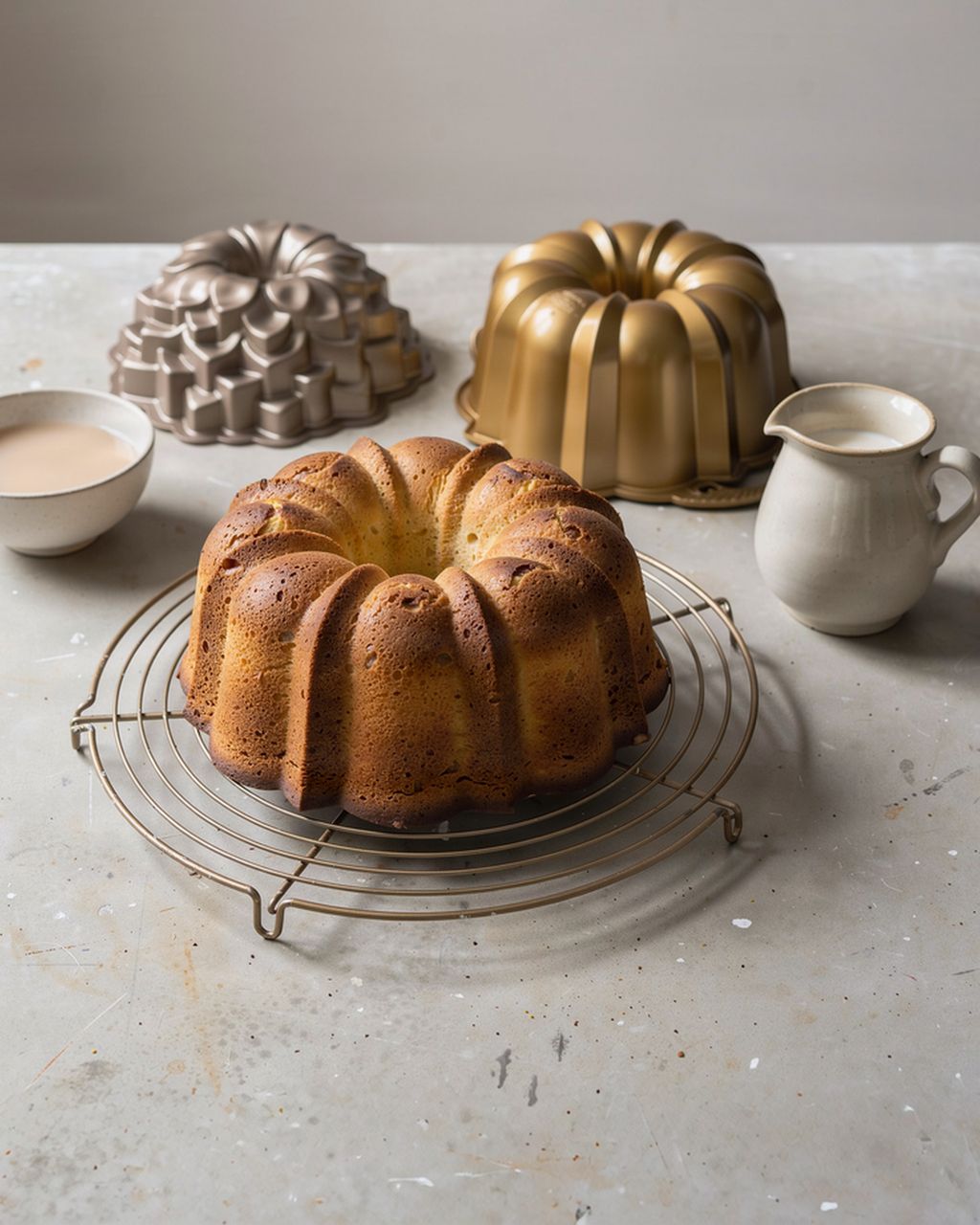
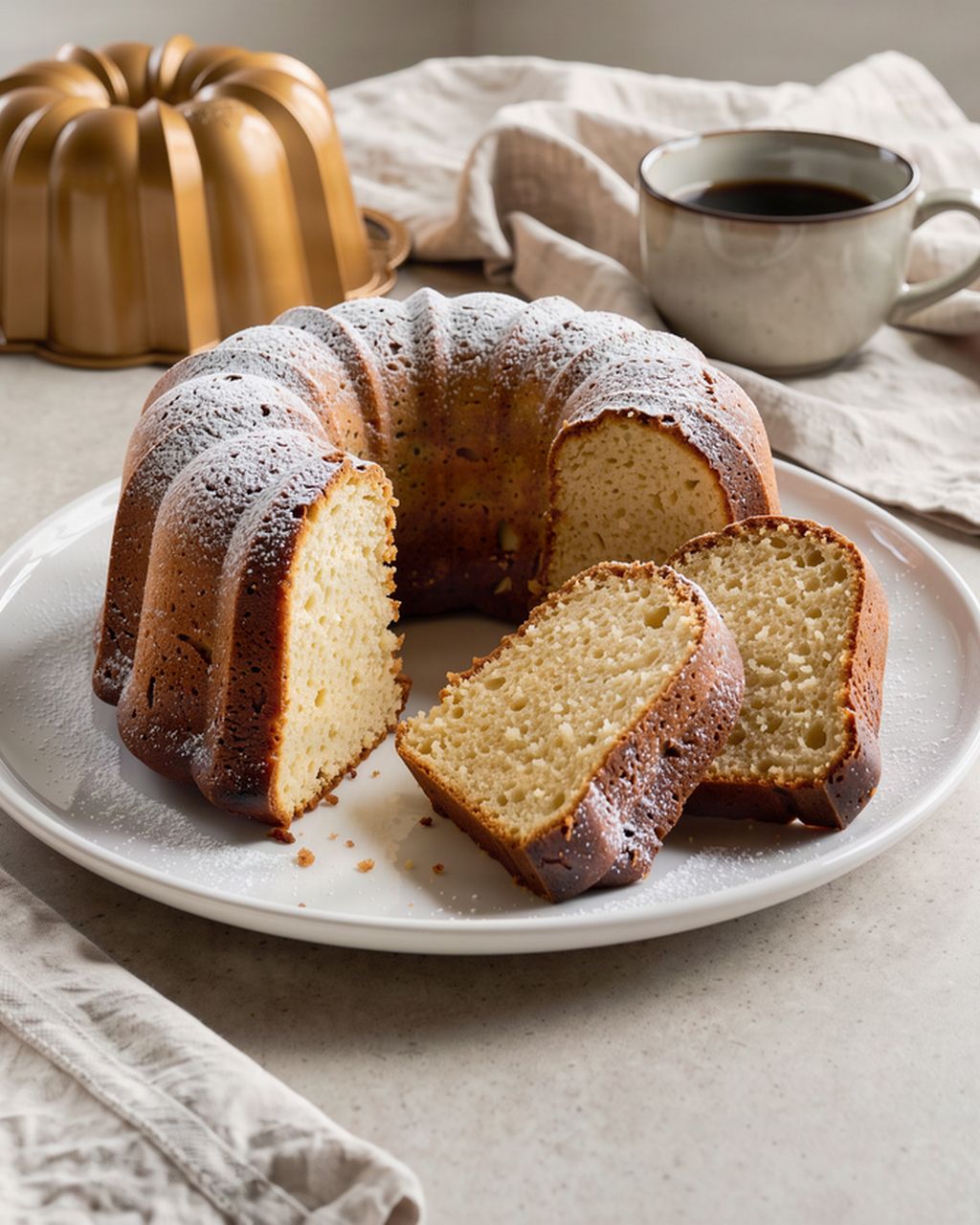
If you want butter flavor and oil moistness, go half and half: 50 ml oil and 55–60 g melted butter. A good one to try this on is a marble bundt cake with buttermilk and vanilla.
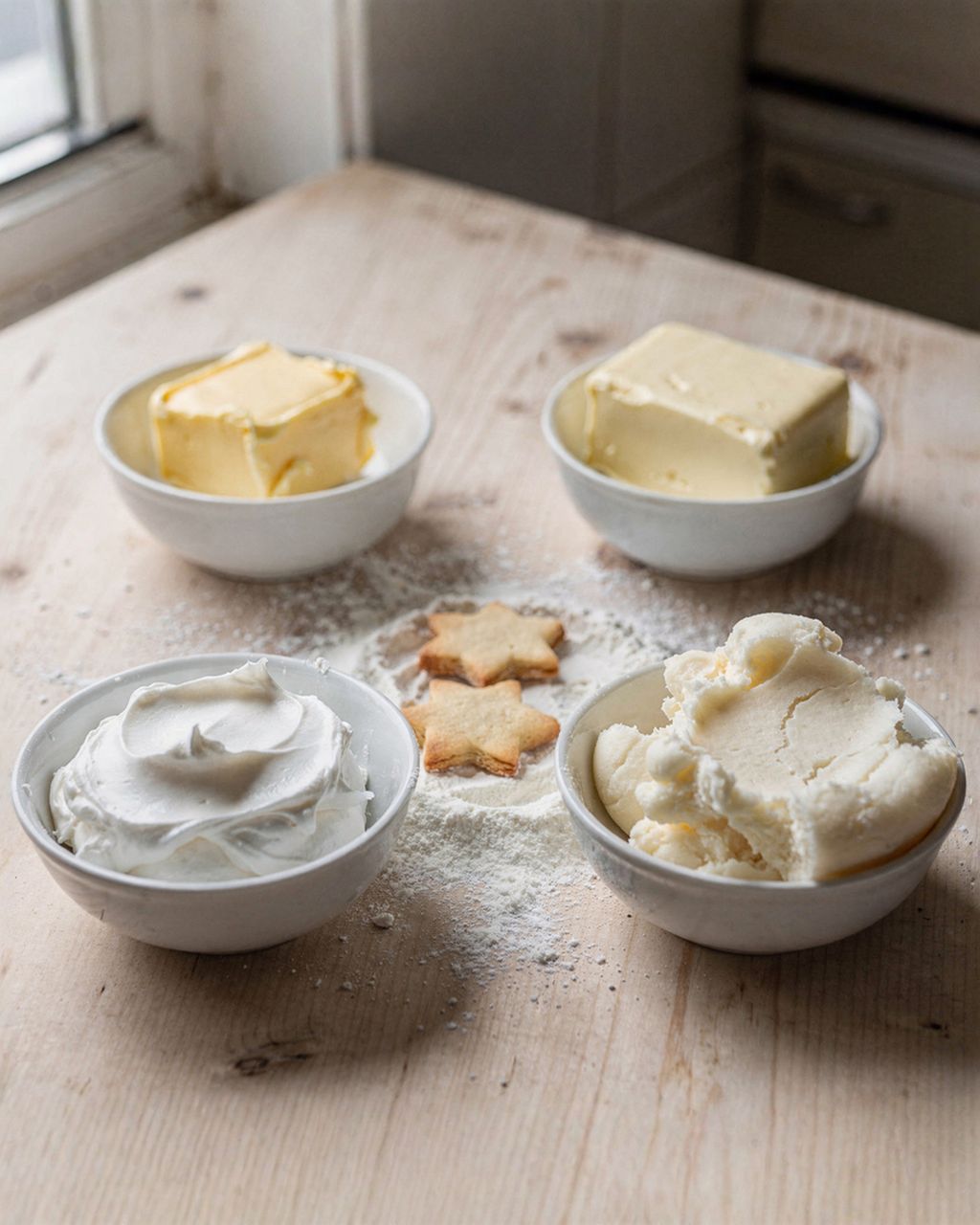
Looking at it the other way around — butter in Christmas cookies, where tenderness matters? We have a separate article on what to use instead of butter in Christmas cookies.
Neutral oils can be swapped for each other 1:1: sunflower, canola, corn and grapeseed oil all behave the same in a cake and disappear into the flavor.
Olive oil — also works 1:1, but you can taste it. Extra virgin suits a lemon or orange cake; don't put it in gingerbread. Refined olive oil is more neutral in flavor.
Coconut fat — melt it and use 90 g per 100 ml oil (it weighs almost the same, it's just easier to measure on a scale). Watch out for cold ingredients: if you pour melted coconut fat into cold milk or eggs straight from the fridge, it sets in clumps. Let everything else come to room temperature first. Unrefined tastes of coconut, refined doesn't.
Pumpkin seed or nut oil — only as a part (up to a quarter), otherwise it overpowers everything.
If your oil is old, smell it before baking — rancid oil gives a cake a bitter aftertaste that nothing can mask.
Replace at most half the oil with plain yogurt or fruit purée: for every 50 ml of oil you leave out, add 60 g yogurt or purée. The cake stays moist, just a little denser and more "cakey".
Why not all the oil? Fat coats the flour and slows gluten formation, which is what keeps a cake tender and soft. Yogurt and purée are mostly water, so they give moistness on the first day but don't replace fat. If you remove the oil completely, you get a rubbery, damp, heavy crumb that goes hard the next day.
What to expect from each swap:
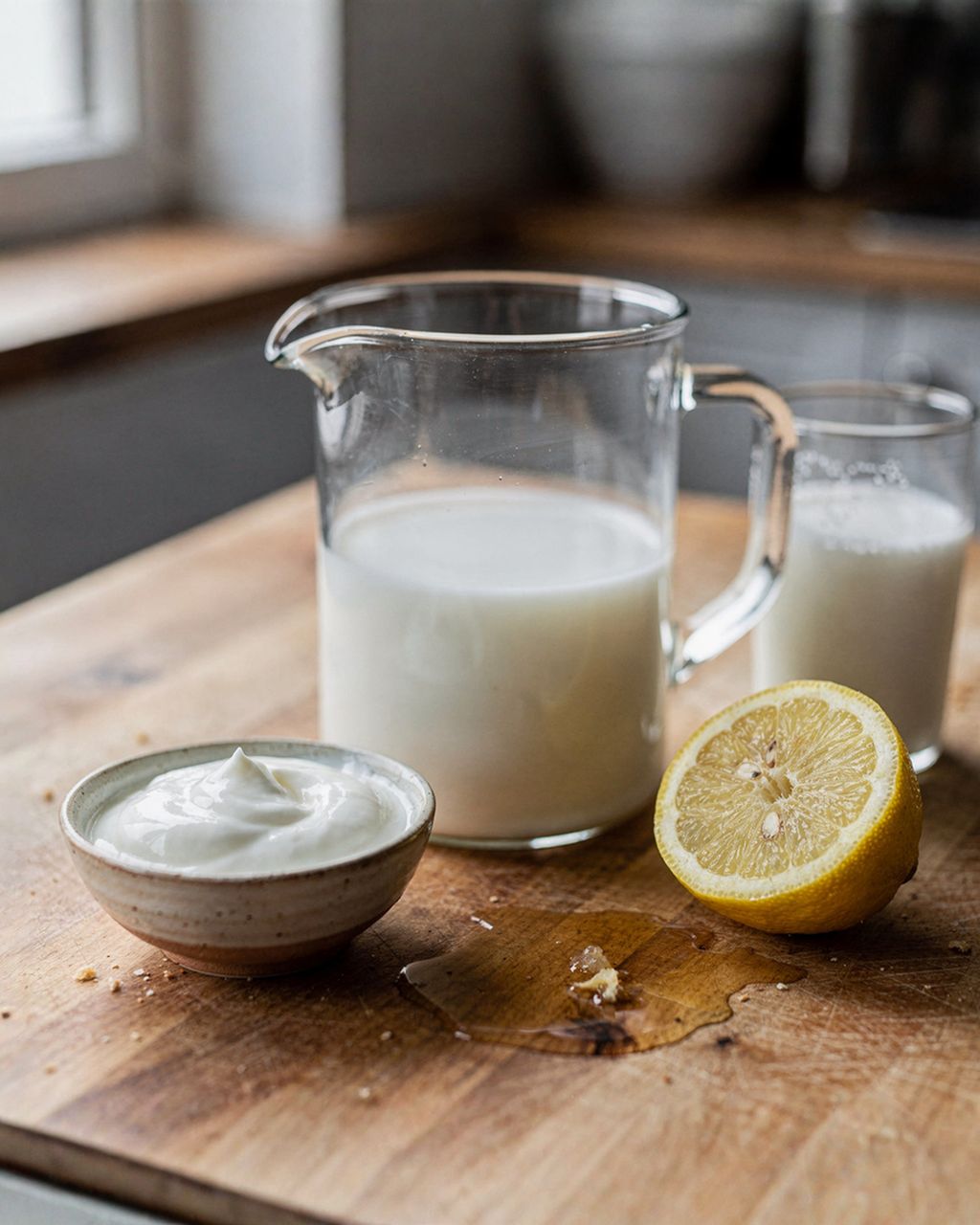
Plain yogurt (buttermilk or kefir works too) — gentle tang, fluffy crumb. The extra acid also helps baking soda, so it works brilliantly in gingerbread. Greek yogurt is thicker; thin it with a spoonful of milk. What to do if you don't have buttermilk either is covered in what to use instead of buttermilk.
Applesauce (unsweetened) — the most neutral flavor; the cake is moister and slightly denser.
Mashed ripe banana — it sweetens and adds aroma, so cut the sugar by 1–2 tablespoons. Use it only where banana fits.
Pumpkin purée — goes well with gingerbread and cinnamon cakes, and the crumb turns golden.
Purée and yogurt add sugar and protein, so the surface browns faster. Keep an eye on the cake toward the end of baking and test with a skewer a few minutes early.
Vegetables in batter work in a similar way — grated zucchini provides the moistness, as in this zucchini bundt cake.
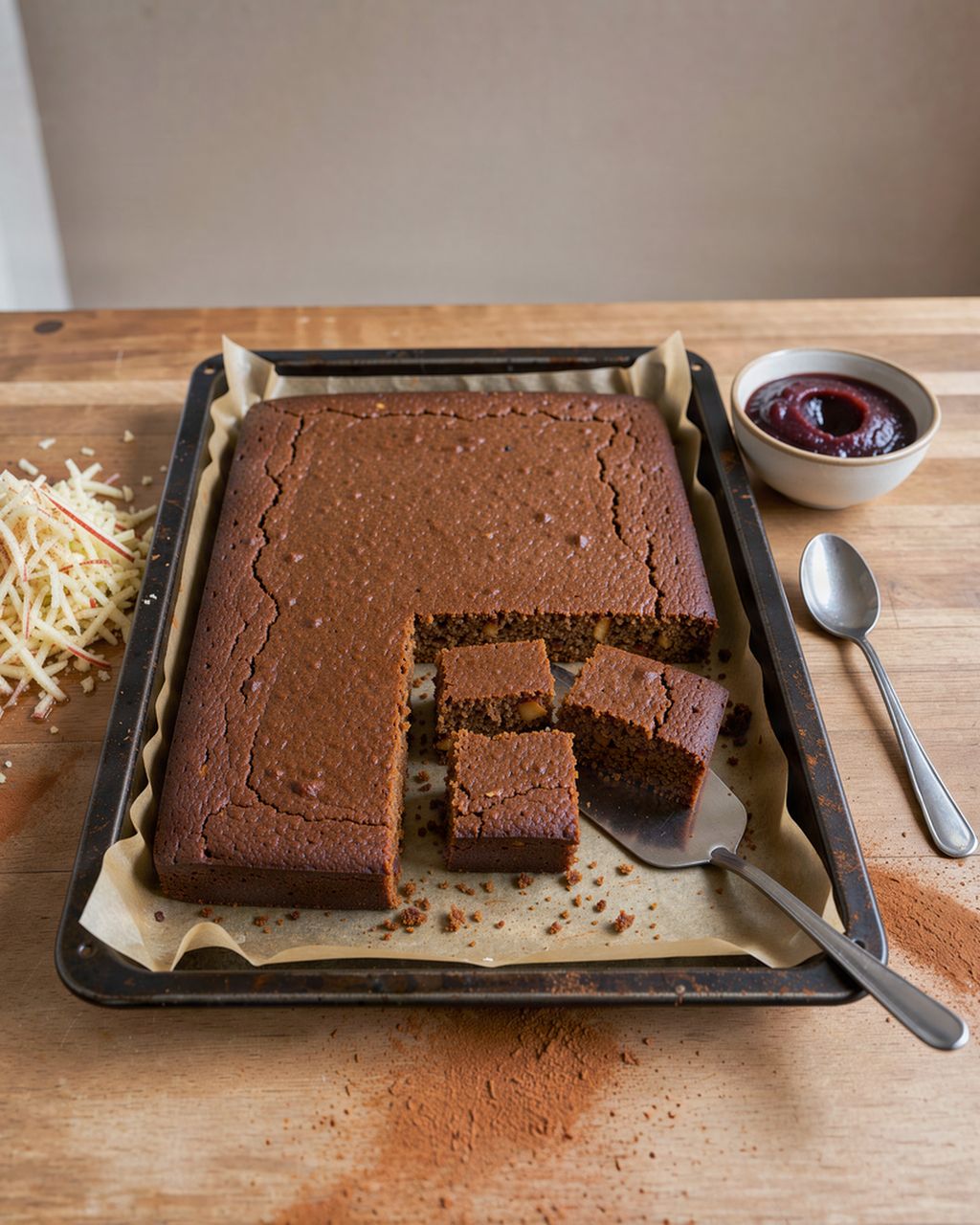
Gingerbread cake (perník, a Czech soft spiced honey cake) handles an oil substitute better than any other cake — honey, cocoa and spices hide almost any flavor. The best options are:
Yogurt or buttermilk for half the oil — the acid reacts with baking soda, so the gingerbread rises beautifully and stays moist.
Pumpkin or apple purée for half the oil — adds moistness and goes well with gingerbread spice.
Melted butter for all the oil (110–115 g per 100 ml) — the flavor is fuller, but the gingerbread firms up a little the next day.
Melted coconut fat (90 g per 100 ml) — refined is completely undetectable.
If your gingerbread recipe calls for Iva or Deko shortening, you usually melt it with the honey and sugar. In that case, feel free to swap it for oil 1:1 by weight or for 1.2 times as much butter — since the fat gets melted anyway, it doesn't matter whether it started out solid.
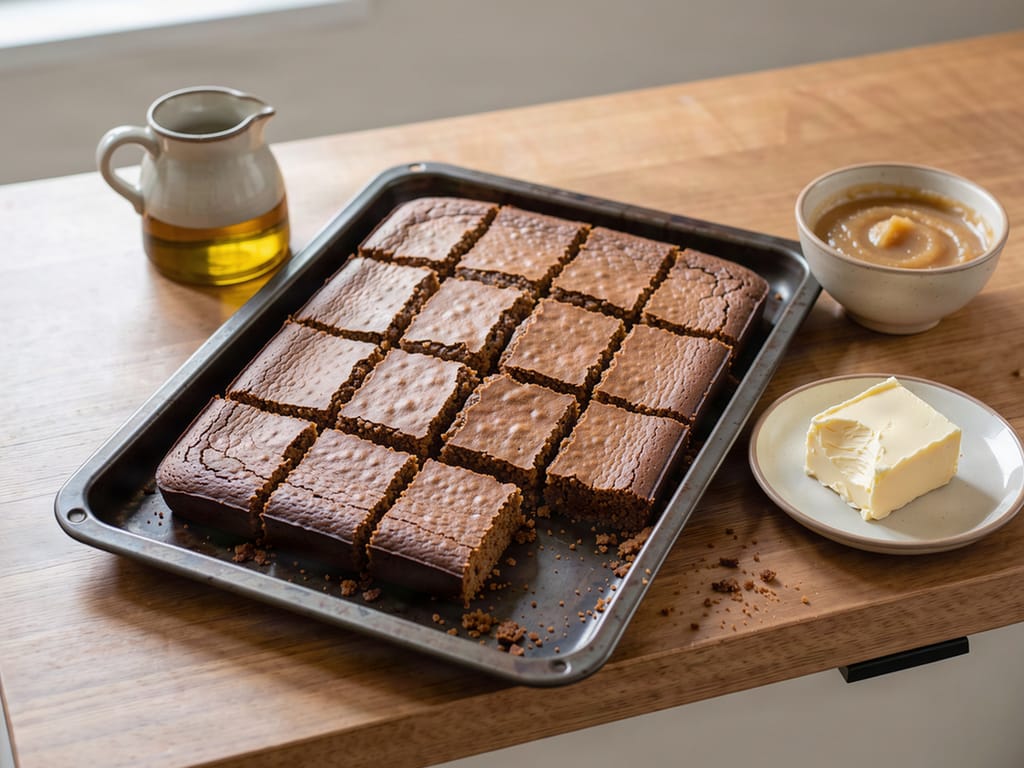
You can try it on a quick lactose-free sheet-pan gingerbread. And if your gingerbread comes out hard, see why sheet-pan gingerbread turns hard and how to bake it soft.
Replace Iva or Deko shortening with butter (120 g per 100 g shortening), coconut fat 1:1 or — if the recipe melts it — oil 1:1 by weight. Iva is a solid vegetable shortening that is 100% fat and, according to the label, made from palm: it has no water and no flavor. Deko and similar shortenings are used the same way in baking; just check the label for around 100% fat. What you replace them with depends on what the recipe does with them:
The fat is melted (gingerbread, quick cakes where the fat is poured into the batter) — you can replace it with anything: oil 1:1 by weight, butter (120 g per 100 g shortening) or coconut fat 1:1.
The fat is creamed with sugar until fluffy (creamed batters, classic bundt cake) — you need a solid fat again, because only that traps air. Use softened butter (120 g per 100 g shortening) or coconut fat 1:1, softened to the consistency of butter. Don't use oil here: the batter wouldn't whip up and the cake would be flat and greasy.
The fat is worked into flour (crumb topping, short pastry) — only cold butter or coconut fat straight from the fridge will do.
A plant-based spread (such as Rama) works too, but first check the label for how much fat it has — often 59–79%. Treat a spread with 80% fat or more like butter (1.2 times as much); we don't recommend a lower-fat spread (labeled, say, three-quarter-fat or half-fat) for baking — the batter would get too much water.
What changes when you swap Iva for butter: the cake has more flavor and browns more, and the crumb is a touch less "crumbly". Coconut fat behaves most similarly.
If you're wondering about coconut fat in no-bake cookies (rum balls, chocolate salami), that's a different situation — see what to use instead of coconut fat in no-bake cookies.
Six mistakes that ruin a cake most often when you swap the fat: butter 1:1 for oil, oil in a creamed batter, all the oil replaced with yogurt or purée, hot fat added to eggs, cold ingredients with coconut fat, and a strongly flavored oil in a delicate cake.
Butter 1:1 for oil. The cake turns out drier, because butter is about a fifth water. Use about a fifth more than the weight of the oil — 110–115 g butter per 100 ml oil.
Oil in a creamed batter. Oil won't whip with sugar, so the bundt cake won't rise. For creamed batters, use only solid fat.
All the oil replaced with yogurt or purée. The crumb is rubbery and heavy. Stick to half.
Hot fat added to eggs. Let melted butter and coconut fat cool to lukewarm.
Cold ingredients with coconut fat. It sets in clumps — take the milk and eggs out of the fridge ahead of time.
A strongly flavored oil in a delicate cake. Extra virgin olive oil or pumpkin seed oil overpowers vanilla and fruit.
Replace the oil in a cake with another neutral oil 1:1, melted coconut fat (90 g per 100 ml) or, for half of it, plain yogurt or applesauce. You can't go completely fat-free, though: yogurt or purée can replace half at most, and without fat the cake turns rubbery and goes hard the next day.
Instead of 1 cup of oil (250 ml), use about 280 g melted butter; for half a cup, about 140 g. A cup of oil weighs around 230 g and butter is about one fifth water, so you need a fifth more of it. For melted coconut fat, use about 225 g per cup.
In yeast dough, replace oil with melted, lukewarm butter (110–115 g per 100 ml oil) or another neutral oil 1:1. Don't use yogurt or purée here: they add water, so the dough turns soft and sticky, and fat is exactly what makes yeast dough tender.
In a vegan cake, replace oil only with another oil 1:1 or melted coconut fat (90 g per 100 ml), not with yogurt or purée. Without eggs you already lose the fat from the yolks, and purée or plant-based yogurt usually stands in for the eggs, so cutting the fat further would make the cake rubbery.
Yes, lard is almost pure fat, so use the same weight as the oil (about 92 g melted lard per 100 ml oil). You can taste it, though, so it suits gingerbread or spiced cakes better than a vanilla or fruit cake.
One recipe worth heating the oven for, one tip, and one deal from the shop. Nothing else.