Royal icing for christmas cookies: the base for flawless decorating
Dried Egg White: Why Bakers Swear by It and How to Use It
Updated Oct 4, 2026
Dried egg white is pasteurized egg white with the water removed, leaving a fine powder that "comes back to life" and whips up just like fresh egg white once you add water back in. Bakers reach for it mainly because pasteurization makes it safer than raw egg whites for no-bake recipes, it behaves exactly the same way every time, and it keeps in the pantry for months. Here's how much powder stands in for one egg white, how to turn it into royal icing that holds a clean line, and why pros even stir it into fresh egg whites for macarons.
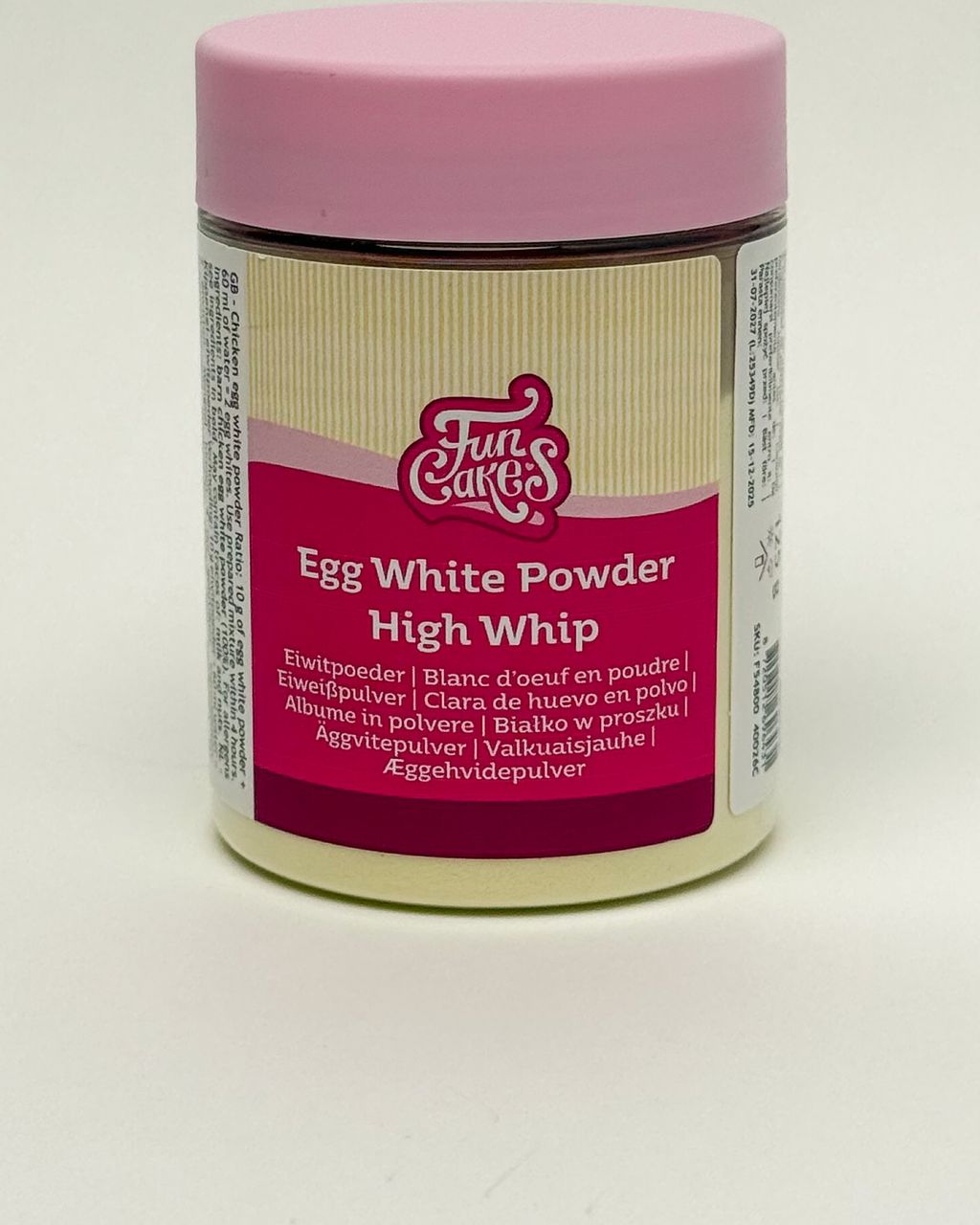
Dried egg white (also called egg white powder or albumen powder) is egg white that's been pasteurized and then gently dried into a powder. Pure dried egg white is just dehydrated egg white with no yolk — though some powders include extra ingredients to help with whipping (the "high whip" type, for instance, may contain triethyl citrate, E 1505), so it's worth checking the label. It's over 80% protein, mostly ovalbumin, which forms foam again once you mix the powder with water.
If the ingredient list shows nothing but egg white, you're free to sweeten and flavor it however you like, keeping full control over the recipe.
Dried egg white wins on five fronts: safety, consistency, shelf life, no waste, and a sturdier foam.
Safety. The powder is pasteurized, so it's suitable for anything that isn't baked — royal icing, foams, mousses. Food safety guidelines flag raw fresh egg whites in icing as a salmonella risk.
Consistency. Fresh egg whites vary in size (25–40 g) and age, which affects how they whip. With dried egg white you weigh it out to the gram and get the same result every time.
Shelf life. Unopened, it keeps for many months in a dry spot — check the exact date on the pack. No more running out to buy eggs when you get the urge to decorate gingerbread at eleven at night.
No waste. You won't end up with leftover yolks sitting in the fridge "for later." You mix up exactly as much as you need.
Sturdier foam. Stirring a few grams of powder into fresh egg whites boosts the protein content, giving you a firmer meringue that holds its structure better.
One egg white is roughly equivalent to 5 g of dried egg white plus 30 ml of water. FunCakes, for example, lists a ratio of 10 g powder to 60 ml water as a substitute for two egg whites — a 1:6 ratio. Other brands may differ slightly, so always check the pack.
To dissolve the powder without lumps:
Pour lukewarm water into a bowl (around 30–40°C / 86–104°F). Hot water above 60°C / 140°F will start to cook the proteins.
Sprinkle the powder into the water, not the other way round — and stir it in straight away with a fork or whisk. (If you've pre-mixed it with sugar, you can pour the water over it instead.)
Let the mixture rest for 5–15 minutes so the powder fully hydrates. Small lumps will dissolve on their own during this time.
Then whip it just like fresh egg whites — first to foam, then add sugar as the recipe directs.
Use the reconstituted egg white the same day; manufacturers recommend using it within a few hours.
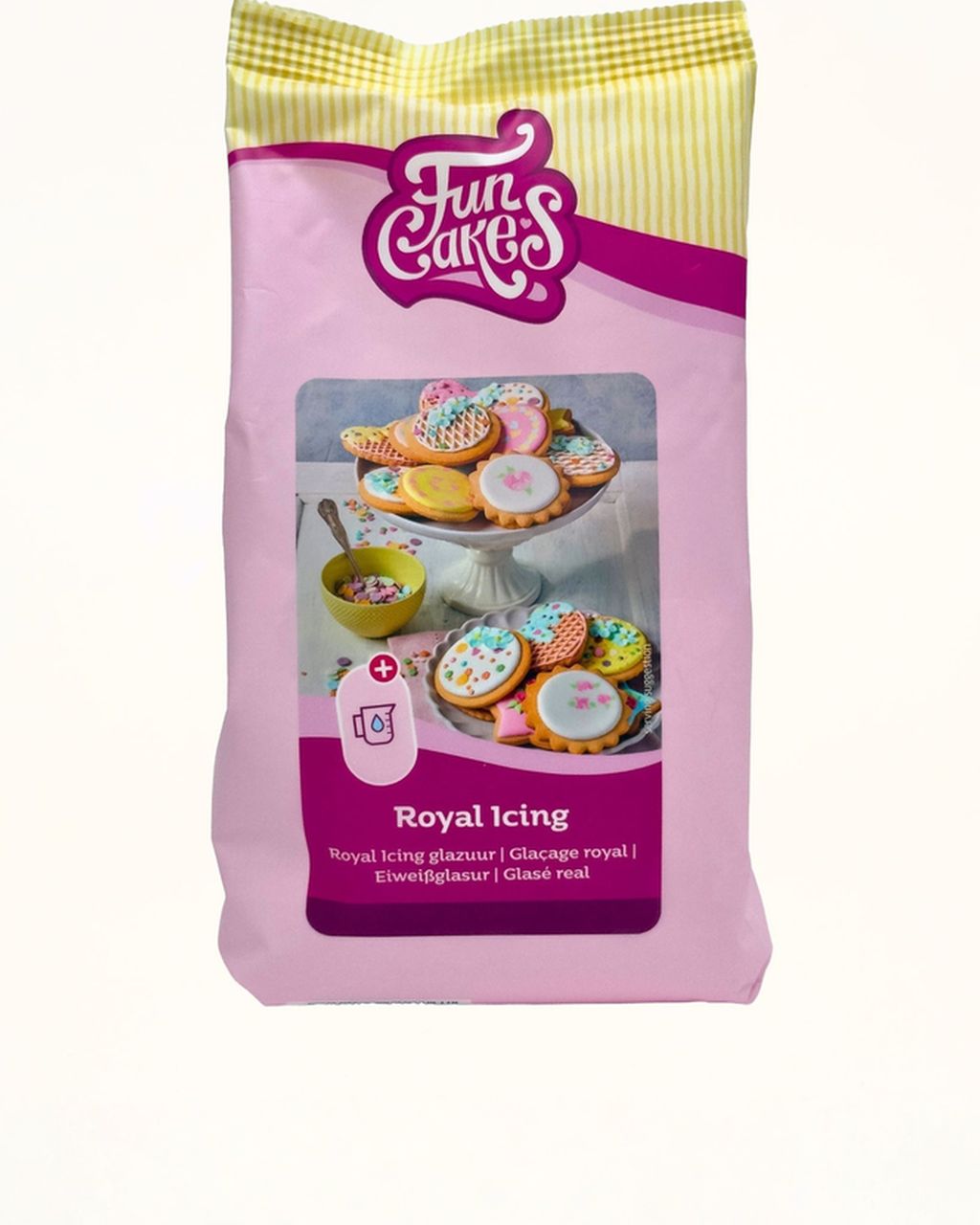
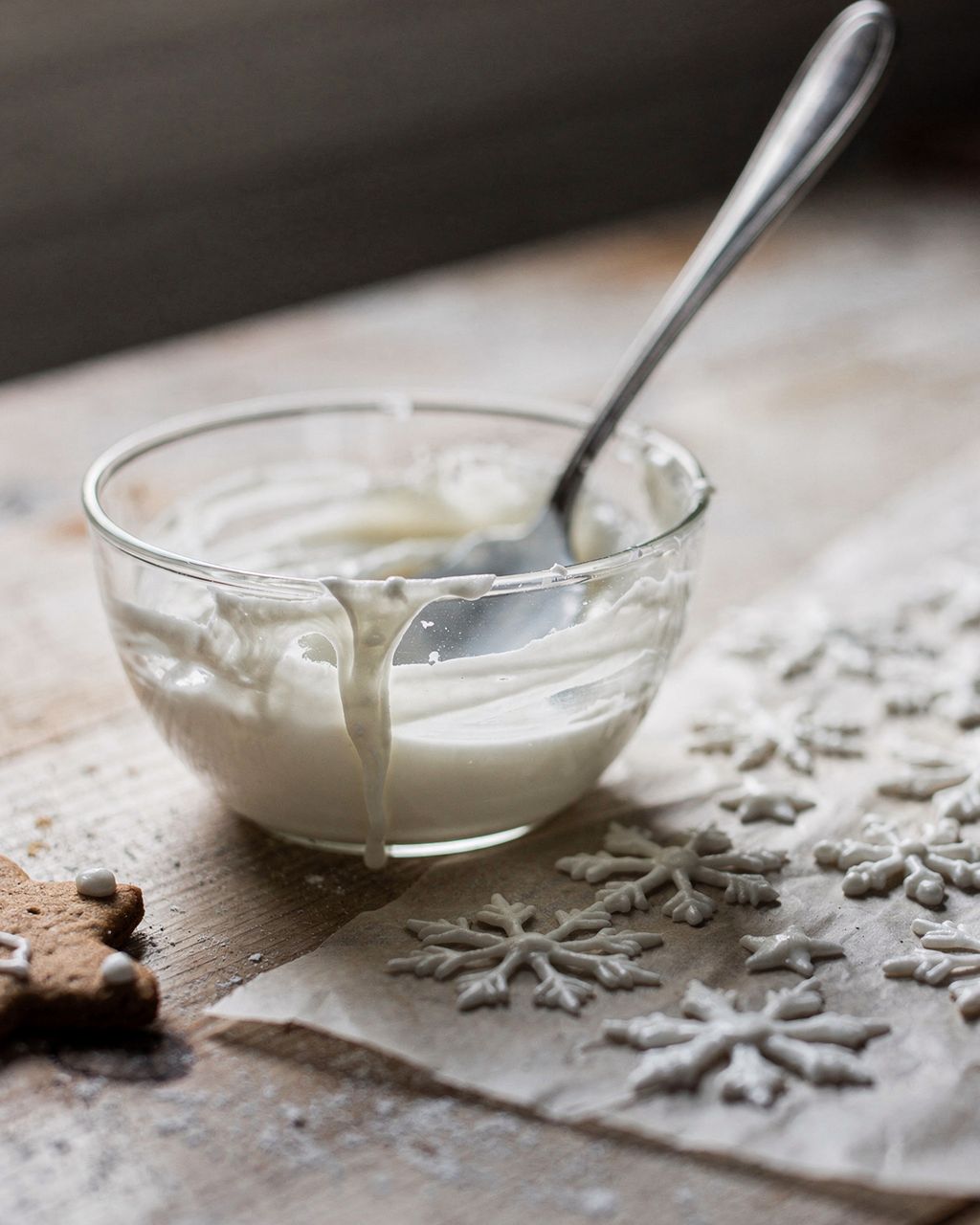
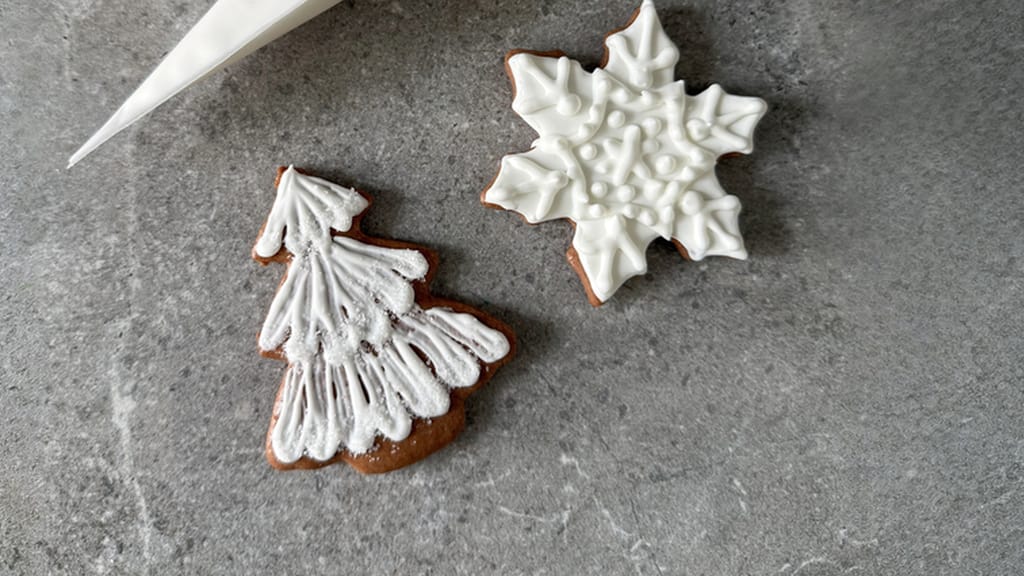
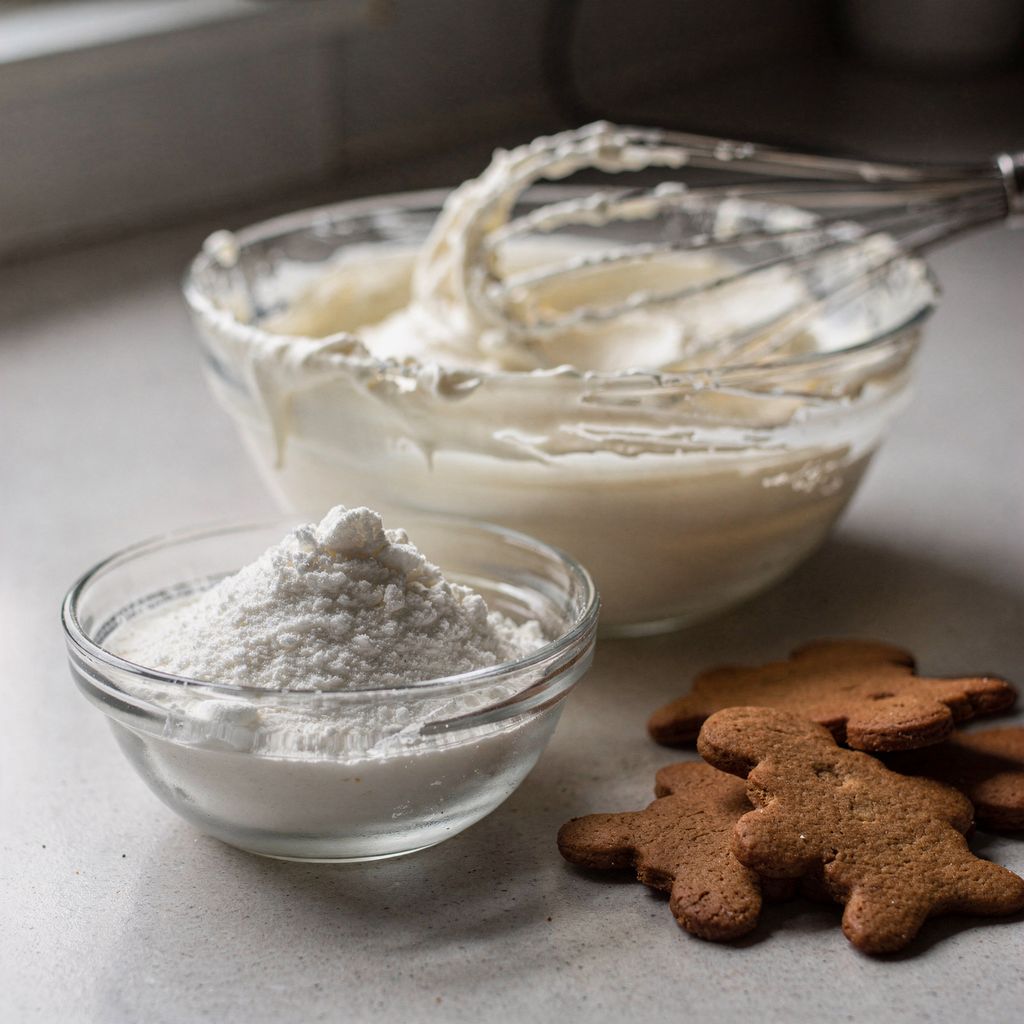
For royal icing, dried egg white is about the most reliable ingredient you can use: the icing turns snow-white, dries hard quickly, and thanks to pasteurization it's safe for no-bake projects too — gingerbread for kids, for instance (just watch out for egg allergies). The basic ratio is 10 g dried egg white, 60 ml water and 300–500 g icing sugar, with a pinch of citric acid.
300–350 g sugar – a thinner icing for flooding large areas.
400–450 g sugar – medium consistency for outlines and piping lines.
450–500 g sugar – stiff icing for flowers, lace work and assembling gingerbread houses.
Always sift the sugar and add it gradually on low speed, so you don't whip excess air bubbles into the icing. Fine-tune the consistency with teaspoons of water or sugar. You'll find both dried egg white and good-quality icing sugar among our baking ingredients.
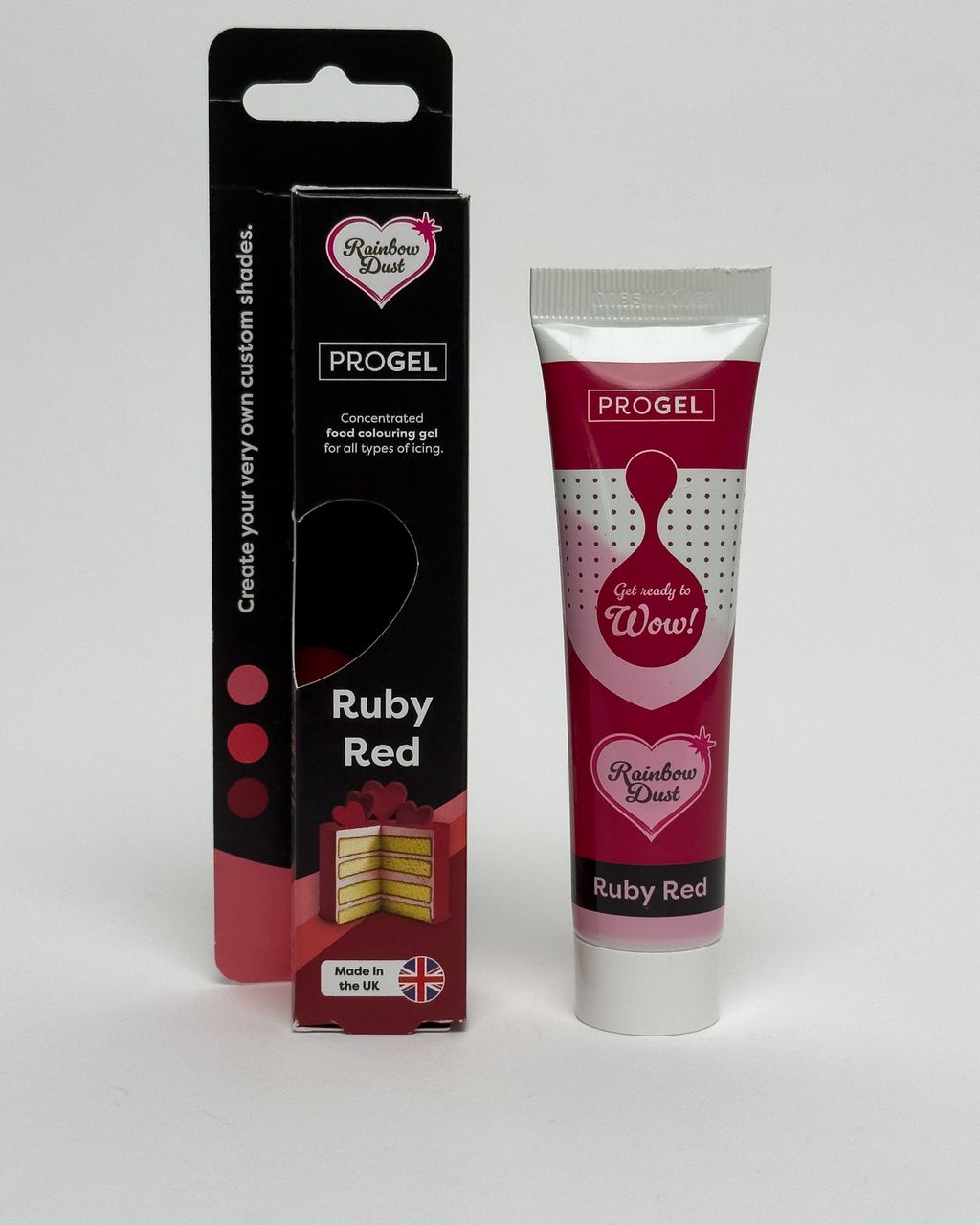
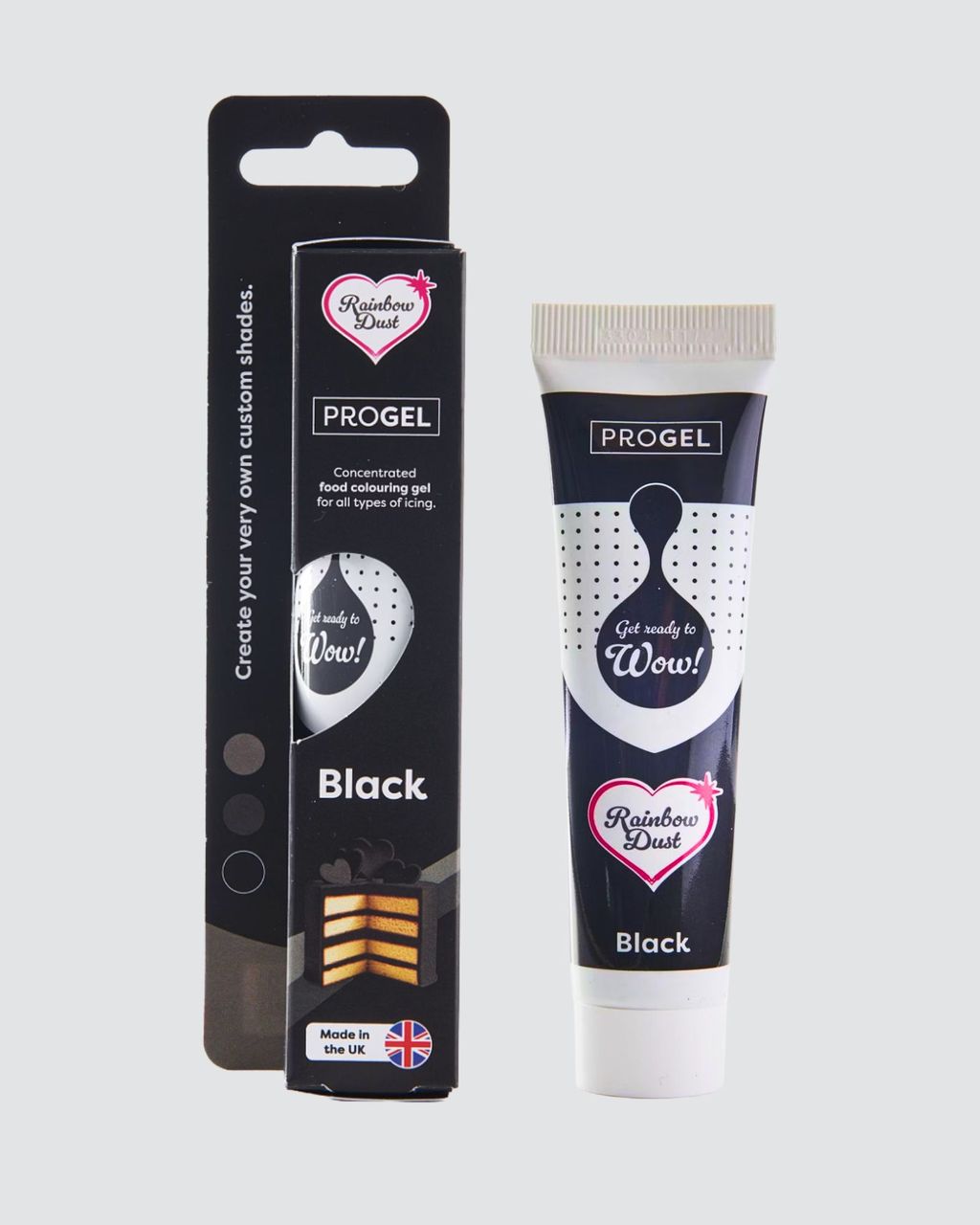
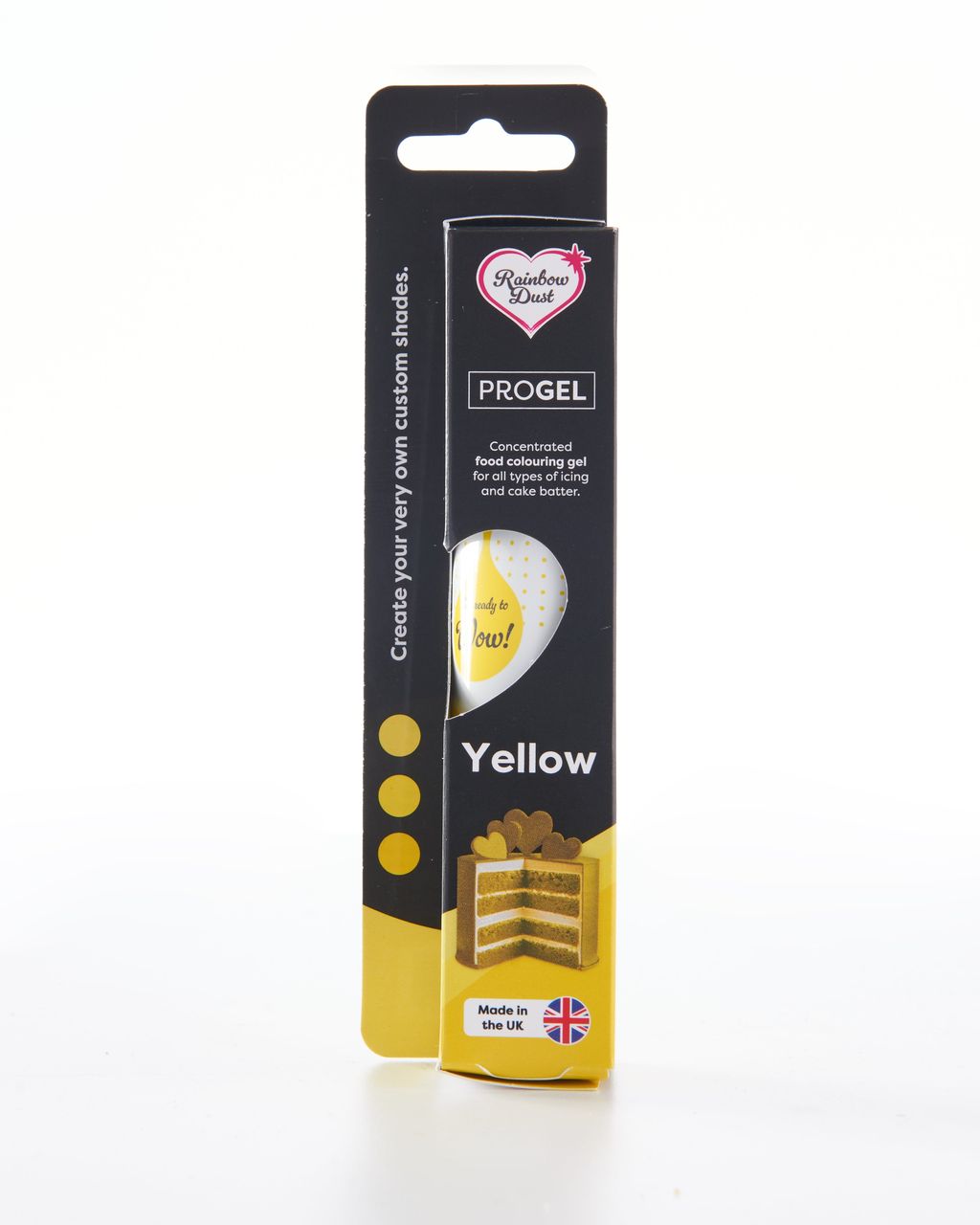
Color the icing with gel colors, not liquid ones — liquid colorings thin it out and throw off the consistency you worked hard to get right. A toothpick-tip's worth is usually plenty. For the full step-by-step method, see our recipe for royal icing for cookies, and for decorating tips once it's made, check out Decorating gingerbread step by step.
Royal icing for christmas cookies: the base for flawless decorating
Royal icing with dried egg white — the base for decorating gingerbread
In macarons and meringues, dried egg white isn't used instead of fresh egg whites but as a booster added to them. Bakers typically add 3–4 g of powder per 100 g of fresh egg whites (2 g is enough in a dry climate) — this makes the whipped whites firmer, glossier and less likely to deflate when the almond flour is folded in.
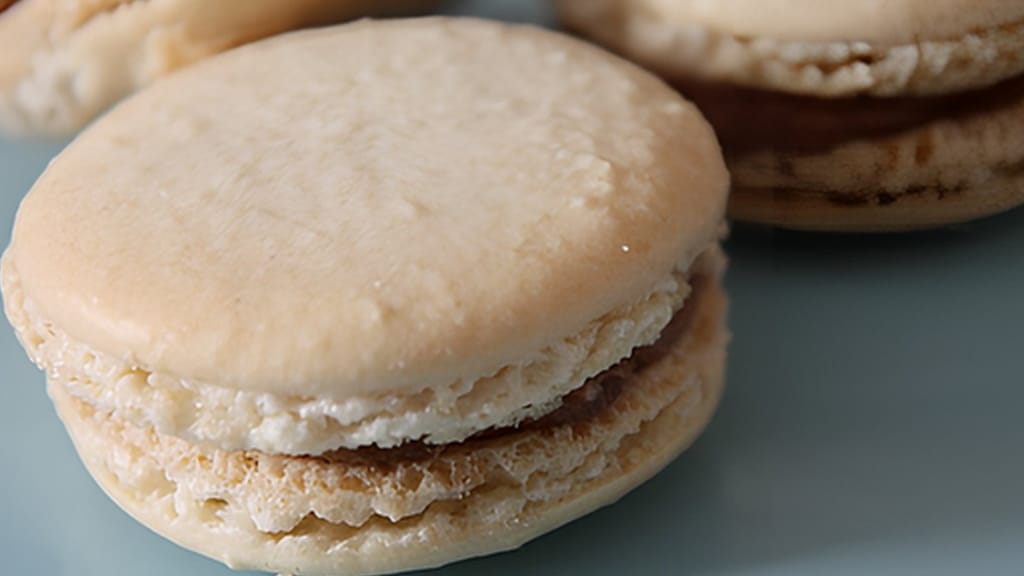
Macarons – reinforced meringue holds up to the macaronage stage without the batter turning too runny, giving the shells a better shot at a smooth top and proper "feet." Try it in our award-winning macaron recipe.
Meringues and meringue bakes – firmer whipped whites pipe cleaner shapes and spread less in the oven. It works well in, say, our lilac meringues with lemon curd.
Foams and no-bake mousses – here you can use dried egg white as a full substitute for fresh egg whites, since it's pasteurized.
Mix the powder with the sugar you'll be whipping into the egg whites first — that way it won't form lumps.
Macarons – the winning recipe
Award-winning macaron recipe, where dried egg white firms up the meringue
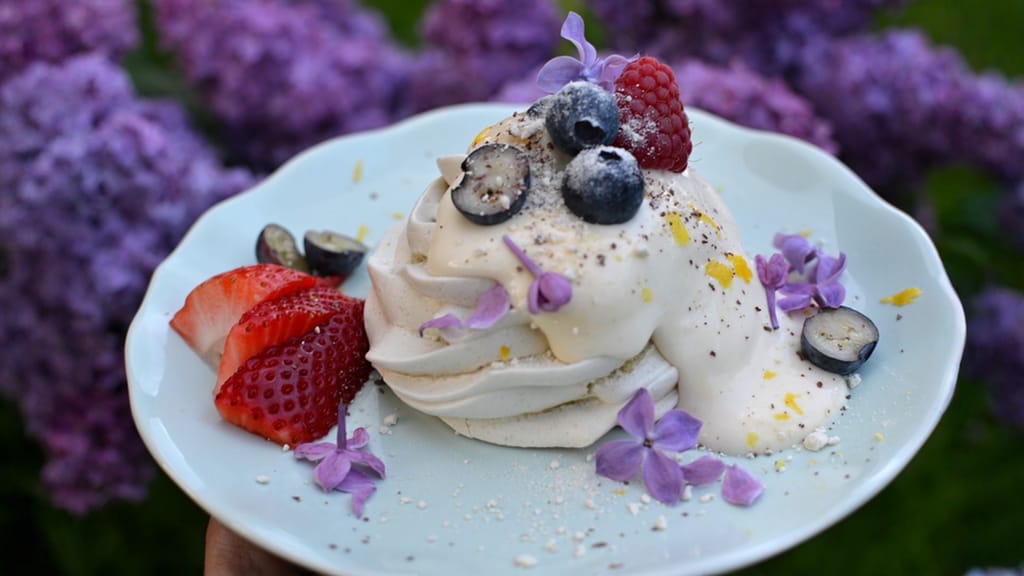
Lilac meringue kisses with lemon curd cream and fresh fruit
Lilac meringues with lemon curd — firm meringue reinforced with dried egg white
When dried egg white refuses to whip up, it's almost always one of five culprits: a greasy bowl, water that's too hot, water poured onto dry powder, too little resting time, or a plastic bowl.
Greasy bowl or whisk. Even a trace of fat (a drop of yolk or butter residue on the whisk) will kill the foam. Wipe the bowl with a paper towel and a bit of vinegar or lemon juice.
Water too hot. Above roughly 60°C / 140°F, the proteins start to cook and you get flakes instead of foam. Lukewarm is all you need.
Water poured onto dry powder. Pouring water directly onto the powder creates gel-coated lumps that never fully dissolve. When mixing the powder alone, always sprinkle it into the water; if it's pre-mixed with sugar, you can pour water over it.
Not enough resting time. Whipping right after mixing gives you a grainy foam. Give it at least 5 minutes.
Plastic bowl. Plastic holds onto grease even when it looks clean. Stainless steel or glass works better for whipping egg whites.
Keep dried egg white somewhere dry, in a well-sealed container, at room temperature — there's no need to refrigerate it, and fridge humidity can actually damage it. Its biggest enemy is moisture in the air: damp powder clumps together and becomes harder to dissolve.
Reseal the bag tightly after opening, or transfer the powder to a screw-top jar.
Scoop with a dry spoon — even a drop of water in the container shortens its shelf life.
Store finished royal icing in a sealed container with plastic wrap pressed directly onto the surface, in the fridge, and use it ideally within 3–5 days. Let it come back to room temperature and give it a quick whisk before using. For ideas on using up leftovers, see What to do with leftover royal icing.
The best substitute for dried egg white is pasteurized liquid egg whites from a carton, which are also safe for no-bake recipes thanks to pasteurization. For baked recipes, fresh egg whites work fine (1 egg white in place of 5 g powder and 30 ml water). A vegan option is aquafaba — the liquid from a can of chickpeas — which whips into foam too, but sets more slowly in royal icing and isn't quite as firm.
Yes, you can stir dried egg white into icing sugar first and only then add the water. This spreads the powder between the sugar crystals so it doesn't clump, which is why this method works especially well for royal icing. Let the icing rest a few minutes before whipping it up.
Yes, reconstituted dried egg white works in cocktails like a whiskey sour or pisco sour in place of raw egg white, since it's pasteurized. About 5 g of powder mixed with 30 ml of water, left to hydrate for a few minutes, is enough for one cocktail. Shake it first without ice to build a thick foam, then shake again with ice.
No, dried egg white is still egg protein and remains just as much an allergen as fresh egg white. Neither drying nor pasteurization removes the allergenic proteins. People with egg allergies need an egg-free icing, such as one made with aquafaba.
One recipe worth heating the oven for, one tip, and one deal from the shop. Nothing else.