Soft gingerbread cookies
Leftover Royal Icing: 7 Ways to Use It Up
Updated Oct 4, 2026
What should you do with leftover royal icing? The best move is to pipe decorations ahead for later, make homemade sprinkles, decorate another batch of gingerbread, thin it into a glaze, use it as edible glue, decorate cupcakes, or just save it for next time. After decorating gingerbread, you're almost always left with a few spoonfuls in the bag. Exposed to air, it starts hardening on top within minutes, but covered or in a tied-off bag it'll stay soft for several days. Here's what to do with it, and which consistency you need for each job.
Leftover royal icing really comes in three consistencies: stiff for gluing and 3D decorations, medium for outlines and shapes piped onto paper, and thin for flooding and glaze.
Stiff (a peak on the spatula stands up and doesn't bend): glue, 3D decorations, dots for sprinkles.
Medium (like toothpaste, a knife line disappears in about 15–20 seconds): outlines, lettering, decorations piped onto baking paper.
Thin (a knife line disappears in about 8–12 seconds): flooding surfaces and glaze.
The knife test: draw a knife through the surface of the icing in the bowl and time how long it takes for the line to disappear. Treat these times as a rough guide — every baker's own timing is a few seconds different.
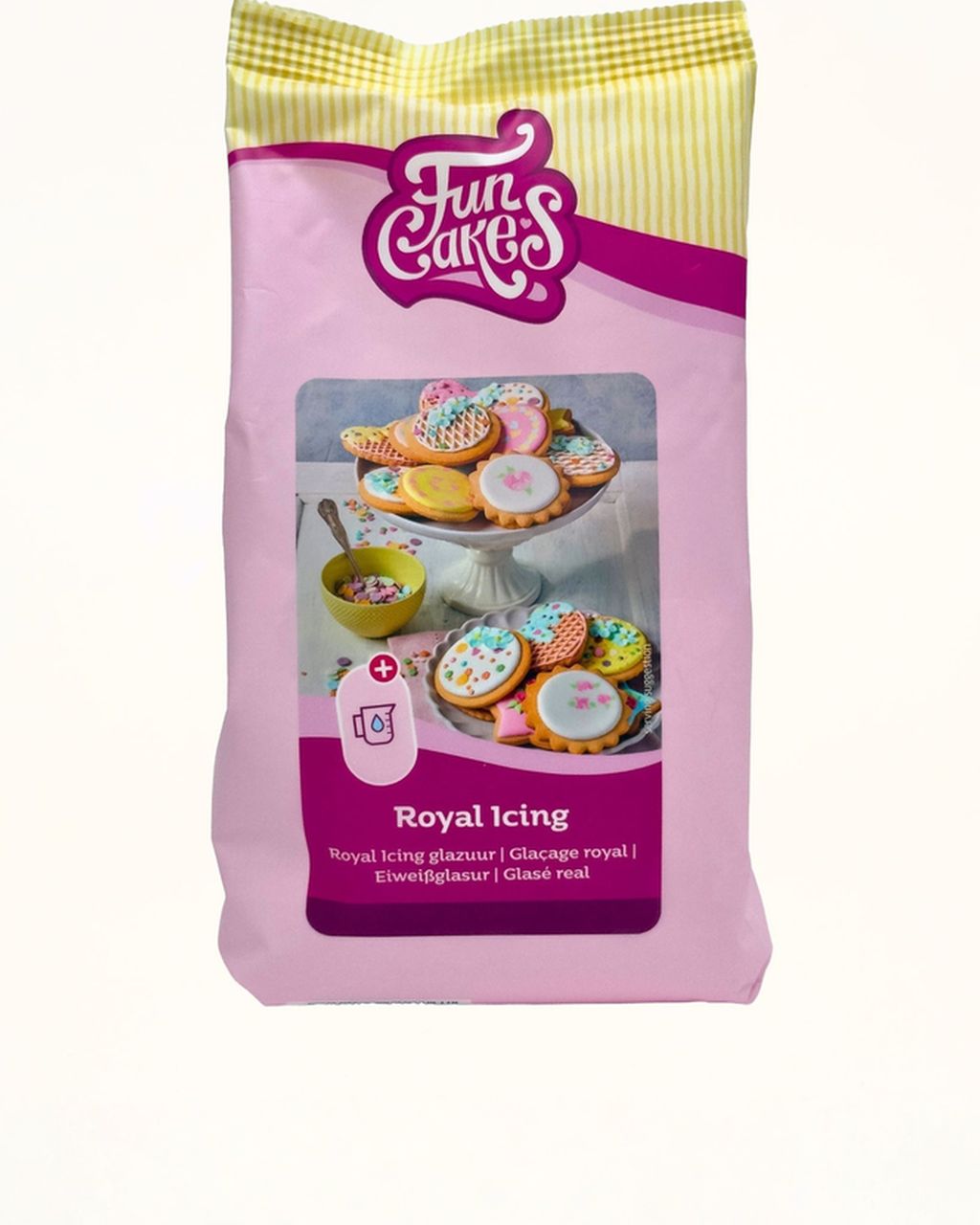
To thin it: add water a few drops at a time (or lemon juice if you want a looser glaze) and stir with a spoon, not a whisk, or you'll whip air bubbles into the icing. To thicken it: stir in icing sugar a teaspoon at a time. Ready-made royal icing mixes (icing for decorating cookies) thin the same way — just add water.
Icing left in a piping bag for a while often forms a dried crust at the tip. Don't stir that bit back in — bits of hardened sugar will clog the piping tip. Pick them out, or push the icing through a fine sieve.
You can put leftover royal icing to use in seven ways: make-ahead decorations, homemade sprinkles, another batch of decorated gingerbread, a glaze for gingerbread cake or bundt cake, edible glue, decorating cupcakes, or storing it for next time. The first two make the most sense, since just a few spoonfuls can give you decorations for weeks to come.
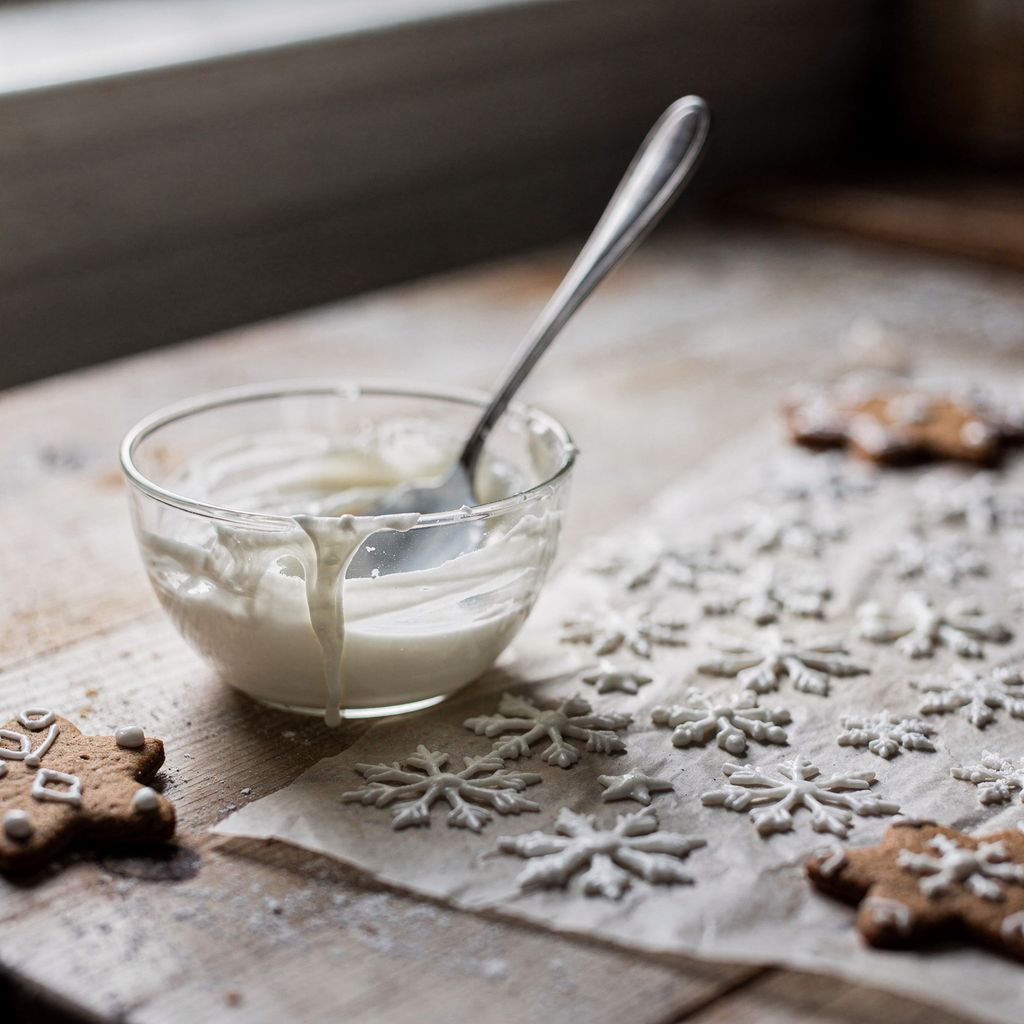
To make a stash of royal icing decorations, pipe medium-consistency icing onto baking paper or acetate in shapes like snowflakes, stars, hearts, letters, or name tags, then leave them to dry for a day. It's the best way to get real mileage out of leftover icing.
Feel free to trace the shape from a template placed underneath the paper.
Let thin decorations dry for at least 24 hours at room temperature; thicker ones need longer. They shouldn't give at all when pressed.
Once dry, gently lift them off with a thin spatula and store in a box between layers of baking paper.
Since these decorations are essentially pure sugar, they'll keep for months as long as they stay dry. Don't store them in the fridge or above the stove where there's steam — moisture will soften them and the colours will bleed. Stick them onto a cookie or cake with a dab of stiff icing.
To make your own sprinkles from leftover royal icing, pipe dots or lines with stiff icing, let them harden, then chop them up. Even a kid can manage this one.
Dots: pipe rows of small dots with stiff icing onto baking paper. Depending on size, they'll harden in 4–8 hours, then you just peel them off like little pearls.
Strands: pipe long straight lines of slightly thicker icing across the whole sheet of paper, leave them to dry overnight, then chop them into short pieces with a knife.
Keep each colour separate. If you're colouring the leftovers, use gel colours — liquid ones will thin the icing and the sprinkles won't hold their shape. Store the finished sprinkles in a jar with a screw-top lid.
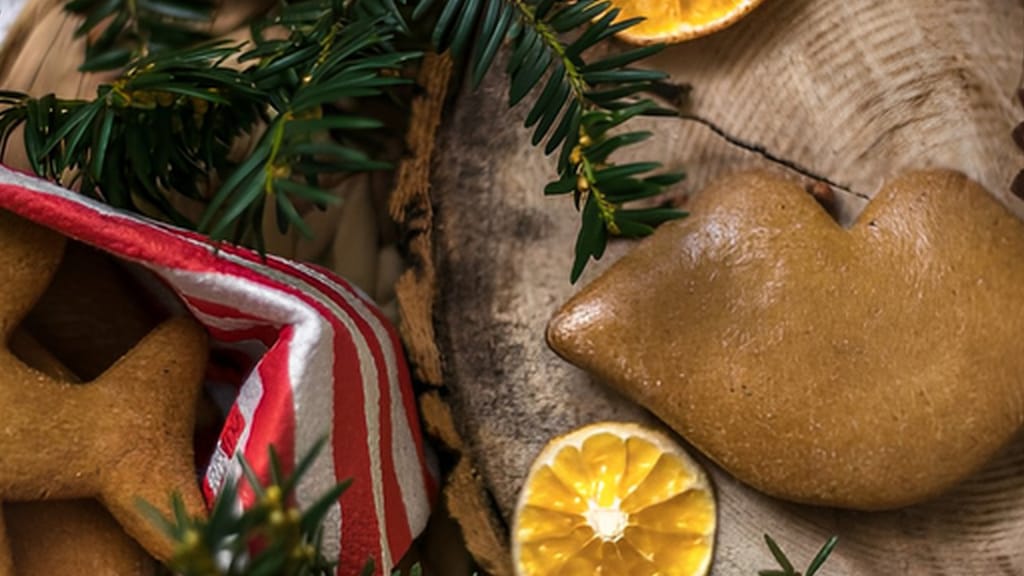
The simplest way to use up leftover royal icing is on another tray of gingerbread or cookies. Gingerbread works best because it has a flat, dry surface that holds a clean line and lets the icing set hard. You can even keep plain, undecorated gingerbread in the freezer — see our article on how to freeze cookies and dough. For tips on keeping cut shapes from spreading, check out how to cut out cookies so they hold their shape.
And if you're not in the mood to bake, just put out some store-bought butter cookies and hand the piping bag to the kids. A few spoonfuls of icing is plenty for an afternoon of decorating with children.
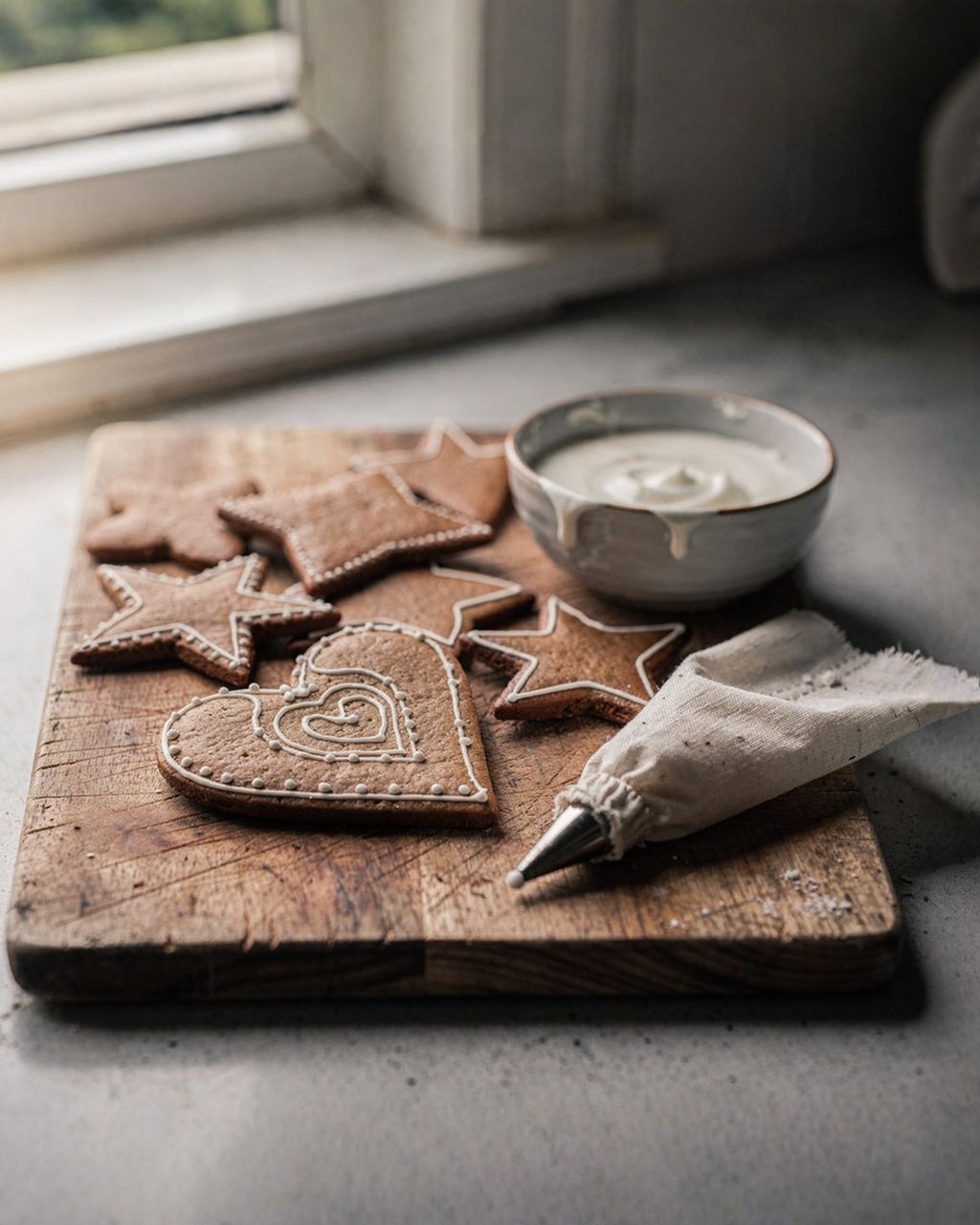
Soft gingerbread cookies
Soft gingerbread cookies for decorating with royal icing
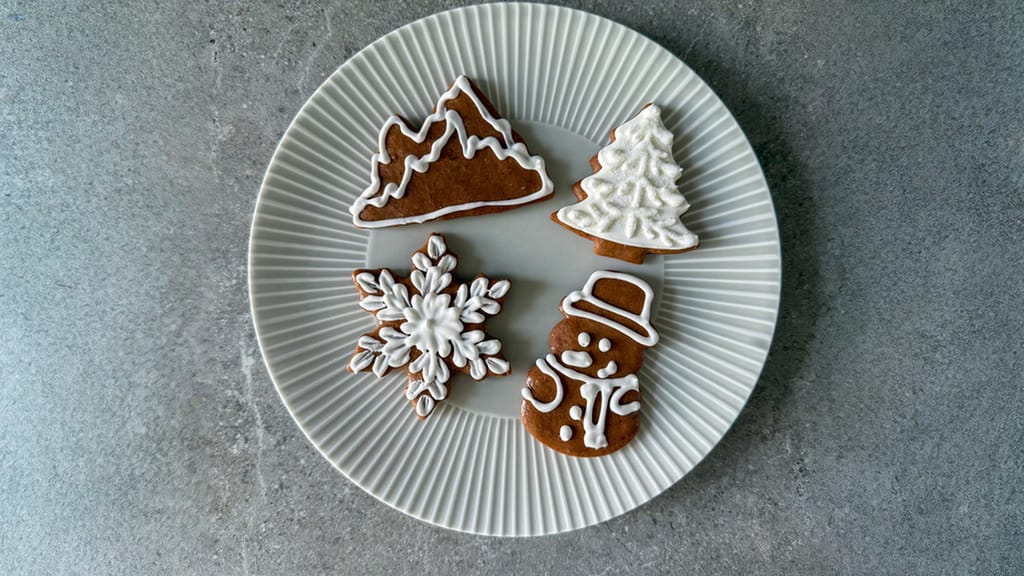
Soft honey gingerbread cookies that never go hard
Soft honey gingerbread that never goes hard — perfect for leftover icing
To turn leftover royal icing into a glaze, stir in water a few drops at a time until it reaches a pourable, thin consistency. You can replace part of the water with lemon juice for a glaze that's less sweet. Then spoon it over a cooled gingerbread sheet cake or bundt cake. Unlike a regular sugar glaze, this one dries to a pure white, slightly crisp layer that won't stick to foil or your fingers.
The cake needs to be completely cool before you glaze it, or the glaze will run and soak straight in on a warm surface. Leave it uncovered for a few hours to set. One more trick: while the glaze is still wet, pipe stripes of a different colour on top and drag a skewer through them for a marbled effect.
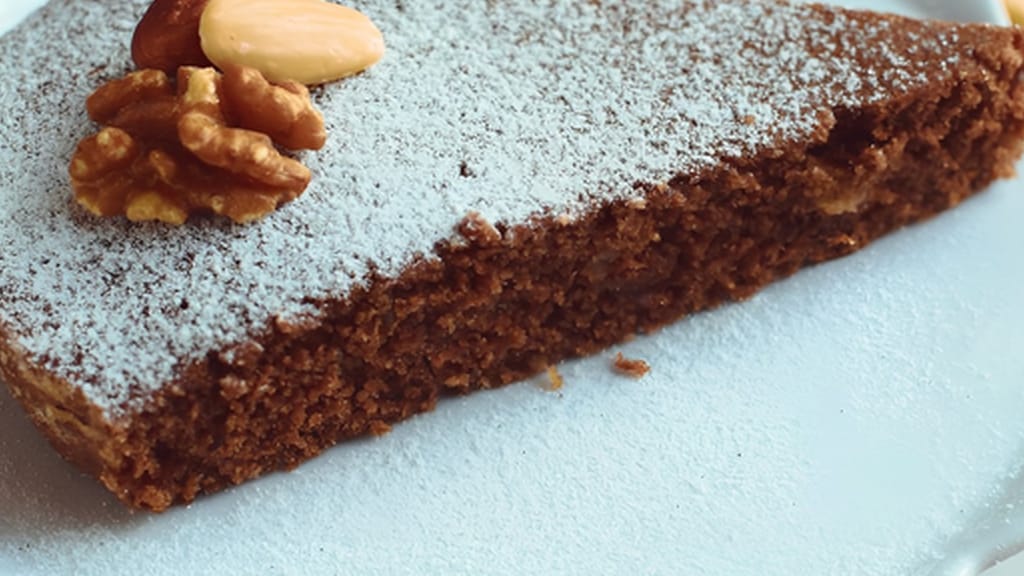
Lactose-free sheet pan gingerbread cake. quick and really good!
Sheet gingerbread cake you can top with leftover royal icing
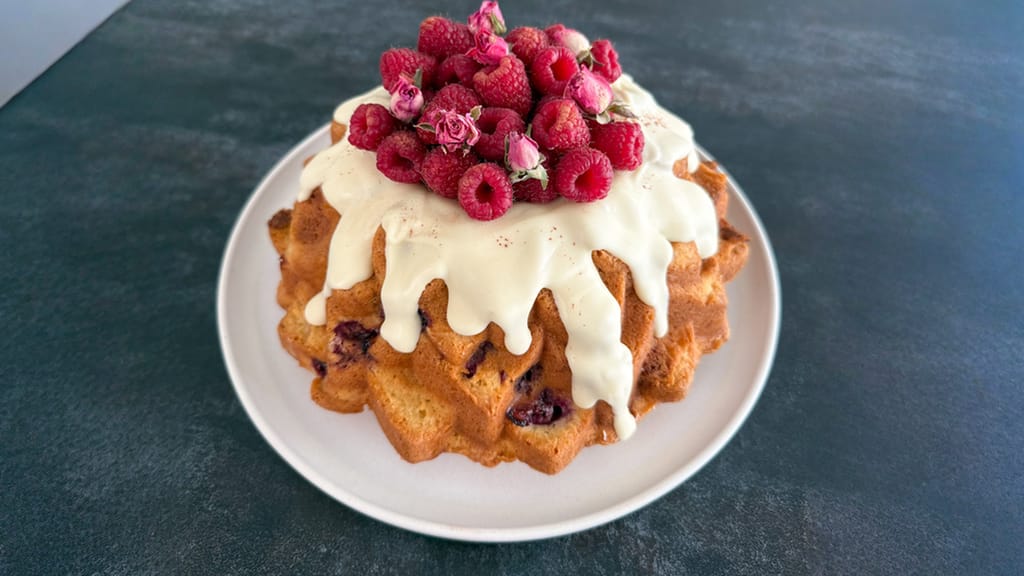
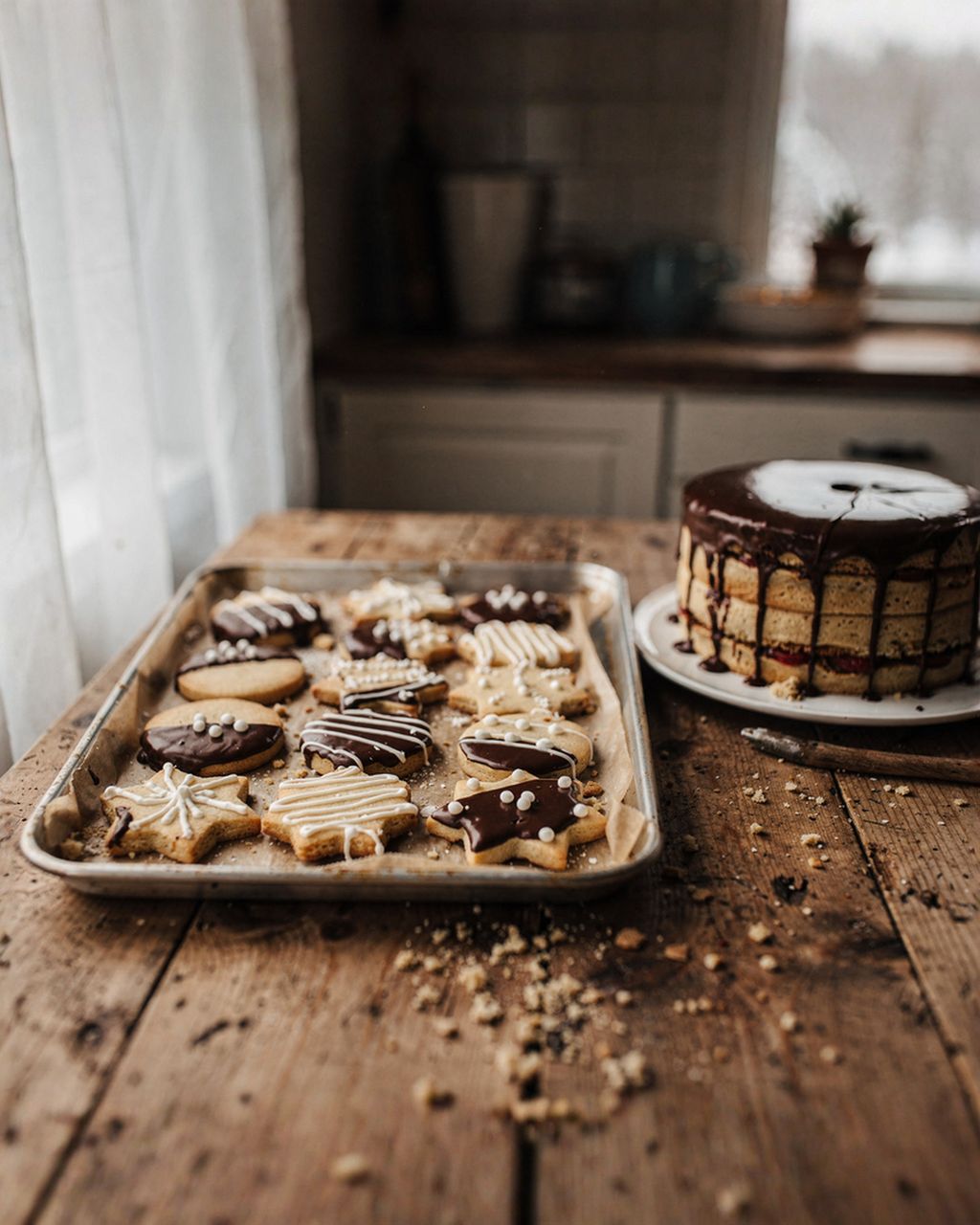
Raspberry bundt cake with white chocolate and sour cream
Raspberry and white chocolate bundt cake that pairs well with a royal icing glaze
Stiff royal icing sets as hard as cement, which is exactly why it's used to build gingerbread houses. Leftovers come in handy for small jobs too:
sticking two layers of cookies or gingerbread together,
attaching sprinkles, pearls, or the decorations from point 1 onto finished cookies,
fixing a decoration onto a cake or sticking a gingerbread piece into one,
gluing together a small house or tree from cut-out star shapes.
For gluing, the icing really needs to be stiff. Anything looser will shift under the weight of the pieces and the whole thing will collapse.
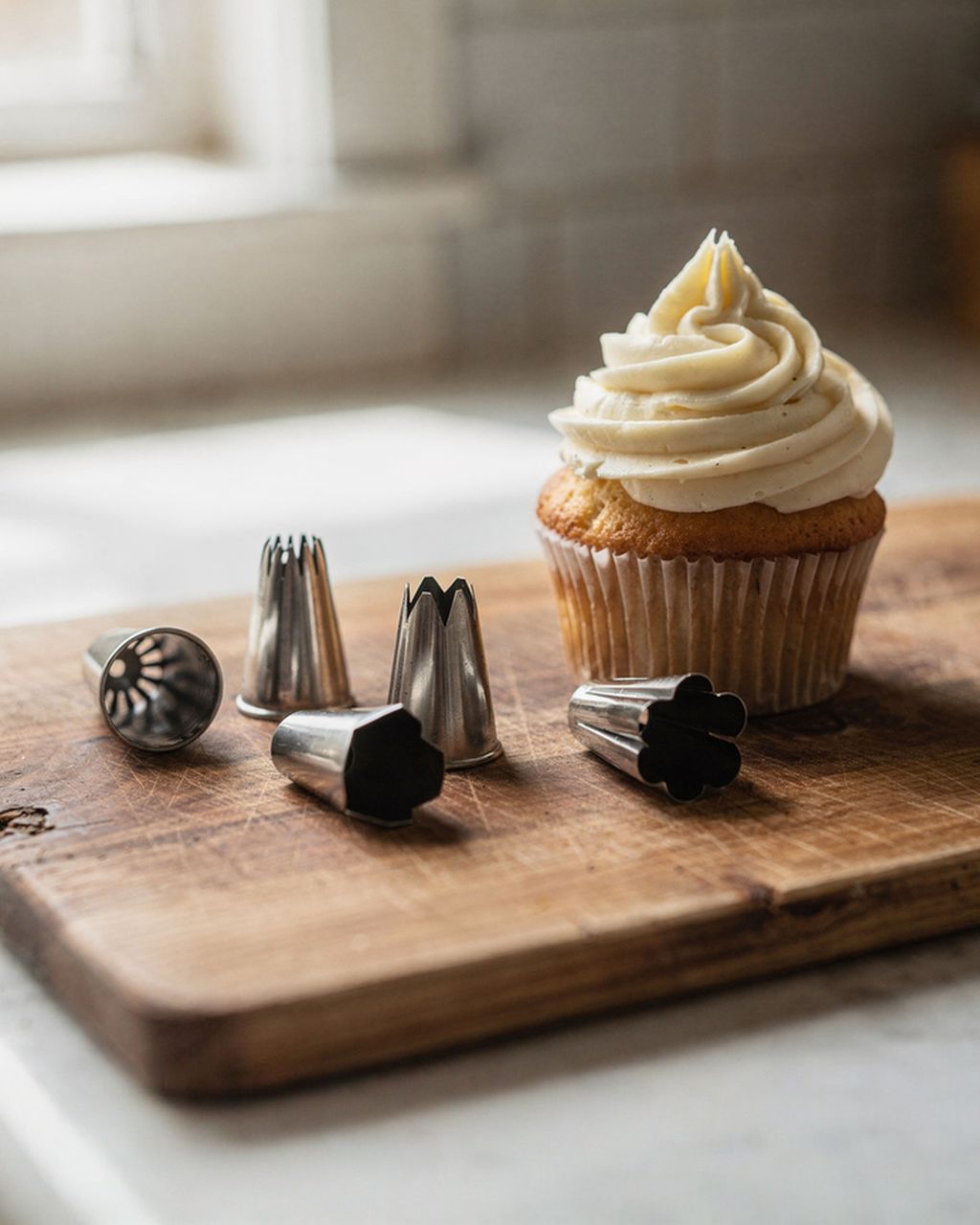
Only stick dry royal icing decorations into the frosting on a cupcake or cake right before serving. Frosting is moist and will start softening the decoration within a few hours. They'll dissolve more slowly in buttercream, faster in mascarpone or whipped cream frosting.
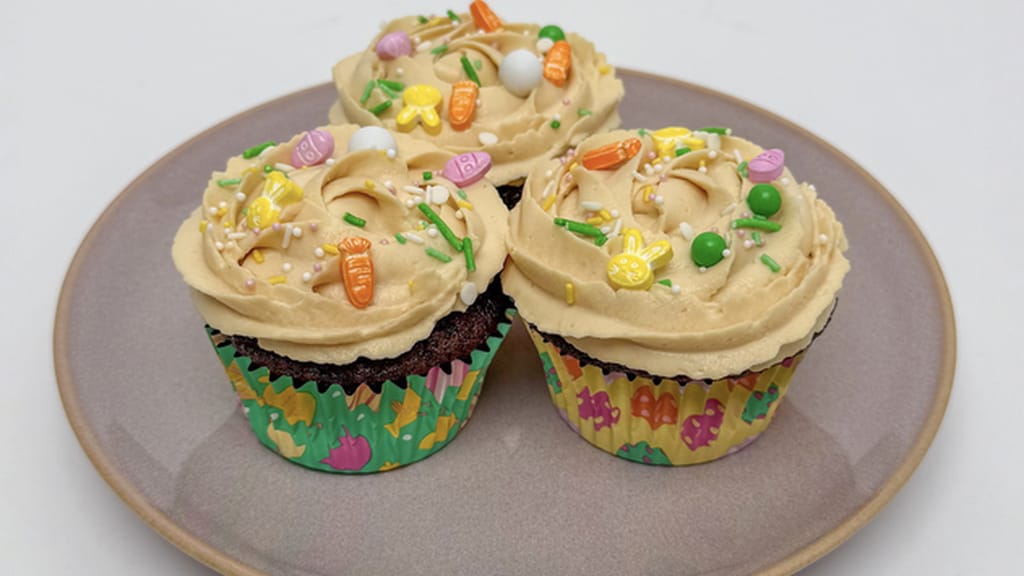
Chocolate cupcakes with salted caramel cream
Chocolate cupcakes that work well with royal icing snowflakes
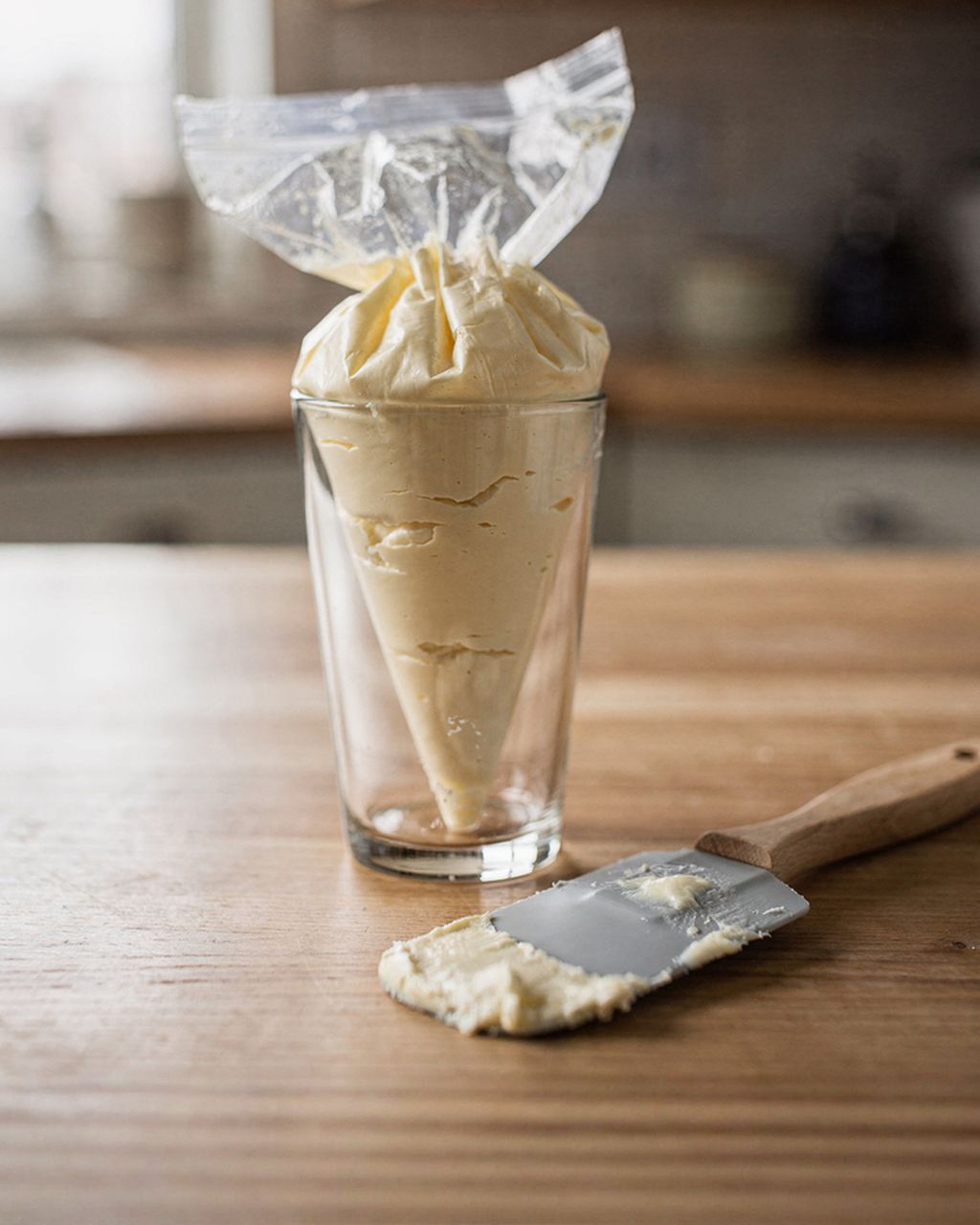
To store leftover royal icing, press plastic wrap directly onto its surface in a sealed container, or freeze it. Wrap touching the surface stops a crust forming. Smaller amounts can be frozen straight in a tied-off piping bag. For exactly how long icing keeps in the fridge or freezer, and why it matters whether it's made with raw egg whites or a ready-made mix, see our full article Royal icing: how to store it and how long it lasts.
Once thawed, just stir it gently and check the consistency with the knife test. If you've got other baking leftovers on your hands too, take a look at our article on what to do with leftovers from holiday cookie baking.
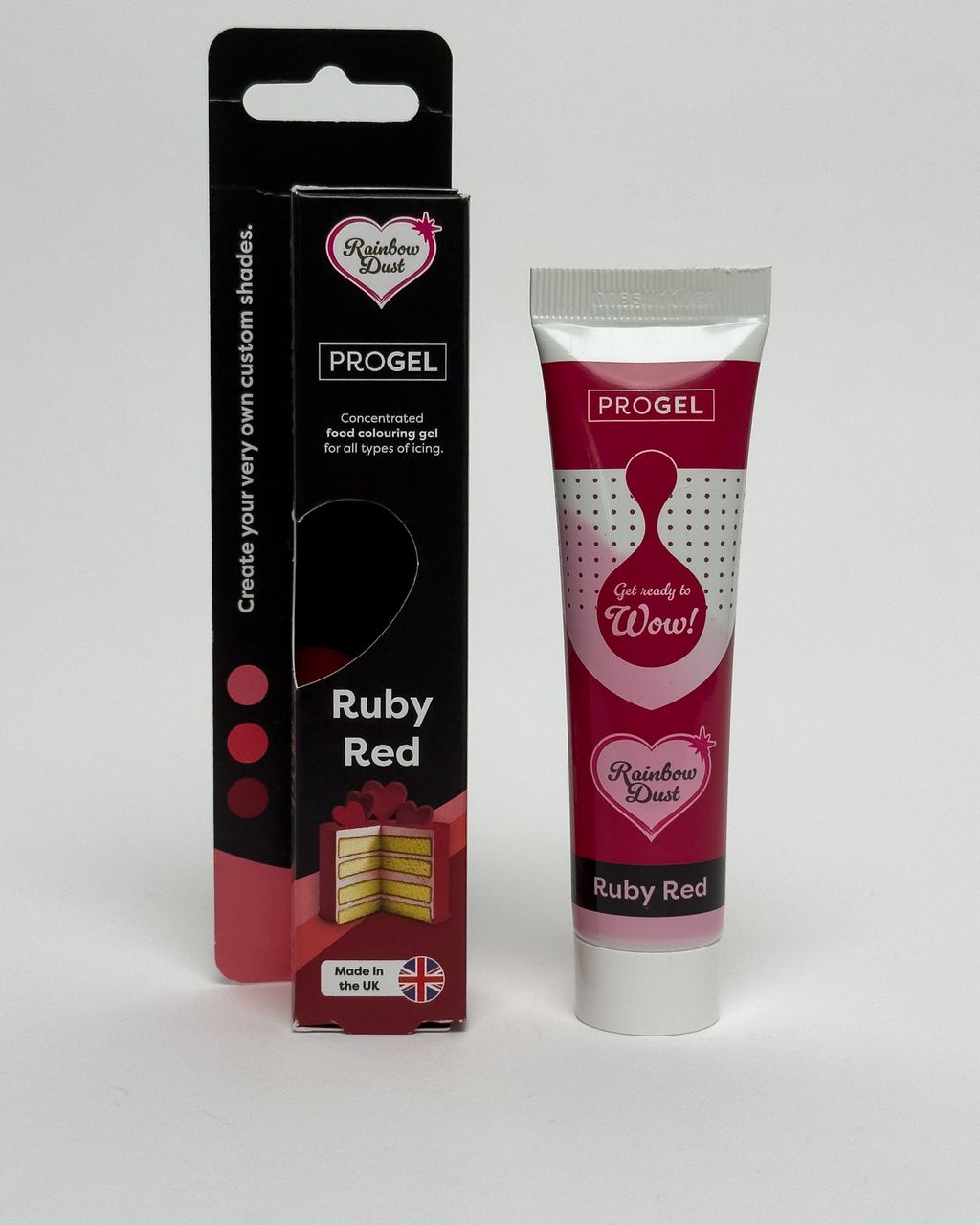
The best way to colour leftover royal icing is with gel colours, which give strong colour without thinning the icing. Split it between bowls and colour each one separately, so one batch of white leftovers gives you several colours.
Gel colours give a strong colour even in tiny amounts and barely change the consistency. Add them on the tip of a toothpick.
Deep reds and black keep darkening for several hours after mixing. Mix them a shade lighter than you want and let them sit.
Coloured icing stored in a container will eventually release colour into a layer of liquid that separates out. Always stir it again before using.
Yes, you can make egg-free royal icing using aquafaba — the liquid from a tin of chickpeas — whipped with icing sugar instead of egg white. It sets just as hard, though bakers find it tends to take a bit longer to dry. Ready-made royal icing mixes usually contain dried egg white, so always check the ingredients if you're dealing with an egg allergy.
Leftover royal icing goes watery because, as it sits, the heavier sugar sinks to the bottom and liquid separates out on top. This is completely normal. Gently stir it with a spoon until smooth again, and if it's still too thin, stir in a teaspoon of icing sugar.
For young children, pregnant women, and older adults, it's safer to use royal icing made with pasteurised egg whites or a ready-made mix with dried egg white, since raw egg white can carry salmonella. So if kids will be decorating with the leftovers, stick to icing made with pasteurised egg white or a ready-made mix.
Yes, you can mix leftover royal icing from different batches, as long as both are still fresh and have been stored properly. The combined icing will then only keep as long as the older batch would on its own. Don't add icing made with raw egg whites that's been left out of the fridge to a fresh batch.
One recipe worth heating the oven for, one tip, and one deal from the shop. Nothing else.