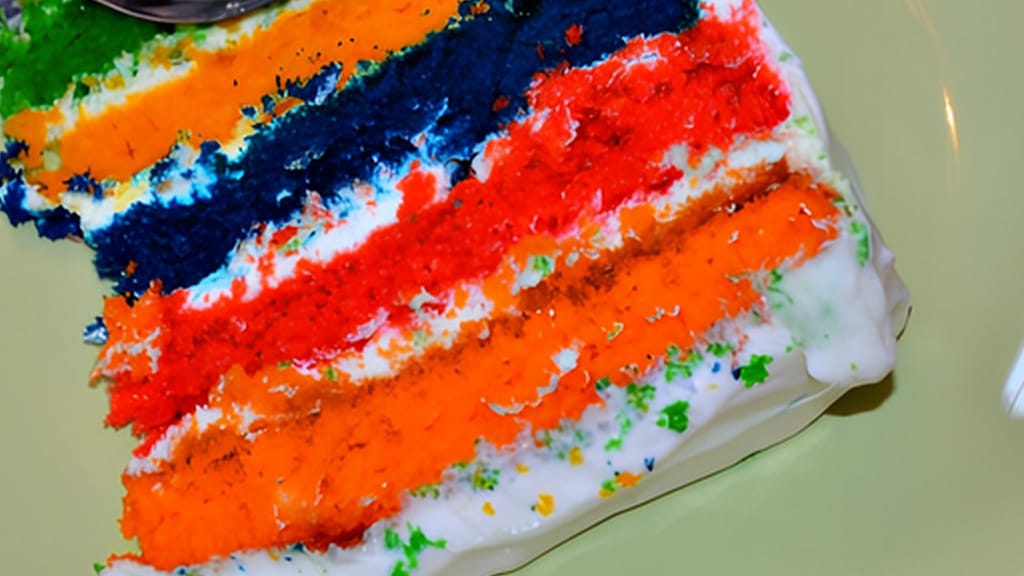
Colourful rainbow kids' cake
Decorating Kids' Birthday Cakes: Frosting, Colours, Themes & What to Avoid
Updated Oct 4, 2026
Decorating a kids' birthday cake comes down to three things: a sturdy frosting that holds its shape, bold colours, and one clear theme the child will recognise at a glance. You don't need fondant or a pastry course — just a level sponge, well-chilled frosting, and decorations that are fully edible and safe for little mouths. Here's the whole process, from frosting to the final sprinkle, plus a list of things that have no place on a cake for children.
You can decorate a kids' birthday cake in five steps: level the sponge, fill it with sturdy frosting, apply a thin crumb coat, colour the cake, then finish with the theme and sprinkles. Here's why each step matters:
Level sponge. Trim the domed top flat with a long knife — on an uneven surface, every decoration will tilt. If your cake rises unevenly in the oven, try a lower temperature (160–170°C/320–340°F) or wrap the tin with baking strips for more even baking.
Sturdy frosting. For filling and covering a 20 cm cake, allow roughly 700–900 g of frosting. It should be thick enough to cling to an upturned spatula without sliding off.
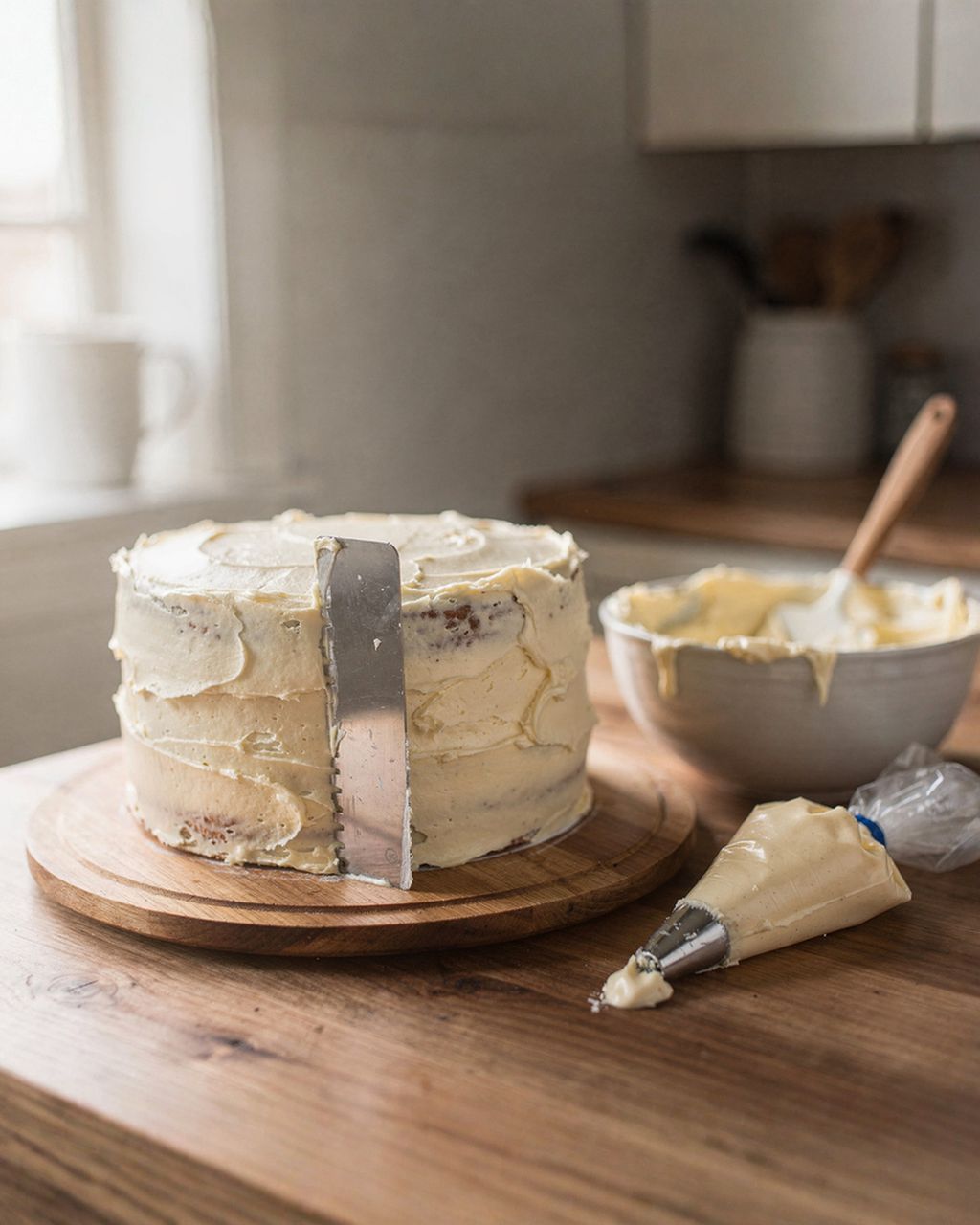
Crumb coat. A thin layer of frosting that traps loose crumbs. Chill the cake for 30 minutes before adding the final layer — it'll go on clean, with no crumbs showing through.
Colour. Only colour the frosting that goes on the outside, not the filling — you'll use less colouring and the inside won't end up an odd shade of blue.
Theme and sprinkles. Figures, numbers, sprinkles and any writing go on right at the end, ideally just a few hours before the party.
If you're starting completely from scratch, check out cake decorating for beginners first — it covers techniques like a smooth frosted finish or piped swirls step by step.
The best options for a children's cake are mascarpone-whipped cream frosting, buttercream, or chocolate ganache — all three hold edges and piped decorations well. Plain whipped cream won't do: within an hour in a warm room it softens and the decorations slide right off.
Mascarpone + cream — the favourite for kids' cakes because it isn't overly sweet. A reliable ratio is 500 g mascarpone to 250 ml whipping cream (33% fat) and 60–80 g icing sugar. Whip everything cold together just until firm — overwhipping will cause it to curdle.
Buttercream — the most stable option, holds up even at room temperature and takes colour beautifully. It's sweeter and heavier though, so for kids it works well as the outer coating while you use something lighter for the filling.
Ganache — a great base for dark-themed cakes. For coating, keep the chocolate-to-cream ratio around 2:1 for dark chocolate and 3:1 for white chocolate.
For a full comparison, including which frosting holds up best with fruit, see our guide to types of cake frosting.
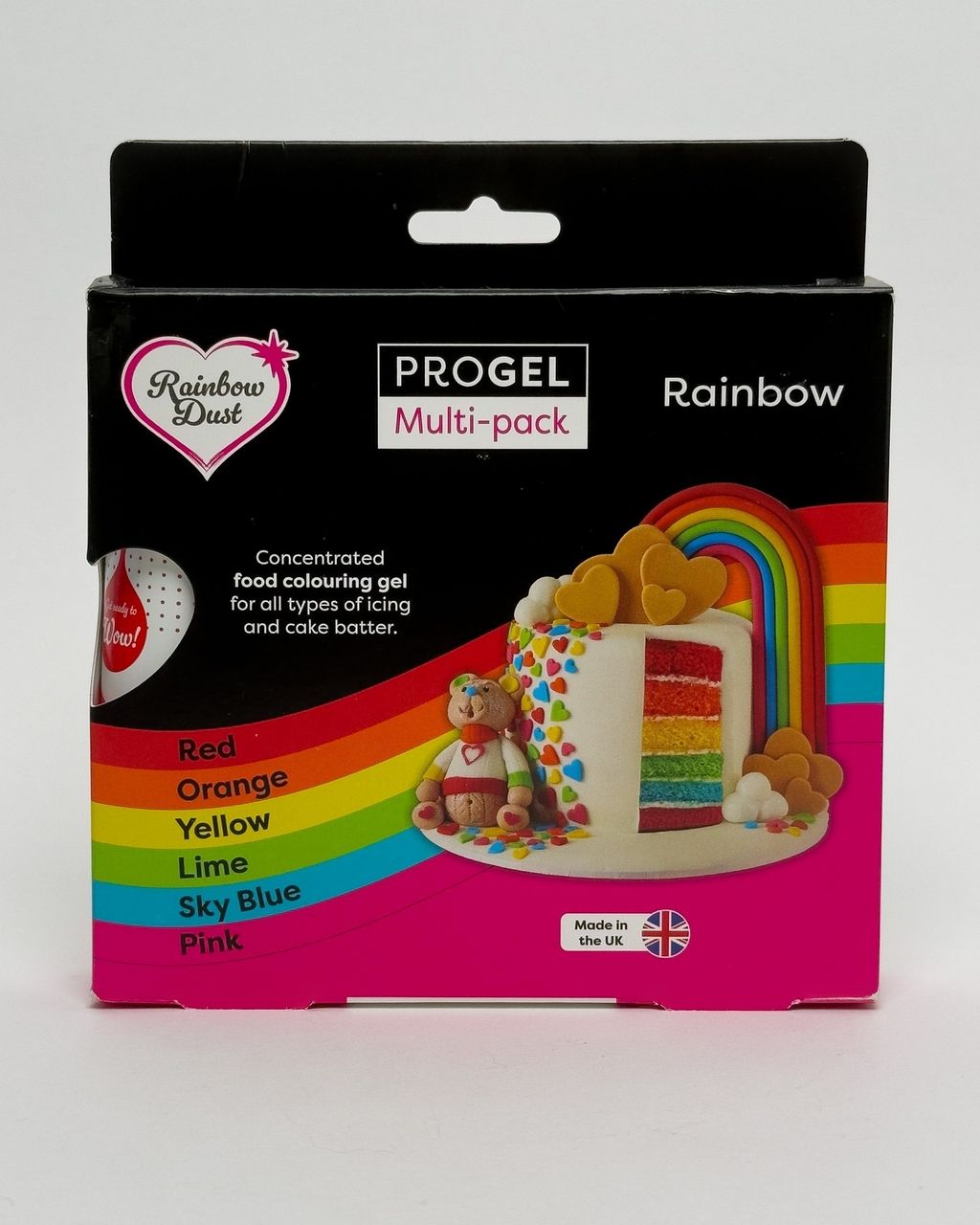
Colour frosting using gel food colouring, added drop by drop on the tip of a toothpick — liquid colours from the shop will thin out the frosting and won't give you bold shades. A few rules that will save your sanity:
Colour in frosting darkens over 1–2 hours. Mix it a shade lighter than you want, then let it rest for a bit before judging.
Vivid red and black need a lot of colouring, which can make the frosting taste slightly bitter. So build black on a chocolate ganache base and red on a pink base — you'll need far less colouring that way.
Mascarpone and cream have a yellowish tint, so blue made from them can turn slightly green. A tiny touch of purple neutralises the yellow undertone.
Pastel shades are the easiest to get right and look clean and pretty on kids' cakes — just a fraction of a drop is enough.
With kids' cakes, it's worth checking the colouring ingredients. Under EU Regulation 1333/2008, colourings E102, E104, E110, E122, E124 and E129 must carry a warning that they may have an adverse effect on children's activity and attention — a caution based on the Southampton study of three-year-olds and eight- to nine-year-olds. If you want to avoid them, look for colourings without these E-numbers, or ones using natural pigments — note that an "azo-free" label alone isn't enough, since quinoline yellow (E104) isn't an azo dye.
Tailor the decoration of a kids' cake to their age: soft and simple for toddlers, their favourite character or animal for preschoolers, and a theme older kids can help create themselves.
Ages 1–3: soft frosting, fruit cut into small pieces (always cut grapes and blueberries lengthwise into quarters), a large number piped from frosting. No hard sprinkles. If you're planning a very first birthday cake, take a look at a first birthday cake sweetened with fruit.
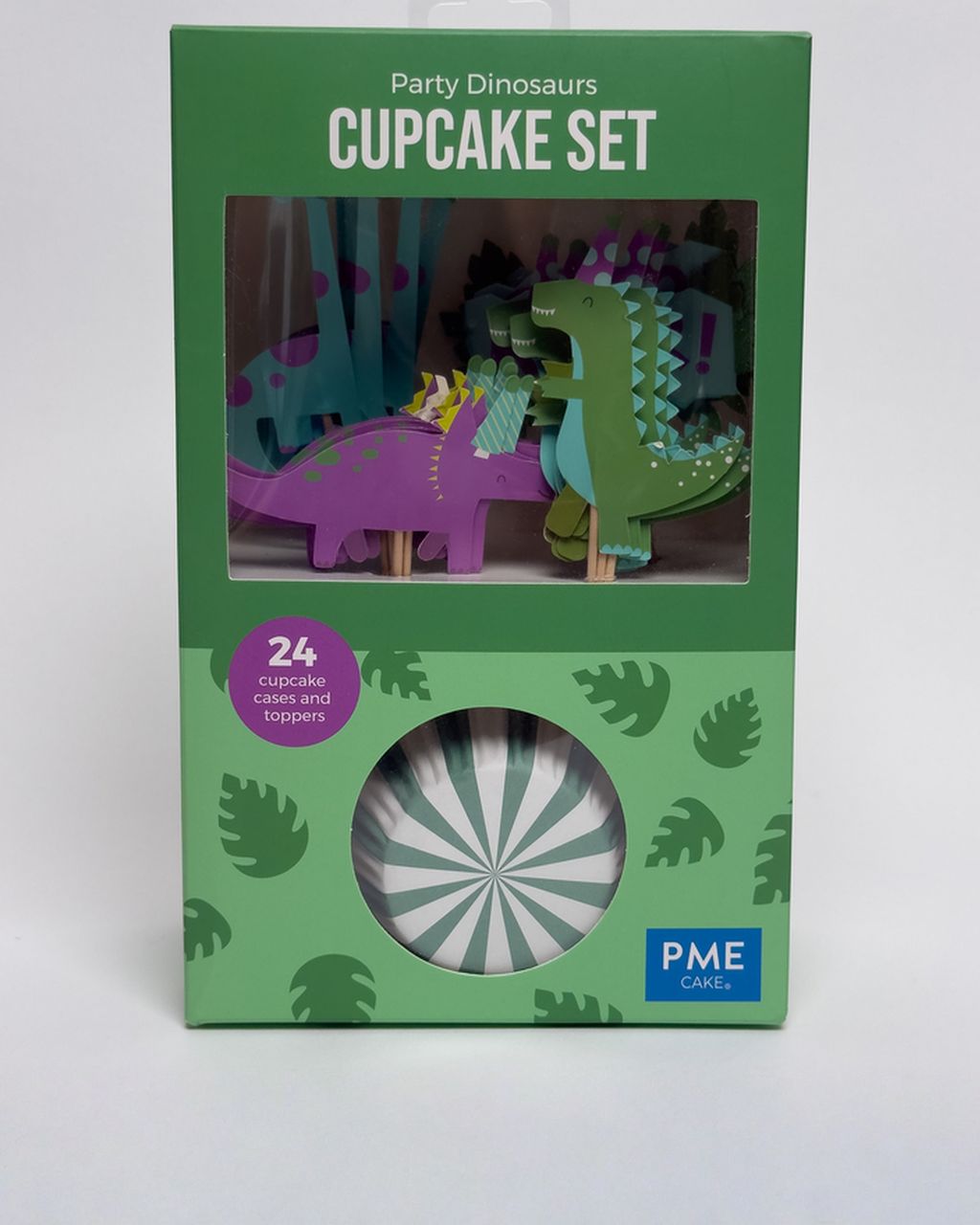
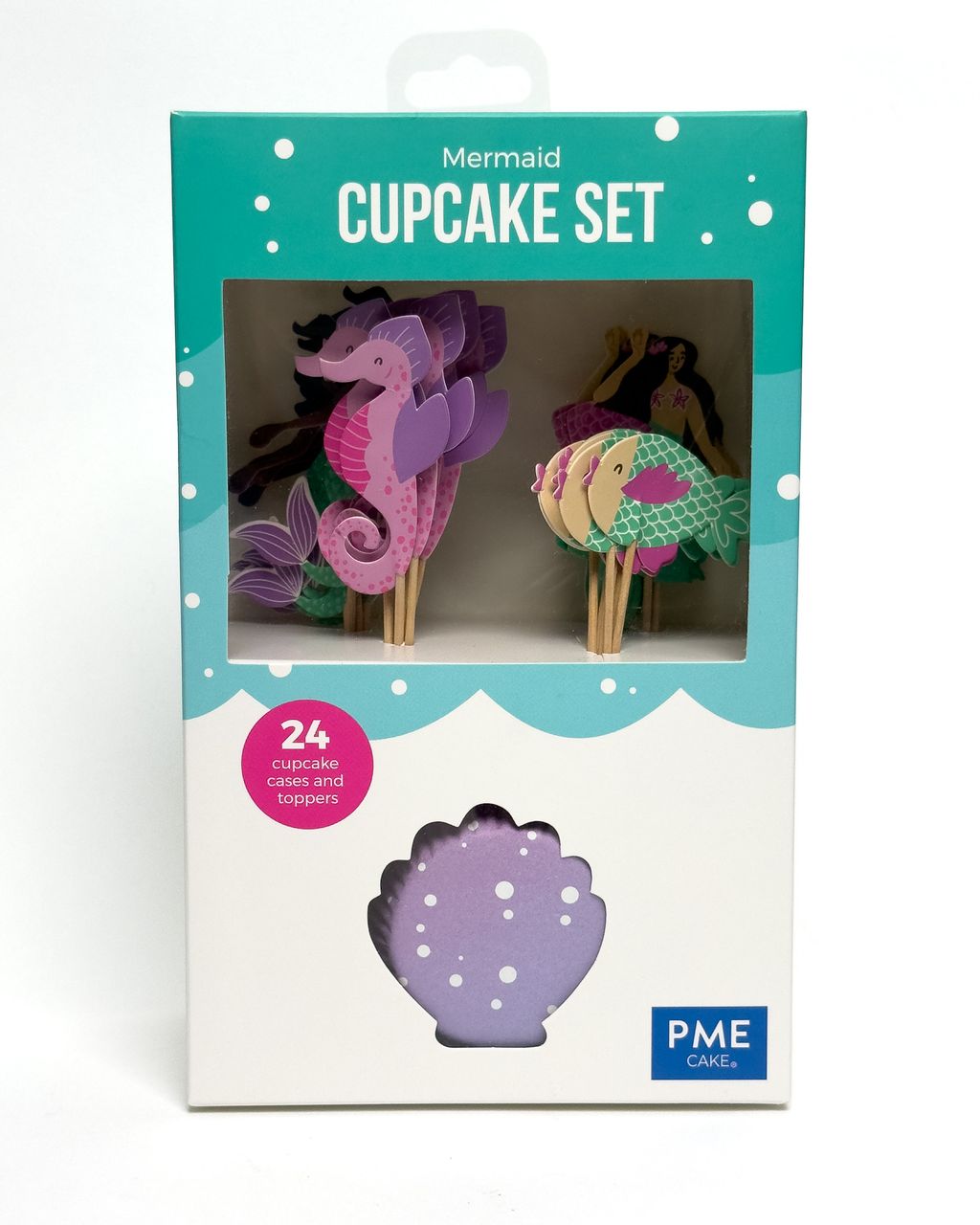
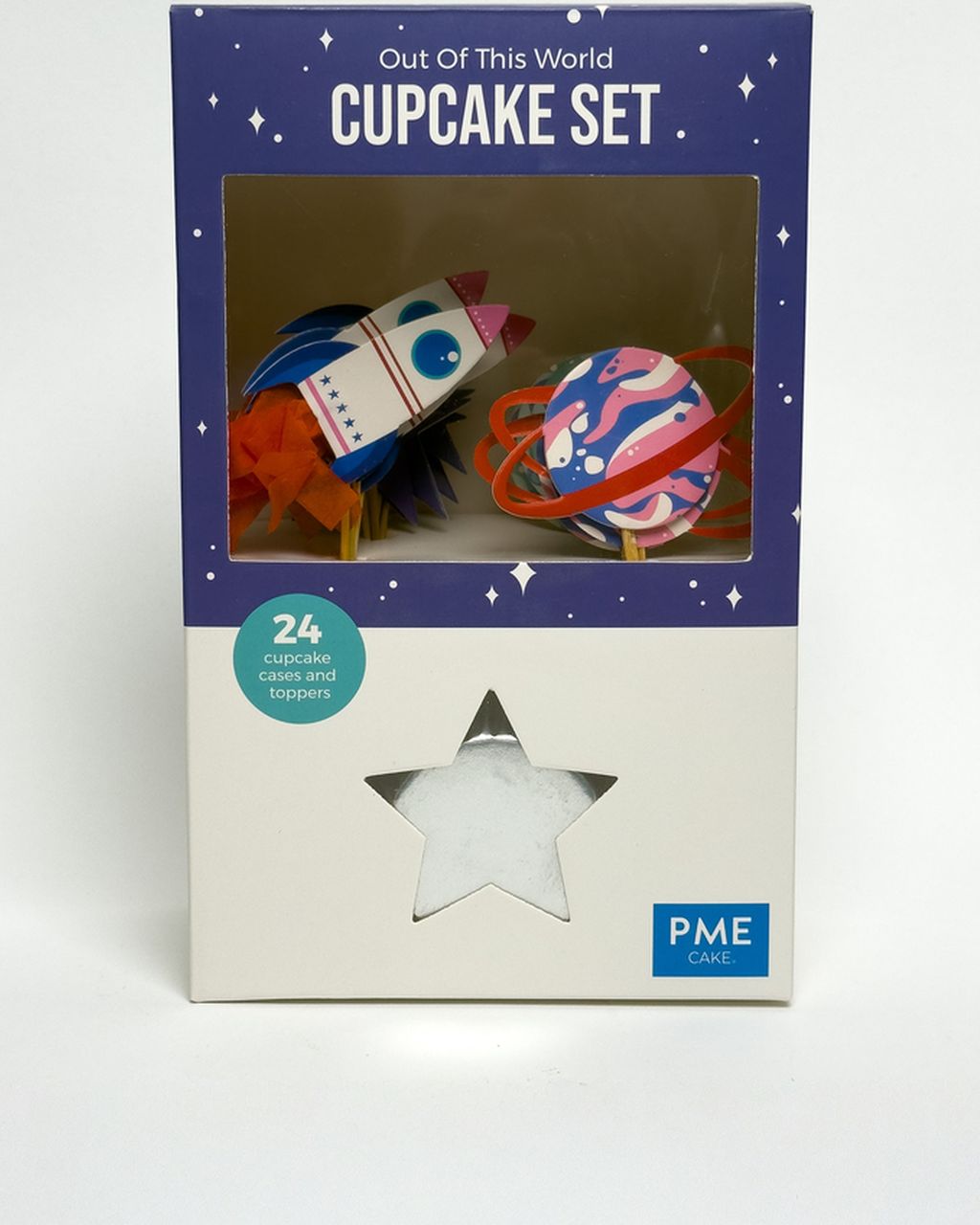
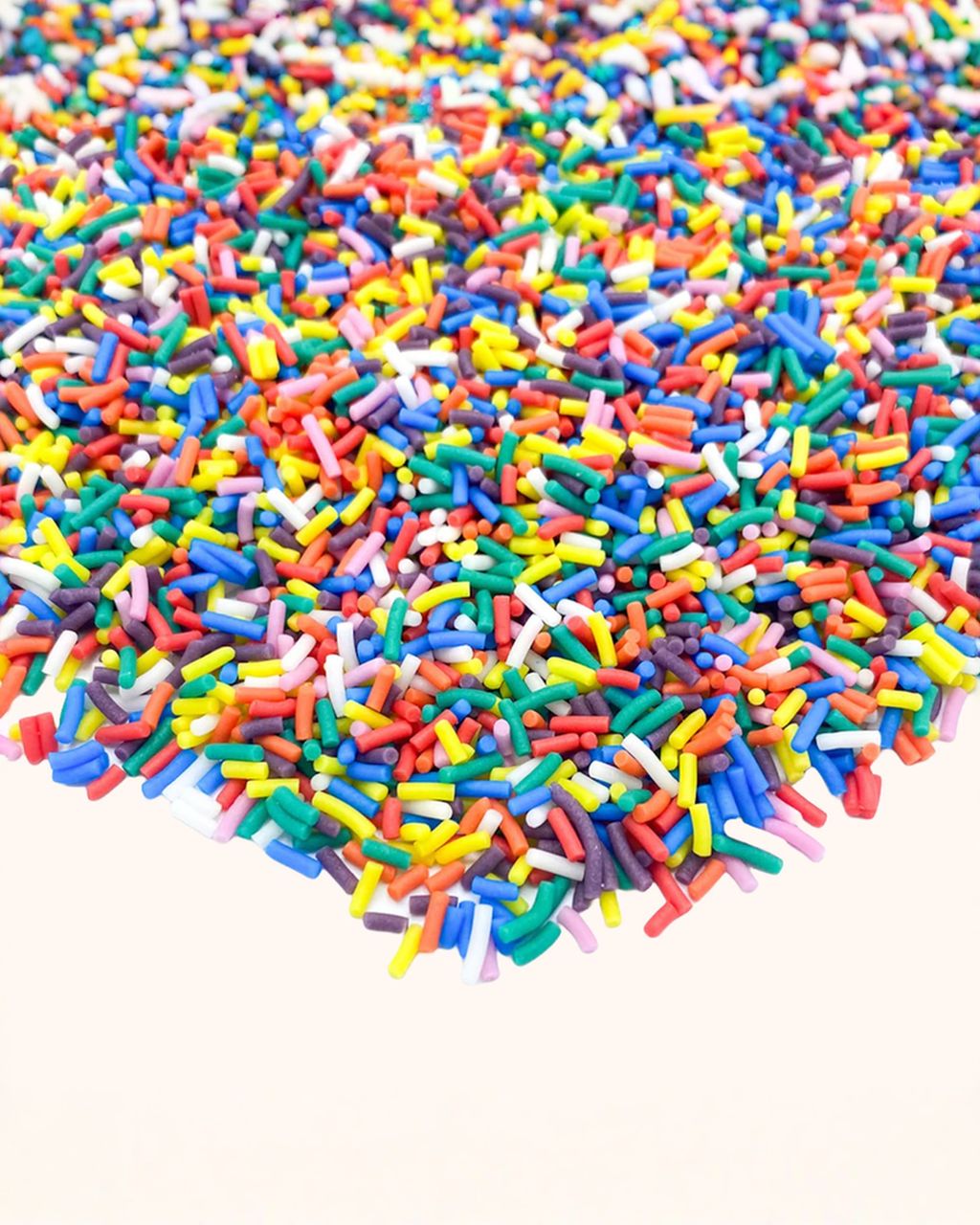
Ages 4–7: pick one clear theme — dinosaurs, mermaids, space, unicorns. Kids want to instantly recognise their favourite character, so one big focal design beats ten small details. Rainbow sprinkles and coloured ombré frosting are a safe bet.
Ages 8 and up: let the birthday child decorate alongside you. Bake the sponge, cover it in white frosting, and set out bowls of sprinkles, fruit, and bags of coloured frosting. The finished cake won't be perfect, but it'll be theirs.
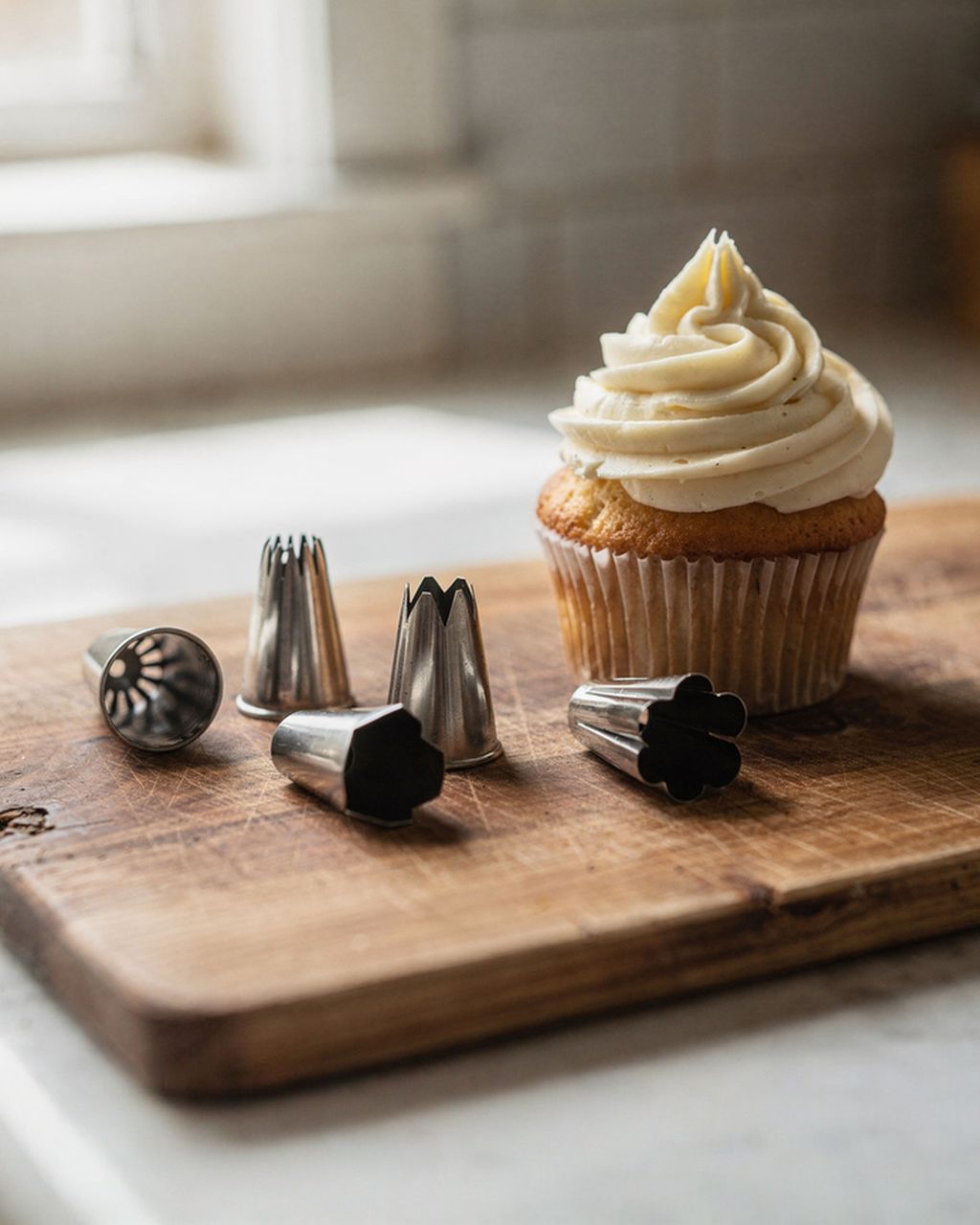
No piping tips or bags on hand? You've still got plenty of options — how to decorate a cake without piping tips shows nine ways to do it with things you already have at home.
The quickest way to build a themed cake is to colour the frosting to match the theme, add matching sprinkles, and finish with a few ready-made edible figures — no modelling required. Ready-made decorating sets include toppers, picks and sprinkles all in one matching theme, so you don't have to worry about colour-matching yourself.
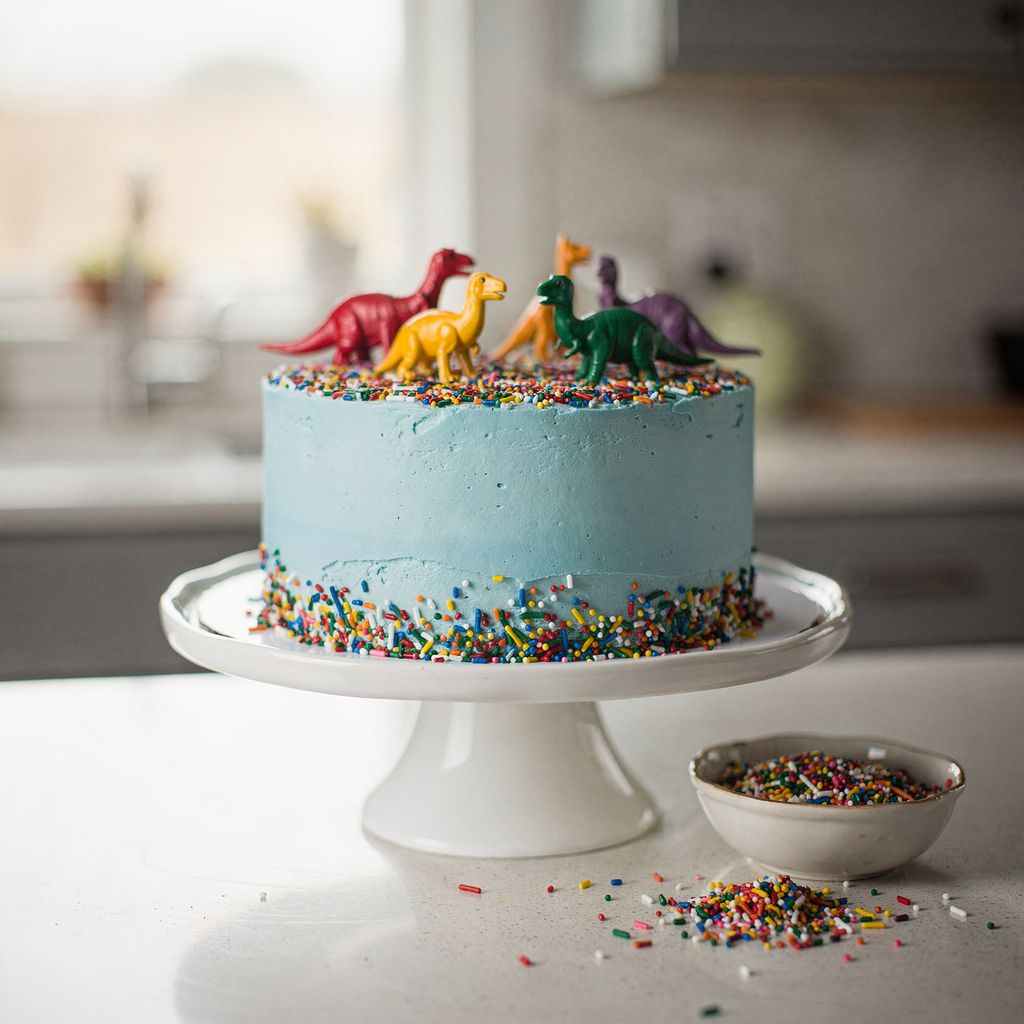
Dinosaurs: green frosting textured with a scraper to look like "rock", chocolate crumbs as "dirt", dinosaur figures.
Mermaids: turquoise-to-purple ombré, pearlescent sprinkles, white chocolate shells.
Space: dark blue to black ganache, white star-like sprinkles, planets made from coloured candy balls.
A smart move for a bigger party: pair a smaller cake with matching cupcakes in the same theme. They're easier to hand out than slicing a cake, and kids get to pick their own. You'll find ready-made cake and cupcake decorating sets together under cupcake decorating kits. The colourful cake and chocolate cupcakes below make a great base to build on.
Colourful rainbow kids' cake
Colourful kids' birthday cake — recipe for a rainbow-coloured cake for children
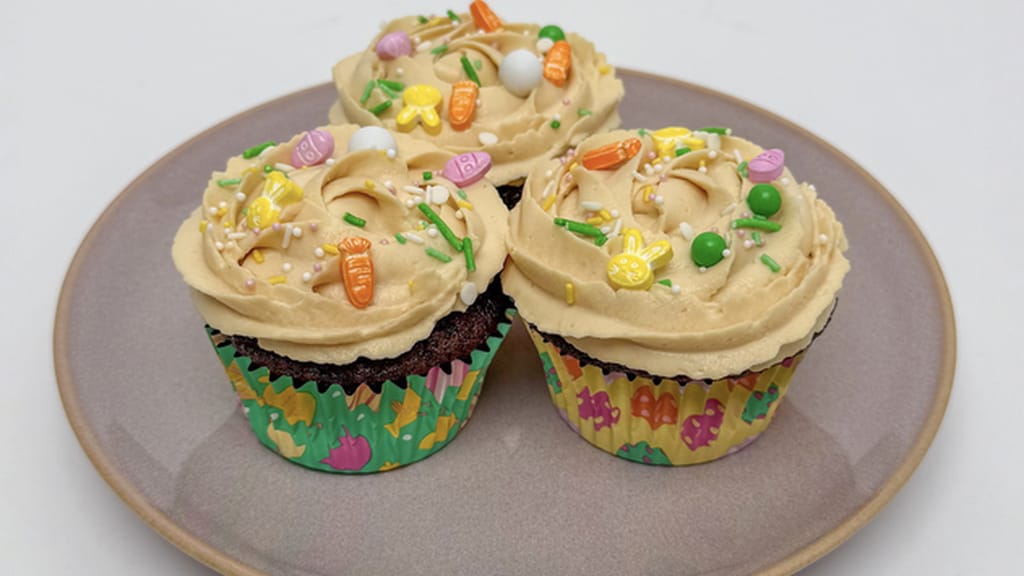
Chocolate cupcakes with salted caramel cream
Chocolate cupcakes with caramel frosting — matching theme for your kids' cake
The best approach for a kids' cake is three steps: bake the sponge 1–2 days ahead, fill and frost it the evening before the party, then add sprinkles and figures only on the day itself.
A sponge baked a day ahead slices more cleanly and crumbles less. Wrap it in foil and keep it in the fridge.
A frosted cake keeps perfectly well in the fridge overnight — the frosting firms up and the cake transports more easily.
Sprinkles and coloured candy balls bleed colour within a few hours if left on damp frosting, leaving streaks. That's why they go on last.
At the party, don't leave a cake made with cream or mascarpone frosting out of the fridge for more than about 2 hours — that's the general guideline for chilled foods, and even less time in warm conditions.
Candles should go in just before lighting, with a small guard underneath so wax doesn't drip into the frosting.
For a two-layer kids' cake (one filling) with a 20 cm diameter, allow roughly 700–900 g of frosting for both filling and covering. If you want to pipe swirls or extra decorations on top, add another 200–300 g.
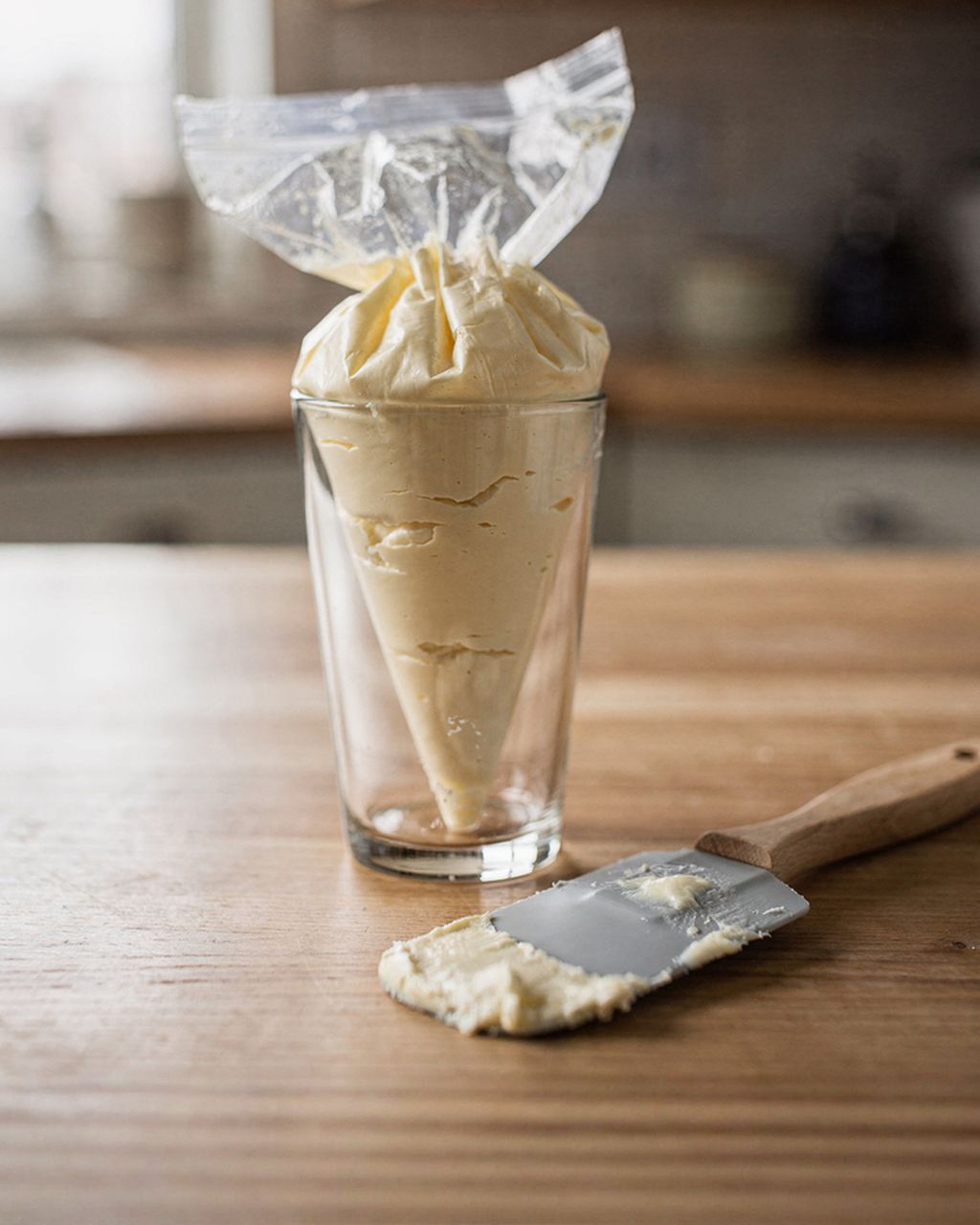
Write a message on a kids' cake using melted chocolate or coloured frosting piped from a small plastic bag with a tiny corner snipped off. Lightly sketch the letters with a toothpick first, write on well-chilled frosting, and practise your lettering on a plate before committing to the cake.
Replace fondant with frosting smoothed with a scraper, ganache, or shapes made from white chocolate. Kids often don't eat fondant anyway, so a smooth frosted surface with a bold design tends to taste better and is easier to make.
Transport a kids' cake well chilled, on a sturdy board inside a box, and set it on the flat floor of the car rather than on a seat. It's best to bring figures and candles separately and add them to the cake once you arrive.
You can decorate a kids' cake with fresh flowers only if they're edible and untreated — pansies, daisies or cornflowers, for example. What matters is that they were grown without pesticides or are sold specifically as edible flowers; regular cut flowers from a florist are usually treated with pesticides and shouldn't go anywhere near the frosting. Dried edible flowers made for food use are a safer alternative.
One recipe worth heating the oven for, one tip, and one deal from the shop. Nothing else.