Callebaut Dark Chocolate Callets (811) 400g
Praline Fillings: Ganache, Caramel & Fruit Paste — Ratios and Shelf Life
Updated Oct 8, 2026
Praline fillings come in three basic types: ganache (chocolate and cream), caramel, and fruit filling. Whether a filling holds its shape and how long it keeps down to one key factor: how much free water it contains. Here are the ratios for each type of chocolate, why glucose syrup and inverted sugar go into fillings, and how many days or weeks a filling will actually last.
For your first pralines, go with ganache. Beyond that, pick based on what you want from the praline:
Ganache is the easiest and most forgiving. It's smooth, chocolatey, and takes almost any flavouring well.
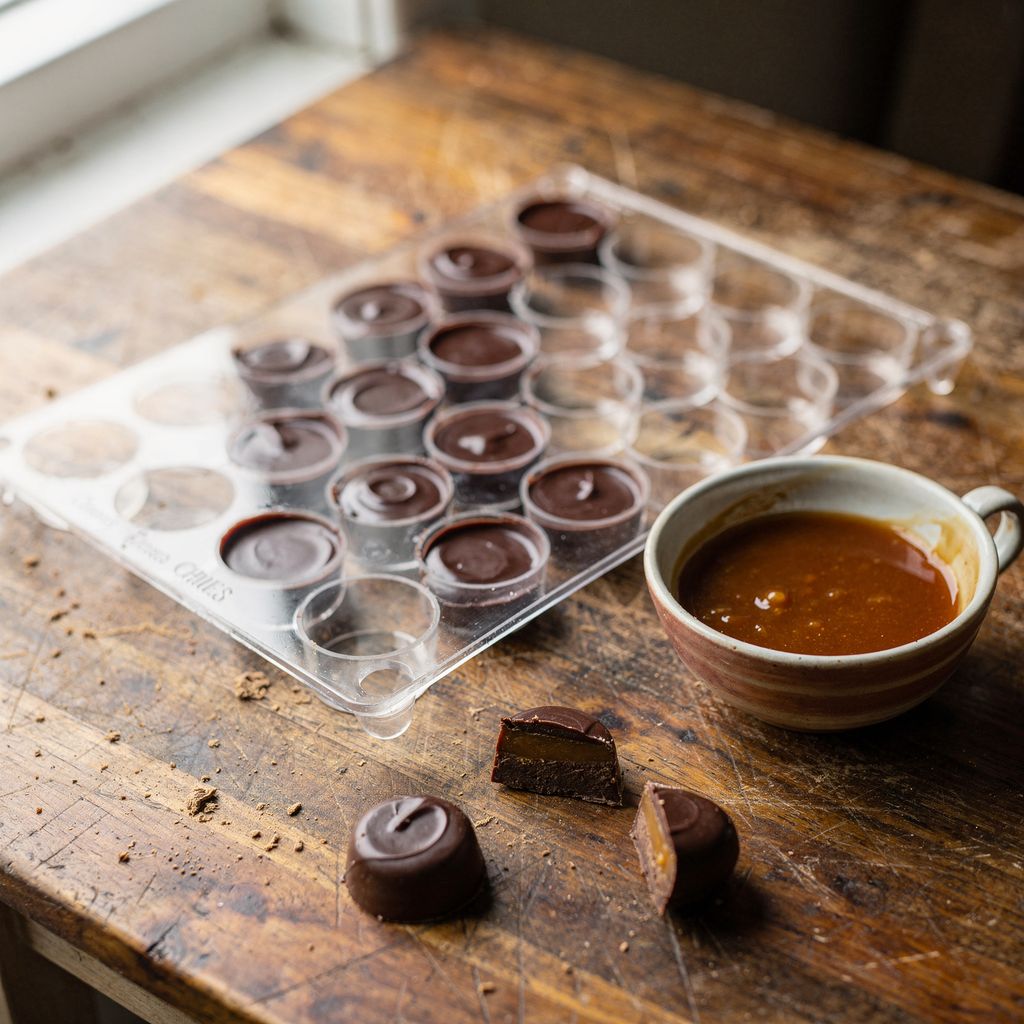
Caramel oozes out when you bite into the praline. It needs a fully sealed shell and a precise cooking temperature.
Fruit filling is bright and tangy. It's the only one where water is unavoidable: the fruit brings plenty of it along into the filling.
All three fillings go into a shell made from tempered chocolate. For how to cast the shell, which chocolate and mould to use, and how to decorate the pralines, see our guide to making chocolate pralines at home.
Both mould and fermentation need free water — water that nothing in the filling is binding. Callebaut illustrates this on their site with two products that both contain 20% water. The one with more tightly bound water (water activity 0.75) spoils far more slowly than the one with freer water (0.90). That's why Callebaut recommends keeping the total water content of a ganache at 20% or below.
The more water, the shorter the shelf life. Always use fresh cream with a long date on it for your ganache.
Here's how to reduce the free water in a filling:
Sugars bind water — glucose syrup and inverted sugar more effectively than regular sugar.
Alcohol (spirits) also binds water; according to Callebaut, so do salt, acids, fibre and proteins.
Fat (cocoa butter, butter) doesn't bind water itself, but it replaces part of the liquid, so there's less water in the filling overall.
Keeping the liquid in the recipe to a minimum from the start.
The practical takeaway for home pralines: less cream and a touch of inverted sugar mean both a longer shelf life and a firmer filling.
For pralines, use 1.5 parts dark, 2 parts milk, or 2.5–3 parts white chocolate to 1 part cream. The lower the cocoa solids, the more chocolate you need. Home starting ratios (chocolate : cream, 33–35% cream):
Dark chocolate (55–70%): 1.5 : 1, i.e. 300 g chocolate to 200 g cream
Milk chocolate: 2 : 1, i.e. 300 g to 150 g cream
White chocolate: 2.5–3 : 1, i.e. 300 g to 100–120 g cream
For comparison, Callebaut's own recipe for moulded praline ganache uses roughly 1.7 parts chocolate to 1 part cream for dark ganache (500 g to 289 g), and for white ganache 512 g chocolate to 216 g cream (about 2.4 : 1). On top of that they add glucose syrup, sorbitol, anhydrous milk fat, and inverted sugar (in the dark version) or dextrose (in the white). So your homemade dark ganache will end up a little softer, and the white one a little firmer. Both, however, will keep for less time, since they lack the sorbitol, inverted sugar or dextrose.
Method: warm the cream to 40°C (104°F) only — don't boil it. Melt the chocolate separately to 35°C (95°F), combine the two, and blend with a stick blender into a glossy emulsion. Pipe the ganache into the shells at 28–29°C (82–84°F), never above 30°C (86°F) — any warmer and it would melt the tempered chocolate of the shell.
Callebaut 811 is a reliable choice for dark ganache, and W2 for white. You'll find the full couverture range in our chocolate category.
Both belong in ganache, since each does a different job. Glucose syrup prevents crystallisation and gives the ganache smoothness and shine. Inverted sugar (a mix of glucose and fructose), according to Greweling, binds water even more strongly, so the filling stays softer and lasts longer.
How much to add: aim for around 5% inverted sugar and up to 5% glucose of the total ganache weight. At home, for a ganache made with 300 g chocolate and 200 g cream, that's about 30 g inverted sugar and 25 g glucose. Warm both together with the cream.
Substitutes: honey works similarly to inverted sugar, since it's a natural inverted sugar itself, but it will dominate the flavour. Regular sugar binds water less effectively and will make the ganache grainy.
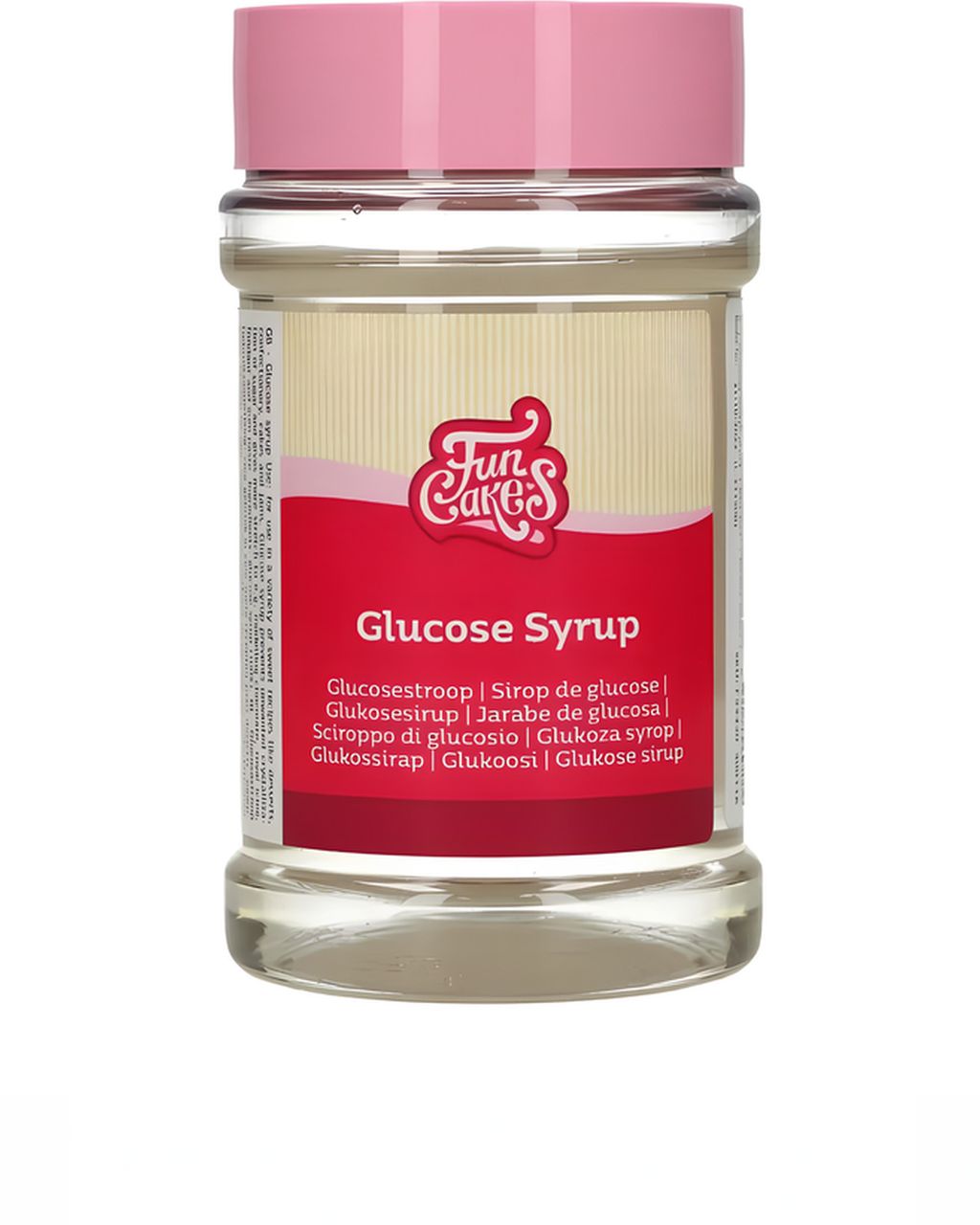
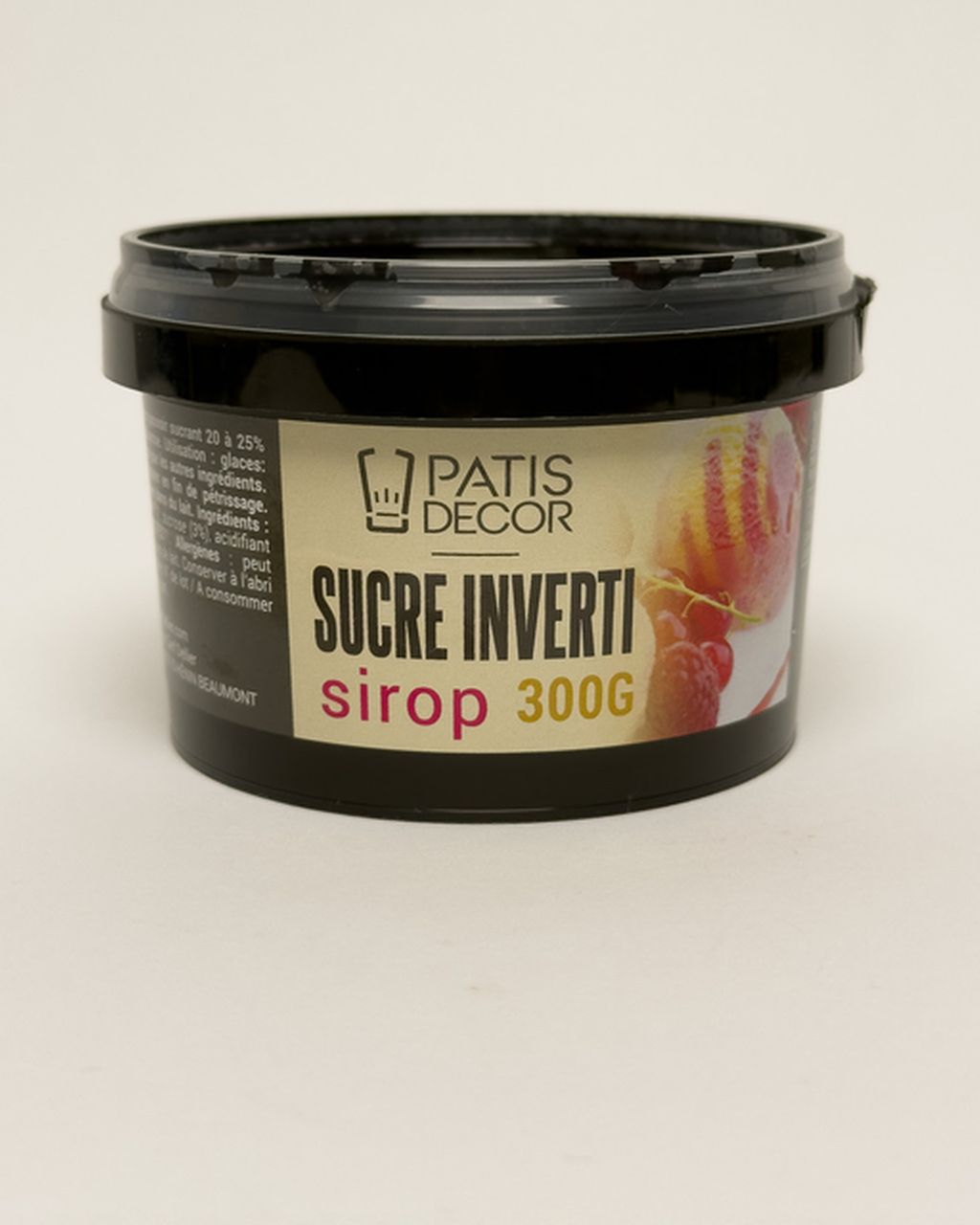
FunCakes glucose syrup and Patisdécor liquid inverted sugar both work well — you'll find them in the list below. If you don't have either, the ganache will still turn out fine; just eat it a bit sooner.
You can flavour praline ganache in three ways without adding extra water: infusing the cream, using a spirit, or using a flavouring paste.
Infusing the cream: vanilla, coffee, tea, spices or citrus zest. Infuse for 20–30 minutes, strain, then top the cream back up to its original weight. For vanilla pod alternatives, see our article on vanilla pod substitutes.
Spirits: 1–2 tablespoons per 500 g ganache. Adds flavour while also binding water.
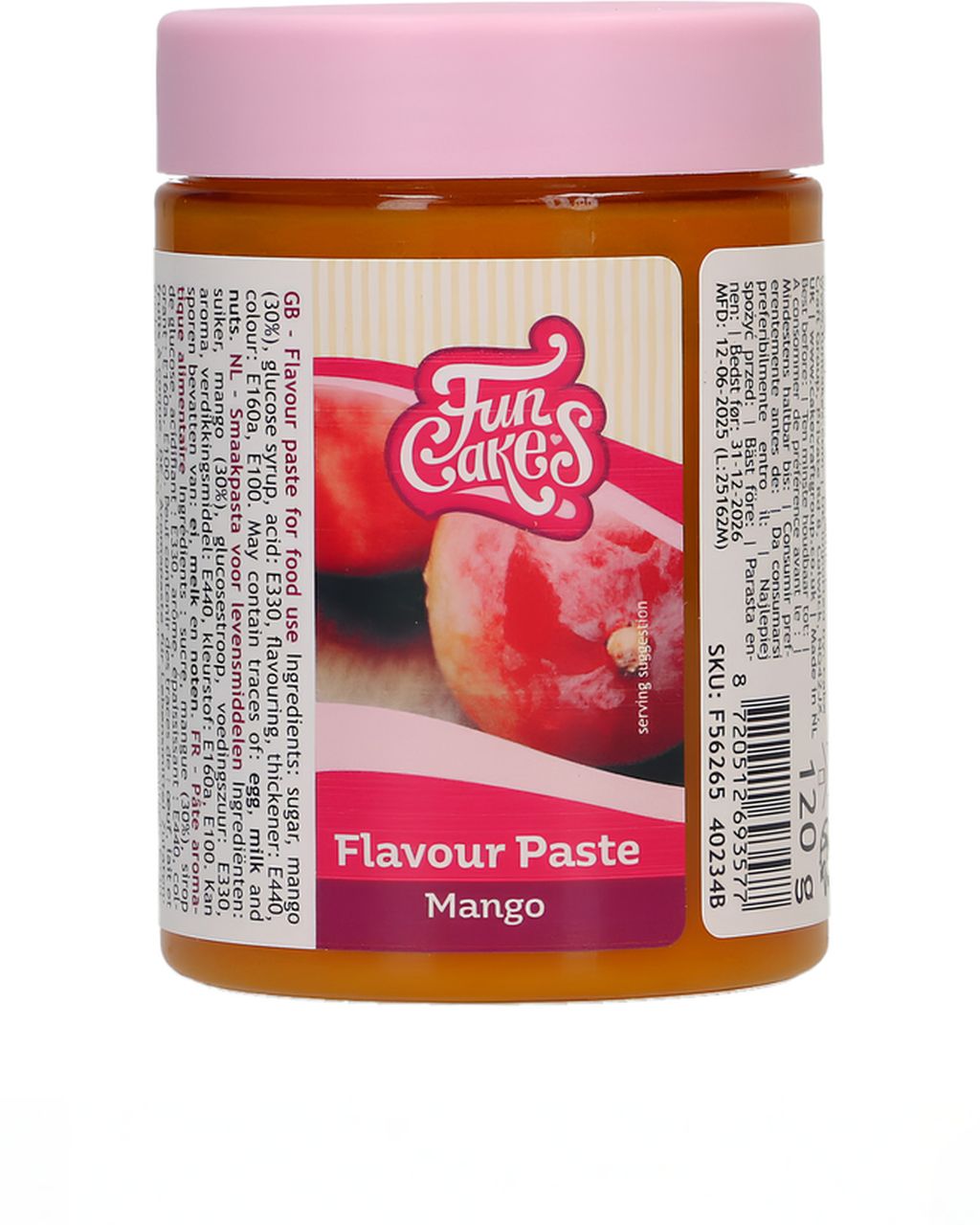
Flavouring paste: concentrated flavour with almost no water. FunCakes flavouring pastes (raspberry, mango, pistachio and more) work especially well in white ganache, since they colour it at the same time. Add them once the emulsion is finished, a little at a time, tasting as you go so the flavour doesn't turn artificial.
Fruit juices and low-alcohol liqueurs mainly add water. Leave them out of any ganache meant to keep for a while.
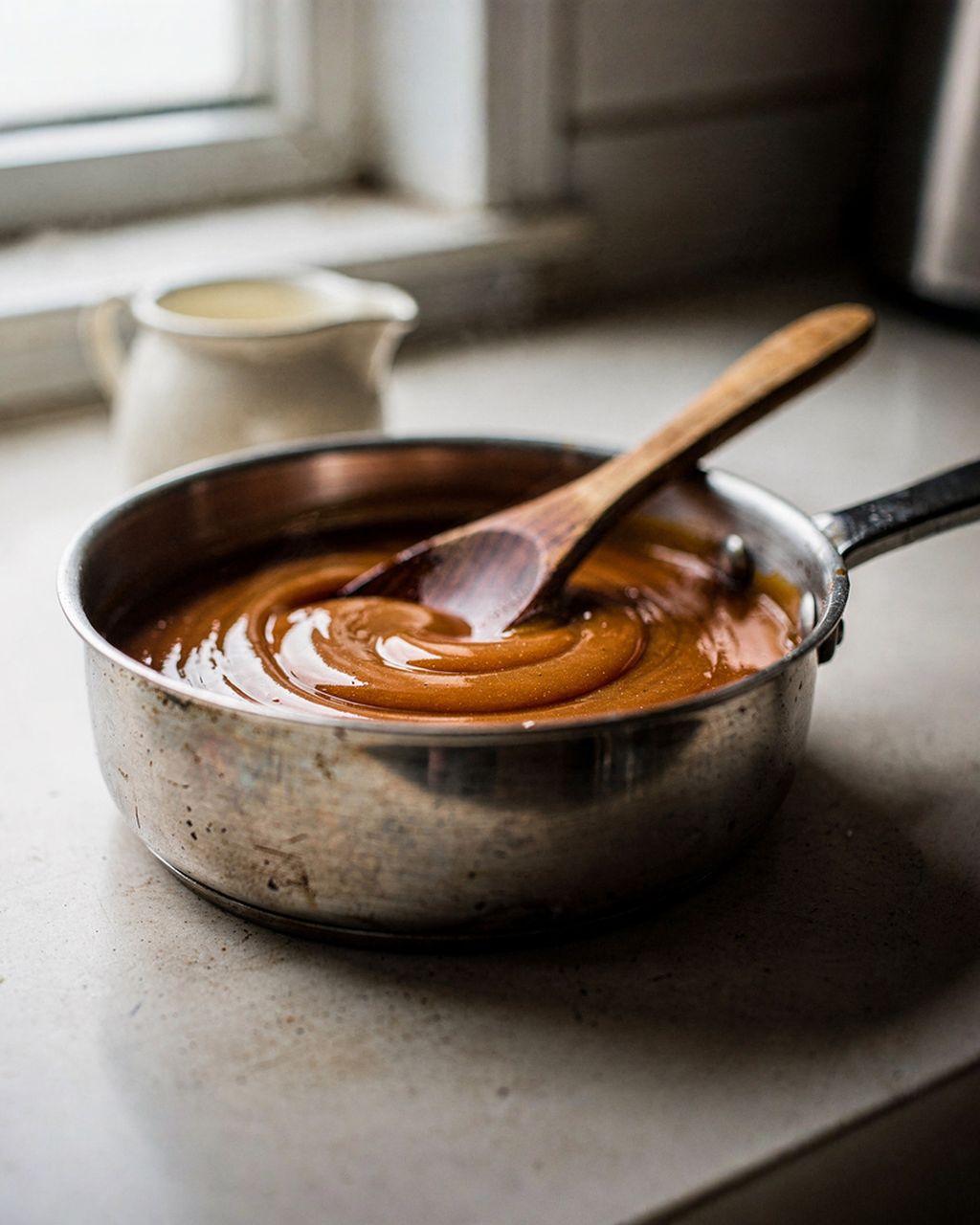
Make liquid caramel for pralines with a 1 : 1 ratio of sugar to cream, plus 10–15% glucose syrup by weight of the sugar. The glucose stops the caramel from crystallising and turning grainy in the praline after a few days.
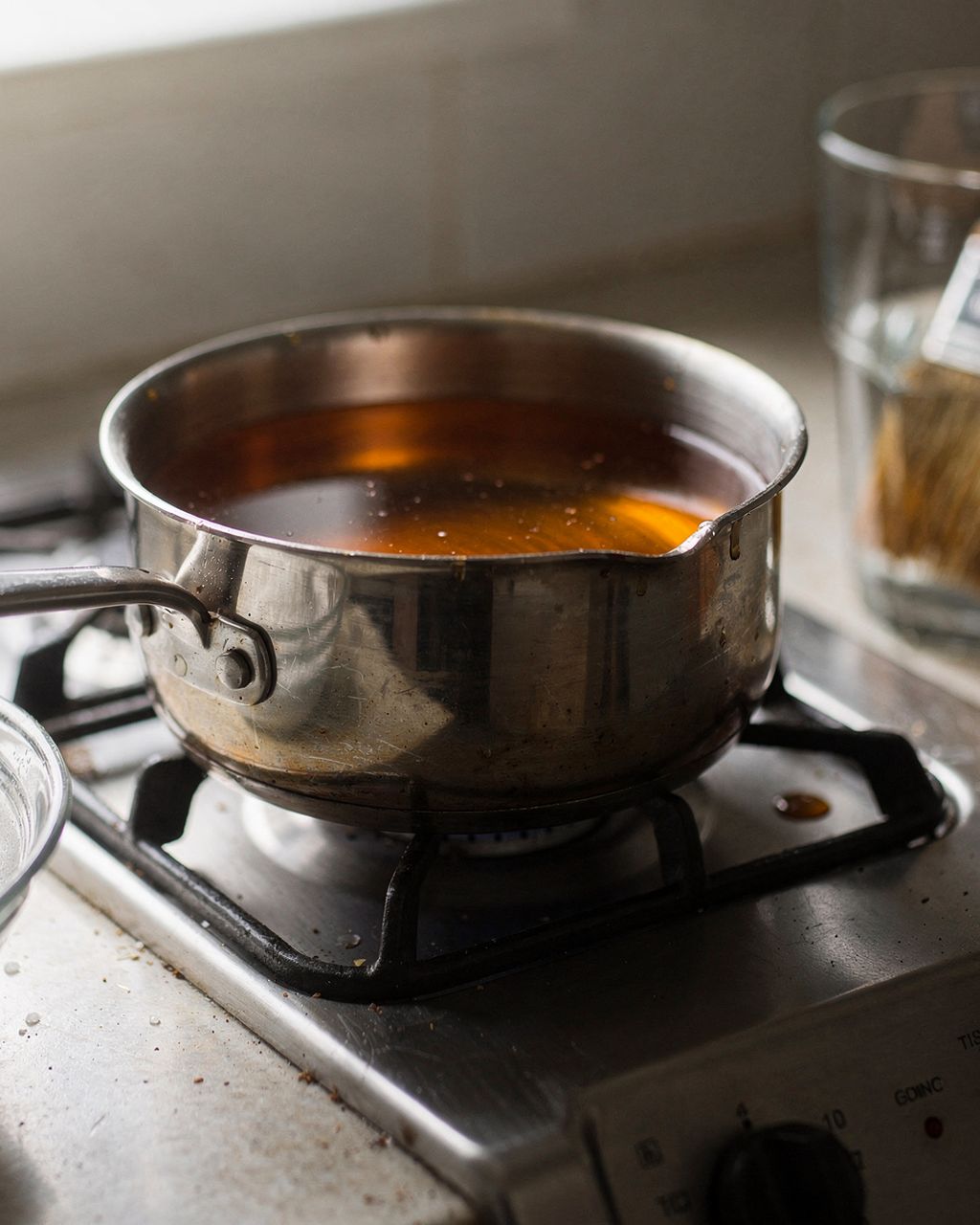
Caramelise the sugar and glucose dry until amber (roughly 170–180°C / 340–355°F).
Take it off the heat and pour in the hot cream gradually. Cold cream will make the caramel spatter and seize into lumps.
Boil to 105–108°C (221–226°F). The higher you take it, the firmer the caramel will be in the finished praline.
Stir in butter (about 15% of the sugar's weight) and a pinch of salt. Pipe into the shells at 30°C (86°F).
Our 4-ingredient homemade caramel sauce is a good starting point, but it's thinner and holds more water than a praline can handle — boil it a few degrees further for praline use. For how to caramelise sugar without it turning bitter, see our guide to making caramel, and for what to do with grainy caramel, read why caramel crystallises.
There are three ways to get fruit into a praline: fruit ganache, fruit paste (pâte de fruits), or ganache with a flavouring paste. The main difference between them is how much water each brings into the filling:
Fruit ganache: part of the cream is replaced with fruit purée. In Callebaut's raspberry praline recipe, 150 g raspberry purée is boiled with 50 g sugar and 30 g glucose before being combined with the cream and chocolate. Boiling evaporates water, and the sugars bind what's left. This works best with white or ruby chocolate.
Fruit paste (pâte de fruits): purée is boiled down with sugar and pectin to 72°Brix (per Callebaut's figure) and left to set for at least 4 hours. A layer of fruit paste under ganache gives the most intense fruit flavour you can get in a praline, but it requires a refractometer or a precise thermometer, plus pectin. We don't currently stock fruit purée or pectin, so source them from a specialist supplier.
Ganache with flavouring paste: the simplest route. Add a FunCakes paste to white ganache and you get fruit flavour and colour without any extra water. It tastes sweeter and less tart than real fruit, but the filling is stable.
Jam or marmalade without further thickening tends to be too runny and wet for a sealed praline. To see how fruit works in a larger dessert, check out our chocolate cake with raspberry pralines.
Homemade pralines with a plain cream ganache keep for roughly 3 weeks at room temperature. This figure comes from Peter Greweling's Culinary Institute of America textbook Chocolates and Confections, for cream-based ganache. Going longer, he notes, requires measuring water activity, which isn't feasible at home.
Professional ganache (Callebaut): their precise formulations with sorbitol, inverted sugar or dextrose, glucose and anhydrous milk fat are built for a longer shelf life. Don't apply that timeline to a homemade cream-and-chocolate ganache.
Nut praliné (Callebaut): about 6 months at 16°C (61°F), away from light. It contains neither cream nor water.
Caramel and fruit fillings: there's no reliable shelf life for homemade caramel or fruit fillings. Treat cream-based caramel and fruit fillings (fruit ganache or fruit paste under ganache) the same as cream ganache — a maximum of 3 weeks — and ideally eat them sooner.
Both Callebaut's and Greweling's figures assume the filling is sealed inside a tempered chocolate shell. A cut-open praline, or a filling without a chocolate seal, dries out and spoils faster.
Ganache most often splits when one part gets too hot, or when there isn't enough liquid for the amount of chocolate. You can rescue it with a stick blender and a spoonful of warm cream (around 35°C/95°F), mixed in bit by bit until it comes back together into a glossy emulsion. Next time, keep the cream at 40°C (104°F) and the chocolate at 35°C (95°F) when combining them, and only pipe the ganache into shells once it's cooled to 28–29°C (82–84°F).
Yes, both ganache and finished pralines can be frozen, but thaw them slowly. Move the sealed container to the fridge for a day first, then let it come up to room temperature before opening it. The fridge stage is just a buffer so the temperature jump out of the freezer isn't too sudden. Skip any of these steps and water will condense on the chocolate, leaving a grey film.
Yes — you can replace cream with coconut milk, fruit purée, or butter. Use full-fat tinned coconut milk; the ganache will be softer and wetter, so start with less than you think you need. With dairy-free dark chocolate, this gives a fully dairy-free ganache; milk and white chocolate both contain dairy. Purée brings in a lot of water, so boil it down with sugar first. Pralines with a butter-based filling last longer, since butter contains less water.
Caramel turns grainy when the sugar starts recrystallising. This usually happens when it's missing glucose syrup or inverted sugar. Add 10–15% glucose by weight of the sugar, and don't stir the caramel while it's cooking — just swirl the pan instead.
Throw the praline out if the filling smells sour or yeasty, shows fuzzy growth or mould spots, or if the shell has bulged or cracked from fermentation pressure building up inside. A greyish-white film on the surface of the chocolate, on the other hand, is just fat or sugar bloom — harmless, just not pretty.
One recipe worth heating the oven for, one tip, and one deal from the shop. Nothing else.