Salted caramel peanut cheesecake
How to Make Caramel from Sugar Without It Turning Bitter: Temperature, Method and Mistakes
Updated Oct 4, 2026
How to make caramel: melt sugar in a heavy-bottomed pan, let it turn amber (roughly 170–180°C/340–355°F), then stop the cooking right away with cream, butter or water. Bitter caramel almost always comes down to the same thing: the sugar got too hot — past a deep copper color (roughly above 185–190°C/365–375°F), bitterness quickly takes over. It only takes a few seconds of distraction, because the darker caramel gets, the faster it keeps darkening. Below you'll find the method, plus the colors and smells that tell you when it's ready, and the mistakes that send caramel straight into the bin.
Making caramel from sugar comes down to five steps: prep everything ahead, melt the sugar, let it turn color, pull the pan off the heat at amber, and stop the cooking with cream and butter.
Prep everything ahead of time. Weigh out the sugar (say, 200 g), warm the cream (200 ml, heated to around 60°C/140°F), and cube the butter (30–50 g). Once the sugar starts browning, you won't have time to go hunting for ingredients.
Melt the sugar over medium heat in a light-colored, heavy-bottomed pan. You can do this dry, or with a little water (roughly a 3:1 ratio, so 200 g sugar to 60–70 ml water).
Let it turn color. Don't stir — just swirl the pan now and then so the color develops evenly.
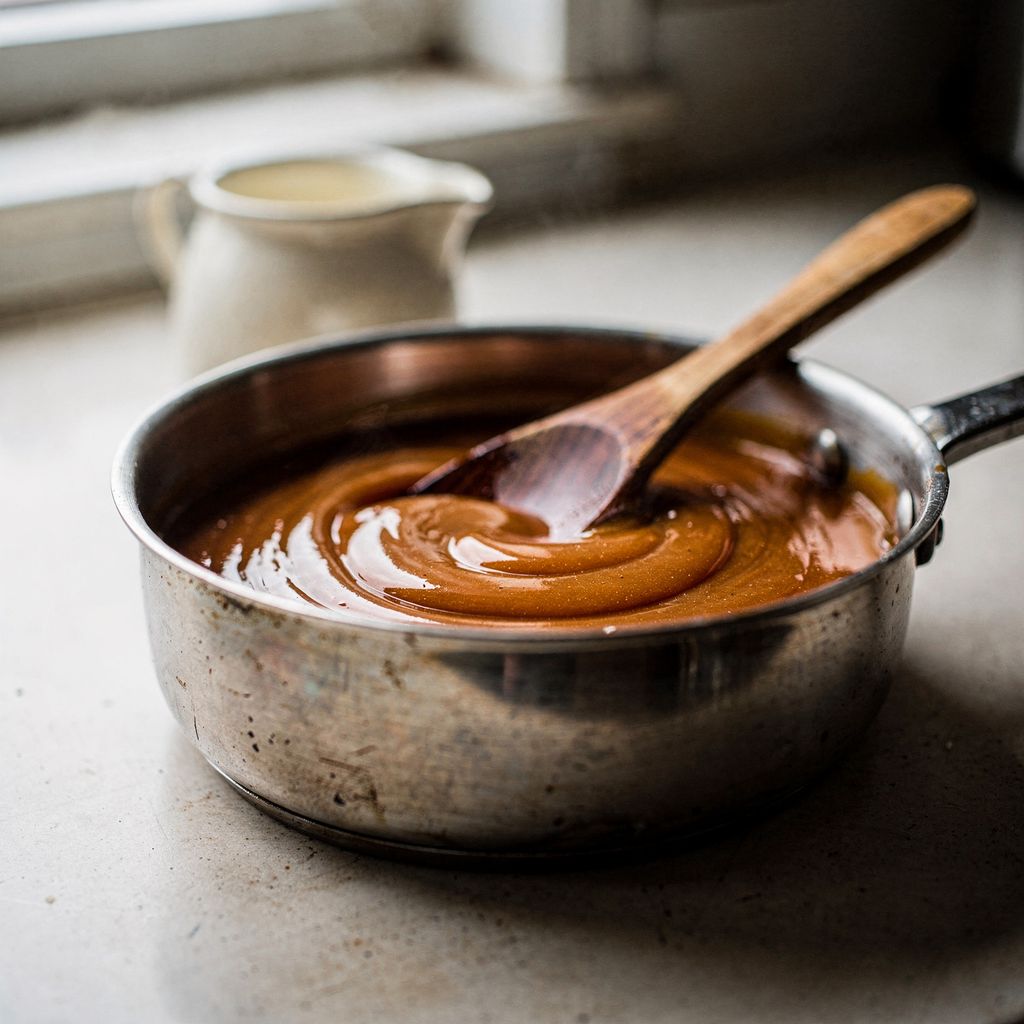
Pull the pan off the heat as soon as the caramel is amber and smells nutty. That's around 170–180°C (340–355°F).
Stop the cooking. Pour in the warm cream gradually, whisk in the butter, then finish with salt if you want salted caramel.
You'll find the finished cream, butter and salt sauce in our recipe for homemade caramel sauce from 4 ingredients.
Caramel turns bitter when the sugar overheats — once it passes a deep copper color (roughly above 185–190°C/365–375°F), bitterness quickly takes over. At that point the sugar isn't developing new flavor anymore, it's burning. The short version: what matters isn't how long you cook it, but what temperature the sugar actually reaches.
According to food science sources, sucrose starts caramelizing around 160–170°C (320–340°F). Here's roughly how the stages break down:
160–170°C (320–340°F): pale gold. Mostly sweet, with a faint buttery note. Good for decorations and spun-sugar work.
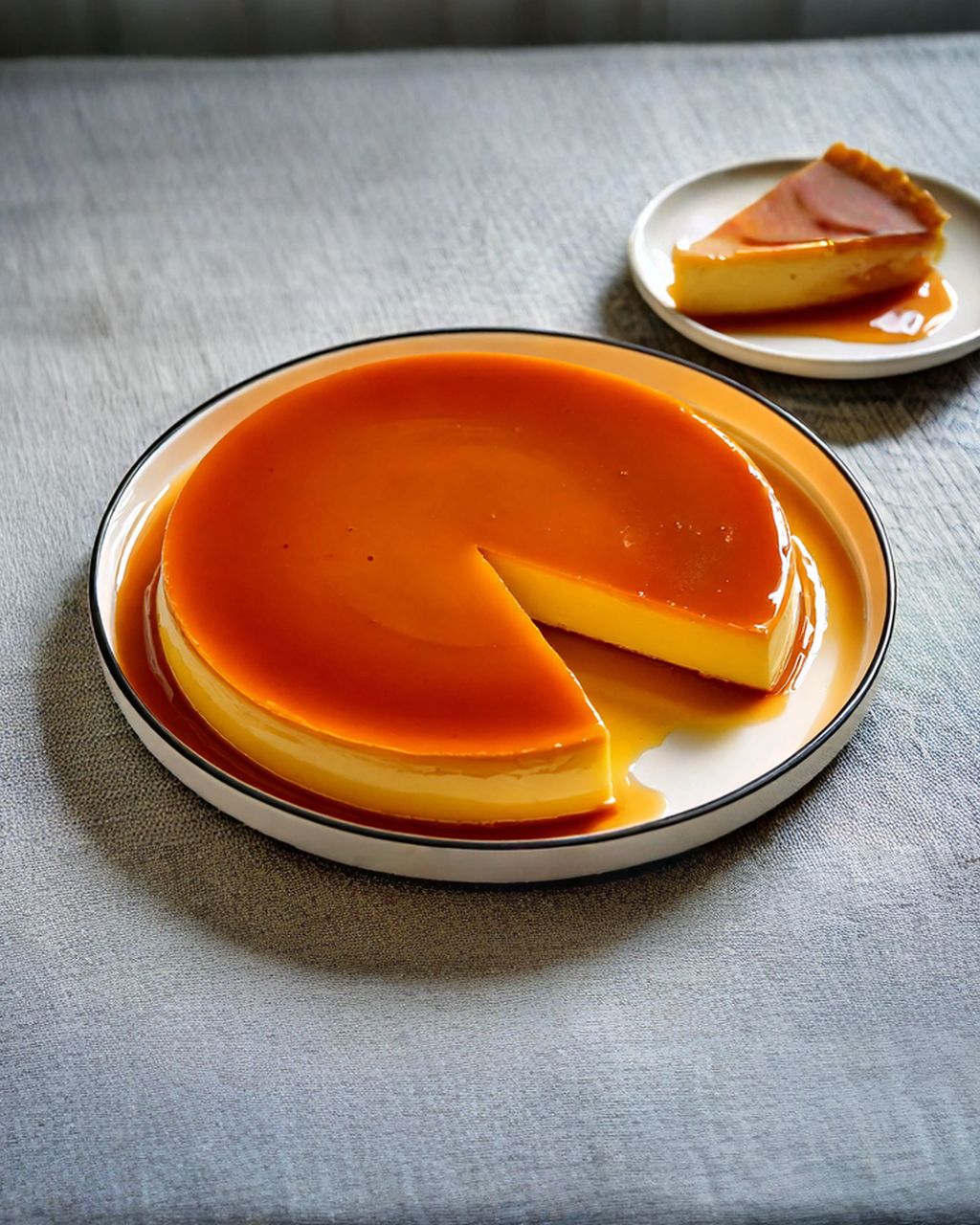
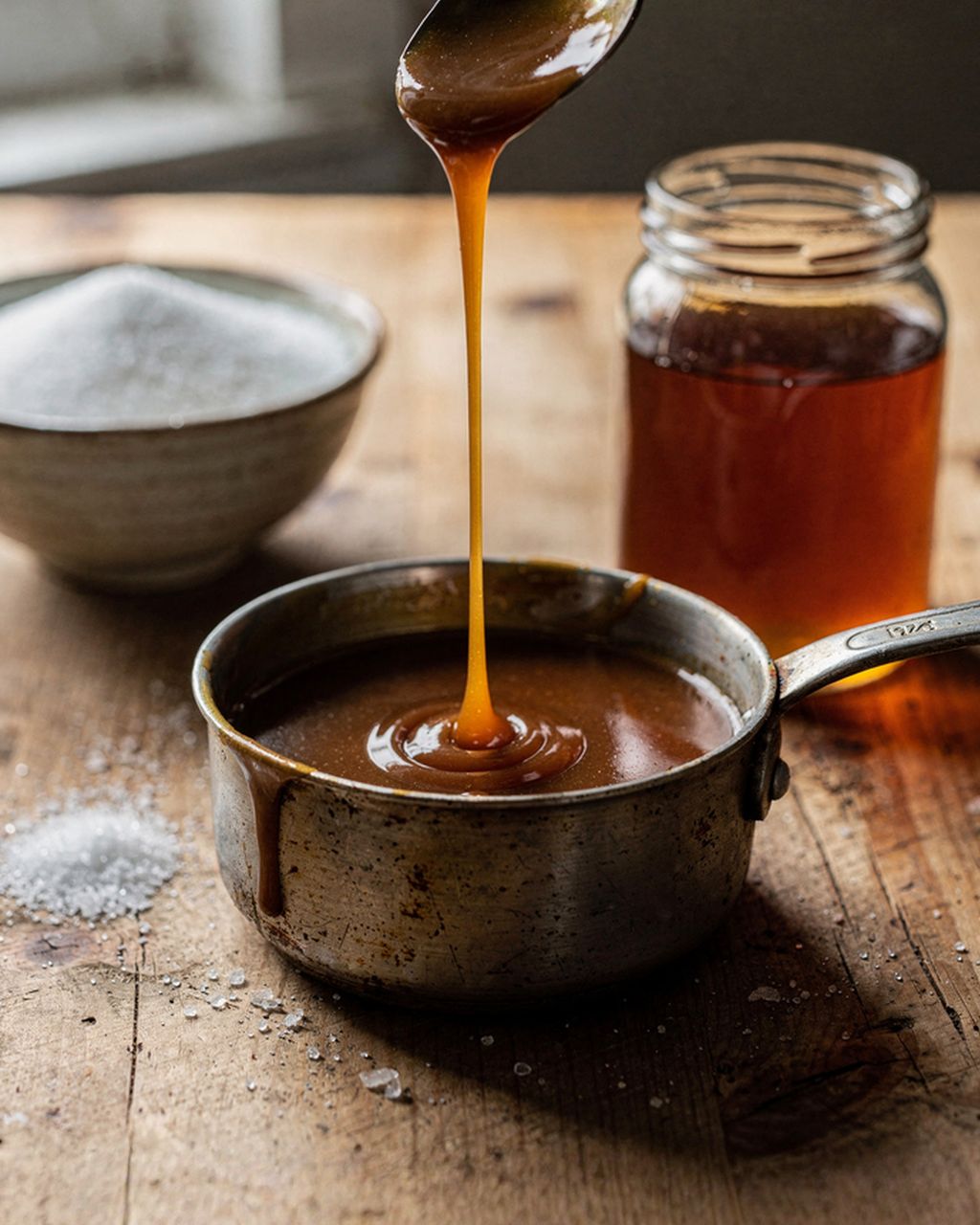
170–180°C (340–355°F): amber. Sweetness balanced by bitterness, with nutty, toffee aromas. Ideal for sauces, step-by-step caramel flan, and salted caramel.
180–190°C (355–375°F): deep copper. Noticeably bitter, right on the edge of burning.
Around 200°C (390°F) and above: dark brown to black. It smokes, smells scorched, and tastes acrid. There's no saving it at this point.
The tricky part is that caramelization speeds up as the temperature climbs. The darker the caramel gets, the faster it keeps darkening — the gap between amber and burnt is often just a few seconds. On top of that, a hot pan keeps cooking even after you take it off the burner, so the temperature will climb a few degrees more. That's why you should pull the pan off one shade earlier than the final color you're after.
You'll know caramel is ready by four signs: an amber or cognac color, the smell of toasted nuts, light wisps of vapor rather than grey smoke, and a temperature of 170–175°C (340–345°F) on a thermometer.
Color. Caramel always looks darker in the pan than it really is. Drop a spoonful onto a white plate to see its true shade.
Smell. The sweet smell turns nutty as the caramel nears the right point. Once you catch a sharp, smoky note, it's too late.
Smoke. Faint, light vapor is fine. Grey smoke means the sugar is actually burning.
Thermometer. If you've got a probe thermometer that reads up to 200°C (390°F), pull the pan at 170–175°C (340–345°F). Color is still the more reliable guide, though, since a thermometer is often inaccurate in such a small amount of caramel.
The pan you choose matters more than you'd think. A light-colored, heavy-bottomed stainless steel pan lets you judge the color and spreads the heat evenly. A dark non-stick pan hides the true color, and a thin base creates hot spots where the caramel burns before the rest has even turned golden.
For your first attempt, the wet method (sugar plus water) is the safer bet — it's slower and more forgiving. The dry method (sugar only) is quicker, but burns more easily.
Wet method (sugar + water). Cover the sugar with water in roughly a 3:1 ratio, melt it over medium heat, then let it simmer without stirring. The water evaporates first (the syrup bubbles and stays clear), and only afterward does the sugar start to brown. This stage takes longer, giving you plenty of time to watch the color. The downside: the syrup is prone to crystallizing. So once the sugar has dissolved, stop stirring, and brush any sugar crystals off the sides of the pan with a wet pastry brush.
Dry method (sugar only). Scatter a thin layer of sugar into the pan, let it melt, then add more in stages. It's ready in just a few minutes, but the sugar near the base browns faster than the surface. Swirl the pan as you go, and give it a gentle stir at the end with a heat-resistant spatula. Don't attempt more than 200–300 g at a time with the dry method, or the bottom will burn before the top has even melted.
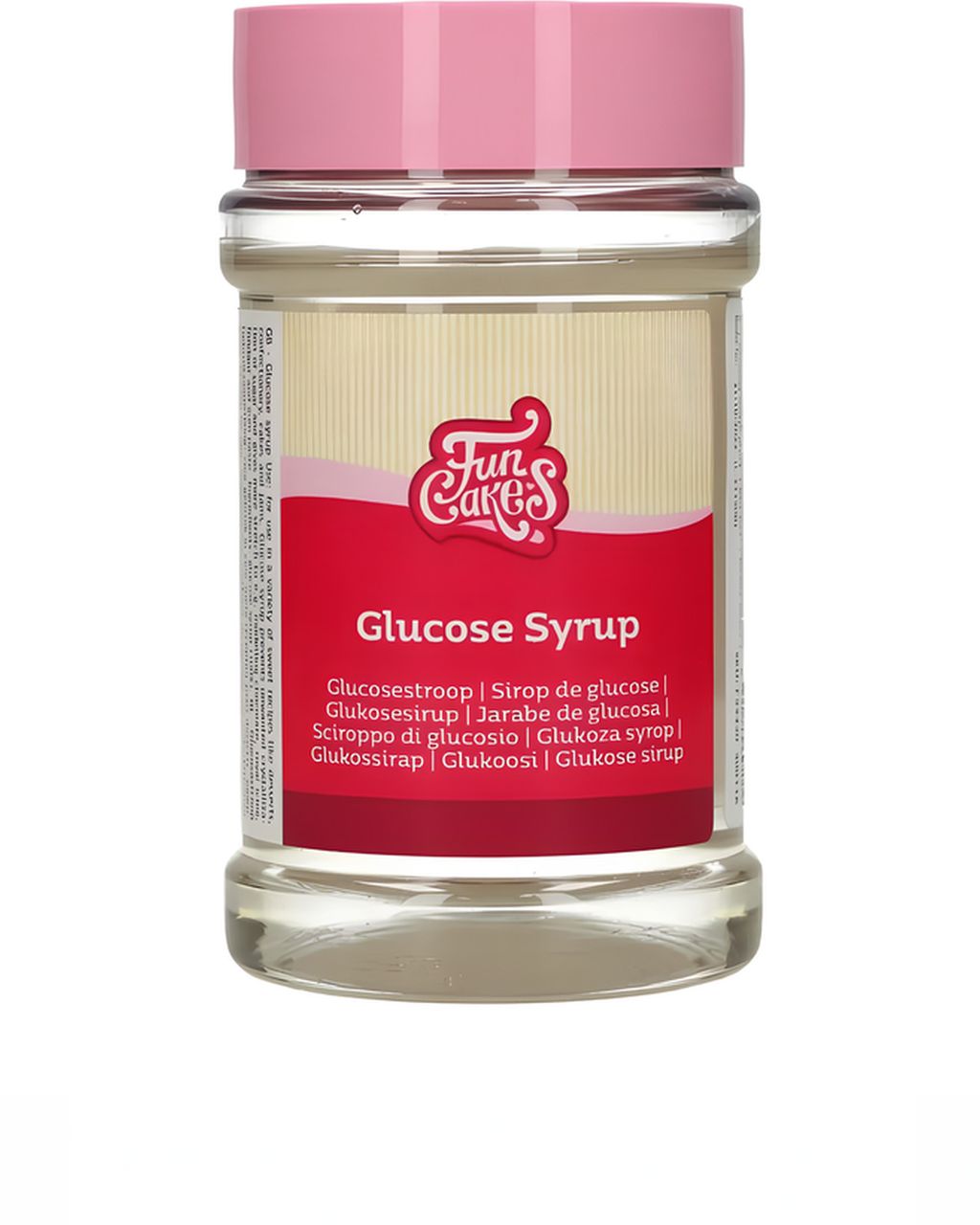
If your caramel turns pale and lumpy instead of melting smoothly, it has crystallized. A single undissolved sugar crystal, or stirring at the wrong moment, is enough to set off crystallization across the whole pan. You can avoid it by letting the sugar fully dissolve before you stop stirring, wiping the sides of the pan with a wet brush, and adding a little glucose syrup (more on this below). If you don't have glucose syrup on hand, check out our article on what to use instead of glucose syrup in caramel and confections.
You stop caramel cooking by cooling it down fast. Pour in a warm liquid (cream, water, juice), add butter, or dunk the base of the pan into cold water.
For a sauce: take the pan off the heat and pour in cream warmed to around 60°C (140°F), adding it in thirds. Cold cream shocks the caramel — it will bubble up violently and can seize into a hard lump. Then stir in the butter and salt. For salted caramel, start with around 3 g of salt (a scant half teaspoon of fine salt) per 200 g sugar, and add more up to 6 g to taste. Flaky salt is less dense than fine salt by volume, so if you're measuring by the spoonful, use a slightly heaped one.
For plain caramel (flan, crème caramel, spun-sugar decorations): dip the base of the pan into a bowl of cold water for 2–3 seconds, then pour the caramel out right away.
If the caramel seizes into a lump: don't worry. Just put the pan back over low heat and stir until it melts smooth again.
Keep in mind that stopping caramel with cream lightens its color further. So a sauce made from amber caramel will end up a shade lighter than the caramel looked in the pan.
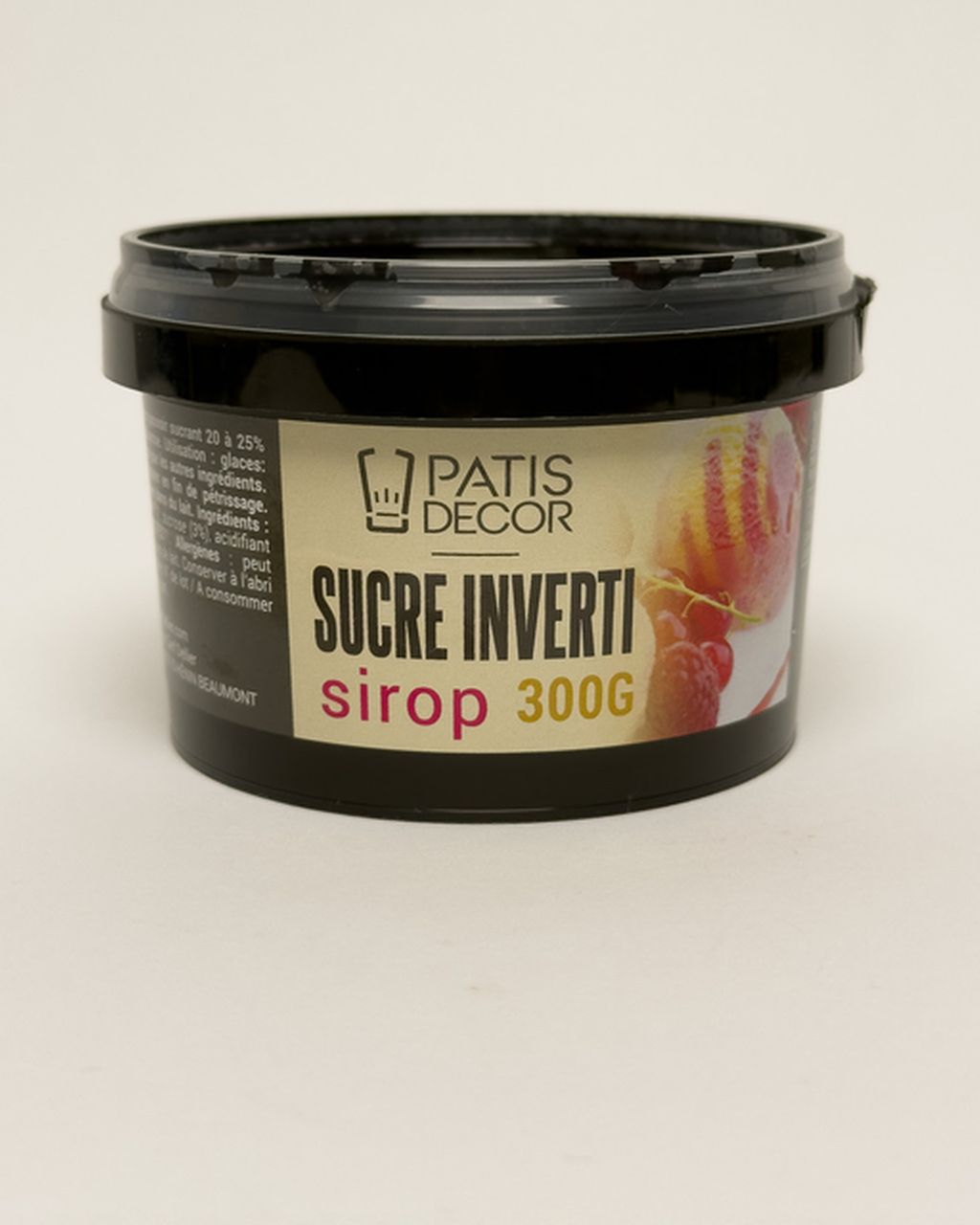
Glucose syrup and invert sugar mainly help caramel resist crystallization, not bitterness. A couple of tablespoons will keep caramel smooth and pliable — the only difference is that invert sugar also makes the caramel darken faster.
Glucose syrup should be added at around 10–20% of the sugar's weight (20–40 g per 200 g sugar). It stops sucrose molecules from reforming into crystals, which makes the wet method far more reliable. A caramel sauce made with it also won't set rock-hard or turn grainy in the fridge.
Invert sugar is a mix of glucose and fructose. Because fructose browns at a lower temperature than regular sugar, caramel made with invert sugar darkens faster. Around 10% (20 g per 200 g sugar) is enough, and you should take the pan off the heat a little sooner than you would with plain sugar. The payoff is a sauce that stays smooth and pliable even cold, and keeps its soft texture in cake fillings or in a salted caramel buttercream.
You can find both, along with other baking essentials, in our sugars and syrups for baking category.
Bitter caramel usually comes down to six mistakes: too high a heat, stepping away from the stove, a pan that's too small or too dark, pulling it off only once it hits the target color, adding too much invert sugar or honey, and cooking in a pan with old caramel residue.
Too high a heat. The sugar colors unevenly and the edges burn. Medium heat is all you need — patience pays off here.
Stepping away from the stove. The final 30 seconds decide everything. Don't leave the pan even to grab the cream — have it ready beforehand.
A pan that's too small or too dark. You can't judge the color properly, and the caramel overheats.
Pulling the pan off only at the target color. Residual heat will push the caramel further, so take it off a shade earlier than you want.
Too much invert sugar or honey. Fructose browns sooner, so the caramel colors faster than you'd expect.
A pan with leftover residue. Old burnt bits will make a fresh batch bitter right from the start. Always start with a clean pan.
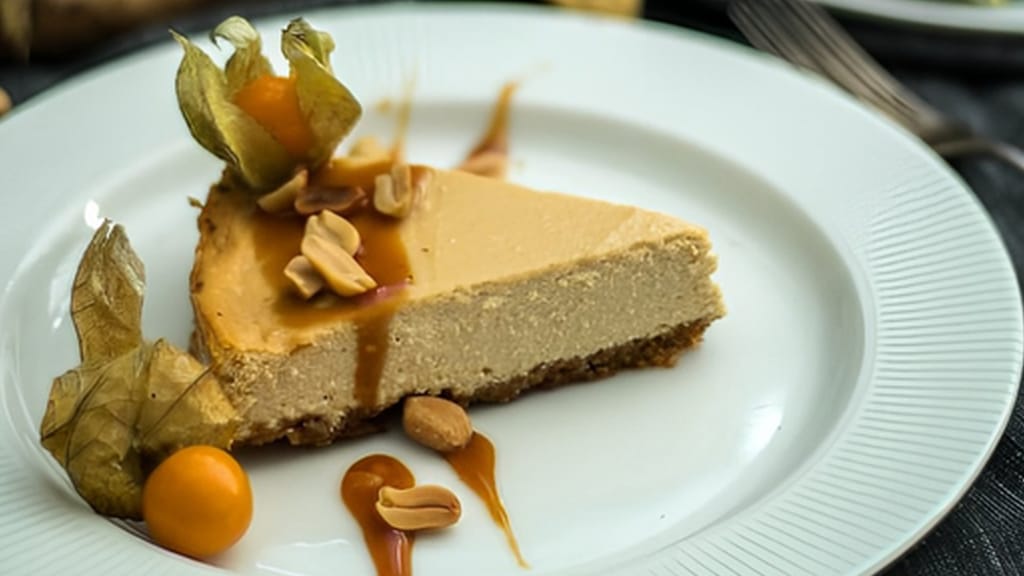
Amber caramel made with cream works beautifully as a sauce, a glaze, or a filling. Try our cheesecake with salted caramel and peanuts, chocolate tart with salted caramel, or salted caramel ice cream.
Salted caramel peanut cheesecake
Cheesecake with salted caramel and peanuts
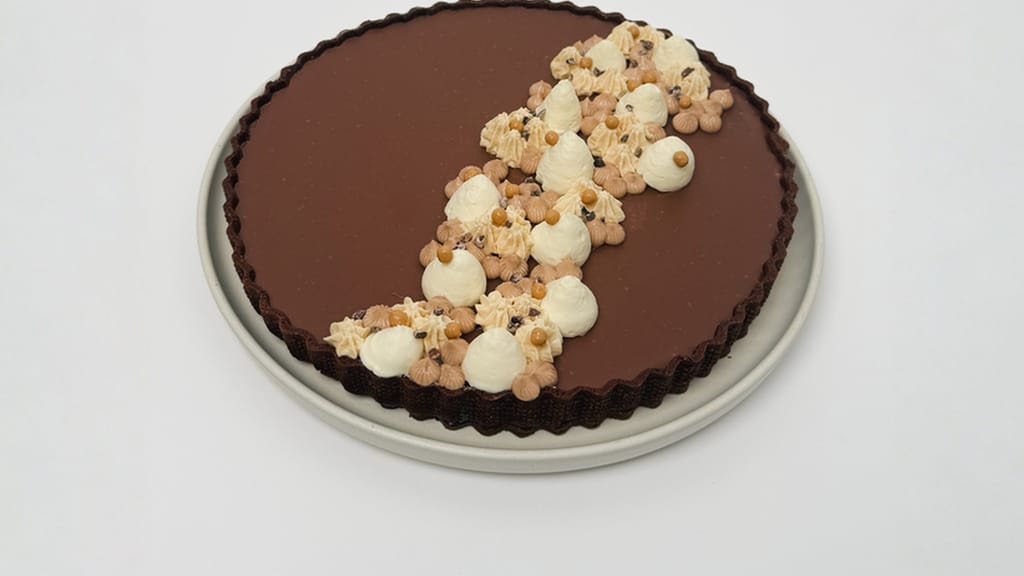
Chocolate tart with salted caramel
Chocolate tart with salted caramel
Salted caramel ice cream
Homemade salted caramel ice cream
Salted caramel cream - great for macarons and more
Salted caramel buttercream for macarons and cakes
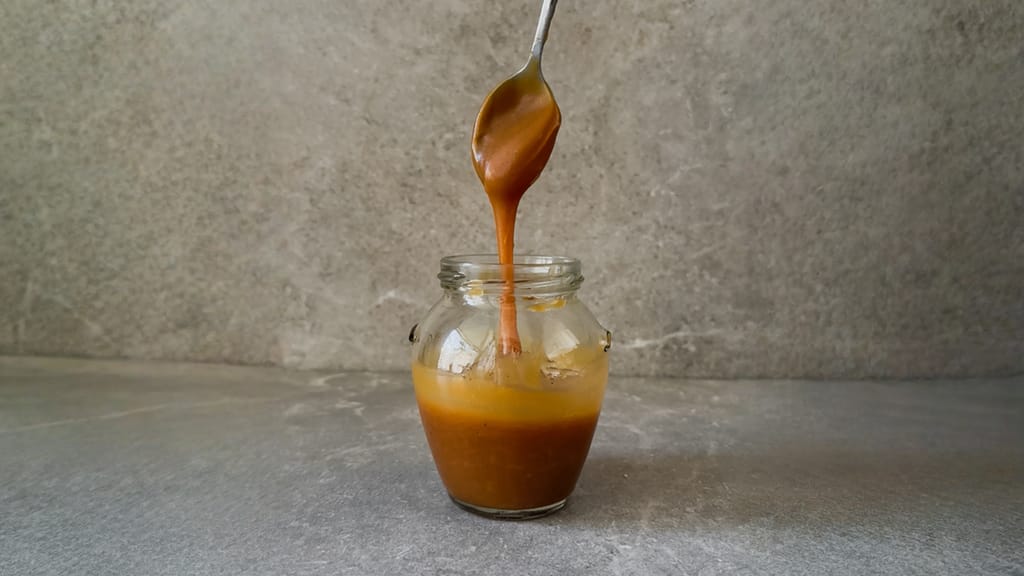
Homemade caramel sauce with just 4 ingredients
Caramel sauce made from sugar, cream, butter and salt
No, burnt caramel can't be saved, because the bitterness carries through into anything you dilute it with. Caramel that's only slightly overcooked and deep copper in color can still be softened with extra cream and butter. But once it smells scorched or gives off grey smoke, pour it out and start again. 200 g of sugar costs a lot less than a whole ruined dessert.
Homemade caramel sauce made with cream keeps for about 2 weeks in a sealed jar in the fridge. It thickens up when cold. Before using it, warm it briefly in a water bath or microwave in 10-second bursts, stirring in between.
The easiest way to clean a pan with hardened caramel is to fill it with water and bring it to a boil. The caramel will dissolve in the water within a few minutes, and then you can just wash the pan as normal. Don't scrape at it — you'll scratch the stainless steel and wear out your arm for nothing.
You can make caramel from cane sugar or brown sugar, but it's harder to judge the color since it's brown from the start. So pay close attention to the smell instead, and take it off the heat as soon as it starts smelling nutty. The molasses it contains also burns faster. For your first attempts, plain white sugar is the more reliable choice.
Spun-sugar decorations and pieces of plain caramel only stay crisp for a few hours, because the sugar draws in moisture from the air and starts turning sticky and soft. So make them just before serving, and don't put them in the fridge. Hardened pieces of plain caramel (for crushing, say) will keep for several weeks in a dry, well-sealed container.
One recipe worth heating the oven for, one tip, and one deal from the shop. Nothing else.